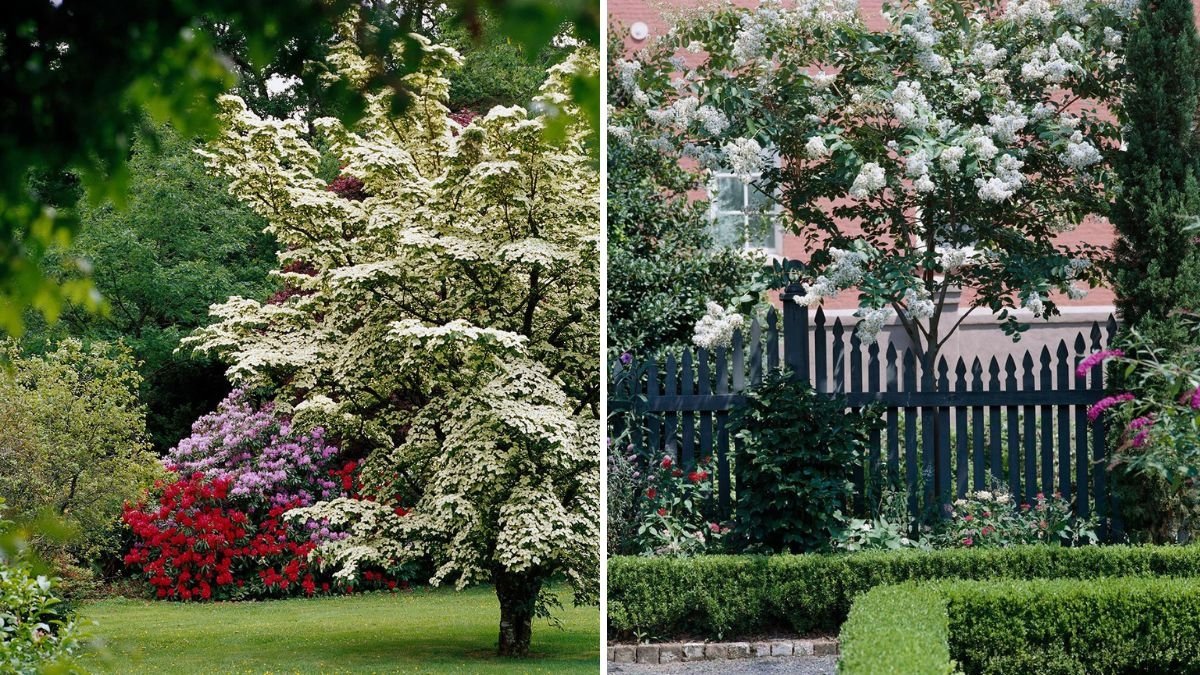
Creating a lush, inviting patio or courtyard requires thoughtful plant selection. While large trees can overwhelm these intimate spaces, small trees provide the perfect balance of shade, beauty, and structure without dominating the area. They enhance ambiance, create privacy, and can even produce flowers or fruit, making outdoor spaces more enjoyable and functional.
Small trees are particularly suited for urban gardens, terraces, and compact landscapes. They typically grow under 20 feet tall, have limited root spread, and can be pruned or container-grown to suit the environment. Choosing the right tree ensures your courtyard remains aesthetically pleasing year-round.
In this article, we explore five small trees ideal for patios and courtyards, detailing their features, growing requirements, and why they are perfect choices for these spaces.
1. Japanese Maple (Acer palmatum) – Elegance in Every Season
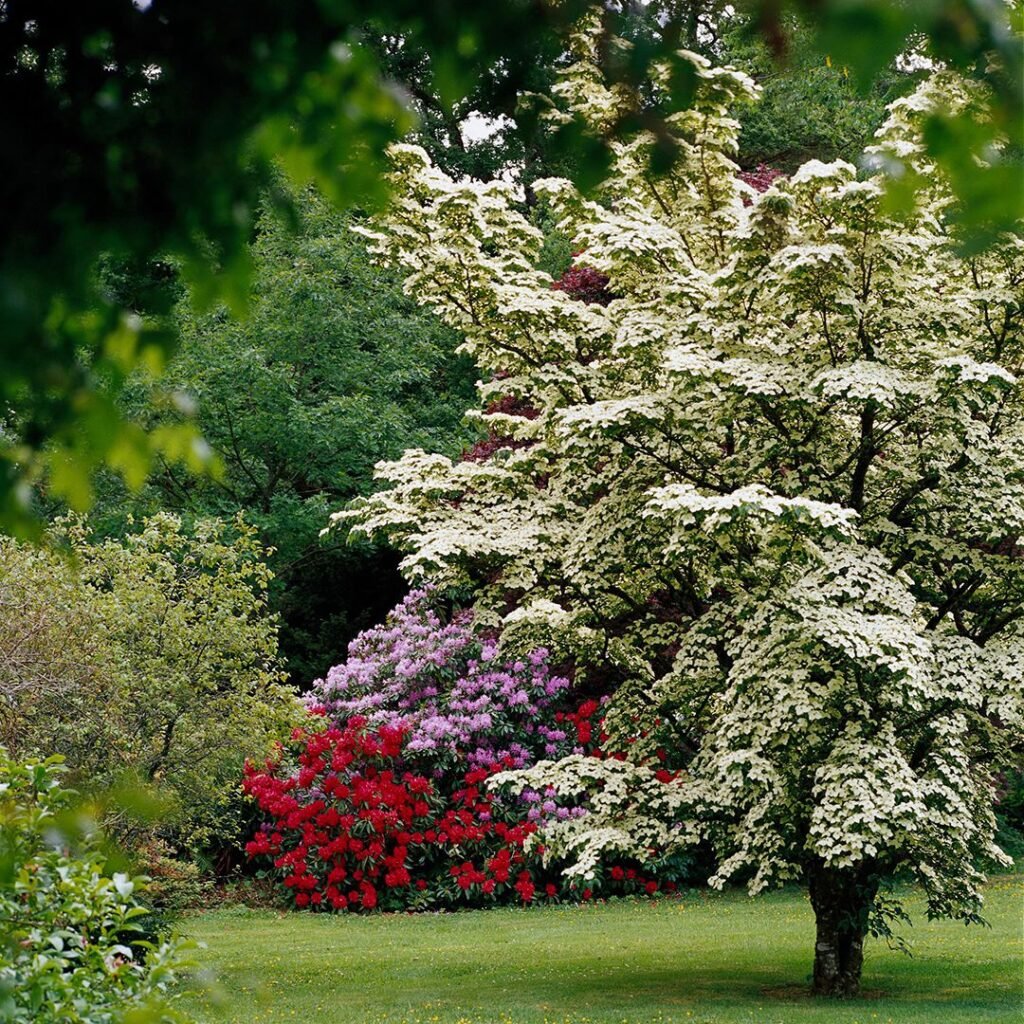
The Japanese Maple is a classic choice for courtyards due to its stunning foliage, graceful form, and manageable size.
Why It Stands Out:
- Leaf Color: Offers striking seasonal color, from deep reds and purples in spring to fiery oranges in autumn.
- Size: Typically 10–20 feet tall, making it perfect for small spaces.
- Form: Compact and often multi-stemmed, creating a natural focal point.
Best Growing Conditions:
- Prefers partial shade; too much sun can scorch leaves.
- Well-drained, slightly acidic soil.
- Regular watering, especially in containers.
- USDA Zones: 5–8.
Design Tip:
Plant Japanese Maples near a seating area or fountain to highlight their delicate beauty. Container planting allows flexibility and adds visual interest at different heights.
2. Crape Myrtle (Lagerstroemia indica) – Summer Blooms and Winter Interest
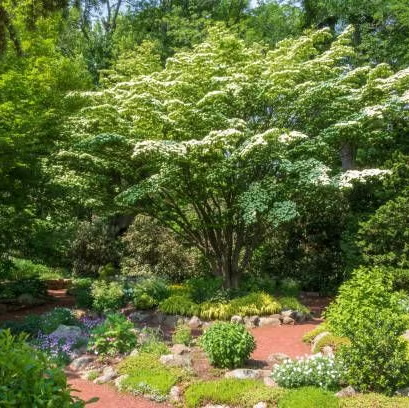
Crape Myrtles are renowned for their colorful summer flowers, attractive bark, and autumn foliage. They are ideal small trees for courtyards seeking year-round appeal.
Why It Stands Out:
- Long Blooming Season: Produces vibrant pink, purple, red, or white flowers from summer to fall.
- Winter Beauty: Smooth, peeling bark provides interest after leaves fall.
- Size: Small varieties reach 10–15 feet, suitable for compact patios.
Best Growing Conditions:
- Full sun to ensure abundant flowering.
- Well-drained soil; drought-tolerant once established.
- USDA Zones: 7–9.
Design Tip:
Plant near a wall or pathway to draw the eye to the colorful blooms and sculptural bark. Regular pruning maintains a neat, tree-like shape suitable for confined spaces.
3. Dwarf Magnolia (Magnolia grandiflora ‘Little Gem’) – Evergreen Beauty
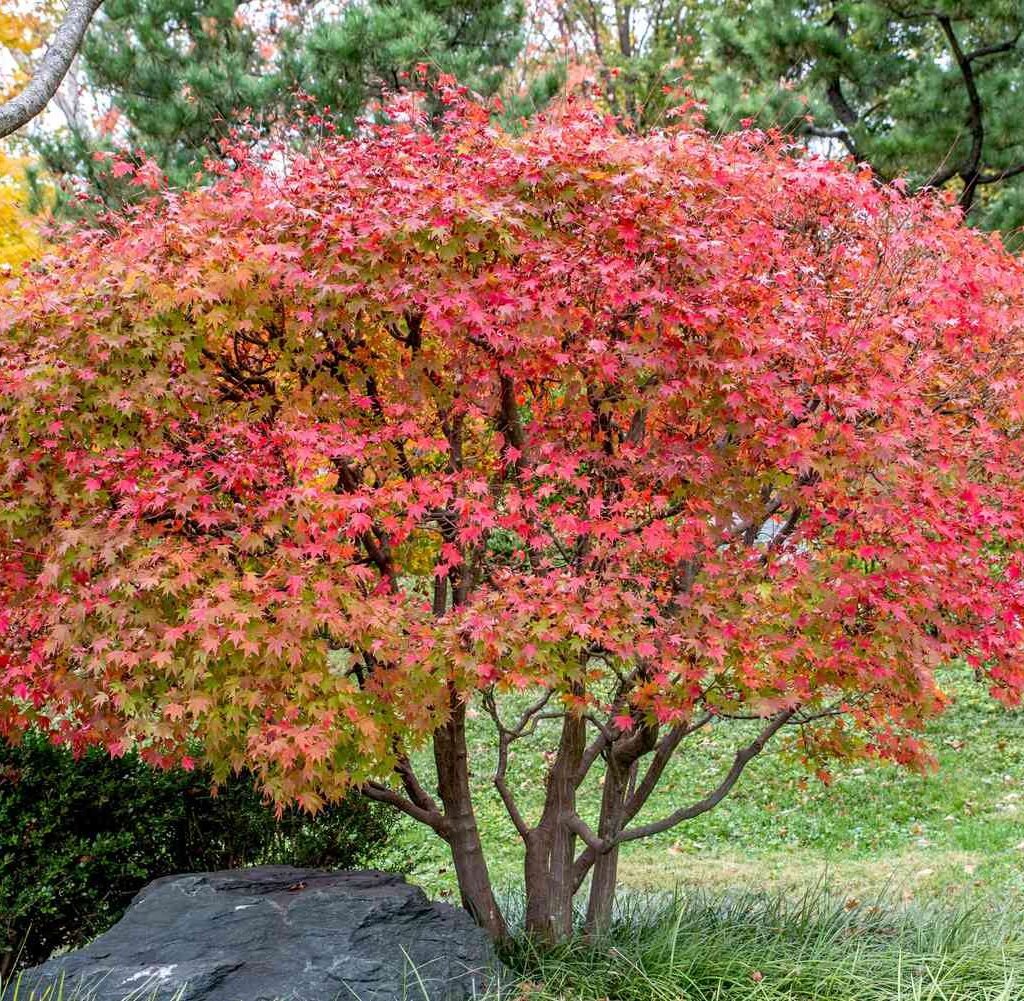
Dwarf Magnolia, especially the ‘Little Gem’ variety, is perfect for patios because of its compact size, evergreen foliage, and fragrant flowers.
Why It Stands Out:
- Evergreen Foliage: Provides year-round privacy and greenery.
- Fragrant Flowers: Large, white, lemon-scented blooms in late spring to summer.
- Size: Grows 10–15 feet tall, manageable for courtyard settings.
Best Growing Conditions:
- Full sun to partial shade.
- Well-drained soil, slightly acidic preferred.
- Minimal pruning required; maintain shape as needed.
- USDA Zones: 7–9.
Design Tip:
Plant in a corner or container to frame seating areas. The fragrant flowers enhance the sensory experience of your courtyard.
4. Olive Tree (Olea europaea) – Mediterranean Charm
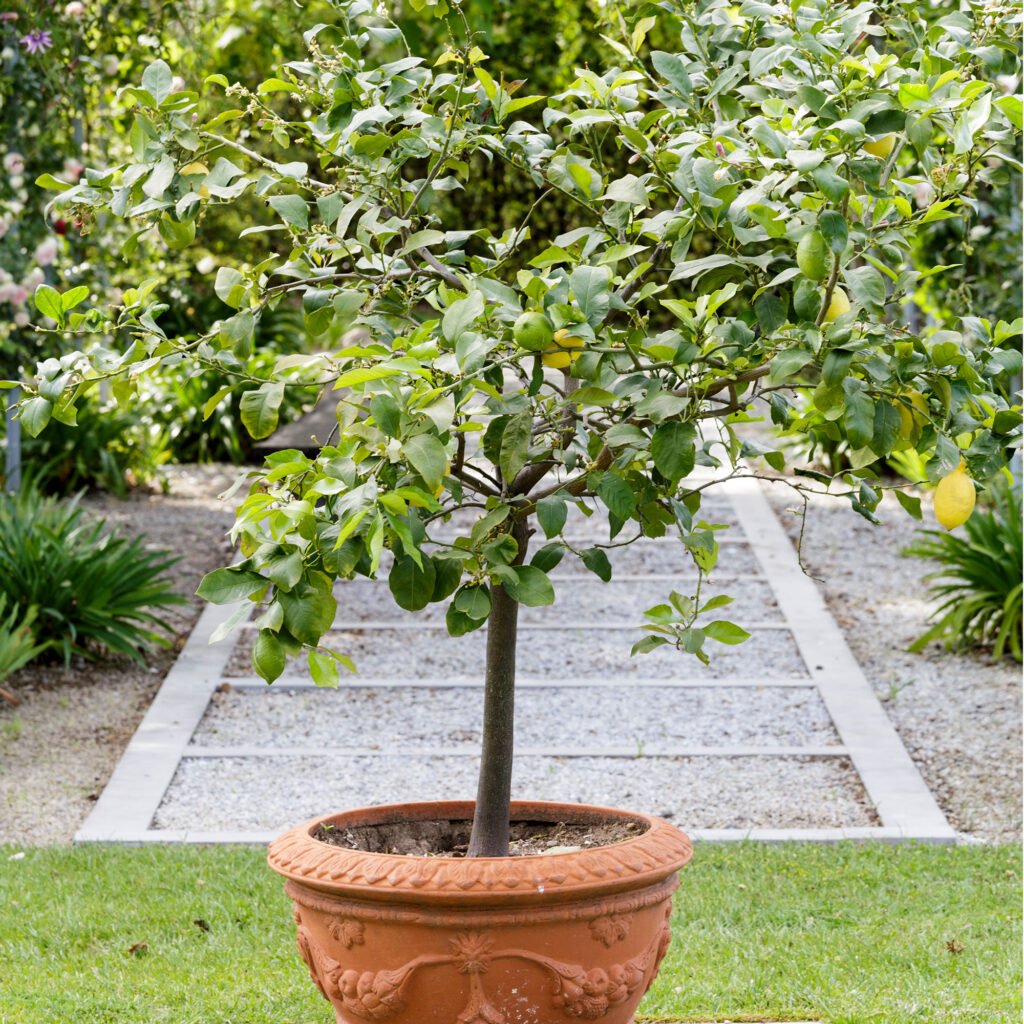
Olive trees bring a timeless Mediterranean aesthetic, combining silvery foliage with small fruits and a sculptural trunk. They are exceptionally well-suited for container growth on patios.
Why It Stands Out:
- Evergreen and Drought-Tolerant: Retains leaves year-round and withstands dry conditions.
- Compact Size: Many varieties remain 10–15 feet tall when pruned.
- Edible Fruit: Produces olives, adding culinary value.
Best Growing Conditions:
- Full sun for best growth and fruiting.
- Well-drained, sandy soil.
- Water regularly until established; drought-tolerant thereafter.
- USDA Zones: 8–11; container trees can be moved indoors in colder climates.
Design Tip:
Plant in large pots to control size and add rustic charm. Grouping multiple small olive trees creates an inviting Mediterranean courtyard feel.
5. Serviceberry (Amelanchier spp.) – Multi-Season Interest
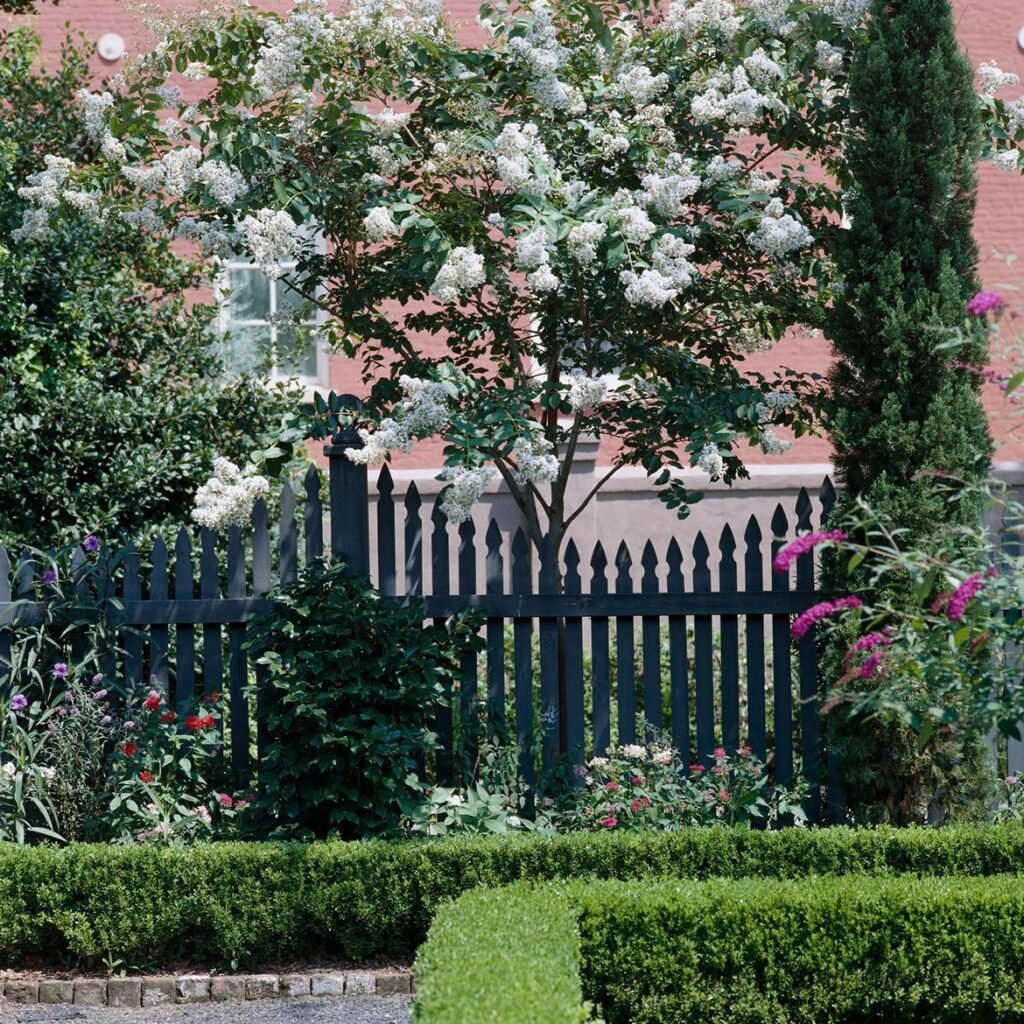
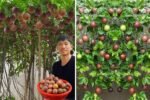
Serviceberry is a versatile small tree known for its seasonal beauty and wildlife benefits. It provides flowers, fruit, and brilliant fall foliage.
Why It Stands Out:
- Spring Flowers: Delicate white blossoms attract pollinators.
- Summer Fruit: Small, edible berries for birds and humans.
- Fall Color: Leaves turn shades of orange, red, and yellow.
- Size: Reaches 15–20 feet, ideal for courtyards and patios.
Best Growing Conditions:
- Prefers full sun to partial shade.
- Moist, well-drained soil.
- Minimal pruning needed; remove dead or crossing branches.
- USDA Zones: 4–9.
Design Tip:
Plant near seating or walkways to enjoy flowers, berries, and fall colors. Its multi-season interest ensures your courtyard remains engaging year-round.
Tips for Selecting Small Trees for Patios and Courtyards
When choosing trees for confined outdoor spaces, consider the following:
- Size at Maturity: Ensure the tree will not outgrow the space or interfere with structures.
- Root Behavior: Select trees with non-invasive roots to prevent damage to paving and foundations.
- Maintenance Needs: Opt for species with manageable pruning and minimal leaf drop if desired.
- Seasonal Interest: Choose trees that provide color, texture, flowers, or fruit to enhance year-round appeal.
- Container Suitability: Some trees thrive in pots, which allows flexibility and mobility.
Design Ideas for Courtyards
- Centerpiece Tree: Plant a single small tree like Japanese Maple or Dwarf Magnolia in the center to create a focal point.
- Container Planting: Use Olive Trees or Crape Myrtles in large pots for patios with limited soil.
- Mixed Plantings: Combine Serviceberry and Crape Myrtle to enjoy flowers in spring and summer, berries in summer, and foliage in fall.
- Shade and Privacy: Evergreen Dwarf Magnolia or Olive Trees provide screening and shade without overwhelming small courtyards.
Benefits of Small Trees in Patios and Courtyards
- Aesthetic Appeal: Adds structure, color, and texture to confined spaces.
- Functional Shade: Provides cooling shade and comfort for outdoor seating.
- Wildlife Support: Flowering and fruiting trees attract birds and pollinators.
- Low Maintenance: Properly selected small trees are easy to manage and prune.
- Versatility: Suitable for containers, corner plantings, or as centerpieces.
Final Thoughts
Small trees are essential for creating vibrant, inviting patios and courtyards. By choosing species like Japanese Maple, Crape Myrtle, Dwarf Magnolia, Olive Tree, or Serviceberry, you can enjoy year-round beauty, fragrance, and even edible fruit without overwhelming your outdoor space.
These trees combine elegance, practicality, and ecological benefits, making them ideal companions for modern urban landscapes. Proper selection, placement, and care ensure that your patio or courtyard remains a tranquil retreat and a visually striking environment throughout the year.
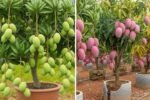
Small trees prove that big beauty doesn’t require a lot of space—they bring life, color, and character to even the most compact gardens.

Leave A Comment