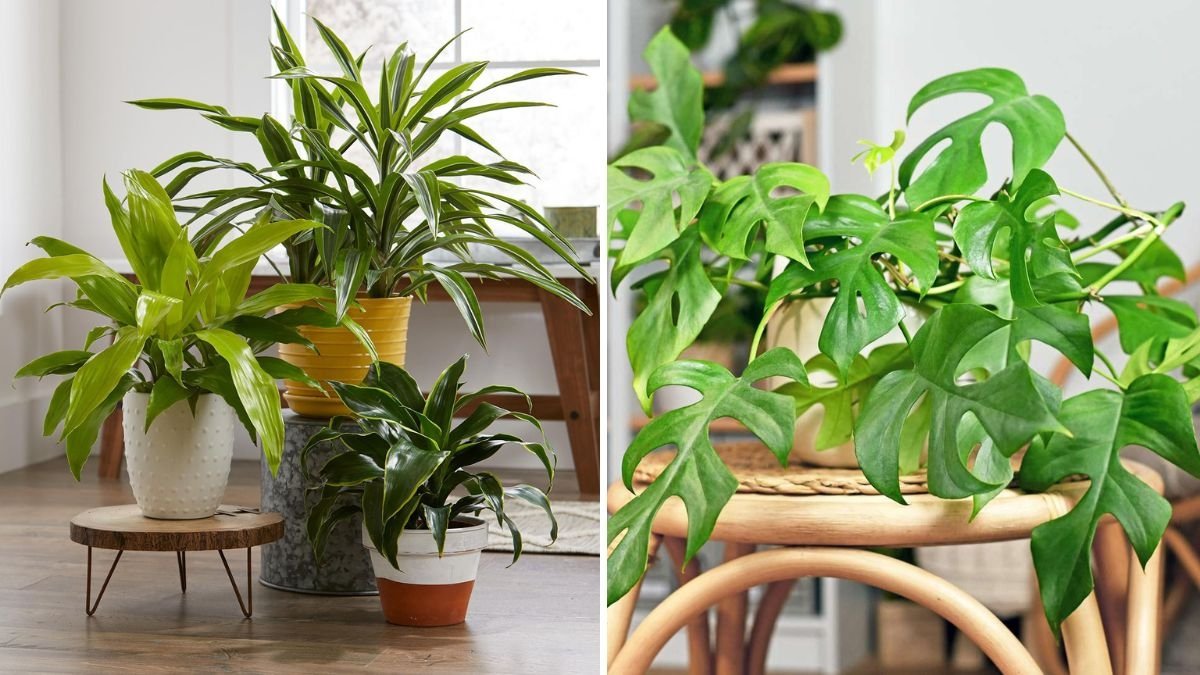
Indoor plants bring life, beauty, and fresh air into our homes, but keeping them healthy all year round can be a challenge. Every season presents unique conditions—from the dry heat of winter to the intense sunlight of summer—that directly affect how plants grow. To ensure your plants thrive, you need to adapt their care to seasonal changes. This guide explores how to keep indoor plants flourishing throughout the year, with practical tips for each season.
Why Seasonal Plant Care Matters
Plants in nature naturally adapt to changing seasons—adjusting growth rates, water intake, and dormancy patterns. However, indoor plants rely entirely on us to replicate these conditions. Neglecting seasonal shifts can lead to common problems like yellowing leaves, stunted growth, or even plant death. By understanding how temperature, humidity, light, and watering needs change with the seasons, you can maintain healthy, vibrant plants year-round.
Spring: The Season of Growth and Renewal
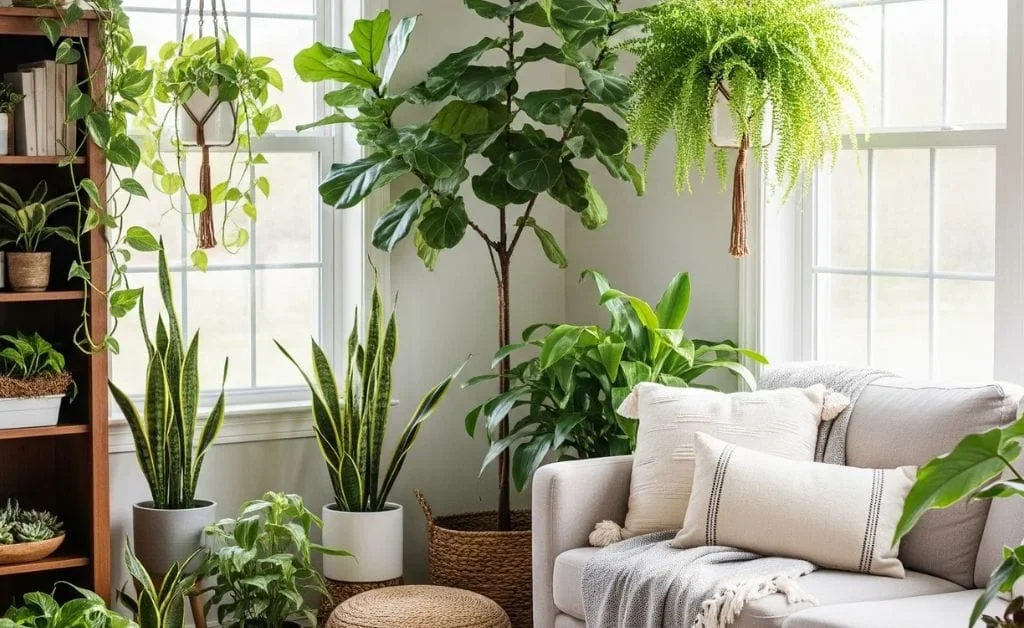
Spring marks the beginning of active growth for most plants. Days get longer, light intensity increases, and temperatures rise, creating ideal conditions for new leaves, stems, and flowers.
Tips for Spring Care
- Repot When Necessary
- As roots expand during spring, plants may outgrow their containers. Repot root-bound plants into slightly larger pots with fresh, nutrient-rich soil.
- Increase Watering Gradually
- Plants use more water as growth accelerates. Slowly increase watering frequency but avoid waterlogging, which causes root rot.
- Start Fertilizing
- Use a balanced liquid fertilizer every 2–4 weeks to provide essential nutrients. For flowering plants, choose a bloom-boosting fertilizer higher in phosphorus.
- Pruning and Cleaning
- Trim away dead or yellowing leaves to encourage new growth. Wipe leaves to remove dust, which improves photosynthesis.
- Check for Pests
- Warmer weather awakens common pests like aphids and spider mites. Inspect plants regularly and treat infestations early with insecticidal soap or neem oil.
Best Plants for Spring Growth: Pothos, Spider Plant, Peace Lily, Orchids.
Summer: The Season of Sunlight and Energy
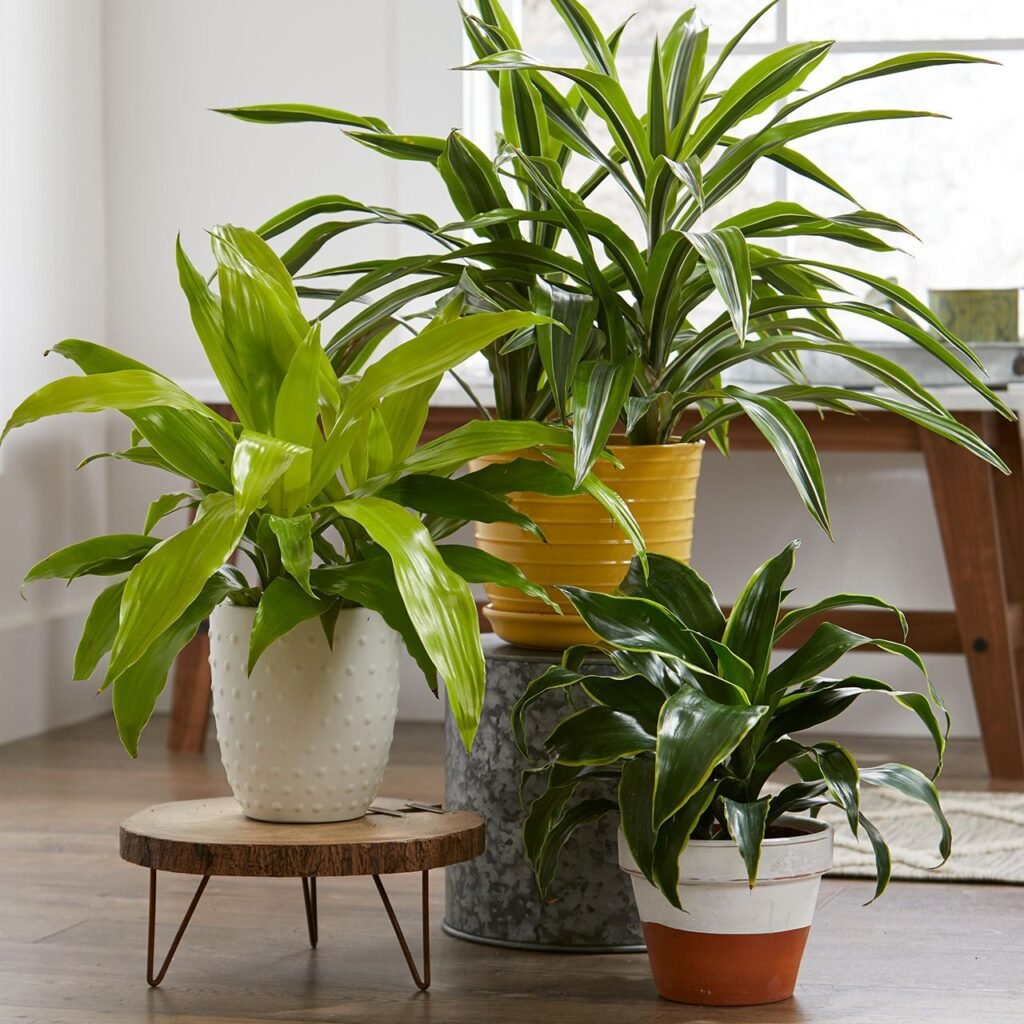
Summer provides abundant light and warmth, making it the peak growing season for most indoor plants. However, intense sun and heat can also stress plants.
Tips for Summer Care
- Adjust Light Exposure
- Move plants away from direct midday sunlight, which can scorch leaves. Use sheer curtains to diffuse light while still allowing brightness.
- Maintain Humidity
- Air conditioners often dry out indoor air. Increase humidity by misting plants, grouping them together, or using a humidifier.
- Watering Needs Increase
- Plants dry out faster in summer heat. Water thoroughly when the top inch of soil feels dry. Early morning or evening watering prevents evaporation loss.
- Fertilize Regularly
- Continue feeding every 2–3 weeks, but avoid overfertilizing, which can burn roots. Slow-release fertilizers can be useful in summer.
- Outdoor Transition
- Some indoor plants, like ferns or succulents, enjoy being placed outdoors in shaded patios or balconies. Acclimate them gradually to avoid shock.
Warning: Never leave indoor plants under intense midday sun for long; it may lead to leaf burn.
Best Plants for Summer Growth: Aloe Vera, Snake Plant, Monstera, Succulents.
Autumn: The Season of Transition
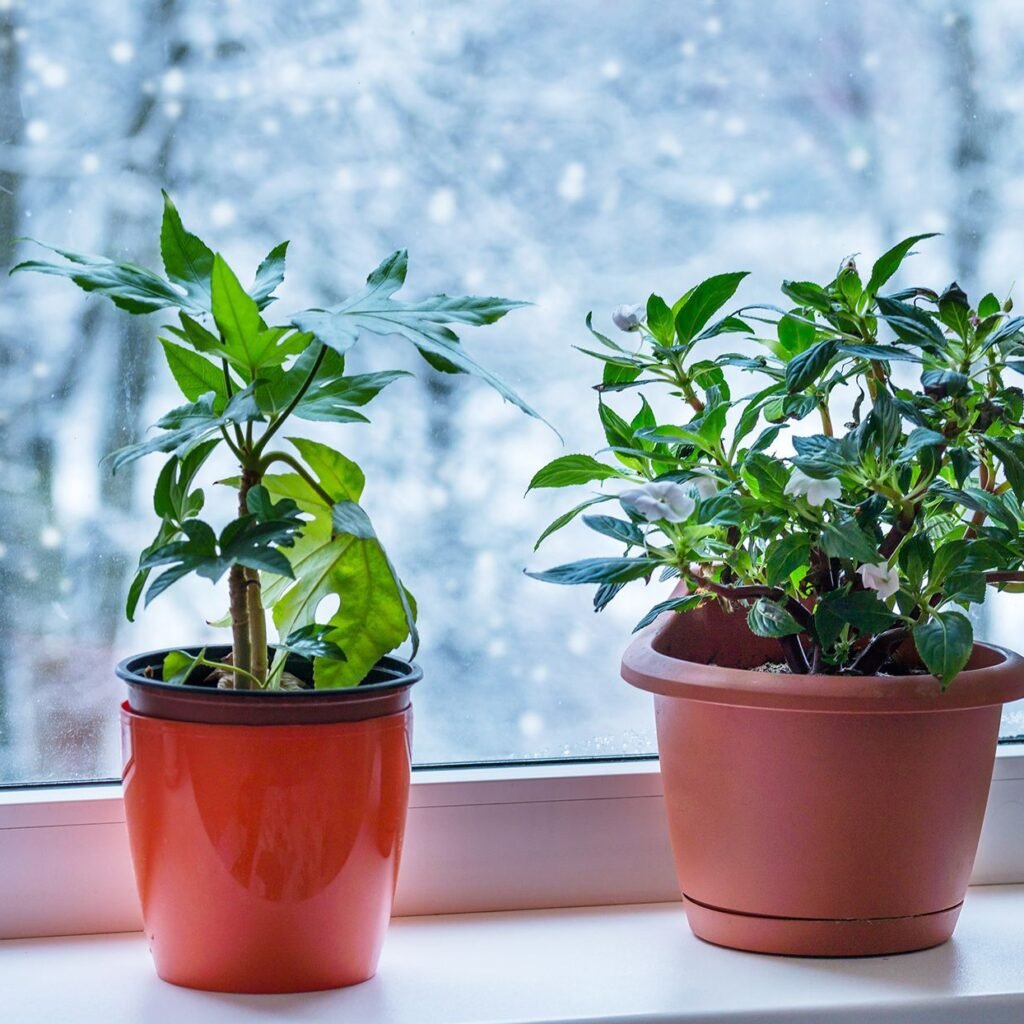
Autumn signals a slowdown in plant growth as days shorten and temperatures cool. Plants begin preparing for dormancy, so care routines must shift accordingly.
Tips for Autumn Care
- Reduce Watering
- As growth slows, plants use less water. Overwatering during autumn is a common mistake. Water only when soil feels dry 1–2 inches below the surface.
- Cut Back Fertilizer
- Stop heavy feeding. Fertilize only once a month, if at all, to avoid forcing unnatural growth during the transition to dormancy.
- Maximize Available Light
- Shorter days mean less natural sunlight. Move plants closer to windows and rotate them regularly so all sides receive equal light.
- Pruning and Maintenance
- Remove spent flowers and weak stems. This helps plants conserve energy for the coming dormant period.
- Prepare for Winter
- Check pots and trays for drainage. Clean and disinfect tools and containers to prevent winter pest problems.
Best Plants for Autumn Beauty: Chrysanthemums, African Violet, Rubber Plant.

Winter: The Season of Rest and Survival
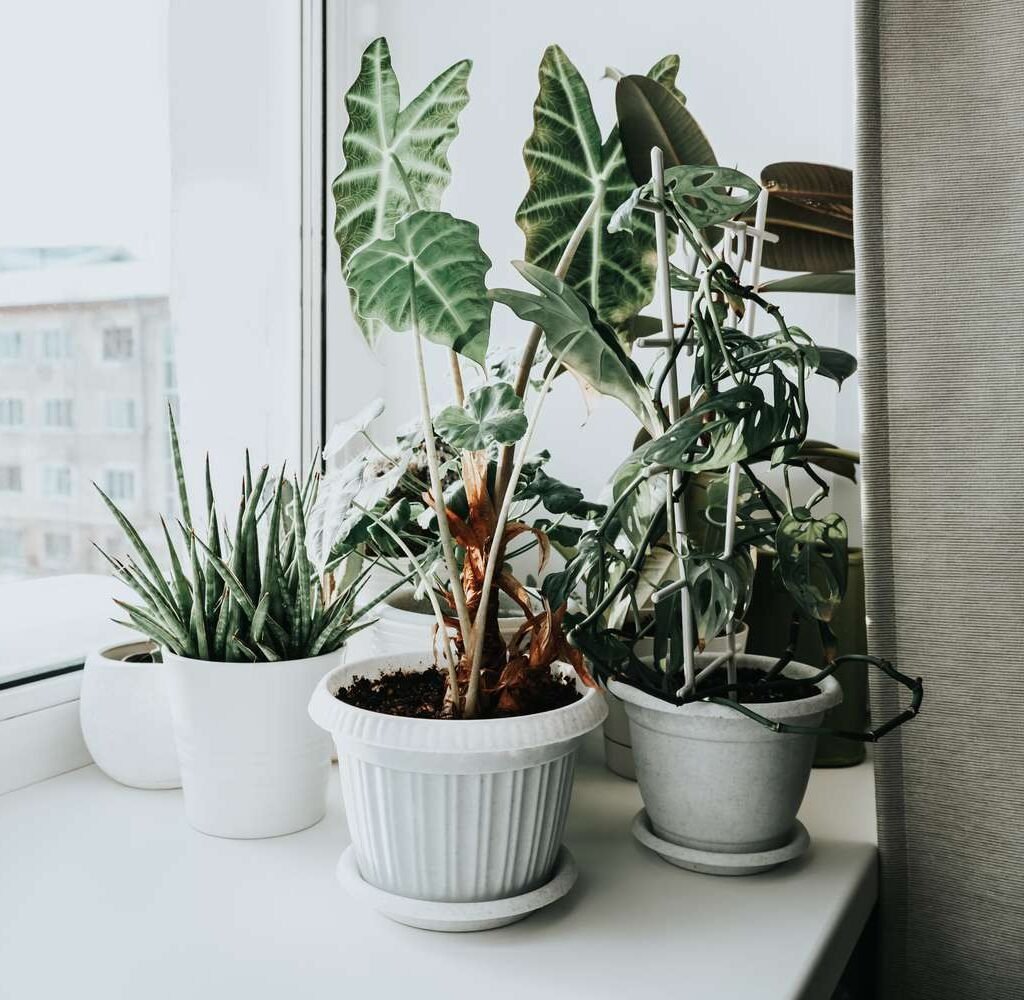
Winter is often the hardest season for indoor plants. Reduced light, dry air from heaters, and cooler temperatures stress plants, slowing their growth or sending them into dormancy.
Tips for Winter Care
- Maximize Light Access
- Place plants near south- or west-facing windows to capture maximum light. Consider grow lights for sun-loving species.
- Water Less, But Carefully
- Overwatering is the biggest winter mistake. Roots take longer to absorb moisture in cold conditions. Water sparingly, only when soil is dry.
- Increase Humidity
- Indoor heating creates dry air, causing leaf tips to brown. Use pebble trays, humidifiers, or group plants together to maintain moisture.
- Maintain Stable Temperatures
- Avoid placing plants near heaters, radiators, or drafty windows. Most houseplants prefer stable temperatures between 60–75°F (15–24°C).
- Pause Fertilization
- Plants rest during winter, so feeding is unnecessary. Resume fertilization only when new growth appears in spring.
- Monitor for Pests
- Dry conditions can still encourage pests like spider mites. Inspect leaves regularly.
Best Plants for Winter Hardiness: ZZ Plant, Snake Plant, Cast-Iron Plant, Cactus.
General Year-Round Tips for Thriving Plants
While seasonal care is essential, some universal practices ensure indoor plants stay strong every month.

- Know Your Plant’s Needs
- Each plant has unique requirements for light, water, and soil. Researching specific care instructions prevents common mistakes.
- Use Proper Potting Mix
- A well-draining soil mix is vital for preventing root rot. Add perlite, sand, or orchid bark depending on plant type.
- Choose the Right Container
- Pots must have drainage holes. Decorative outer pots can be used if inner containers allow water to escape.
- Clean Leaves Regularly
- Dust accumulation blocks sunlight. Wipe leaves gently with a damp cloth every few weeks.
- Rotate Plants
- Rotating plants ensures even growth by exposing all sides to light.
- Observe and Respond
- Healthy plants “communicate” through leaf color, shape, and texture. Yellow leaves may signal overwatering, while brown tips often indicate low humidity.
Conclusion
Keeping indoor plants thriving through every season requires flexibility and attentiveness. Just as people adjust wardrobes and routines with changing weather, plants also need seasonal adaptations. In spring and summer, focus on growth by providing more light, water, and nutrients. As autumn arrives, reduce feeding and prepare for winter’s challenges. During the cold months, prioritize light and humidity while cutting back on water and fertilizer.
By learning to read seasonal cues and adapting your plant care, you create a thriving indoor garden that not only survives but flourishes all year. A home filled with healthy plants offers more than beauty—it provides cleaner air, reduced stress, and a deeper connection with nature, no matter the season.

Leave A Comment