Bringing plants indoors is one of the simplest ways to brighten a room, improve air quality, and add a touch of nature to daily life. But for beginners, the idea of caring for houseplants can feel intimidating. The fear of overwatering, underwatering, or accidentally killing a plant often discourages many from even starting.
The good news? Not all plants are difficult to grow. Some species are hardy, forgiving, and practically designed for beginners. These plants tolerate irregular watering, lower light, and even the occasional neglect, making them perfect companions for first-time plant parents.

In this guide, we’ll explore the easiest indoor plants for beginners to start with, explain why they’re so beginner-friendly, and provide detailed care tips to help you build confidence and success with your indoor garden.
Why Beginners Should Choose Easy Indoor Plants
Choosing the right plants from the start is crucial for developing a rewarding plant care journey. Beginner-friendly plants:

- Tolerate neglect: They can survive missed waterings or imperfect conditions.
- Adapt well: Many thrive in a variety of lighting environments, including low-light rooms.
- Grow steadily: Their visible progress motivates new plant owners.
- Require minimal care: No need for complex pruning or specialized soil.
These qualities allow beginners to learn plant basics—like watering and light needs—without feeling overwhelmed.
The Best Beginner-Friendly Indoor Plants
1. Snake Plant (Sansevieria trifasciata)
- Why it’s easy: Known as “Mother-in-Law’s Tongue,” the Snake Plant is almost indestructible. Its stiff, upright leaves can tolerate neglect, low light, and irregular watering.
- Care tips:
- Light: Low to bright indirect light.
- Water: Once every 2–3 weeks; allow soil to dry completely.
- Bonus: Excellent air purifier and stylish vertical growth habit.
2. ZZ Plant (Zamioculcas zamiifolia)
- Why it’s easy: Called the “eternity plant” for a reason, the ZZ Plant is one of the most low-maintenance houseplants. Its waxy, deep-green leaves reflect light and add instant polish to any space.
- Care tips:
- Light: Low to medium indirect light; thrives in offices with artificial lighting.
- Water: Every 3–4 weeks; drought tolerant.
- Bonus: Virtually pest-free and one of the toughest plants for beginners.
3. Pothos (Epipremnum aureum)
- Why it’s easy: Pothos is one of the most popular beginner plants due to its rapid growth and forgiving nature. It produces trailing vines that look beautiful in hanging baskets or on shelves.
- Care tips:
- Light: Low to bright indirect light.
- Water: Every 1–2 weeks; check if the top inch of soil is dry.
- Bonus: Easy to propagate—just cut a stem and place it in water to grow roots.
4. Spider Plant (Chlorophytum comosum)
- Why it’s easy: Spider Plants are resilient, fast-growing, and produce “baby plants” (called spiderettes) that can be replanted easily.
- Care tips:
- Light: Prefers bright indirect light but tolerates low light.
- Water: Once a week; allow soil to dry slightly between waterings.
- Bonus: Natural air purifier and fun to multiply by propagating spiderettes.
5. Peace Lily (Spathiphyllum)
- Why it’s easy: Peace Lilies are elegant plants with glossy leaves and occasional white blooms. They’re forgiving and visibly “tell you” when thirsty by drooping.
- Care tips:
- Light: Low to medium indirect light.
- Water: Once a week or when leaves droop.
- Bonus: Improves indoor air quality and adds a touch of sophistication.
6. Aloe Vera
- Why it’s easy: Aloe is both ornamental and functional. Its spiky leaves store water, making it drought tolerant, and the gel inside has soothing properties for burns and cuts.
- Care tips:
- Light: Bright, indirect light; can tolerate some direct sunlight.
- Water: Every 2–3 weeks; let soil dry fully.
- Bonus: Minimal watering required, plus medicinal uses.
7. Cast Iron Plant (Aspidistra elatior)
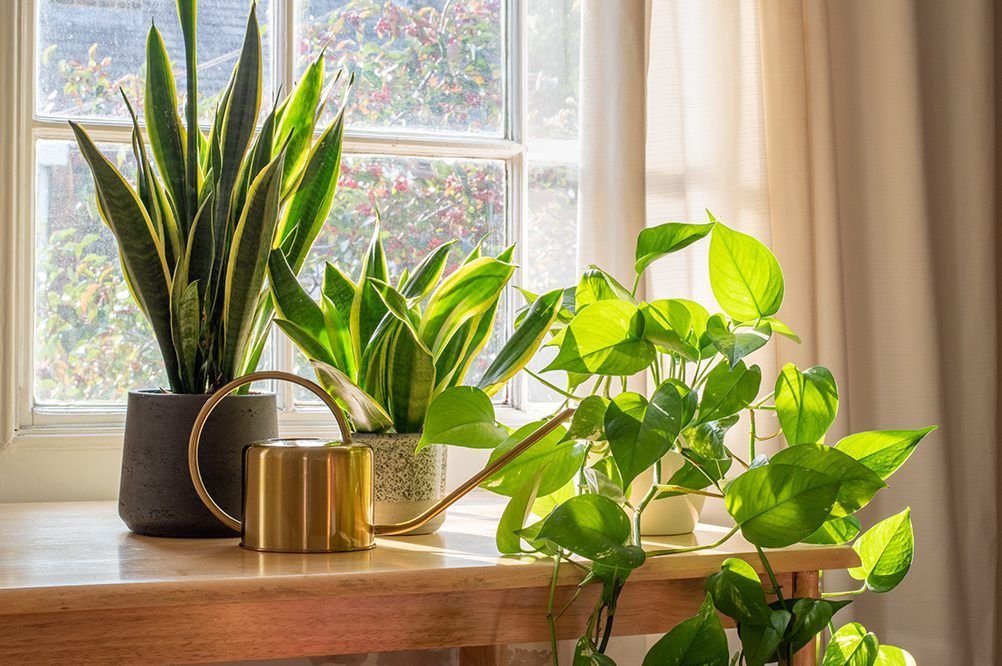
- Why it’s easy: True to its name, this plant is nearly indestructible. It can handle neglect, low light, and varying temperatures.
- Care tips:
- Light: Low to medium light; avoid direct sunlight.
- Water: Every 2–3 weeks; drought tolerant.
- Bonus: Perfect for darker corners of your home.
8. Rubber Plant (Ficus elastica)
- Why it’s easy: A hardy, attractive plant with broad, shiny leaves. While it grows large over time, it is surprisingly forgiving for beginners.
- Care tips:
- Light: Medium to bright indirect light.
- Water: Every 1–2 weeks; allow soil to dry slightly.
- Bonus: Adds bold, architectural beauty to any room.
9. Jade Plant (Crassula ovata)
- Why it’s easy: A succulent known as the “money plant” or “friendship tree,” Jade is tough and long-living, often passed down through generations.
- Care tips:
- Light: Bright indirect light or some direct sunlight.
- Water: Every 2–3 weeks; water sparingly.
- Bonus: Symbol of prosperity and good luck.
10. Philodendron (Heartleaf Philodendron)
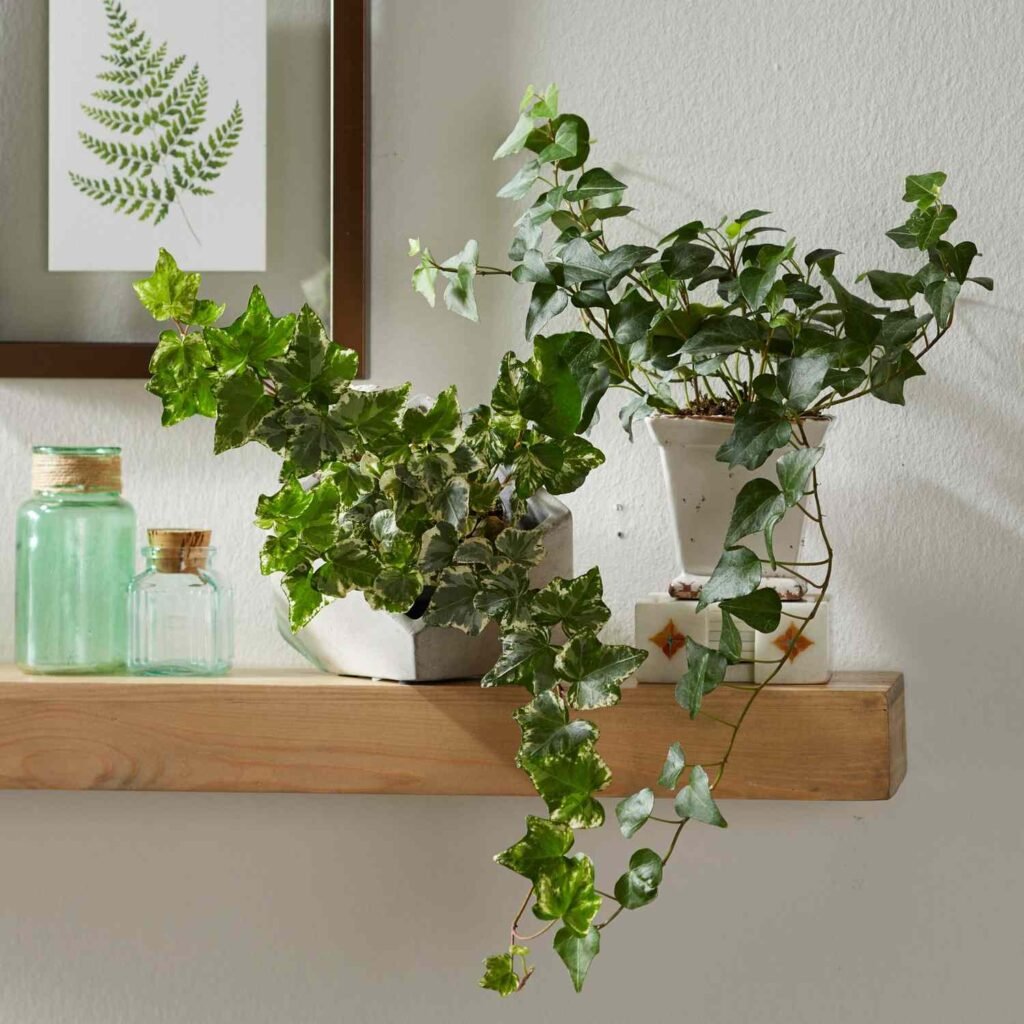
- Why it’s easy: Similar to Pothos, this plant is fast-growing and versatile. Its heart-shaped leaves trail beautifully and require little attention.
- Care tips:
- Light: Low to medium indirect light.
- Water: Weekly, allowing the soil surface to dry between waterings.
- Bonus: Easy to propagate and perfect for hanging planters.
General Care Tips for Beginners
No matter which beginner plant you choose, these universal care tips will help you succeed:

- Don’t overwater: Most plants die from too much water rather than too little. Always check soil moisture first.
- Choose the right pot: Make sure containers have drainage holes to prevent root rot.
- Place appropriately: Even low-light plants need some indirect light to survive.
- Dust leaves regularly: Clean leaves allow plants to absorb more light.
- Be patient: Growth takes time. Don’t expect dramatic changes overnight.
Common Mistakes Beginners Should Avoid
- Overwatering: Leads to root rot, the most common cause of plant death.
- Too much direct sunlight: Burns leaves, especially for shade-loving species.
- Ignoring plant signals: Yellow leaves often mean overwatering; brown tips can mean low humidity.
- Starting with difficult plants: Fiddly species like fiddle-leaf figs or orchids are not beginner-friendly.
Styling Ideas with Beginner Plants
- Snake Plant + ZZ Plant duo: Great for hallways or offices with minimal light.
- Hanging pothos or philodendron: Adds greenery to shelves or corners.
- Spider Plant clusters: Place multiple spiderettes in colorful pots for a cheerful display.
- Peace Lily centerpiece: Perfect for dining or coffee tables.
- Aloe Vera in the kitchen: Functional and decorative.
Conclusion
Starting your plant journey doesn’t have to be complicated. With beginner-friendly houseplants like Snake Plant, ZZ Plant, Pothos, Spider Plant, and Peace Lily, you can build confidence while enjoying the beauty of greenery indoors. These resilient plants forgive common mistakes and adapt to a variety of home environments, making them ideal for first-time plant owners.
As you care for these easy houseplants, you’ll naturally develop the skills and confidence to try more challenging species in the future. For now, start simple, enjoy the process, and let your indoor plants grow alongside your journey as a plant parent.


Leave A Comment