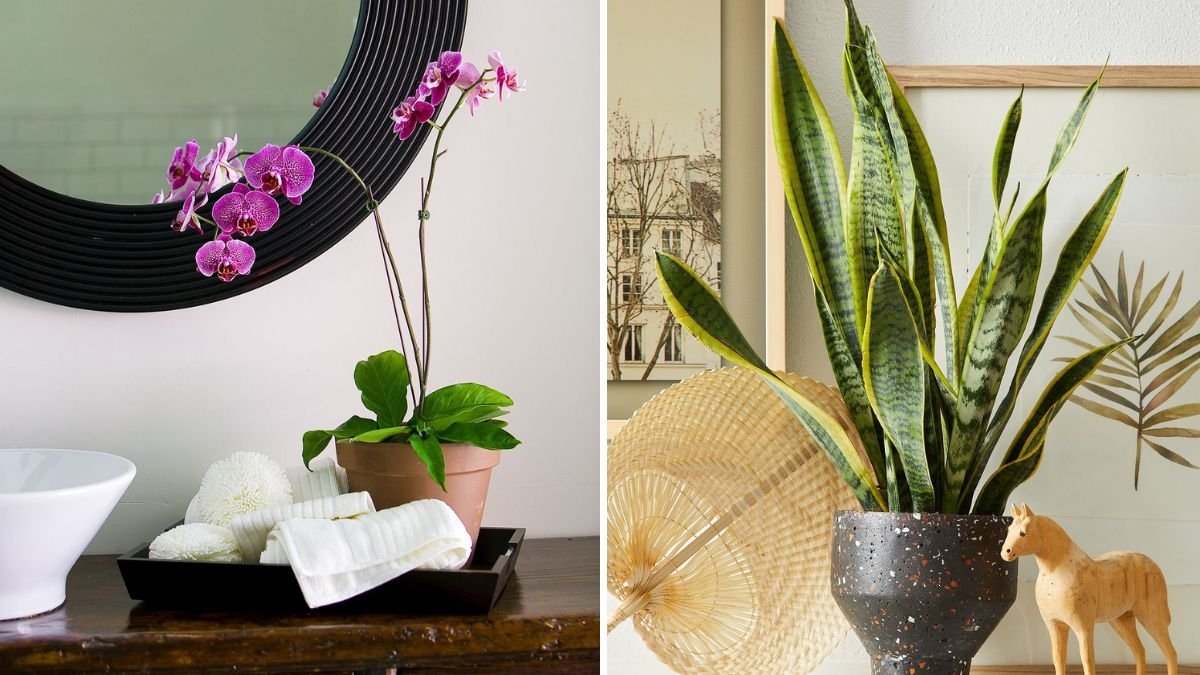
Bathrooms are often overlooked when it comes to decorating with greenery. Yet, they provide the perfect environment for many indoor plants. With their high humidity, low-to-moderate light, and warm temperatures, bathrooms mimic the tropical habitats where many houseplants naturally thrive. Adding plants to your bathroom doesn’t just elevate the design—it improves air quality, reduces mold buildup, and creates a spa-like sanctuary.
Not every plant can handle the unique conditions of a bathroom, but some species absolutely love it. Below, we’ll explore seven indoor plants that flourish in humid bathrooms, complete with care tips, placement ideas, and reasons why they’re the perfect match for this moisture-rich space.
1. Boston Fern (Nephrolepis exaltata)
Few plants love humidity as much as the Boston Fern. Its lush, feathery fronds thrive in moist, steamy environments, making bathrooms ideal homes.
- Light Needs: Prefers bright, indirect light but can tolerate moderate light. Place near a bathroom window with filtered light.
- Watering: Keep soil consistently moist but not soggy. Mist occasionally if the air dries out during cooler months.
- Humidity Benefit: The fern absorbs and thrives in the excess bathroom moisture that would otherwise cause mildew.
- Placement Idea: Hang it in a hanging basket above the shower or set it on a shelf to allow the fronds to cascade down.
Boston ferns not only soften the bathroom’s aesthetic but also help purify the air.

2. Peace Lily (Spathiphyllum spp.)
The Peace Lily is one of the most popular indoor plants, and it’s especially at home in a bathroom setting. Known for its glossy leaves and white “flowers” (modified leaves called spathes), this plant is both striking and easy to care for.
- Light Needs: Low to medium indirect light. Perfect for bathrooms without direct sunlight.
- Watering: Keep the soil slightly moist. It will droop dramatically when thirsty, giving you a clear reminder to water.
- Humidity Benefit: The bathroom humidity prevents its leaves from developing dry, brown tips.
- Placement Idea: Place it in a decorative pot beside the bathtub for a serene, spa-like touch.
Bonus: Peace lilies also filter out indoor toxins like formaldehyde and benzene.
3. Orchids (Phalaenopsis spp.)
Orchids might seem intimidating, but bathrooms provide the environment they crave. The high humidity and warm temperature help replicate their natural tropical climate.
- Light Needs: Bright, indirect light. East- or south-facing bathroom windows are ideal.
- Watering: Water once a week, allowing the orchid bark to dry slightly in between. Bathrooms prevent them from drying out too quickly.
- Humidity Benefit: Orchid blooms last longer in humid spaces.
- Placement Idea: Display on the bathroom vanity or windowsill where it can enjoy light without direct sun.
Their exotic flowers add instant luxury and elegance to any bathroom.

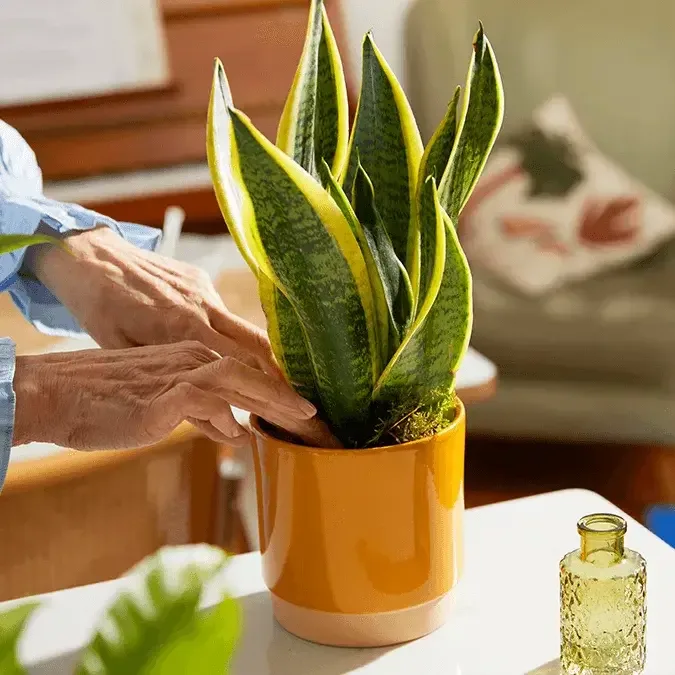
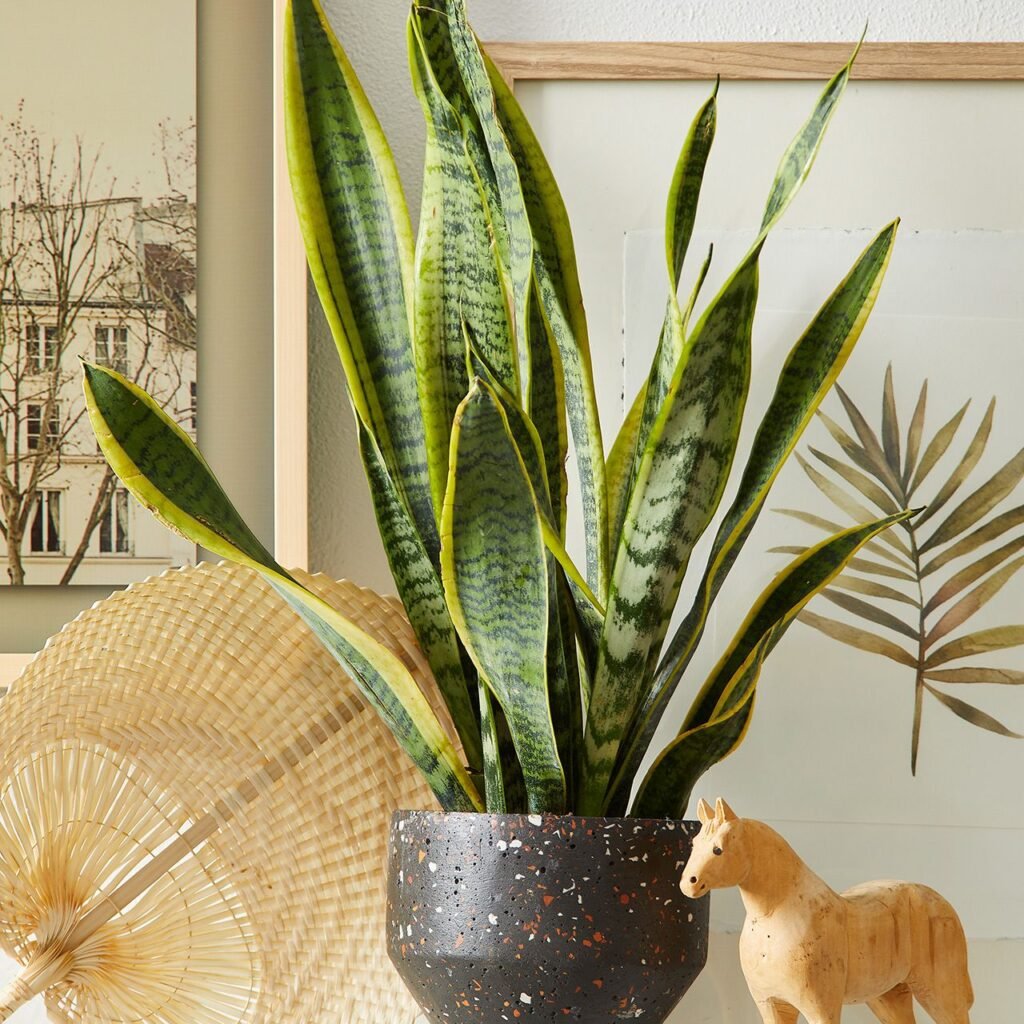
4. Snake Plant (Sansevieria trifasciata / Dracaena trifasciata)
If you want a low-maintenance plant that can tolerate both humidity and occasional neglect, the snake plant is unbeatable. Its upright, sword-like leaves bring modern elegance to bathroom décor.
- Light Needs: Low to bright indirect light. Works even in windowless bathrooms with artificial lighting.
- Watering: Extremely drought-tolerant. Water only when the soil is fully dry.
- Humidity Benefit: While snake plants don’t require humidity, they tolerate it well, making them flexible bathroom companions.
- Placement Idea: Place a tall snake plant in a sleek planter near the sink or bathtub for a bold statement.
Snake plants are also known for their air-purifying qualities, especially effective in enclosed bathroom spaces.
5. Spider Plant (Chlorophytum comosum)
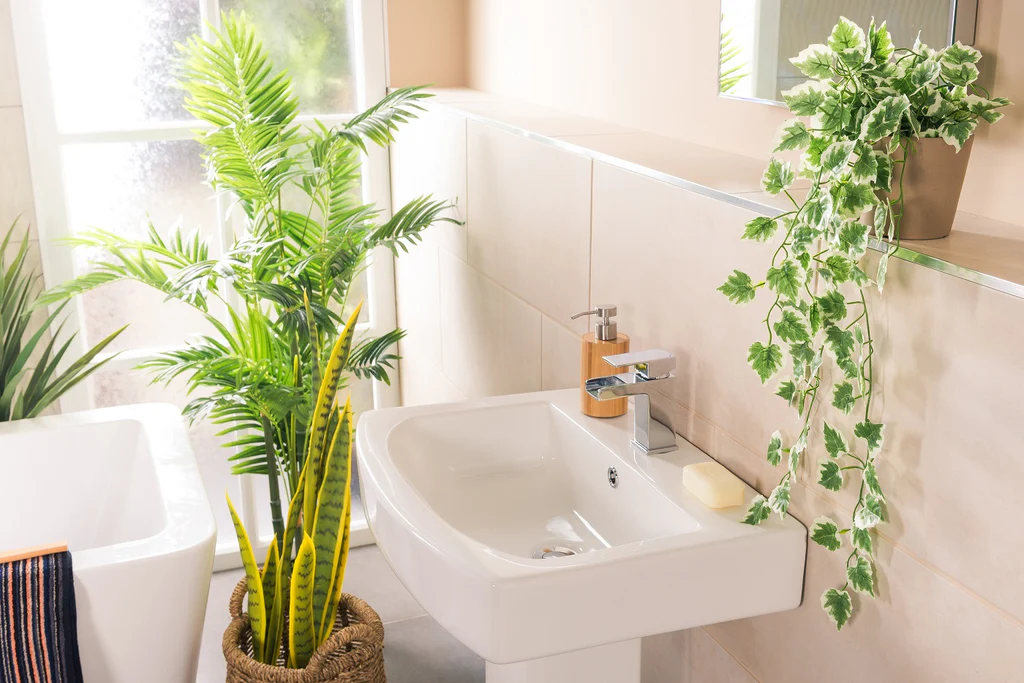
The spider plant is a classic indoor favorite, loved for its cascading green-and-white striped leaves and little plantlets (baby spiders) that dangle like ornaments. Bathrooms give it the humidity it loves to thrive.
- Light Needs: Prefers bright, indirect light but can survive in low light.
- Watering: Keep soil slightly moist; water less in winter.
- Humidity Benefit: Prevents leaf tips from browning, a common problem in dry indoor environments.
- Placement Idea: Hang it in a macramé holder near a bathroom window or place it on a shelf where its runners can spill over.
Spider plants are especially beginner-friendly and adaptable, making them a perfect choice for bathroom greenery.

6. Aloe Vera (Aloe barbadensis miller)
Known for its healing gel, aloe vera is not only practical but also thrives in steamy bathrooms. It’s a succulent that benefits from humidity while enjoying bright conditions.
- Light Needs: Needs bright, indirect to direct light. A sunny bathroom windowsill is perfect.
- Watering: Water deeply but infrequently—every 2–3 weeks or when soil dries completely.
- Humidity Benefit: Unlike other succulents, aloe vera tolerates higher humidity without rotting as long as the soil drains well.
- Placement Idea: Keep it near the bathtub or on a bathroom shelf for both aesthetics and quick access to its healing gel.
It’s the ultimate multitasker—decorative, medicinal, and easy to care for.
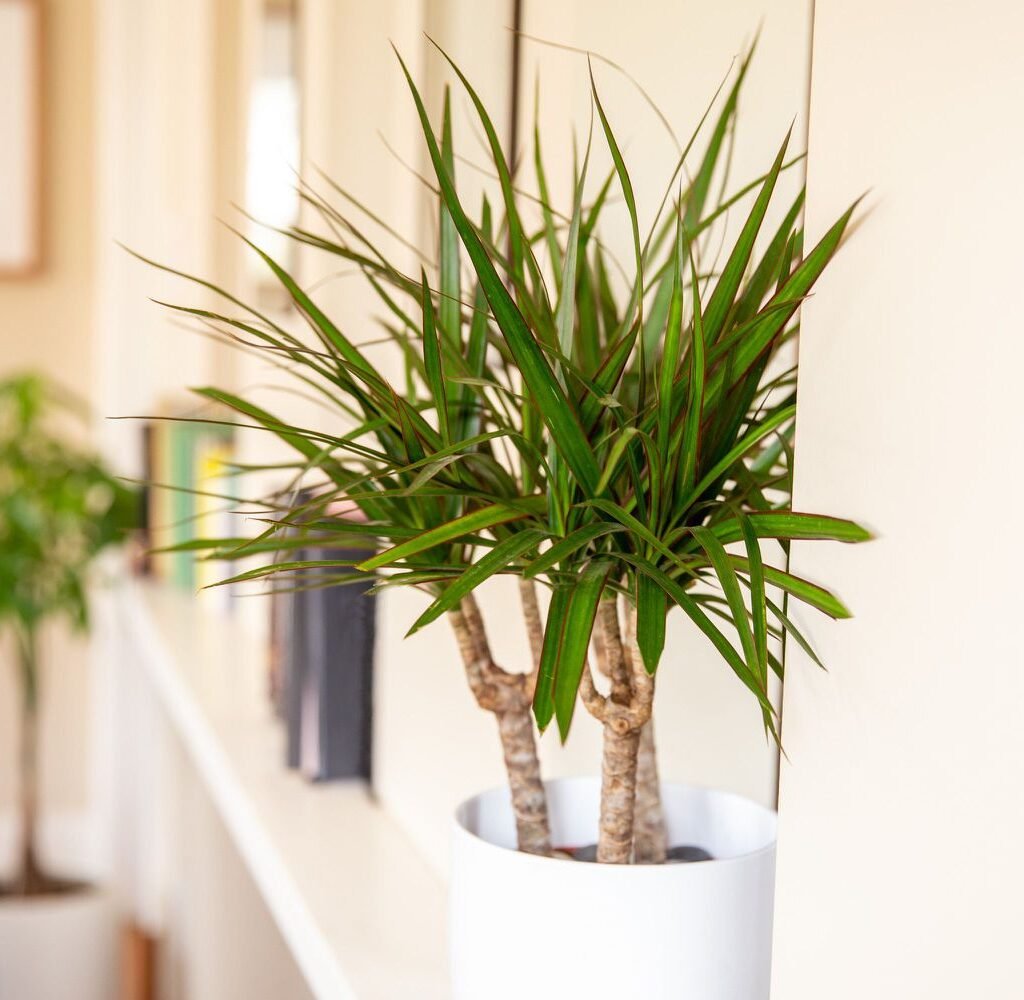
7. Bamboo (Lucky Bamboo – Dracaena sanderiana)
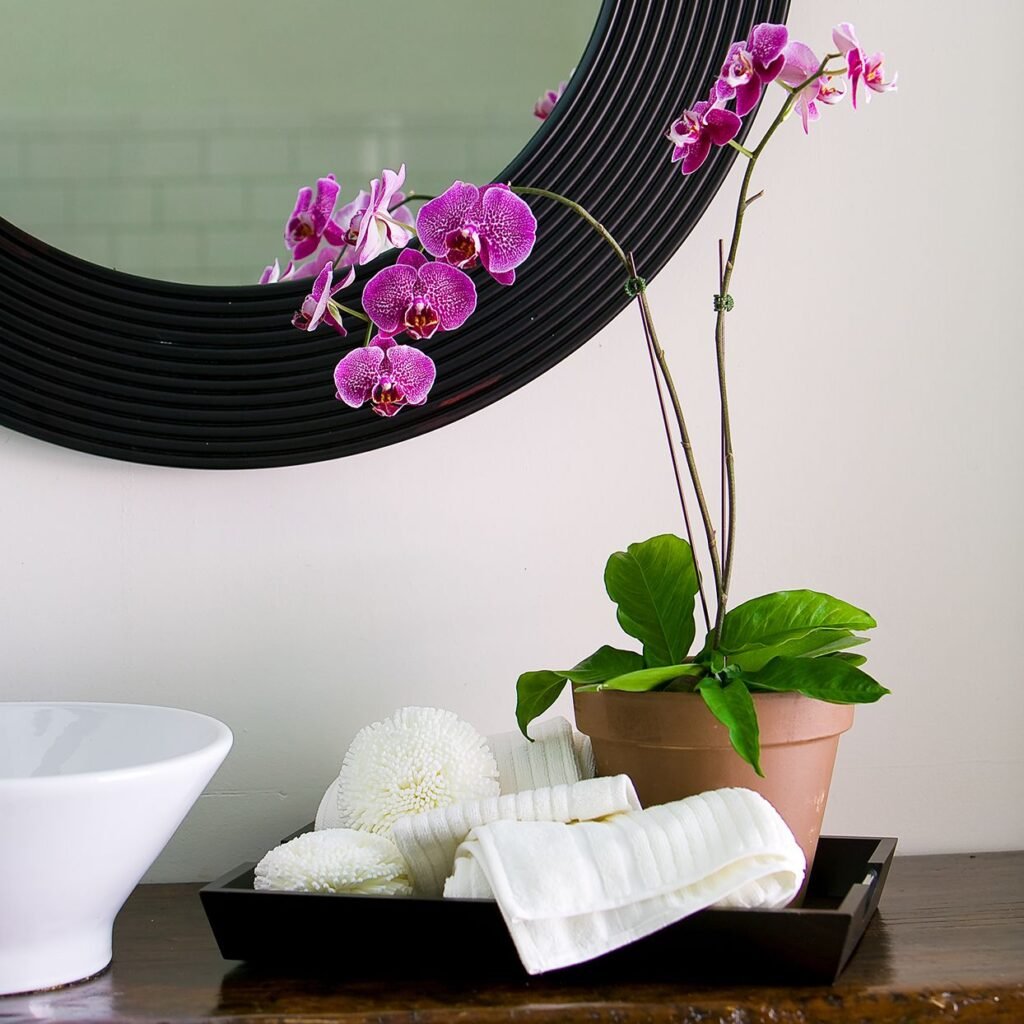
Lucky Bamboo isn’t true bamboo but is a popular indoor plant that thrives in the damp, low-light conditions of bathrooms. Often grown in water-filled containers, it’s nearly foolproof.
- Light Needs: Low to medium indirect light. Perfect for darker bathrooms.
- Watering: Grows well in water; just change the water every 2–4 weeks to keep it fresh. If grown in soil, water when the top inch dries.
- Humidity Benefit: High humidity keeps its stems vibrant and green.
- Placement Idea: Place in a glass vase on the sink counter or in a corner for a Zen-inspired vibe.
Lucky bamboo adds both elegance and good feng shui to the bathroom.

Care Tips for Bathroom Plants
While bathrooms are plant-friendly, they come with unique challenges. Follow these tips to keep your bathroom greenery happy:
- Monitor Light Levels:
- If your bathroom lacks windows, consider a grow light to supplement plant needs.
- Avoid Waterlogging:
- Bathrooms are humid, but plants in soil still need proper drainage. Choose pots with holes.
- Clean the Leaves:
- Dust and soap residue can build up. Wipe leaves gently with a damp cloth every few weeks.
- Rotate Plants:
- Occasionally move them to brighter rooms to ensure balanced growth.
- Watch for Mold or Mildew:
- Excess humidity can encourage mold in soil. Use well-draining mixes and avoid overwatering.
Conclusion
Bathrooms may not be the first place you think of for houseplants, but their naturally warm and humid environment makes them a hidden gem for plant lovers. From the lush fronds of the Boston Fern to the elegant blooms of orchids, the practical beauty of aloe vera, and the air-purifying power of snake plants and peace lilies, the seven plants listed above will not only thrive but also transform your bathroom into a refreshing green retreat.
By choosing the right species and following simple care routines, you can create a spa-like atmosphere where plants and people alike thrive. Next time you step into your bathroom, imagine the soothing presence of greenery enhancing both your space and your well-being.

Leave A Comment