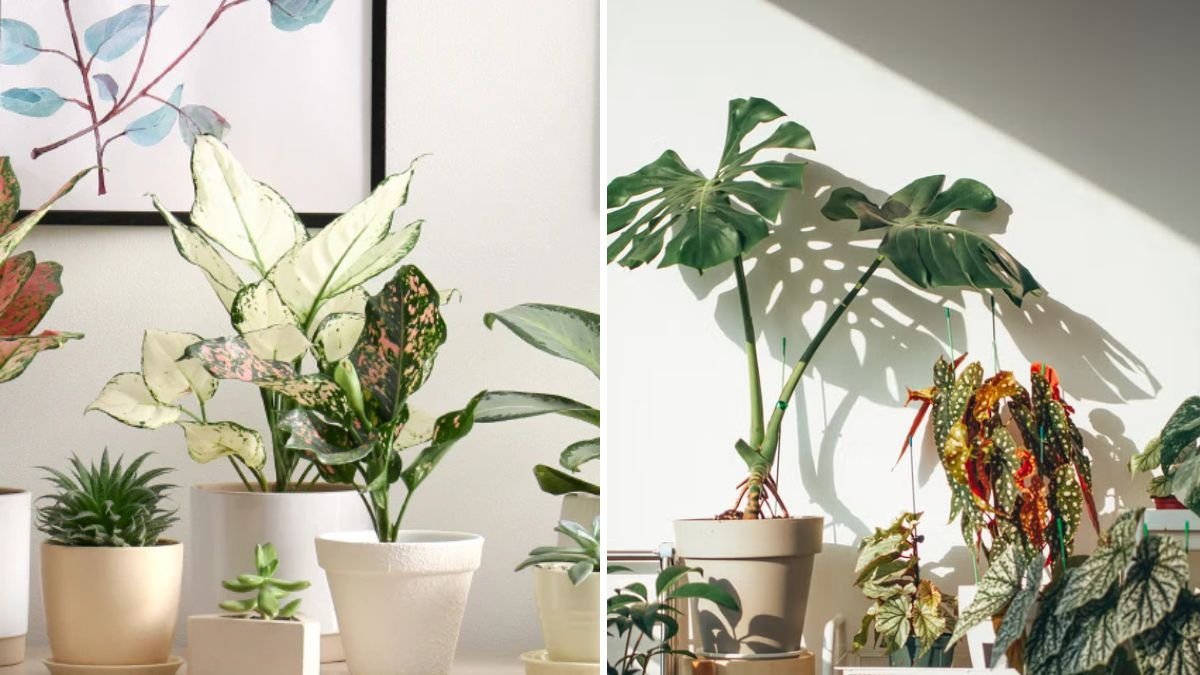
Houseplants bring life, color, and a sense of calm into our homes. However, many indoor gardeners notice that their plants start growing unevenly—leaning toward a window, one side fuller than the other, or leaves turning pale. This is often caused by inconsistent light exposure. Unlike outdoor plants that can turn freely toward the sun, indoor plants are typically stationary, receiving light primarily from one direction.
Rotating your houseplants is a simple yet powerful practice that promotes even growth, healthier foliage, and a stronger root system. In this article, we’ll explore why rotation matters, how often to rotate, the correct technique, and additional tips to maximize your plant’s health and aesthetics.
Why Rotating Houseplants Matters
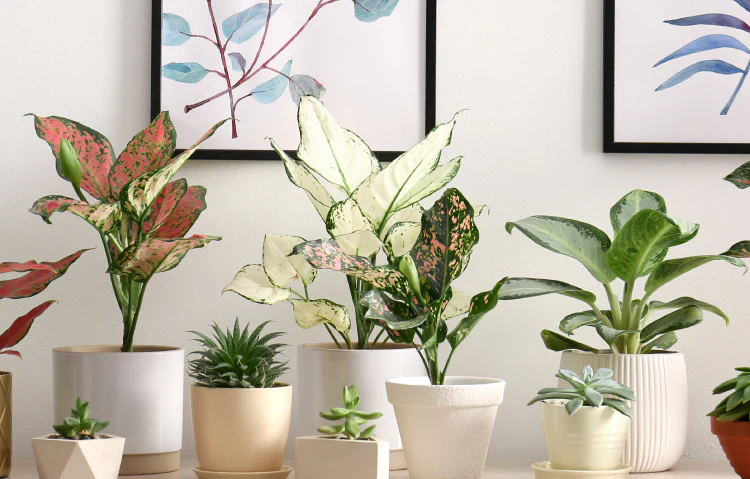
Rotating houseplants may seem trivial, but it directly affects the plant’s well-being. Here’s why it’s essential:

- Promotes Even Light Exposure
Plants naturally grow toward the light in a process called phototropism. If left unrotated, one side becomes elongated while the other side remains underdeveloped. Rotating ensures all leaves get equal sunlight, encouraging balanced growth. - Prevents Leaning and Uneven Stems
Without rotation, plants may grow crooked or lean heavily in one direction, making them prone to tipping over or breaking. - Supports Overall Health
Even light distribution strengthens all parts of the plant, improving photosynthesis, nutrient absorption, and air circulation around leaves. - Reduces Pest and Disease Risk
Uneven growth creates shaded areas with poor air circulation, ideal for pests or fungal growth. Rotating prevents stagnant, shaded areas.
How Often Should You Rotate Houseplants?
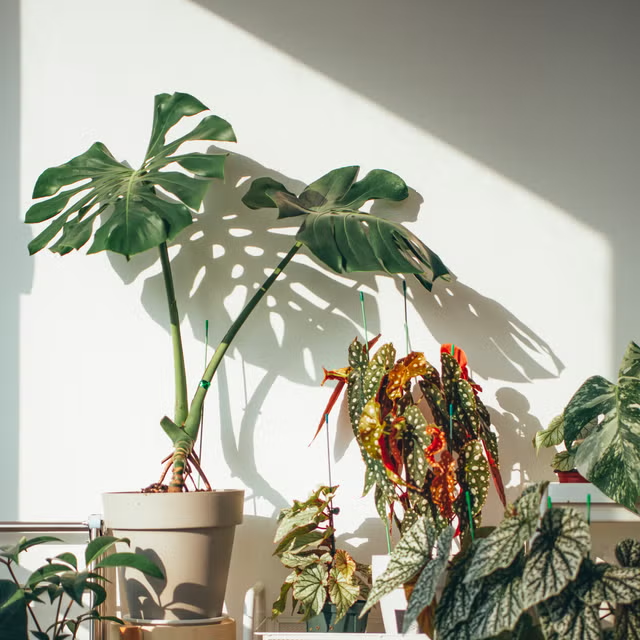
Frequency depends on the plant type, light source, and growth rate:
- Slow-growing plants (e.g., succulents, snake plants): Rotate every 3–4 weeks.
- Fast-growing plants (e.g., pothos, monstera, fiddle leaf fig): Rotate weekly to biweekly.
- Flowering plants (e.g., peace lilies, orchids): Rotate at least weekly during bloom periods to ensure even flower development.
Observation is key: if you notice leaves leaning heavily toward the light or uneven color distribution, it’s time to rotate, even if your schedule isn’t strict.
How to Rotate Plants Correctly
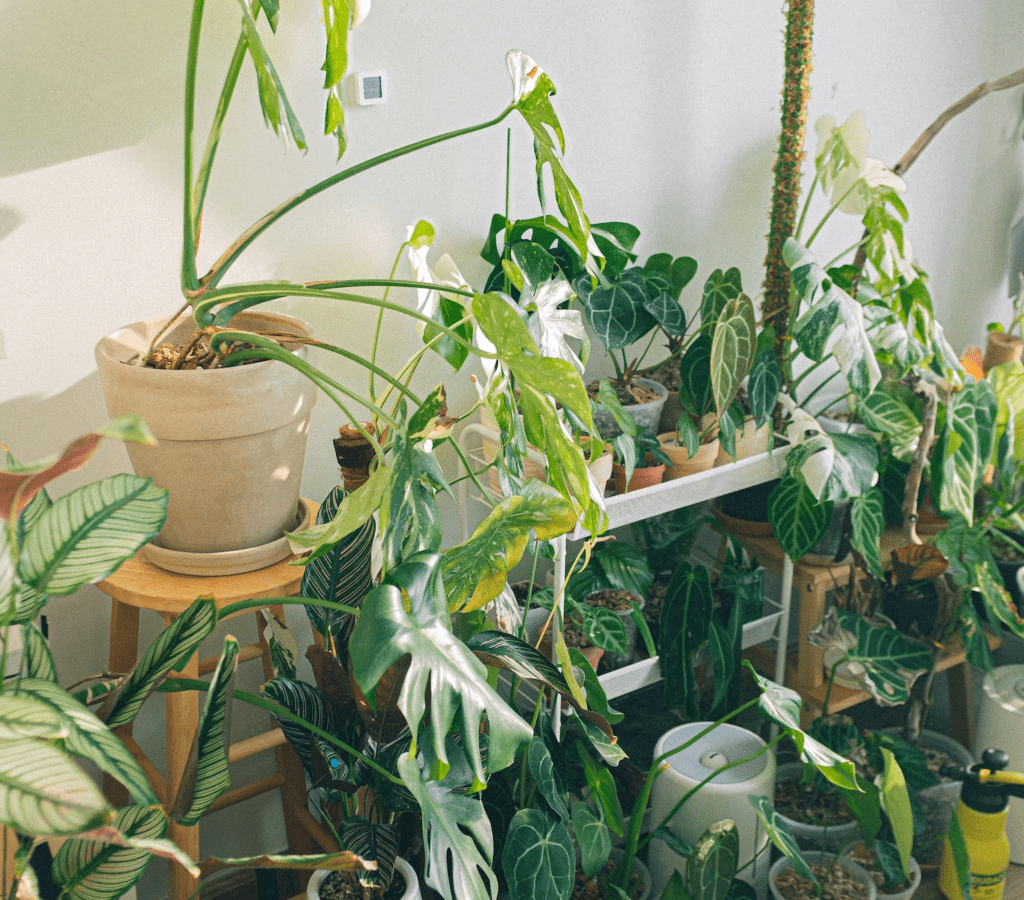
Proper rotation is more than just turning the pot 180 degrees. Here’s a step-by-step guide:

Step 1: Assess Your Plant
- Observe which side is leaning toward the light.
- Check for underdeveloped or yellowing leaves.
- Identify the most exposed parts of the plant.
Step 2: Determine Rotation Direction
- 180-degree rotation: Common for small to medium plants, especially those near a single light source.
- Quarter-turn rotations (90 degrees): Works well for larger plants or those with many branches.
- Multiple rotations: For very large or irregularly shaped plants, rotate a bit at a time over several days to prevent shock.
Step 3: Handle Gently
- Support the plant at the base while turning.
- Avoid forcing branches or leaves into a new position.
Step 4: Monitor After Rotation
- Watch for leaf droop or stress for the first 2–3 days.
- Adjust light exposure if necessary—some plants may need gradual adaptation to prevent sunburn.
Special Considerations for Different Types of Houseplants
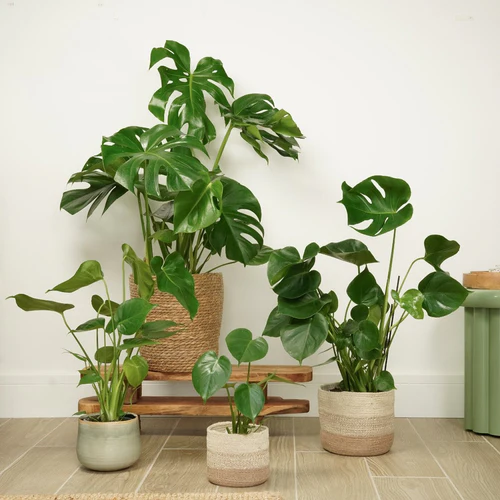
Different plant types respond differently to rotation, so adjust accordingly:
1. Tropical Foliage Plants (Monstera, Philodendron, Rubber Plant)
- Rotation: Weekly to biweekly.
- Tip: Rotate only a portion of the plant if it’s very large, then gradually turn the rest to avoid tipping.
2. Succulents and Cacti
- Rotation: Every 3–4 weeks.
- Tip: These plants are sensitive to intense light. Rotate gradually to prevent sunburn on previously shaded sides.
3. Flowering Plants (Peace Lily, Orchid, Anthurium)
- Rotation: Weekly during active growth and bloom.
- Tip: Ensure flowers face outward evenly for a balanced display.
4. Small Herbs (Basil, Mint, Rosemary)
- Rotation: Every few days if near a single window.
- Tip: Rotate frequently to maintain compact growth and maximize leaf production.
Tips for Optimizing Light Along with Rotation
Rotation works best in combination with proper light placement:
- Use Supplemental Light
If a room has uneven lighting, consider grow lights to reduce leaning and promote uniform growth. - Move Plants Occasionally
In addition to rotation, shift plants to slightly different positions in the room to expose all sides to light. - Avoid Excessive Direct Sun
Gradual rotation helps prevent leaf scorch. For sensitive plants, rotate only 45–90 degrees at a time until fully adjusted. - Monitor Leaf Orientation
Leaves naturally follow light. Keep an eye on leaves that may still lean after rotation; adjust the light source or angle if necessary.
Rotating Without Removing Plants
For large or heavy houseplants, frequent lifting can be cumbersome. Here are practical solutions:

- Lazy Susans / Rotating Plant Stands: Place your plant on a spinning platform for easy rotation.
- Plant Caddies with Casters: Allows smooth rotation and relocation without lifting.
- Adjustable Shelves: Rotate plants by moving them to new positions on staggered shelving to vary light exposure.
Common Mistakes to Avoid
- Rotating Too Rarely
Leads to uneven growth and leaning. Observe your plants and adjust rotation schedule accordingly. - Rotating Too Frequently
Some plants may experience stress if rotated constantly, especially flowering or sensitive species. - Ignoring Light Intensity
Rotation alone won’t solve uneven growth if the light source is too weak or too strong. Adjust placement accordingly. - Forcing the Plant
Avoid bending stems or leaves while rotating; always support the base and handle gently. - Neglecting Root Stability
Large plants with heavy foliage may need staking to prevent tipping when rotated.
Benefits of Regular Plant Rotation
- Balanced Growth: Ensures even leaf and stem development.
- Healthier Roots: Properly oriented leaves support photosynthesis, which promotes strong roots.
- Improved Flowering: Rotating flowering plants ensures blooms are evenly distributed.
- Aesthetic Appeal: Plants look fuller, more symmetrical, and visually balanced.
- Enhanced Air Circulation: Rotation encourages airflow around all sides, reducing pest risk.
Conclusion
Rotating houseplants is a simple yet essential practice for maintaining even growth, aesthetic appeal, and overall health. By understanding the specific needs of your plants, observing their growth patterns, and rotating them correctly and consistently, you can prevent leaning, encourage balanced foliage, and even enhance flowering.
Rotation, combined with proper light placement, watering, and care, ensures that your indoor garden flourishes year-round. With a little attention and regular rotation, your houseplants will thrive as healthy, vibrant companions that enhance your living space both visually and atmospherically.


Leave A Comment