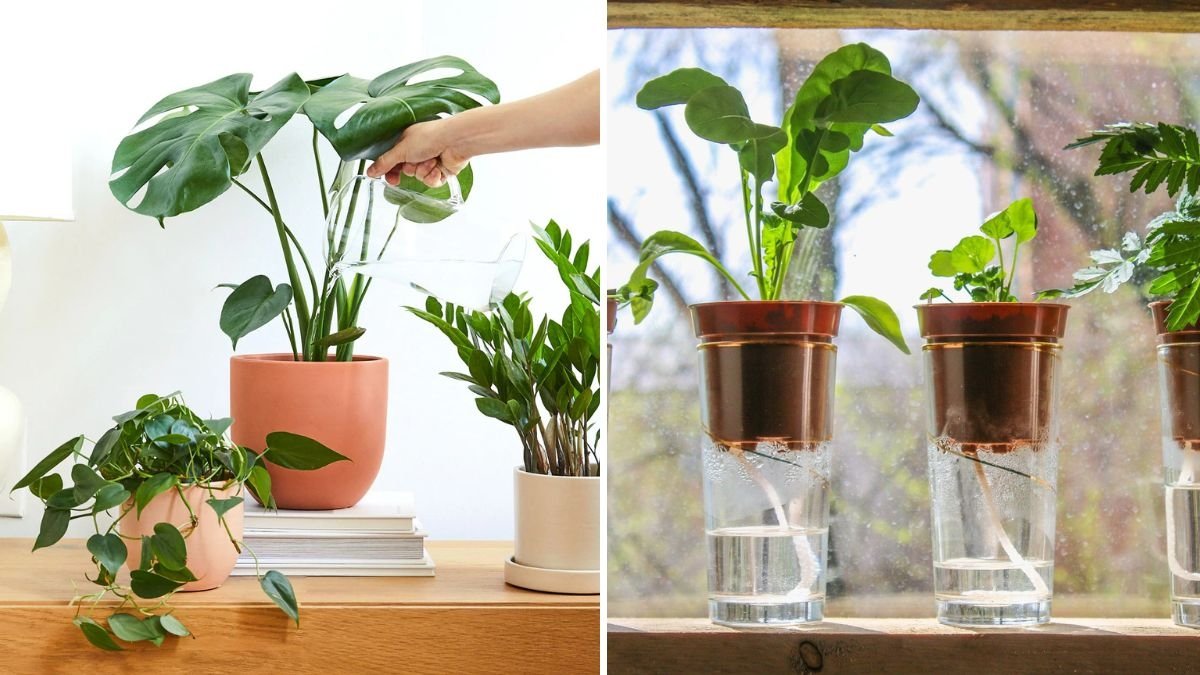
Watering is one of the most basic tasks in plant care—yet it’s also one of the trickiest. Many indoor plant problems, from yellowing leaves to sudden drooping, can often be traced back to how, when, and how much we water. While watering may seem straightforward, small mistakes can create big issues for your houseplants.
In this article, we’ll explore the five most common watering mistakes plant owners make, why they harm plants, and how you can fix them. By the end, you’ll have a clear understanding of how to keep your indoor plants properly hydrated and thriving.
Why Watering Matters More Than You Think
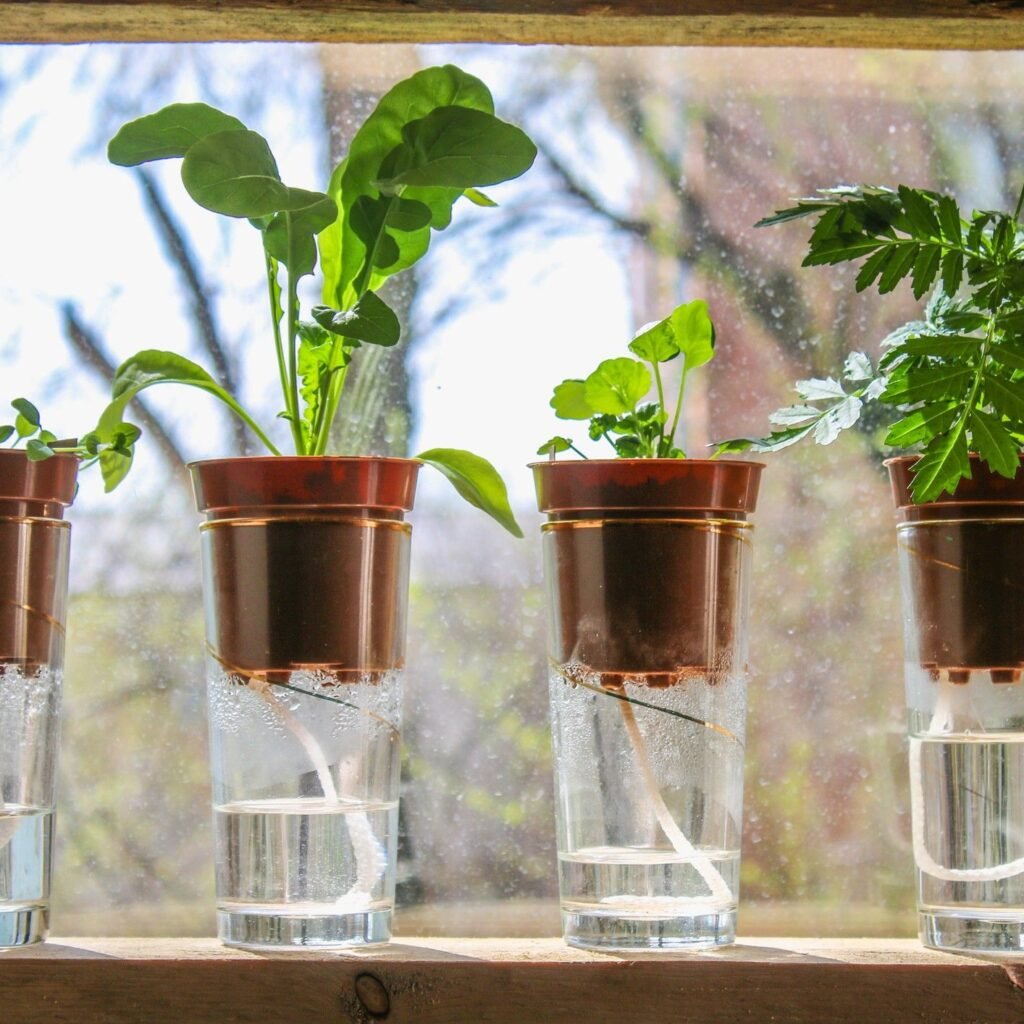
Indoor plants rely on you for everything, including water. Unlike outdoor plants that benefit from rain, natural drainage, and an ecosystem that helps balance moisture, houseplants live in controlled environments. This means watering is their lifeline.
Getting it right is essential because:
- Too much water can suffocate roots, leading to root rot.
- Too little water can dry out roots, stopping them from absorbing nutrients.
- Inconsistent watering stresses plants and weakens their growth.
Understanding your plants’ needs and correcting common mistakes can make the difference between a thriving indoor jungle and struggling greenery.
Mistake #1: Overwatering
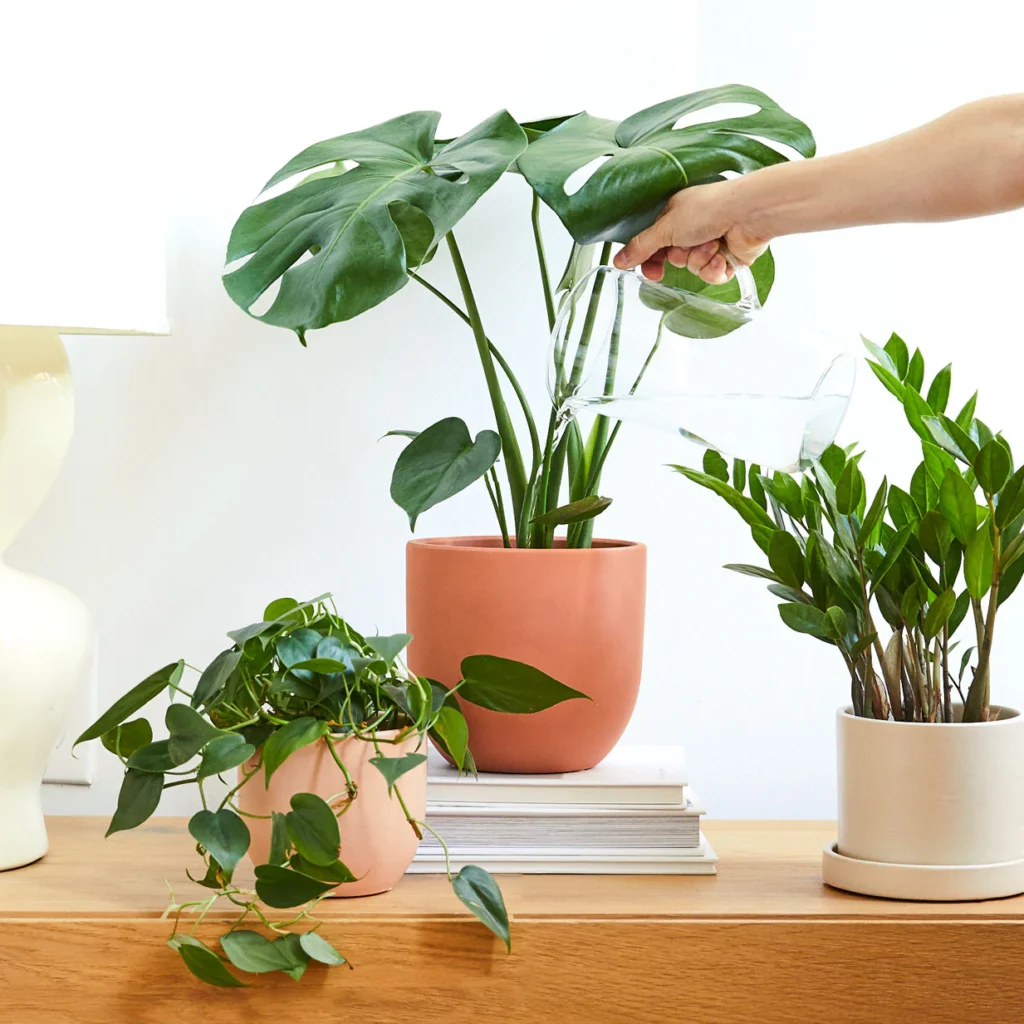
Perhaps the most common—and most deadly—mistake is giving your plants too much water. Many plant owners think watering frequently equals better care, but plants actually need air as much as water. When soil stays soggy, roots are deprived of oxygen and start to rot.
Signs of Overwatering
- Yellowing or wilting leaves (often mistaken for underwatering)
- Mushy, brown roots when repotted
- Mold or fungus on the soil surface
- A sour or swampy smell from the pot
How to Fix It
- Check soil moisture first: Use the “finger test.” Stick your finger 1–2 inches into the soil—if it feels moist, wait before watering again.
- Use pots with drainage holes: Never let water sit at the bottom.
- Empty saucers after watering: Standing water encourages root rot.
- Adjust to plant needs: Succulents need far less water than tropical plants.
Mistake #2: Underwatering
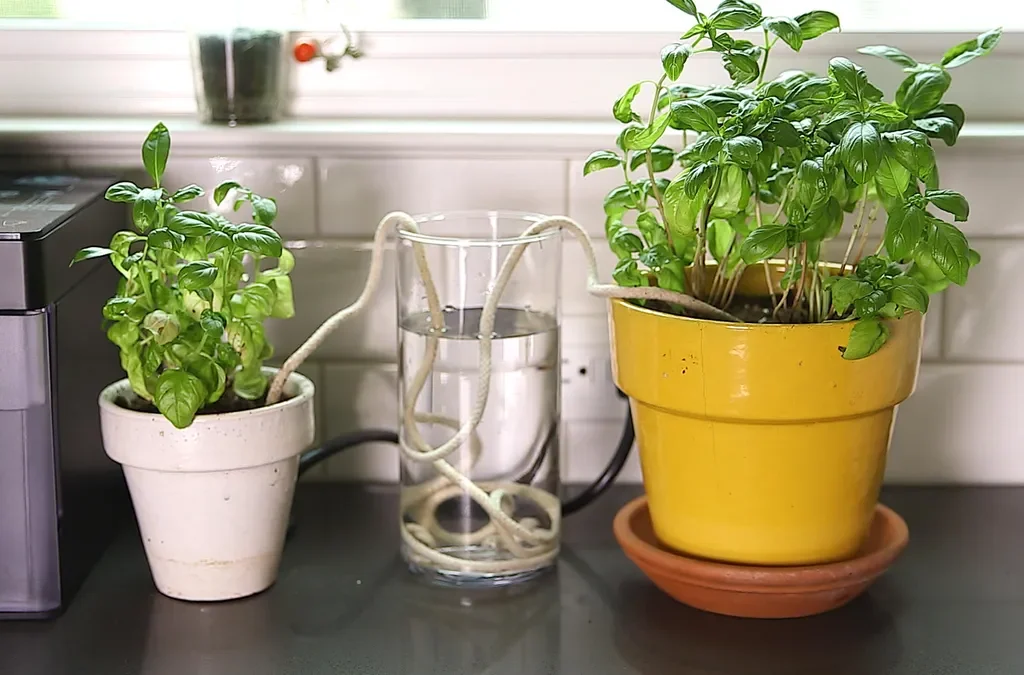
On the other hand, neglecting watering or giving too little can also harm your plants. Busy schedules or fear of overwatering often lead people to underwater, leaving plants dehydrated.
Signs of Underwatering
- Crispy, brown leaf edges
- Soil pulling away from the sides of the pot
- Wilting that improves quickly after watering
- Stunted or slow growth
How to Fix It
- Create a watering schedule: Note how often each plant dries out and adjust accordingly.
- Water deeply: Instead of frequent light watering, soak the soil thoroughly until water drains out the bottom.
- Rehydrate dry soil: If soil is so dry that water runs straight through, soak the pot in a tray of water for 20–30 minutes.
- Group plants by needs: Keep thirsty plants (like ferns) separate from drought-tolerant ones (like succulents).
Mistake #3: Watering on a Strict Schedule
It’s tempting to water every plant once a week on the same day, but this one-size-fits-all approach is a big mistake. Different plants, pot sizes, and environmental conditions affect how quickly soil dries out.
Why It’s a Problem
- A small pot dries faster than a large one.
- A sunny window speeds up evaporation, while a shady corner keeps soil wet longer.
- Seasonal changes affect needs—plants drink more in summer, less in winter.
How to Fix It
- Check before watering: Always test soil moisture before grabbing the watering can.
- Understand plant types: Research individual needs—succulents prefer drier soil, while calatheas love consistently moist conditions.
- Adjust seasonally: Water less in cooler months when plants are semi-dormant.
- Observe your plant: Leaves, soil texture, and weight of the pot all indicate water needs.
Mistake #4: Using the Wrong Type of Water
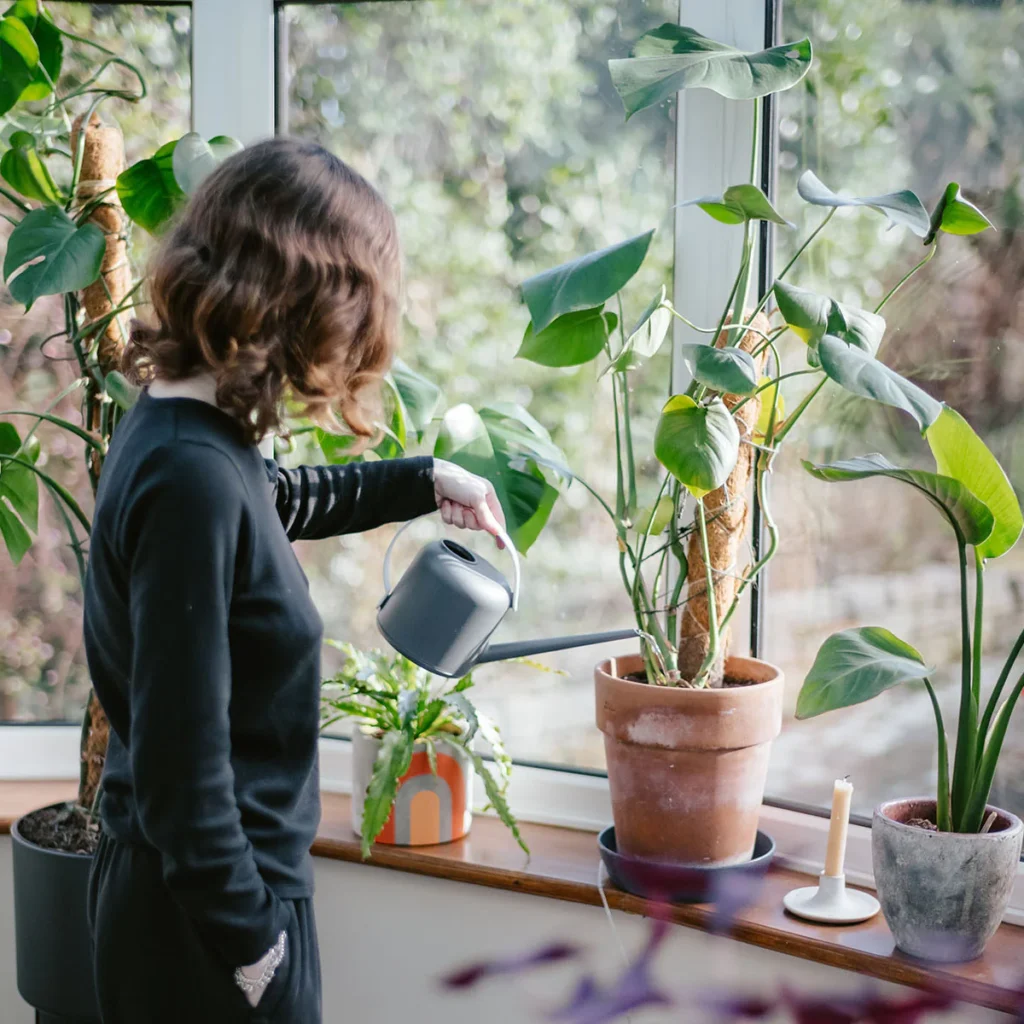
Not all water is created equal. Tap water often contains chlorine, fluoride, or salts that can build up in the soil and damage sensitive plants over time.

Signs of Water Quality Issues
- White crust on the soil surface (salt buildup)
- Brown leaf tips, especially on calatheas or spider plants
- Stunted growth despite proper care
How to Fix It
- Use filtered or distilled water: This avoids chemicals found in tap water.
- Collect rainwater: Nature’s best choice for plants.
- Let tap water sit overnight: Chlorine evaporates after 24 hours, making it safer.
- Flush soil occasionally: Pour lots of water through the pot to wash out salt buildup.
Mistake #5: Poor Watering Technique
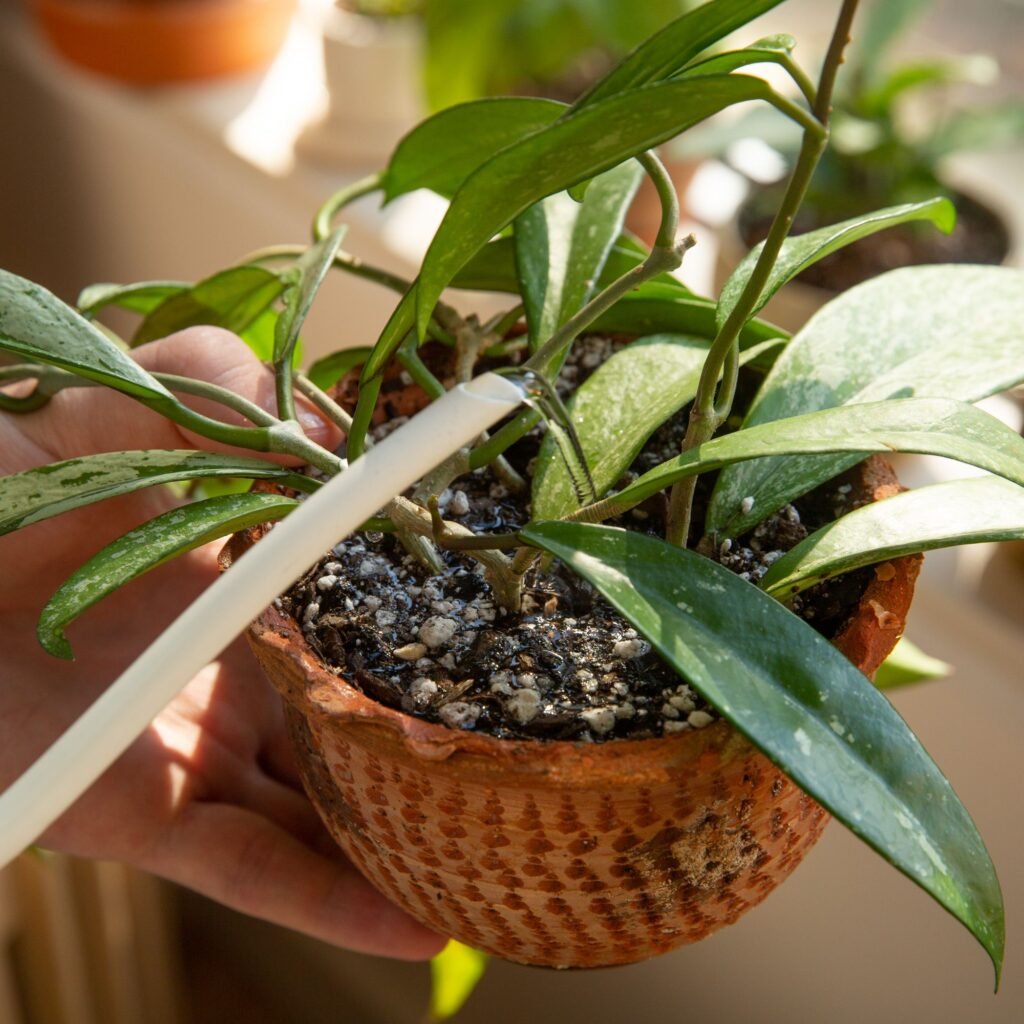
Even if you water the right amount at the right time, how you water also matters. Pouring water incorrectly can leave roots thirsty or promote disease.
Common Technique Mistakes
- Only wetting the top layer of soil, leaving roots dry.
- Splashing water on leaves, which encourages fungal diseases.
- Using cold water, which shocks roots.
How to Fix It
- Water evenly: Pour slowly and around the entire surface so all roots get moisture.
- Bottom watering: Place the pot in a tray of water for 15–20 minutes so roots absorb what they need.
- Avoid the leaves: Direct water into the soil, not on foliage.
- Use room-temperature water: Comfortable for roots and prevents stress.
Bonus Mistake: Ignoring Drainage
Even with perfect watering habits, poor drainage can doom your plants. If pots lack drainage holes, water accumulates at the bottom, drowning roots.
Solution
Always choose pots with drainage holes, or add a layer of coarse gravel or pumice at the bottom if using decorative containers.

Pro Tips for Better Watering Habits
- Lift the pot: A light pot usually means the soil is dry.
- Use a moisture meter: Helpful for beginners unsure about soil moisture.
- Tailor care to each plant: Ferns, succulents, orchids, and tropicals all have unique needs.
- Consider humidity: Some plants (like ferns) prefer misting or pebble trays in addition to watering.
Final Thoughts
Watering is the most fundamental part of indoor plant care, but it’s also the area where most plant parents go wrong. Overwatering, underwatering, sticking to rigid schedules, using poor-quality water, and applying the wrong technique are the five most common mistakes—and they can all be easily fixed with awareness and small habit changes.
By observing your plants, checking soil moisture, and tailoring watering practices to individual needs, you’ll prevent root rot, dehydration, and other common issues. Ultimately, learning how to water properly will reward you with lush, vibrant houseplants that bring life and beauty into your home.

Leave A Comment