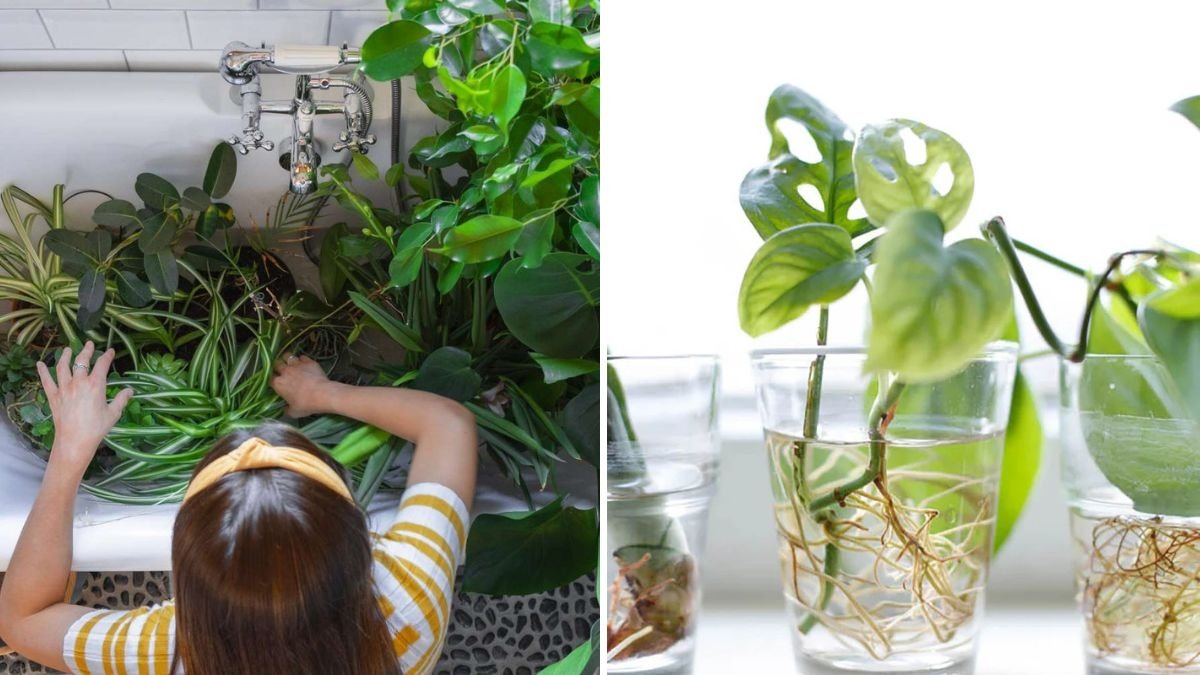
When it comes to watering houseplants, most people instinctively reach for a watering can and pour water over the soil surface. While this is the most common method, it isn’t always the most effective. Many indoor gardeners are now discovering the benefits of bottom-watering, a technique that encourages deeper hydration and healthier root growth.
Bottom-watering is more than just a trendy method; it’s a science-backed practice that helps plants grow stronger, reduces the risk of disease, and prevents many common watering mistakes. In this detailed guide, we’ll explore what bottom-watering is, how to do it correctly, why it works, and when it’s most beneficial for your houseplants.
What Is Bottom-Watering?
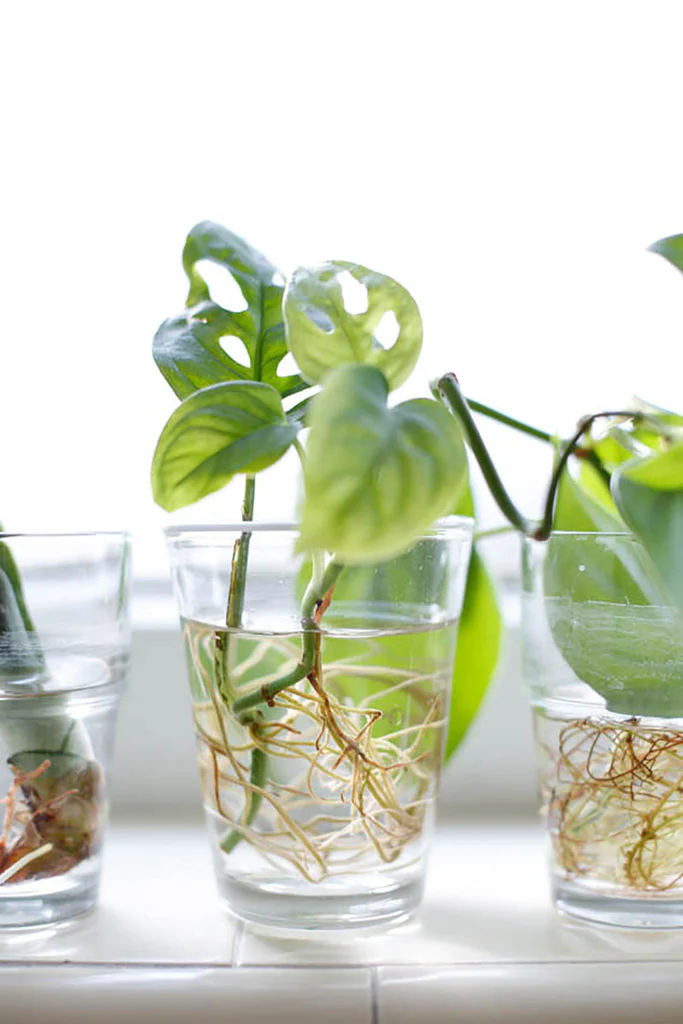
Bottom-watering is a method where plants absorb water from the bottom of the pot rather than being watered from above. Instead of pouring water over the soil, you place the pot in a tray or container filled with water and let the soil draw moisture upward through the drainage holes.
This technique mimics natural processes where plant roots grow downward in search of water, encouraging them to become stronger and more resilient.
Why Bottom-Watering Works
The secret to bottom-watering lies in capillary action—the process by which water moves upward through soil particles. This allows water to distribute evenly throughout the potting mix, unlike top-watering, which can sometimes leave the bottom soil dry.
Key Benefits of Bottom-Watering
- Promotes deeper root growth
Since water comes from the base, roots naturally grow downward to access it, creating a stronger root system. - Prevents overwatering at the top
Top-watering can sometimes leave the upper layers soggy while the bottom stays dry. Bottom-watering ensures even distribution. - Reduces fungus and pests
Drying the topsoil helps deter fungus gnats and mold, which thrive in constantly damp soil surfaces. - Encourages even nutrient absorption
Fertilizer salts often collect at the top when watering from above. Bottom-watering helps pull nutrients evenly through the soil. - Less mess indoors
No spilled water on leaves, soil splashes, or overflowing pots—perfect for tidy plant care.
When to Use Bottom-Watering
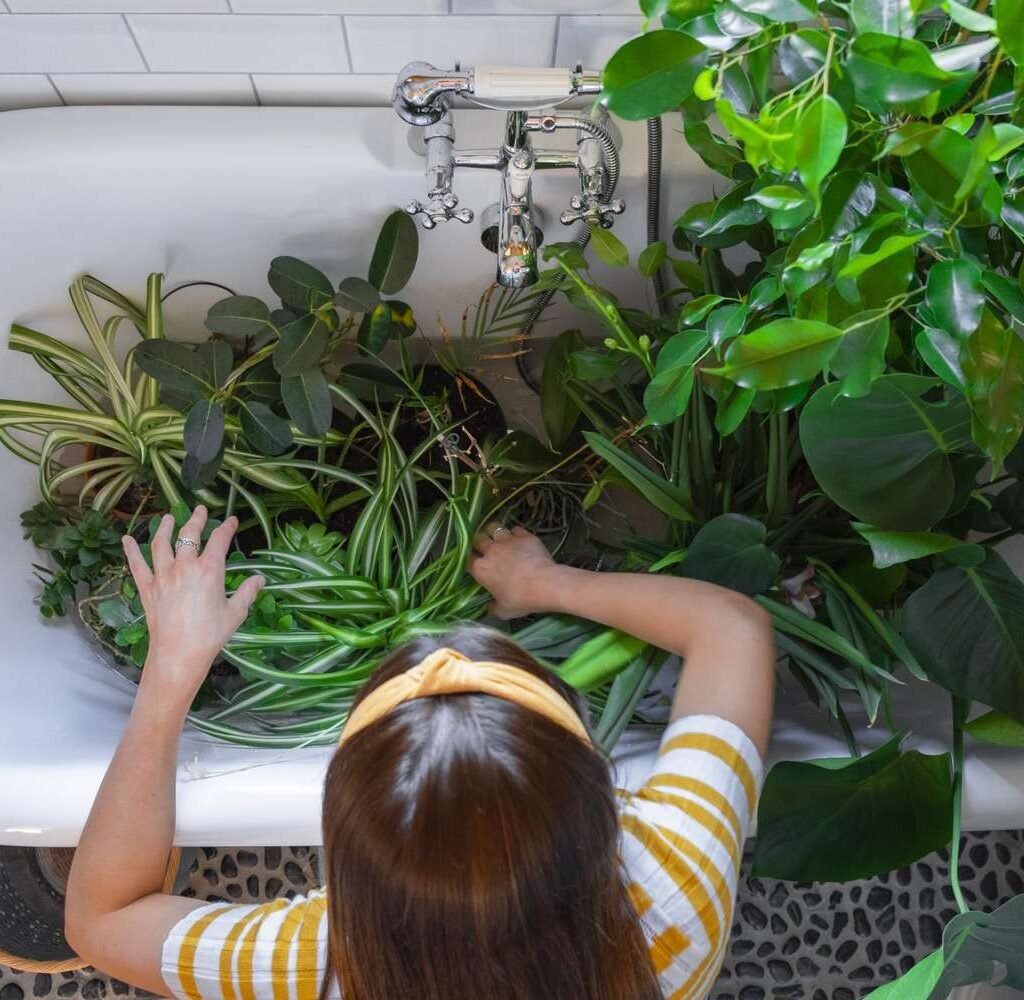
Not every plant or situation requires bottom-watering, but it is especially useful in these cases:
- Plants prone to root rot: Bottom-watering helps control moisture more precisely.
- Moisture-loving plants: African violets, peperomias, and ferns thrive with this method.
- Plants in compact soil: It rehydrates soil that repels water from the surface.
- Seedlings and young plants: Gentle hydration without disturbing delicate stems or leaves.
However, for plants that prefer very dry soil, such as succulents or cacti, bottom-watering should be used sparingly.
Step-by-Step Guide: How to Bottom-Water Plants
Bottom-watering is simple, but following the right steps ensures maximum benefits.
Materials You’ll Need
- A pot with drainage holes
- A tray, basin, or sink large enough to hold water and the pot
- Clean, room-temperature water
Step 1: Check if the Plant Needs Water
Before bottom-watering, test the soil. Stick your finger an inch deep—if it feels dry, your plant is ready. You can also lift the pot; a light pot often means the soil is dry.
Step 2: Fill the Tray with Water
Pour 1–2 inches of water into a shallow container. The level should cover the pot’s drainage holes but not submerge the entire pot.
Step 3: Place the Pot in the Water
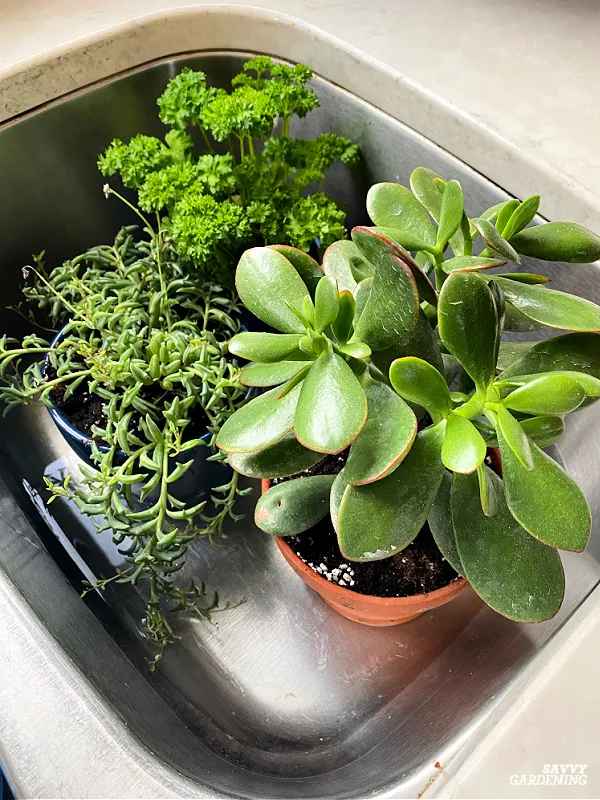
Set the plant pot in the tray and let it sit. The soil will begin absorbing water through the drainage holes.
Step 4: Wait 10–30 Minutes
Depending on pot size and soil dryness, allow the plant to soak until the top of the soil feels slightly damp.
Step 5: Remove and Drain
Once hydrated, take the pot out of the tray and let excess water drain away. Never leave the plant sitting in water for hours, as this can suffocate roots.
Step 6: Repeat as Needed
Use bottom-watering when the soil dries out. For most houseplants, this is once a week in summer and less in winter.
Bottom-Watering vs. Top-Watering
Both methods have their place in plant care.

| Aspect | Bottom-Watering | Top-Watering |
|---|---|---|
| Root Health | Encourages deeper roots | May encourage shallow roots |
| Water Distribution | Even throughout soil | Sometimes uneven |
| Pest Prevention | Deters fungus gnats | Moist soil surface attracts pests |
| Nutrient Management | Even distribution | Fertilizer salts may accumulate on top |
| Convenience | Requires tray or basin | Quick with a watering can |
Pro Tip: Alternate Methods
For best results, alternate between bottom-watering and top-watering. Occasional top-watering flushes out excess salts and ensures complete hydration.
Common Mistakes to Avoid
Even with bottom-watering, mistakes can happen. Here’s what to watch out for:
- Leaving plants in water too long
Roots need oxygen; soaking for hours can cause suffocation. - Skipping top-watering entirely
Over time, salts build up in the soil. Occasional top-watering helps flush them out. - Using cold water
Chilled water shocks roots—always use room-temperature water. - Bottom-watering cacti and succulents too often
These plants prefer drier soil; use bottom-watering sparingly. - Ignoring pot size
Large pots may need more soaking time, while small ones hydrate quickly.
Best Plants for Bottom-Watering
While most houseplants benefit, some are particularly suited to this method:
- African violets (sensitive to water on leaves)
- Ferns (prefer consistent moisture)
- Peperomias
- Calatheas and prayer plants
- Seedlings and young herbs
On the other hand, plants like succulents, cacti, and snake plants should only be bottom-watered occasionally.
Pro Tips for Successful Bottom-Watering
- Use a clear tray: Makes it easy to see when soil stops absorbing water.
- Add fertilizer to the water: Dissolved liquid fertilizer can be absorbed evenly through bottom-watering.
- Set reminders: Track plant needs individually—don’t assume they all dry out at the same pace.
- Group by size: Place pots of similar size together in trays to avoid over- or under-soaking.
The Science Behind Stronger Roots
Roots naturally grow toward moisture. When water is supplied from below, plants direct root growth downward, creating a deeper and stronger root system. This not only improves water absorption but also stabilizes the plant. Over time, these stronger roots make plants more resilient to stress, less prone to disease, and better equipped to absorb nutrients.
Final Thoughts
Bottom-watering is a simple yet powerful technique that supports stronger roots, healthier growth, and fewer common plant problems. While it shouldn’t completely replace top-watering, incorporating it into your routine can transform the way your plants grow.
By understanding when to use it, how to do it correctly, and which plants benefit most, you’ll provide your houseplants with a more natural, balanced way to drink. With bottom-watering, your plants won’t just survive—they’ll thrive.

Leave A Comment