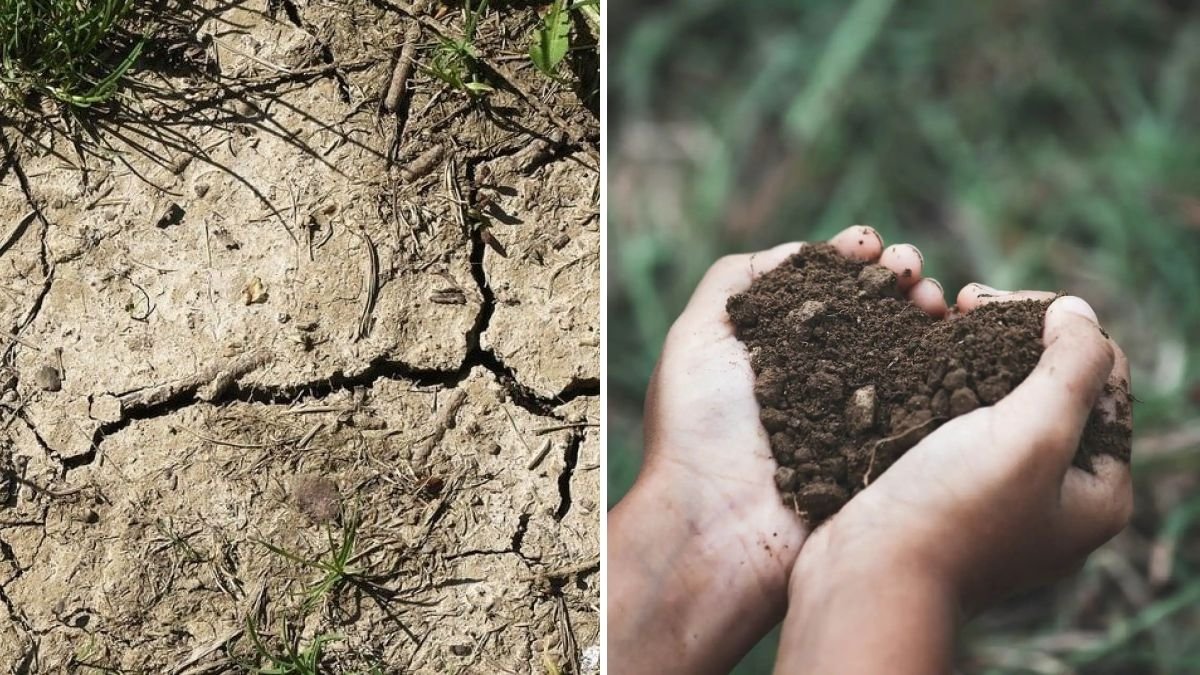
Healthy soil is the foundation of a thriving garden. It’s more than just “dirt”—it’s a living ecosystem filled with minerals, organic matter, water, air, and billions of microorganisms that work together to sustain plant life. When soil becomes compacted, however, its structure collapses, creating a hostile environment for roots, microbes, and beneficial organisms. The result? Stunted growth, yellowing leaves, weak harvests, and even plant death.
Understanding why soil compaction is harmful—and how to prevent it—is essential for gardeners, farmers, and anyone who wants flourishing plants. Let’s dive into what causes compaction, how it impacts plant health, and practical steps you can take to fix and avoid it.
What Is Soil Compaction?
Soil compaction occurs when soil particles are pressed tightly together, reducing the amount of air and pore space between them. Normally, healthy soil contains about:
- 50% solids (minerals and organic matter)
- 25% water
- 25% air
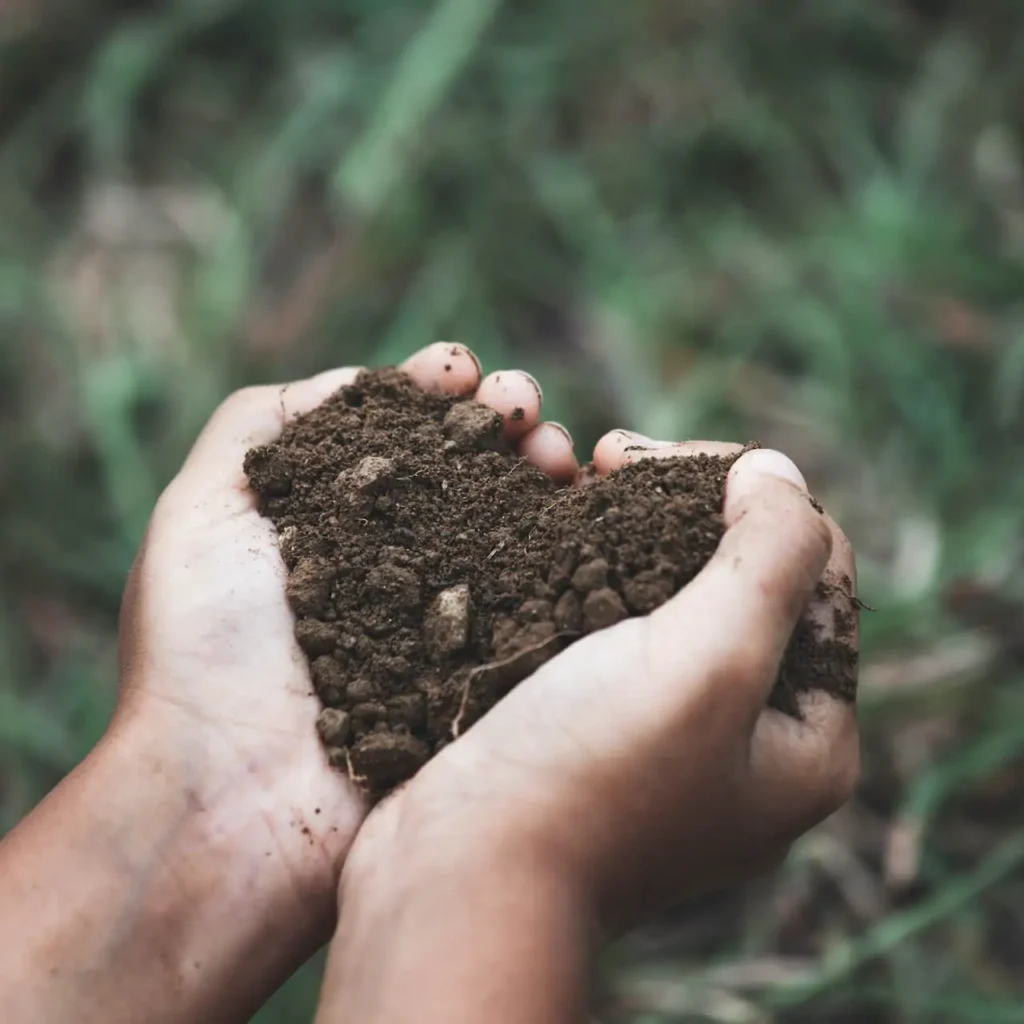
In compacted soil, those vital air pockets shrink dramatically, and water has a harder time penetrating. Instead of loose, crumbly soil that allows roots to spread freely, compacted soil is dense, heavy, and resistant.
This problem happens more often than many gardeners realize—especially in lawns, raised beds, or garden areas where people and pets frequently walk, or where machinery is used.
Why Soil Compaction Hurts Plants
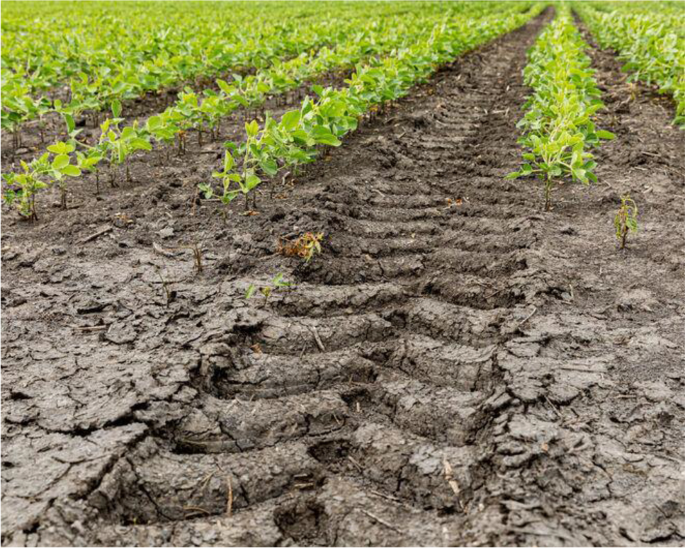
Soil compaction doesn’t just make digging harder—it disrupts nearly every aspect of plant health. Here’s why it’s such a big deal:
1. Restricted Root Growth
Roots need space to expand. In compacted soil, they struggle to push through the dense structure. Instead of spreading wide and deep, roots become shallow, weak, and limited in size. Shallow roots mean less access to nutrients and water.
2. Poor Water Infiltration and Drainage
Healthy soil absorbs rainfall or irrigation evenly, storing it for plant roots. Compacted soil acts like a sealed surface: water pools on top, runs off, or collects in low spots, leading to soggy conditions and root rot. At the same time, deeper roots may remain thirsty.
3. Reduced Oxygen Availability
Roots breathe. They need oxygen for cellular respiration. Compacted soil eliminates air spaces, depriving roots of oxygen. This suffocates roots and stresses plants, making them more vulnerable to pests and diseases.
4. Decline in Soil Life
Soil organisms—earthworms, fungi, and microbes—thrive in loose soil with ample pore spaces. Compaction drives them away, further reducing soil fertility and long-term health.
5. Nutrient Lock-Up
When soil becomes dense, nutrients can’t move freely through water channels. Even if you fertilize, plants may not be able to absorb what they need. This often leads to yellowing leaves and nutrient deficiencies.
Signs of Soil Compaction in Your Garden
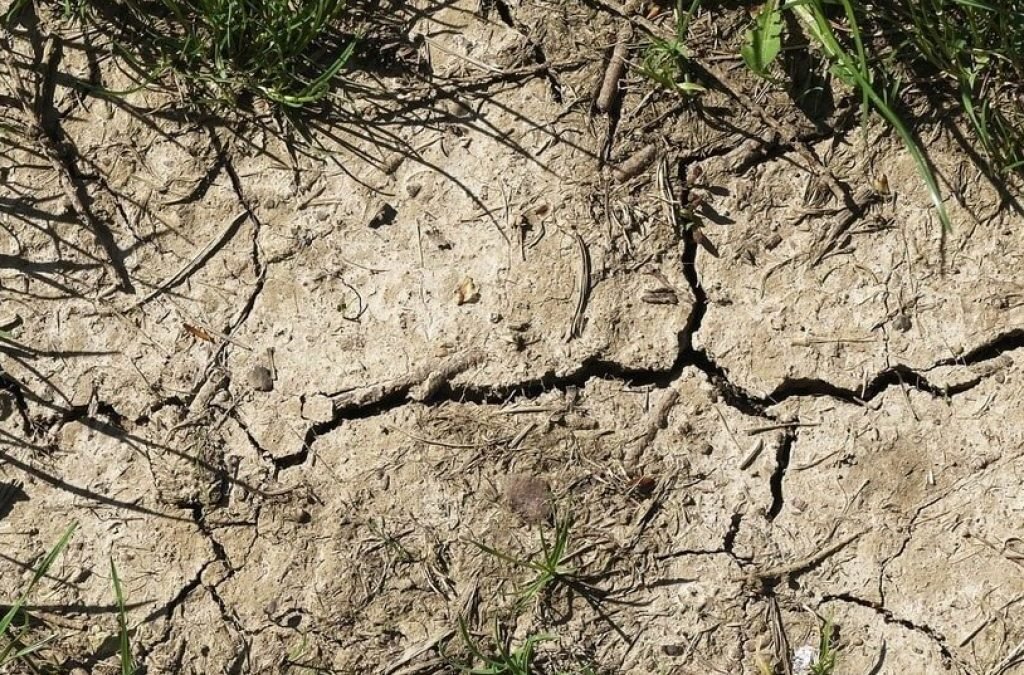
How do you know if soil compaction is a problem? Look for these telltale signs:
- Water puddles on the surface after rainfall or watering.
- Grass or plants with shallow, weak roots that pull up easily.
- Hard, crusty soil that’s tough to dig into with a shovel.
- Patchy plant growth—some areas struggle while others thrive.
- Yellowing leaves despite regular fertilization and watering.
- Few earthworms when you dig into the soil (a sign of poor soil health).
What Causes Soil Compaction?
Several everyday gardening practices unintentionally lead to compacted soil:
- Heavy Foot Traffic – Walking repeatedly over the same areas, especially when the soil is wet, compresses soil particles.
- Machinery and Tools – Lawn mowers, wheelbarrows, and garden equipment add extra weight and pressure.
- Rainfall and Irrigation – Heavy rain or frequent watering can compact soil over time, especially clay soils prone to crusting.
- Tilling and Overworking Soil – While tilling can loosen soil temporarily, repeated tilling breaks down soil structure and accelerates compaction.
- Lack of Organic Matter – Organic matter creates a sponge-like structure in soil. Without it, soils easily become dense and hard.
How to Fix Soil Compaction
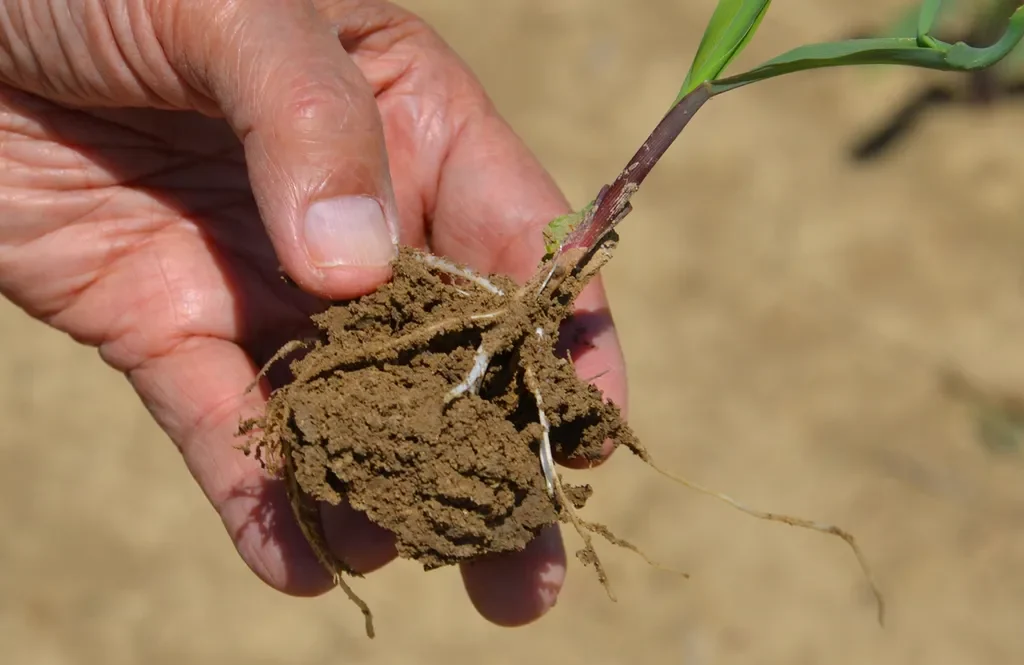
If your soil is already compacted, don’t worry—you can restore it. Here are proven methods to loosen and improve compacted soil:
1. Aeration
For lawns, aeration is the most effective fix. Core aerators remove small plugs of soil, creating channels that allow air, water, and nutrients to penetrate deeper. This also gives roots more space to grow.
2. Add Organic Matter
Incorporate compost, leaf mold, or well-rotted manure into the soil. Organic matter improves structure, increases pore spaces, and encourages earthworms and microbes to thrive. Over time, this naturally loosens soil.
3. Mulching
A layer of organic mulch (wood chips, straw, shredded leaves) protects the soil surface, prevents crusting, and encourages earthworms to tunnel through the soil, reducing compaction naturally.
4. Plant Deep-Rooted Cover Crops
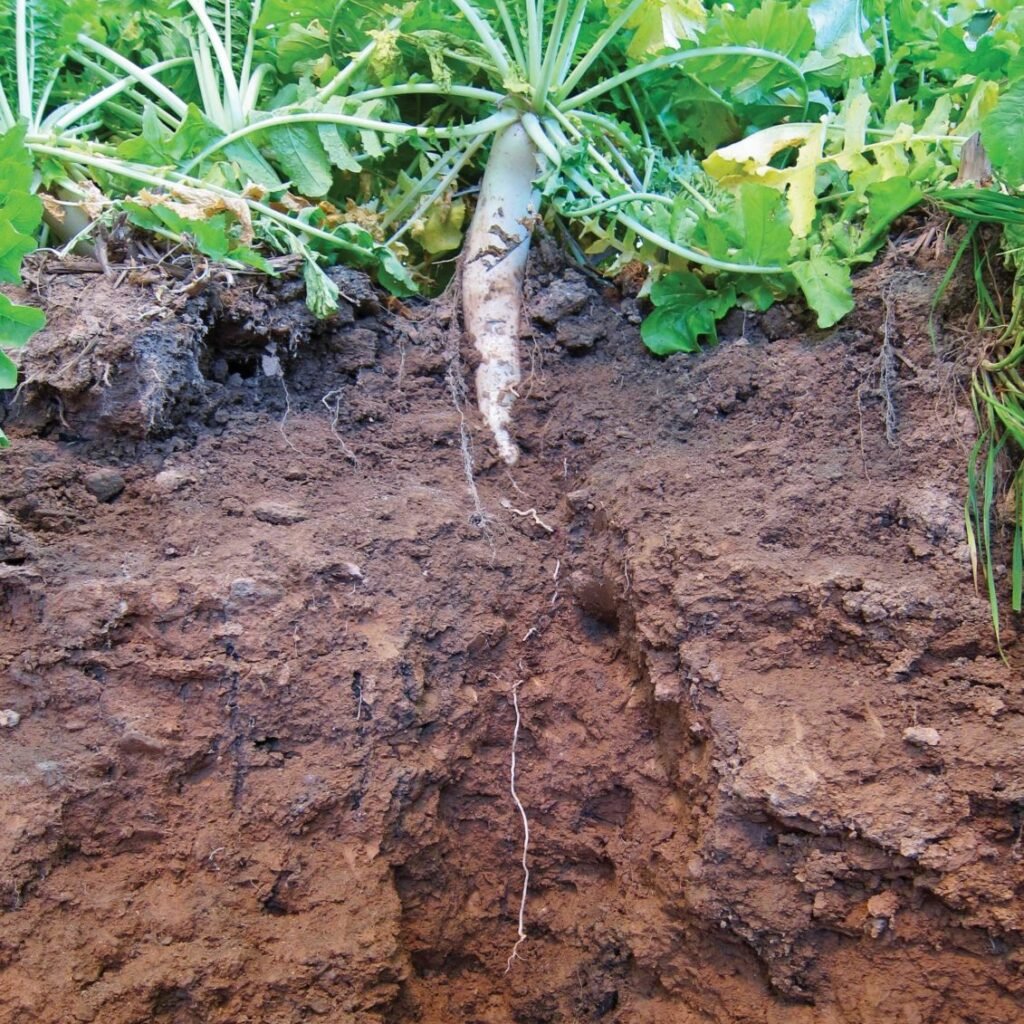
Cover crops like clover, daikon radish, or ryegrass are nature’s soil looseners. Their deep roots break through compacted layers, improving soil structure without machinery.
5. Double Digging (For Garden Beds)
In smaller garden beds, manually loosen soil by double digging—removing the topsoil, loosening the subsoil with a fork, then returning the topsoil. This method creates deep, fluffy soil but requires effort.
6. Avoid Overwatering
Compaction often comes hand in hand with soggy soil. Water only when necessary, and make sure you’re using well-draining soil mixes for potted plants.
How to Prevent Soil Compaction
Prevention is easier (and less labor-intensive) than repair. Follow these strategies to keep your soil healthy and airy:

1. Limit Foot Traffic
Designate walkways or stepping stones in garden areas to avoid compacting planting zones. Encourage kids and pets to stay off sensitive beds.
2. Avoid Working Wet Soil
Wet soil compacts much faster than dry soil. Test by squeezing a handful—if it forms a muddy ball, wait until it dries before digging or walking on it.
3. Rotate Crops and Use Cover Crops
In vegetable gardens, rotating crops and adding cover crops improves soil structure naturally while preventing depletion.
4. Add Organic Matter Regularly
Treat your soil to yearly doses of compost or mulch. It not only prevents compaction but also improves fertility, drainage, and microbial activity.
5. Use Raised Beds or Containers
If your garden has heavy clay prone to compaction, raised beds or large containers with custom soil mixes give plants a healthier environment from the start.
The Long-Term Payoff of Healthy Soil
Preventing soil compaction isn’t just about making gardening easier—it’s about giving your plants the best chance to thrive. Looser, well-structured soil:
- Supports stronger, deeper root systems.
- Increases drought resistance and water efficiency.
- Boosts nutrient absorption for healthier plants.
- Encourages beneficial soil life and natural fertility.
- Improves yields, whether you’re growing vegetables, flowers, or houseplants.
In other words, taking the time to care for your soil pays off season after season.

Final Thoughts
Soil compaction is a silent enemy in gardens and landscapes, often overlooked until plants start struggling. But once you understand how it forms—and why it’s so damaging—you can take simple steps to fix and prevent it.
Think of your soil as a living system. Protect it with mulch, feed it with organic matter, avoid unnecessary pressure, and let nature’s organisms do their work. With loose, airy soil beneath them, your plants will reward you with stronger roots, lusher growth, and vibrant harvests.
Healthy plants start with healthy soil—and preventing compaction is one of the most important gifts you can give your garden.

Leave A Comment