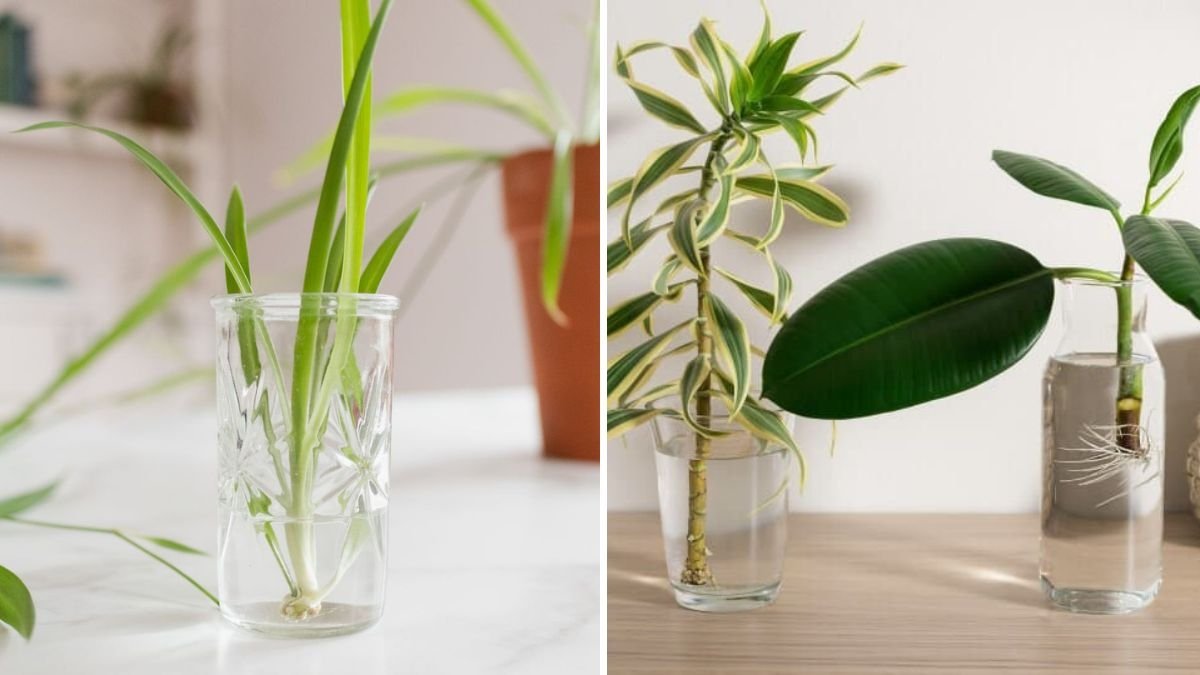
One of the most rewarding parts of caring for houseplants is learning how to propagate them. Propagation is the process of creating new plants from cuttings, leaves, or divisions of existing plants. While there are many methods—such as propagating in soil, sphagnum moss, or through division—water propagation is the simplest and most beginner-friendly.
Placing a plant cutting in water and watching roots emerge feels almost magical. It’s also a cost-effective way to multiply your collection or share plants with friends and family. Best of all, many common houseplants thrive with this method.
In this article, we’ll cover five of the easiest houseplants to propagate in water, along with step-by-step instructions, care tips, and troubleshooting advice to ensure your cuttings grow into healthy new plants.
Why Choose Water Propagation?
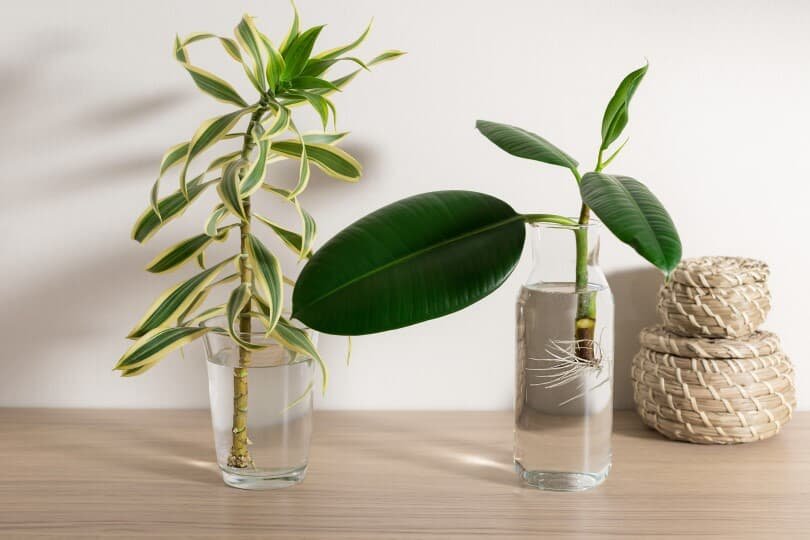
Before diving into specific plants, let’s look at why water propagation is such a popular technique:
- Beginner-friendly: No special equipment needed—just a glass of water.
- Transparent process: You can watch roots form, which makes it educational and satisfying.
- Lower risk: Water provides constant moisture, reducing the chance of cuttings drying out.
- Faster results: Many plants root more quickly in water than in soil.
- Aesthetic appeal: Cuttings in glass jars or vases can double as stylish home décor.
The Basics of Water Propagation
- Choose the right cutting: Select a healthy stem or leaf with at least one node (the point where leaves or roots grow).
- Cut with clean tools: Use sterilized scissors or pruners to avoid spreading disease.
- Place in water: Submerge the node in water but keep leaves above the surface.
- Change water regularly: Replace every 3–5 days to prevent stagnation and bacteria growth.
- Provide light: Place the container in bright, indirect sunlight.
- Wait for roots: Once roots reach 2–3 inches, you can transplant to soil—or keep the plant in water for a while.
5 Easy Houseplants to Propagate in Water
1. Pothos (Epipremnum aureum)
Why it’s easy: Pothos, also called “Devil’s Ivy,” is practically indestructible and one of the fastest-rooting plants in water.
How to propagate:

- Cut a vine just below a node, ensuring each cutting has 3–4 leaves.
- Place the node under water while keeping the leaves dry.
- Change the water weekly and wait 2–4 weeks for roots to appear.
Tips:
- Pothos roots can grow rapidly; once roots are 2 inches long, you can transfer them to soil.
- They can also live permanently in water if you add occasional liquid fertilizer.
Why you’ll love it: Watching pothos grow roots in a jar makes a striking centerpiece on desks or shelves.
2. Philodendron (Heartleaf Philodendron)
Why it’s easy: Like pothos, heartleaf philodendrons are vining plants with strong rooting abilities. They’re often confused with pothos but are equally beginner-friendly.
How to propagate:
- Snip a stem just below a node, making sure each cutting has at least 2–3 leaves.
- Place the node in water with indirect light.
- Within 2–3 weeks, you’ll see small roots forming.
Tips:
- Avoid letting too many leaves sit below water; this encourages rot.
- Once transferred to soil, philodendrons adapt quickly and continue trailing.
Why you’ll love it: Heartleaf philodendrons add lush, trailing greenery to any home, and propagation makes it easy to create fuller pots or new hanging baskets.

3. Spider Plant (Chlorophytum comosum)
Why it’s easy: Spider plants naturally produce “pups” or baby plantlets on long arching stems, making propagation effortless.
How to propagate:
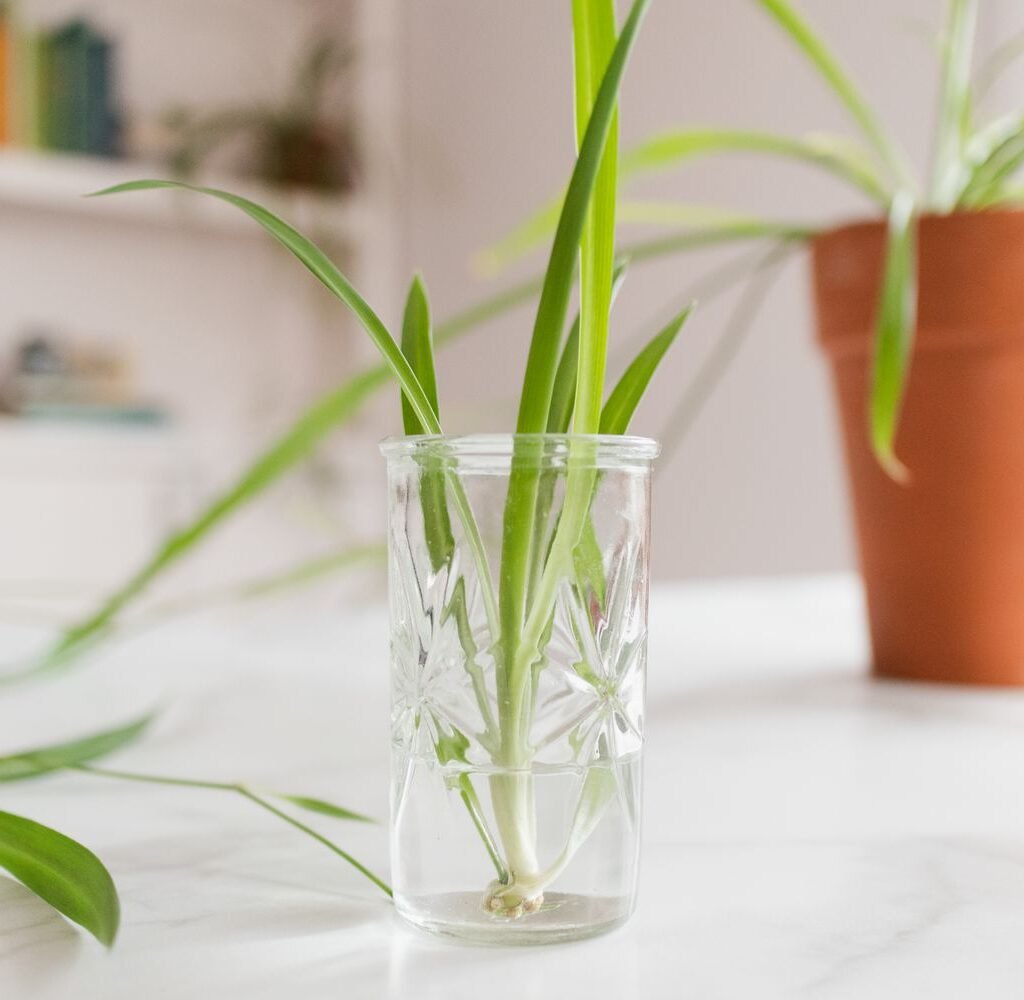
- Snip off a baby spider plant with small root nubs at its base.
- Place the pup in a jar of water, ensuring the root end is submerged.
- Roots typically develop within 1–2 weeks.
Tips:
- Spider plant babies root so fast that many people skip the water stage and pot them directly into soil—but water propagation lets you watch the process unfold.
- Avoid overcrowding too many pups in one container, as roots can tangle.
Why you’ll love it: Propagating spider plants in water is quick and fun, especially since one mature plant can produce dozens of babies each year.
4. Monstera deliciosa (Swiss Cheese Plant)
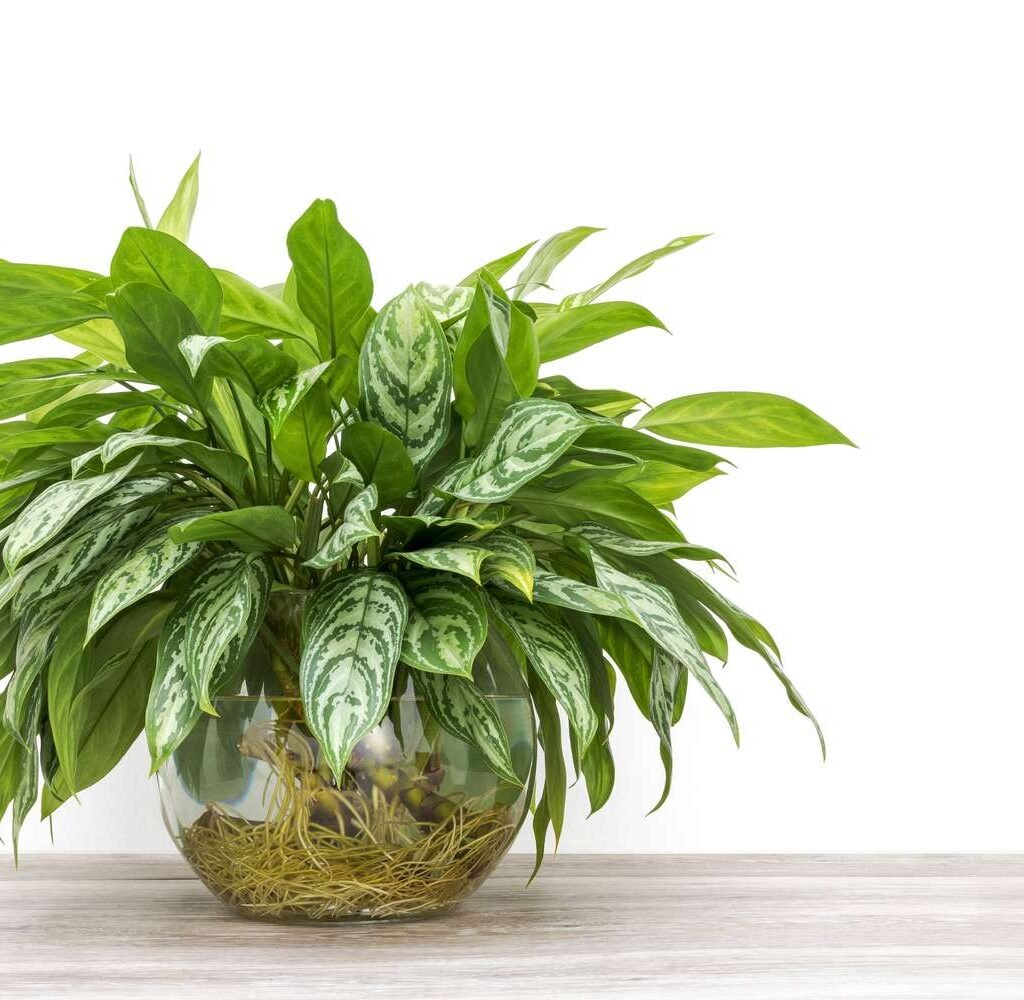
Why it’s easy: Monsteras are popular for their dramatic leaves and aerial roots, which make them especially suited for water propagation.
How to propagate:

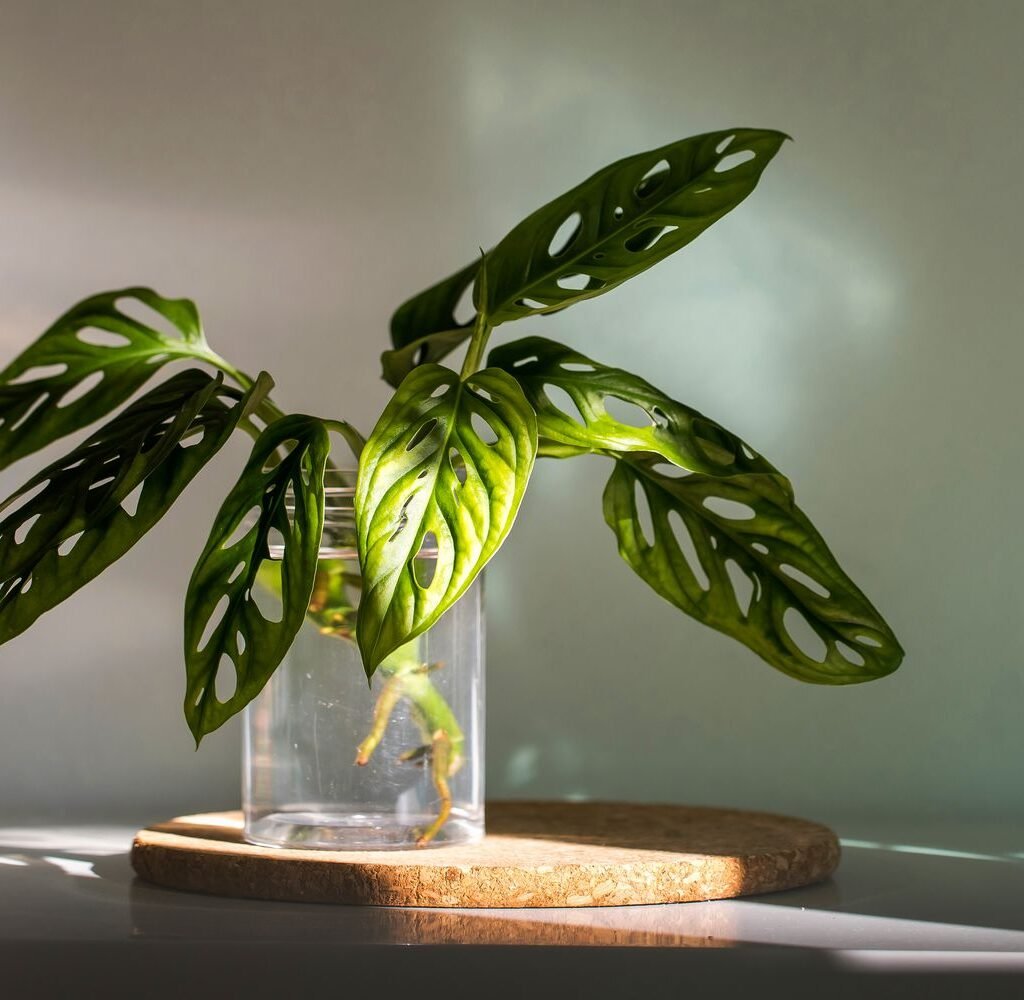
- Cut a stem below a node that includes at least one aerial root and a healthy leaf.
- Place the node and aerial root in water, keeping the leaf above.
- Change water weekly, and in 3–6 weeks, roots will start branching out.
Tips:
- Monsteras can take a little longer to root than pothos or spider plants, so patience is key.
- Use a tall, narrow vase to support large cuttings.
Why you’ll love it: Propagating monstera cuttings not only expands your collection but also creates gorgeous water displays with their iconic split leaves.
5. English Ivy (Hedera helix)
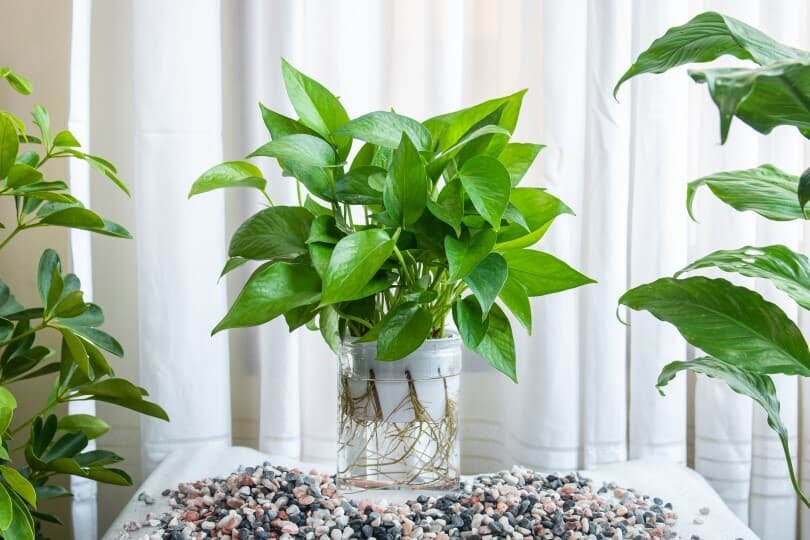
Why it’s easy: Ivy is known for its vigorous growth and roots easily in water.
How to propagate:
- Cut a vine with several leaves and at least one node.
- Submerge the node in water and place the cutting in bright, indirect light.
- Roots typically emerge in 2–3 weeks.
Tips:
- Ivy cuttings can be transplanted into soil once roots are 1–2 inches long.
- Keep ivy cuttings away from direct sunlight, which may scorch the delicate leaves.
Why you’ll love it: Ivy makes a beautiful, fast-growing plant to trail from shelves or baskets, and water propagation makes it simple to multiply.

Caring for Water Propagations
Once your cuttings have roots, you have two choices:
- Keep them in water: Some plants, like pothos, can live long-term in water if you add liquid fertilizer occasionally.
- Transfer to soil: For stronger, longer-lived plants, it’s best to pot them in soil once roots reach 2–3 inches.
Key aftercare tips:
- Gradual transition: When moving to soil, keep it consistently moist at first so roots can adjust.
- Light: Provide bright, indirect sunlight to encourage new growth.
- Patience: Some cuttings take time to adapt; don’t worry if growth slows briefly after transplanting.
Common Problems and How to Fix Them
- Leaves turning yellow: Often caused by too much water submerging the leaf; trim damaged leaves.
- Water smells bad: Change water more frequently and clean the container to prevent bacteria.
- Roots not forming: Ensure the cutting has at least one node submerged. Move it to a brighter (but not sunny) location.
- Roots turning brown or mushy: Indicates rot—trim back to healthy tissue and restart in clean water.
Conclusion
Water propagation is one of the most rewarding ways to grow your plant collection. It requires minimal tools, offers quick results, and allows you to watch the fascinating process of root development up close.
Whether you’re growing the speedy pothos, the lush philodendron, the pup-producing spider plant, the dramatic monstera, or the vigorous ivy, these five houseplants are guaranteed to bring success to your water propagation journey.
So grab a clean jar, take a healthy cutting, and start your own indoor propagation station—you’ll be surprised at how quickly your plant family multiplies.

Leave A Comment