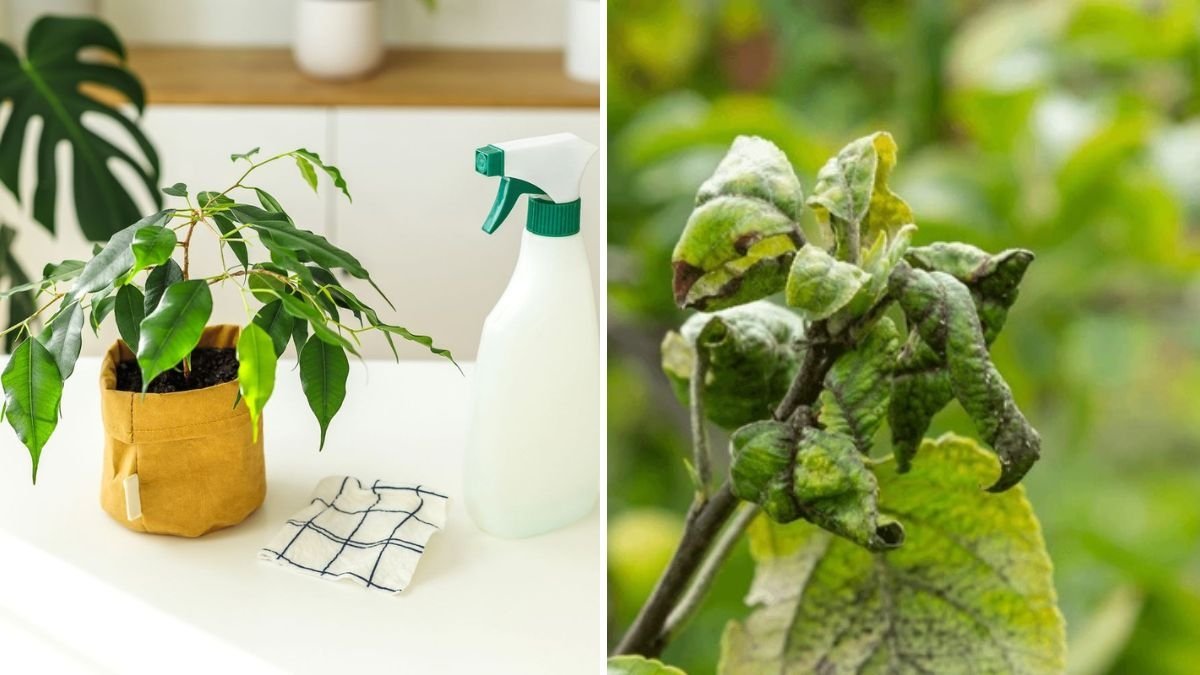
Indoor plants add beauty, fresh air, and a calming touch to your home. But nothing can be more frustrating than spotting tiny clusters of aphids feeding on your beloved greenery. These sap-sucking pests multiply rapidly and can weaken plants, stunt growth, and even spread diseases. While chemical pesticides may seem like a quick fix, they often harm beneficial insects, the environment, and even your indoor air quality. Fortunately, there are plenty of natural, safe, and effective methods to keep aphids at bay without resorting to harsh chemicals.
In this guide, we’ll explore how to naturally keep aphids off indoor plants with practical solutions that are easy to implement and environmentally friendly.
Understanding Aphids and Their Damage
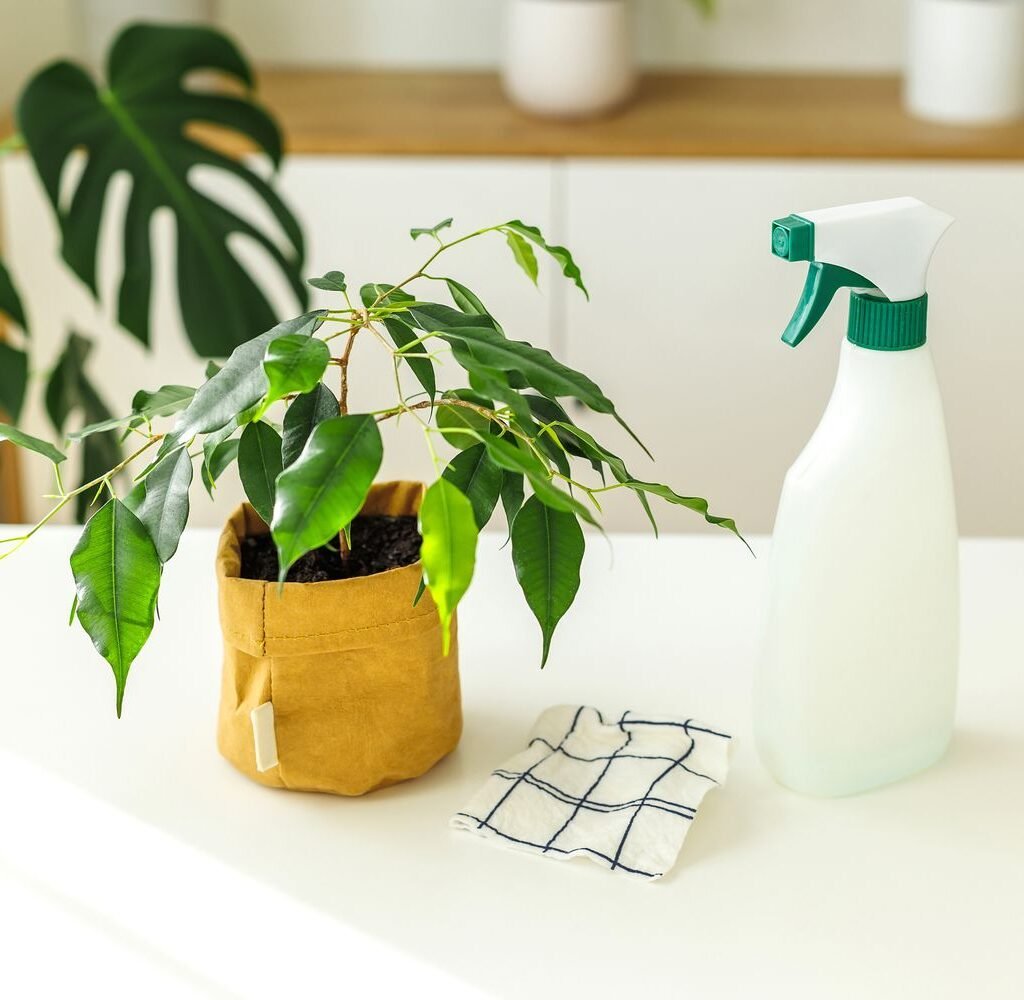
Aphids are soft-bodied insects, usually green, black, yellow, or white, that cluster on plant stems, new growth, and the undersides of leaves. They reproduce quickly, often giving birth to live young without mating, which means an infestation can spread within days.
Signs of aphid infestation include:
- Sticky honeydew (sugary residue) on leaves or surfaces below the plant.
- Curling, yellowing, or distorted leaves.
- Black sooty mold growing on honeydew.
- Stunted growth or weakened plants.
Since aphids thrive in warm indoor environments and prefer tender new growth, houseplants are easy targets. The key to managing them is prevention and early intervention.
1. Inspect and Quarantine New Plants
Prevention is always better than cure. Aphids often hitch a ride indoors on new plants purchased from nurseries or gifted by friends.
What to do:
- Before bringing new plants home, inspect them thoroughly, especially under leaves and along stems.
- Quarantine new plants for at least 7–10 days away from your existing collection to monitor for hidden pests.
- If you find aphids, treat the plant immediately before placing it with your other indoor greenery.
This simple step drastically reduces the chance of introducing aphids into your plant space.
2. Encourage Air Circulation
Aphids thrive in stagnant, humid conditions. By improving air circulation, you create an environment less favorable for their growth.
Tips to improve airflow:
- Space plants apart instead of crowding them on windowsills.
- Use a small indoor fan on a low setting to keep air moving around plants.
- Rotate plants regularly so all sides receive light and airflow.
This doesn’t just deter aphids—it also helps prevent fungal diseases like powdery mildew.
3. Wash Aphids Off With Water
For small infestations, one of the easiest natural remedies is a good rinse. Aphids are delicate and can be dislodged by water pressure.
How to do it:
- Take the plant to a sink, shower, or outdoors.
- Use lukewarm water and gently spray the leaves and stems, focusing on undersides where aphids hide.
- Repeat every few days until the problem subsides.
This method works best for sturdy plants like rubber plants, spider plants, or ficus, but avoid overwatering-sensitive species.
4. Use Homemade Soap Spray
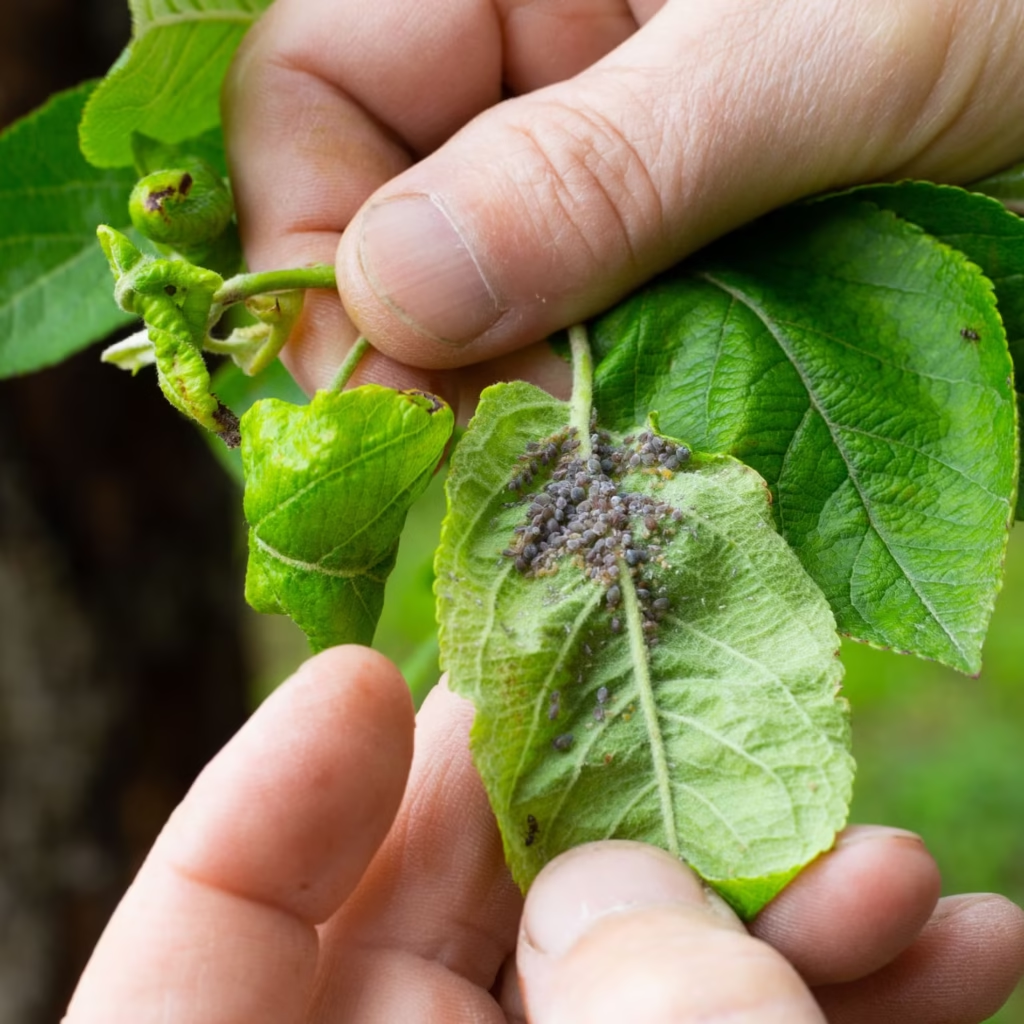
A tried-and-true natural solution for aphids is insecticidal soap spray, which suffocates and dehydrates the pests without harming plants.
DIY soap spray recipe:
- 1 teaspoon mild liquid soap (like Castile or unscented dish soap)
- 1 quart (liter) of water
- Mix and pour into a spray bottle.
How to use:
- Spray directly onto aphids, covering both sides of leaves.
- Repeat every 3–4 days until aphids are gone.
- Always test on a small leaf first to ensure your plant isn’t sensitive.
Soap sprays are safe, effective, and won’t harm your indoor environment.
5. Neem Oil: A Natural Insect Deterrent
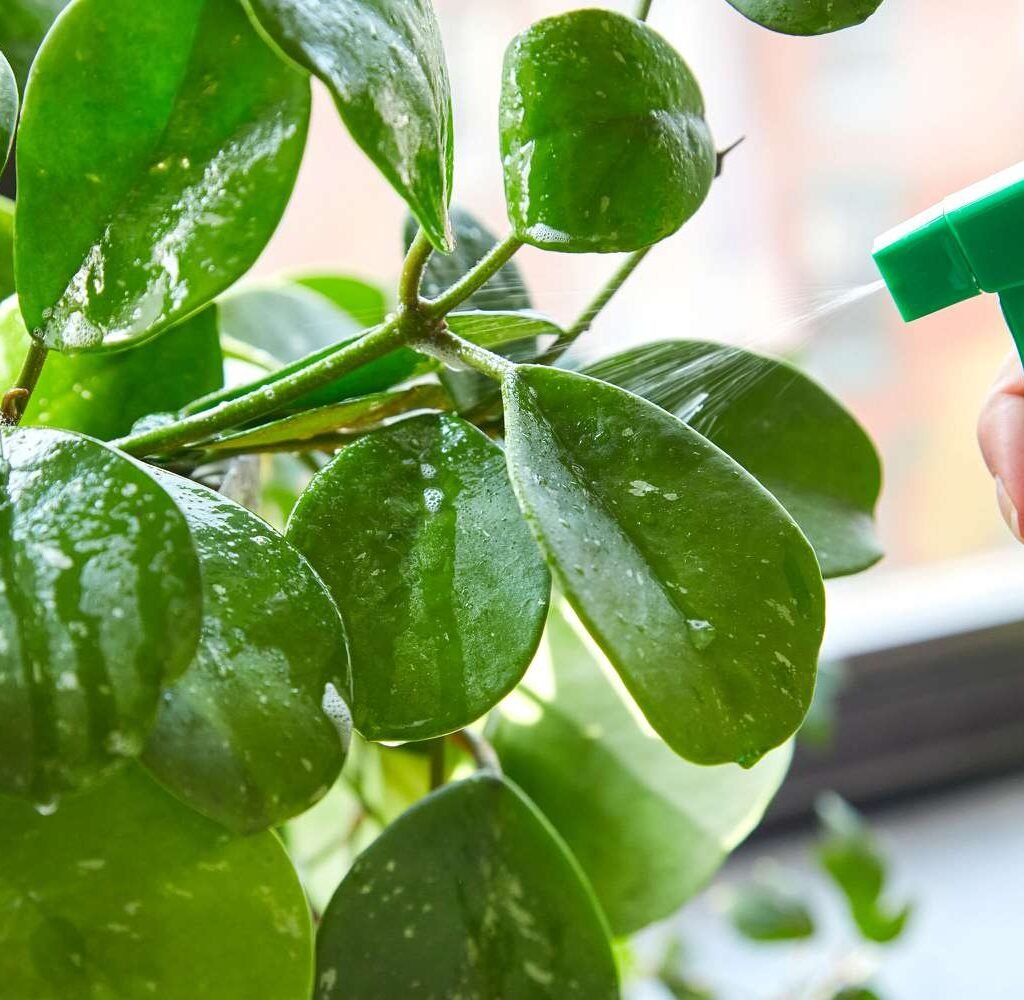
Neem oil, derived from the neem tree, is one of the most effective organic treatments for aphids. It disrupts their feeding and reproductive cycle while being safe for indoor use.
How to apply neem oil:
- Mix 1 teaspoon neem oil with 1 quart of warm water and a few drops of liquid soap.
- Spray thoroughly on leaves, stems, and soil surface.
- Apply once a week until the infestation clears.
Neem oil also provides protection against other pests like spider mites, mealybugs, and fungus gnats.
6. Introduce Natural Predators Indoors
While ladybugs, lacewings, and parasitic wasps are classic outdoor aphid predators, they can also be used indoors in controlled environments like greenhouses. For most homes, however, this isn’t practical.
Instead, consider companion planting indoors. Herbs like basil, chives, and mint naturally repel aphids. Keeping small pots of these herbs near susceptible plants can act as a deterrent.
7. Essential Oil Sprays
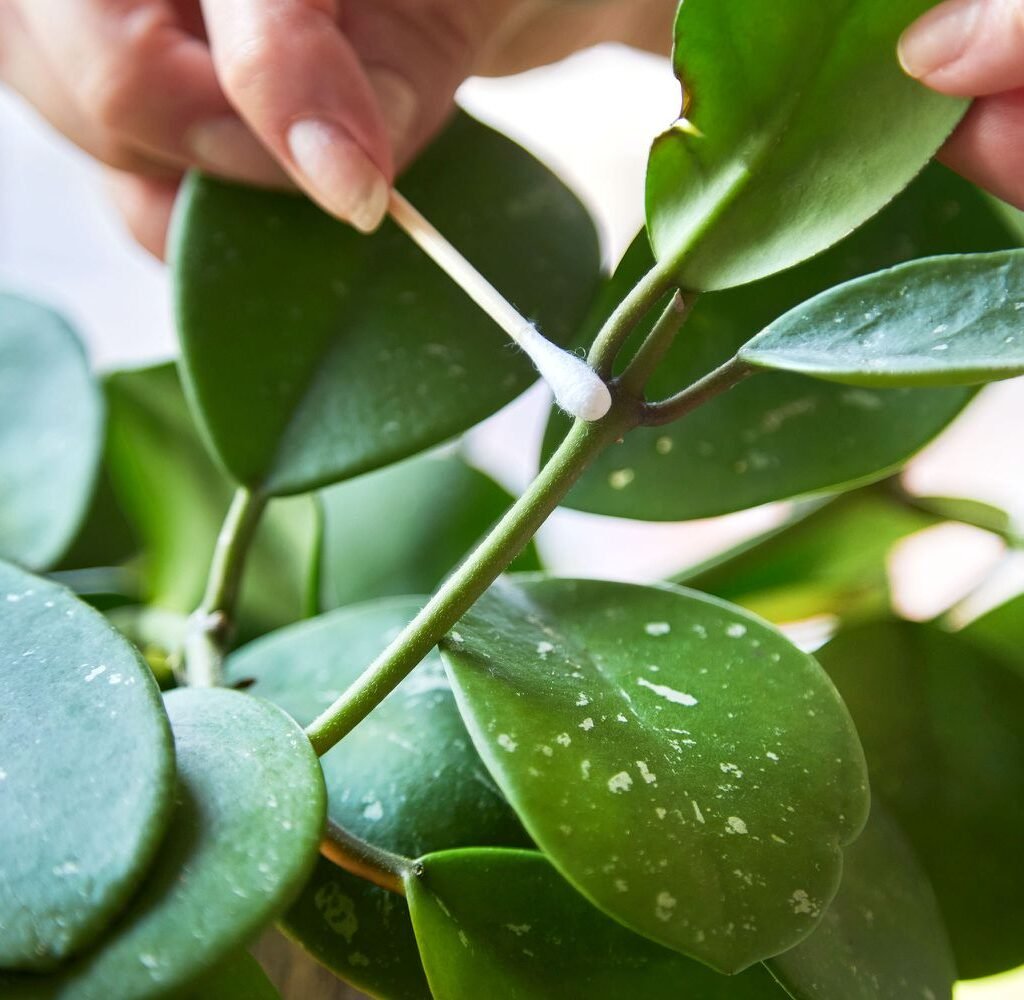
Certain essential oils contain natural compounds that repel aphids without harming plants.

Effective oils include:
- Peppermint oil
- Rosemary oil
- Clove oil
- Thyme oil
DIY essential oil spray:
- 5–10 drops essential oil
- 1 quart water
- A few drops of liquid soap as an emulsifier
Shake well and spray directly onto infested plants. The pleasant scent also makes your indoor space smell fresh.
8. Prune and Dispose of Infested Areas
Sometimes, aphids concentrate on just a few new shoots or leaves. Instead of treating the whole plant, you can simply prune and discard affected parts.
Steps:
- Use clean, sharp scissors or pruning shears.
- Place cuttings in a sealed bag and dispose of them outside (not in your compost).
- Sanitize your tools afterward to avoid spreading pests.
Regular pruning keeps plants healthy and prevents aphids from spreading.
9. Maintain Healthy Plants
Aphids are more likely to attack weak, stressed, or over-fertilized plants. Keeping your plants in top health is one of the best long-term defenses.
Plant care tips:

- Avoid overwatering, which stresses roots and attracts pests.
- Fertilize sparingly—aphids love soft, nitrogen-rich new growth caused by excess fertilizer.
- Provide adequate light for each species.
- Repot plants when roots become overcrowded.
Healthy plants are more resilient and less attractive to pests.
10. Sticky Traps for Monitoring
Yellow sticky traps, commonly used for fungus gnats, can also help monitor and reduce flying aphid populations indoors. Place them near affected plants to catch winged aphids before they spread.
When to Take Stronger Action
If natural remedies fail and the infestation becomes severe, you may need to consider removing the plant entirely to protect the rest of your collection. Sometimes, sacrificing one plant saves many others.
Conclusion
Aphids may be small, but they can cause big problems for indoor gardeners if left unchecked. The good news is you don’t need harsh chemicals to control them. By combining prevention, natural sprays, physical removal, and good plant care, you can keep aphids away naturally while maintaining a healthy, thriving indoor garden.
Remember, consistency is key. Regularly inspecting plants and acting early at the first sign of pests will always make the battle against aphids easier. With these natural methods, your indoor plants will stay vibrant, pest-free, and a joy to nurture year-round.

Leave A Comment