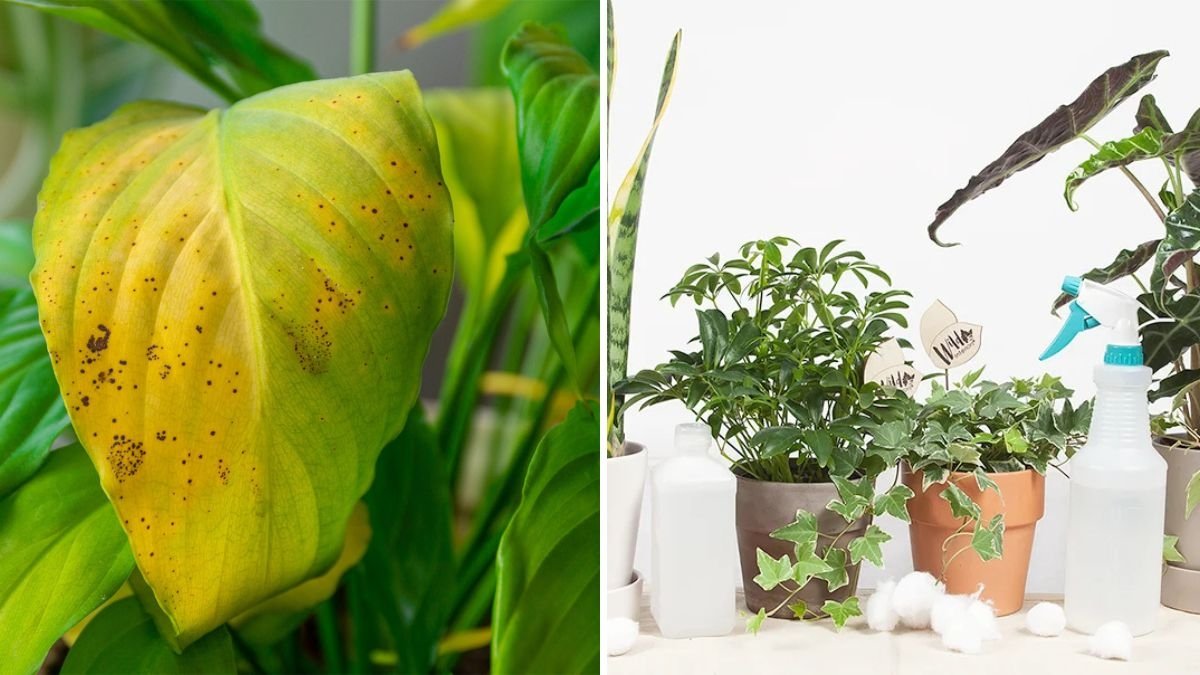
Bringing plants indoors is one of the best ways to add greenery, purify the air, and create a calming atmosphere at home. But even in controlled environments, indoor plants are not immune to pests. Unlike outdoor gardens, where beneficial insects can naturally keep populations in check, houseplants rely entirely on you to defend them against infestations.
Indoor pests can multiply quickly, weakening your plants, spreading diseases, and sometimes leaving you feeling helpless. Fortunately, you don’t need harsh chemical pesticides to protect your houseplants. By learning how to recognize and treat the most common indoor pests, you can restore your plants’ health and keep them thriving.
In this guide, we’ll explore five of the most common indoor plant pests and provide natural, effective treatments for each.
1. Aphids
What they are:
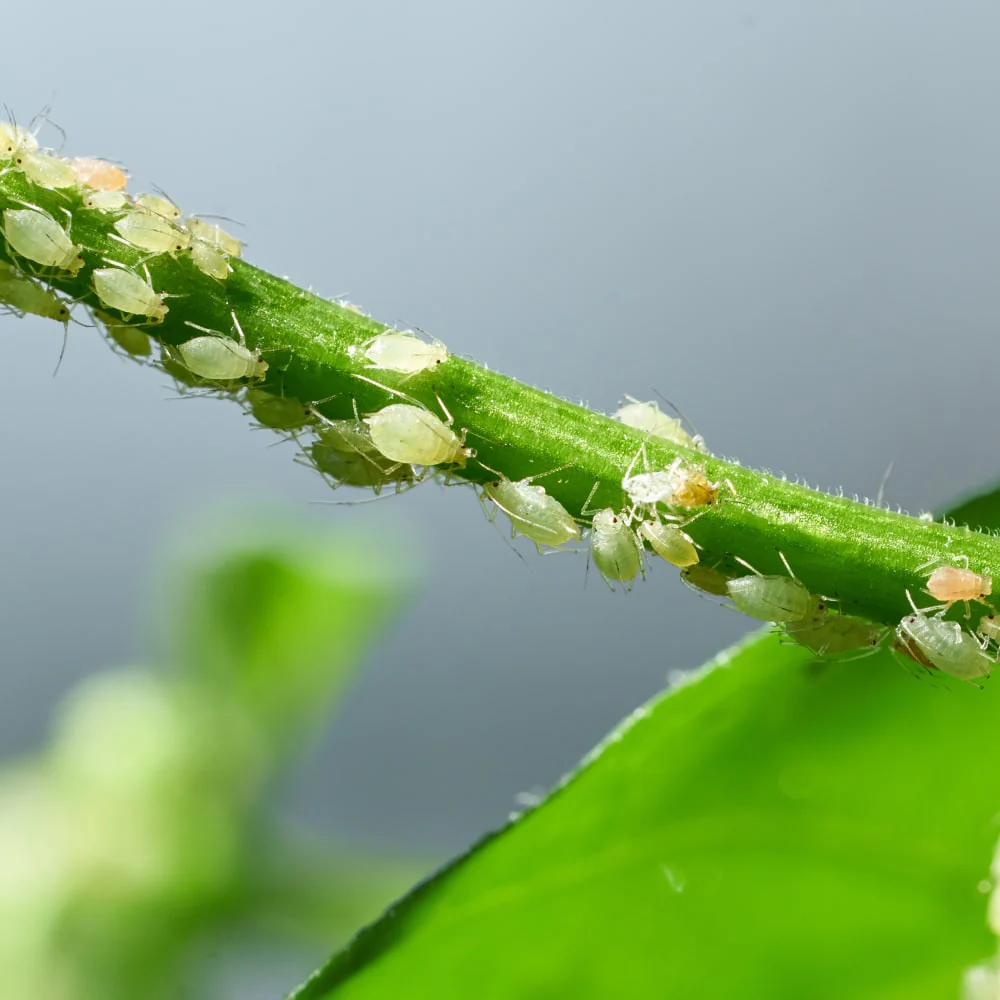
Aphids are tiny, pear-shaped insects that come in green, black, yellow, or white. They usually cluster on the undersides of leaves, tender shoots, and new growth, where they feed by sucking plant sap.
Signs of aphid infestation:
- Leaves curl, yellow, or become distorted.
- Sticky residue (honeydew) on leaves or nearby surfaces.
- Black sooty mold growing on honeydew.
- Stunted plant growth.
How to treat aphids naturally:
- Water spray: For small infestations, rinse aphids off plants with a stream of lukewarm water in the sink or shower.
- Insecticidal soap: Mix 1 teaspoon mild liquid soap with 1 quart water and spray directly on aphids every 3–4 days until gone.
- Neem oil: A natural pesticide that disrupts aphid reproduction; dilute and spray weekly.
- Companion herbs: Place pots of basil or chives nearby—these naturally repel aphids.
2. Spider Mites
What they are:
Spider mites are not insects but tiny arachnids, often red, brown, or yellowish. Barely visible to the naked eye, they spin fine webs on leaves and stems. They thrive in warm, dry environments, making centrally heated homes ideal breeding grounds.
Signs of spider mite infestation:
- Tiny white or yellow speckling on leaves.
- Webbing on leaves, especially at the undersides or between stems.
- Leaves become dry, brittle, and may drop prematurely.
How to treat spider mites naturally:
- Increase humidity: Spider mites hate moist environments. Mist plants or place a humidifier nearby.
- Water rinse: Wash the plant under a gentle spray to dislodge mites and webs.
- Neem oil or horticultural oil: Coat leaves thoroughly to suffocate mites and interrupt their life cycle.
- Predatory mites: If the infestation is severe and you’re open to biological control, introducing beneficial predatory mites like Phytoseiulus persimilis can help.
3. Mealybugs
What they are:
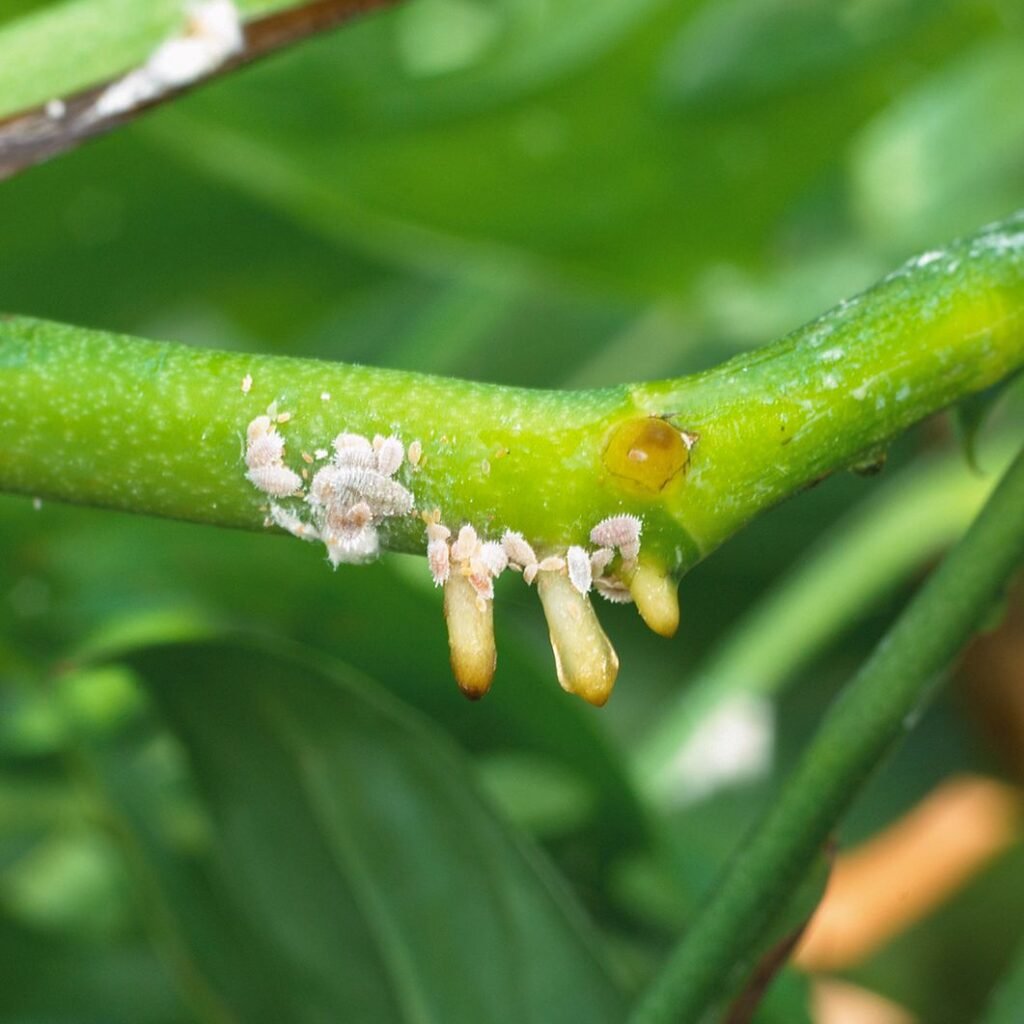
Mealybugs are small, soft-bodied insects covered in a white, cottony wax that protects them from predators. They hide in leaf axils, stems, and root zones.
Signs of mealybug infestation:
- White, cotton-like clumps on stems and leaves.
- Sticky honeydew residue.
- Stunted or distorted growth.
- Yellowing or wilting leaves.
How to treat mealybugs naturally:
- Manual removal: Dip a cotton swab in rubbing alcohol (70% isopropyl) and dab directly on mealybugs to dissolve their waxy coating.
- Soapy spray: Use the same mild soap solution as with aphids and spray the plant thoroughly.
- Neem oil: Effective against mealybugs when applied weekly.
- Systemic approach: If mealybugs infest roots, unpot the plant, wash roots, and repot in fresh soil.
4. Fungus Gnats
What they are:
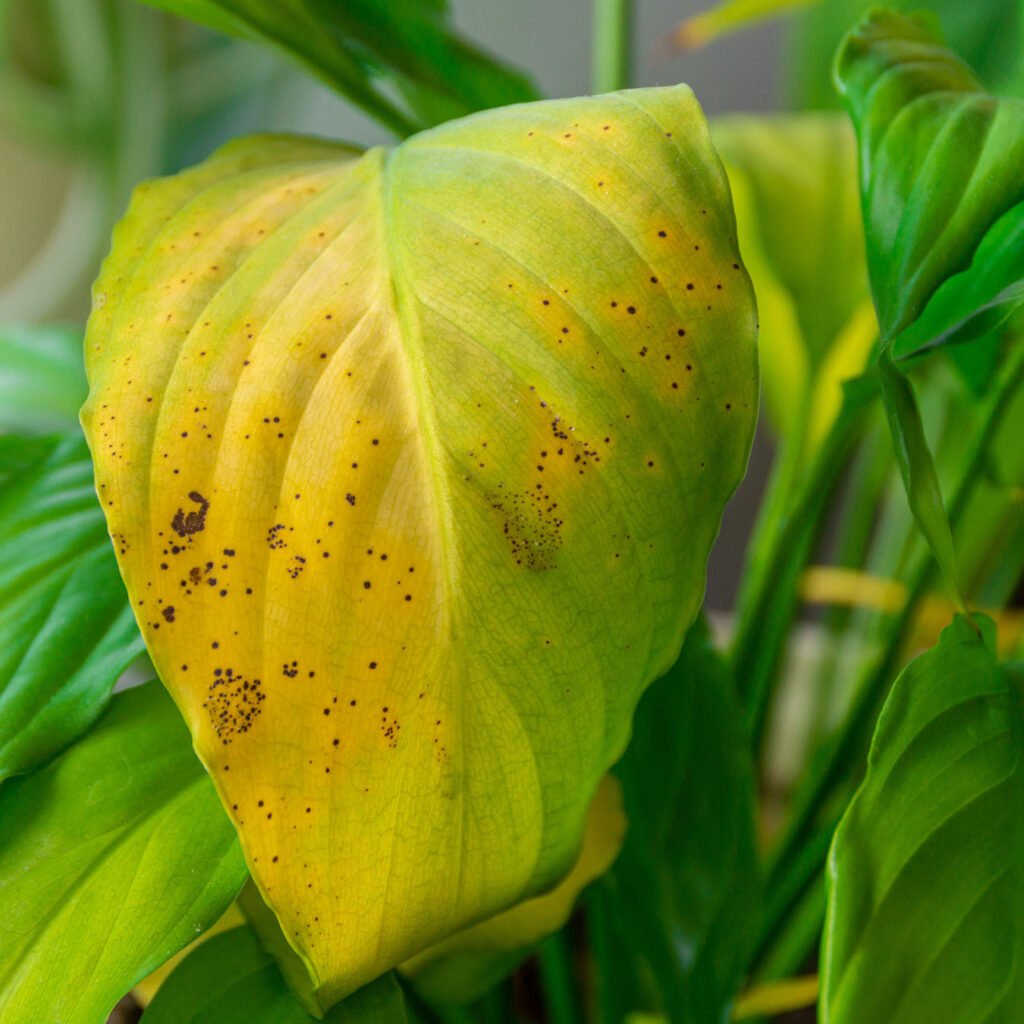
Fungus gnats are small, black, mosquito-like flies that hover near soil. While adults are mostly harmless, their larvae live in damp soil and feed on fungi, decaying matter, and sometimes plant roots. They are particularly harmful to seedlings and delicate houseplants.
Signs of fungus gnat infestation:
- Tiny flies hovering near soil surface.
- Yellowing, stunted, or drooping plants.
- Moist, soggy soil conditions.
How to treat fungus gnats naturally:

- Dry the soil: Let the top 2 inches of soil dry out before watering again, which kills larvae.
- Sticky traps: Place yellow sticky cards near pots to catch adult gnats.
- Cinnamon powder: Sprinkle lightly on soil surface to reduce fungus larvae food sources.
- Neem oil or hydrogen peroxide drench: Water soil with a diluted neem oil solution or hydrogen peroxide (1 part 3% peroxide to 4 parts water) to kill larvae.
- BTI (Bacillus thuringiensis israelensis): Found in mosquito dunks, BTI kills larvae safely without harming plants.
5. Scale Insects
What they are:
Scale insects are small, immobile pests covered in a hard, shell-like coating. They attach themselves firmly to stems and leaves, where they feed on plant sap.
Signs of scale infestation:
- Hard, oval bumps on stems and undersides of leaves.
- Yellowing leaves and stunted growth.
- Sticky honeydew and potential sooty mold.
How to treat scale naturally:
- Manual scraping: Gently scrape off scale insects with a fingernail, cotton swab, or toothbrush.
- Alcohol treatment: Dab with rubbing alcohol to dissolve protective shells.
- Neem oil or horticultural oil: Spray thoroughly to suffocate scale insects.
- Pruning: If infestation is severe, prune heavily affected stems and dispose of them.
General Prevention Tips for Indoor Plant Pests
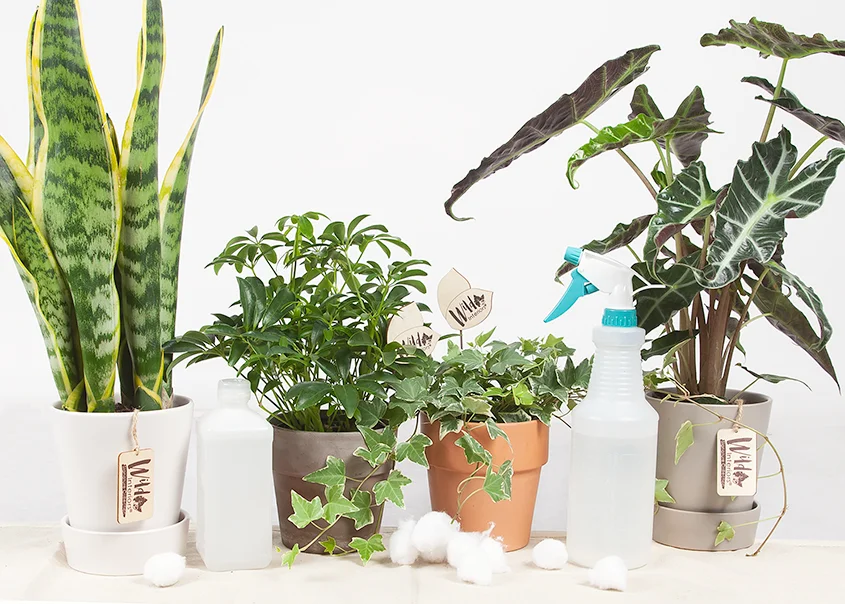
Prevention is always better than cure when it comes to pest control. Here are some best practices to reduce the likelihood of infestations:
- Inspect new plants: Always check for hidden pests before introducing new plants indoors. Quarantine them for 1–2 weeks before mixing with your collection.
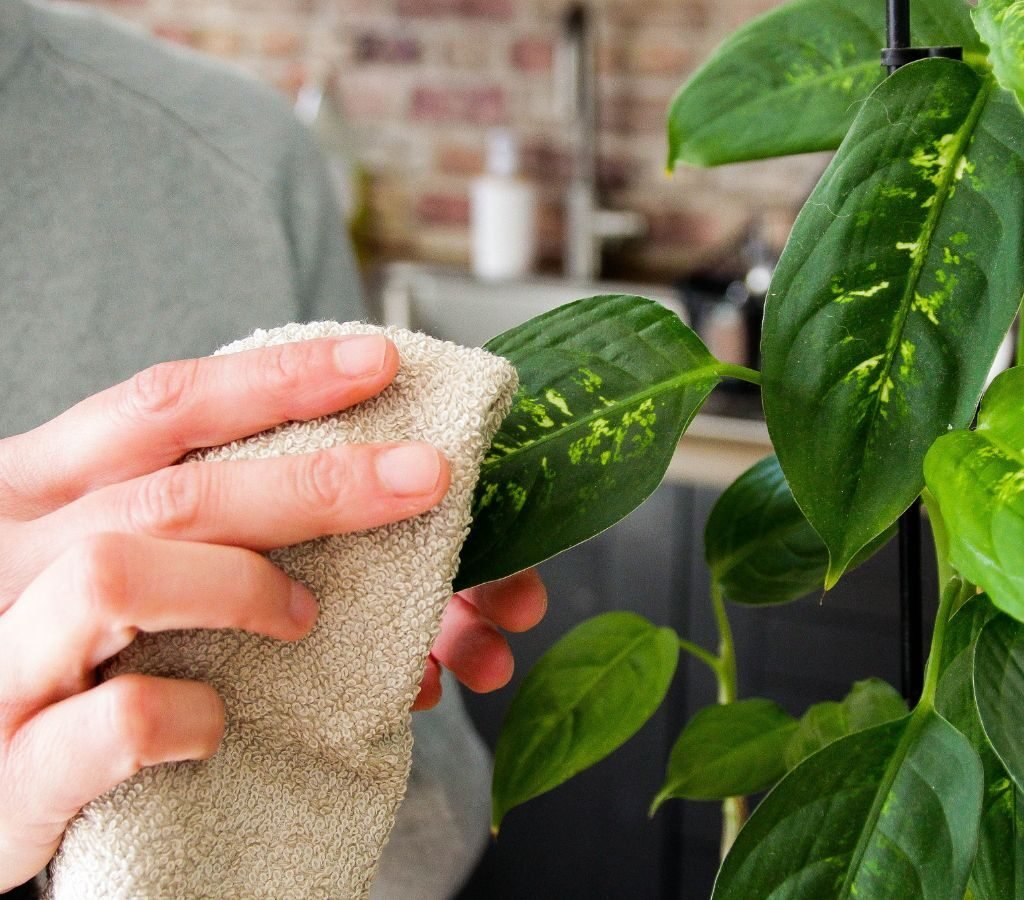
- Clean leaves regularly: Dust and debris make it easier for pests to thrive. Wipe leaves with a damp cloth or give them a gentle shower.
- Avoid overwatering: Many pests, especially fungus gnats, thrive in damp conditions. Let soil dry out between waterings.
- Provide good airflow: Keep plants spaced apart to avoid humid, stagnant conditions.
- Rotate plants: Turning pots regularly ensures even light and prevents weak spots that pests exploit.
- Healthy soil: Always use sterile, well-draining potting mix to avoid introducing pests and fungi.
- Monitor regularly: Check plants weekly for early signs of pests—catching problems early makes treatment easier and more effective.
When to Consider Professional Help
While most infestations can be handled naturally, in rare cases you may face recurring or severe outbreaks. If pests spread rapidly and multiple plants are affected:

- Consider discarding heavily infested plants to protect others.
- If you grow edible plants indoors, stick strictly to organic treatments.
- For valuable or rare houseplants, you may consult a local plant specialist or extension service for tailored advice.
Conclusion
Indoor plants bring endless joy, but pests like aphids, spider mites, mealybugs, fungus gnats, and scale can test your patience. The key to managing them is early detection, consistent natural treatment, and preventive care.
By using simple organic solutions—like neem oil, soap sprays, sticky traps, alcohol swabs, and better watering practices—you can keep pests under control without harming your plants, your indoor air, or your health.

Leave A Comment