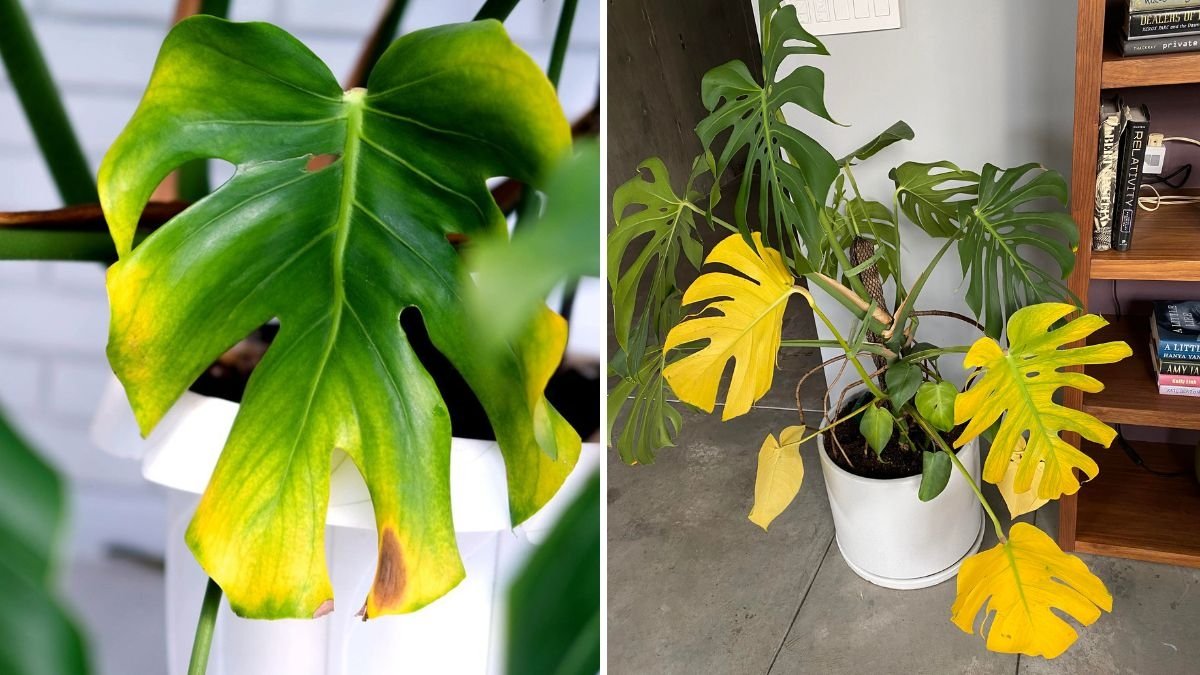
Few things worry plant lovers more than seeing once-vibrant green leaves turn yellow. Yellowing leaves can signal anything from minor stress to serious underlying issues. While it’s natural for plants to shed older leaves as they grow, widespread yellowing is often a sign that your plant needs attention.
Understanding the causes of yellow leaves and knowing how to respond can mean the difference between a thriving indoor jungle and struggling, lackluster greenery. This article will guide you through the most common reasons plants develop yellow leaves, how to diagnose the issue, and practical fixes to restore your plants’ health.
1. Overwatering: The Number One Culprit
Why it happens:
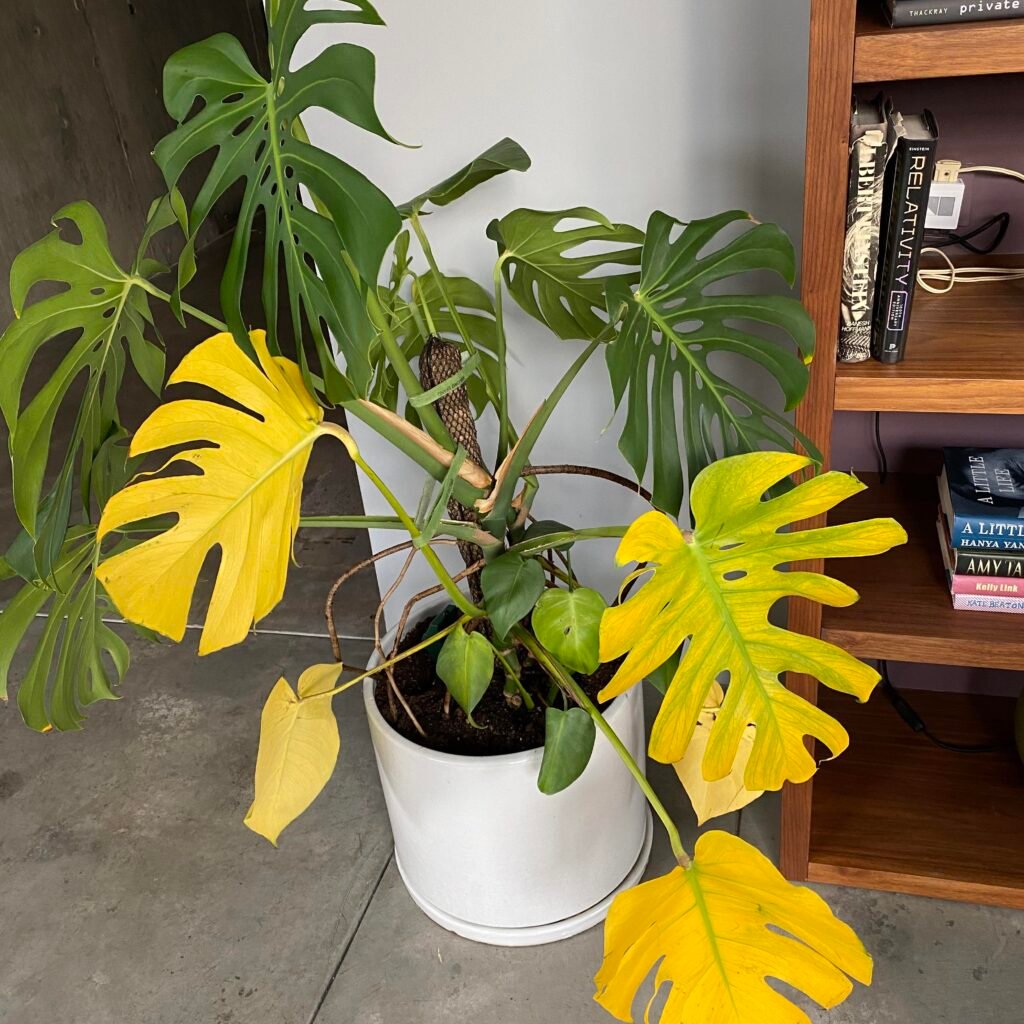
Overwatering is the most common cause of yellow leaves in houseplants. When roots sit in soggy soil, they lose access to oxygen, leading to root suffocation and rot. As roots weaken, they can no longer absorb nutrients effectively, which results in yellowing leaves.
How to identify:
- Soil feels constantly wet or soggy.
- Leaves turn soft, limp, and yellow.
- You may notice a foul odor from the soil (a sign of root rot).
How to fix it:
- Check the pot’s drainage holes and ensure water isn’t pooling at the bottom.
- Allow the soil to dry out between waterings. Insert your finger 1–2 inches into the soil; if it feels moist, wait before watering again.
- Repot the plant in fresh, well-draining soil if root rot has already set in. Trim away mushy or blackened roots before replanting.
Prevention tip: Use pots with drainage holes and choose a potting mix suited to your plant type.
2. Underwatering: The Opposite Problem
Why it happens:
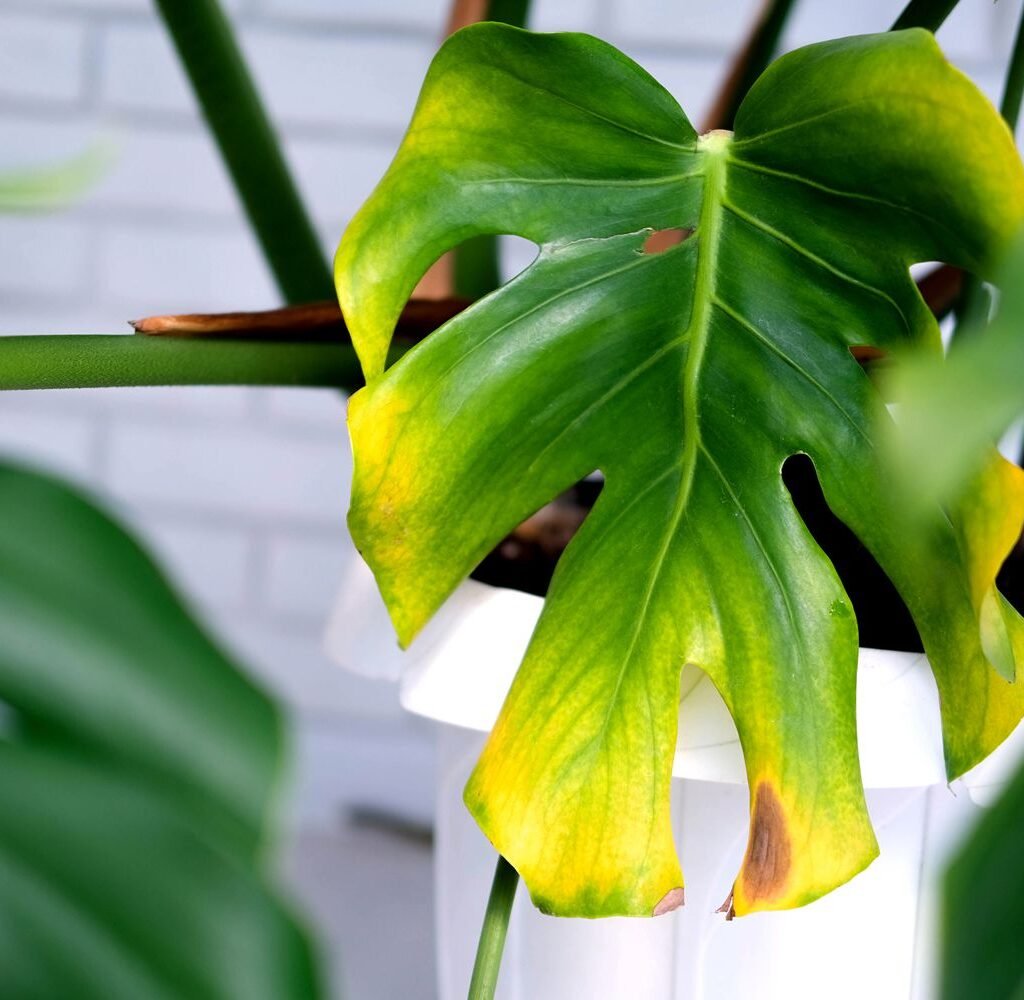
Just as too much water can harm plants, too little water causes stress as well. Dehydrated plants are unable to transport nutrients efficiently, which leads to yellow leaves, often accompanied by browning tips.
How to identify:
- Soil feels dry and pulls away from the edges of the pot.
- Leaves appear crispy, curling, or drooping along with yellowing.
- Smaller, weaker new growth compared to normal.
How to fix it:
- Give the plant a deep, thorough watering until water runs from the drainage holes.
- For extremely dry soil, soak the entire pot in a basin of water for 15–20 minutes to rehydrate it.
Prevention tip: Stick to a consistent watering schedule based on your plant’s needs. Some plants, like succulents, need infrequent watering, while tropical plants require more regular moisture.
3. Nutrient Deficiencies
Why it happens:
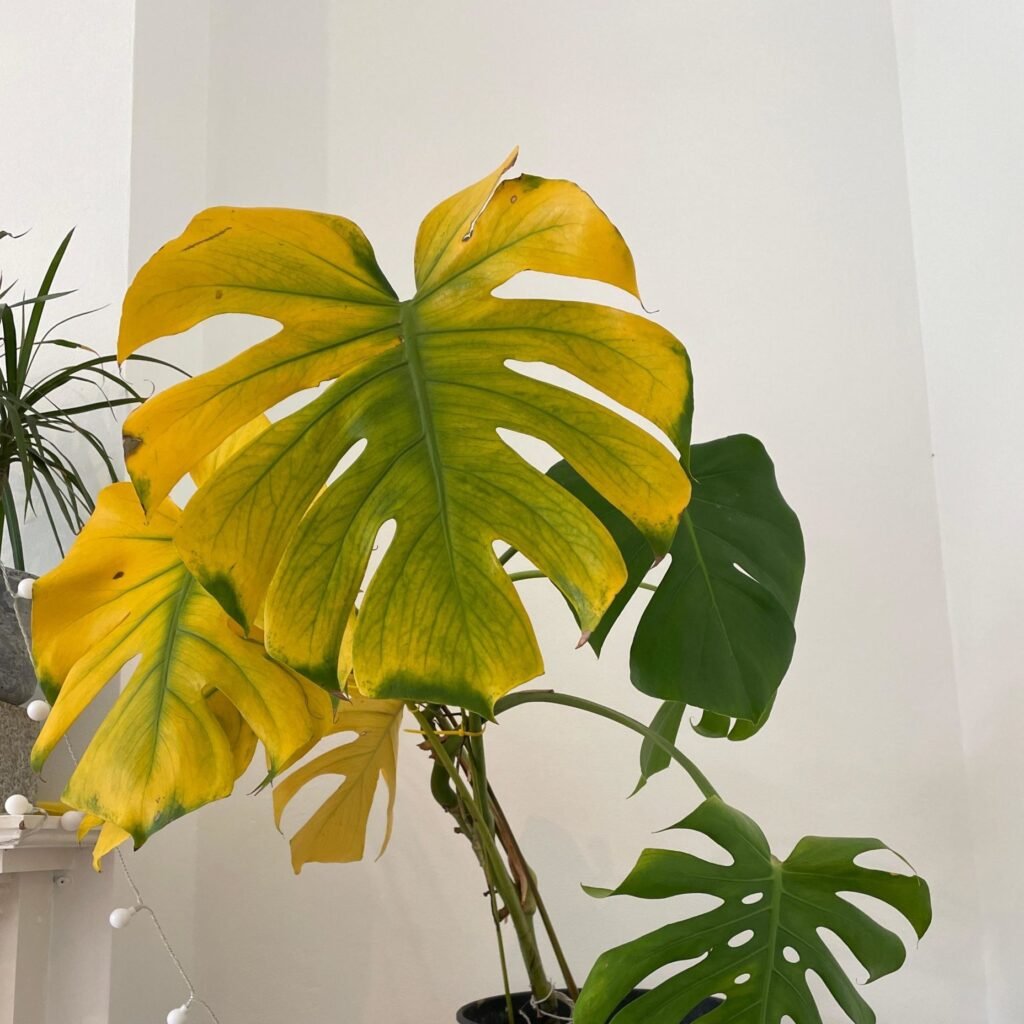
Plants require essential nutrients to maintain their vibrant green color, primarily nitrogen, iron, and magnesium. A deficiency in these nutrients often results in chlorosis—the yellowing of leaves while veins sometimes remain green.
How to identify:
- Nitrogen deficiency: Older leaves yellow first, while new growth remains green but small.
- Iron deficiency: New leaves turn pale yellow with distinct green veins.
- Magnesium deficiency: Yellowing begins at leaf edges while veins stay dark green.
How to fix it:
- Use a balanced, water-soluble fertilizer for general deficiencies.
- For specific issues, apply targeted supplements like iron chelates or Epsom salt (for magnesium).
- Repotting in fresh soil may help replenish nutrients in long-neglected plants.
Prevention tip: Fertilize regularly during the active growing season (spring and summer), but avoid over-fertilizing, which can damage roots.
4. Improper Lighting Conditions
Why it happens:
Light is a plant’s energy source, and both too little and too much light can cause stress. Insufficient light reduces photosynthesis, while excessive direct sunlight scorches delicate leaves, both leading to yellowing.
How to identify:
- Too little light: Leaves turn pale, thin, or uniformly yellow, often accompanied by leggy growth.
- Too much light: Yellowing is patchy, with brown, crispy spots from sunburn.
How to fix it:
- Move low-light plants (like pothos or snake plants) away from intense sunlight.
- Place sun-loving plants (like succulents or cacti) closer to bright, south-facing windows.
- If natural light is limited, supplement with a full-spectrum grow light.
Prevention tip: Research the specific light needs of your plant and adjust placement accordingly. Rotate plants regularly to ensure even light exposure.
5. Temperature Stress
Why it happens:
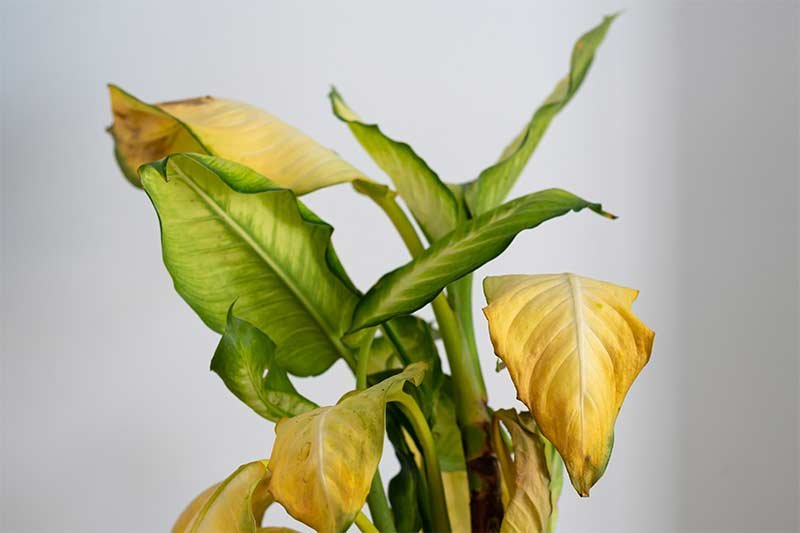
Plants are sensitive to temperature fluctuations. Sudden chills, hot drafts, or being placed too close to heating/cooling vents can shock plants, leading to yellowing.
How to identify:
- Leaves may yellow suddenly after a temperature drop.
- Curling, drooping, or scorched-looking leaves may also appear.
- Cold-sensitive tropical plants (like philodendrons or calatheas) often suffer in winter.
How to fix it:

- Move plants away from drafty windows, heaters, and air conditioners.
- Maintain consistent indoor temperatures between 65–75°F (18–24°C) for most houseplants.
Prevention tip: Acclimate plants gradually when moving them between different environments (e.g., from outdoors to indoors).
6. Pests and Diseases
Why it happens:
Pests like spider mites, aphids, and mealybugs feed on plant sap, depriving leaves of nutrients and causing yellowing. Fungal or bacterial infections can also disrupt nutrient flow, resulting in discolored foliage.
How to identify:
- Tiny insects, sticky residue, or webbing on leaves.
- Yellowing combined with speckled or distorted leaves.
- Black or brown spots accompanying yellow patches (a sign of disease).
How to fix it:
- Wipe leaves with insecticidal soap, neem oil, or rubbing alcohol to remove pests.
- Quarantine infected plants to prevent spreading.
- Prune off diseased leaves and ensure proper airflow to discourage fungal growth.
Prevention tip: Inspect new plants before bringing them indoors and regularly check the undersides of leaves for early signs of pests.
7. Natural Aging of Leaves
Why it happens:
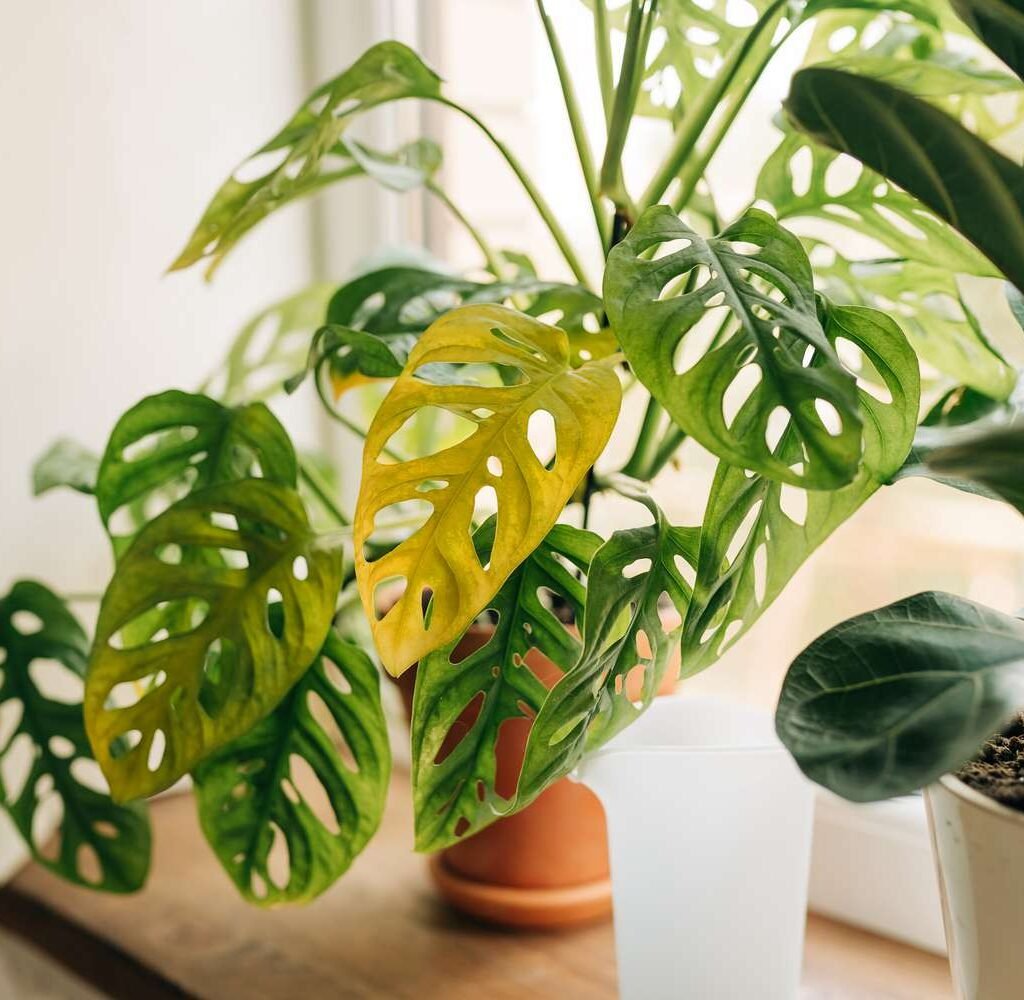
Not all yellow leaves are a cause for concern. As plants grow, older leaves naturally die off, making way for fresh growth. This is particularly common at the bottom of plants like pothos, rubber plants, or peace lilies.
How to identify:
- Only a few older, lower leaves turn yellow at a time.
- New growth remains healthy and green.
How to fix it:
- Simply prune off yellow leaves to keep your plant looking tidy.
- Focus on providing consistent care to encourage new growth.
Prevention tip: Accept this as part of your plant’s natural cycle—occasional yellowing is perfectly normal.
Quick Diagnostic Guide
When your plant’s leaves turn yellow, use this checklist to narrow down the cause:
- Soil wet and soggy? Likely overwatering.
- Soil dry and crumbly? Likely underwatering.
- Yellowing starts on older leaves? Possible nitrogen deficiency.
- Yellowing starts on new leaves with green veins? Likely iron deficiency.
- Leaves pale and leggy? Insufficient light.
- Sudden yellowing after drafts or temperature swings? Temperature stress.
- Spots, sticky residue, or pests visible? Insects or disease.
- Only a few lower leaves yellowing? Natural aging.
Conclusion
Yellow leaves are your plant’s way of signaling that something is off. By paying attention to the timing, location, and pattern of yellowing, you can accurately diagnose the problem—whether it’s water, nutrients, light, temperature, pests, or simply old age.
The key is to act promptly: adjust your watering routine, provide proper lighting, check for pests, and keep your plant in a stable environment. With attentive care, most plants can bounce back from yellowing leaves and return to their lush, green selves.
So the next time you spot a yellow leaf, don’t panic. Instead, see it as an opportunity to better understand and connect with your plant. After all, healthy plants don’t just happen—they thrive when we listen to what they’re trying to tell us.

Leave A Comment