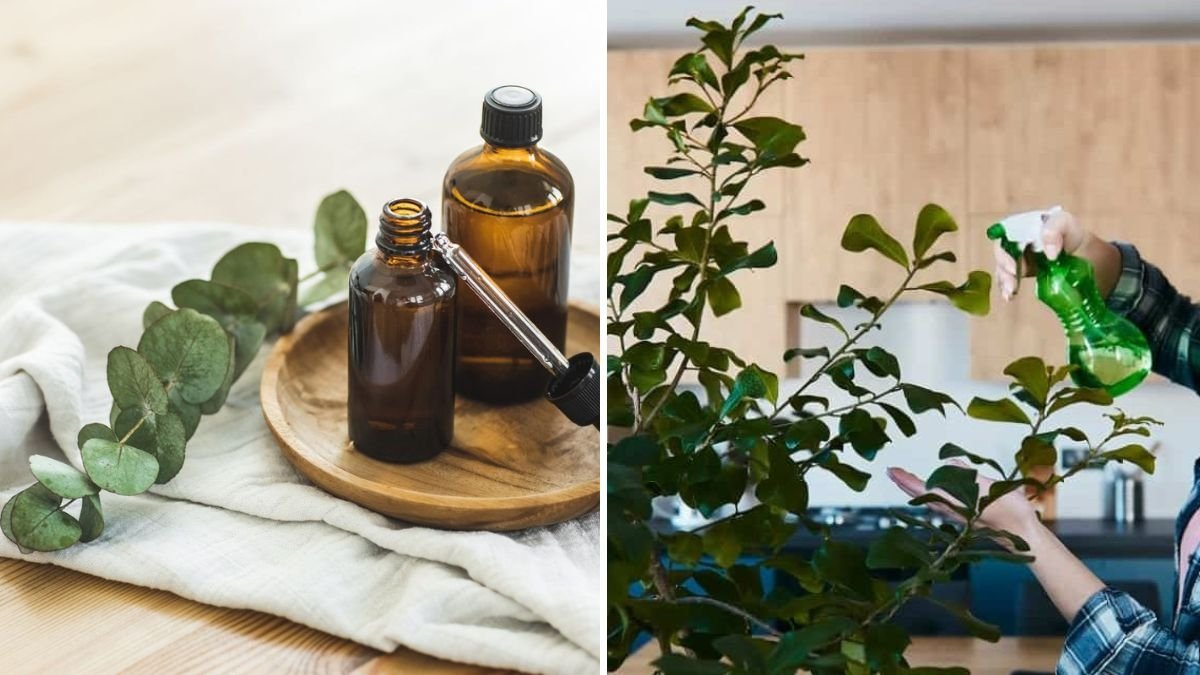
Houseplants bring life, beauty, and fresh air to our homes. But as every indoor gardener knows, they also attract unwanted guests—tiny pests that suck the life out of leaves, damage roots, and spread diseases. Common culprits include spider mites, aphids, mealybugs, fungus gnats, and whiteflies. While chemical pesticides may seem like a quick fix, they’re not ideal for indoor environments where you, your family, and even pets spend most of your time.
The good news? Nature provides safe, effective alternatives in the form of essential oils. These concentrated plant extracts not only smell wonderful but also contain compounds that repel or even kill common houseplant pests without harming your plants or indoor air quality.
In this article, we’ll explore the best essential oils for repelling houseplant pests, how they work, and safe ways to use them in your home.
Why Use Essential Oils for Houseplant Pest Control?
Before diving into the oils, it’s important to understand why they’re such a great natural alternative:
- Non-toxic for Indoor Use – Essential oils are safer for humans and pets than synthetic pesticides when used properly.
- Eco-friendly – They biodegrade quickly and don’t linger in the soil or air.
- Effective Against Pests – Many essential oils contain compounds like eucalyptol, citronellal, and thymol, which are natural insect deterrents.
- Pleasant Fragrance – Unlike chemical sprays, essential oils leave your home smelling fresh.
The 7 Best Essential Oils for Houseplant Pests
1. Peppermint Oil
- Pests Repelled: Aphids, spider mites, ants, and fungus gnats.
- How It Works: Peppermint contains menthol and pulegone, compounds that interfere with insect nervous systems and act as strong repellents.
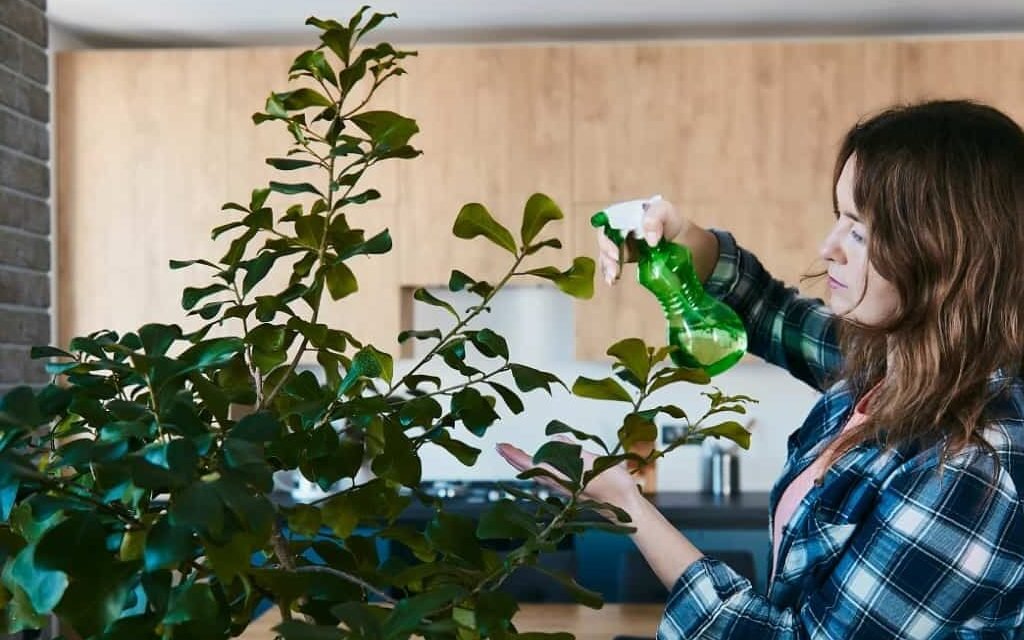
- How to Use: Mix 10–15 drops of peppermint essential oil in 1 cup of water with a few drops of mild liquid soap (to help it stick). Spray directly on leaves, stems, and soil where pests are active.
2. Lavender Oil
- Pests Repelled: Whiteflies, aphids, moths, and fleas.
- How It Works: Lavender contains linalool and linalyl acetate, which disrupt pest behavior and repel flying insects.
- How to Use: Add 8–10 drops to a spray bottle with 1 cup of water. Mist leaves weekly as a preventive measure.
3. Eucalyptus Oil
- Pests Repelled: Whiteflies, aphids, and spider mites.
- How It Works: The active compound eucalyptol (cineole) has fumigant and insecticidal properties.
- How to Use: Mix 5–10 drops with water and spray lightly around infected areas. Avoid over-spraying on tender young leaves, as it may be too strong.
4. Lemongrass Oil
- Pests Repelled: Fungus gnats, mosquitoes, and mealybugs.
- How It Works: Rich in citral and citronellal, lemongrass oil disrupts pest feeding and breeding cycles.
- How to Use: Add 10 drops to 2 cups of water and spray the top layer of soil to deter fungus gnats.
5. Tea Tree Oil
- Pests Repelled: Fungus gnats, mealybugs, and scale insects.
- How It Works: Contains terpinen-4-ol and cineole, which have antifungal and insect-repellent qualities.
- How to Use: Mix 5–7 drops in 1 cup of water with mild soap. Spray directly on visible pests or soil. Avoid overuse, as tea tree oil can be strong.
6. Rosemary Oil
- Pests Repelled: Spider mites, aphids, and thrips.
- How It Works: The compound camphor in rosemary oil acts as both a repellent and mild insecticide.
- How to Use: Combine 10 drops with 1 cup of water. Mist plant leaves weekly, especially under leaves where mites hide.
7. Cedarwood Oil
- Pests Repelled: Ants, beetles, and fungus gnats.
- How It Works: Cedarwood contains sesquiterpenes, which interfere with insect pheromone signals, making it hard for them to breed.
- How to Use: Mix 8–10 drops with water and spray in and around soil to prevent gnats from laying eggs.
How to Safely Use Essential Oils on Houseplants
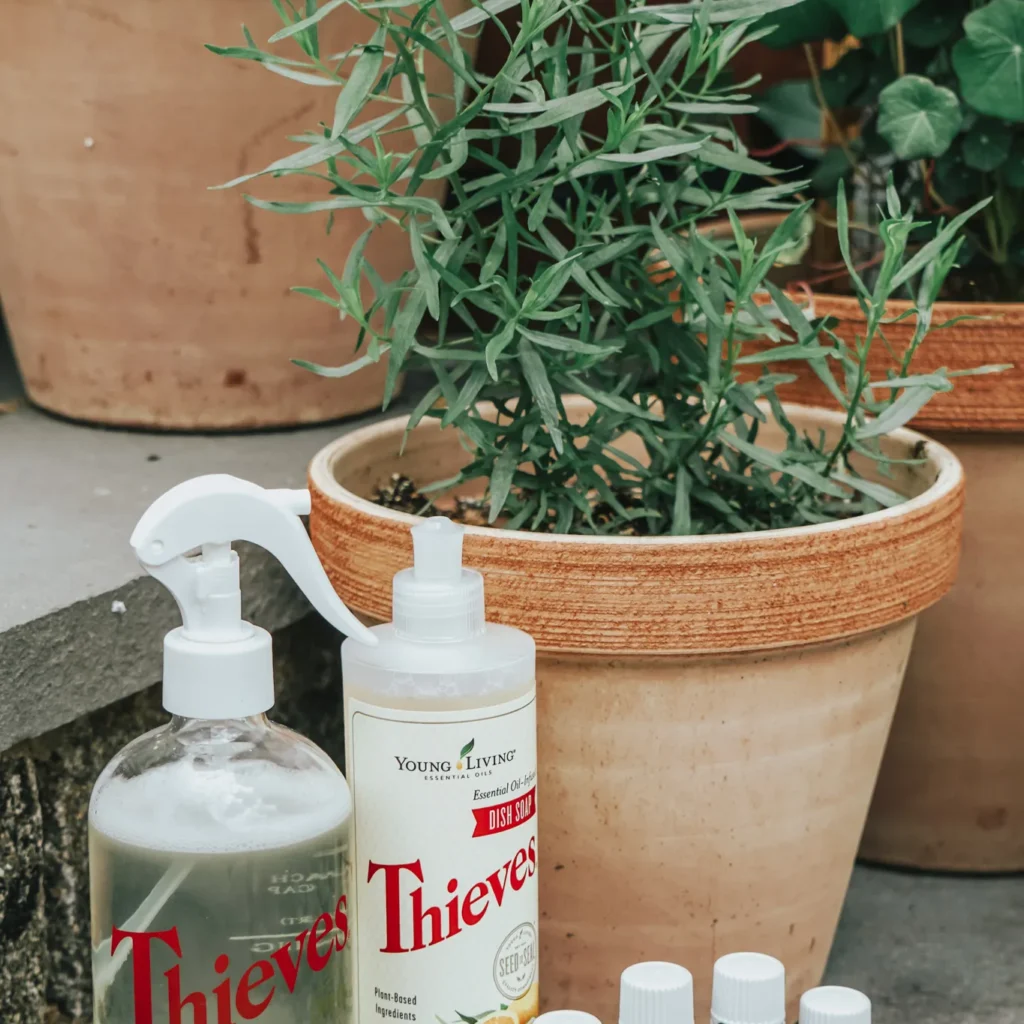
Essential oils are powerful, so they must be used correctly to avoid damaging your plants:
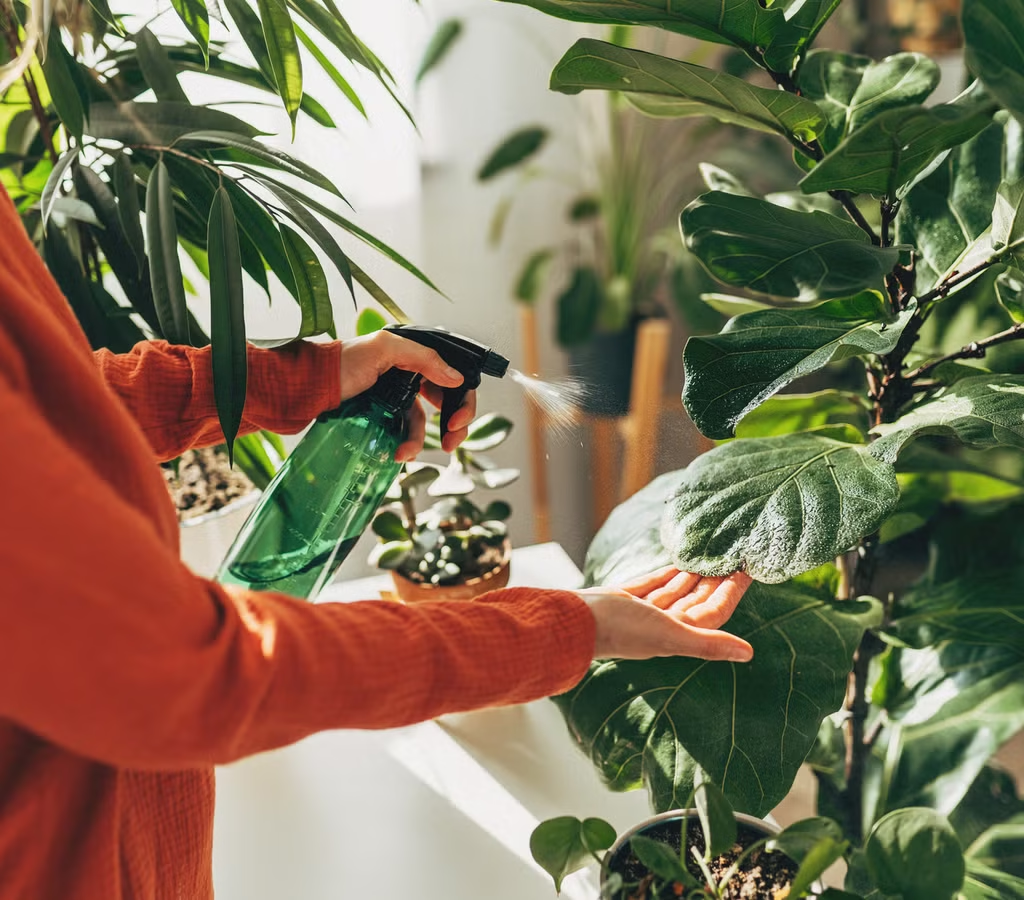
- Always Dilute – Never apply essential oils directly to leaves. They can burn plant tissue. Always dilute with water and mild soap or carrier oil.
- Test First – Spray a small section of the plant and wait 24 hours to ensure it doesn’t cause leaf damage.
- Apply in the Evening – Essential oil sprays may cause leaf burn under direct sunlight. Apply in the evening or when plants are out of direct light.
- Reapply Weekly – Essential oils evaporate quickly, so reapplication is necessary for consistent results.
- Target Problem Areas – Focus on leaf undersides, stems, and soil surface where pests typically hide.
DIY Essential Oil Pest Spray Recipe

Here’s a general all-purpose spray you can make at home:

- Ingredients:
- 2 cups distilled water
- 10 drops peppermint essential oil
- 8 drops rosemary essential oil
- 8 drops lavender essential oil
- 1 teaspoon mild liquid soap (like Castile soap)
- Instructions:
- Combine all ingredients in a spray bottle.
- Shake well before each use.
- Mist plants once a week, targeting leaves and soil.
This blend works against most common indoor pests and leaves a refreshing fragrance.
Additional Natural Pest Control Tips

While essential oils are powerful allies, combining them with good plant care practices will give you the best results:
- Keep Plants Healthy: Strong plants are less prone to pest infestations. Provide proper light, water, and nutrients.
- Wipe Leaves: Regularly clean plant leaves with a damp cloth to remove dust and pests.
- Quarantine New Plants: Always isolate new plants for at least a week before placing them with others to prevent spreading pests.
- Improve Air Circulation: Good airflow discourages pests like spider mites.
- Avoid Overwatering: Damp soil attracts fungus gnats.
Final Thoughts
Essential oils are more than just pleasant fragrances—they’re natural pest repellents that can protect your beloved houseplants without resorting to harsh chemicals. Oils like peppermint, lavender, rosemary, tea tree, and eucalyptus not only deter pests but also make your home smell fresh and inviting.

By combining essential oil sprays with proper plant care, you can enjoy a thriving indoor garden that’s free from unwelcome bugs.
Your houseplants deserve the best care, and sometimes, the gentlest solutions are the most effective.


Leave A Comment