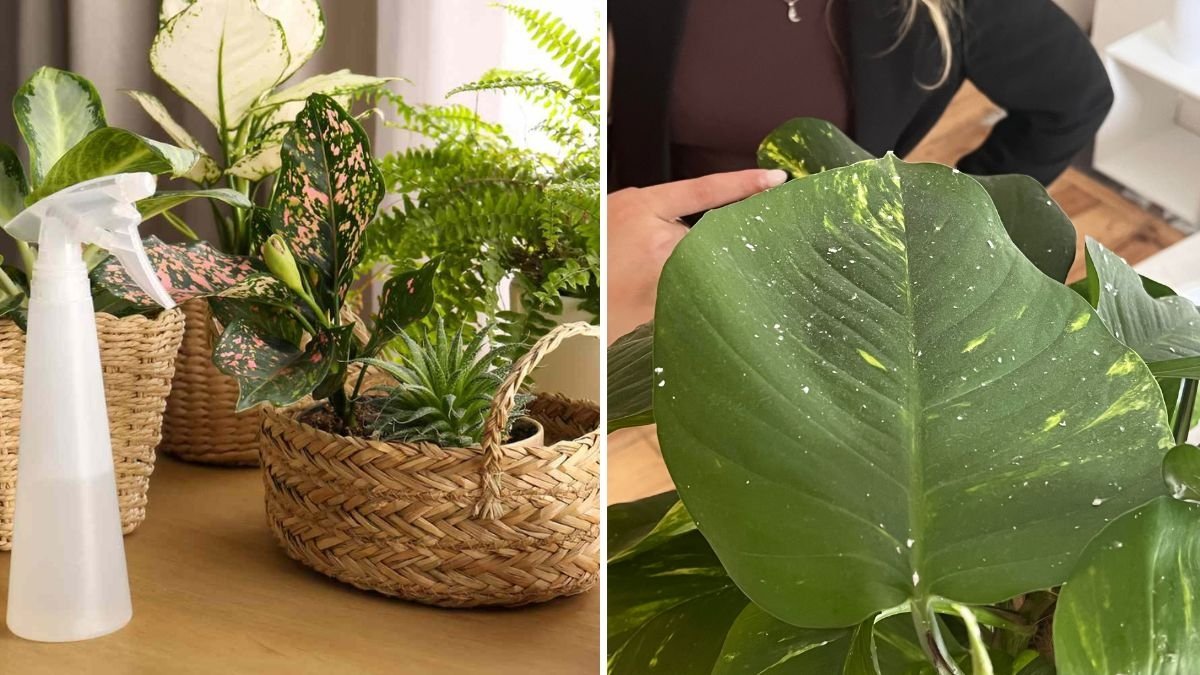
Houseplants bring life and beauty into our homes, but sometimes they also bring uninvited guests. Among the most troublesome are mealybugs—tiny, white, cottony pests that seem harmless at first but can quickly overwhelm a plant if not addressed. These soft-bodied insects suck sap from plant tissues, weaken growth, and make leaves sticky with honeydew (a sugary substance they excrete), which often leads to sooty mold.
For indoor gardeners, the question becomes: how do you get rid of mealybugs safely, without harming your plants or exposing your home to harsh chemicals? The good news is that with the right techniques, patience, and consistency, you can remove mealybugs naturally and keep your houseplants thriving.
This guide will walk you through everything you need to know about identifying, treating, and preventing mealybug infestations—safely and effectively.
What Are Mealybugs?

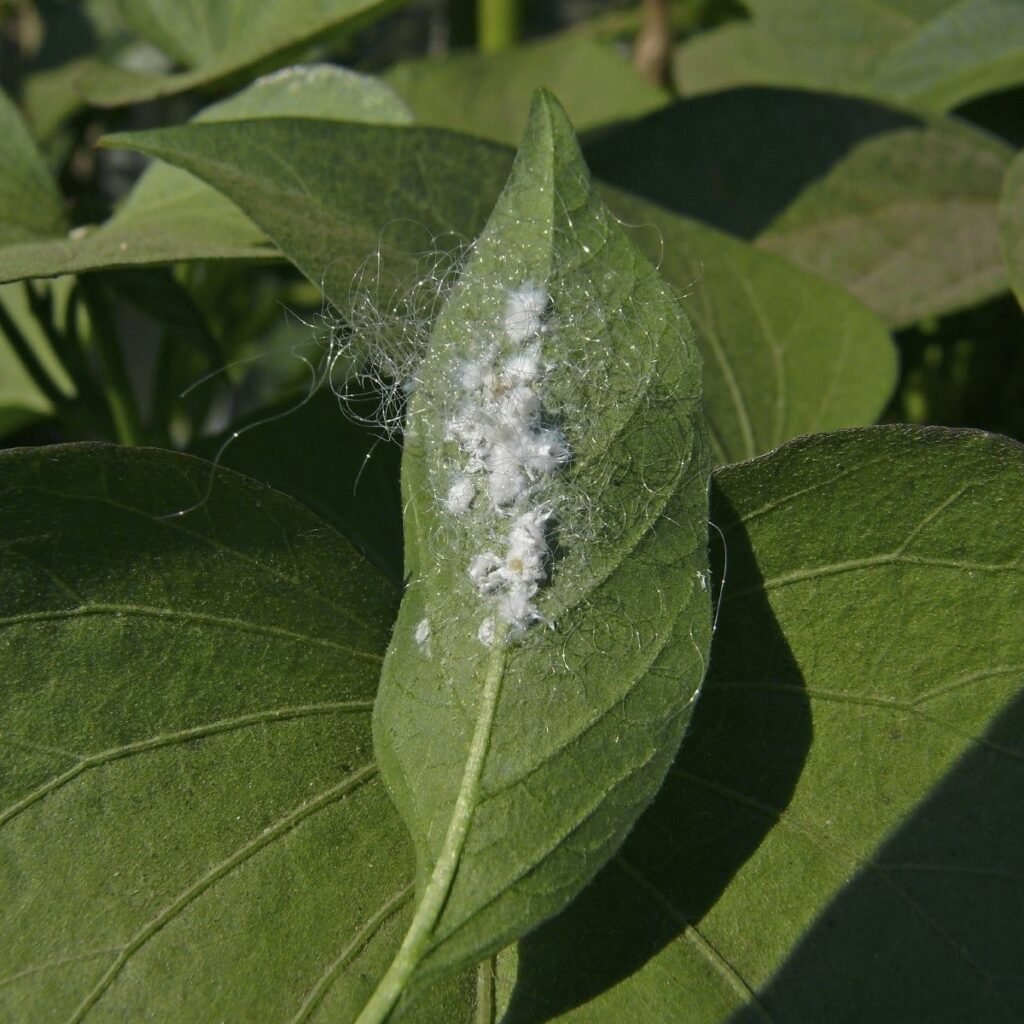
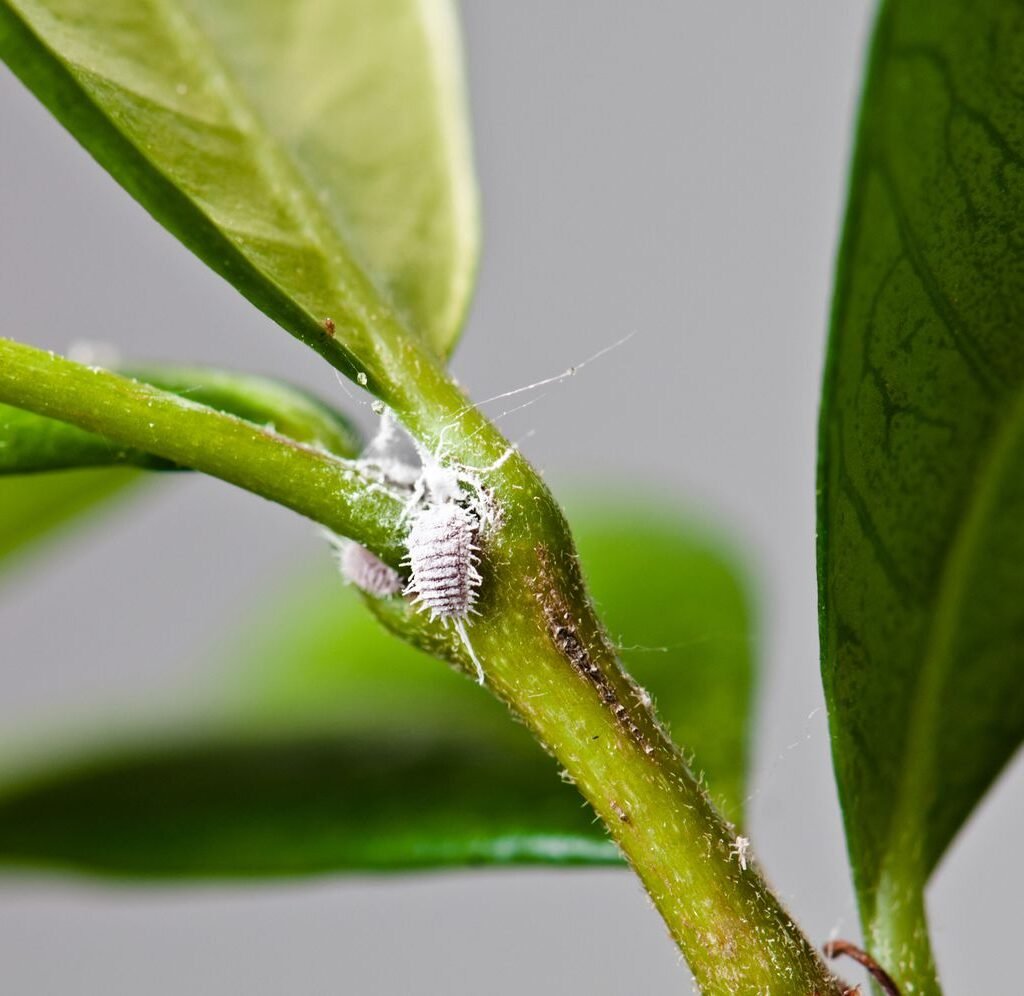
Mealybugs are small, soft-bodied insects from the Pseudococcidae family. They are usually less than ¼ inch long and are easily recognized by their white, fluffy, cotton-like appearance. They thrive in warm, humid environments, which is why they often appear on houseplants.

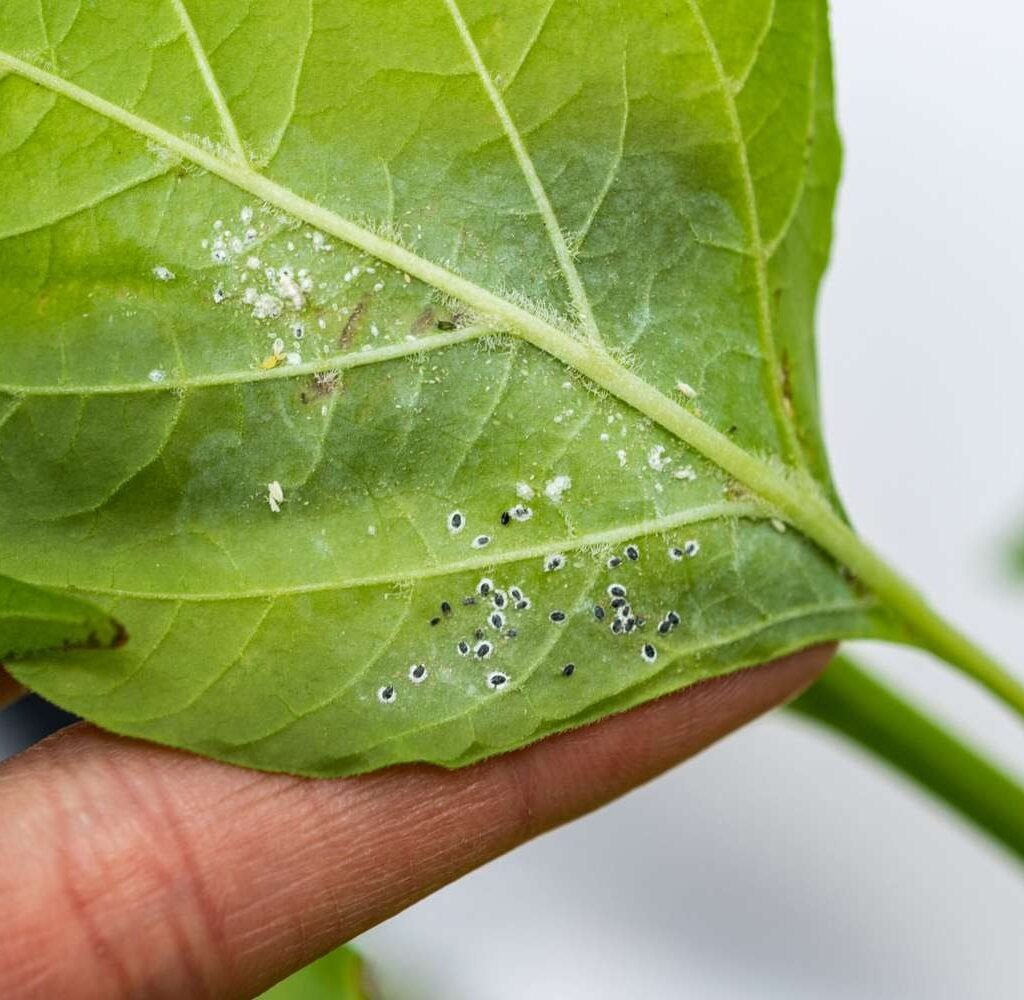
- Where they hide: Mealybugs gather in leaf joints, under leaves, in leaf axils, and sometimes in the soil around roots.
- What they do: They feed by piercing plant tissues and sucking out sap, depriving the plant of essential nutrients.
- Why they’re dangerous: A single mealybug may not harm much, but large infestations can cause leaf yellowing, stunted growth, premature leaf drop, and even plant death if left untreated.
Early Signs of a Mealybug Infestation
Catching mealybugs early makes them much easier to control. Look out for these warning signs:
- White, Cottony Clumps – Especially on stems, leaf joints, and undersides of leaves.
- Sticky Leaves or Surfaces – Caused by honeydew secreted by mealybugs.
- Black Mold on Leaves – Honeydew attracts fungi that cause sooty mold.
- Yellowing or Wilting Leaves – Due to loss of nutrients.
- Ants on Your Plants – Ants are often drawn to the sweet honeydew and may even protect mealybugs from predators.
How to Safely Remove Mealybugs
1. Isolate the Affected Plant
As soon as you spot mealybugs, move the infested plant away from other houseplants. These pests spread quickly, so quarantine prevents them from hopping to nearby greenery.
2. Manual Removal
- Use a cotton swab dipped in rubbing alcohol (70% isopropyl alcohol) to dab directly onto visible mealybugs. The alcohol dissolves their waxy coating, killing them on contact.
- Alternatively, use a soft cloth or paper towel dipped in alcohol to wipe leaves and stems.
- For larger infestations, use a gentle spray of water to wash them off the plant, then follow up with alcohol treatment.
3. Prune Heavily Infested Areas
If certain stems or leaves are badly infested, prune and discard them. Be sure to dispose of the cuttings in a sealed bag—never compost them, as mealybugs can survive and spread.
4. Soap and Water Spray
Mild liquid soap works by breaking down the protective coating of mealybugs.

- Recipe: Mix 1–2 teaspoons of mild liquid soap (such as Castile soap) in 1 quart of water.
- Application: Spray the entire plant, especially the undersides of leaves and stem joints. Let it sit for 10–15 minutes, then rinse the plant with lukewarm water to avoid soap buildup.
- Frequency: Repeat every 5–7 days until the infestation is gone.
5. Neem Oil Spray
Neem oil is a natural insecticide that not only kills mealybugs but also disrupts their life cycle.
- Recipe: Mix 1 teaspoon of neem oil with 1 teaspoon of mild liquid soap in 1 quart of water. Shake well before use.
- Application: Spray thoroughly on leaves, stems, and soil surface.
- Benefit: Neem oil is safe for most houseplants and doubles as a preventive treatment against other pests.
6. Essential Oil Sprays
Certain essential oils have natural insecticidal properties.
- Best options: Peppermint oil, lavender oil, tea tree oil, and rosemary oil.
- Recipe: Add 8–10 drops of essential oil to 1 cup of water with a few drops of mild soap. Spray onto affected areas.
- Caution: Test on a small area of the plant first to make sure the oil doesn’t burn sensitive leaves.
7. Systemic Root Drench (for severe infestations)
Sometimes mealybugs hide in the soil and feed on roots (known as root mealybugs). In this case, surface treatments won’t be enough.
- Mix neem oil or an insecticidal soap solution and pour it into the soil to target root-dwelling mealybugs.
- Repot the plant if the infestation is heavy, removing as much infested soil as possible and rinsing roots before replanting in fresh soil.
Long-Term Prevention of Mealybugs
Treating mealybugs is only half the battle—prevention ensures they don’t come back. Here’s how to keep your houseplants pest-free:

- Inspect New Plants Before Bringing Them Indoors
Always check for pests before introducing new plants to your collection. Quarantine them for 1–2 weeks if possible. - Avoid Overwatering and Overfertilizing
Mealybugs thrive on lush, tender new growth. Too much fertilizer or excessive watering encourages the soft plant tissue they love. - Regular Plant Cleaning
Dust leaves regularly with a damp cloth to keep them clean and make it harder for pests to settle. - Improve Air Circulation
Poor airflow can create humid, stagnant conditions where mealybugs thrive. Place plants with enough space between them and use a fan if needed. - Introduce Natural Predators (Optional for Greenhouses or Outdoor Transitions)
Ladybugs and lacewings feed on mealybugs. While not always practical indoors, they can be effective in greenhouse settings. - Routine Monitoring
Make a habit of inspecting the undersides of leaves, stems, and soil surface once a week. Catching pests early is the best form of control.
Common Mistakes to Avoid

- Overusing Alcohol or Oils – While effective, too much can burn plant leaves. Always dilute and test first.
- Spraying in Direct Sunlight – Treatments can cause leaf burn if applied under strong light. Apply in the evening or in shaded areas.
- Ignoring Root Mealybugs – Sometimes pests hide in the soil. If the infestation persists despite surface treatments, consider repotting.
- Stopping Treatment Too Soon – Even after mealybugs disappear, continue treatment for 1–2 more weeks to kill any eggs that may hatch.
Final Thoughts
Mealybugs may be stubborn pests, but they’re not unbeatable. With a combination of manual removal, safe sprays (alcohol, soap, neem oil, or essential oils), and preventive care, you can restore your houseplants to health without resorting to harsh chemicals.
The key is consistency. Mealybug infestations often require repeated treatments, but with patience and diligence, your plants will recover and thrive.
By adopting a proactive approach—regularly inspecting, cleaning, and caring for your houseplants—you can keep mealybugs away and enjoy a vibrant, pest-free indoor garden.


Leave A Comment