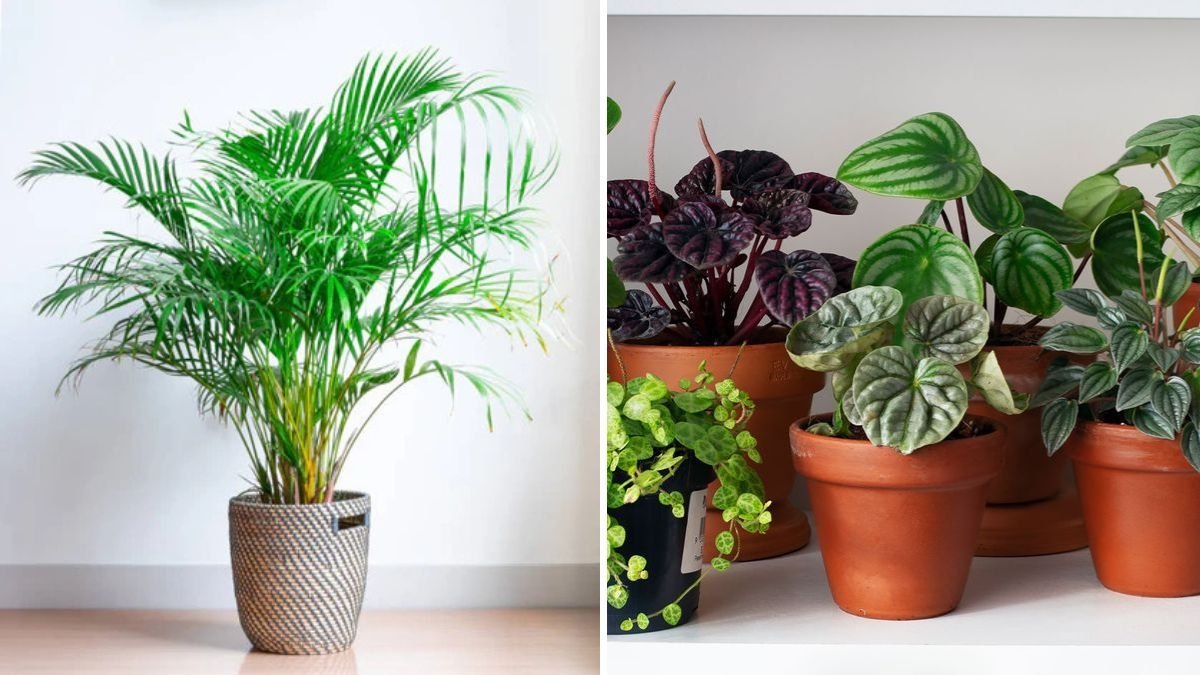
Indoor plants are more than just decorative accents; they are living, breathing organisms that require the right balance of light, water, nutrients, and air circulation to thrive. While most plant enthusiasts focus heavily on watering schedules or lighting conditions, one often-overlooked factor plays a vital role in plant health: airflow.
Good airflow can mean the difference between a lush, vibrant indoor jungle and one plagued with pests, diseases, and stunted growth. Just as humans need fresh air to stay healthy, plants rely on circulation to maintain strong growth and prevent problems caused by stagnant conditions.
In this article, we’ll explore why airflow is so important for indoor plants, how poor air circulation can harm them, and practical ways to improve airflow in your home for a thriving indoor garden.
The Role of Airflow in Plant Health
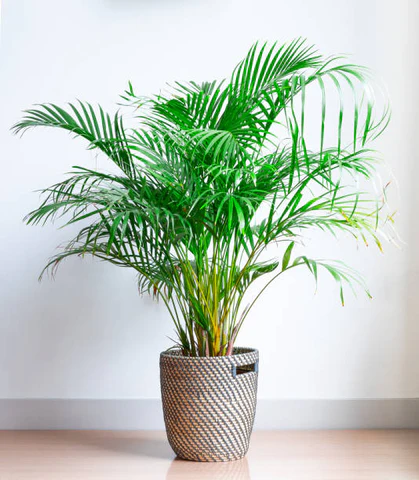
Air circulation affects plants in multiple ways—physically, chemically, and biologically. Here are the key reasons why good airflow matters:
1. Prevents Fungal and Bacterial Diseases
Poor air circulation creates pockets of high humidity where moisture lingers on leaves and soil. This environment encourages the growth of harmful fungi and bacteria, leading to common houseplant problems such as:

- Powdery mildew – A white, powdery coating on leaves.
- Root rot – Often caused by fungal pathogens thriving in wet soil.
- Leaf spot diseases – Dark or yellow spots caused by fungi and bacteria.
By moving air around your plants, you reduce the risk of these pathogens settling and multiplying.
2. Discourages Pests
Stagnant, humid environments attract pests like fungus gnats, spider mites, and mealybugs. These insects thrive when the air is still and damp. Good airflow disrupts their habitat, making it harder for them to establish infestations.
3. Strengthens Plant Structure
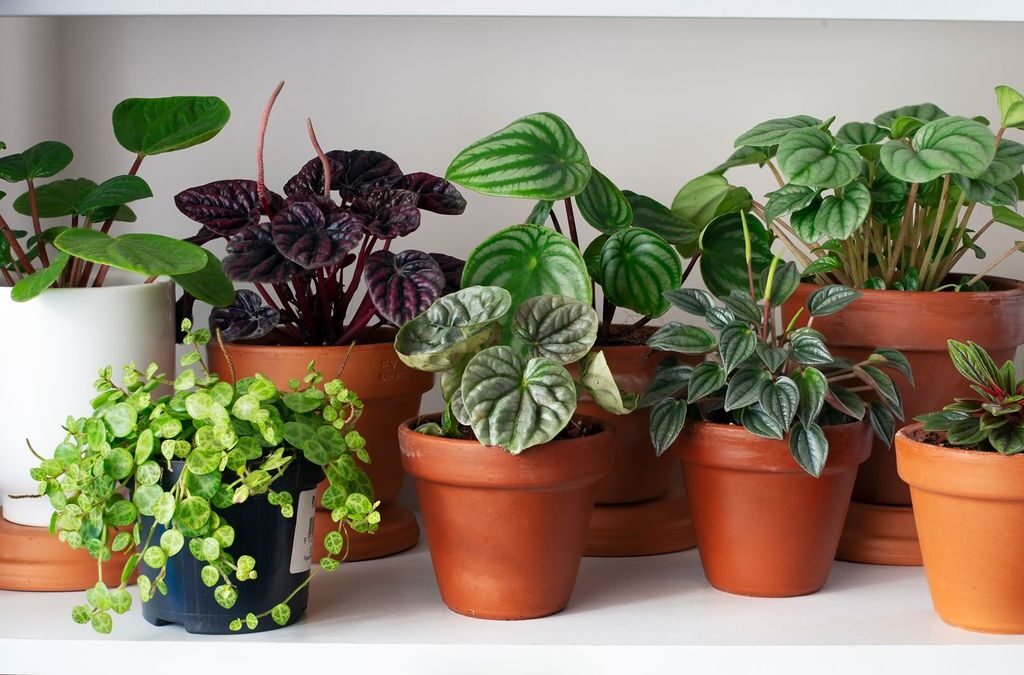
Plants grown in still, closed-off environments often develop weak stems. In nature, plants sway in the breeze, which stimulates stronger, sturdier growth. Indoor airflow can mimic this effect, helping houseplants build resilience and structural strength.
4. Regulates Temperature and Humidity
Air circulation helps moderate microclimates around your plants. Without airflow, heat and moisture can build up around leaves, creating stress for your plants. With circulation, temperature and humidity stay more balanced, reducing the risk of shock and disease.
5. Improves Gas Exchange and Photosynthesis
Plants absorb carbon dioxide (CO₂) from the air and release oxygen through photosynthesis. Proper airflow ensures a steady supply of fresh CO₂ around the leaves while preventing buildup of excess oxygen or moisture. This keeps photosynthesis efficient and supports healthier growth.

Signs Your Plants Need Better Airflow
Not sure if poor airflow is affecting your indoor garden? Look for these signs:
- Leaves that frequently develop powdery mildew or fungal spots.
- Yellowing, wilting, or drooping despite proper watering and lighting.
- Persistent fungus gnat infestations.
- Soil that stays damp for long periods.
- Stems that appear weak, spindly, or unable to support foliage.
- Rooms where the air feels heavy, stuffy, or overly humid.
If you notice two or more of these symptoms, chances are your plants need improved air circulation.
How to Improve Airflow for Indoor Plants
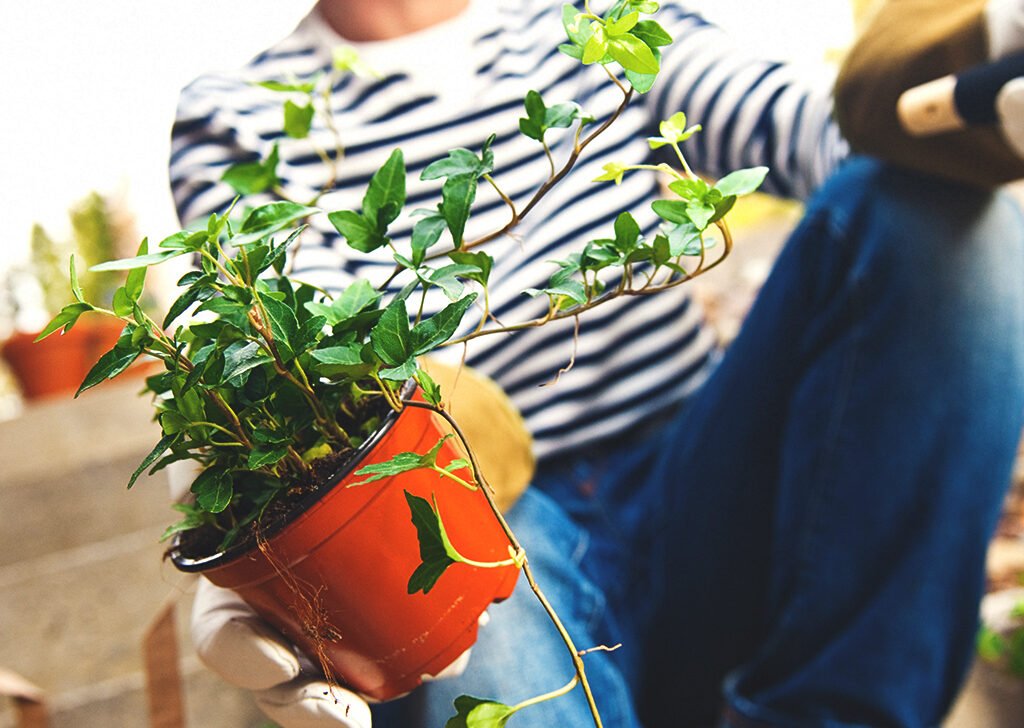
Creating the right airflow doesn’t have to be complicated. Here are some effective strategies:
1. Space Plants Properly
- Avoid crowding plants too closely together. Leaves should not constantly touch.
- Proper spacing allows air to circulate freely around each plant, reducing humidity buildup and limiting the spread of disease.
2. Rotate Plants Regularly
Rotating plants not only ensures even light exposure but also exposes all sides of the plant to circulating air. This prevents stagnant, humid zones from forming in shaded areas.
3. Use Fans for Gentle Circulation
A simple household fan can significantly improve airflow.

- Place a small oscillating fan in the room with your plants.
- Ensure the air is moving gently—plants should rustle slightly, not bend or dry out.
- Run fans for a few hours daily, especially in humid or poorly ventilated spaces.
4. Open Windows and Doors
Whenever weather permits, open windows and doors to allow natural breezes inside. This brings in fresh air, lowers humidity, and improves oxygen and CO₂ exchange.
5. Control Humidity Levels
- Use a dehumidifier in areas with high moisture (like bathrooms or kitchens).
- Place plants on pebble trays or use a humidifier if your space is too dry, but balance it with airflow to prevent mold and fungus.
6. Prune and Clean Plants
- Trim excess foliage to improve airflow between leaves.
- Remove dead or yellowing leaves that block circulation and attract pests.
- Wipe leaves regularly to remove dust, which improves photosynthesis and airflow around the plant.
7. Choose the Right Location
- Avoid placing plants in corners or enclosed spaces with no air movement.
- Group plants in areas with natural ventilation, like near windows or open spaces.
Airflow and Different Types of Plants
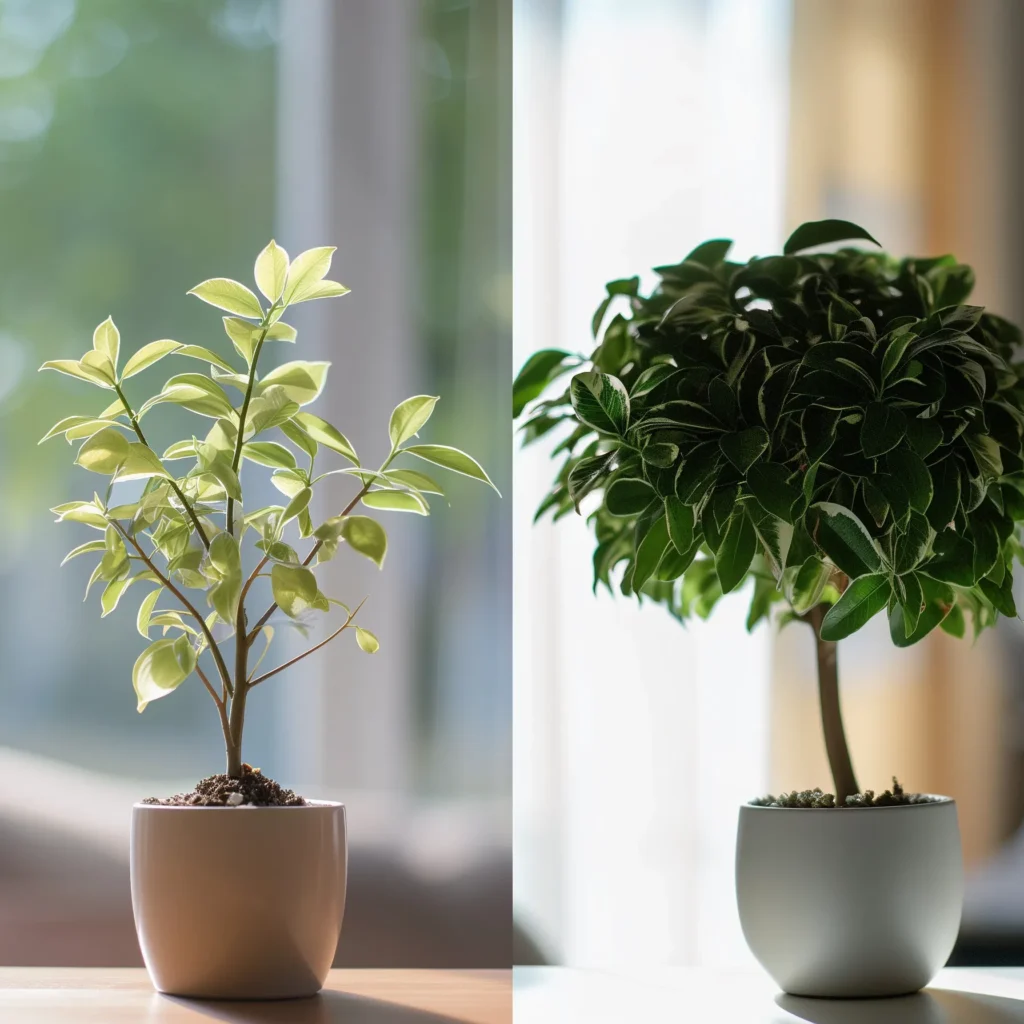
Different houseplants have varying needs when it comes to airflow:
- Tropical Plants (e.g., Monstera, Philodendron, Ferns) – Enjoy higher humidity but still need airflow to prevent fungal issues. Balance moisture with circulation.
- Succulents and Cacti – Thrive in dry environments. Too much humidity without airflow can cause rot. Place them in well-ventilated areas.
- Flowering Plants (e.g., Orchids, African Violets) – Require both fresh air and humidity. Gentle airflow prevents bud drop and fungal infections.
Understanding the natural habitat of your plant helps you adjust airflow to mimic its preferred environment.
Common Mistakes to Avoid
When improving airflow, it’s possible to overdo it. Keep these tips in mind:
- Avoid direct blasts – Strong airflow from a fan can dry out leaves and soil too quickly. Gentle circulation is best.
- Don’t sacrifice humidity – Some plants require both humidity and airflow. Balance both rather than eliminating one.
- Don’t ignore root zones – Air circulation around soil is just as important as leaf-level airflow to prevent root rot.
Practical Airflow Setup for Indoor Gardens
Here’s a step-by-step example of how to create the perfect airflow system for your houseplants:

- Arrange plants with 4–6 inches of space between them.
- Place a small oscillating fan in the room, set on low. Position it so that plants sway gently.
- Open a window for 30–60 minutes daily, weather permitting, to bring in fresh air.
- Prune plants monthly to remove excess foliage and dead leaves.
- Clean leaves weekly with a damp cloth to improve air absorption.
- Check humidity with a hygrometer and adjust with a humidifier or dehumidifier, depending on the plant type.
By combining these steps, you’ll create a healthier microclimate for your plants.
Final Thoughts
Good airflow is one of the most underrated factors in indoor plant care. While water, light, and nutrients often take center stage, air circulation quietly supports nearly every aspect of plant health—from preventing disease and pests to strengthening growth and balancing humidity.
By making simple changes like spacing plants correctly, using fans, or opening windows, you can transform your indoor garden into a thriving, resilient ecosystem.
Remember: plants may not breathe the way we do, but they still depend on fresh air to flourish. If you want strong, beautiful, and pest-free houseplants, airflow is not optional—it’s essential.

Leave A Comment