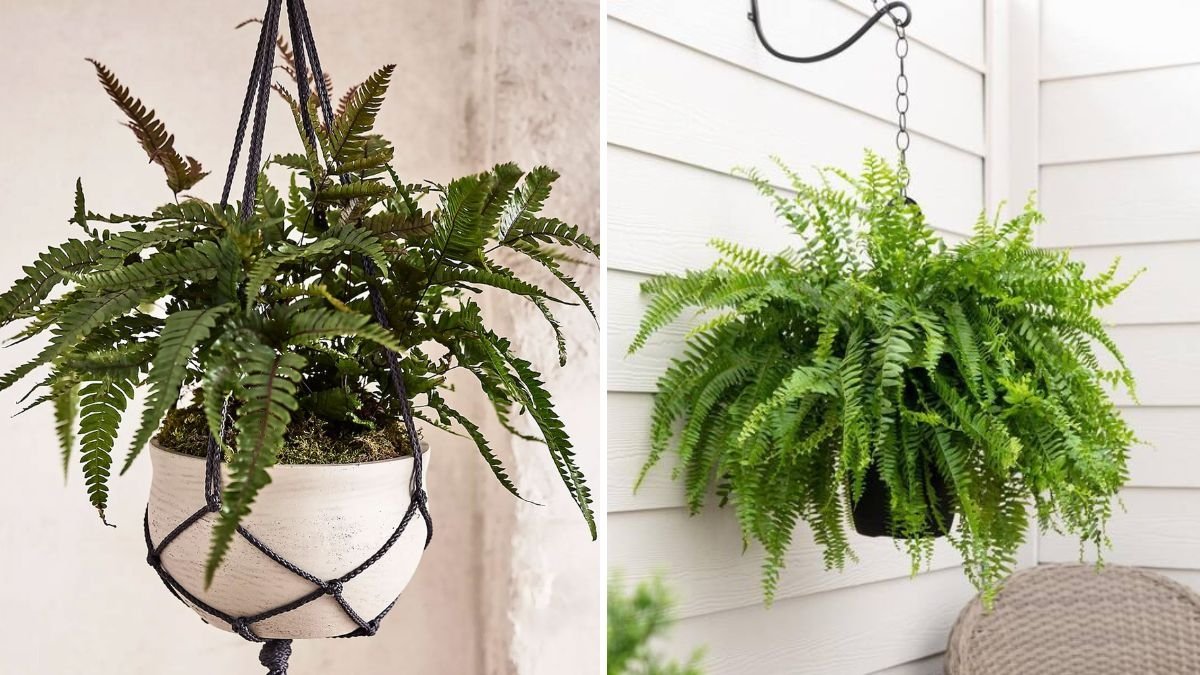
Ferns are timeless houseplants that bring lush, feathery greenery and a sense of natural calm into any indoor space. Their delicate fronds soften corners, brighten shelves, and make rooms feel alive. Yet, despite their beauty, ferns are notorious for being “diva” plants—finicky about light, water, and humidity. Many plant parents give up after watching their ferns shrivel, crisp, or drop leaves.
The good news? Ferns aren’t impossible to grow indoors. They simply require you to mimic the conditions of their natural habitat: moist, shaded forest floors with high humidity. Once you understand what they need—and develop a routine—you can keep ferns alive and thriving, even if you’ve struggled before.
This detailed guide will walk you through everything you need to know, from selecting the right fern to providing the perfect indoor environment, troubleshooting common problems, and finally enjoying those lush, graceful fronds year-round.
1. Understanding Ferns

Ferns are one of the oldest plant groups on Earth, with fossil records dating back over 300 million years. Unlike flowering plants, they reproduce by spores rather than seeds.
- Native Habitat: Most indoor ferns originate from tropical and subtropical forests where they grow under tree canopies in shaded, humid environments.
- Fronds: Their leaves (fronds) are finely divided and sensitive to changes in moisture and light.
- Varieties: There are thousands of fern species, but only some adapt well to indoor conditions.
Knowing this background helps explain why ferns thrive indoors when given humidity, indirect light, and consistent moisture.

2. Choosing the Right Fern for Indoors
Not all ferns are equally forgiving. If you’ve struggled before, start with varieties known to be easier indoors:
- Boston Fern (Nephrolepis exaltata): Classic and popular, with arching fronds.
- Maidenhair Fern (Adiantum): Beautiful but delicate, suited for attentive caregivers.
- Bird’s Nest Fern (Asplenium nidus): Sturdier, with wide, wavy fronds—less fussy about humidity.
- Button Fern (Pellaea rotundifolia): Compact and resilient with small round leaves.
- Kimberly Queen Fern (Nephrolepis obliterata): More upright and tolerant of lower humidity.
Tip: If you’re a beginner, try a bird’s nest or Kimberly queen fern. For a challenge, maidenhair fern tests your consistency.
3. Light Requirements
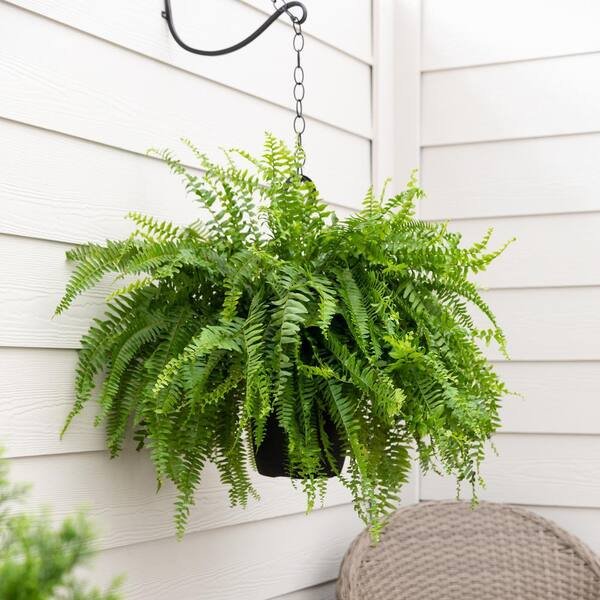
Ferns evolved under tree canopies, so they prefer filtered light rather than direct sun.
- Ideal Light: Bright, indirect light. Place them near north- or east-facing windows, or a few feet back from a south or west window with sheer curtains.
- Too Much Light: Direct sun burns their fronds, leaving brown edges.
- Too Little Light: Weak, sparse growth and yellowing fronds.
Pro Tip: If you don’t have enough natural light, supplement with fluorescent or LED grow lights for 10–12 hours a day.
4. Temperature and Humidity
This is where most people fail with ferns.

- Temperature: They thrive between 60–75°F (15–24°C). Avoid sudden drafts, heaters, or AC vents.
- Humidity: Ferns need 50–80% humidity. Indoor air, especially in winter, often drops to 20–30%.
Ways to increase humidity:
- Use a humidifier near your plants.
- Place pots on a humidity tray filled with pebbles and water.
- Group plants together to create a microclimate.
- Misting: Light misting can help, but don’t rely on it alone—it evaporates quickly.
Pro Tip: Maidenhair and Boston ferns especially demand high humidity. Bird’s nest ferns are more tolerant of dry air.
5. Watering Correctly
Improper watering is the number one fern killer.
- Moisture Needs: Ferns love consistently moist soil but not waterlogged roots.
- Check Soil: Insert your finger about an inch into the soil. If it feels dry, water. If damp, wait a day or two.
- Water Type: Use room-temperature, filtered, or rainwater. Tap water with fluoride or chlorine can damage delicate fronds.
- Method: Water thoroughly until water drains out the bottom, then empty the saucer to prevent root rot.
Warning Signs:
- Crispy, brown fronds → underwatering or low humidity.
- Yellow, mushy fronds → overwatering or poor drainage.
6. The Best Soil and Pots
- Soil: Ferns need a light, well-draining but moisture-retentive mix. A combination of peat moss, perlite, and pine bark works well.
- Drainage: Always use pots with drainage holes.
- Pot Choice: Plastic or ceramic pots retain moisture better than terracotta, which dries out quickly.
Pro Tip: Repot every 1–2 years in spring, when roots fill the pot. Refreshing soil prevents compaction and nutrient depletion.

7. Fertilizing for Healthy Growth
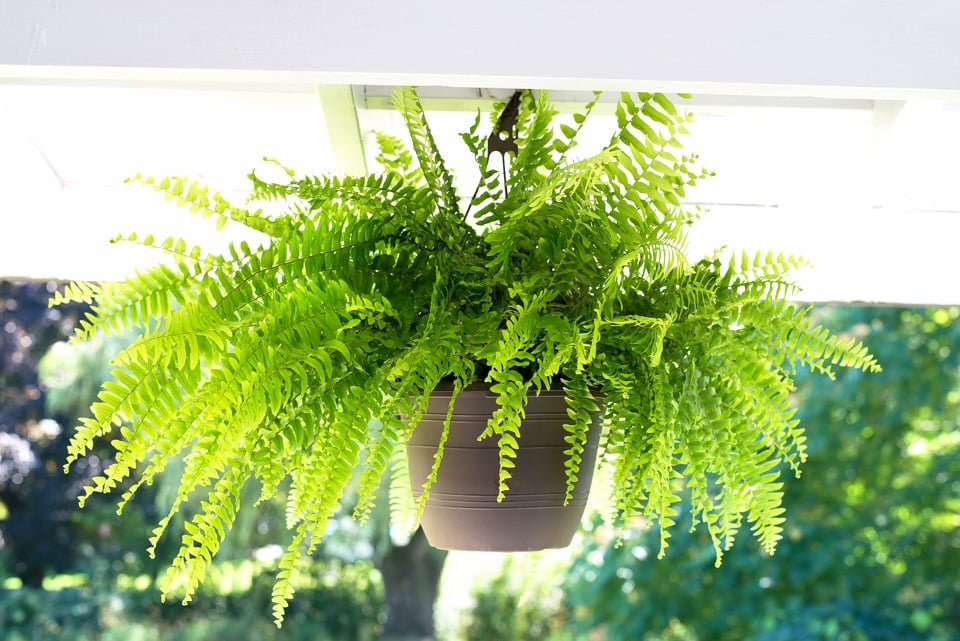
Ferns are light feeders compared to flowering plants.
- Type of Fertilizer: Use a diluted, balanced liquid houseplant fertilizer (e.g., 20-20-20).
- Frequency: Feed monthly during spring and summer. Stop in winter when growth slows.
- Caution: Too much fertilizer scorches delicate fronds. Always dilute to half or quarter strength.
8. Grooming and Maintenance
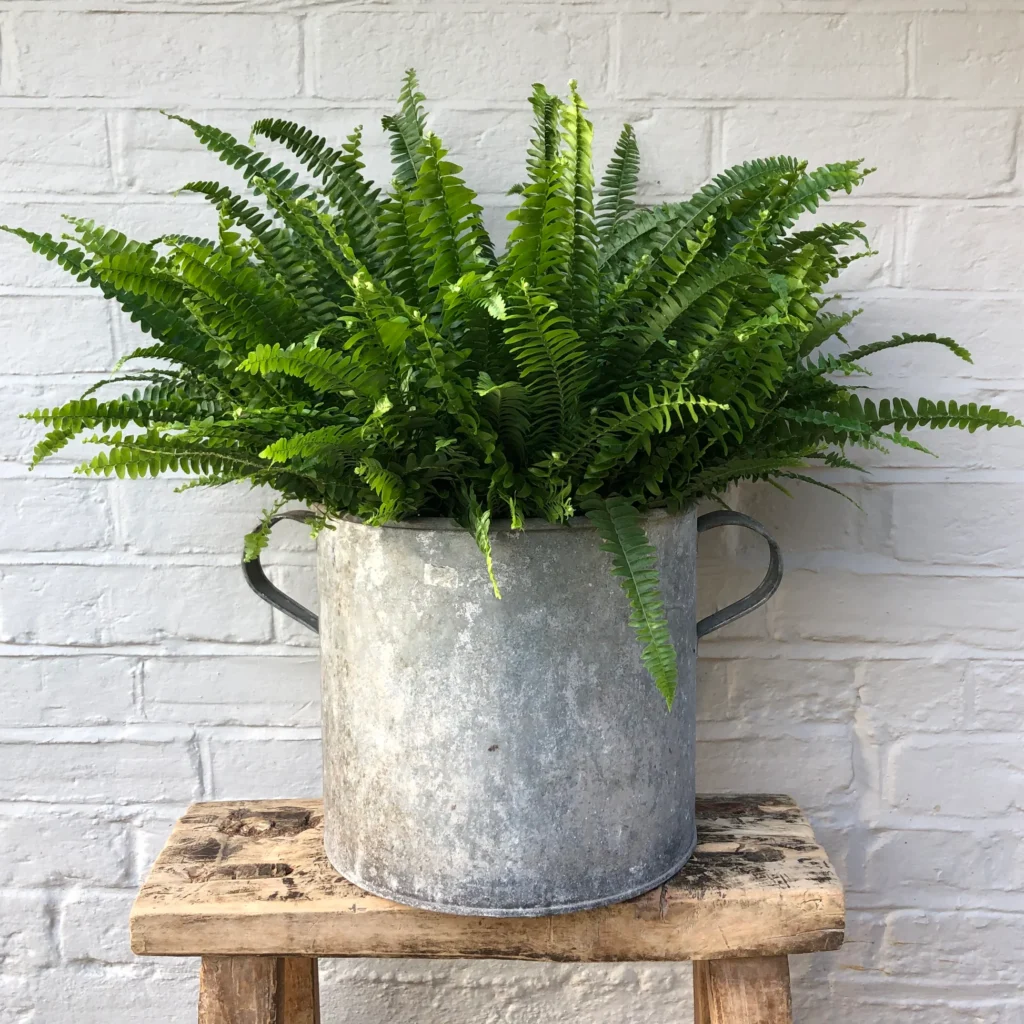
Keeping your fern tidy encourages new growth and prevents disease.
- Remove Dead Fronds: Cut away yellowed, brown, or crispy leaves at the base.
- Clean Fronds: Dust can block photosynthesis. Rinse fronds gently in the shower or wipe with a damp cloth.
- Rotate the Pot: Ensures even growth on all sides.
9. Pruning and Propagation
- Pruning: Light pruning keeps ferns bushy. Avoid cutting too much at once.
- Propagation: Ferns can be divided during repotting. Carefully separate root clumps into smaller sections and pot them individually.
10. Common Indoor Fern Problems
Even with care, ferns can develop issues. Here’s how to troubleshoot:
- Brown, crispy edges: Low humidity or underwatering.
- Yellow leaves: Overwatering or poor drainage.
- Sparse growth: Too little light or nutrients.
- Pests: Watch for spider mites, mealybugs, or scale. Treat with neem oil or insecticidal soap.
- Frond drop: Stress from sudden environmental changes.
11. Seasonal Care
Ferns’ needs shift with the seasons:
- Spring/Summer: Active growth—more water, light feeding, higher humidity.
- Fall/Winter: Growth slows—reduce watering slightly, stop fertilizing, and move away from heaters or cold drafts.
12. The Best Indoor Fern Care Routine
Here’s a simple routine to follow:

- Place in bright, indirect light.
- Keep soil consistently moist but not soggy.
- Maintain high humidity with a humidifier or tray.
- Fertilize monthly in growing season at half strength.
- Groom and prune regularly.
13. Why Ferns Are Worth the Effort
Though ferns require attention, the rewards are worth it:
- Aesthetic Value: Their lush, feathery fronds add softness and elegance to interiors.
- Air Purification: Some ferns, like Boston fern, are known to filter indoor pollutants.
- Stress Relief: Studies show that greenery indoors improves mood and reduces stress.
- Timeless Appeal: Ferns have decorated homes for centuries, from Victorian parlors to modern apartments.
Conclusion
Keeping ferns alive indoors isn’t about luck—it’s about creating the right conditions. If you’ve struggled before, chances are your fern lacked humidity, consistent moisture, or adequate light. By paying attention to these key needs, you can transform ferns from “impossible divas” into thriving, resilient houseplants.
Start with an easier variety like a bird’s nest fern if you’re new, or challenge yourself with a maidenhair fern once you’re confident. With patience and routine, your ferns will reward you with lush, graceful greenery that enlivens your home year-round.
Final Takeaway: The secret to thriving indoor ferns lies in three essentials: moisture, humidity, and filtered light. Master these, and you’ll never “kill” a fern again.

Leave A Comment