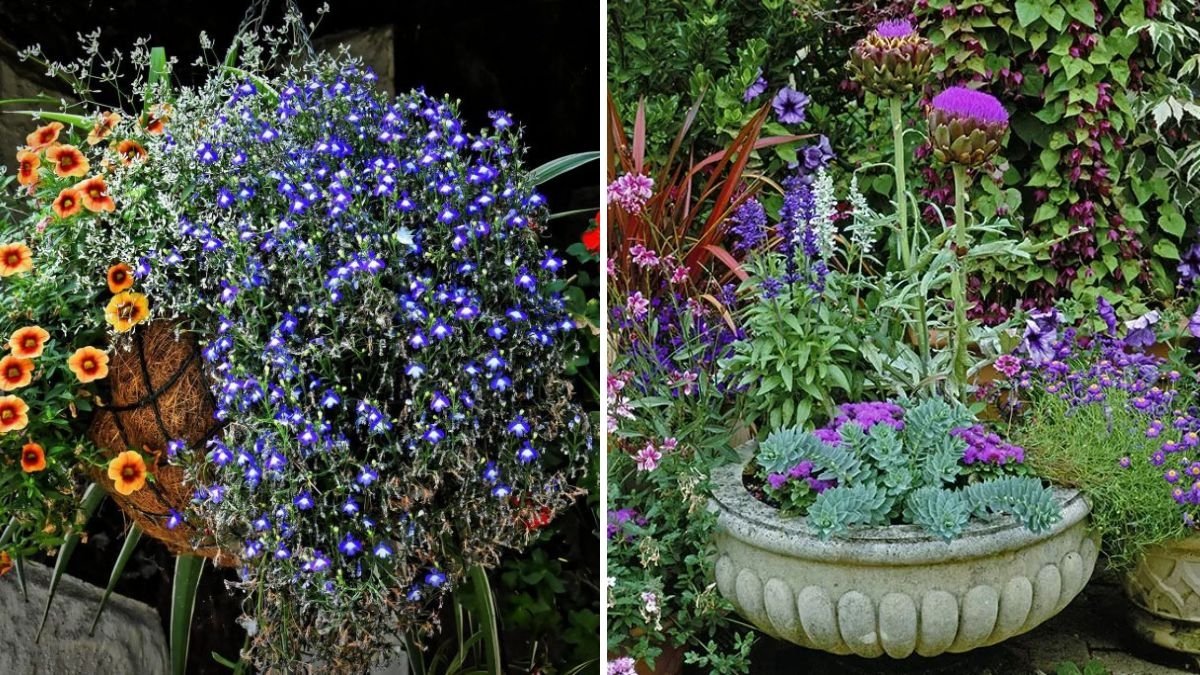
Awell-designed indoor garden isn’t just about the number of plants you own—it’s about how you arrange them. One of the most effective ways to create a visually stunning and harmonious space is by mixing tall and trailing plants. This combination adds height, depth, and movement, transforming even a small corner into a lush, layered oasis.
Whether you want to make a bold statement in your living room or add subtle greenery to your workspace, mastering the art of pairing tall and trailing plants can elevate your décor to new heights—literally. In this detailed guide, we’ll explore how to mix these plant types effectively, design principles to follow, and expert tips for keeping your indoor garden balanced and beautiful.
1. Why Mixing Tall and Trailing Plants Works

When you combine tall, upright plants with cascading, trailing varieties, you mimic how plants grow in nature—tall trees and shrubs reaching for the sun, with vines and groundcovers filling in below. This natural layering instantly adds dimension and rhythm to your space.
Benefits of the tall-and-trailing approach:
- Creates depth: The vertical contrast draws the eye upward and outward, making rooms feel larger.
- Balances proportions: Tall plants anchor the design, while trailing ones soften edges and create flow.
- Adds texture and movement: Trailing plants create organic curves that contrast beautifully with the structured form of tall plants.
- Enhances visual interest: The variety of shapes, heights, and colors prevents your greenery from looking flat or monotonous.
In essence, this design strategy turns a simple grouping of plants into a curated indoor landscape.
2. Understanding Plant Types: The Foundation of Balance
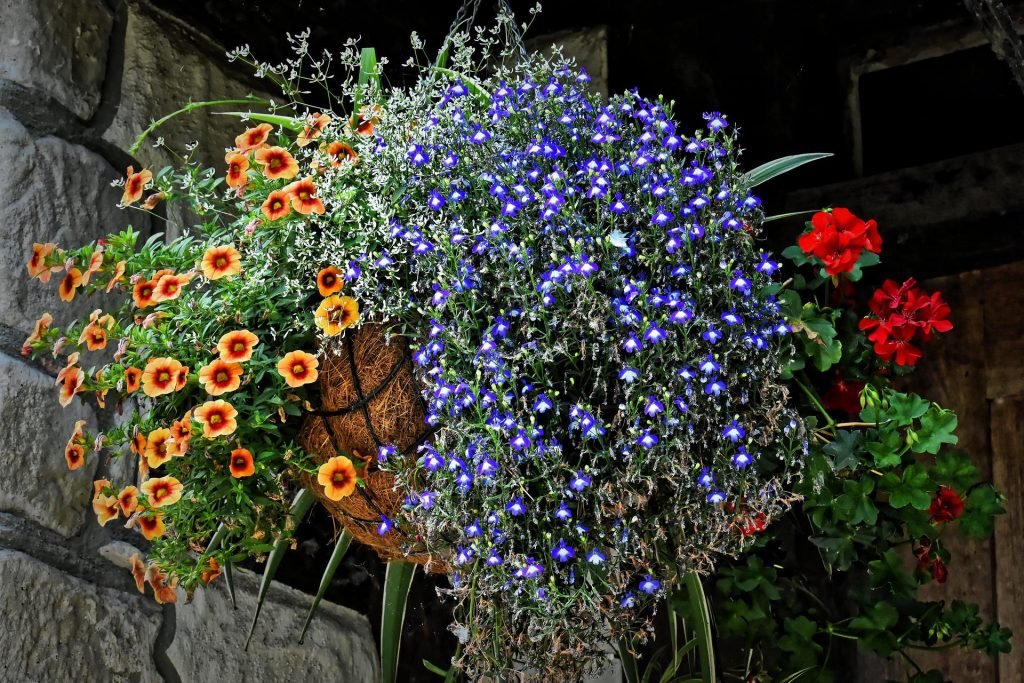
Before arranging, it’s essential to understand the basic characteristics of tall and trailing plants. Choosing the right varieties ensures both aesthetic harmony and compatibility in light and water needs.
Tall Plants: The Anchors
Tall plants bring structure and height to your indoor garden. They act as focal points and provide a vertical base for your design.
Popular Choices:

- Fiddle Leaf Fig (Ficus lyrata): Iconic broad leaves and sculptural form.
- Monstera deliciosa: Lush, split leaves that make a bold statement.
- Rubber Plant (Ficus elastica): Deep green, glossy foliage with upright growth.
- Bird of Paradise (Strelitzia reginae): Adds tropical flair with tall, arching leaves.
- Snake Plant (Sansevieria): Sleek and architectural, perfect for modern spaces.
Trailing Plants: The Softeners
Trailing or cascading plants bring movement and softness, creating contrast against upright forms.
Popular Choices:
- Pothos (Epipremnum aureum): Fast-growing and forgiving, ideal for shelves and hanging planters.
- Philodendron scandens: Heart-shaped leaves with a lush trailing habit.
- String of Pearls (Senecio rowleyanus): Unique bead-like vines for a whimsical touch.
- English Ivy (Hedera helix): Classic and elegant, perfect for draping over edges.
- String of Hearts (Ceropegia woodii): Delicate, romantic vines with patterned leaves.
By combining these two types, you achieve a dynamic mix of structure and flow—like a miniature forest contained within your home.
3. Choose the Right Location and Light Conditions
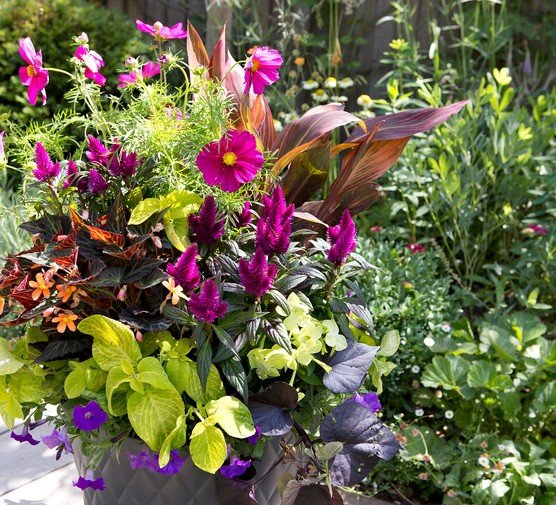
Just like in nature, placement and lighting determine how well your plants will grow together.
- Bright, Indirect Light: Perfect for most tropical combinations like Monstera and Pothos. Place them near east or north-facing windows.
- Low Light: Snake plants and ZZ plants paired with pothos or philodendrons thrive in shadier corners.
- Direct Sun: Bird of Paradise or Rubber Plant with trailing succulents (like string of pearls) can handle stronger light near south-facing windows.
Pro Tip: Always group plants with similar light and humidity needs together. Mixing incompatible species might look great initially, but one will eventually struggle.
4. Design Principles for a Balanced Arrangement

To make your combination visually appealing, follow a few key design principles used by interior stylists and garden designers.
a. The Rule of Thirds
Place your tallest plant slightly off-center—about one-third of the way from the edge of your arrangement. Then, fill the remaining space with medium and trailing plants. This asymmetry creates a natural and dynamic look.
b. Triangular Composition
Imagine your plants forming a loose triangle when viewed from the front. The tallest plant forms the peak, while shorter and trailing plants create the base. This is especially effective on consoles, plant stands, or sideboards.

c. Texture and Shape Contrast
Balance smooth, bold leaves with delicate, trailing textures. For example, pair a Rubber Plant (bold leaves) with String of Hearts (fine vines) for a balanced, textural mix.
d. Visual Flow
Arrange trailing plants so their vines gently fall toward the floor or across surfaces. The eye should move naturally from the tallest point to the lowest cascade.
5. Creative Ways to Combine Tall and Trailing Plants

There’s no single “right” way to style plants—but these ideas can help inspire balanced, beautiful displays throughout your home.
1. Floor Corner Display
- Anchor Plant: A tall Monstera or Bird of Paradise.
- Supporting Cast: Smaller bushy plants like Peace Lily or Philodendron.
- Trailing Accent: A pothos or ivy in a hanging basket above or on a nearby shelf.
Why It Works: The tall plant draws attention upward, while the trailing one softens corners and creates flow between vertical and horizontal lines.
2. Plant Shelf or Ladder Display
- Use a vertical shelf or tiered plant stand.
- Place tall plants (Snake Plant, Rubber Plant) on the bottom level.
- Add medium-height plants in the middle.
- Let trailing plants like String of Hearts or Pothos spill from the top shelves.
Design Tip: Vary the pot colors but keep them within a complementary palette for a cohesive look.
3. Tabletop or Console Arrangement
- Combine a tall statement plant in a ceramic pot with one or two trailing plants in smaller containers.
- Ideal for entryways, coffee tables, or sideboards.
Example: A ZZ plant paired with a cascading Philodendron Brasil for contrast in shape and texture.
4. Hanging and Standing Mix
Pair a large floor-standing plant with a hanging planter nearby.
- For example: Place a Fiddle Leaf Fig on the floor and hang a String of Pearls above it.
- This multi-level setup creates vertical interest without cluttering surfaces.
Bonus: Use different hanger lengths for layered depth.

6. Styling with Planters and Accessories
The containers you choose can make your plant combinations even more striking.
- Material: Use terracotta for warmth, ceramic for elegance, or woven baskets for a bohemian vibe.
- Shape: Round pots complement upright plants, while angular ones add structure to trailing varieties.
- Color: Stick to a consistent palette—like whites, neutrals, or earthy tones—to unify the display.
Add natural elements like pebbles, wood trays, or decorative stones to complete the look.
Tip: When grouping multiple planters, vary heights using stands, stools, or books to create layers and balance.
7. Keep Proportion and Scale in Check
For a cohesive look, maintain proportion between your tall and trailing plants:
- The height of the tallest plant should roughly equal the combined spread of the trailing plants below it.
- Avoid using two tall plants of equal height side by side—it can feel stiff or crowded.
- In small spaces, limit each cluster to three to five plants for a curated look.
Visual Balance Example:
A large Monstera on one side balanced by two hanging vines on the opposite wall creates symmetry without being overly rigid.
8. Maintenance Tips to Keep Your Display Beautiful
Healthy plants are the key to a balanced and inviting display.
- Rotate regularly: Turn plants every few weeks for even growth.
- Prune vines: Trim overgrown trailing plants to maintain shape and prevent tangling.
- Clean leaves: Dust dulls the shine and blocks light—wipe large leaves with a damp cloth monthly.
- Repot when needed: Both tall and trailing plants need room to grow; repot every 1–2 years.
- Fertilize seasonally: Use a diluted balanced fertilizer during the growing months for lush, vibrant foliage.
Pro Tip: Don’t let your display get overcrowded—plants need air circulation to stay healthy.
9. Create Mood and Style Through Plant Combinations
Mixing tall and trailing plants can complement any interior style.

- Modern Minimalist: Tall Snake Plant + trailing String of Pearls in sleek white planters.
- Bohemian: Bird of Paradise + cascading English Ivy in rattan baskets.
- Scandinavian: Rubber Plant + trailing Philodendron in neutral ceramic pots.
- Tropical: Monstera + Pothos or Ferns for a lush, jungle-like effect.
Lighting, materials, and color palettes can further enhance your chosen theme.
10. Evolving Your Arrangement Over Time
Your indoor garden doesn’t have to stay static. Rearrange and experiment as your plants grow. Move trailing plants higher as they lengthen, or swap positions to refresh the layout.
Seasonal rotations—like adding flowering varieties in spring or switching pot colors for the holidays—can keep your space looking vibrant and fresh all year round.
Final Thoughts
Mixing tall and trailing plants is both an art and a science—a dance of structure and softness, boldness and flow. When done thoughtfully, this approach brings energy, texture, and depth to your home while maintaining natural harmony.
Start with plants that share similar care needs, play with heights and textures, and trust your instincts. With a little creativity and balance, you can craft an indoor garden that feels alive, cohesive, and endlessly inviting.
Your plants won’t just decorate your home—they’ll transform it into a living, breathing masterpiece.

Leave A Comment