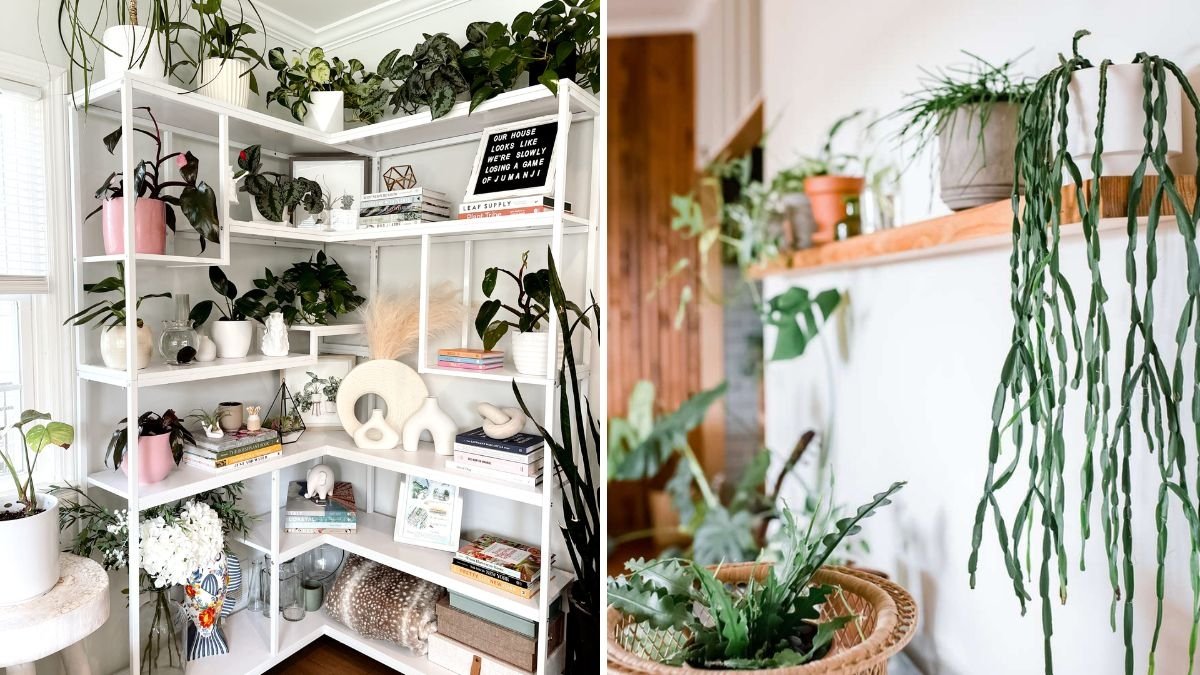
Styling bookshelves is an art — it’s about balancing color, texture, and personality. But if you want to bring your shelves to life, nothing does it better than indoor plants. They add freshness, vibrancy, and movement to what might otherwise be a static collection of books and objects. Whether you have a wall-to-wall library, a small floating shelf, or a minimalist setup, adding greenery can transform it from functional to fabulous.
In this detailed guide, you’ll learn how to style your bookshelves with indoor plants for maximum visual impact, discover the best plant varieties for shelves, and explore practical tips on lighting, arrangement, and care — so your display looks stunning all year round.
Why Add Plants to Your Bookshelves?
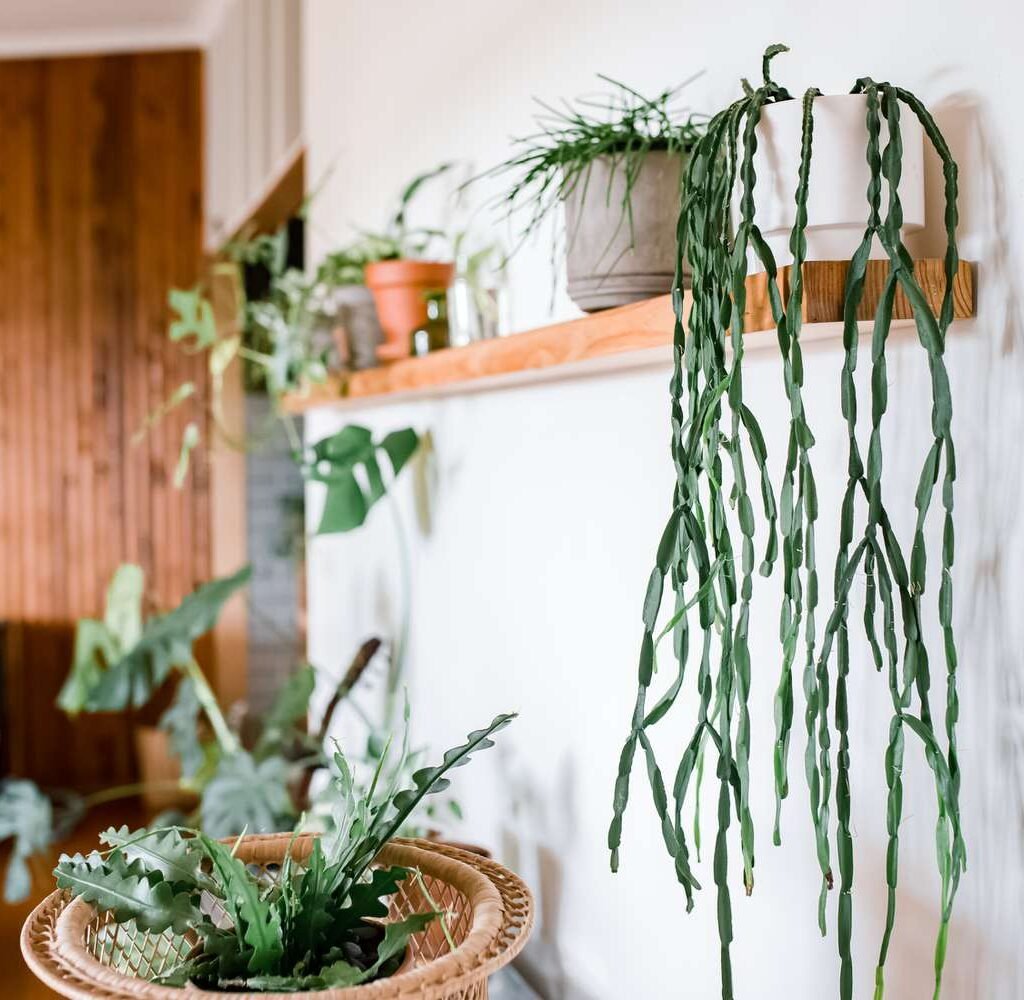
Before diving into styling tips, it’s important to understand why plants are such powerful design elements:
- They bring life and color: Greenery instantly softens the hard lines of books and shelves, making your space feel warmer and more welcoming.
- They improve air quality: Plants like pothos and peace lilies naturally purify indoor air.
- They add texture and movement: Trailing vines, sculptural leaves, and varied shades of green add visual depth and contrast.
- They connect your decor to nature: Incorporating living elements promotes calm, focus, and creativity — perfect for reading nooks or home offices.
1. Start with the Right Plants

The first step to styling your bookshelves beautifully is choosing plants that thrive in indoor conditions — especially those suited for limited light and smaller containers.
Best Trailing Plants
These are ideal for the edges of shelves or top sections where their vines can cascade down gracefully:
- Pothos (Epipremnum aureum): Low-maintenance, fast-growing, and forgiving.
- String of Hearts: Elegant, heart-shaped leaves add charm without bulk.
- English Ivy: Classic and versatile, perfect for creating a romantic, lush vibe.
- Philodendron ‘Brasil’: Bright variegation that adds a pop of color.
Best Compact Upright Plants
These fill small spaces between books or decorative items:

- ZZ Plant: Sturdy, slow-growing, and tolerant of low light.
- Snake Plant (Sansevieria): Architectural structure for modern aesthetics.
- Peperomia: Compact, colorful foliage adds visual interest.
- Succulents: Great for bright shelves with plenty of indirect light.
Best Miniature Plants
Perfect for tight spots or layered arrangements:
- Air Plants (Tillandsia): No soil needed — ideal for creative displays.
- Baby Tears (Soleirolia): Tiny leaves create a soft, cascading effect.
- Mini Ferns: Add a lush touch to darker, humid corners.
2. Mix Heights and Shapes for Visual Balance
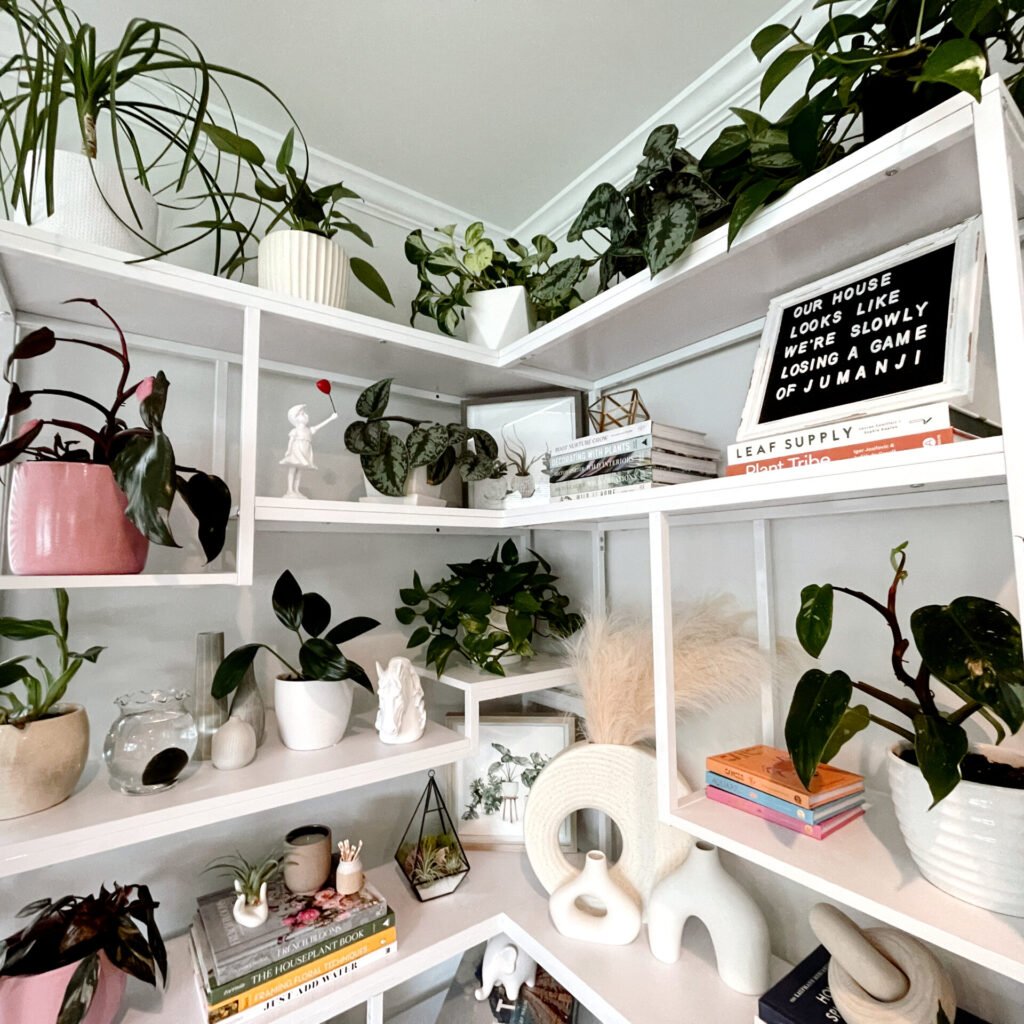
When styling shelves, balance is everything. To achieve a natural and visually appealing arrangement, mix tall, upright plants with low or trailing varieties.
How to Do It:
- Place taller plants (like snake plants or ZZ plants) on the top or outer edges of the bookshelf to create vertical structure.
- Add trailing plants beside or above to soften sharp lines — let them hang slightly over the shelf for a cascading effect.
- Use small potted plants to fill gaps between books or decorative objects, creating a layered, dynamic look.
Think of your bookshelf like a miniature landscape: the tall plants form your “trees,” the shorter ones your “shrubs,” and the trailing plants your “vines.” This layered composition adds natural harmony and rhythm.
3. Play with Plant Placement
How and where you position your plants can completely change the vibe of your bookshelf.
Top Shelf:
This is the perfect spot for statement or trailing plants. Place pothos or ivy here so the vines can elegantly drape downward.
Middle Shelves:
Use small to medium-sized plants like peperomia or small ferns to break up rows of books. Alternate plants and decor for variety.

Bottom Shelf:
Opt for larger pots or heavier planters to ground the overall arrangement. Tall, sculptural plants look balanced here.
Corners and Gaps:
Use corners to add greenery without crowding the books. Small pots or air plants can fill narrow spaces without taking up visual weight.
4. Choose Stylish Planters and Pots

Your planters are just as important as your plants — they tie the entire look together. The right pot can turn a simple green leaf into a design statement.
Ideas to Try:
- Neutral ceramic planters: Create a timeless, clean look.
- Textured or patterned pots: Add depth and personality to your shelves.
- Glass terrariums: Perfect for small succulents or air plants — they bring an elegant touch.
- Mini woven baskets: Add warmth and a natural, organic texture.
When mixing planters, stick to a consistent color palette or material theme — for instance, all white ceramics, natural tones, or mixed metallics. This keeps your shelf from looking cluttered.
5. Combine Plants with Books and Decorative Objects
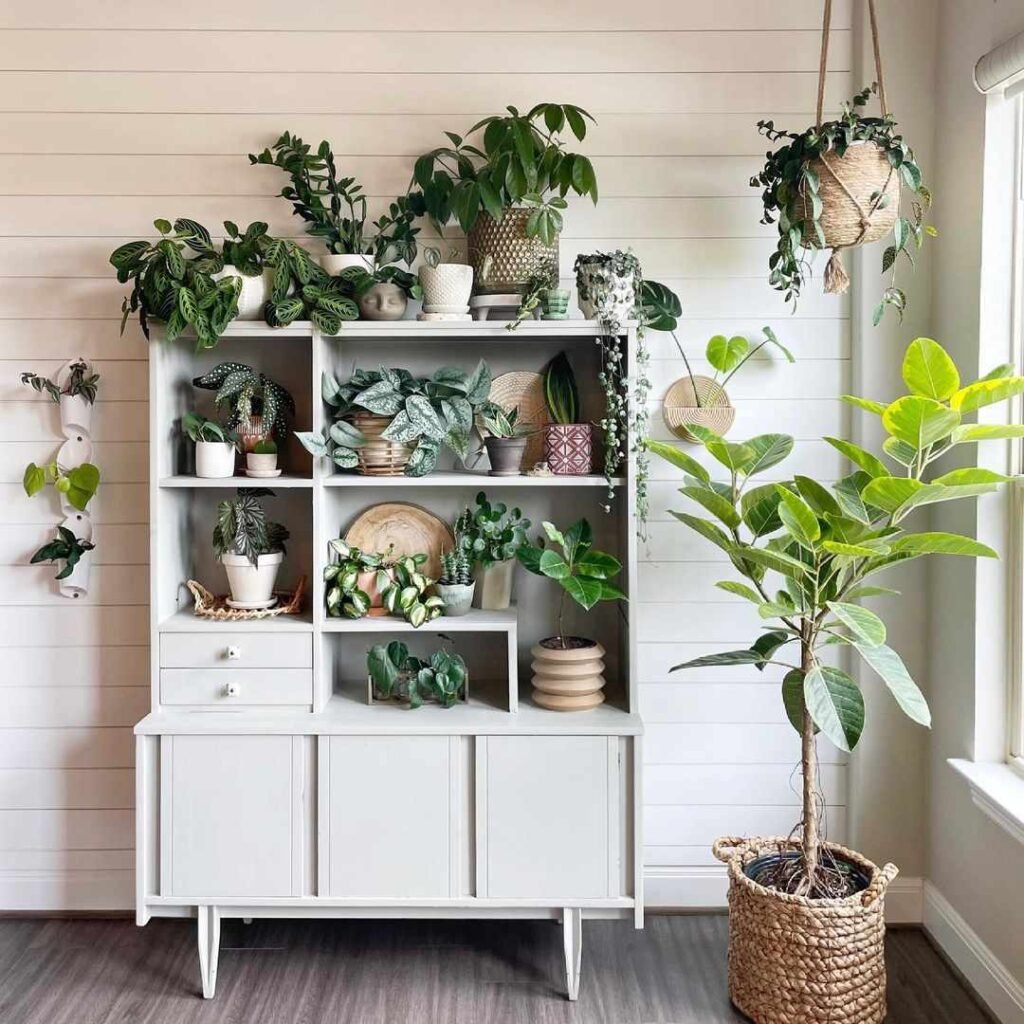
One of the best ways to style bookshelves with plants is to treat plants like decor pieces. They shouldn’t just fill empty space — they should interact with books and objects around them.
Balance Is Key:
- Alternate between books, plants, and decor (like candles or photo frames).
- Stack books horizontally to create mini pedestals for small plants.
- Add art prints, ceramics, or vases to complement your plant colors.
For example, you can place a trailing pothos next to a vertical stack of books, allowing the vines to soften the straight edges. Or set a succulent atop a book stack for a subtle, elevated touch.

6. Think About Lighting
Lighting is one of the most crucial — yet often overlooked — factors when displaying plants on bookshelves.
Natural Light:
- If your shelf is near a bright window, most plants will thrive.
- Use sheer curtains to diffuse direct sunlight and prevent leaf burn.
Low Light:
- Choose low-light plants like pothos, ZZ plant, or snake plant.
- Consider adding grow lights or LED strips designed for indoor plants. These are subtle, energy-efficient, and can double as ambient shelf lighting.
Artificial Light Enhancement:
You can install under-shelf LED lights to highlight greenery at night. The glow creates a cozy, inviting atmosphere — perfect for living rooms or bedrooms.
7. Layer, Group, and Vary Textures
A visually captivating bookshelf mixes not just shapes and sizes but also textures and tones.
- Group plants in odd numbers (3 or 5) — it feels more natural to the eye.
- Combine smooth-leaved plants (like rubber plants) with textured ones (like ferns or calatheas) for variety.
- Use decorative elements like driftwood, stone figurines, or ceramic bowls to add tactile contrast.
These combinations help your shelf look intentional and cohesive rather than cluttered or random.
8. Maintenance Tips for Shelf Plants
Keeping plants healthy on bookshelves requires a little extra care since airflow and light can be limited.
- Water carefully: Remove the plant from the shelf before watering to avoid damaging books or furniture. Let excess water drain before replacing it.
- Dust leaves regularly: Plants on shelves collect dust quickly, which can block sunlight and hinder growth. Wipe gently with a damp cloth.
- Rotate plants: Every few weeks, rotate your pots to ensure even light exposure.
- Prune trailing vines: Trim regularly to maintain shape and prevent overgrowth.
9. Create a Theme or Mood
Your bookshelf can tell a story through both your books and your plants.
Try these style ideas for inspiration:

- Minimalist Modern: White pots, snake plants, ZZ plants, and clean lines.
- Boho Jungle: Woven baskets, trailing pothos, ferns, and colorful ceramics.
- Scandi Calm: Neutral planters, small succulents, and air plants with light wood tones.
- Artistic Greenery: Mix plants with framed art, candles, and sculptural decor pieces for an eclectic vibe.
10. Let Your Bookshelf Breathe
While it’s tempting to fill every inch of your shelves with plants, remember that negative space is just as important as greenery. Leave some open areas so each element — whether a plant, book, or vase — can stand out.
Your bookshelf should feel curated, not overcrowded. Let the plants accentuate the design, not dominate it.
Final Thoughts
Styling your bookshelves with indoor plants is one of the easiest and most rewarding ways to bring life into your home. Plants don’t just add color — they introduce texture, balance, and tranquility. By mixing trailing and upright varieties, coordinating planters, and paying attention to light and placement, you can create a living display that’s both beautiful and functional.

Leave A Comment