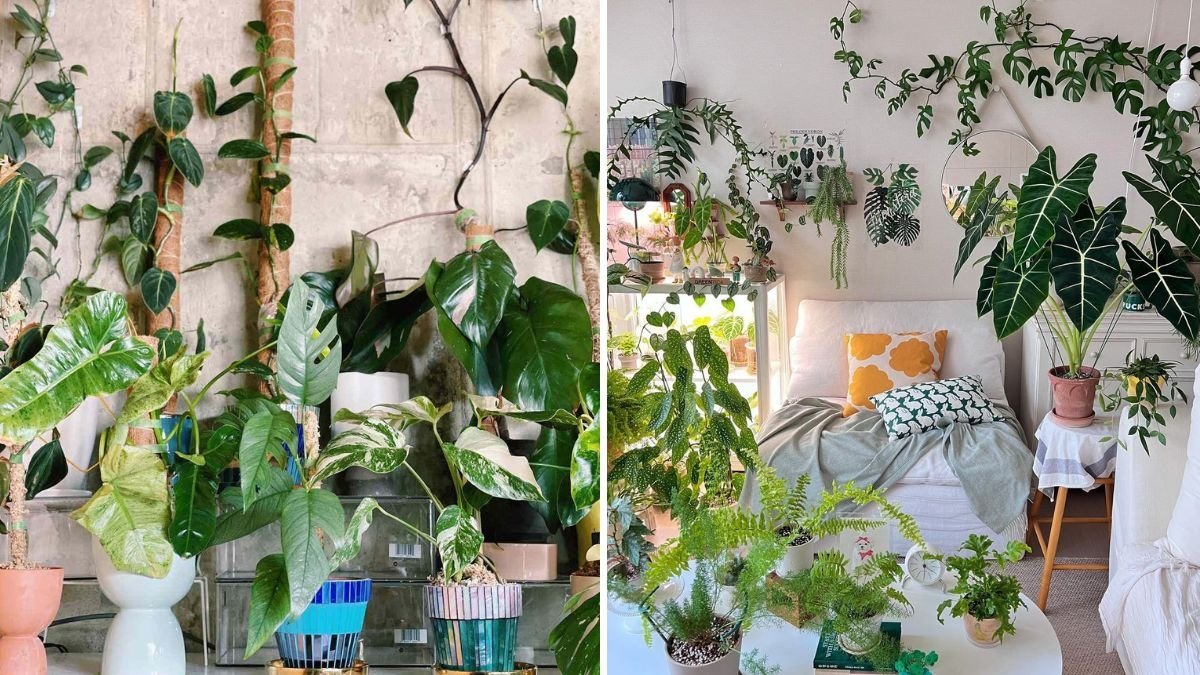
Houseplants have become more than just a hobby—they’re an essential element of modern interior design. They bring life, texture, and color to spaces that might otherwise feel cold or sterile. Yet, integrating plants into a modern home requires more than simply placing a few pots around. To achieve a seamless, designer-level look, you need to carefully consider proportions, colors, textures, and placement.
This detailed guide will show you how to blend houseplants with modern décor seamlessly, ensuring your greenery enhances your home’s aesthetic without overwhelming it. Whether you love minimalist interiors, sleek lines, or contemporary comfort, you’ll learn how to use plants as living design features that elevate your modern space beautifully.
1. The Harmony Between Modern Design and Nature
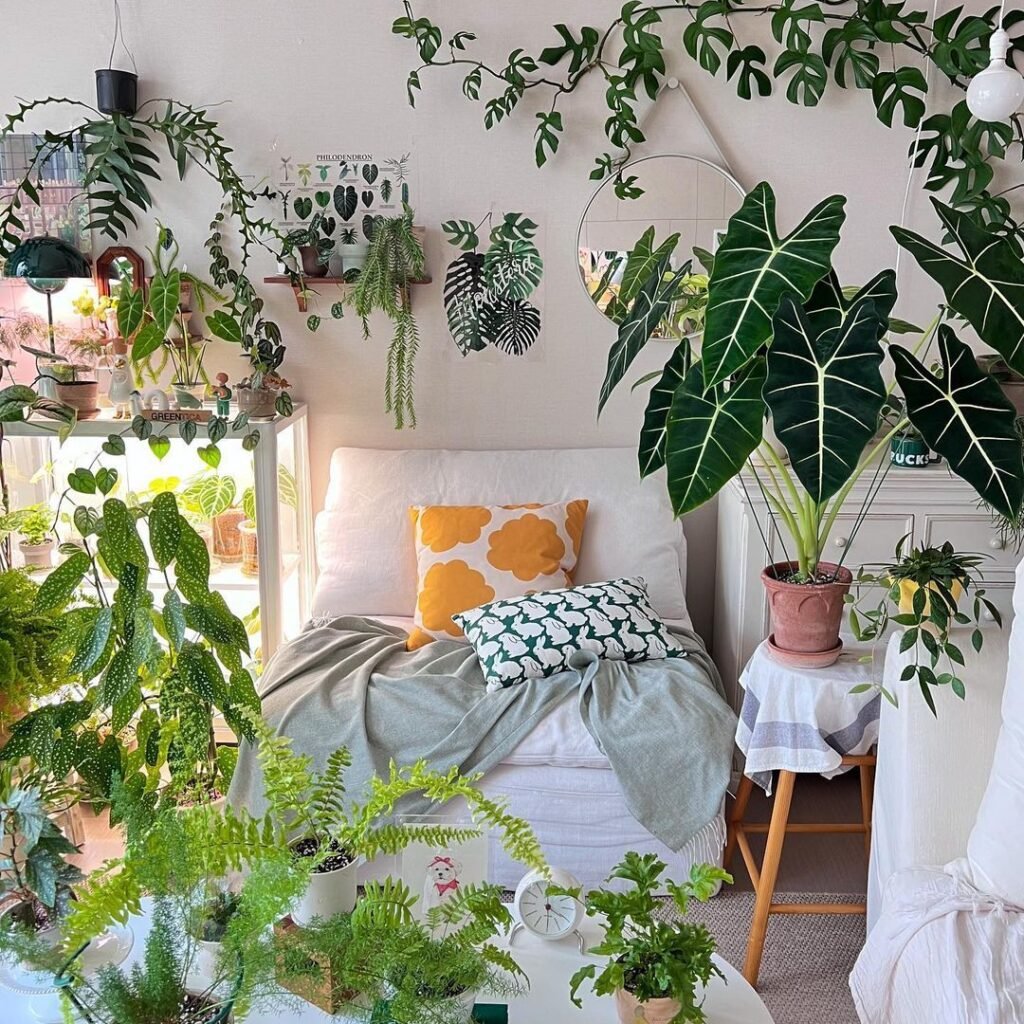
Modern décor is defined by clean lines, simplicity, neutral tones, and open spaces. While this style can feel crisp and sophisticated, it sometimes lacks warmth and personality. That’s where houseplants come in.
Plants add:
- Softness: Their organic forms break up hard architectural lines.
- Color: Greenery injects natural vibrancy without clashing with minimalist palettes.
- Texture: From glossy monstera leaves to fuzzy ferns, they create visual depth.
- Balance: Plants connect modern interiors to nature, grounding the space with life and energy.
The key is subtlety—modern design favors restraint. Instead of turning your living room into a jungle, think of each plant as a curated piece of living art.
2. Choosing the Right Plants for a Modern Aesthetic
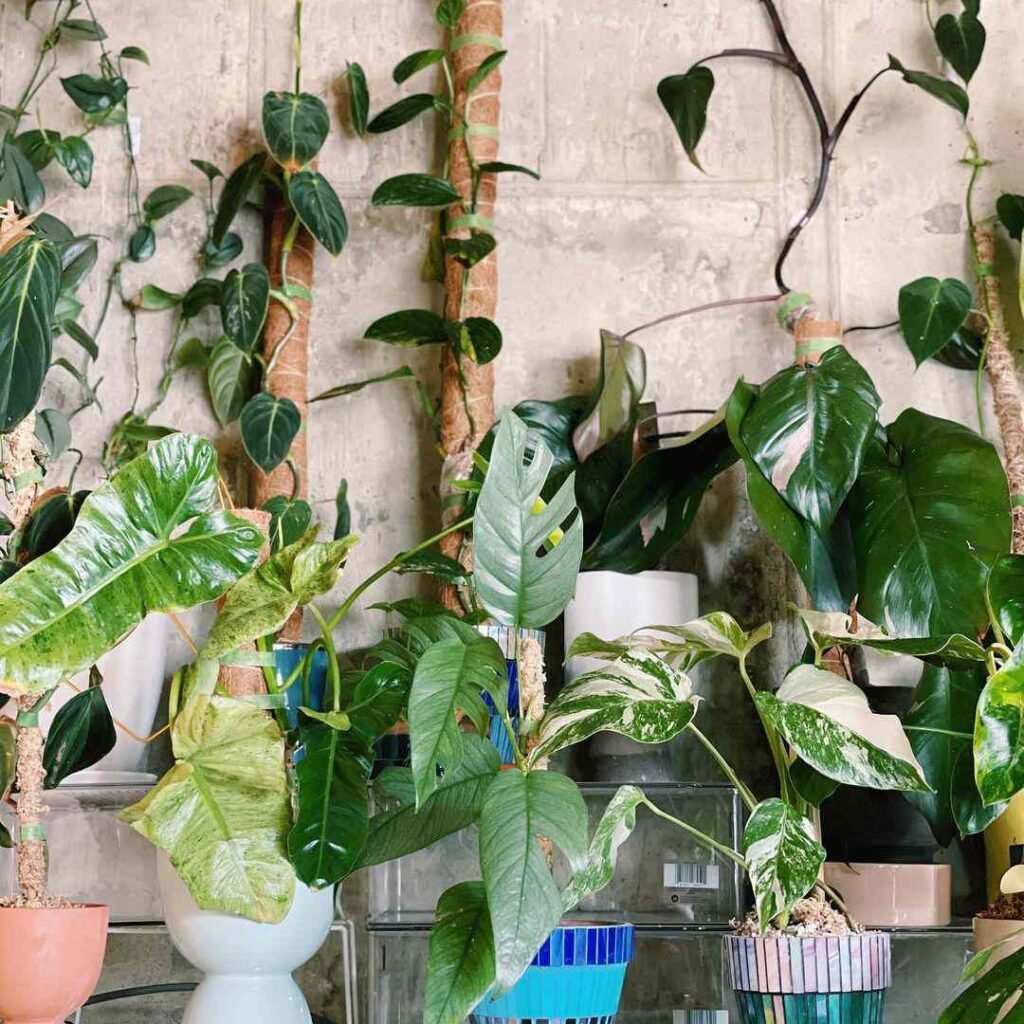
Not all plants suit modern interiors. Some have lush, wild growth patterns that clash with clean modern lines. The best plants for modern décor are those that look structured, sculptural, or minimal.

Top Picks for Modern Spaces:
- Fiddle Leaf Fig (Ficus lyrata):
Large, glossy leaves and an upright form make it an instant modern statement. Perfect for corners or beside furniture. - Snake Plant (Sansevieria):
Its tall, sword-like leaves and architectural shape fit effortlessly into minimalist spaces. - Monstera Deliciosa:
Iconic split leaves bring bold structure while maintaining a clean look. - ZZ Plant (Zamioculcas zamiifolia):
Sleek, shiny leaves add polish with minimal upkeep—ideal for modern apartments. - Bird of Paradise:
Tall and elegant, its tropical flair contrasts beautifully with contemporary furniture. - Rubber Plant (Ficus elastica):
Deep green or burgundy leaves work perfectly in monochrome or neutral interiors. - Succulents and Cacti:
Compact and geometric, they thrive in low-maintenance modern environments.
These plants not only complement clean lines and open layouts but also require little maintenance—aligning perfectly with modern living’s emphasis on simplicity.
3. Selecting the Perfect Pots for a Cohesive Look
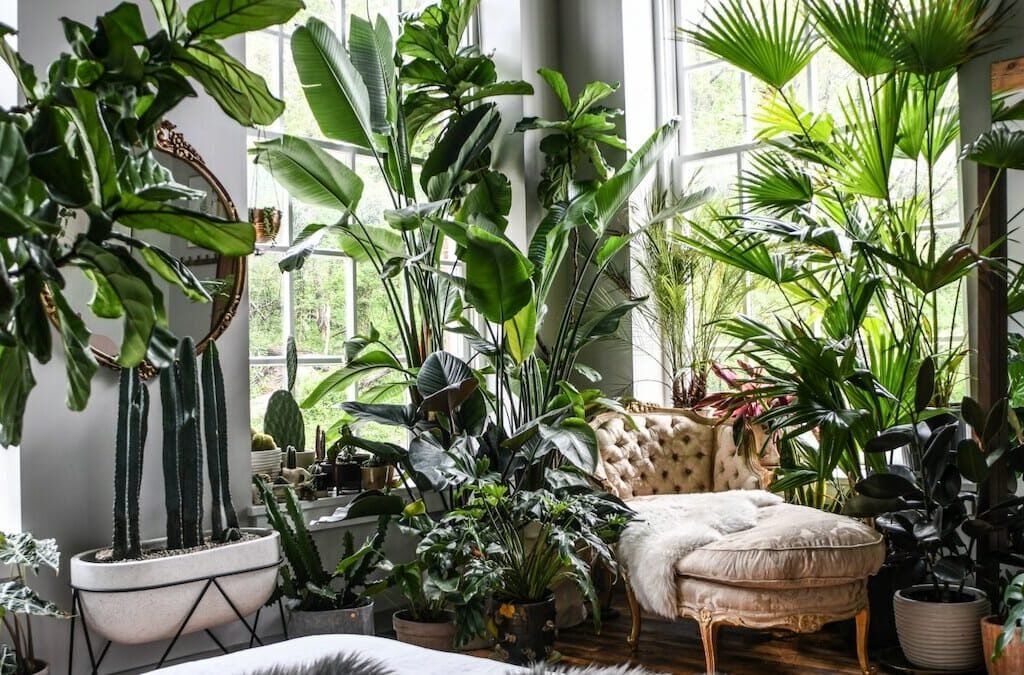
In modern interiors, the pot is as important as the plant. The right pot acts as a design accessory, reinforcing your color palette and style.
Pot Styles That Work Well in Modern Décor:
- Minimal Ceramic Planters:
Smooth, matte finishes in neutral tones like white, gray, or taupe. - Geometric or Cylindrical Pots:
Clean edges and symmetrical shapes emphasize modern simplicity. - Metallic Accents:
Brushed gold, copper, or matte black pots add an elegant, contemporary touch. - Concrete Planters:
Offer an industrial, raw aesthetic that pairs well with modern furniture. - Self-Watering Pots:
Functional and sleek—perfect for low-maintenance, tech-savvy homes.
Design Tip:
Stick to two or three cohesive materials or colors throughout your home for a unified look. For example, matte black and terracotta or white ceramic and light wood tones.
4. Strategic Placement for Maximum Impact
Modern design is all about intention. Every item—including plants—should feel purposefully placed.
Ideas for Seamless Placement:
- Corners and Entryways:
Use tall statement plants like fiddle leaf figs or birds of paradise to fill empty corners without clutter. - Shelves and Consoles:
Add trailing plants like pothos or string of pearls to soften hard lines. - Coffee Tables and Dining Areas:
Small succulents or sculptural plants like aloe vera work as elegant centerpieces. - Window Sills and Ledges:
Line up uniform pots for symmetry—perfect for minimalist interiors. - Bathrooms:
Ferns and orchids love humidity and add freshness to sleek bathroom spaces.
Balance Is Key:
For every large statement plant, balance it with smaller companions or decorative items like vases or books to maintain proportion.
5. Use Light as a Design Element
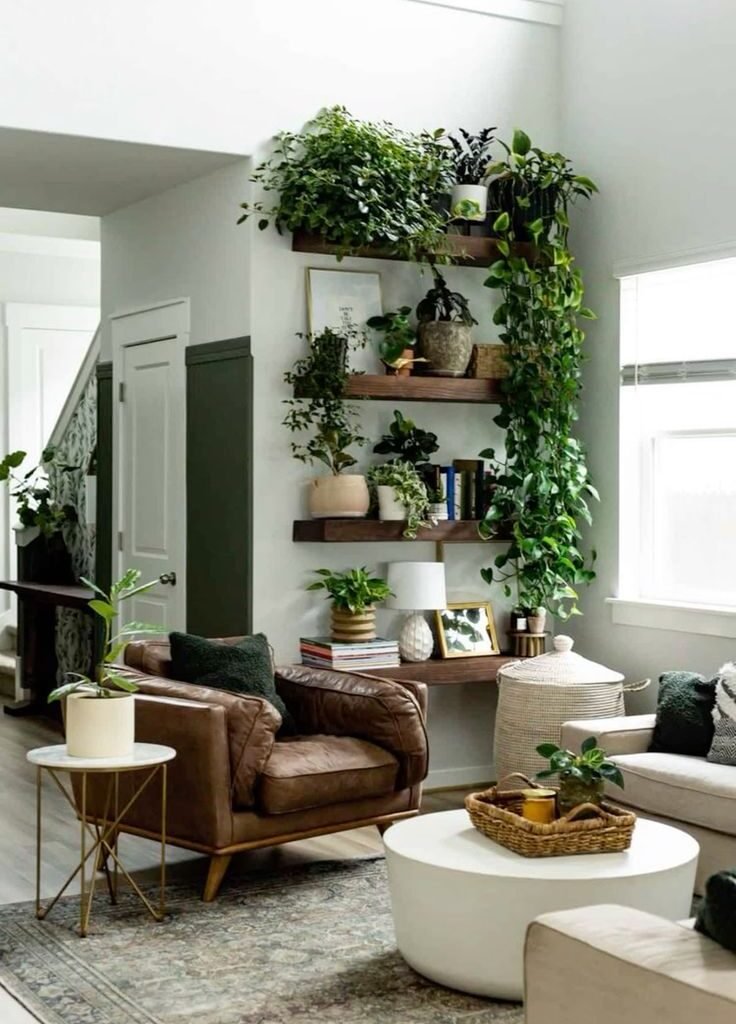
Lighting is critical for both plant health and ambiance in modern décor. Plants naturally draw attention toward light sources—making them ideal tools for highlighting windows and architectural details.

How to Use Light Strategically:
- Natural Light:
Place plants where sunlight enhances their texture—like next to glass walls or large windows. - Accent Lighting:
Use spotlights or LED strips to highlight plant silhouettes at night. - Backlighting:
Position plants against softly lit walls to create depth and drama.
Pro Tip:
Choose plants suited to your lighting conditions. Low-light varieties like ZZ plants, peace lilies, and snake plants thrive even in dim rooms, ensuring your décor stays fresh year-round.
6. Play with Scale and Proportion
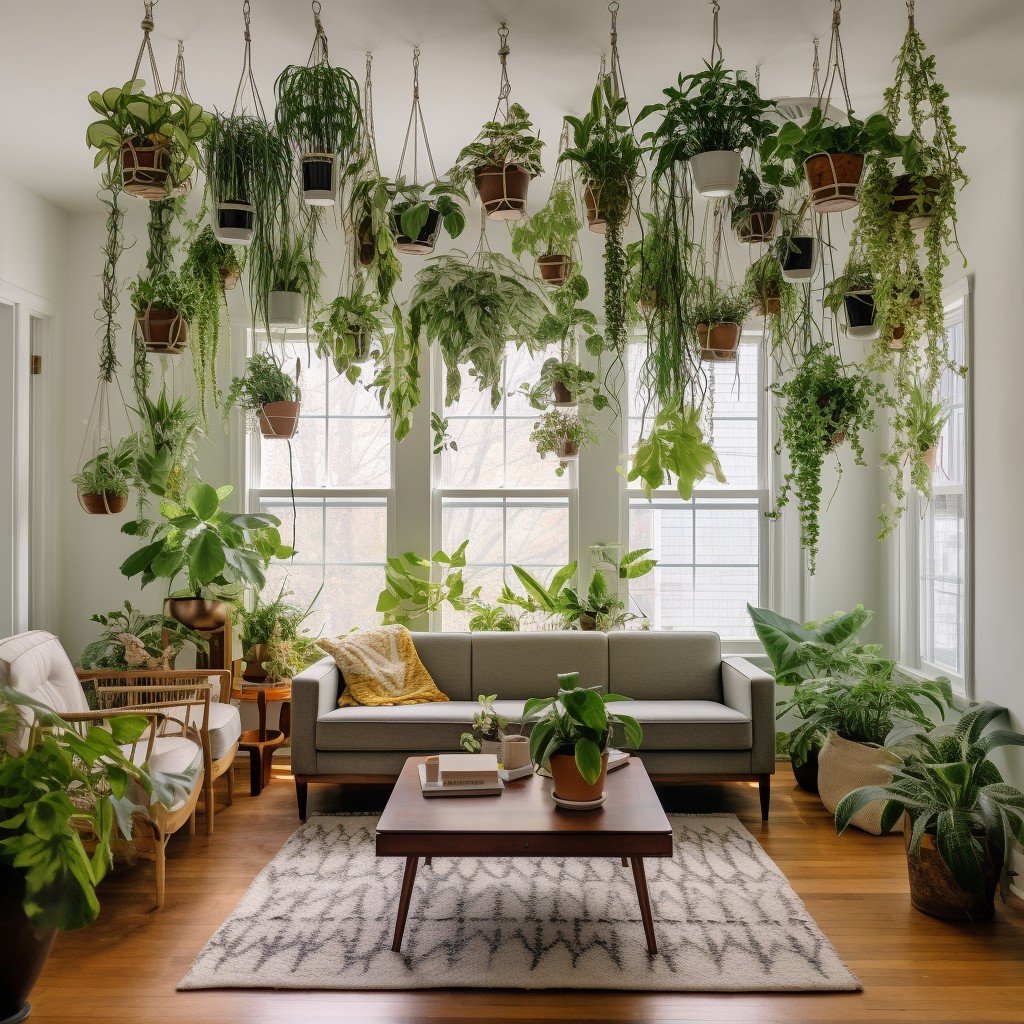
In modern interiors, proportion is everything. To create harmony, mix plants of varying sizes while keeping the overall arrangement balanced.
How to Style by Scale:
- Tall Plants: Use one or two large plants as statement pieces.
- Medium Plants: Group mid-sized plants in clusters of odd numbers for a natural yet intentional look.
- Small Plants: Use these as accents on shelves, desks, or window sills.
Avoid overcrowding. Empty space is essential in modern design—it lets each element breathe and shine individually.
7. Integrate Plants with Furniture and Architecture
Instead of treating plants as separate decorations, make them part of your home’s structure and furniture.
Creative Integration Ideas:
- Plant Shelves: Install floating shelves for small plants to mimic an art gallery display.
- Built-In Planters: Add recessed planters into kitchen islands, countertops, or room dividers.
- Wall Planters: Mount geometric wall planters for a living art installation.
- Under Furniture: Tuck low-growing plants under side tables or benches for subtle green accents.
- Hanging Planters: Use sleek, minimal hangers to save space and create vertical interest.
This integration blurs the line between nature and design, creating a space that feels fresh, intentional, and alive.
8. Keep a Cohesive Color Palette
Modern décor often revolves around neutral tones—white, gray, beige, or black—with occasional accent colors. When adding plants, keep your color choices in harmony.

Color Coordination Tips:
- Green plants pop against white or monochrome backgrounds.
- Deep green or burgundy plants add sophistication to neutral spaces.
- For warm interiors (with wood tones), choose terracotta or olive-green pots for cohesion.
- Cool-toned interiors (gray or blue) look best with black, white, or metallic planters.
If you crave a bolder statement, pick one contrasting hue (like a single gold planter or a dark pot among light tones) to create intentional drama without chaos.
9. Simplify to Amplify: The Power of Minimalism
In modern spaces, less is more. Rather than crowding your home with plants, focus on quality and composition.
Minimalist Plant Styling Tips:
- Stick to a few large plants rather than many small ones.
- Limit your display to one or two plant species per room for a curated feel.
- Use symmetry in arrangement—two identical pots on either side of a couch or TV stand create visual harmony.
- Let negative space (the empty areas) work as part of your design—it helps your plants stand out.
Minimalism doesn’t mean bare—it means intentional. Each plant should have a clear purpose and aesthetic role in your design story.
10. Add Texture and Layers Without Clutter
Modern design embraces texture subtly—think polished surfaces, soft fabrics, and layered materials. Plants are an excellent way to introduce organic texture naturally.
Ideas for Textural Balance:
- Combine broad-leaved plants (monstera) with fine-leaved ones (ferns or asparagus).
- Mix pot textures: matte ceramics, woven baskets, or stone planters.
- Place plants near materials like wood, glass, or metal to enhance contrast.
Layering different textures creates depth and sophistication—without sacrificing the clean modern aesthetic.
11. Maintain Clean Lines and Order
One of the hallmarks of modern design is its sense of order and structure. To keep your plant displays from looking messy:
- Regularly prune and remove dead leaves.
- Dust leaves to maintain their shine.
- Group plants symmetrically or linearly instead of scattered placement.
- Use matching pots or trays to create unity.
Clean, well-maintained greenery feels intentional and effortlessly elegant—hallmarks of true modern design.
12. Final Touches for a Designer-Level Finish
For a polished, professional look, incorporate small but impactful finishing details:
- Match décor accents: Coordinate pot colors with furniture finishes or art frames.
- Use plant stands: Elevate plants at varying heights to create layers.
- Add lighting accents: Warm-toned lights make greenery glow beautifully at night.
- Mirror reflections: Place plants near mirrors to amplify space and light.
- Consistency across rooms: Use recurring plant types or pot materials to create flow throughout the home.
Conclusion: A Modern Symphony of Green and Design
Blending houseplants with modern décor isn’t about following rigid rules—it’s about creating balance between nature and architecture. When done right, your plants will feel like a natural extension of your furniture, art, and lighting.
By focusing on shape, color, texture, and placement, you can transform your home into a space that feels both stylish and alive. The minimalist principles of modern design and the organic essence of greenery work together in perfect harmony, creating interiors that are fresh, calming, and timeless.

Leave A Comment