
Creating a home that feels fresh, healthy, and inviting often starts with something simple yet transformative—indoor plants. Beyond their beauty, many houseplants are natural air purifiers that remove toxins and release oxygen, helping you breathe cleaner air every day. With pollution levels rising and indoor air often being more polluted than outdoor air, selecting the right plants can make a world of difference. This guide will help you understand how to choose indoor plants that improve air quality, where to place them, and how to care for them to maximize their benefits.
Why Air-Purifying Plants Matter
Indoor air pollution comes from everyday sources—cleaning products, furniture finishes, paint, synthetic fabrics, and even cooking. These release volatile organic compounds (VOCs) like formaldehyde, benzene, and trichloroethylene into the air. Prolonged exposure can lead to allergies, fatigue, headaches, or respiratory issues.
NASA’s famous Clean Air Study found that certain houseplants naturally absorb these harmful chemicals through their leaves and roots while also increasing humidity and oxygen levels. The result? A cleaner, fresher, and more balanced indoor atmosphere.
What Makes a Plant a Good Air Purifier
When choosing plants that clean the air, look for the following qualities:

- Large Leaf Surface Area:
Plants with broad leaves can absorb more airborne particles and toxins. - Fast Growth Rate:
Vigorous growers actively process air and moisture, enhancing purification. - Resilient and Low-Maintenance Nature:
Healthy plants filter air better, so low-maintenance options are ideal for long-term care. - Ability to Thrive Indoors:
Choose plants that adapt to your lighting, humidity, and temperature levels.
Best Indoor Plants for Air Quality
Here are some of the most effective air-purifying plants, backed by science and loved by design enthusiasts.
1. Snake Plant (Sansevieria trifasciata)
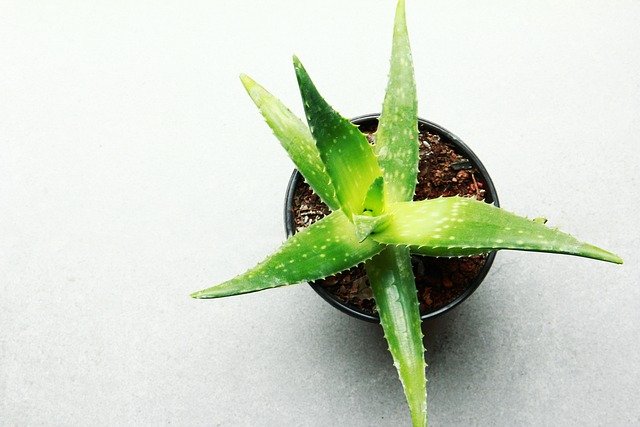
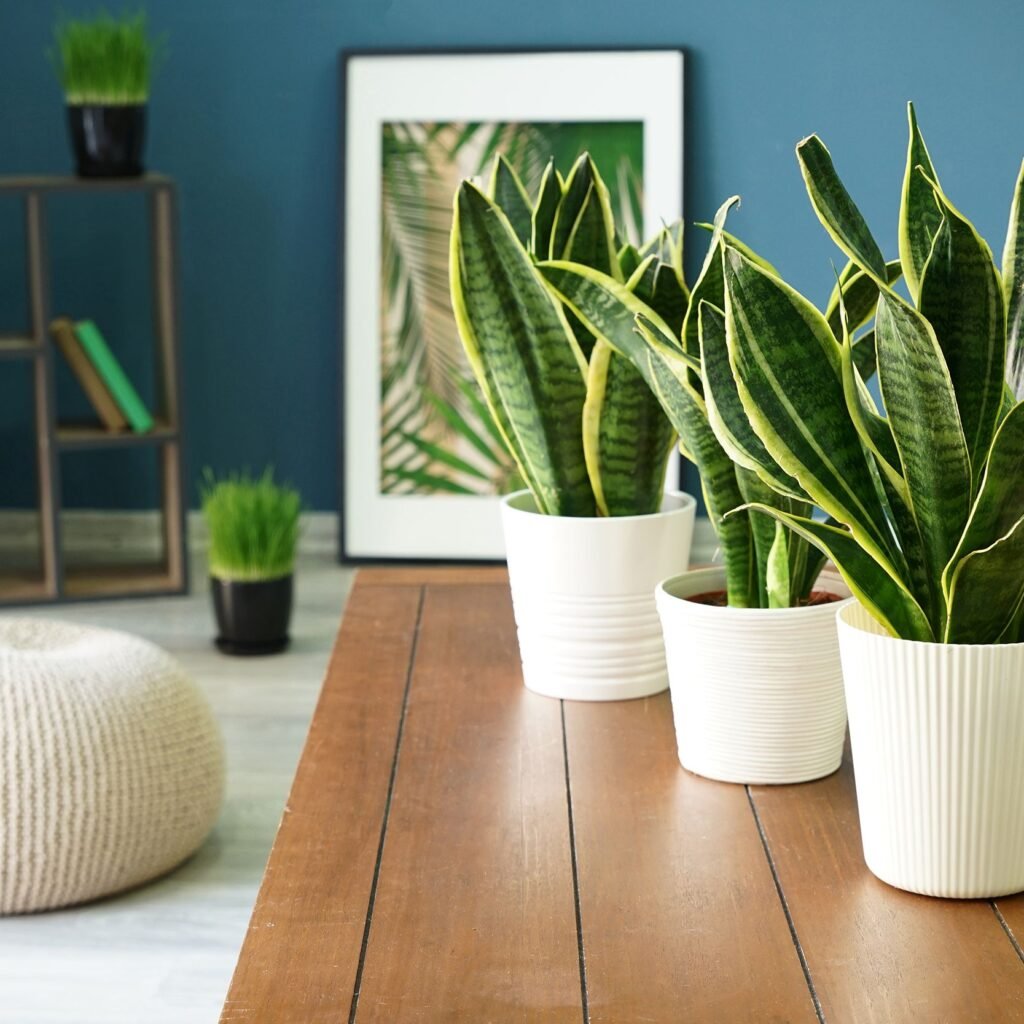
Known as the Mother-in-Law’s Tongue, this resilient beauty filters formaldehyde, xylene, and toluene while converting CO₂ to oxygen even at night—something most plants don’t do.
- Light: Low to bright indirect light
- Water: Every 2–3 weeks (let soil dry out)
- Why It’s Great: Perfect for bedrooms and offices due to its nighttime oxygen production.
2. Peace Lily (Spathiphyllum)
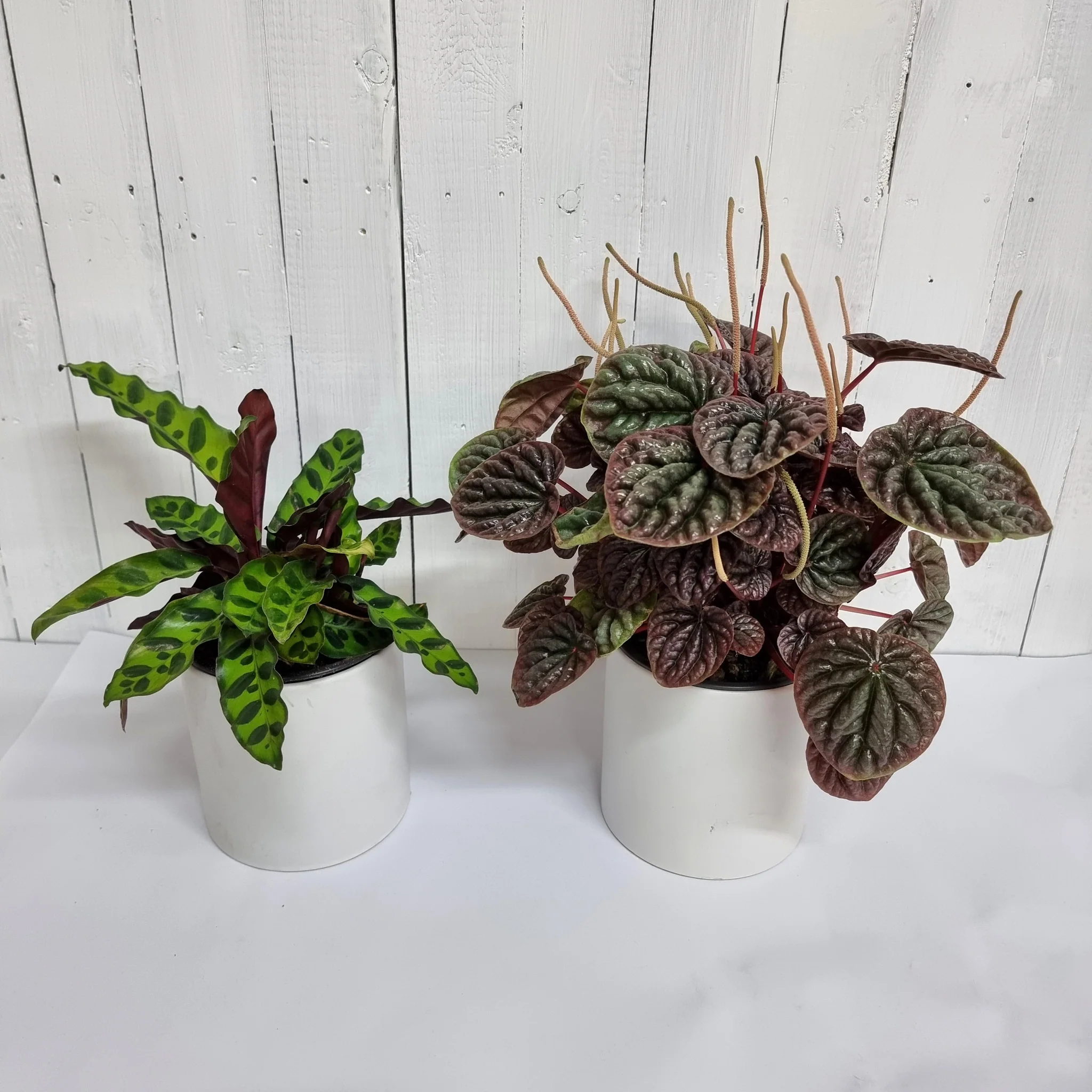
The elegant peace lily is a top choice for removing benzene, ammonia, and formaldehyde. Its lush green leaves and white blooms add both freshness and sophistication to any space.
- Light: Medium, indirect light
- Water: Once a week; keep soil moist but not soggy
- Why It’s Great: Also increases humidity, making it ideal for dry rooms.
3. Spider Plant (Chlorophytum comosum)
One of the easiest plants to grow, spider plants absorb carbon monoxide and formaldehyde while being non-toxic to pets.

- Light: Bright, indirect light
- Water: Once a week; allow to dry between waterings
- Why It’s Great: Propagates easily and thrives in hanging baskets.
4. Boston Fern (Nephrolepis exaltata)
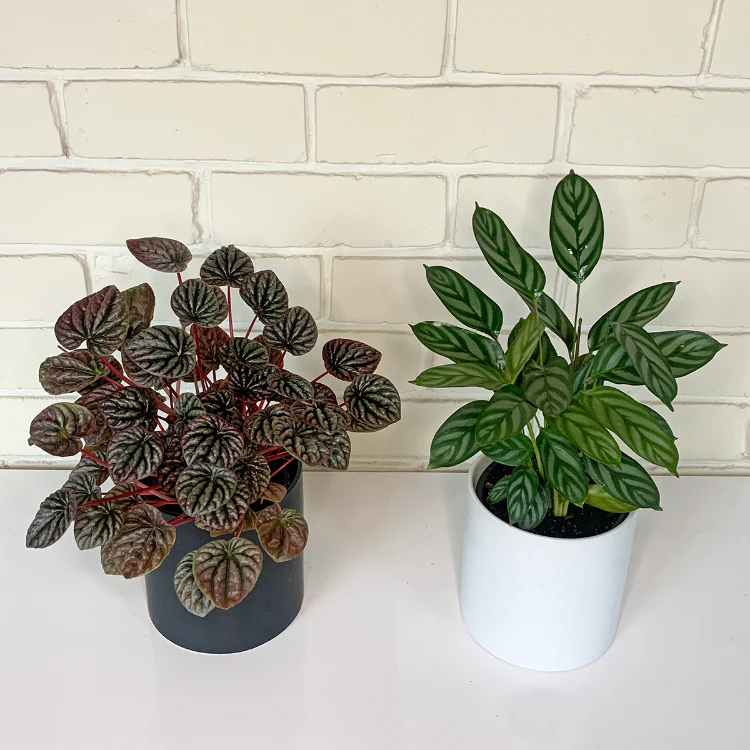
A humidity-loving fern that’s excellent for removing formaldehyde and xylene from the air.
- Light: Indirect or filtered light
- Water: Keep soil consistently moist; mist frequently
- Why It’s Great: Perfect for bathrooms or kitchens where humidity is higher.
5. Aloe Vera
Famous for its healing gel, aloe vera also absorbs benzene and formaldehyde from chemical-based cleaners and paints.
- Light: Bright, indirect light or sunlight
- Water: Every 2–3 weeks; let soil dry completely
- Why It’s Great: Offers both air-cleaning and skin-soothing benefits.
6. Rubber Plant (Ficus elastica)
With its broad, glossy leaves, the rubber plant is a powerhouse for absorbing formaldehyde and carbon dioxide.
- Light: Bright, indirect light
- Water: Weekly; reduce in winter
- Why It’s Great: Its large leaves maximize air filtration while adding a bold, modern look.
7. Areca Palm (Dypsis lutescens)
Nicknamed the “butterfly palm,” this tropical stunner filters toluene and xylene while humidifying the air naturally.

- Light: Bright, indirect sunlight
- Water: Twice a week; loves moisture
- Why It’s Great: A dramatic plant that purifies and cools large spaces.
8. Pothos (Epipremnum aureum)
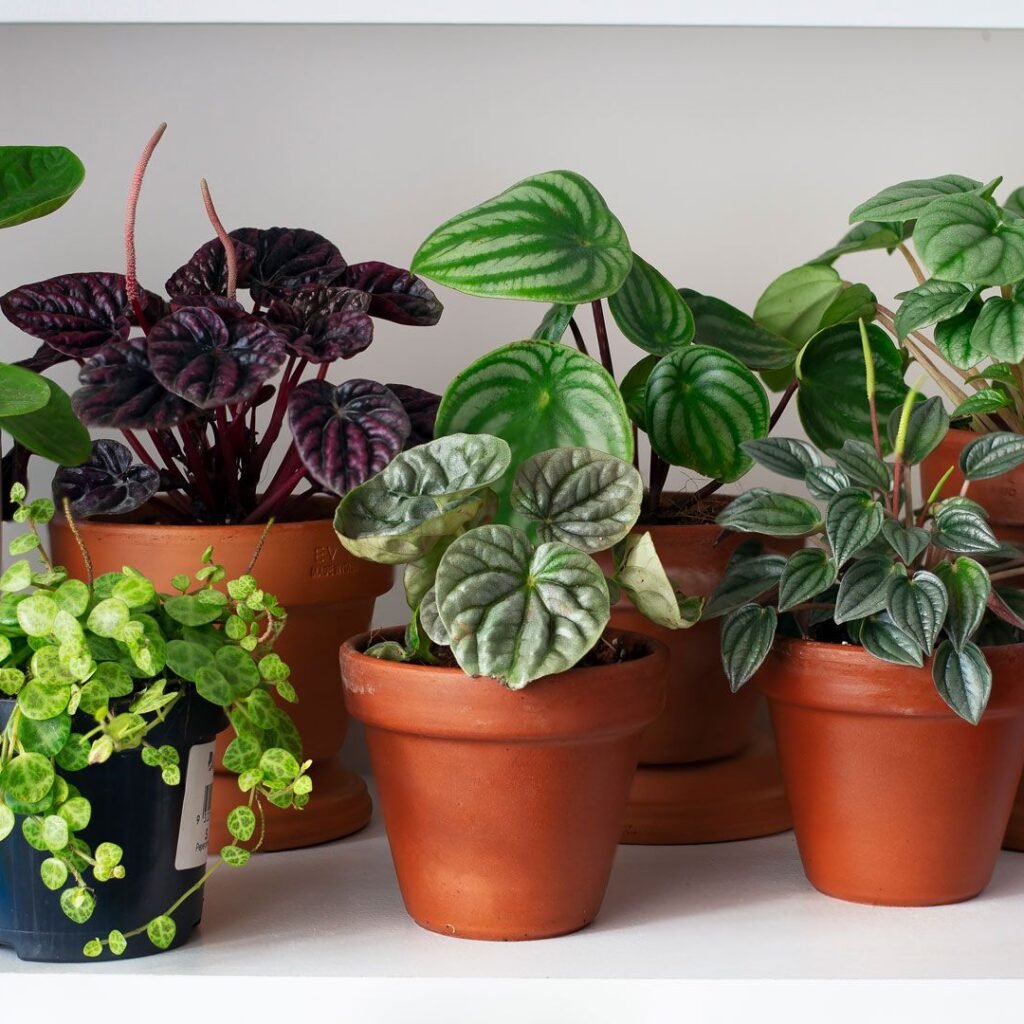
A hardy, fast-growing vine that cleans benzene, formaldehyde, and xylene, pothos is perfect for hanging baskets or trailing off shelves.
- Light: Low to medium light
- Water: Every 1–2 weeks
- Why It’s Great: Adapts easily to neglect and grows quickly, ideal for beginners.
How to Arrange Air-Purifying Plants for Maximum Effect
- Place Plants Strategically:
Distribute plants throughout your home, especially in areas with poor ventilation like bedrooms, bathrooms, and kitchens. - Mix Plant Heights and Textures:
Combine tall floor plants like areca palms with tabletop options like snake plants and hanging pothos for a layered, natural look. - Group Plants Together:
Clustering plants increases local humidity and enhances their collective air-cleaning power. - Add Planters That Complement Décor:
Use ceramic, woven, or minimalist planters that match your room’s color palette to create a cohesive aesthetic.
Care Tips to Keep Air-Purifying Plants Healthy
Healthy plants = effective purifiers. Here’s how to maintain them:
- Avoid Overwatering: Too much water leads to root rot, reducing a plant’s ability to filter air.
- Dust the Leaves: Wipe leaves with a damp cloth to keep pores clear for efficient gas exchange.
- Rotate Regularly: Turn plants every few weeks to ensure even growth and light exposure.
- Repot Annually: Fresh soil ensures strong root systems and nutrient absorption.
- Prune Dead Leaves: Regular pruning keeps the plant looking neat and performing well.
Designing a Healthier Home with Greenery
To make the most of your air-purifying plants, integrate them into your home design thoughtfully:
- Living Room: Use large statement plants like rubber plants or palms to create focal points.
- Bedroom: Add snake plants or peace lilies for cleaner air as you sleep.
- Bathroom: Use humidity-lovers like ferns or pothos to thrive in steamy environments.
- Office or Study: Incorporate low-maintenance plants like aloe vera or spider plants for focus and freshness.
Final Thoughts
Choosing indoor plants that improve air quality isn’t just about décor—it’s a lifestyle upgrade that enhances your well-being, mood, and productivity. Whether you live in a small apartment or a spacious home, the right combination of greenery can turn your environment into a natural air purifier and peaceful retreat.


Leave A Comment