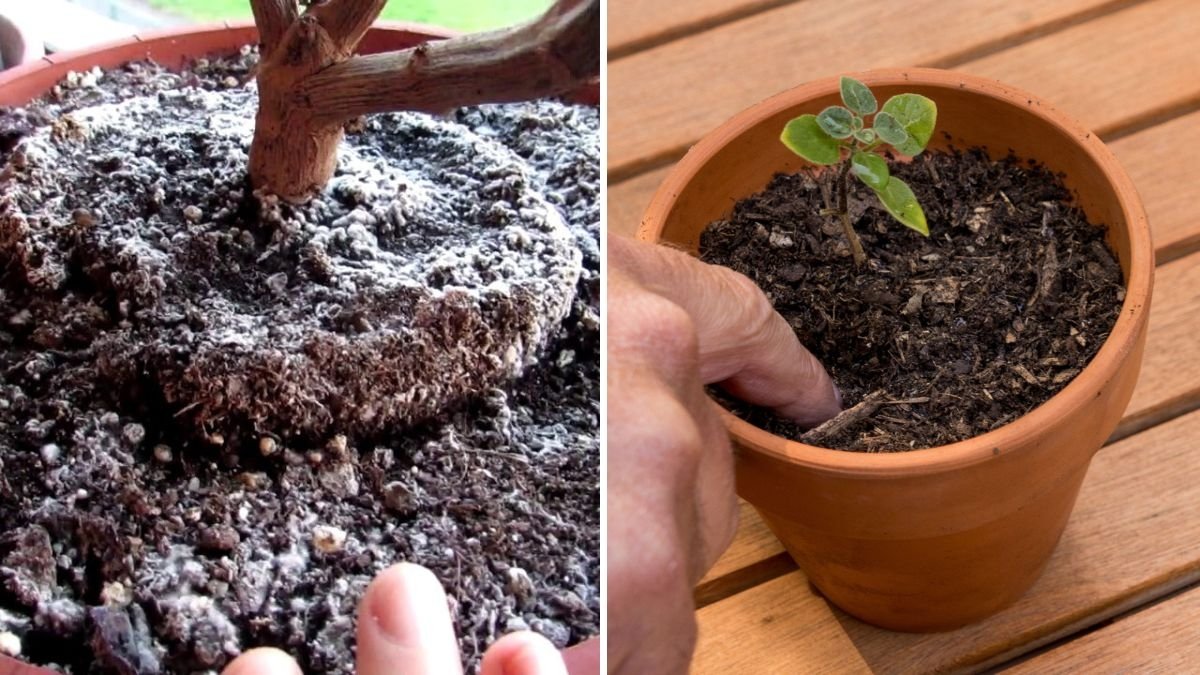
Indoor plants bring life, beauty, and freshness to homes, offices, and classrooms. However, one common challenge plant enthusiasts face is mold growth in the soil. Mold not only affects the aesthetics of your plant setup but can also harm plant roots, stunt growth, and even pose health risks to humans and pets.
Understanding why mold appears, the conditions that favor its growth, and preventive strategies is essential for maintaining healthy, thriving indoor plants. This article explores practical techniques and care practices to prevent mold in indoor plant soil while promoting overall plant health.
1. Understanding Mold Growth in Indoor Plant Soil
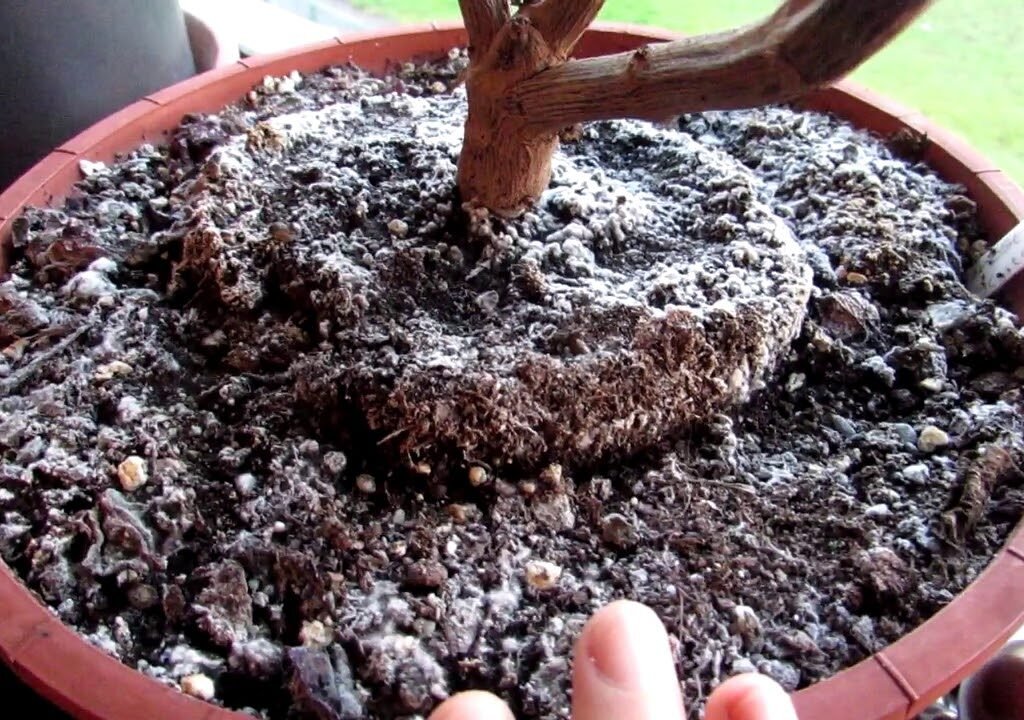
Mold is a type of fungus that thrives in moist, warm, and poorly ventilated environments. While mold on soil is usually white, gray, green, or black, it can also appear as fuzzy or powdery patches on the soil surface.
Mold growth is often caused by overwatering, poor drainage, stagnant air, and organic matter accumulation. It can sometimes be harmless, but persistent mold can:
- Compete with plant roots for nutrients.
- Block air exchange in the soil.
- Cause root rot and stunted plant growth.
- Trigger allergies or respiratory issues in sensitive individuals.
Preventing mold is crucial not only for plant health but also for maintaining a safe indoor environment.
2. Common Causes of Mold in Indoor Plant Soil
To prevent mold effectively, it is essential to identify its causes:
a. Overwatering
Excessive water creates a damp environment that fosters fungal growth. Soil that remains constantly wet is highly prone to mold formation.
b. Poor Drainage
Pots without drainage holes or compacted soil prevent water from escaping, leading to soggy conditions.
c. Lack of Air Circulation
Stagnant air around plants encourages mold spores to settle and germinate on the soil surface.
d. Organic Matter Accumulation
Dead leaves, plant debris, and decaying roots in soil provide a nutrient-rich substrate for mold.
e. High Humidity
While many indoor plants thrive in humidity, excessive moisture combined with poor ventilation can create ideal mold-growing conditions.
3. Choosing the Right Soil to Prevent Mold
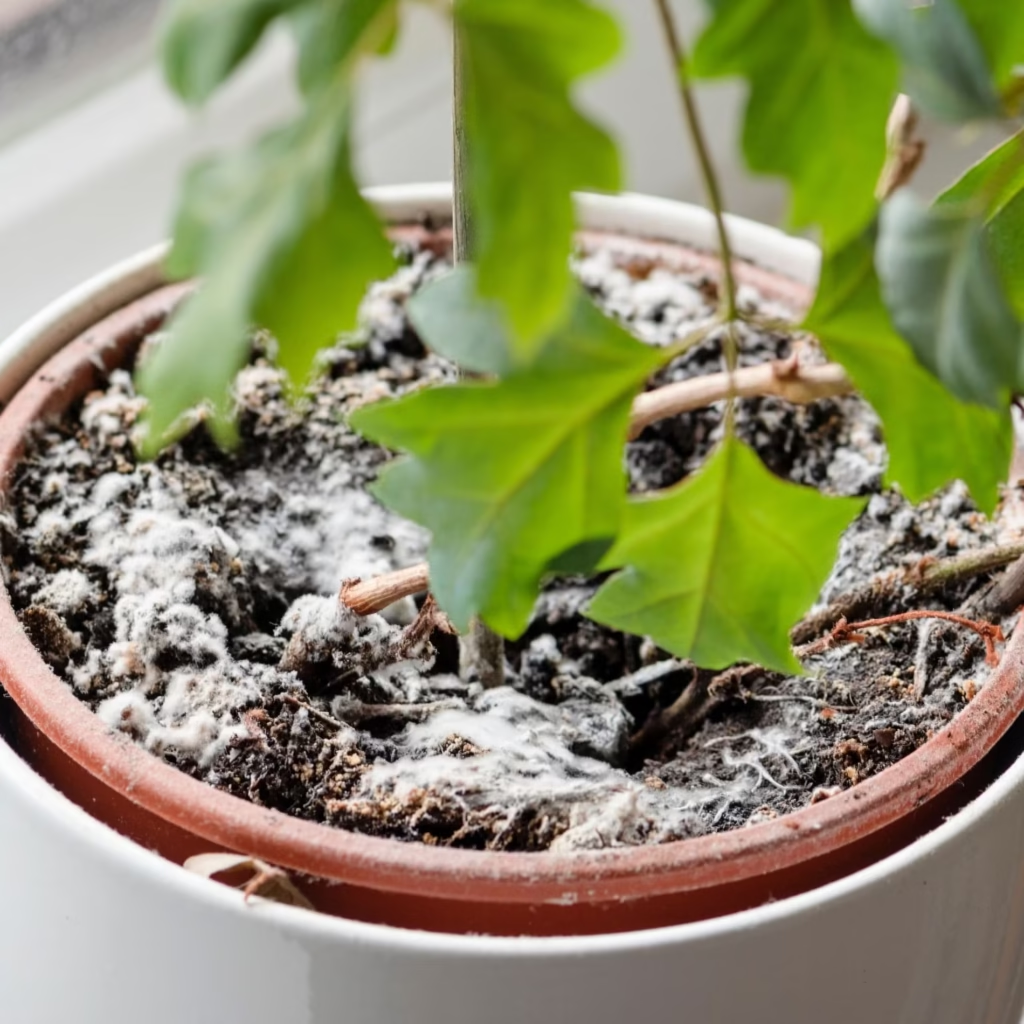
The type and quality of soil play a key role in preventing fungal growth. Consider these guidelines:
a. Well-Draining Soil
Use a mix that allows water to pass through quickly while retaining enough moisture for plants. For example:
- Succulents: cactus mix or sandy soil.
- Tropical plants: potting soil with perlite or vermiculite.
b. Sterilized or Fresh Soil
Using fresh or sterilized soil reduces the presence of dormant mold spores that can become active in favorable conditions.
c. Avoid Heavy Organic Layers
Soils with excessive organic matter, like compost-heavy mixes, can retain too much moisture and provide a substrate for mold.
By starting with the right soil, you minimize the risk of mold before it even appears.
4. Proper Watering Techniques
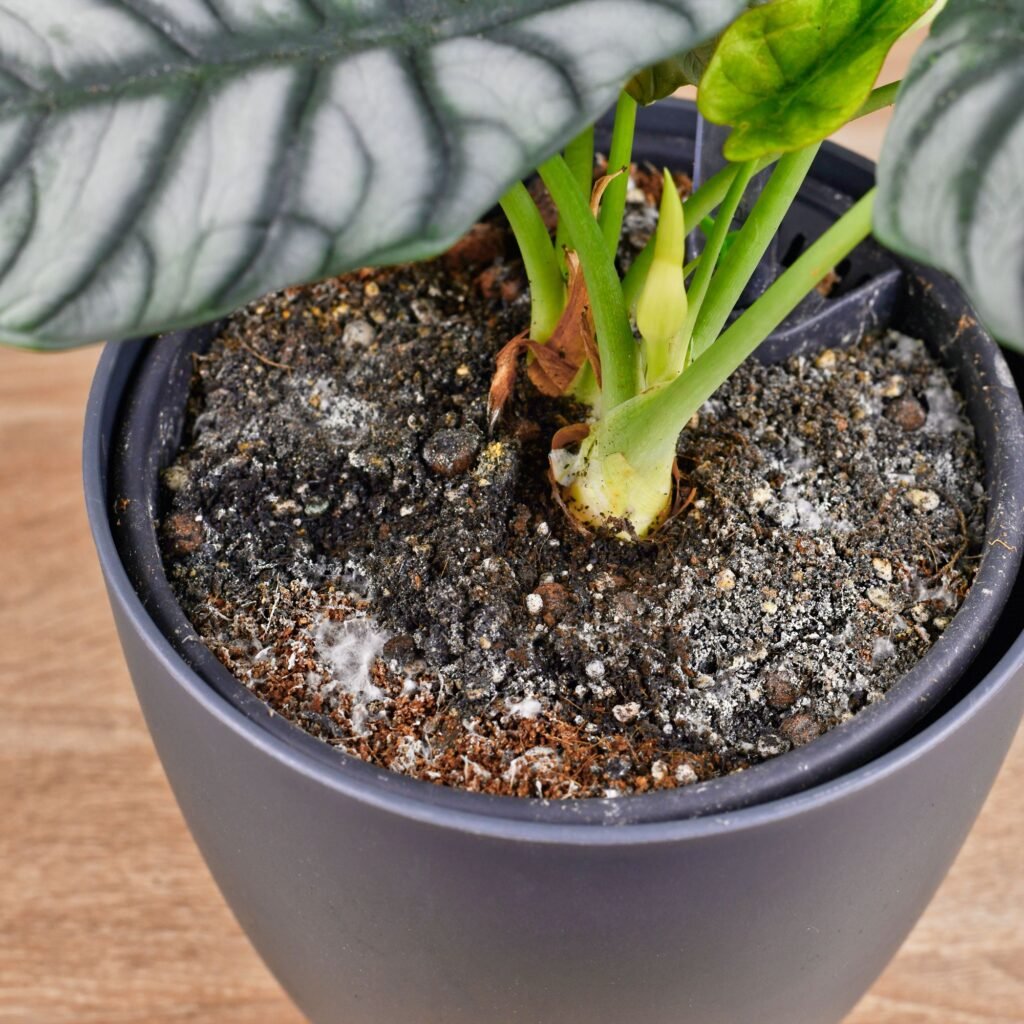
Water management is the most critical factor in preventing mold growth. Here’s how to do it effectively:
a. Water According to Plant Needs
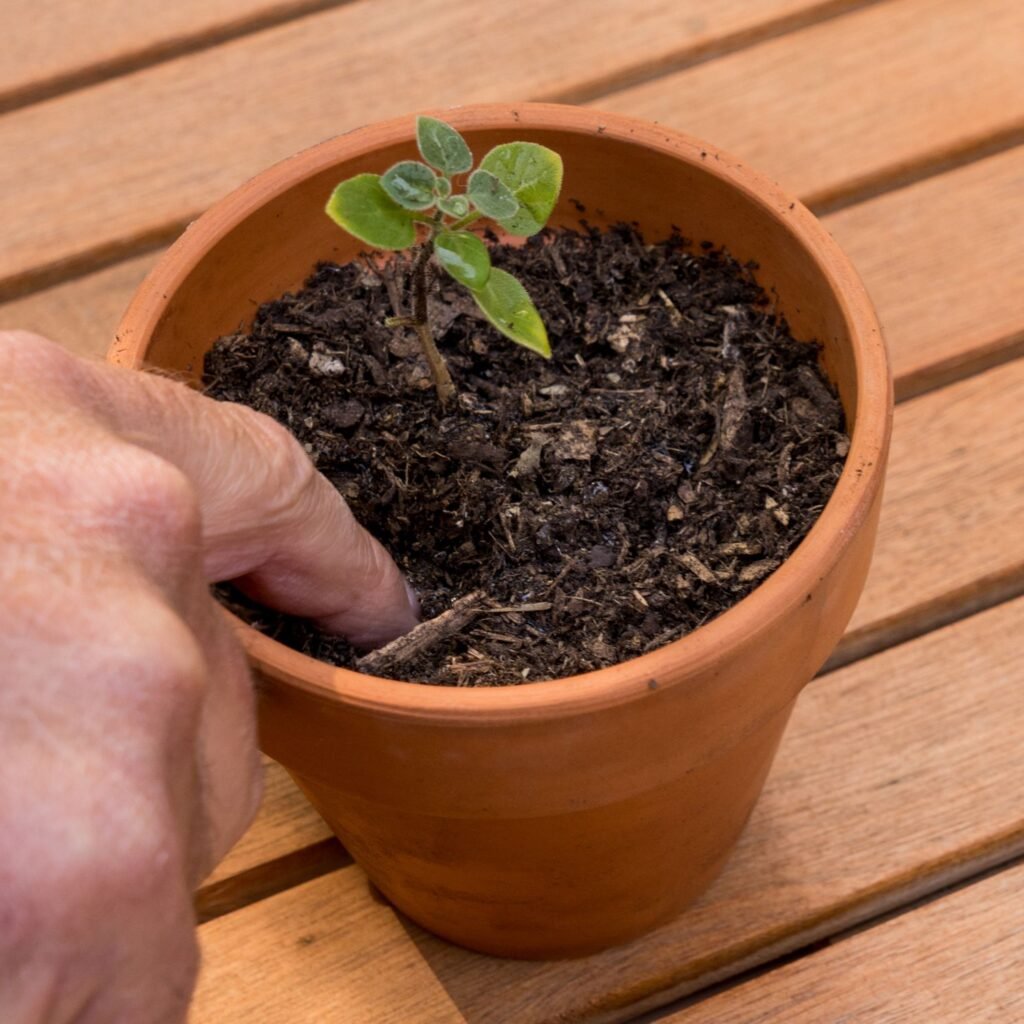
- Check soil moisture by inserting your finger about an inch deep. Only water when it feels dry.
- Water thoroughly but allow excess water to drain out completely.
b. Avoid Topsoil Saturation
Watering lightly over the surface without penetrating deep soil layers can create damp patches ideal for mold growth.
c. Schedule Regular Checks
Adjust watering frequency based on seasons, plant type, and indoor conditions. Heated rooms may dry soil faster, while humid environments retain moisture longer.
d. Use Room-Temperature Water
Cold water can shock roots, slowing absorption and leaving moisture sitting in the soil. Lukewarm water encourages proper uptake and reduces stagnant moisture.
5. Improve Drainage and Pot Selection
The right container is vital for healthy soil:
a. Use Pots With Drainage Holes
Ensure all pots have holes at the bottom for excess water to escape. Standing water at the pot base is a primary mold risk factor.
b. Use Saucer Wisely
If using a saucer, empty collected water regularly to prevent stagnant moisture.
c. Elevate Pots
Use plant stands or small pebbles to lift pots, allowing air circulation beneath the container and preventing water buildup.
6. Promote Air Circulation
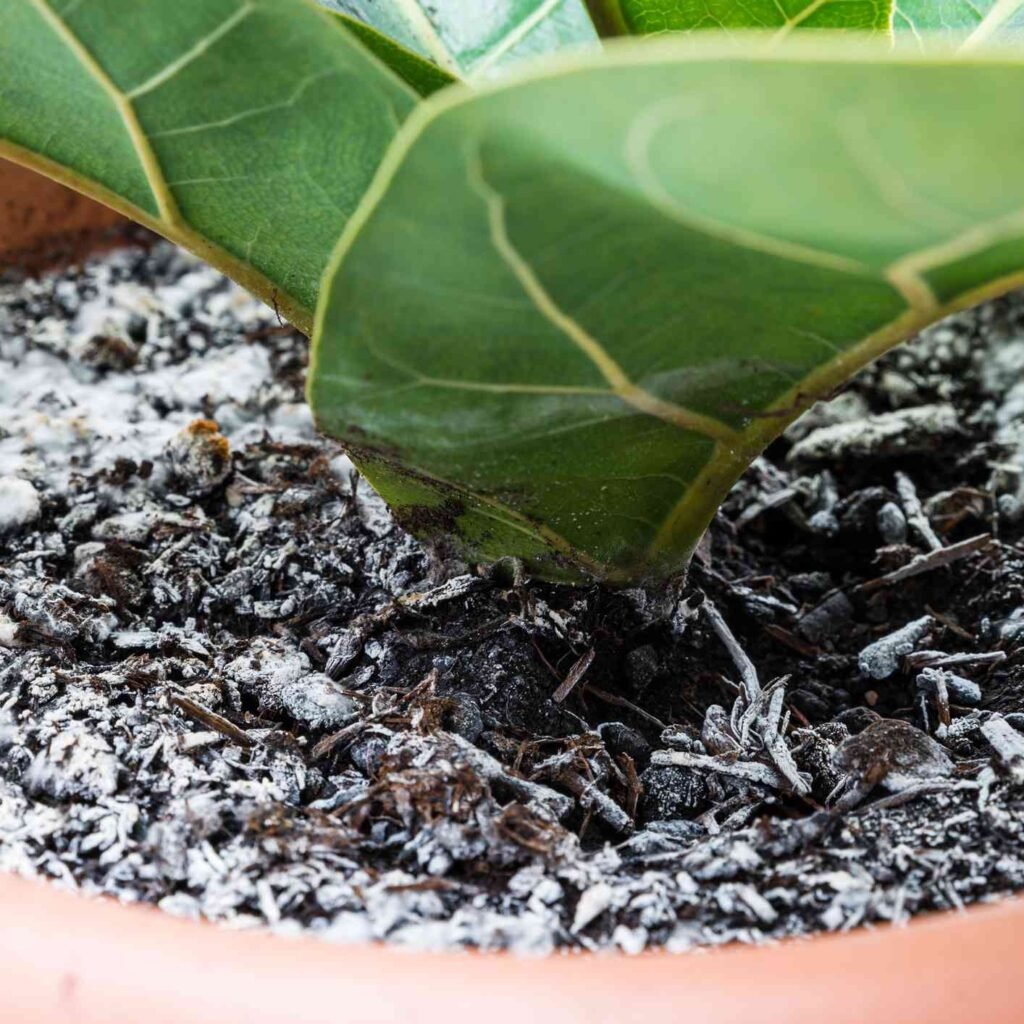
Stagnant air contributes to mold growth. To enhance airflow around indoor plants:
- Use fans sparingly on low settings to improve room ventilation.
- Space plants apart to allow air movement between pots. Crowding traps moisture and increases fungal risk.
- Open windows occasionally to bring in fresh air.
- Avoid placing plants in enclosed corners with poor ventilation.
7. Maintain Cleanliness Around Plants
Good hygiene reduces mold spores:
- Remove dead leaves and debris from soil surface regularly.
- Clean pot edges and trays to prevent mold buildup.
- Sterilize tools like scissors and trowels before use.
- Inspect plants weekly for early signs of mold or fungal growth.
A clean environment reduces organic matter and makes the soil less hospitable to fungi.

8. Natural Remedies to Prevent and Treat Mold
If mold appears or you want to prevent it proactively, natural solutions can be very effective:
a. Cinnamon
Cinnamon is a natural antifungal agent. Sprinkle a thin layer on soil surfaces to inhibit mold spores.
b. Neem Oil
Dilute neem oil in water and lightly spray soil and foliage. It suppresses fungal growth and prevents recurrence.
c. Activated Charcoal
Mix a small amount into potting soil to improve drainage and reduce moisture retention.
d. Hydrogen Peroxide
A mild solution (1 part hydrogen peroxide to 4 parts water) can be applied to mold-affected soil. It kills mold while oxygenating the soil.
e. Baking Soda
A light dusting of baking soda on the soil surface may help prevent mold formation in high-humidity conditions.
9. Preventive Measures for Long-Term Mold Control
Long-term prevention requires combining multiple strategies:
- Monitor humidity: Keep indoor humidity around 40–50% for most houseplants. Use humidifiers or dehumidifiers as needed.
- Choose mold-resistant plants: Some plants, like succulents, snake plants, and ZZ plants, naturally resist mold due to thick, water-storing leaves.
- Rotate soil top layer: Occasionally remove the top 1–2 cm of soil and replace with fresh mix to reduce mold spores.
- Avoid over-fertilization: Excess nutrients can encourage fungal growth. Use moderate, balanced fertilizer.
- Limit indoor moisture sources: Avoid placing plants near humidifiers, leaking pipes, or areas prone to condensation.
10. Recognizing Mold Before It Becomes a Problem
Early detection is key. Common signs of mold in soil include:
- White, gray, or black fuzzy patches.
- Musty or earthy odor from the soil surface.
- Yellowing leaves or slowed plant growth.
Act promptly by adjusting watering, improving airflow, or applying natural antifungal treatments to prevent widespread contamination.
11. Psychological and Environmental Benefits of Mold-Free Plants
Maintaining healthy, mold-free plants enhances both environmental and psychological well-being:
- Plants with healthy soil grow stronger and more vibrant, contributing to indoor aesthetics.
- Mold-free plants reduce the risk of allergic reactions and respiratory issues.
- Clean, thriving plants improve mood, reduce stress, and create a positive indoor atmosphere.
Thus, mold prevention is not only about plant care but also about maintaining a healthy living environment.
Conclusion
Mold growth in indoor plant soil is a common issue, but it is preventable with knowledge and proactive care. By choosing the right soil, managing watering practices, improving drainage and airflow, maintaining cleanliness, and using natural remedies, plant owners can keep their indoor gardens healthy, vibrant, and mold-free.
Regular observation and preventive measures ensure that indoor plants not only survive but thrive, enriching indoor spaces with beauty, oxygen, and psychological benefits. With these strategies, mold becomes a minor concern, and your indoor plants continue to flourish year-round.

Leave A Comment