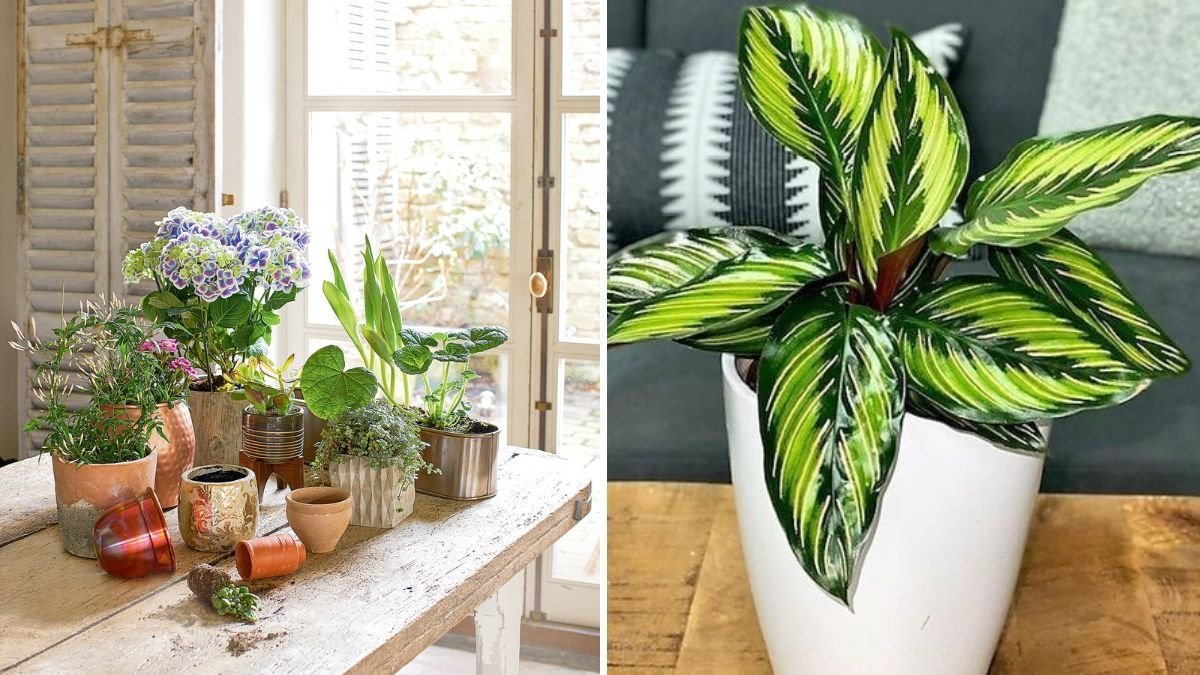
Winter can be a challenging season for indoor plants. Shorter days, lower light levels, dry indoor air, and cooler temperatures can all take a toll on your leafy companions. However, with the right care and adjustments, you can help your plants stay lush, green, and vibrant all winter long. This detailed guide will walk you through everything you need to know about keeping your indoor plants looking fresh and thriving during the colder months.
1. Understand the Winter Challenges for Indoor Plants
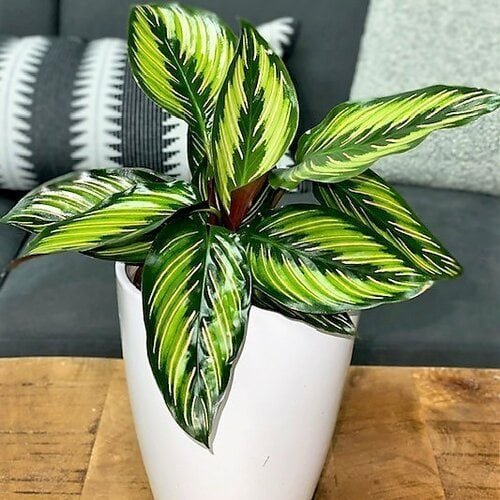
Before you can properly care for your plants in winter, it’s important to understand what they’re up against. During this season, the natural environment inside your home changes significantly.
- Reduced Sunlight: The days are shorter and the sunlight is weaker, meaning your plants receive far less light than they do in spring or summer.
- Dry Indoor Air: Heaters and radiators dry out the air, causing humidity levels to drop, which can make plants’ leaves curl, brown, or drop.
- Cooler Temperatures: Cold drafts near windows or doors can stress tropical plants, while consistent temperature fluctuations can slow their growth.
- Less Growth: Most indoor plants enter a semi-dormant phase in winter, meaning they grow more slowly and require less water and fertilizer.
Once you understand these seasonal stressors, you can adapt your care routine accordingly.
2. Adjust Lighting for the Season
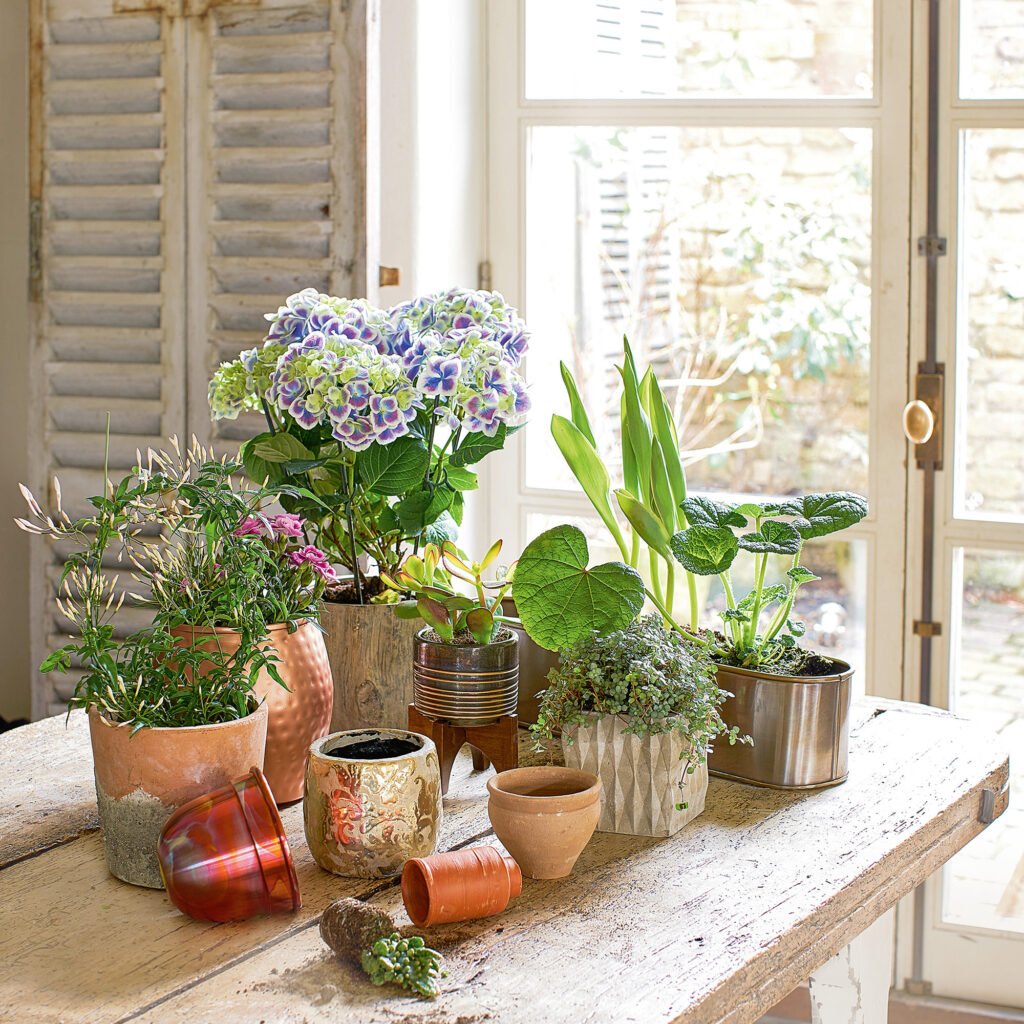
Since sunlight is limited in winter, ensuring your plants get enough light becomes one of the most important steps in keeping them fresh.

- Move Plants Closer to Windows: Place your plants near south- or west-facing windows where they can receive the most sunlight during the day. Be careful, though—avoid placing them too close to cold glass.
- Clean the Windows: Dust and grime can block as much as 10–20% of incoming sunlight. Clean your windows regularly to maximize light exposure.
- Rotate Plants Frequently: Every few days, rotate your pots so all sides of the plant get equal access to light, helping them grow evenly.
- Use Grow Lights: If your home doesn’t get much natural sunlight, consider investing in LED grow lights. Position them about 12–18 inches above the plant and keep them on for 10–12 hours a day to mimic natural daylight.
3. Master the Art of Winter Watering
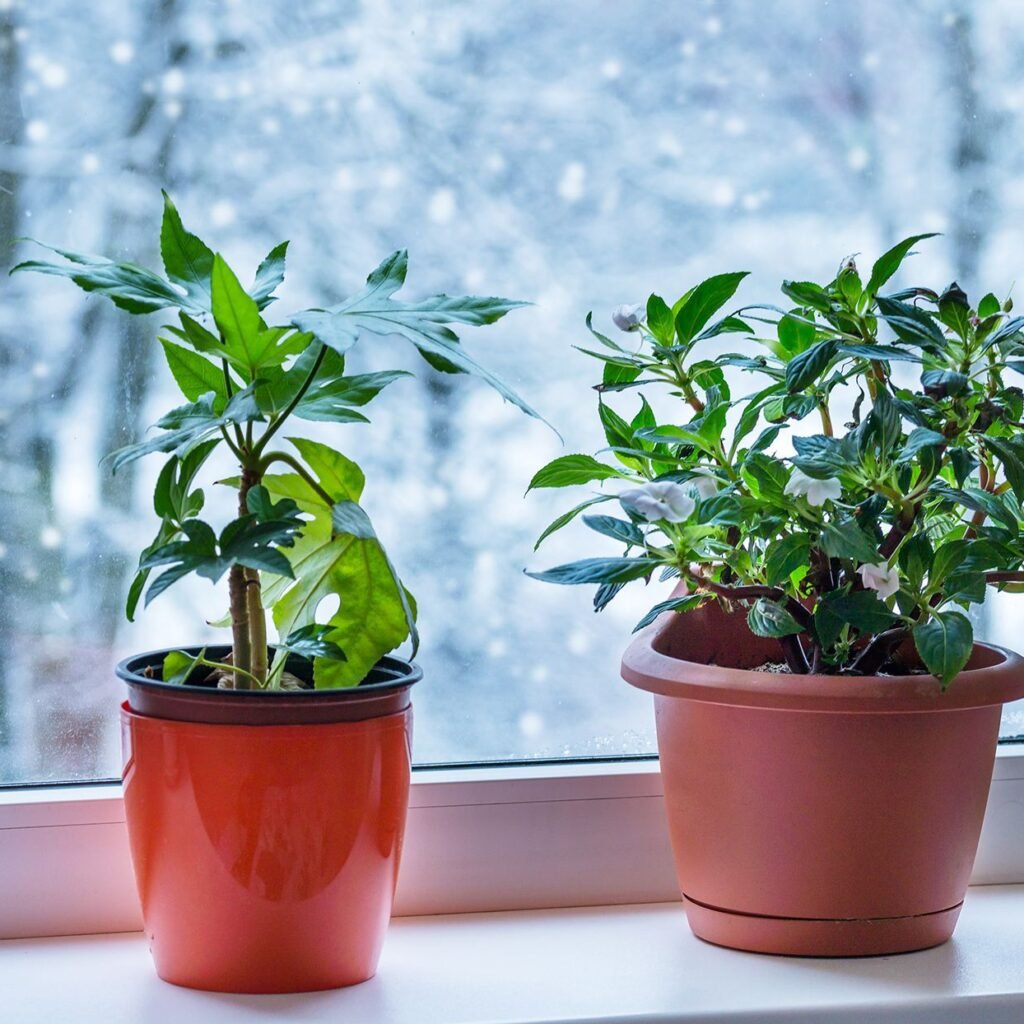
Overwatering is one of the biggest mistakes people make during the winter months. Because plants are growing more slowly, their water needs drop significantly.
- Check the Soil First: Always test the soil with your finger—if the top inch feels dry, it’s time to water.
- Use Room Temperature Water: Cold water can shock your plants’ roots, especially tropical varieties. Let water sit out for a few hours before using it.
- Drain Properly: Ensure your pots have drainage holes to prevent water from pooling at the bottom, which can cause root rot.
- Reduce Frequency: You may only need to water your plants once every 10–14 days, depending on the species and indoor climate.
Remember, it’s better to slightly underwater in winter than to risk overwatering.
4. Maintain the Right Humidity Levels
Most indoor plants, especially tropical ones like ferns, calatheas, and monsteras, prefer humidity levels between 40–60%. Unfortunately, indoor air in winter can drop as low as 20%.
Here are some ways to increase humidity:

- Use a Humidifier: This is the easiest and most effective way to maintain consistent humidity levels around your plants.
- Create a Pebble Tray: Fill a shallow tray with pebbles and water, then place your plant pot on top (without submerging the base). As the water evaporates, it increases humidity around the plant.
- Group Plants Together: Plants naturally release moisture through a process called transpiration. Grouping them helps create a mini humid microclimate.
- Misting (With Caution): Lightly mist your plants’ leaves once or twice a week, but don’t overdo it, as excess moisture can lead to fungal issues in low light conditions.
5. Keep Temperatures Stable
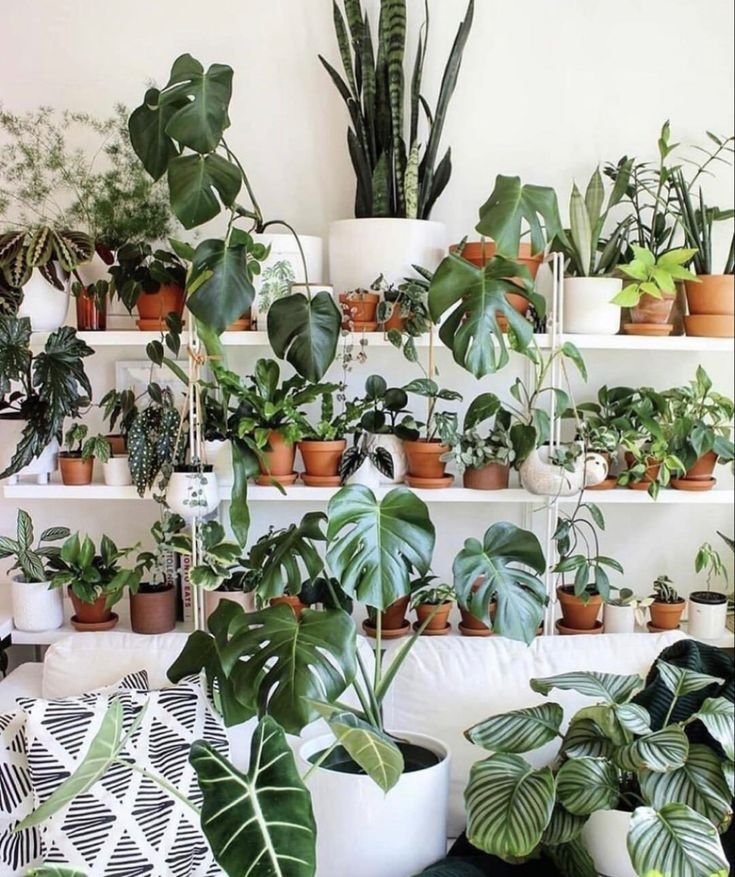
Fluctuating temperatures can cause stress and leaf drop. Aim to maintain a consistent indoor temperature between 65–75°F (18–24°C) during the day and slightly cooler at night.
- Avoid Drafts: Keep plants away from cold windows, doors, and vents. Drafts can chill plants and damage their leaves.
- Stay Away from Heaters: While it’s tempting to put plants near radiators or fireplaces, the dry, hot air can scorch their foliage.
- Insulate Windows: If your plants are near a window, use thermal curtains or bubble wrap insulation to keep the area warmer without blocking light.
6. Go Easy on Fertilizer
Because most plants slow their growth in winter, they don’t need as many nutrients. Overfertilizing during this time can lead to salt buildup in the soil and root damage.
- Pause or Reduce Feeding: Unless your plant is actively growing (like some herbs or winter bloomers), it’s best to stop fertilizing altogether until spring.
- If Necessary, Dilute: If you must feed, use a half-strength liquid fertilizer once every 6–8 weeks.
Come spring, you can resume your regular fertilizing schedule to support new growth.
7. Clean and Groom Your Plants Regularly
Winter is the perfect time to give your plants a little extra attention. Dust and debris can block light absorption and slow photosynthesis.

- Wipe Down Leaves: Use a damp, soft cloth to gently wipe both sides of the leaves. For plants with delicate or fuzzy leaves, use a soft brush instead.
- Trim Dead or Yellow Leaves: Removing damaged leaves not only improves appearance but also prevents pests and diseases.
- Check for Pests: Indoor environments can still attract pests like spider mites, mealybugs, and aphids, especially when the air is dry. Inspect leaves weekly and use insecticidal soap or neem oil if needed.
8. Repot Only If Necessary
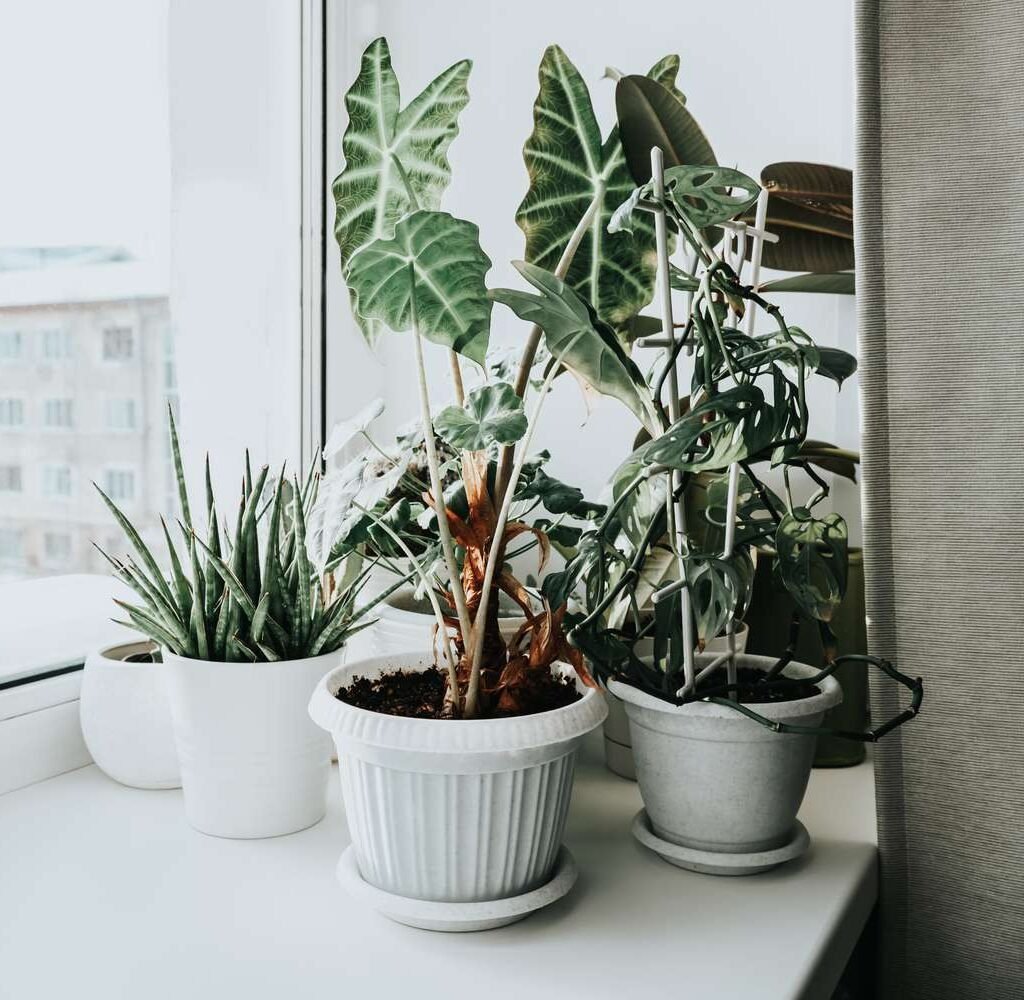
Winter is not the ideal time for repotting since most plants are semi-dormant and not actively growing. Repotting during this time can stress them unnecessarily.
- Wait Until Spring: Unless your plant is severely root-bound or showing signs of distress, wait until warmer months to repot.
- If Urgent: If you must repot, handle the roots gently and avoid fertilizing for at least 4 weeks afterward.
9. Choose the Right Plants for Winter Resilience
Some indoor plants handle winter better than others. If you’re looking to keep your space green with minimal effort, consider adding a few hardy varieties:
- Snake Plant (Sansevieria): Tolerates low light and infrequent watering.
- ZZ Plant (Zamioculcas zamiifolia): Thrives in low humidity and indirect light.
- Pothos: A fast-recovering plant that adapts well to winter conditions.
- Peace Lily: Can handle low light but benefits from occasional misting.
- Spider Plant: Handles fluctuations in temperature well.
10. Give Them Rest — and Plan Ahead
Winter is a rest period for your indoor plants, similar to hibernation. Don’t panic if your plants seem less lively or their growth slows down — this is completely natural.
- Avoid Forcing Growth: Focus on keeping them healthy rather than trying to push new growth.
- Plan for Spring Revival: Once daylight increases, gradually resume regular watering and feeding. You’ll be rewarded with lush, fresh growth in the coming months.
Conclusion
Keeping indoor plants looking fresh during winter is all about understanding and adapting to seasonal changes. With mindful adjustments — from lighting and watering to temperature and humidity — your indoor garden can stay healthy, green, and beautiful even in the coldest months of the year.

By taking a little extra care and creating a cozy environment for your plants, you’re not just helping them survive winter — you’re helping them thrive so they’ll burst back into full glory when spring returns.

Leave A Comment