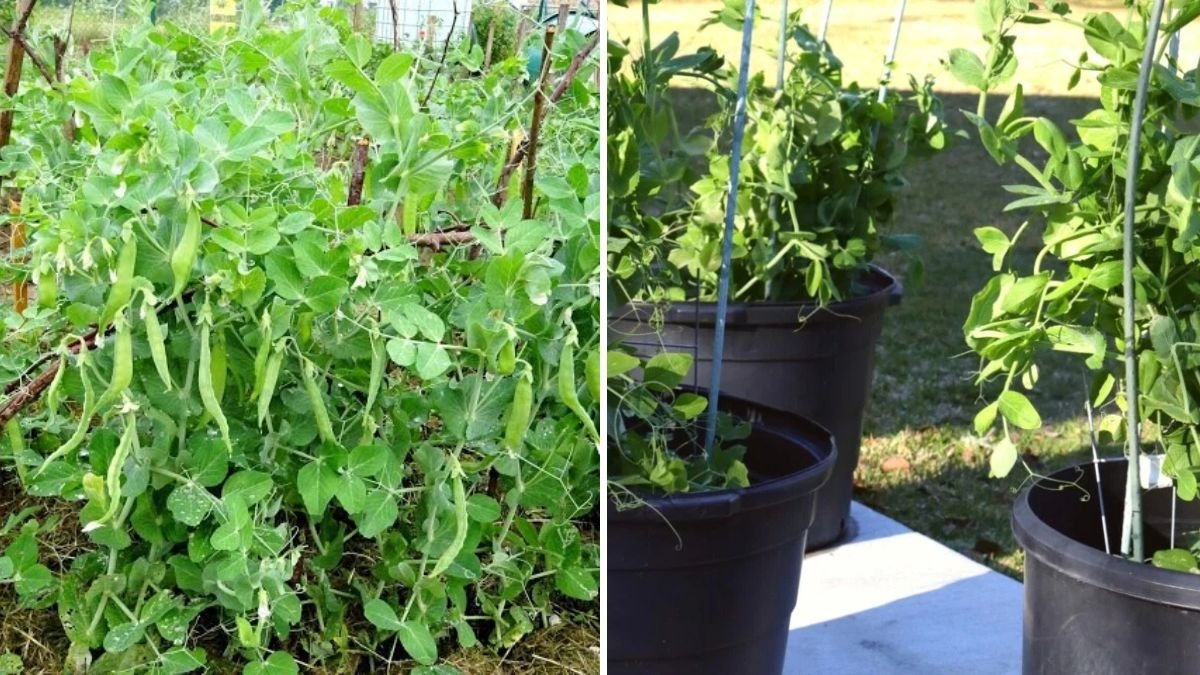
Gardening is a rewarding hobby, but for beginners, the thought of constant watering and plant care can seem overwhelming. What if you could grow peas without the daily hassle of watering? Yes, it’s possible! With the right techniques, materials, and planning, even a beginner can cultivate healthy, thriving pea plants without the need for daily irrigation. This article explores the step-by-step method for growing peas for beginners without watering, making gardening simple, sustainable, and incredibly satisfying.
Why Grow Peas?
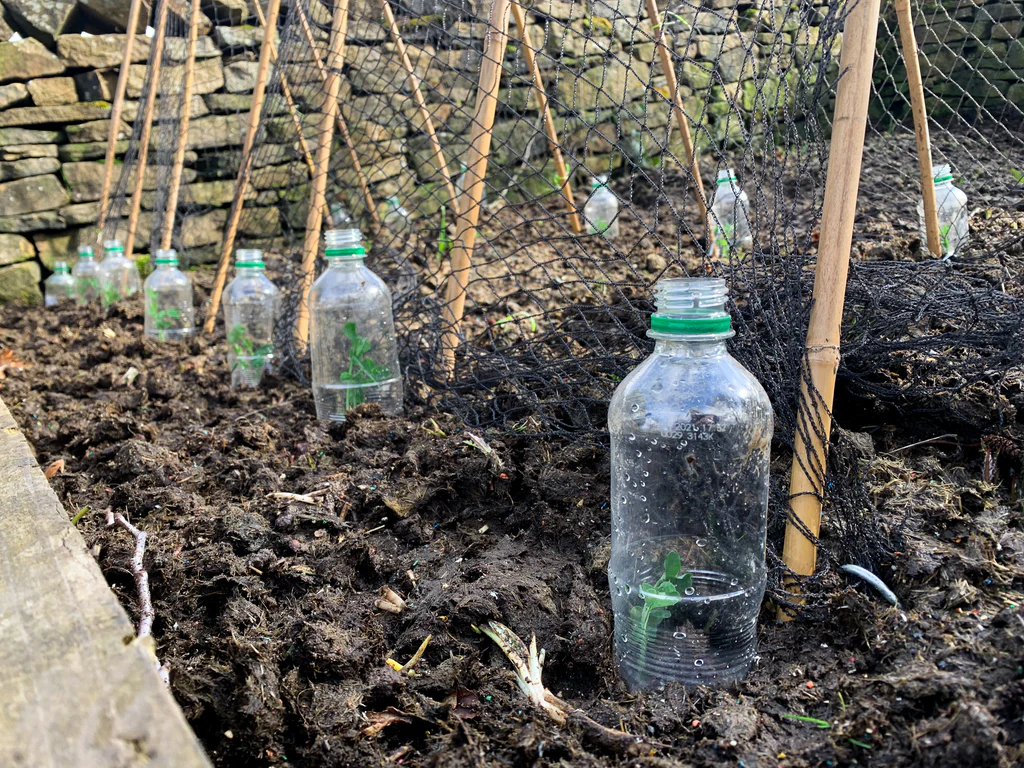
Green peas are one of the most versatile and nutritious vegetables you can grow at home. Packed with protein, fiber, vitamins, and minerals, they are ideal for soups, salads, stir-fries, or as a fresh snack straight from the garden.
Growing peas has several advantages for beginners:
- Fast Growth: Peas germinate and grow quickly, offering a rewarding harvest in a short time.
- Low Maintenance: Once established, peas can thrive with minimal care, especially using self-watering or water-retention methods.
- Eco-Friendly: Growing your own peas reduces dependency on store-bought produce, lowering your carbon footprint.
- Beginner-Friendly: Peas are resilient and can grow in a variety of containers and soil types, making them perfect for first-time gardeners.
How Is It Possible to Grow Peas Without Watering?
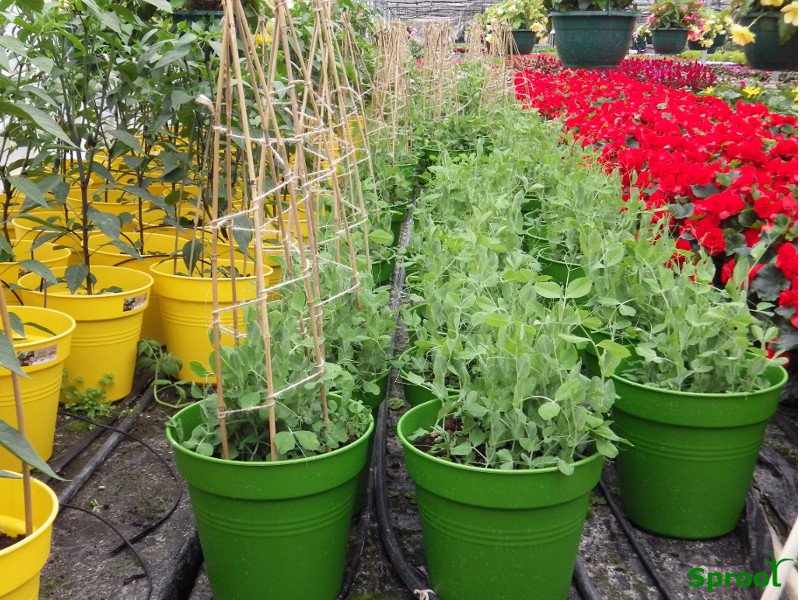
The secret lies in water-retentive gardening techniques. By creating an environment that retains moisture and provides nutrients naturally, peas can grow without daily watering. There are a few key methods to achieve this:
- Using Self-Watering Containers: These containers have a built-in water reservoir that supplies water to the plant roots gradually.
- Mulching: A thick layer of organic mulch over the soil keeps moisture from evaporating and maintains a consistent temperature.
- Water-Absorbing Soil Additives: Materials like vermiculite, coco peat, or hydrogel crystals absorb water and release it slowly to the plant roots.
- Recycled Water Methods: Capturing and using rainwater or leftover water from cooking vegetables can also support growth without additional watering.
By combining these methods, you can create a self-sustaining growing environment for peas.
Step-by-Step Guide to Growing Peas Without Watering
1. Choosing the Right Container
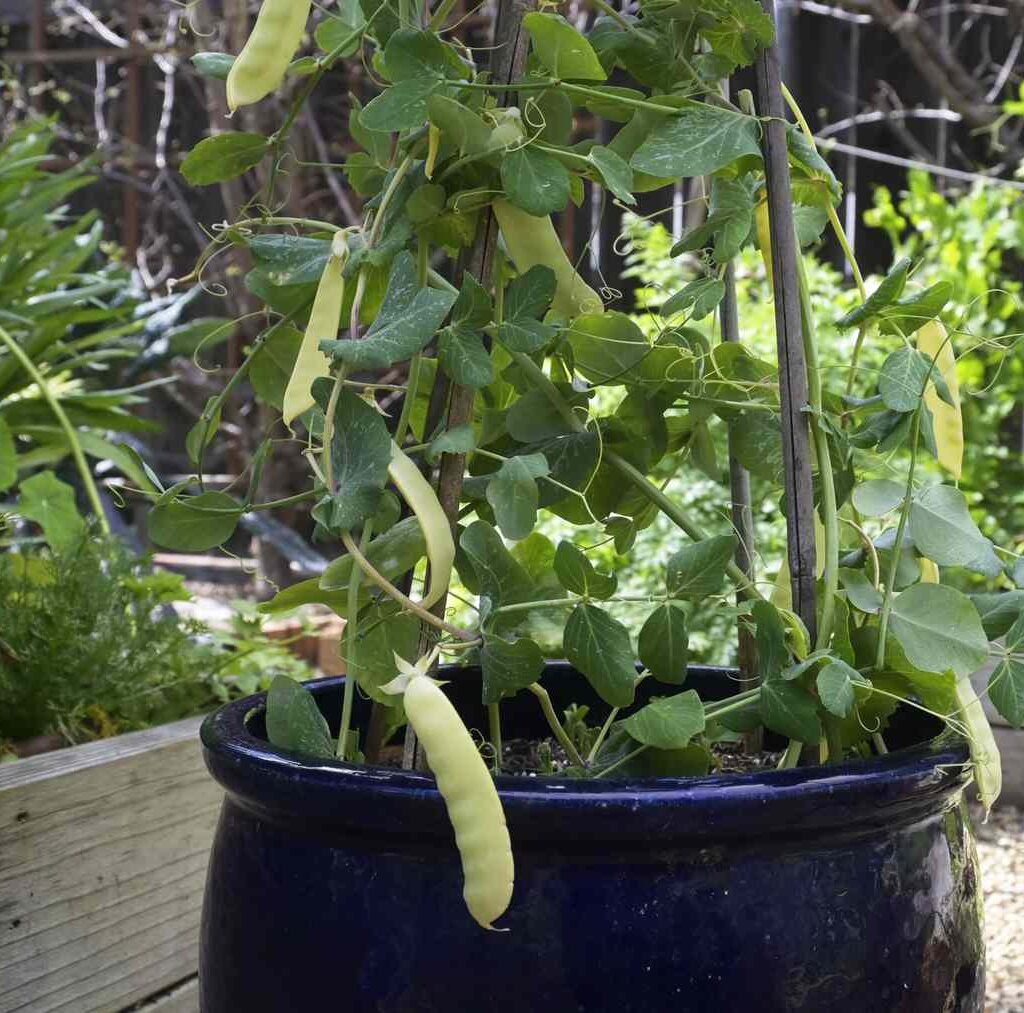
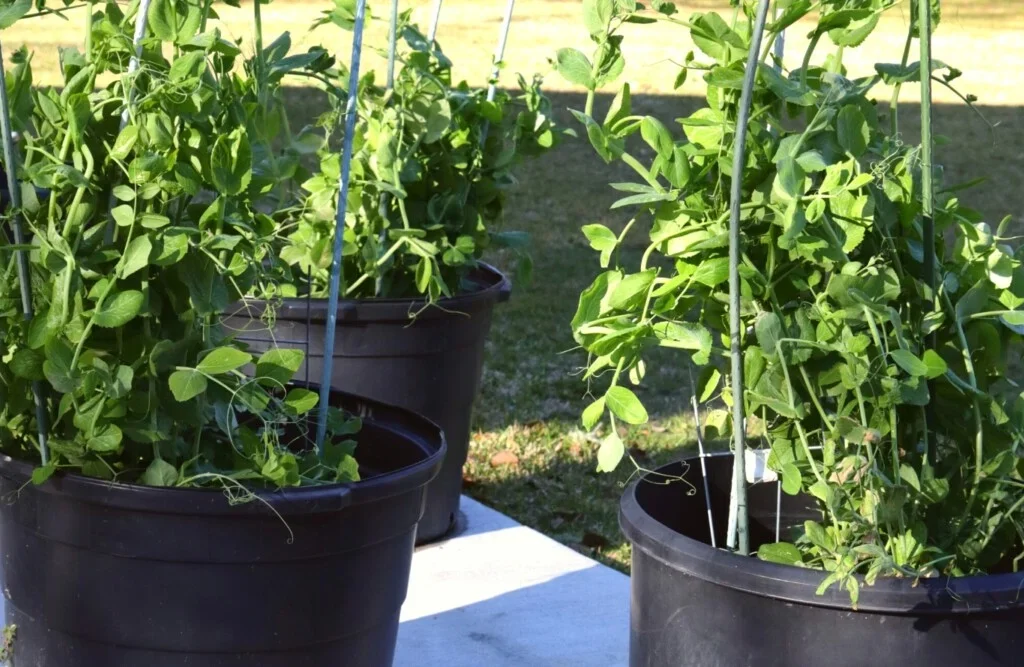
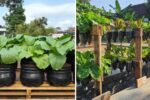
For beginners, containers are the easiest way to start. You can use pots, buckets, or any recycled containers with good depth (at least 12 inches) for root growth. If possible, select containers with a self-watering mechanism or the potential to add one using a simple DIY method.
DIY Tip: Drill small holes in a container, place a smaller pot inside with a gap, and fill the gap with water-absorbing material like coco peat. This will create a basic self-watering system.
2. Preparing the Soil
Peas grow best in well-draining, nutrient-rich soil. Mix the following for an ideal planting medium:
- 2 parts garden soil
- 1 part compost or organic manure
- 1 part coco peat or vermiculite
This mix retains moisture without becoming waterlogged. Peas do not like soggy soil, so it’s important to balance water retention with drainage.
Pro Tip: Pre-soak pea seeds in water for 8-12 hours before planting. This accelerates germination and kickstarts growth without needing daily watering.
3. Sowing the Seeds

- Fill your container with the prepared soil, leaving 2 inches from the top.
- Create shallow holes about 1 inch deep and place seeds 2-3 inches apart.
- Cover the seeds lightly with soil and gently press down.
If you are using a self-watering setup, the seeds will draw moisture from the reservoir as needed. For mulch-based methods, cover the soil with a 1-2 inch layer of straw, dried leaves, or shredded coconut husk to lock in moisture.
4. Choosing the Right Location
Peas need at least 4-6 hours of sunlight per day to thrive. Place your container in a sunny spot, like a balcony, terrace, or windowsill.
For beginners without consistent outdoor space, a south-facing window or supplemental grow lights can help provide enough light. Proper sunlight ensures healthy growth and reduces the risk of disease.
5. Using Mulch to Reduce Watering
Mulching is key to growing peas without frequent watering. Organic mulches such as straw, hay, leaves, or shredded coconut husk serve multiple purposes:
- Retains moisture in the soil
- Regulates soil temperature
- Suppresses weed growth
- Adds organic matter as it decomposes
Apply a 1-2 inch layer of mulch immediately after sowing the seeds. Keep the mulch intact throughout the growing season, topping it up if it decomposes too quickly.
6. Supporting Your Pea Plants
Peas are climbing plants, so they need support to grow upright. Even in containers, you should provide:
- Bamboo sticks arranged in a teepee or pyramid shape
- Trellis nets attached to walls or balcony railings
- Strings or wires for vertical growth
Proper support not only keeps plants healthy but also reduces soil contact, lowering disease risks. It also makes harvesting easier.
7. Nutrient Management
Even without frequent watering, peas need nutrients to grow quickly. Organic fertilizers like compost tea, vermicompost, or liquid manure can be applied once every 2-3 weeks. Avoid chemical fertilizers in self-watering setups, as concentrated nutrients can harm the plant.
8. Pest and Disease Control
Peas can attract aphids, powdery mildew, or fungal infections. In water-less setups, maintaining airflow and spacing is crucial.
Organic Pest Control Tips:
- Spray a diluted neem oil solution every 10 days
- Use garlic or chili water sprays to repel pests naturally
- Remove infected leaves promptly to prevent spread
Mulching and proper support also reduce humidity-related diseases, which is especially important when watering is minimal.
9. Harvesting Your Peas
Fast-growing pea varieties can be harvested within 50-60 days. To ensure continuous production:
- Harvest regularly when pods are plump but tender
- Avoid leaving peas to over-mature, as this can slow further pod production
- Use clean hands or scissors to minimize damage to the plant
Freshly picked peas are ideal for cooking, salads, and even freezing for later use.
Advantages of Growing Peas Without Watering
- Beginner-Friendly: Requires minimal attention and is perfect for busy schedules.
- Saves Water: Ideal for areas with water scarcity or for gardeners looking to conserve water.
- Eco-Friendly: Promotes sustainable gardening and reduces the need for plastic packaging from store-bought peas.
- Faster Growth: Moisture-retentive methods ensure plants get consistent hydration, leading to healthier and faster-growing peas.
Tips for Beginner Gardeners
- Choose the Right Variety: Opt for fast-growing or dwarf pea varieties for container gardening.
- Monitor Soil Moisture: Even self-watering setups need occasional checks to ensure the soil isn’t too dry or soggy.
- Rotate Crops: After harvesting peas, consider rotating with other nitrogen-fixing plants or vegetables to maintain soil health.
- Experiment with Container Sizes: Larger containers allow more roots and better growth.
Final Thoughts
Growing peas without watering may seem impossible, but with the right combination of self-watering systems, water-retentive soil, and mulching, it’s entirely achievable. For beginners, this method simplifies gardening, reduces maintenance, and makes growing fresh, home-grown peas a fun and rewarding experience.
Not only does this approach save time and effort, but it also conserves water, promotes sustainability, and ensures a bountiful harvest for your table. With patience and consistent care, even those new to gardening can enjoy a thriving pea crop without the hassle of daily watering.
Start today, implement these techniques, and discover the joy of effortless, productive gardening right at home.

Leave A Comment