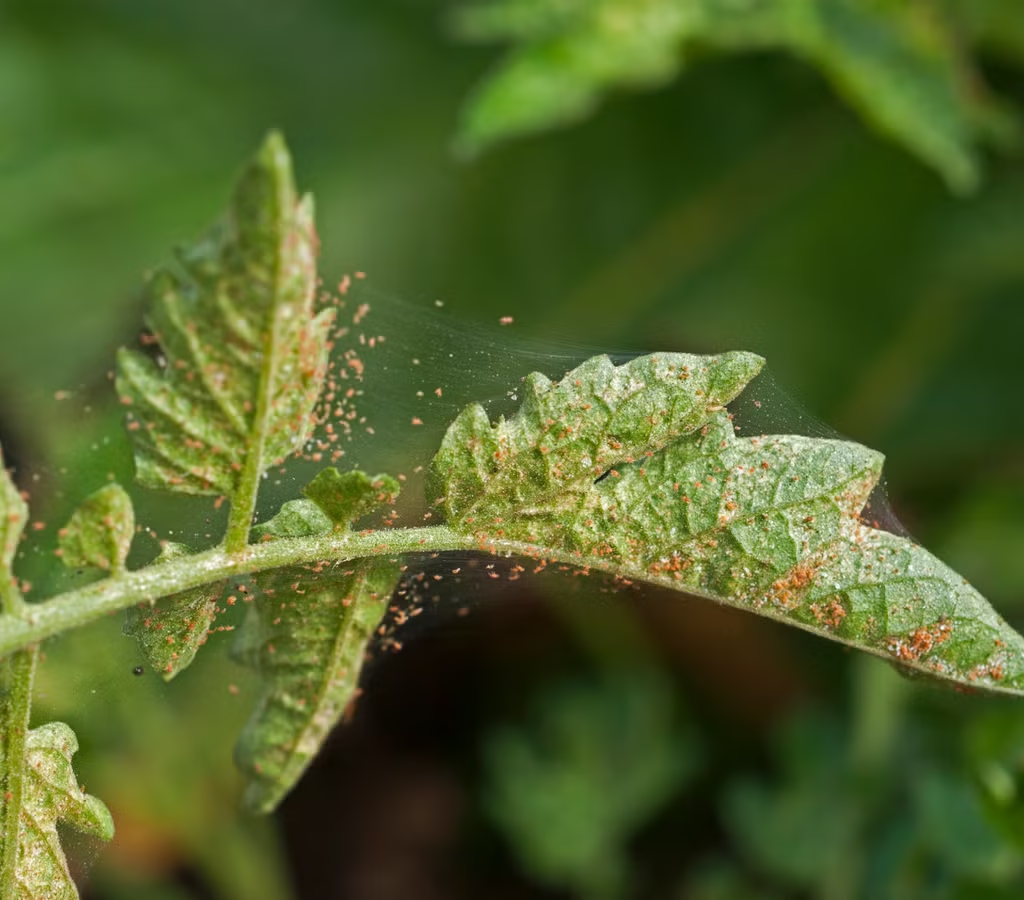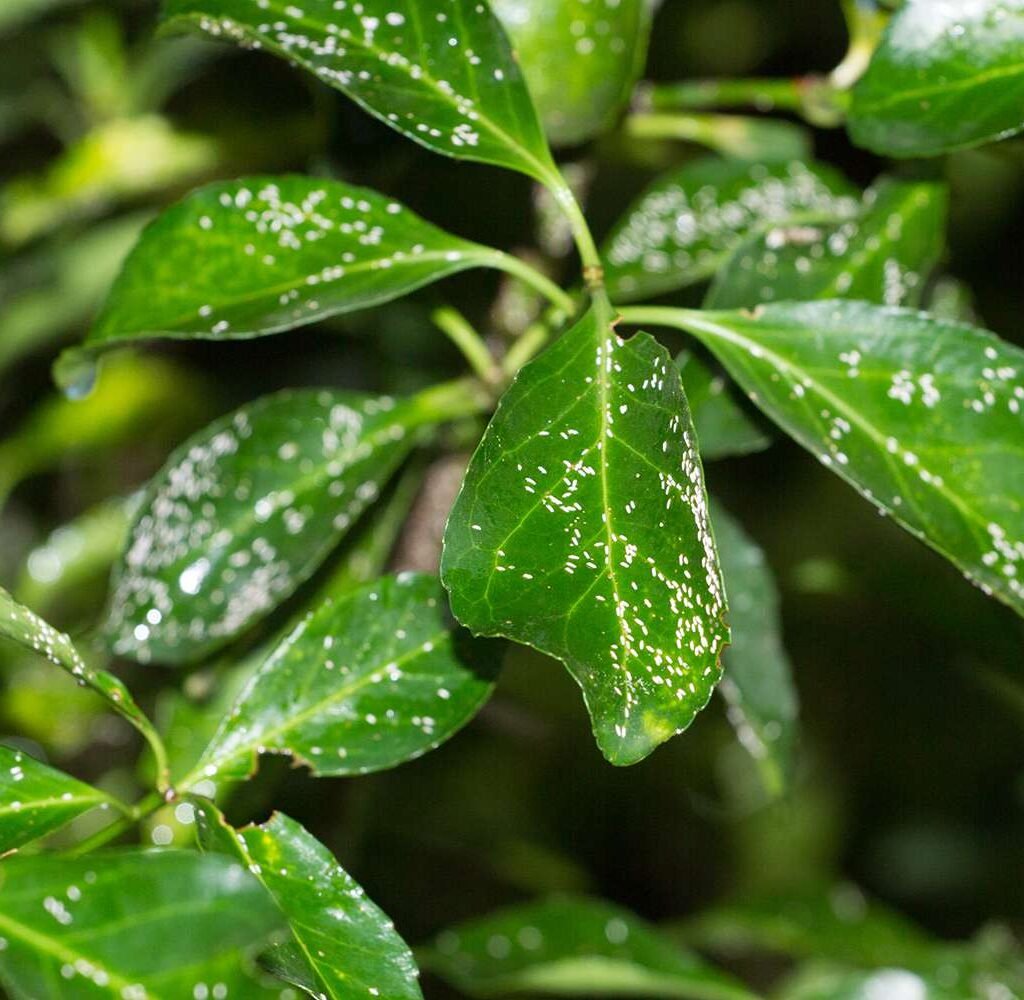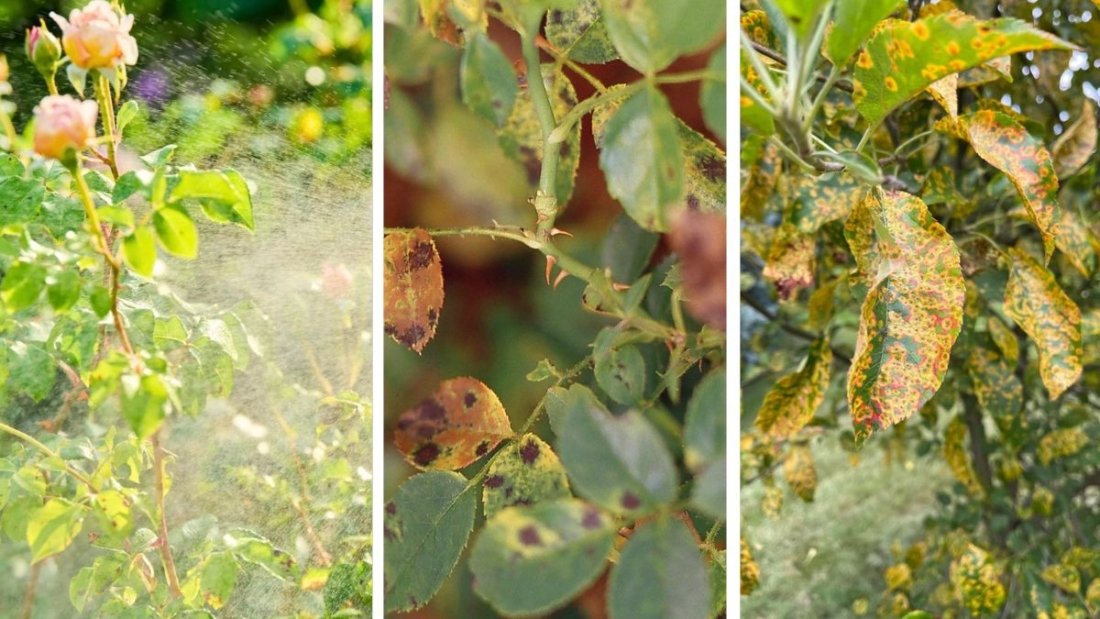
Fungal infections are among the most common challenges gardeners face. From powdery mildew to root rot, fungi can damage leaves, stems, flowers, and even entire plants. These microscopic invaders thrive in moist, warm, and poorly ventilated environments, and they can spread quickly if left unchecked.
Protecting your plants from fungal infections is essential for maintaining a healthy and productive garden. The good news is that with proper care, preventive measures, and timely interventions, you can significantly reduce the risk of fungus affecting your plants. In this guide, we’ll explore five effective ways to protect your plants from fungal problems.
1. Ensure Proper Plant Spacing and Air Circulation
Crowded plants create the perfect environment for fungal growth. Poor air circulation and excessive moisture on leaves encourage fungal spores to germinate.

Tips for Optimal Plant Spacing:
- Follow spacing guidelines: Check seed packets or plant labels for recommended distances between plants.
- Prune regularly: Remove overcrowded branches and leaves to improve airflow.
- Use raised beds or containers: Elevating plants reduces soil moisture and promotes better drainage.
Why It Works:
Good airflow prevents humidity buildup on leaves, which reduces the likelihood of fungal infections like powdery mildew and downy mildew.
Tip: Position taller plants to the north or east side of shorter plants to maximize sunlight penetration and airflow.
2. Water Plants Correctly

Overwatering or watering at the wrong time can make plants highly susceptible to fungal infections. Fungal spores thrive on wet leaves and saturated soil.
Best Practices for Watering:
- Water at the base: Avoid overhead watering that wets leaves and stems.
- Water early in the day: Morning watering allows leaves to dry quickly, reducing fungal growth.
- Check soil moisture: Only water when the top inch of soil feels dry.
Why It Works:
Keeping foliage dry and soil well-drained prevents fungal spores from establishing and spreading.
Tip: Use a drip irrigation system for larger gardens—it delivers water directly to the roots and keeps leaves dry.
3. Apply Natural or Homemade Fungicides
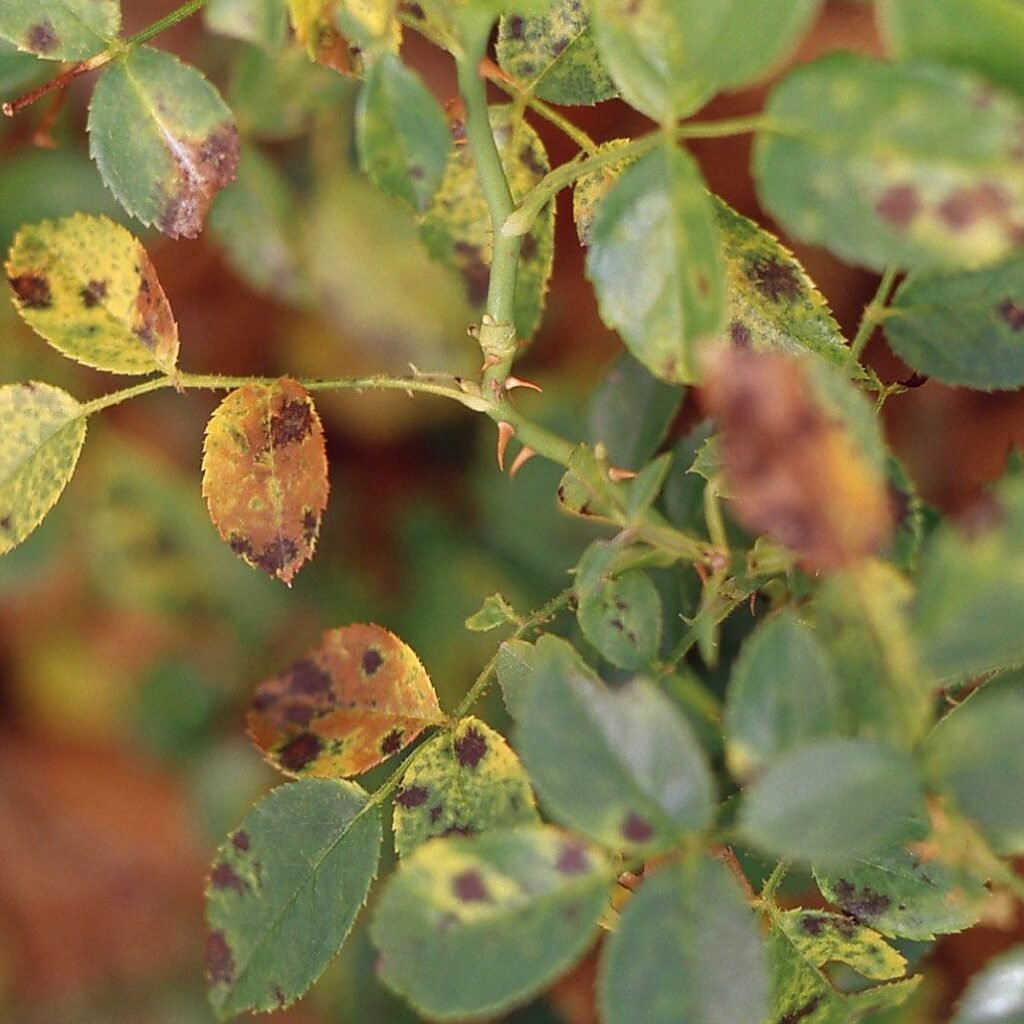
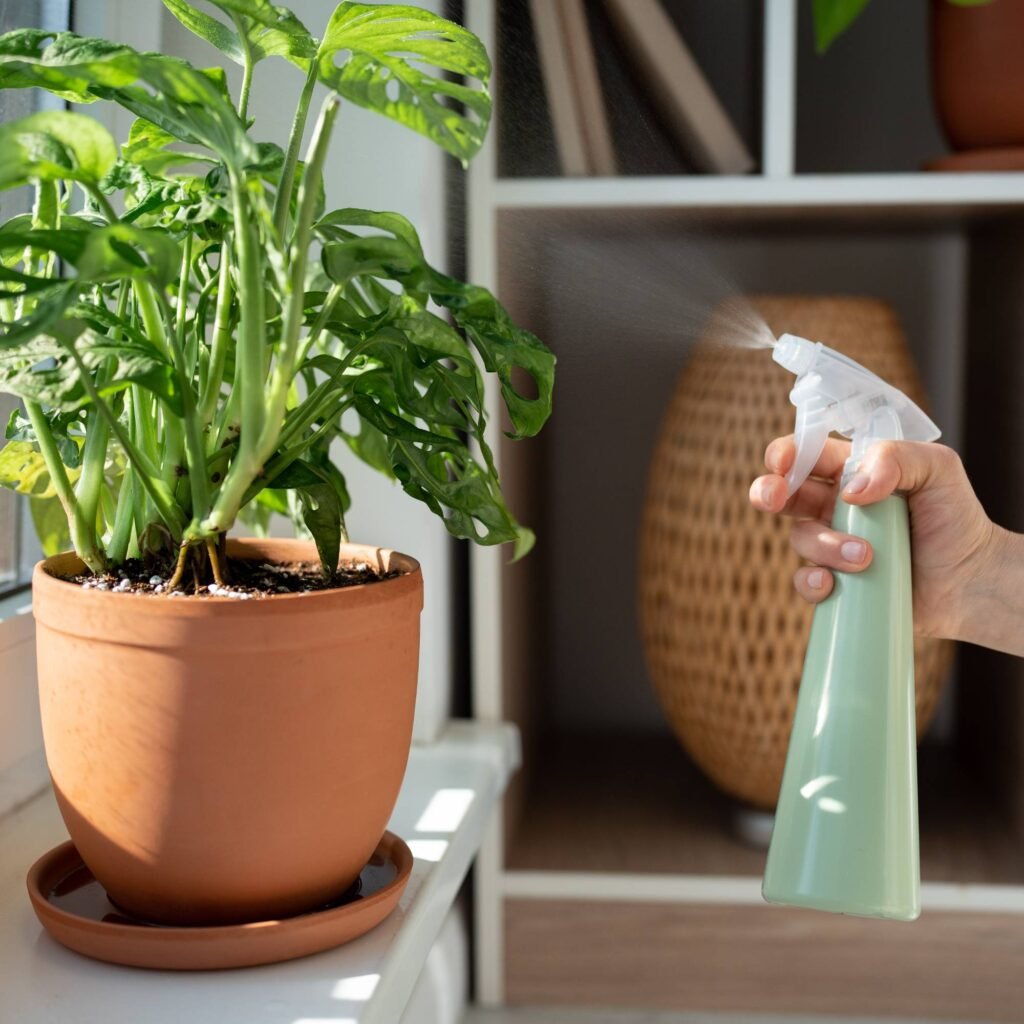
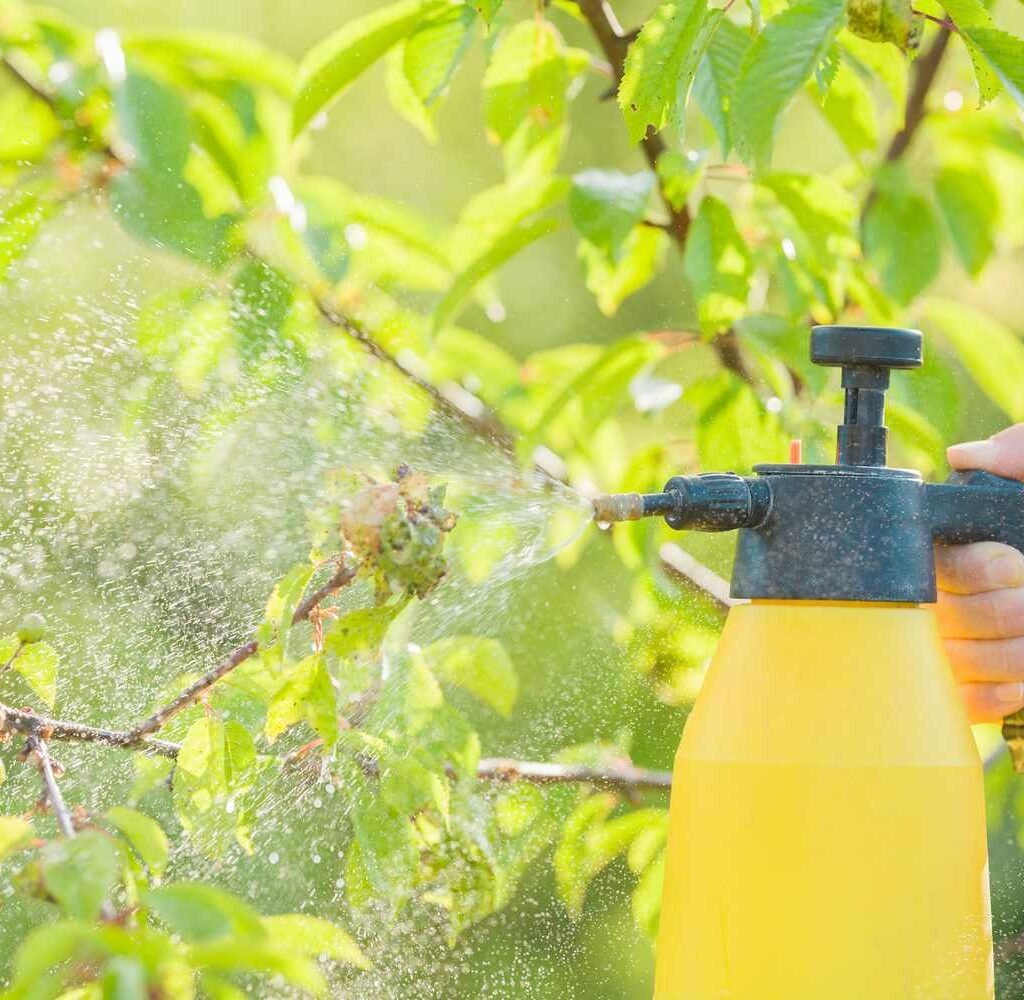
Fungicides can help control existing fungal infections and prevent future outbreaks. While chemical fungicides exist, natural alternatives are safer for the environment and beneficial insects.
Effective Natural Fungicides:
- Neem oil: Works as both a fungicide and insecticide. Mix with water and spray on leaves.
- Baking soda solution: Mix 1 teaspoon of baking soda, 1 quart of water, and a few drops of liquid soap. Spray weekly to prevent powdery mildew.
- Garlic or chamomile tea spray: Acts as a natural antifungal agent.
Application Tips:
- Spray thoroughly on both leaf surfaces.
- Reapply after heavy rain.
- Test on a small leaf first to ensure no damage occurs.
Why It Works:
Natural compounds disrupt fungal cell growth and reduce spore viability, preventing infection before it spreads.
4. Practice Good Garden Hygiene
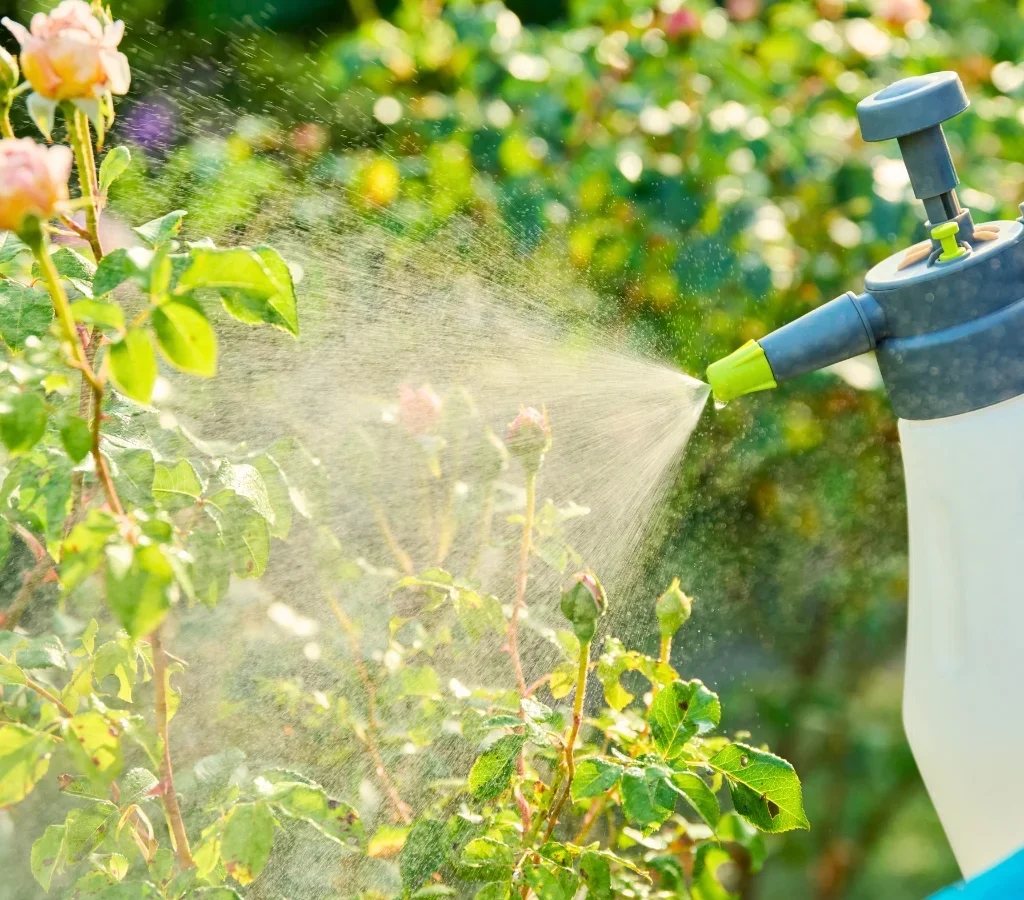
Fungal spores can survive on dead leaves, plant debris, and contaminated soil. Maintaining a clean garden environment is essential for disease prevention.
Key Hygiene Practices:
- Remove dead or infected plant material promptly.
- Sanitize gardening tools with rubbing alcohol or bleach solution.
- Rotate crops: Avoid planting the same species in the same soil each season.
- Compost carefully: Ensure compost is fully decomposed before applying to garden beds.
Why It Works:
Eliminating potential sources of fungal spores reduces the chances of infection and keeps your garden healthy.
Tip: Dispose of infected plant material far from your garden to avoid spreading spores.
5. Choose Disease-Resistant Plant Varieties
Starting with healthy, disease-resistant plants gives you a significant advantage against fungal infections. Many modern plant varieties are bred specifically to resist common fungal diseases.
How to Select Resistant Plants:
- Check seed packets or plant tags for resistance information.
- Research local varieties adapted to your climate and common garden diseases.
- Rotate plant species to prevent soil-borne fungi from building up.
Why It Works:
Disease-resistant plants are less likely to develop fungal infections, reducing the need for repeated chemical or natural interventions.
Tip: Even resistant plants benefit from proper spacing, watering, and hygiene practices.
Additional Tips for Fungus-Free Gardens
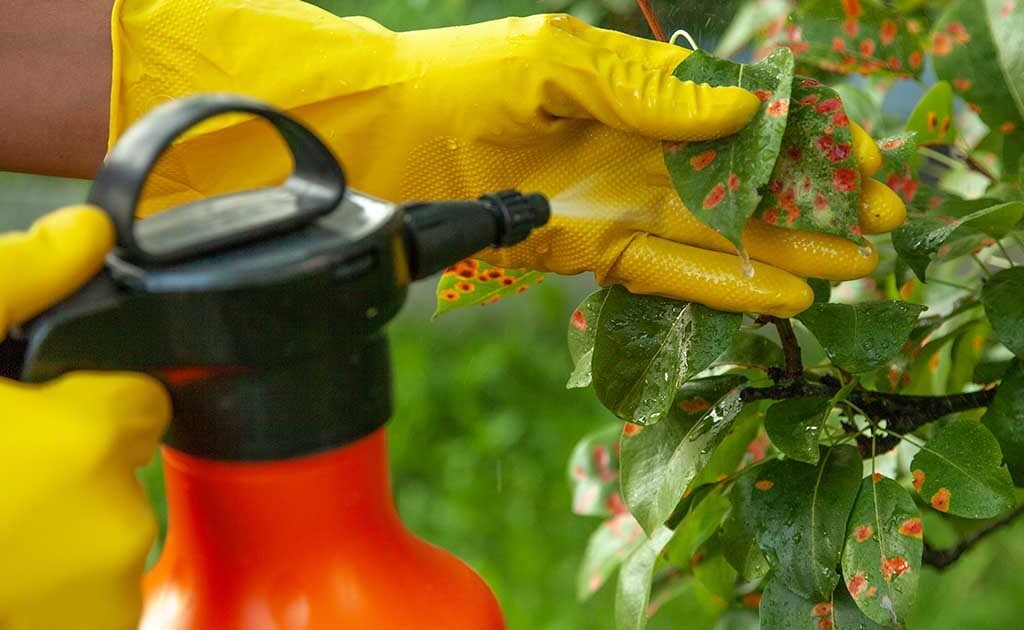
- Mulch appropriately: Use organic mulch to retain soil moisture, but avoid touching stems and leaves, which can trap moisture.
- Monitor regularly: Inspect plants weekly for early signs of disease, such as discoloration or leaf spots.
- Use proper soil amendments: Well-draining, nutrient-rich soil supports plant immunity.
- Control humidity in greenhouses: Open vents and use fans to maintain air circulation.
- Avoid over-fertilization: Excess nitrogen can encourage soft, succulent growth that is more susceptible to fungus.
Tip: Early detection and consistent preventive measures are far more effective than attempting to treat severe fungal infections later.
Conclusion
Fungal infections can quickly ruin a garden, but with the right preventive strategies, you can protect your plants naturally and effectively.
- Proper spacing and airflow reduce humidity around plants.
- Careful watering practices prevent wet leaves and saturated soil.
- Natural fungicides help control and prevent infections safely.
- Good garden hygiene minimizes fungal spore buildup.
- Disease-resistant varieties give plants a natural advantage.
By combining these five approaches with regular monitoring and attention, you can enjoy a healthy, lush, and productive garden year-round. Fungi may be persistent, but with preparation and care, your plants can thrive without being overtaken by disease.