5 Ways to Protect Your Plants From Fungus

5 Ways to Protect Your Plants From Fungus

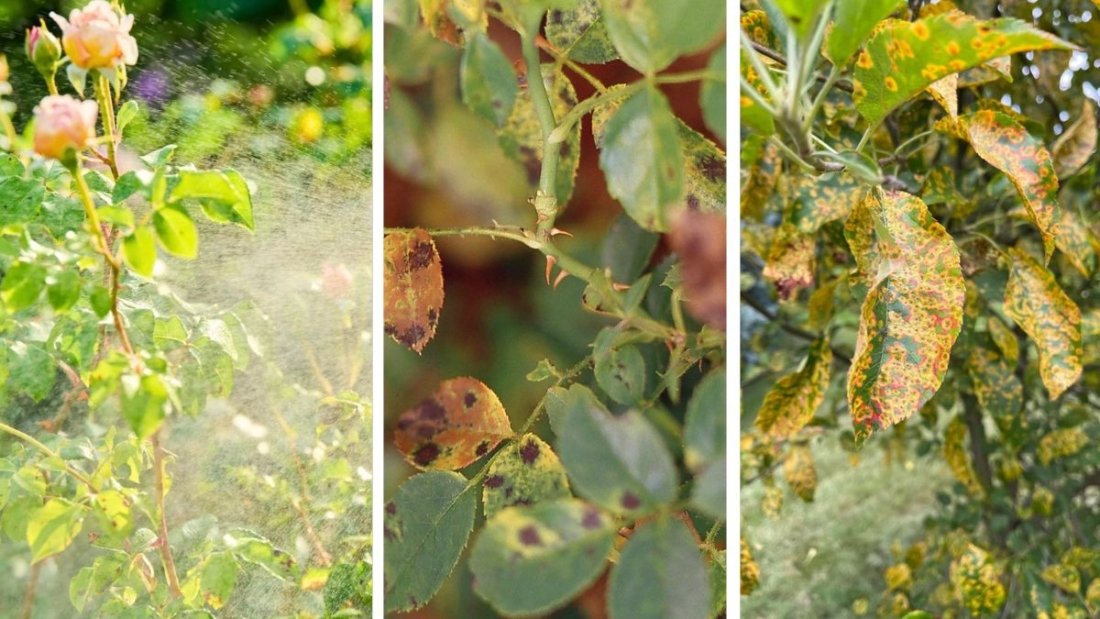
Fungal infections are among the most common challenges gardeners face. From powdery mildew to root rot, fungi can damage leaves, stems, flowers, and even entire plants. These microscopic invaders thrive in moist, warm, and poorly ventilated environments, and they can spread quickly if left unchecked.

Protecting your plants from fungal infections is essential for maintaining a healthy and productive garden. The good news is that with proper care, preventive measures, and timely interventions, you can significantly reduce the risk of fungus affecting your plants. In this guide, we’ll explore five effective ways to protect your plants from fungal problems.


1. Ensure Proper Plant Spacing and Air Circulation

Crowded plants create the perfect environment for fungal growth. Poor air circulation and excessive moisture on leaves encourage fungal spores to germinate.

Tips for Optimal Plant Spacing:

  • Follow spacing guidelines: Check seed packets or plant labels for recommended distances between plants.
  • Prune regularly: Remove overcrowded branches and leaves to improve airflow.
  • Use raised beds or containers: Elevating plants reduces soil moisture and promotes better drainage.

Why It Works:
Good airflow prevents humidity buildup on leaves, which reduces the likelihood of fungal infections like powdery mildew and downy mildew.

Tip: Position taller plants to the north or east side of shorter plants to maximize sunlight penetration and airflow.


2. Water Plants Correctly

Overwatering or watering at the wrong time can make plants highly susceptible to fungal infections. Fungal spores thrive on wet leaves and saturated soil.

Best Practices for Watering:

  • Water at the base: Avoid overhead watering that wets leaves and stems.
  • Water early in the day: Morning watering allows leaves to dry quickly, reducing fungal growth.
  • Check soil moisture: Only water when the top inch of soil feels dry.

Why It Works:
Keeping foliage dry and soil well-drained prevents fungal spores from establishing and spreading.

Tip: Use a drip irrigation system for larger gardens—it delivers water directly to the roots and keeps leaves dry.


3. Apply Natural or Homemade Fungicides
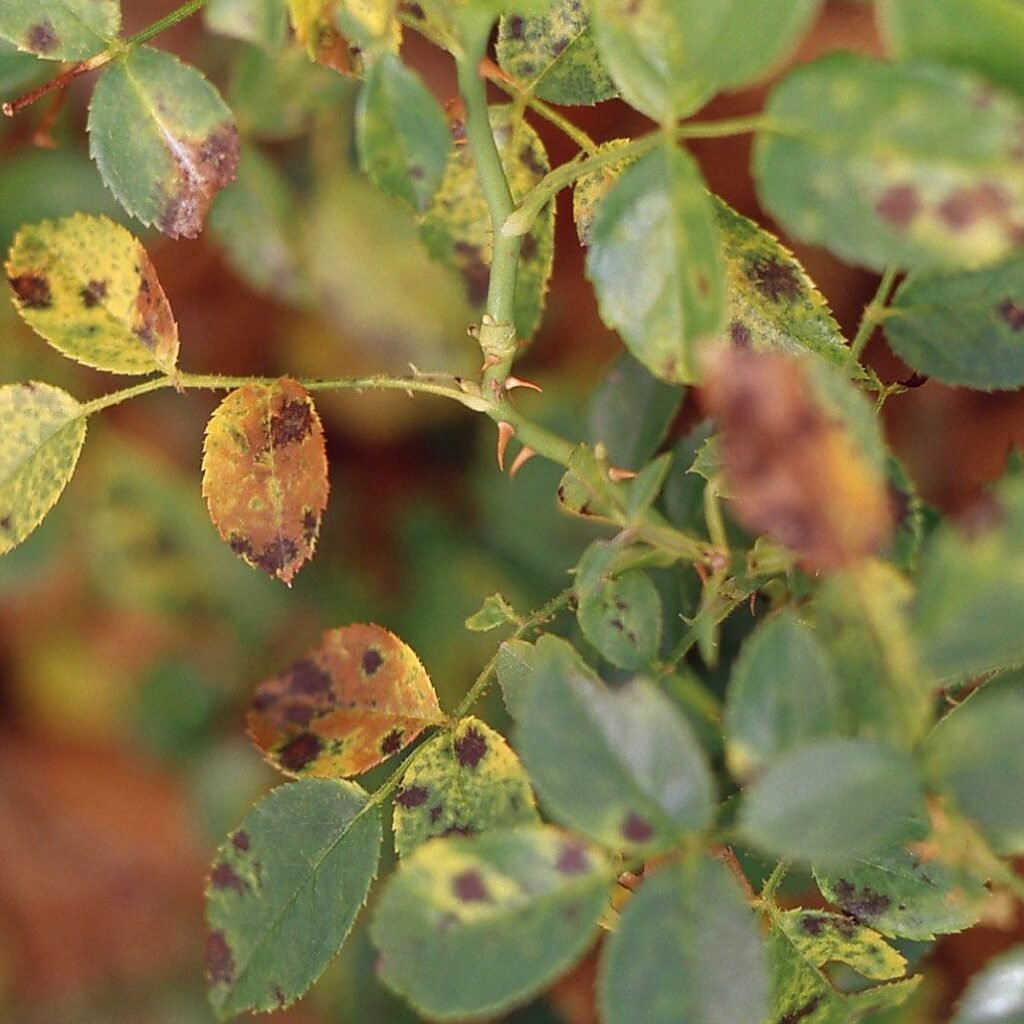
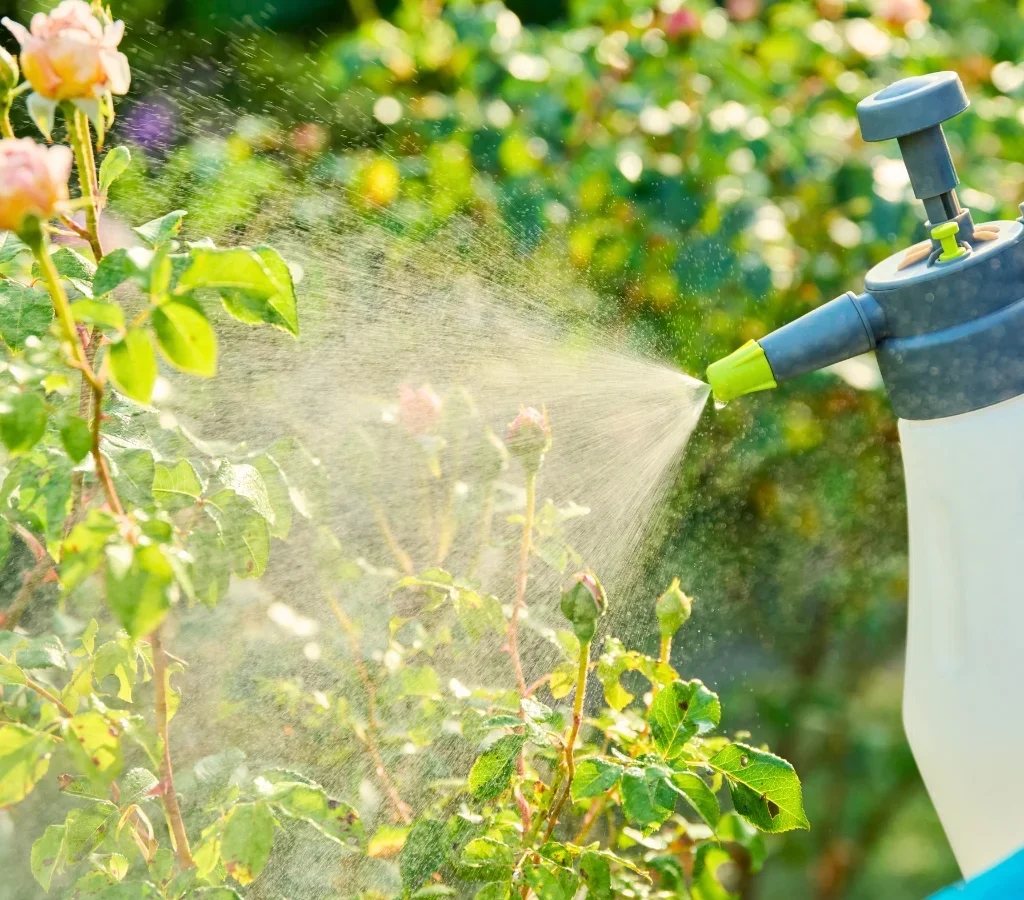
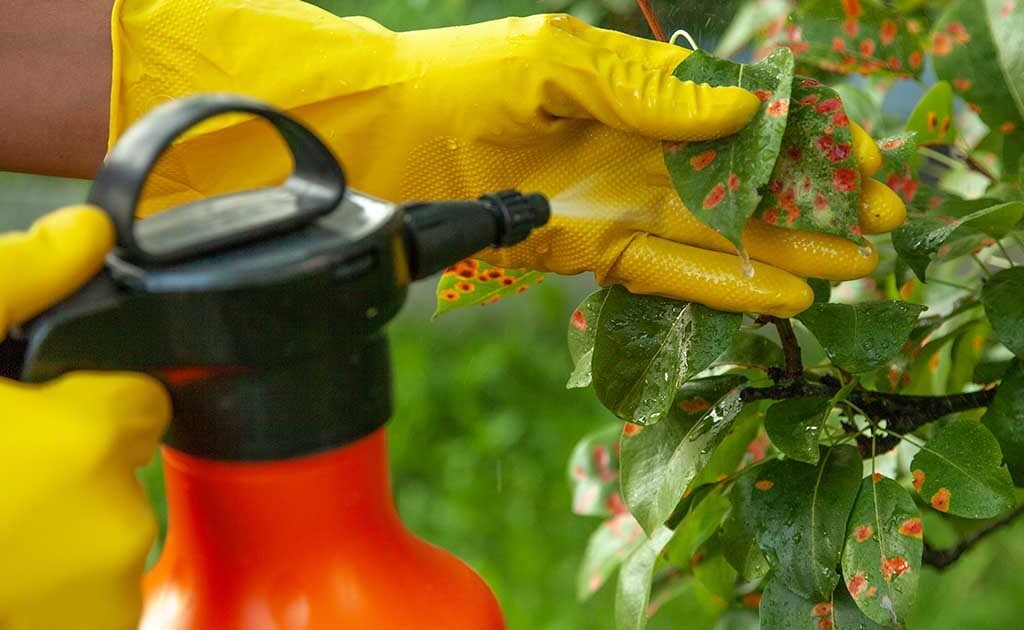
Fungicides can help control existing fungal infections and prevent future outbreaks. While chemical fungicides exist, natural alternatives are safer for the environment and beneficial insects.

Effective Natural Fungicides:

  • Neem oil: Works as both a fungicide and insecticide. Mix with water and spray on leaves.
  • Baking soda solution: Mix 1 teaspoon of baking soda, 1 quart of water, and a few drops of liquid soap. Spray weekly to prevent powdery mildew.
  • Garlic or chamomile tea spray: Acts as a natural antifungal agent.

Application Tips:

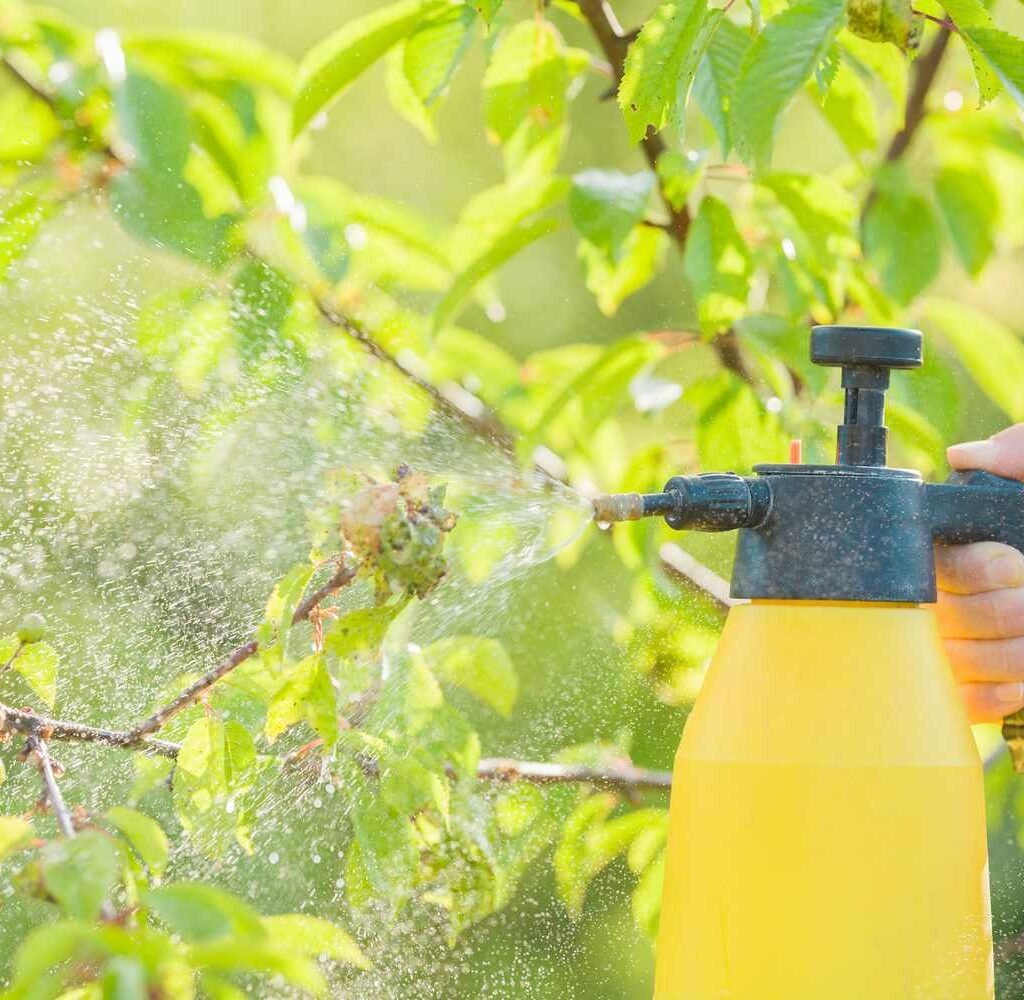
  • Spray thoroughly on both leaf surfaces.
  • Reapply after heavy rain.
  • Test on a small leaf first to ensure no damage occurs.

Why It Works:
Natural compounds disrupt fungal cell growth and reduce spore viability, preventing infection before it spreads.


4. Practice Good Garden Hygiene
Fungal spores can survive on dead leaves, plant debris, and contaminated soil. Maintaining a clean garden environment is essential for disease prevention.

Key Hygiene Practices:

  • Remove dead or infected plant material promptly.
  • Sanitize gardening tools with rubbing alcohol or bleach solution.
  • Rotate crops: Avoid planting the same species in the same soil each season.
  • Compost carefully: Ensure compost is fully decomposed before applying to garden beds.

Why It Works:
Eliminating potential sources of fungal spores reduces the chances of infection and keeps your garden healthy.

Tip: Dispose of infected plant material far from your garden to avoid spreading spores.


5. Choose Disease-Resistant Plant Varieties

Starting with healthy, disease-resistant plants gives you a significant advantage against fungal infections. Many modern plant varieties are bred specifically to resist common fungal diseases.

How to Select Resistant Plants:

  • Check seed packets or plant tags for resistance information.
  • Research local varieties adapted to your climate and common garden diseases.
  • Rotate plant species to prevent soil-borne fungi from building up.

Why It Works:
Disease-resistant plants are less likely to develop fungal infections, reducing the need for repeated chemical or natural interventions.

Tip: Even resistant plants benefit from proper spacing, watering, and hygiene practices.


Additional Tips for Fungus-Free Gardens
  • Mulch appropriately: Use organic mulch to retain soil moisture, but avoid touching stems and leaves, which can trap moisture.
  • Monitor regularly: Inspect plants weekly for early signs of disease, such as discoloration or leaf spots.
  • Use proper soil amendments: Well-draining, nutrient-rich soil supports plant immunity.
  • Control humidity in greenhouses: Open vents and use fans to maintain air circulation.
  • Avoid over-fertilization: Excess nitrogen can encourage soft, succulent growth that is more susceptible to fungus.

Tip: Early detection and consistent preventive measures are far more effective than attempting to treat severe fungal infections later.


Conclusion

Fungal infections can quickly ruin a garden, but with the right preventive strategies, you can protect your plants naturally and effectively.

  • Proper spacing and airflow reduce humidity around plants.
  • Careful watering practices prevent wet leaves and saturated soil.
  • Natural fungicides help control and prevent infections safely.
  • Good garden hygiene minimizes fungal spore buildup.
  • Disease-resistant varieties give plants a natural advantage.

By combining these five approaches with regular monitoring and attention, you can enjoy a healthy, lush, and productive garden year-round. Fungi may be persistent, but with preparation and care, your plants can thrive without being overtaken by disease.
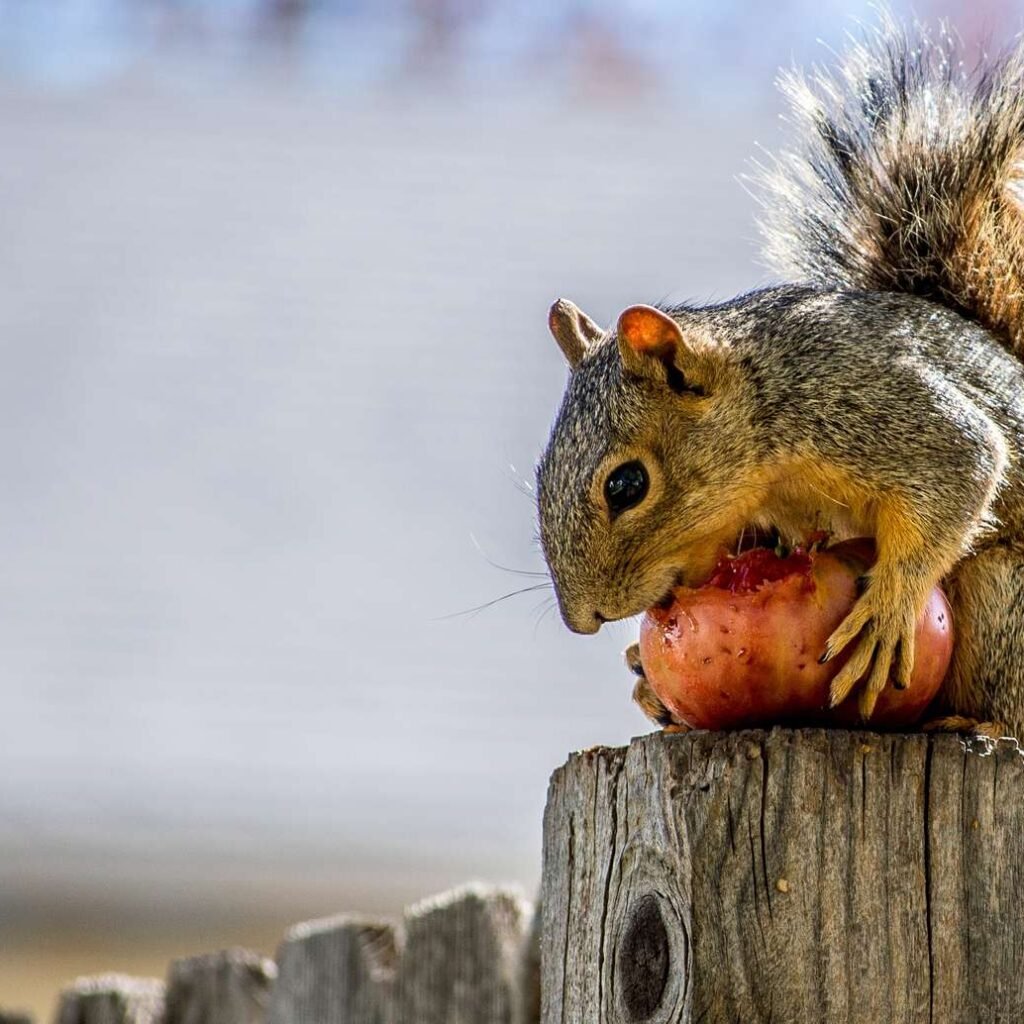
How to Stop Squirrels From Stealing Your Tomatoes

How to Stop Squirrels From Stealing Your Tomatoes

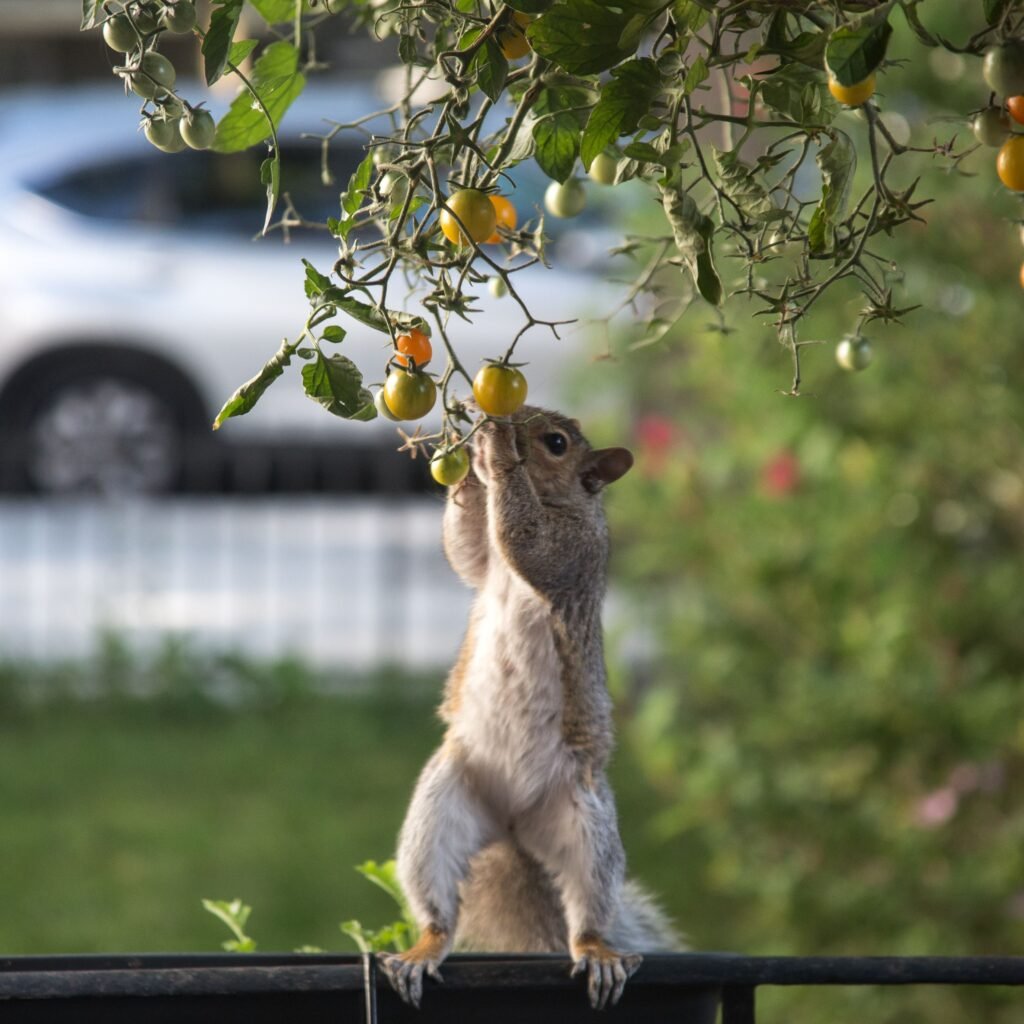
Growing homegrown tomatoes is one of the most rewarding gardening experiences. From the first blossoms to the ripe, juicy fruits, watching your tomatoes thrive is incredibly satisfying. But all that joy can quickly turn into frustration when squirrels start stealing your hard-earned tomatoes. These clever and agile rodents can wreak havoc on a garden overnight, leaving behind missing fruits, torn stems, and damaged plants.

Fortunately, there are effective strategies to protect your tomatoes while keeping squirrels safe and unharmed. In this guide, we’ll explore why squirrels target tomatoes, signs of squirrel activity, and 10 proven ways to stop them from raiding your garden.


Why Squirrels Love Tomatoes

Squirrels are opportunistic feeders. While they naturally eat nuts, seeds, and fruits, tomatoes are especially appealing because they are:

  • Juicy and sweet: Ripe tomatoes are full of flavor and water content.
  • Easy to access: Low-hanging fruits and unprotected vines make snacking simple.
  • High in energy: Squirrels store calories to stay active and prepare for colder months.

Understanding their motivations helps you anticipate and prevent damage before it occurs.


Signs of Squirrel Activity in Your Garden

Before implementing control measures, it’s essential to confirm squirrels are the culprits. Common signs include:

  • Partially eaten fruits: Tomatoes may show clean bites or torn skin.
  • Scattered plant debris: Stems or leaves may be damaged as squirrels climb.
  • Tracks and droppings: Small footprints or oval-shaped droppings near tomato plants.
  • Climbing marks: Evidence of squirrels on fences, trellises, or nearby trees.

Once you’ve confirmed squirrel activity, it’s time to take action.


1. Physical Barriers: Fences and Netting

The most effective method to prevent squirrels from reaching tomatoes is physical barriers.

How to Protect Plants:

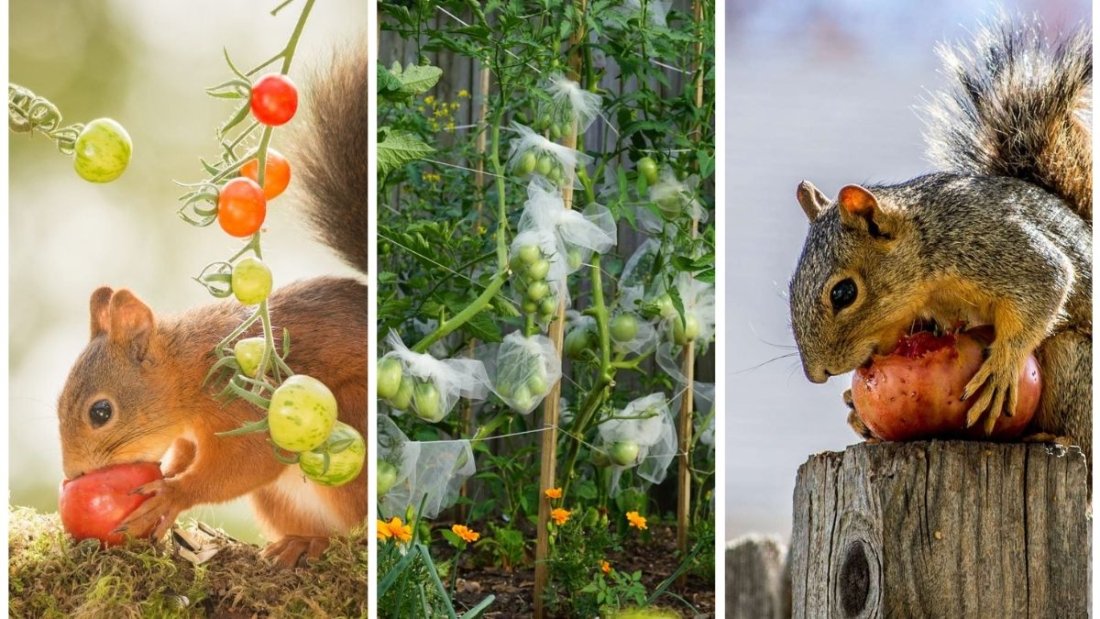
  • Netting: Drape bird netting over tomato plants to create a protective cage. Secure the edges to the ground to prevent squirrels from slipping underneath.
  • Wire cages: Build a frame around the plant using hardware cloth or chicken wire. Make sure the holes are small enough to keep squirrels out.
  • Raised beds: Elevating tomato plants can reduce access points for squirrels.

Tip: Ensure any netting or fencing allows sunlight, airflow, and easy access for watering and harvesting.


2. Plant Deterrents and Companion Plants

Some plants naturally repel squirrels due to their scent or taste. Planting these around tomatoes can create a natural barrier.

Effective Companion Plants:

  • Garlic and onions: Their strong scent deters squirrels.
  • Marigolds: Their pungent odor can confuse and repel rodents.
  • Hot peppers: Capsaicin in peppers can discourage squirrels from nibbling.

Tip: Sprinkle crushed hot pepper flakes around the base of tomato plants for added protection, but avoid direct contact with the fruit to prevent irritation when harvesting.


3. Homemade Repellents

Natural repellents can make your garden unappealing to squirrels without harming them.

Popular Homemade Options:

  • Hot pepper spray: Blend hot peppers with water and a few drops of soap. Spray lightly on tomato leaves (not fruit) to discourage feeding.
  • Garlic spray: Garlic’s strong odor repels squirrels. Mix crushed garlic with water and spray around plants.
  • Vinegar solution: Mix equal parts vinegar and water to create a scent barrier around plants.

Tip: Reapply repellents after rain, as they can wash away and lose effectiveness.


4. Motion-Activated Devices

Squirrels are cautious animals and are often deterred by sudden movements or noises.

Options Include:

  • Motion-activated sprinklers: A burst of water startles squirrels without causing harm.
  • Motion lights or alarms: Sudden lights or sounds can scare squirrels away, especially at night.

Tip: Rotate or reposition devices occasionally, as squirrels can become accustomed to consistent patterns.


5. Strategic Harvesting

Sometimes, prevention isn’t enough. Protect your harvest by picking tomatoes at the right time.

  • Harvest early: Pick tomatoes just before they fully ripen. Store indoors to prevent squirrels from accessing them.
  • Use baskets or nets: If leaving fruits on the plant, use small protective nets or mesh bags to cover individual tomatoes.

Tip: Choose indeterminate varieties that produce fruit over a longer period to reduce large, vulnerable crops at once.


6. Remove Attractants

Squirrels are more likely to invade gardens where food is abundant. Reduce temptation by:

  • Cleaning fallen fruits: Remove overripe or dropped tomatoes regularly.
  • Securing compost: Avoid leaving compost piles accessible to squirrels.
  • Storing birdseed properly: Spilled birdseed can attract squirrels, so use squirrel-proof feeders.

Tip: Keep the garden tidy—less debris and hiding spots make your garden less appealing to squirrels.


7. Encourage Natural Predators

Certain animals naturally discourage squirrels from lingering in your garden:

  • Birds of prey: Hawks and owls can help reduce squirrel populations.
  • Cats and dogs: Supervised outdoor pets can deter squirrels effectively.

Tip: Install bird perches or nest boxes near your garden to encourage natural predators while adding biodiversity.


8. Use Decoy Plants

Decoy plants can distract squirrels away from your valuable tomatoes:

  • Corn, sunflowers, or berry bushes: Plant these as sacrificial crops to divert attention from tomatoes.
  • Rotate decoys: Change locations to maintain effectiveness.

Tip: Decoy plants should be placed strategically around the garden perimeter, not directly with tomato plants.


9. Ultrasonic Repellents

Ultrasonic devices emit high-frequency sounds that squirrels find irritating but are usually inaudible to humans.

  • Place near tomato plants: Ensure coverage of the affected area.
  • Adjust placement regularly: Squirrels may become accustomed to a fixed sound.

Tip: Combine ultrasonic devices with other deterrents for best results.


10. Trapping (Where Legal and Humane)

In areas where legal, live trapping can remove persistent squirrels without harm.

  • Use live cage traps: Bait with fruits or nuts.
  • Check traps frequently: Minimize stress to the animal.
  • Relocate responsibly: Move squirrels far enough to prevent return, following local regulations.

Tip: Trapping is most effective when combined with other preventative methods.


Additional Tips for a Squirrel-Free Tomato Garden

  • Prune vines strategically: Remove lower leaves that squirrels can use for climbing.
  • Install vertical supports: Sturdy cages or trellises reduce climbing opportunities.
  • Rotate crops: Plant tomatoes in different areas each year to confuse wildlife.
  • Observe activity patterns: Squirrels are most active in early morning and evening—take preventive measures during these times.

Conclusion

Squirrels may be clever and persistent, but protecting your tomatoes is possible with a combination of physical barriers, repellents, natural deterrents, and smart gardening practices.

  • Use netting, fencing, and cages to create physical protection.
  • Repel squirrels with natural sprays, companion plants, and decoy crops.
  • Encourage predators and maintain a clean garden environment to reduce attractiveness.
  • Harvest strategically to protect ripening fruits.

By understanding squirrel behavior and using multiple strategies together, you can enjoy a bountiful tomato harvest without losing your fruits to these persistent visitors.

The Best Homemade Spray for Spider Mites

The Best Homemade Spray for Spider Mites

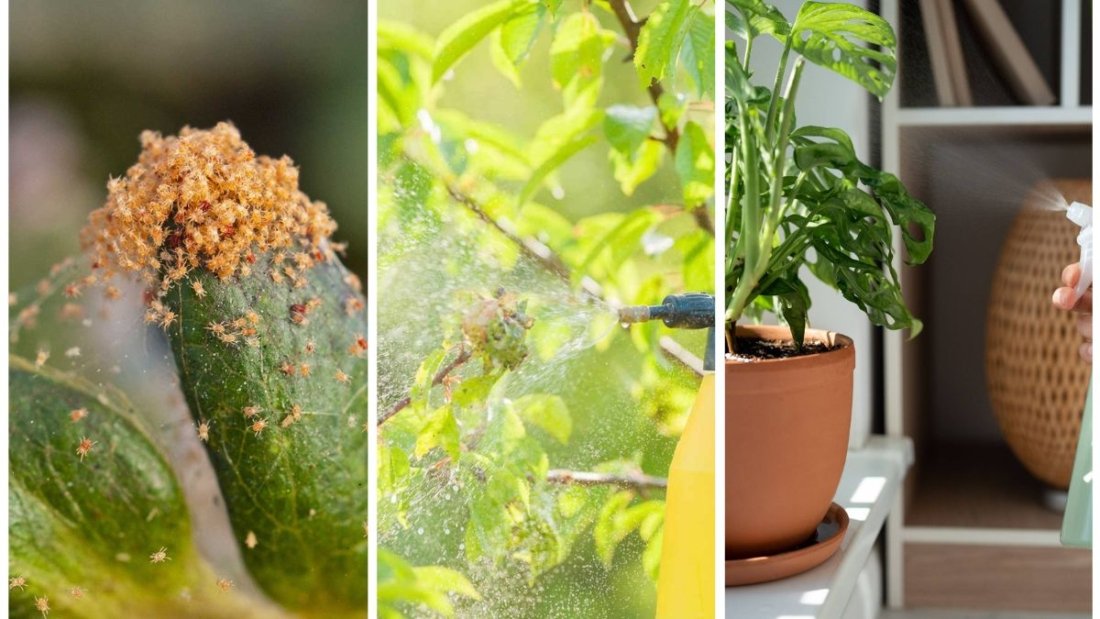
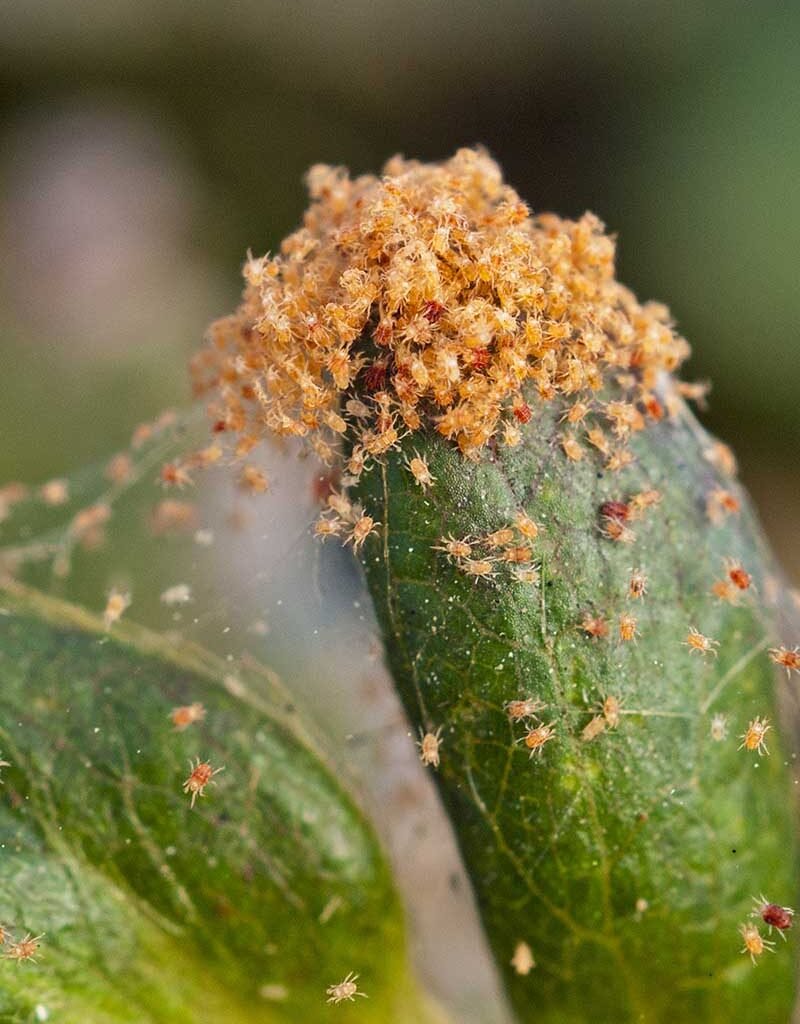
Spider mites are tiny, eight-legged pests that can wreak havoc on houseplants, vegetables, and ornamental plants. They feed on plant sap, causing yellowing, stippling, and leaf drop, and can reproduce rapidly in warm, dry conditions. While chemical pesticides are available, they often harm beneficial insects and may leave residues on your plants. The good news is that you can control spider mites naturally with a homemade spray—safe, effective, and easy to make.

In this article, we’ll explore why spider mites are so destructive, the signs of infestation, and the best homemade sprays and application techniques to keep them under control.


Understanding Spider Mites

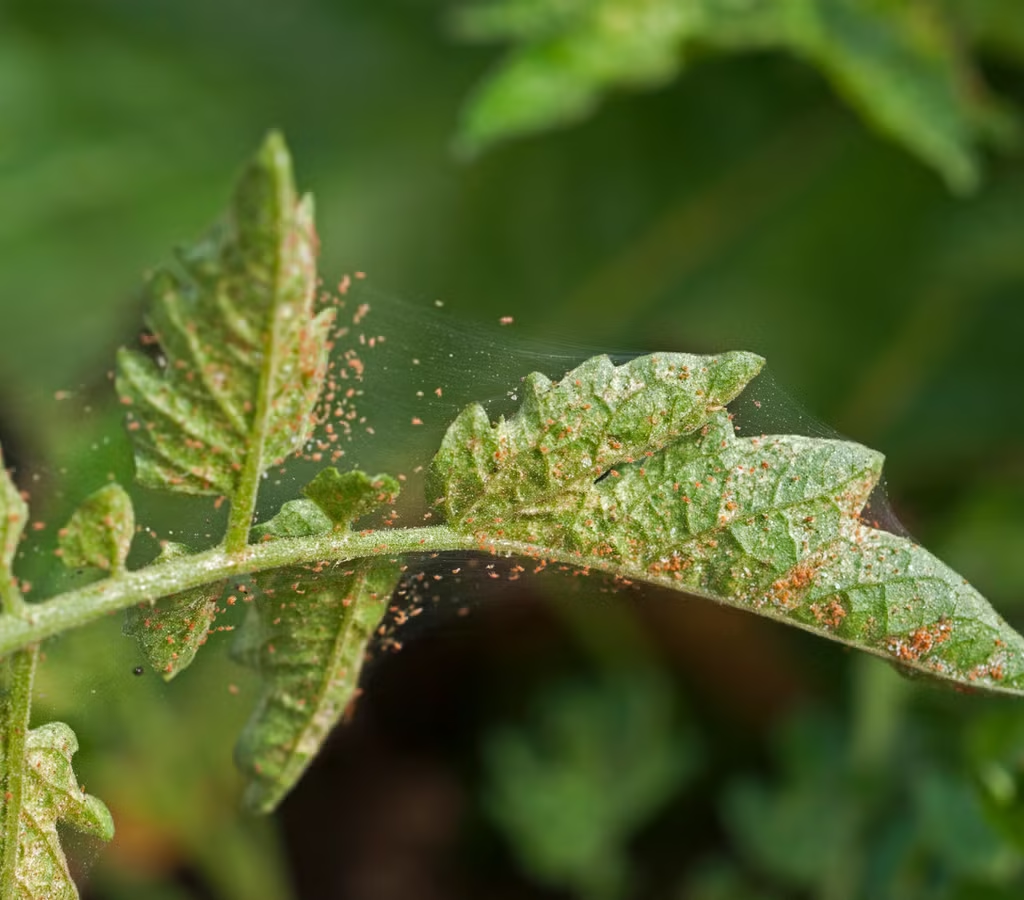
Spider mites are not insects but arachnids, related to spiders and ticks. They are less than 1 mm long, making them nearly invisible to the naked eye. Despite their size, they can cause significant damage:

  • Feeding damage: They pierce plant cells and suck out the sap, leaving tiny yellow or white speckles on leaves.
  • Webbing: Severe infestations produce fine, silken webs covering leaves and stems.
  • Rapid reproduction: Spider mites lay eggs that hatch quickly, making infestations grow fast.

Plants Commonly Affected:

  • Houseplants like ficus, hibiscus, and ivy
  • Vegetables such as tomatoes, cucumbers, and peppers
  • Ornamentals like roses, marigolds, and chrysanthemums

Understanding their biology and preferred conditions (hot, dry environments) is key to controlling them effectively.


Signs of Spider Mite Infestation

Early detection is crucial for controlling spider mites. Common signs include:

  • Stippled or speckled leaves: Small yellow or white spots appear, starting on older leaves.
  • Webbing on leaves and stems: Especially in severe infestations.
  • Leaf discoloration and drop: Leaves may turn yellow, bronze, or brown and fall off prematurely.
  • Tiny moving dots: Spider mites are so small you may need a magnifying glass to see them on leaf undersides.

Ignoring these signs allows the mites to multiply, potentially killing the plant over time.


The Best Homemade Sprays for Spider Mites

Several natural ingredients can effectively control spider mites. Homemade sprays work by smothering mites, disrupting their feeding, or repelling them without harming your plants.

1. Soap and Water Spray

Ingredients:

  • 1–2 teaspoons mild liquid soap (like castile soap)
  • 1 quart (4 cups) of water

How to Make:

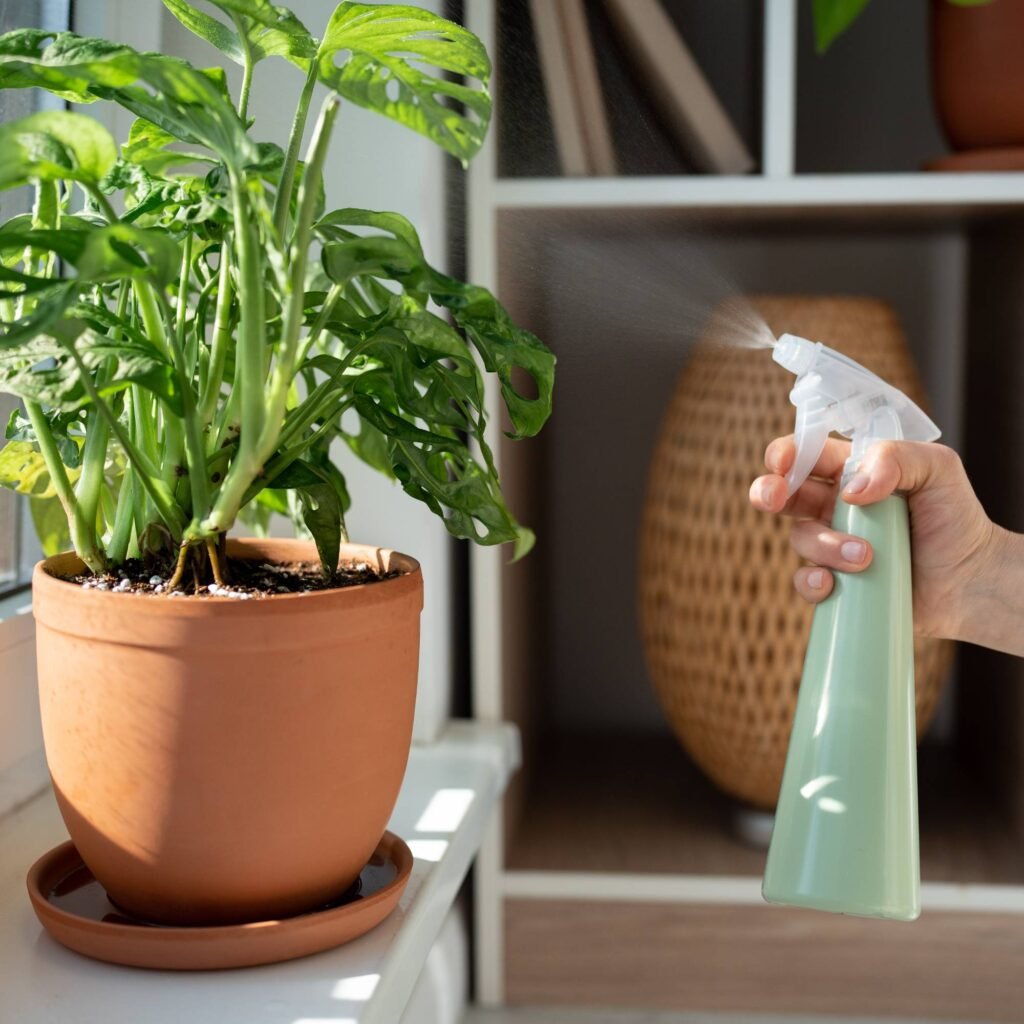
  1. Mix the soap with water in a spray bottle.
  2. Shake well to ensure even distribution.

How It Works:
Soap breaks down the outer protective coating of spider mites, causing them to dehydrate and die.

Application Tips:

  • Spray the undersides of leaves where spider mites hide.
  • Apply every 3–4 days until the infestation is under control.
  • Test on a small leaf first to ensure the plant doesn’t react adversely.

2. Neem Oil Spray

Ingredients:

  • 1–2 teaspoons neem oil
  • 1 quart water
  • Few drops of mild liquid soap

How to Make:

  1. Combine neem oil, water, and soap in a spray bottle.
  2. Shake well before each use.

How It Works:
Neem oil is a natural pesticide that disrupts the feeding and reproductive cycles of spider mites. It also has antifungal properties, making it a multi-purpose plant protector.

Application Tips:

  • Spray thoroughly on all plant surfaces, especially leaf undersides.
  • Apply in the morning or late afternoon to avoid sunburn.
  • Reapply weekly for ongoing protection.

3. Garlic and Pepper Spray

Ingredients:

  • 2 cloves garlic
  • 1 small chili pepper (optional for extra potency)
  • 1 quart water
  • Few drops of soap

How to Make:

  1. Blend garlic and chili with water.
  2. Let the mixture sit for a few hours.
  3. Strain and add a few drops of liquid soap.
  4. Pour into a spray bottle.

How It Works:
Garlic contains sulfur compounds that repel spider mites, while chili adds extra deterrent properties. The soap helps the mixture adhere to leaves.

Application Tips:

  • Spray every few days on affected plants.
  • Avoid spraying in direct sunlight to prevent leaf burn.

4. Alcohol Spray (For Severe Infestations)

Ingredients:

  • 1 part rubbing alcohol (70% isopropyl)
  • 3 parts water
  • Optional: few drops of mild soap

How to Make:

  1. Mix alcohol and water in a spray bottle.
  2. Add soap if desired.

How It Works:
Alcohol dehydrates and kills spider mites on contact.

Application Tips:

  • Spray lightly and avoid overuse to prevent damaging leaves.
  • Test on a small leaf before full application.
  • Use mainly for stubborn infestations or small plants.

Best Practices When Using Homemade Sprays

  1. Target the undersides of leaves: Spider mites prefer hiding there, so thorough coverage is essential.
  2. Regular application: Repeat every 3–7 days until mites are gone.
  3. Timing matters: Apply early in the morning or late afternoon to avoid leaf burn.
  4. Combine methods: Using neem oil and soap sprays alternately can be more effective.
  5. Clean affected leaves: Rinse plants occasionally to remove webs and eggs before spraying.

Additional Tips to Prevent Spider Mites

Preventing infestations is easier than dealing with them after they appear. Here’s what you can do:

  • Maintain humidity: Spider mites thrive in dry conditions, so misting indoor plants can discourage them.
  • Regular inspection: Check leaves, especially undersides, weekly for early signs.
  • Isolate new plants: Quarantine new additions to prevent introducing mites.
  • Remove heavily infested leaves: Dispose of them away from the garden.
  • Encourage natural predators: Ladybugs, predatory mites, and lacewings feed on spider mites naturally.

Conclusion

Spider mites may be tiny, but their impact on plants can be significant. The best way to deal with them is through early detection and consistent control. Homemade sprays—like soap and water, neem oil, garlic-chili, and alcohol solutions—offer safe, natural, and effective ways to eliminate spider mites without harming your plants, beneficial insects, or the environment.

By following the tips outlined in this guide, you can protect your plants, maintain healthy growth, and enjoy a beautiful, thriving garden—all while avoiding harsh chemical pesticides. Consistency, thorough application, and preventive care are the keys to keeping spider mites at bay.