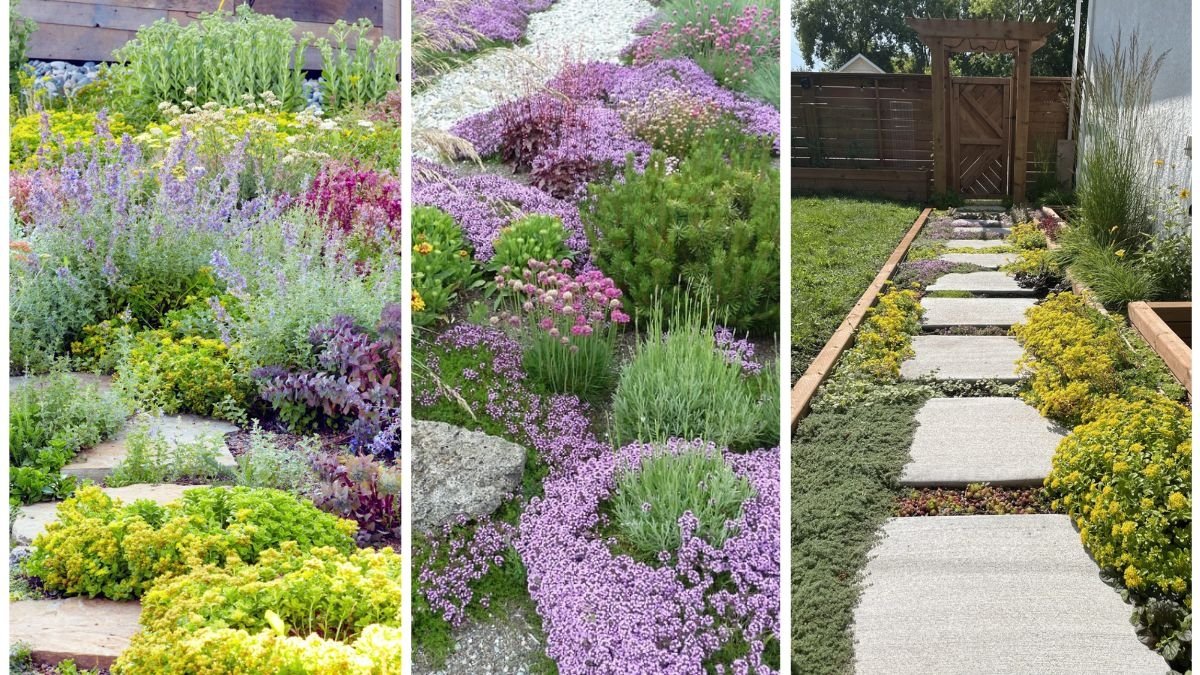
For decades, the traditional grass lawn has been the hallmark of a beautiful home landscape. However, maintaining lush green grass requires constant mowing, fertilizing, and watering, making it time-consuming, costly, and environmentally demanding. With growing concerns about water conservation, sustainability, and low-maintenance gardening, homeowners are increasingly turning to ground covers as practical and stylish alternatives to traditional turf.
Ground covers not only save time and resources but also add unique textures, colors, and patterns to your outdoor space. Whether you want a soft, walkable surface or a vibrant, pollinator-friendly patch, there’s a ground cover plant to fit your needs.
In this article, we’ll explore the best ground covers to replace traditional lawns, their benefits, and tips for successful installation and care.
Why Replace Lawns with Ground Covers?
Before diving into specific plants, let’s look at why ground covers make such great lawn alternatives:

- Low Maintenance – No weekly mowing, edging, or reseeding.
- Water Efficiency – Many ground covers thrive with minimal irrigation.
- Eco-Friendly – Reduced need for fertilizers, herbicides, and pesticides.
- Biodiversity – Certain ground covers attract pollinators like bees and butterflies.
- Soil Health – Dense ground covers prevent erosion and improve soil structure.
- Aesthetic Appeal – Adds variation in texture, foliage, and seasonal flowers that lawns lack.
For homeowners seeking a more sustainable, cost-effective, and attractive option, ground covers are a win-win.

1. Clover (Trifolium repens)

Clover is one of the most popular alternatives to grass, and for good reason. It’s hardy, low-maintenance, and naturally fertilizes itself by fixing nitrogen into the soil.
Benefits:
- Soft and walkable: Comfortable underfoot, perfect for children and pets.
- Self-sustaining: Requires little to no fertilizer.
- Drought-tolerant: Needs less water than grass.
- Pollinator-friendly: Its small white or pink flowers attract bees and butterflies.
Growing Tips:
- Best in sunny to partially shaded areas.
- Can be sown directly into existing lawns to create a clover-grass blend.
- Requires occasional trimming for a neat look.
Why It Works: Clover lawns stay green even during dry spells, making them an eco-friendly and budget-conscious choice.
2. Creeping Thyme (Thymus serpyllum)
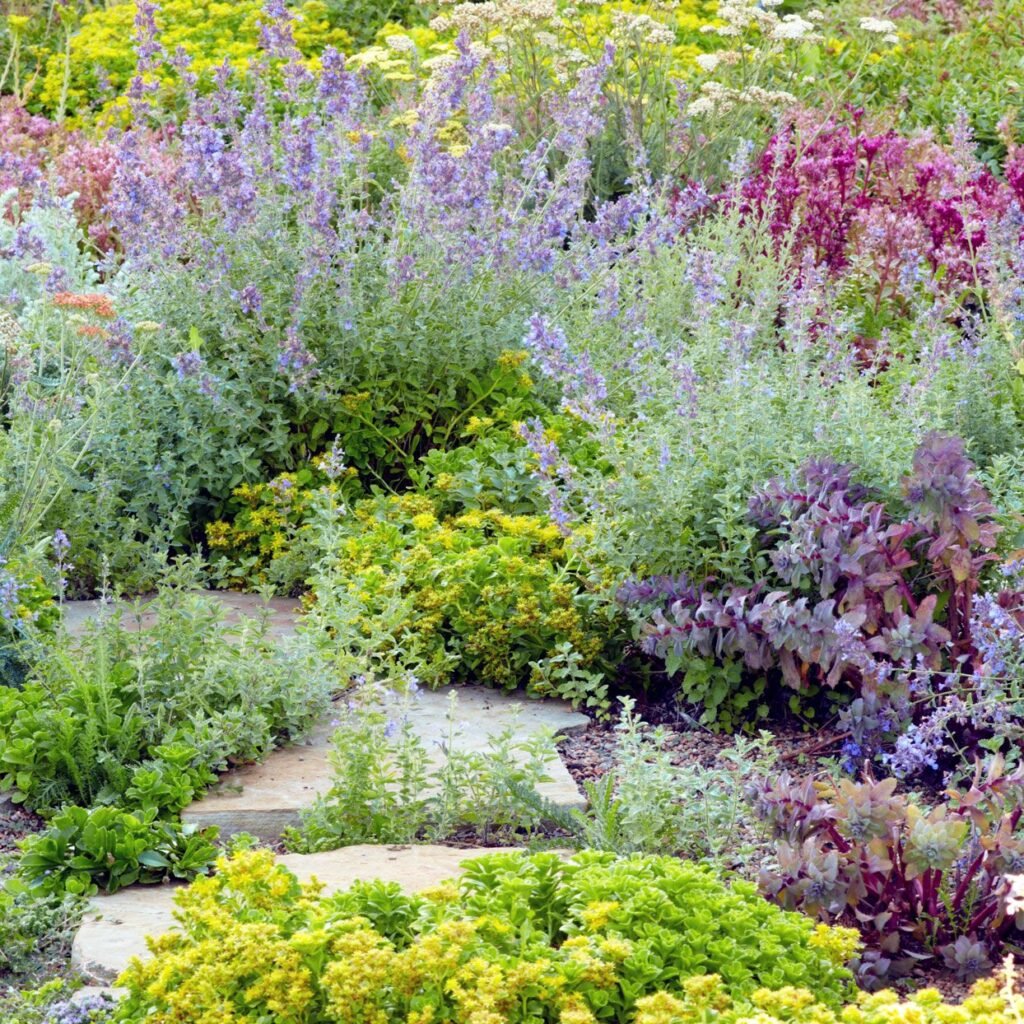
For a fragrant and colorful alternative, creeping thyme is unbeatable. This hardy perennial forms a dense mat and produces vibrant pink or purple blooms in summer.
Benefits:
- Fragrant foliage: Releases a pleasant scent when walked on.
- Drought-resistant: Thrives in poor, rocky soils with minimal water.
- Low height: Stays close to the ground, eliminating the need for mowing.
- Pollinator magnet: Bees love its summer flowers.
Growing Tips:
- Prefers full sun but tolerates light shade.
- Plant plugs or small plants rather than seeds for faster coverage.
- Works well between stepping stones or in small garden patches.
Why It Works: Creeping thyme combines beauty with resilience, creating a colorful, aromatic lawn alternative that’s functional and attractive.
3. Moss (Various species)

If you have a shaded, damp yard where grass refuses to grow, moss is an excellent solution. Moss forms a lush, soft carpet that remains green year-round.

Benefits:
- Shade-loving: Thrives in areas grass struggles with.
- No mowing required: Maintains a low, velvety surface.
- Low maintenance: Requires little fertilization and few inputs.
- Soil stabilizer: Prevents erosion on slopes or uneven terrain.
Growing Tips:
- Best in shaded, moist environments.
- Prepare the soil by clearing debris and compacting it slightly.
- Mist regularly during establishment.
Why It Works: Moss transforms difficult shady areas into enchanting, low-maintenance green spaces.
4. Sedum (Stonecrop)
Sedum, a succulent ground cover, is ideal for hot, dry climates. It comes in various forms—creeping, mat-forming, or trailing—making it versatile for different landscapes.
Benefits:
- Drought-tolerant: Requires little water once established.
- Variety of colors: Offers green, red, yellow, or purple foliage.
- Flowering beauty: Produces star-shaped flowers in summer.
- Low growth habit: Stays compact and weed-resistant.
Growing Tips:
- Plant in sunny, well-drained soil.
- Perfect for rocky gardens, slopes, or xeriscaping.
- Minimal care needed after establishment.
Why It Works: Sedum provides vibrant, low-water ground cover that adds year-round interest.
5. Creeping Jenny (Lysimachia nummularia)

Known for its bright chartreuse leaves, Creeping Jenny spreads quickly, forming a dense ground cover that glows in sunlight.
Benefits:
- Fast-growing: Quickly fills bare patches.
- Colorful foliage: Adds golden-green brightness to gardens.
- Versatile: Works in sun or partial shade.
- Low maintenance: Tolerates a wide range of soil conditions.
Growing Tips:
- Can be invasive—use garden edging to contain growth.
- Prefers moist soil but tolerates drier conditions once established.
- Prune occasionally to maintain neatness.
Why It Works: Creeping Jenny adds color and vibrancy, making it perfect for homeowners who want a striking alternative to plain grass.

6. Blue Star Creeper (Isotoma fluviatilis)
This low-growing ground cover produces tiny blue star-shaped flowers, creating a charming, meadow-like effect.
Benefits:
- Walkable surface: Tolerates light foot traffic.
- Flowering ground cover: Blooms throughout spring and summer.
- Evergreen in mild climates: Maintains year-round beauty.
- Dense coverage: Suppresses weeds effectively.
Growing Tips:
- Plant in sunny to partially shaded areas.
- Requires regular watering during establishment.
- Works well between pavers, stepping stones, or pathways.
Why It Works: Blue Star Creeper provides both visual charm and practical weed control.
7. Liriope (Lilyturf)
Liriope is a grass-like perennial with purple flower spikes, perfect for those who still want the appearance of grass without the upkeep.
Benefits:
- Durable: Withstands heat, drought, and some foot traffic.
- Seasonal blooms: Produces purple or white flowers in summer.
- Evergreen foliage: Provides year-round interest.
- Low maintenance: Minimal trimming required.
Growing Tips:
- Plant in well-drained soil with sun to partial shade.
- Works well as borders, edging, or full lawn replacement.
- Divide clumps every few years to encourage growth.
Why It Works: Liriope mimics the look of a lawn while being much easier to maintain.
Tips for Transitioning from Grass to Ground Covers
- Remove existing turf: Clear old grass before planting.
- Prepare the soil: Loosen and enrich soil for better root establishment.
- Start small: Replace a portion of your lawn first, then expand.
- Water during establishment: Even drought-tolerant plants need extra care at the start.
- Mulch in between plantings: Helps retain moisture and suppress weeds until plants spread.
Conclusion
Replacing traditional lawns with ground covers is not just a cost-saving and eco-friendly choice—it’s an opportunity to reimagine your outdoor space with color, texture, and character. Whether you opt for the hardy clover, the fragrant creeping thyme, the lush moss, the succulent sedum, or vibrant options like Creeping Jenny and Blue Star Creeper, each alternative offers unique benefits that outperform traditional grass in beauty, maintenance, and sustainability.

Ground covers are more than just a trend—they’re the future of landscaping. By making the switch, you’ll enjoy a beautiful, low-maintenance yard that’s kinder to the environment and more enjoyable year-round.

Leave A Comment