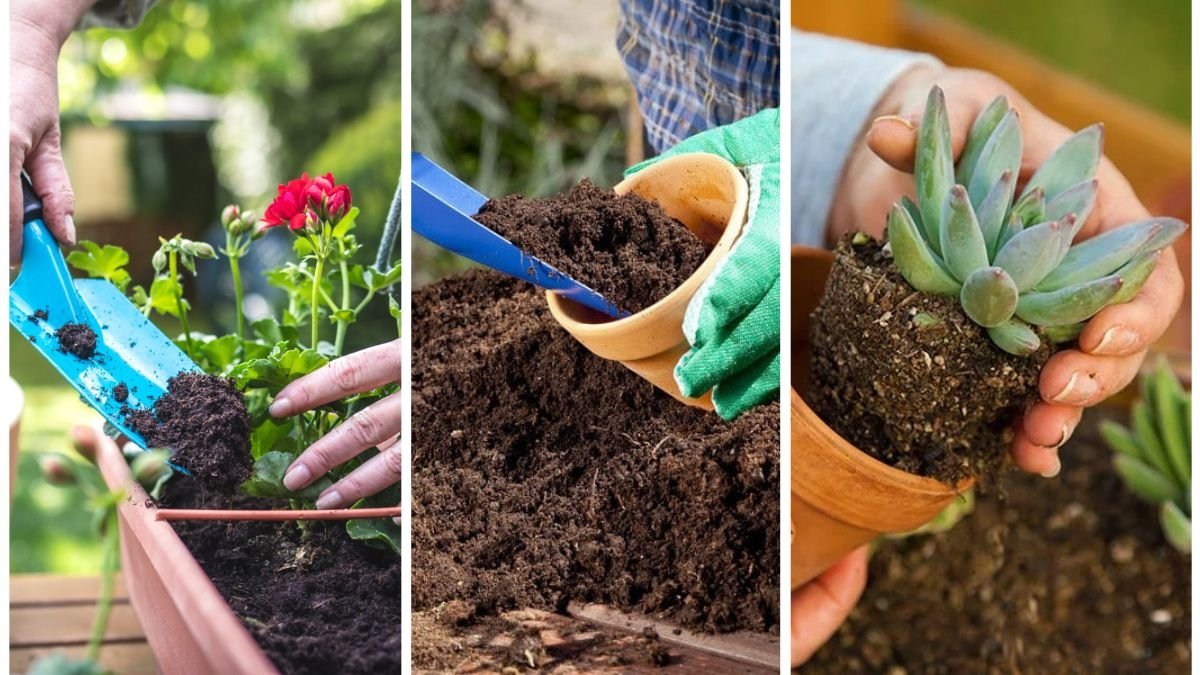
Container gardening has grown into one of the most popular ways to bring plants into homes, patios, balconies, and small outdoor spaces. Whether you’re growing vibrant flowers, lush foliage plants, or fresh vegetables, one factor determines your success more than anything else: the soil mix. Unlike traditional gardens, container plants are confined to limited space. Their roots can’t search far and wide for water or nutrients. That means the soil mix you choose—or create—must meet all their needs.
In this article, we’ll explore why soil mixes are so important for container gardening, what makes an ideal mix, and the best options for different types of plants. With the right foundation, your plants can thrive, bloom, and produce abundantly.
Why Regular Garden Soil Doesn’t Work in Containers
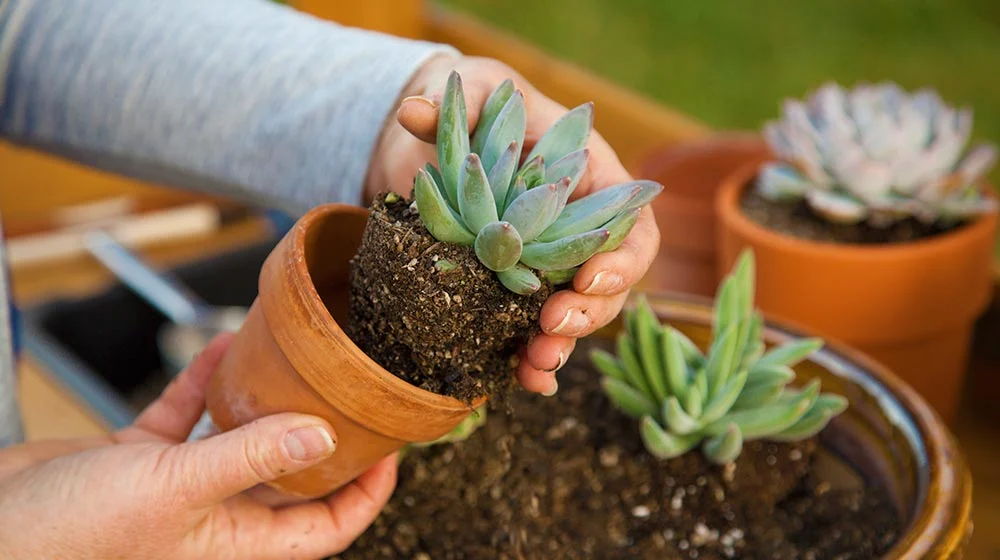
A common mistake new gardeners make is filling pots with regular garden soil. While it may work in the ground, garden soil is too heavy for containers.
Problems with using garden soil in pots:
- Compaction: Garden soil compresses easily in pots, restricting root growth and oxygen flow.
- Poor Drainage: Excess water has nowhere to go, leading to soggy soil and root rot.
- Pest and Disease Risks: Soil from the ground may carry harmful pests, weeds, or fungi.
That’s why container gardening requires a specially designed soil mix that balances drainage, aeration, and nutrition.
Characteristics of the Best Soil Mix
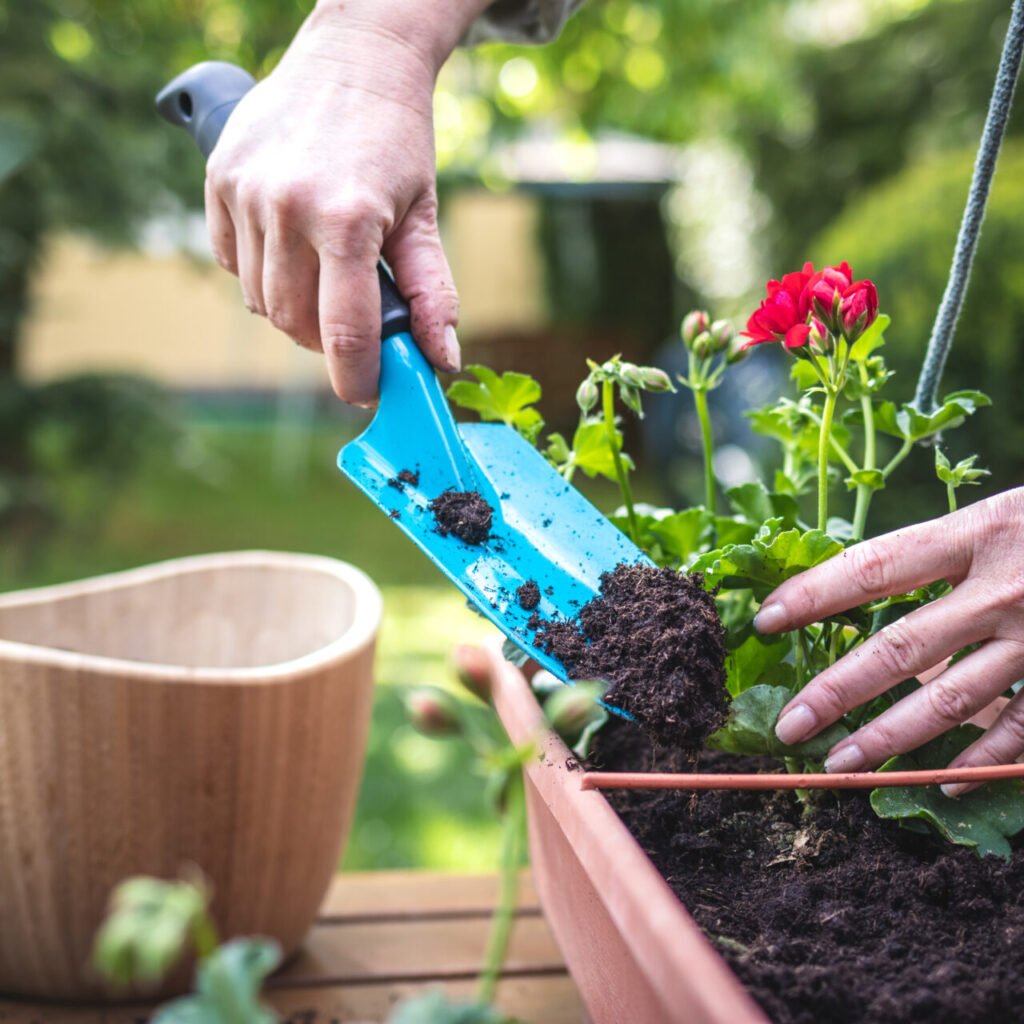
An ideal container gardening soil mix should:
- Drain Well: Prevents waterlogging, which suffocates roots.
- Retain Moisture: Holds enough water to keep plants hydrated between waterings.
- Be Lightweight: Easy to move around, especially for balcony or rooftop containers.
- Provide Nutrients: Supplies essential minerals for plant growth.
- Allow Aeration: Keeps soil loose so roots can “breathe” and expand.
Balancing these qualities requires combining several ingredients.
Common Ingredients in Container Soil Mixes
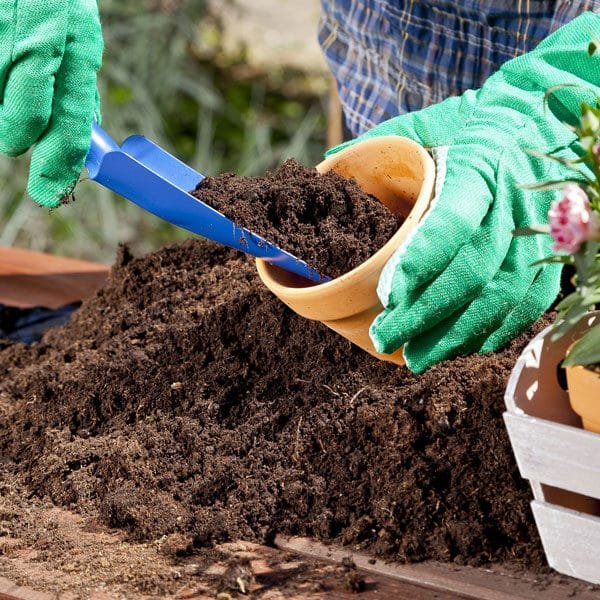
- Coco Peat or Peat Moss
- Improves water retention and keeps soil light.
- Coco peat is eco-friendly, while peat moss is traditional but less sustainable.
- Perlite
- Small white volcanic rocks that improve aeration and drainage.
- Prevents soil from becoming too compact.
- Vermiculite
- Helps retain both moisture and nutrients.
- Often used in mixes for seedlings or moisture-loving plants.
- Compost or Well-Rotted Manure
- Provides organic nutrients and beneficial microorganisms.
- Improves soil structure and fertility.
- Sand
- Adds weight and improves drainage.
- Best for succulents and cactus mixes.
- Garden Lime (Optional)
- Used to balance acidity in peat-based mixes.
- Slow-Release Fertilizer
- Ensures plants have a steady nutrient supply over time.
Best Soil Mixes for Different Container Plants
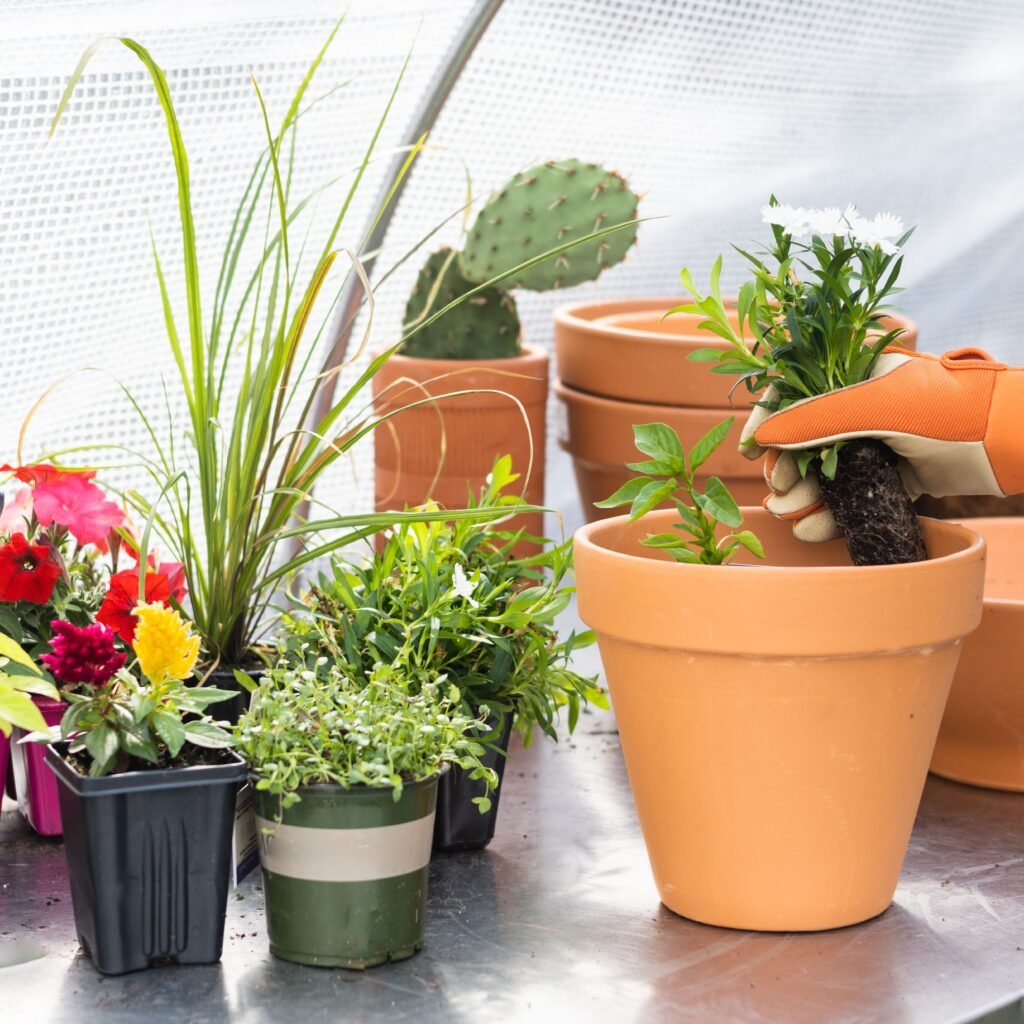
Not all plants need the same soil. Tailoring mixes to your plant type ensures better growth and fewer problems.
1. Soil Mix for Flowering Plants
Flowers like petunias, geraniums, and marigolds thrive in well-balanced soil that encourages blooming.
Recipe:
- 40% coco peat or peat moss
- 30% compost
- 20% perlite
- 10% vermiculite
Why it Works:
This mix retains enough moisture for continuous blooms while staying light and airy. Compost provides essential nutrients to fuel flowering.
2. Soil Mix for Vegetables
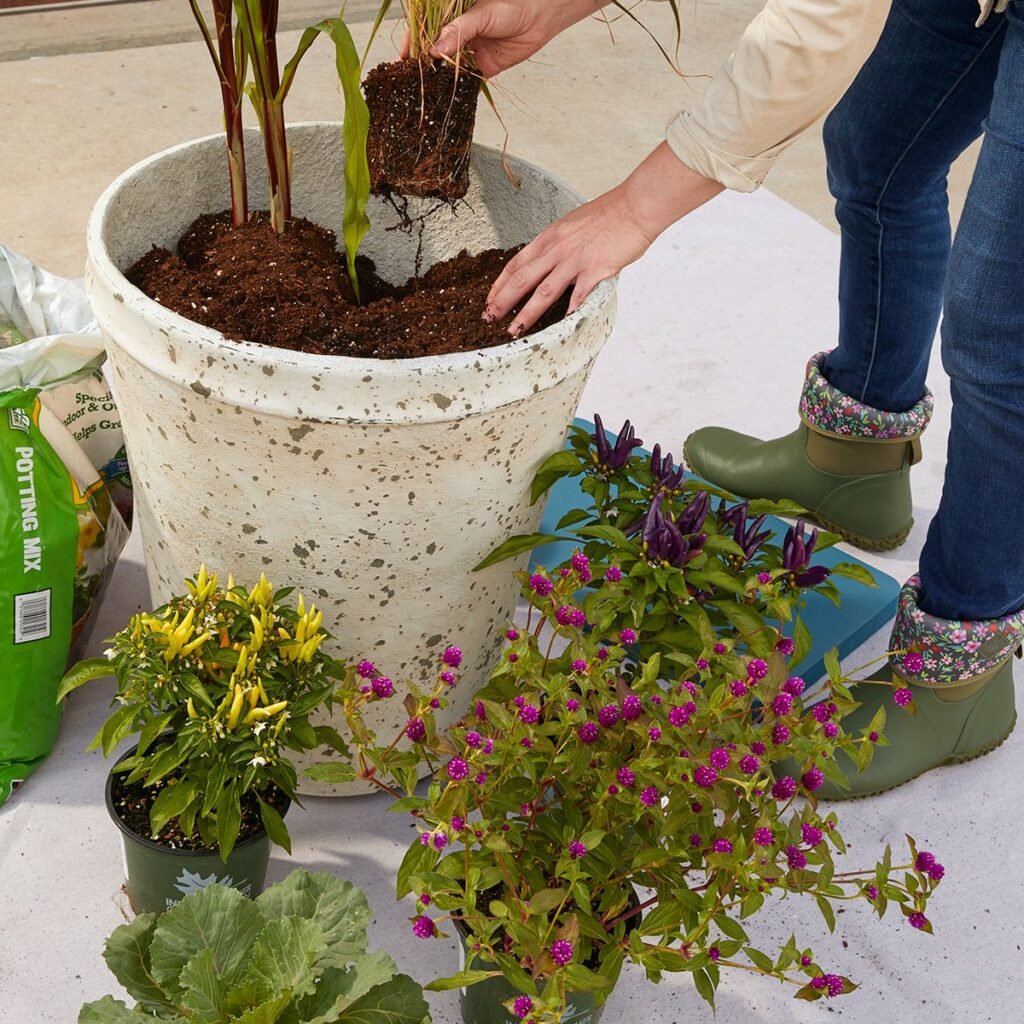
Container vegetables like tomatoes, peppers, lettuce, and carrots require nutrient-rich soil.
Recipe:
- 35% coco peat
- 35% compost or well-rotted manure
- 20% perlite
- 10% garden soil (sterilized)
Why it Works:
This mix balances fertility and drainage. Vegetables are heavy feeders, so the compost ensures steady nutrition, while perlite prevents root rot.
Tip: Add a handful of slow-release organic fertilizer (such as bone meal or neem cake) for long-term nutrient supply.
3. Soil Mix for Herbs
Herbs like basil, mint, parsley, and thyme do best in soil that drains well but doesn’t dry out too quickly.
Recipe:
- 40% coco peat
- 30% compost
- 20% perlite
- 10% vermiculite
Why it Works:
Herbs require steady moisture but are sensitive to overwatering. This mix ensures balance and keeps flavors strong.
4. Soil Mix for Succulents and Cacti
Succulents like aloe vera, echeveria, and jade plants require fast-draining soil to prevent root rot.
Recipe:
- 40% coarse sand or pumice
- 30% coco peat or peat moss
- 20% perlite
- 10% compost
Why it Works:
This gritty mix ensures water drains quickly while still providing nutrients. The sand adds weight, stabilizing shallow-rooted succulents in pots.
5. Soil Mix for Indoor Houseplants
Houseplants like pothos, philodendrons, and snake plants need soil that retains some moisture but allows roots to breathe.
Recipe:
- 40% coco peat
- 30% compost
- 20% perlite
- 10% vermiculite
Why it Works:
This versatile blend mimics a natural forest floor—moist, airy, and nutrient-rich. It suits most decorative indoor plants.
Tips for Mixing and Using Container Soils
- Sterilize Ingredients: Bake garden soil or compost at 180°F (82°C) for 30 minutes to kill pests and pathogens before adding to your mix.
- Add Mulch: Use bark chips, straw, or moss on top of containers to reduce evaporation.
- Refresh Annually: Replace or replenish soil every growing season, as nutrients deplete and soil compacts.
- Fertilize Regularly: Even the best mixes need extra feeding, especially for heavy-feeding vegetables and flowers.
- Check pH Levels: Most plants prefer slightly acidic to neutral soil (pH 6–7). Test and adjust with lime or sulfur if needed.
- Don’t Overfill Pots: Leave 1–2 inches at the top for watering space.
Common Mistakes to Avoid
- Using Garden Soil Alone: Leads to compaction and poor growth.
- Skipping Drainage Holes: Causes waterlogging and root rot.
- Over-Fertilizing: Can burn roots and lead to weak growth.
- Ignoring Plant-Specific Needs: A “one-size-fits-all” mix doesn’t always work.
Sustainable Alternatives
Container gardening can also be eco-friendly with sustainable soil ingredients:
- Replace peat moss with coco peat to reduce environmental impact.
- Use homemade compost from kitchen scraps.
- Incorporate biochar to improve soil fertility and carbon storage.
- Reuse old potting soil by refreshing it with compost and perlite.
Conclusion
The success of any container garden begins with what lies beneath the surface—the soil mix. By understanding plant needs and creating tailored mixes, you provide the perfect environment for healthy roots, lush growth, and abundant blooms or harvests.
From nutrient-rich blends for vegetables to fast-draining mixes for succulents, choosing the right soil is the foundation of container gardening success. Combine quality ingredients, refresh your mixes regularly, and adjust based on plant type, and your container garden will thrive season after season.
Remember: a thriving plant isn’t just about what you see above the pot—it’s about the healthy, happy roots below.

Leave A Comment