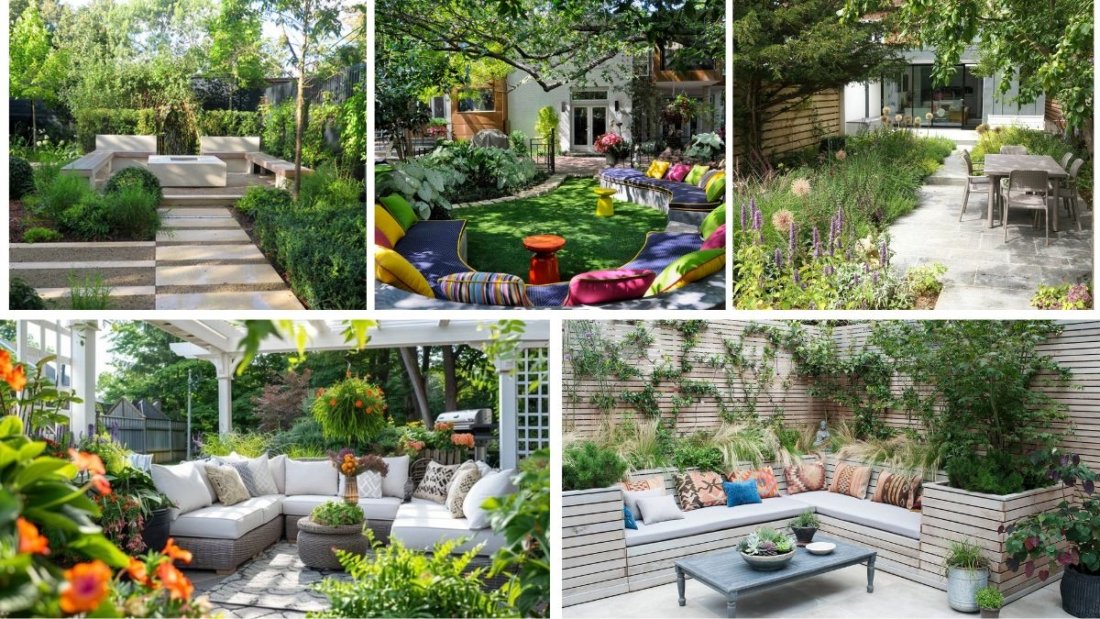
5 Creative Ways to Decorate a Patio Garden

5 Creative Ways to Decorate a Patio Garden

A patio garden is more than just an outdoor space—it’s an extension of your home where you can relax, entertain, or simply enjoy fresh air surrounded by greenery. Whether your patio is large or compact, decorating it creatively can turn it into a stylish retreat that reflects your personality. The best part is that with the right design ideas, even the smallest patios can feel like lush, inviting sanctuaries.

In this article, we’ll explore five creative ways to decorate a patio garden, blending functionality, aesthetics, and comfort to help you design a space that feels both beautiful and practical.


1. Use Vertical Space for Greenery
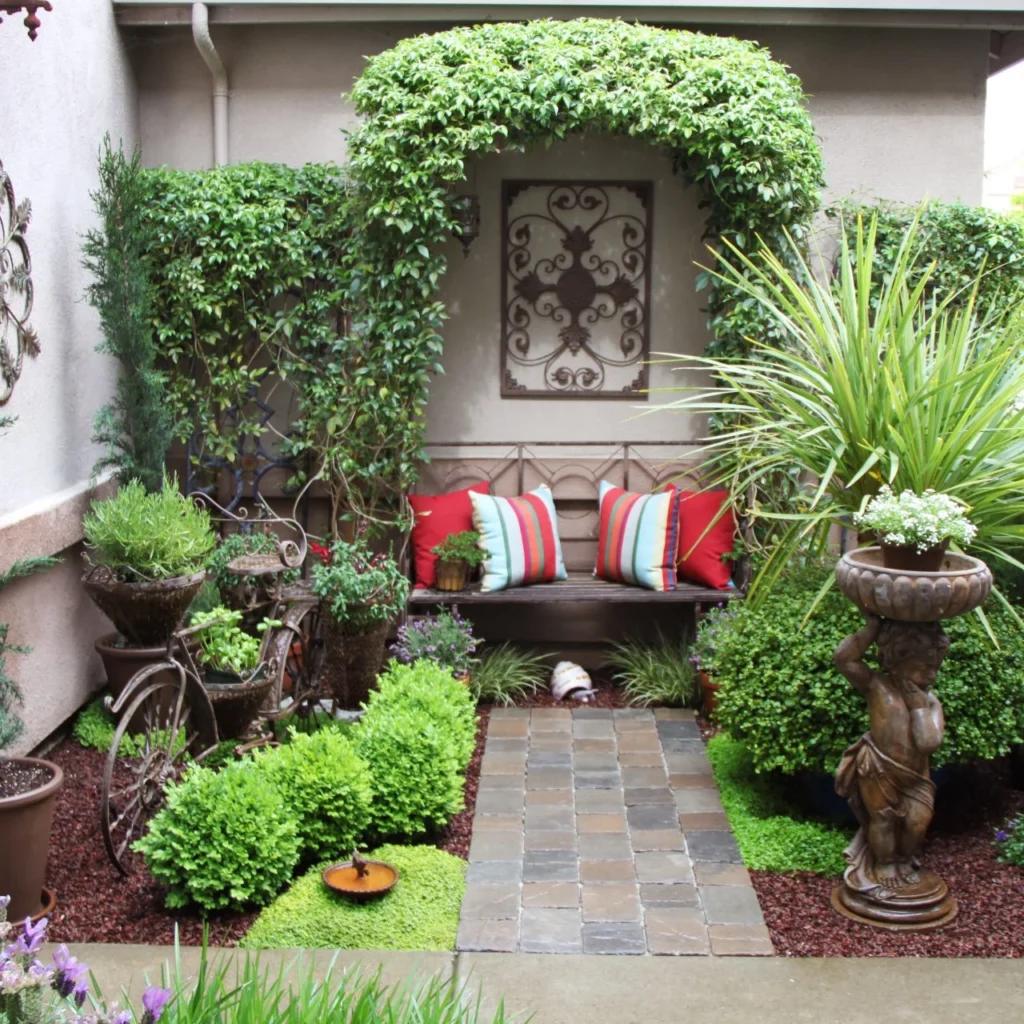
When floor space is limited, vertical gardening becomes your best friend. Instead of cluttering the patio with pots, make use of walls, railings, and hanging structures.

Ideas to try:

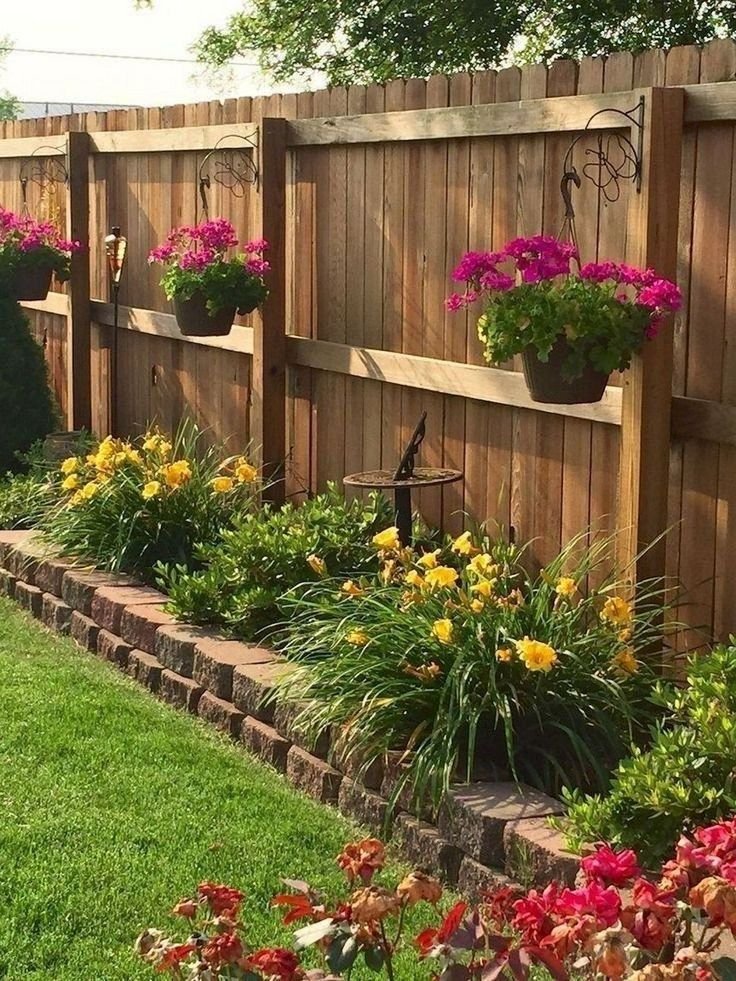
  • Living Walls: Install wall-mounted planters or modular vertical garden panels filled with herbs, succulents, or colorful flowers. These living walls bring lushness while saving space.
  • Hanging Planters: Suspend baskets or macramé plant holders at varying heights. They work especially well for trailing plants like ivy, pothos, or petunias.
  • Trellises and Climbers: Add a trellis against a wall or railing and grow climbing plants like jasmine, clematis, or bougainvillea for a natural green screen.
  • Shelving Units: Place a wooden or metal shelf unit on your patio to hold small pots. You can arrange them in tiers to create visual interest.

Why it works: Vertical gardening maximizes limited space while creating a lush, cozy atmosphere. It also adds privacy, especially if you’re overlooked by neighbors.


2. Add Cozy and Functional Furniture
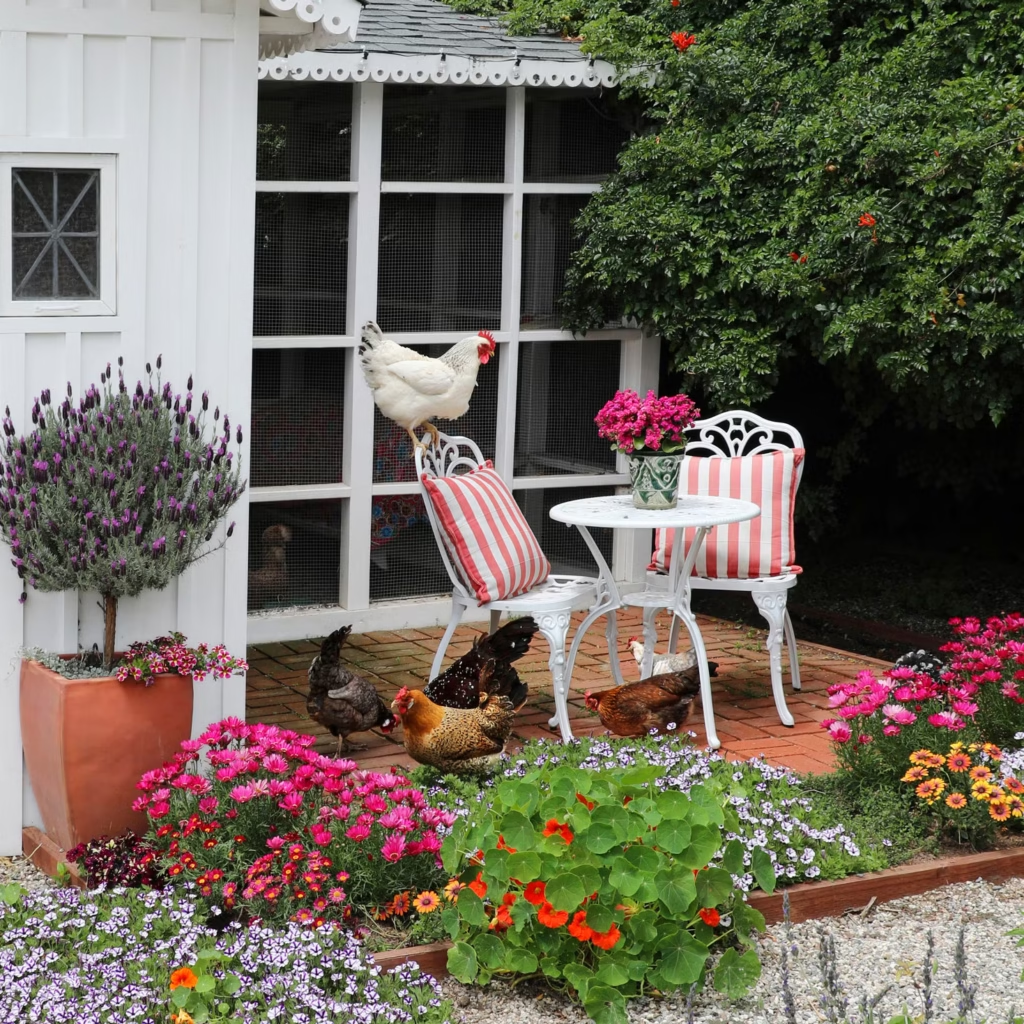
Furniture plays a central role in decorating a patio garden. It defines the space, making it inviting and practical for daily use. Choosing the right furniture ensures comfort without overwhelming the area.

Ideas to try:

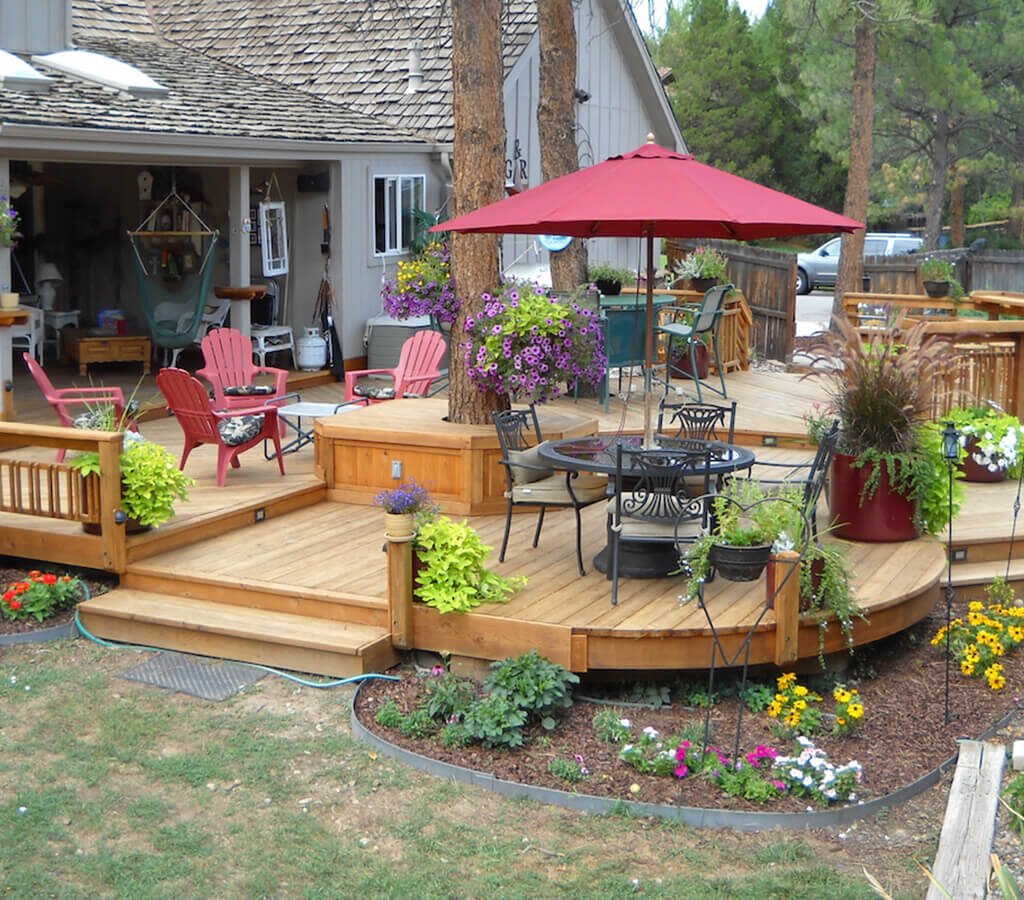
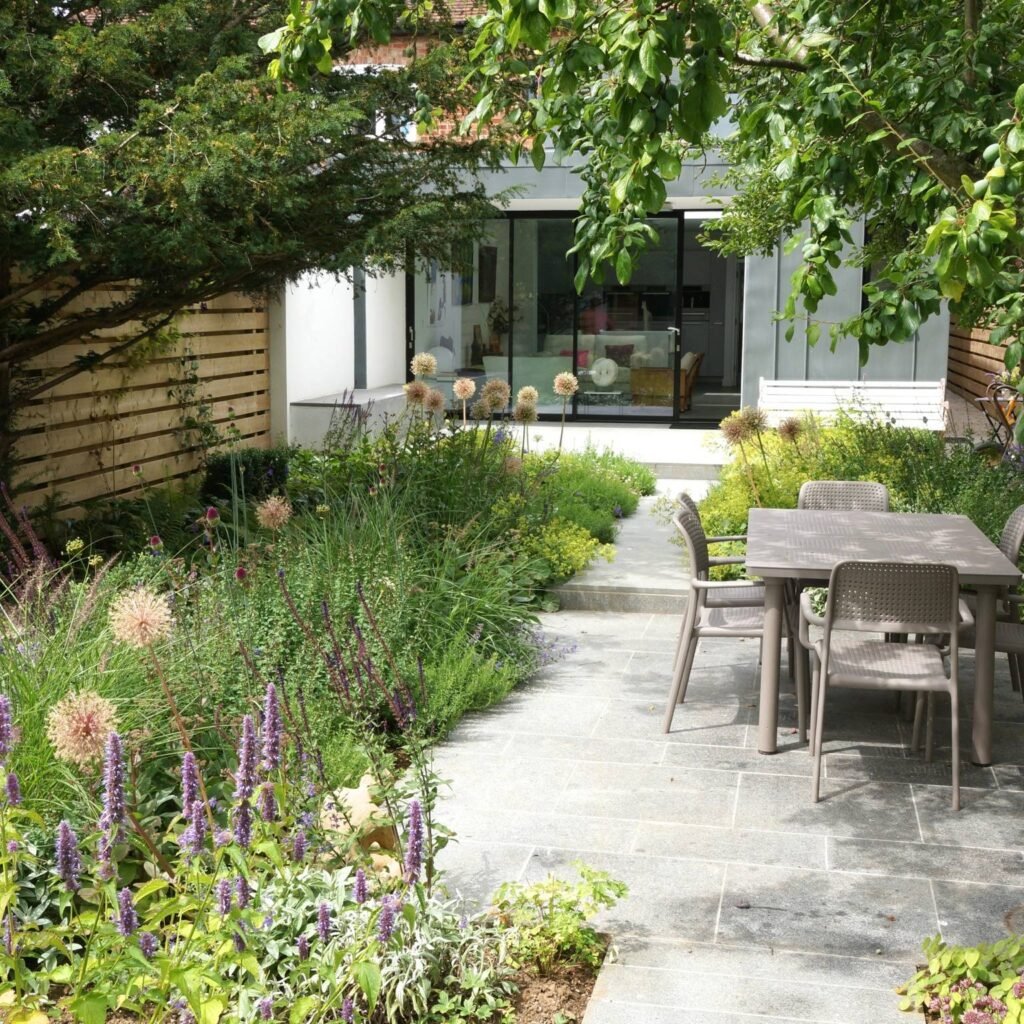
  • Compact Bistro Sets: Perfect for small patios, a simple table and two chairs create an intimate dining or coffee nook.
  • Multi-functional Furniture: Benches with hidden storage, foldable chairs, or nesting tables save space and reduce clutter.
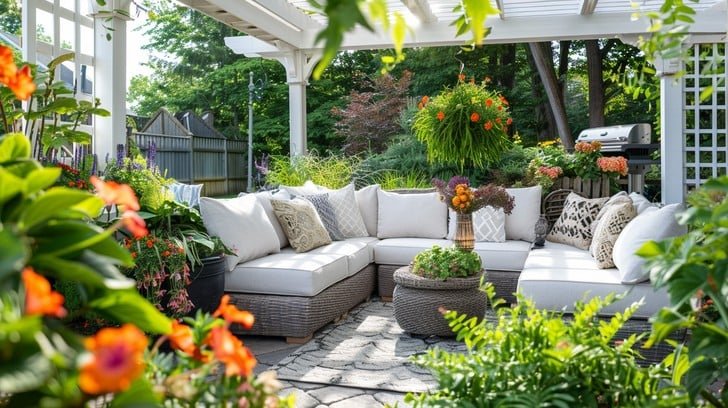
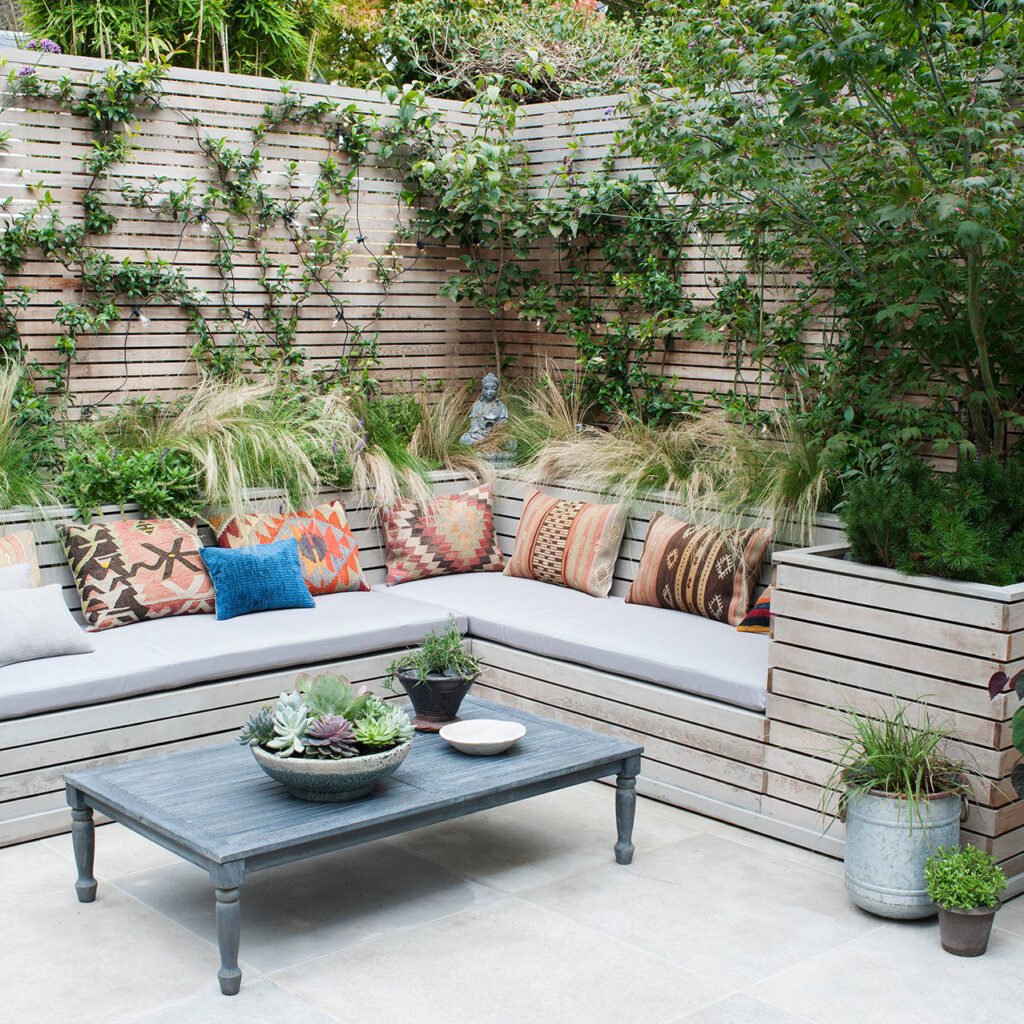
  • Lounge Area: If you have room, add outdoor sofas with weather-resistant cushions. Pair them with a low coffee table for a relaxed, living-room vibe.
  • Hammocks and Swings: Hanging chairs or hammocks add a playful, cozy element to your patio garden.

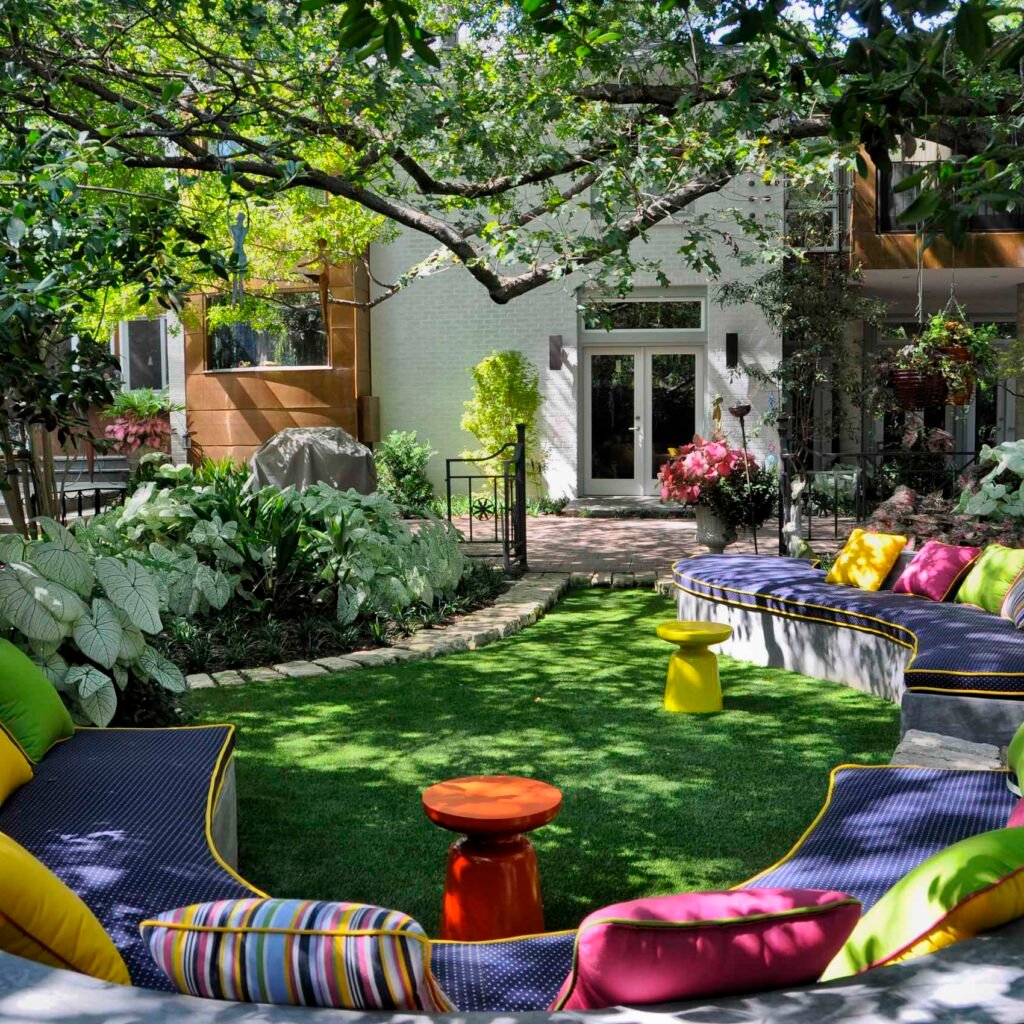
Decorative Touches: Add cushions, throws, and rugs in weatherproof fabrics to infuse color and texture. Mixing patterns and colors can instantly brighten the space and reflect your personality.

Why it works: Functional furniture makes the patio not only beautiful but also usable for dining, relaxing, or hosting guests. It ensures your outdoor area is an extension of your indoor living space.


3. Incorporate Creative Lighting
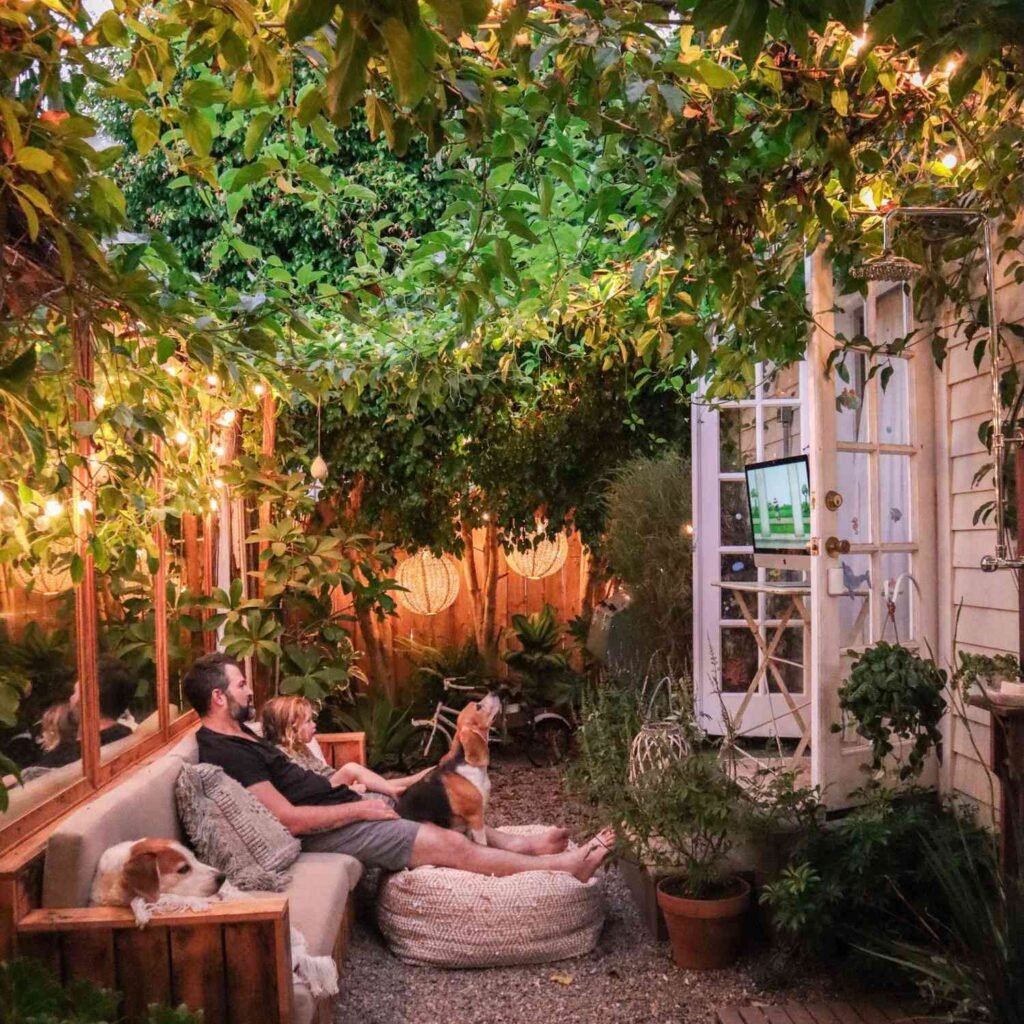
Lighting is one of the easiest ways to transform a patio garden from ordinary to magical. The right lighting extends the usability of your patio into the evening while setting a cozy and romantic mood.

Ideas to try:

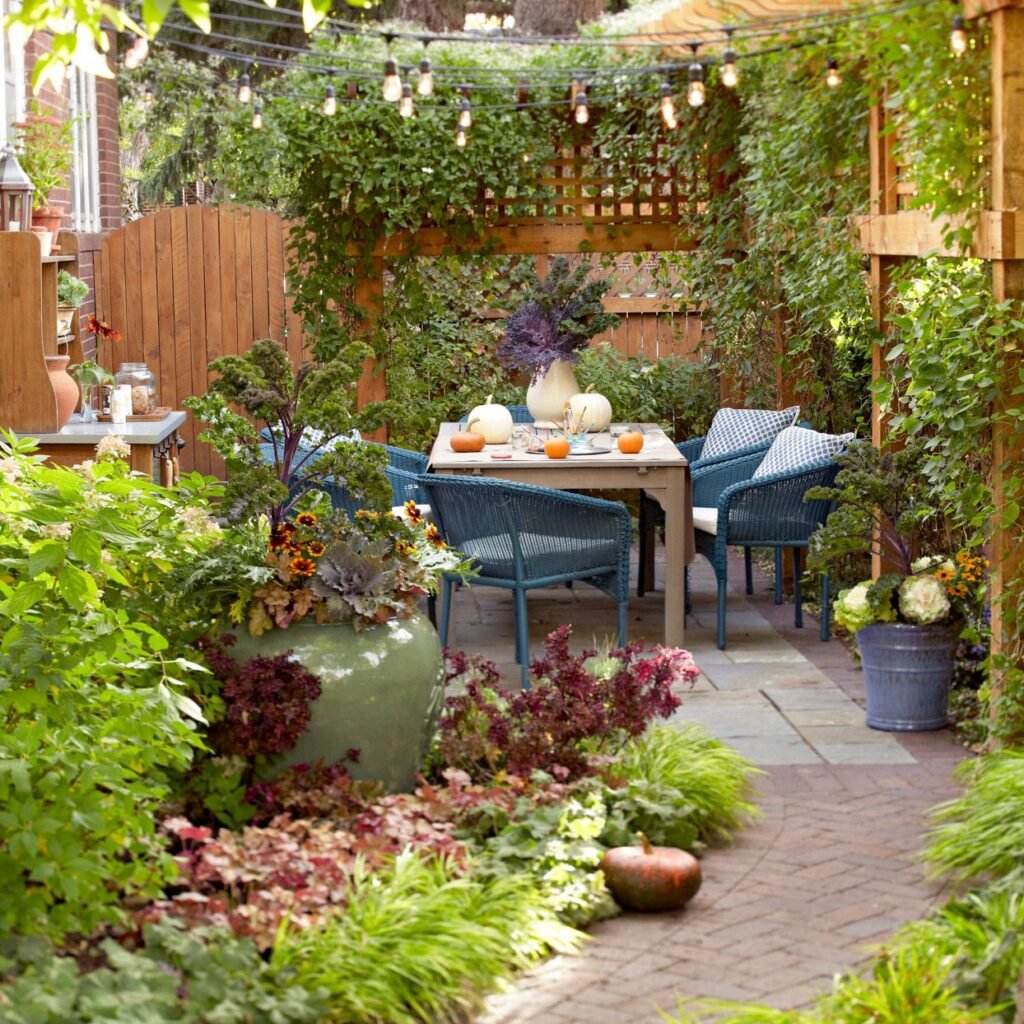
  • String Lights: Drape them across railings, walls, or overhead to create a warm, twinkling canopy effect.
  • Lanterns and Candles: Use lanterns with LED or real candles for a rustic, cozy charm. Place them on tables, shelves, or the floor.
  • Solar Path Lights: If your patio leads into the garden, solar lights along the edges create a welcoming pathway.
  • Fairy Lights in Plants: Wrap fairy lights around small trees, climbers, or shrubs to highlight greenery at night.
  • Hanging Pendant Lights: If you have a pergola or covered patio, pendant lights add sophistication and style.

Why it works: Good lighting makes the patio usable at night and adds an enchanting ambiance. It highlights plants and décor while enhancing safety.


4. Personalize with Unique Planters and Decor
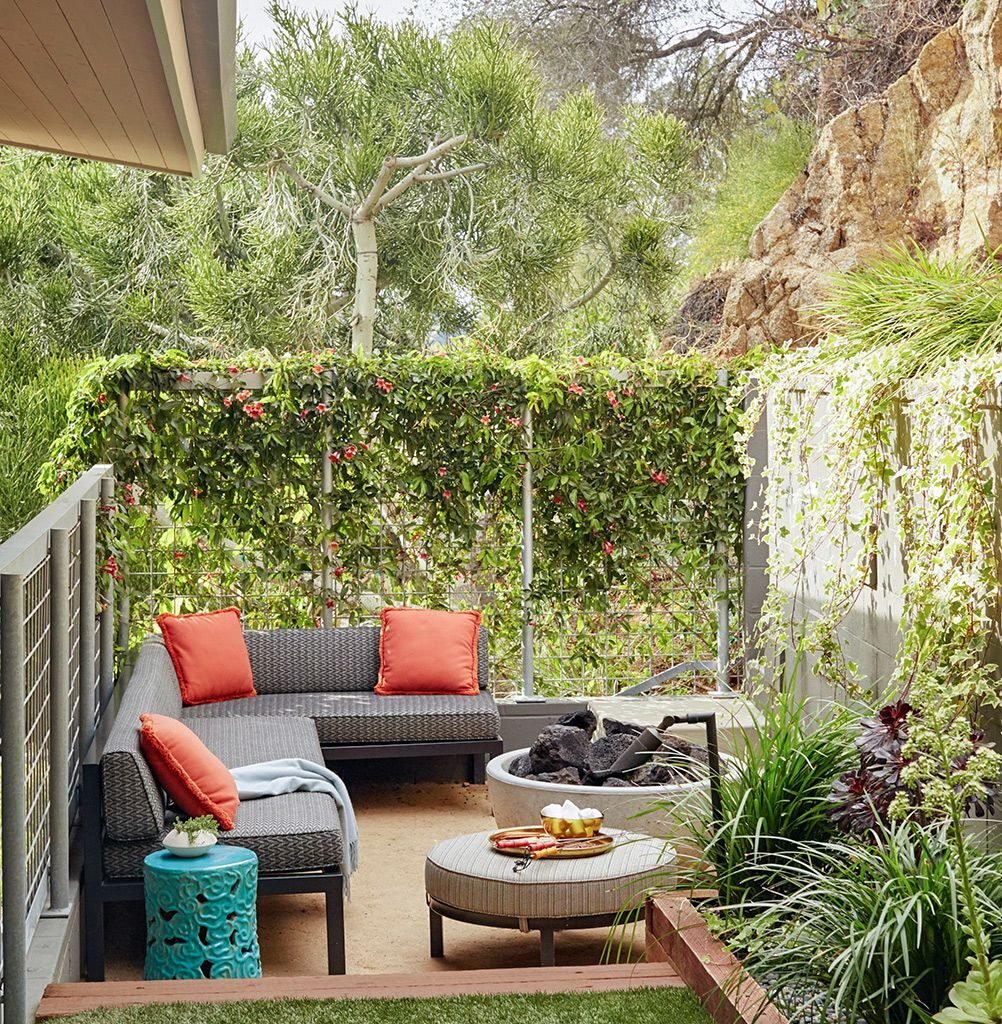
Your patio garden reflects your style, so decorating with creative planters and unique décor pieces can make it truly yours.

Ideas to try:

  • Repurposed Containers: Use old buckets, wine crates, or ceramic bowls as planters for a rustic or eclectic look.
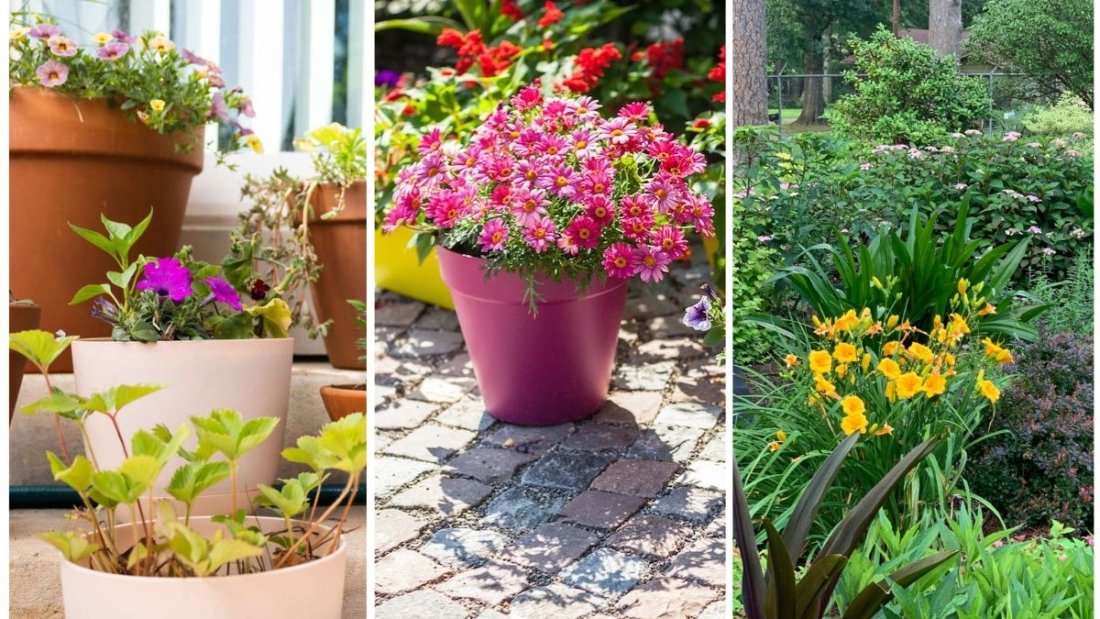
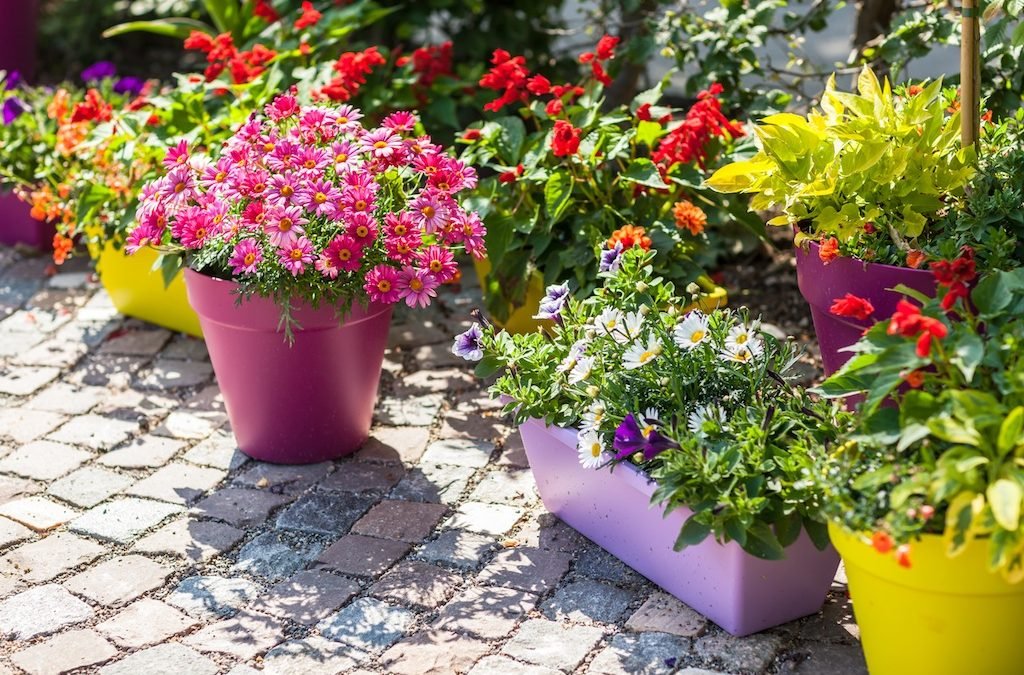
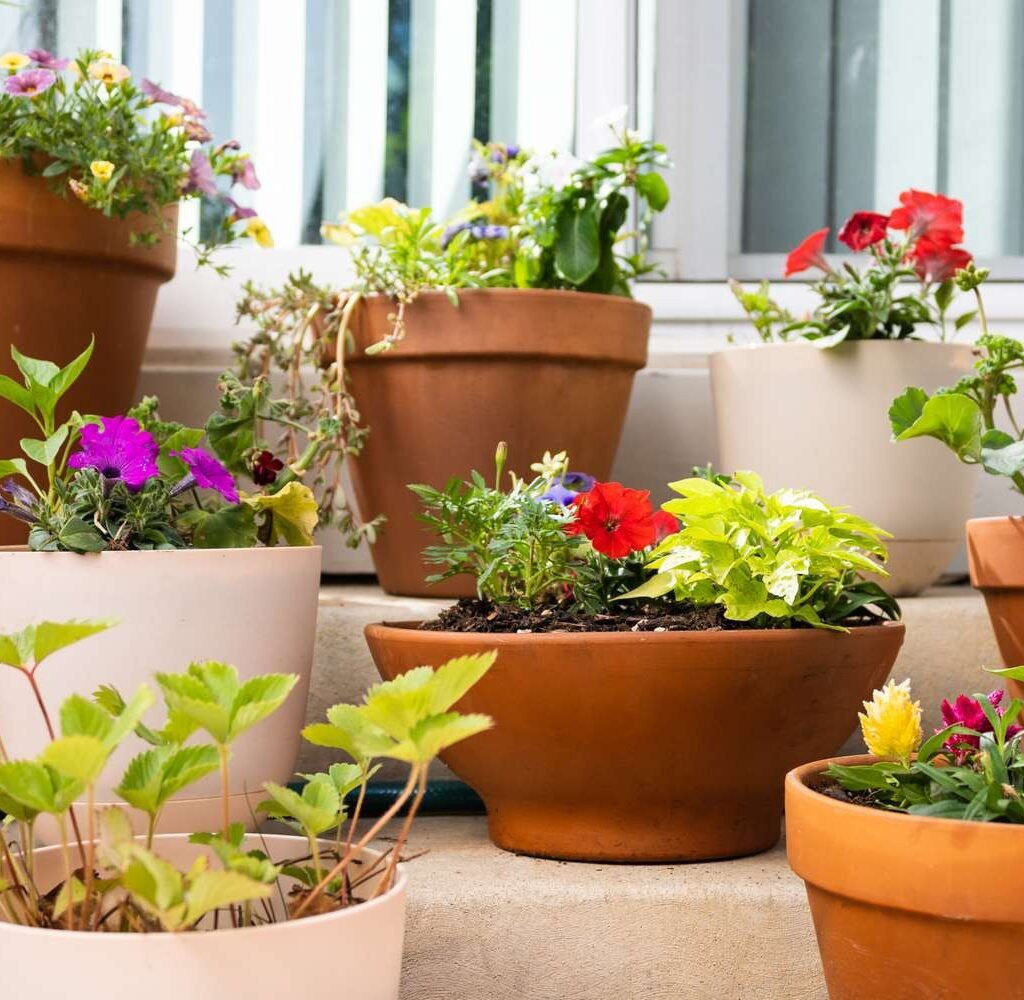
  • Colorful Pots: Bright ceramic or painted terracotta pots bring instant vibrancy to your patio.
  • Themed Planters: Create a theme, such as coastal (using shells and driftwood), vintage (old teapots or typewriters), or modern minimalist (sleek concrete planters).
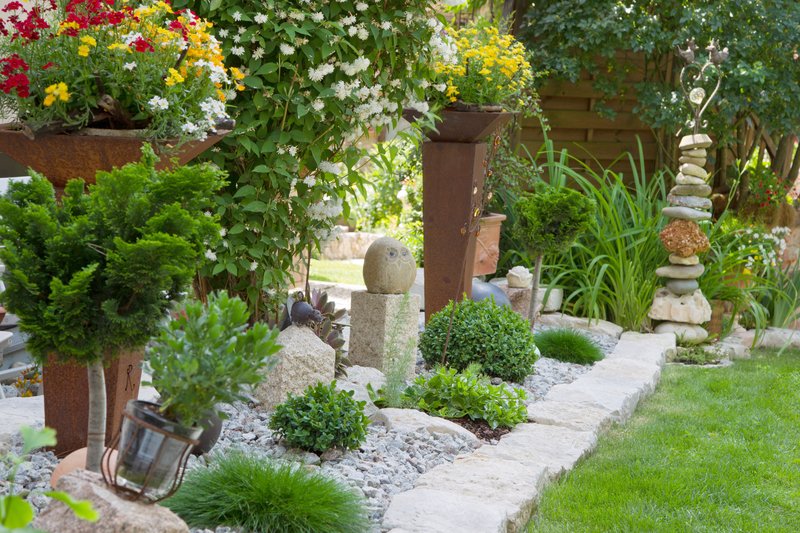
  • Garden Art: Add wind chimes, sculptures, or mosaic stepping stones for an artistic flair.
  • Outdoor Rugs: A weatherproof rug can anchor the seating area and tie your patio garden design together.

Why it works: Unique planters and decorative elements add personality and charm, turning your patio into a stylish, curated retreat rather than just a functional space.


5. Add a Water or Fire Feature
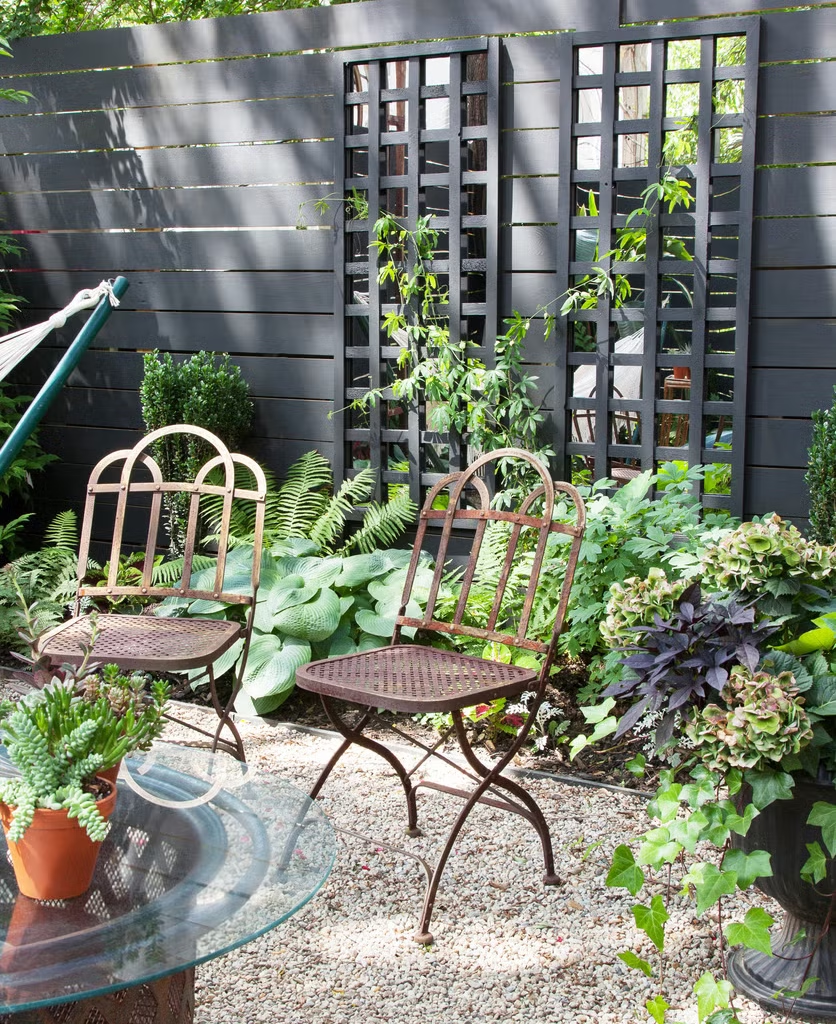
Incorporating natural elements like water or fire elevates your patio garden into a calming sanctuary. Both features add ambiance and sensory appeal.

Water Feature Ideas:

  • Mini Fountains: A tabletop fountain or wall-mounted water feature adds soothing sounds of flowing water.
  • Small Pond or Bowl: Fill a ceramic bowl with water, floating plants, or even small fish for a refreshing touch.
  • Birdbath: Doubles as a decorative piece and attracts birds, bringing more life to your patio.

Fire Feature Ideas:

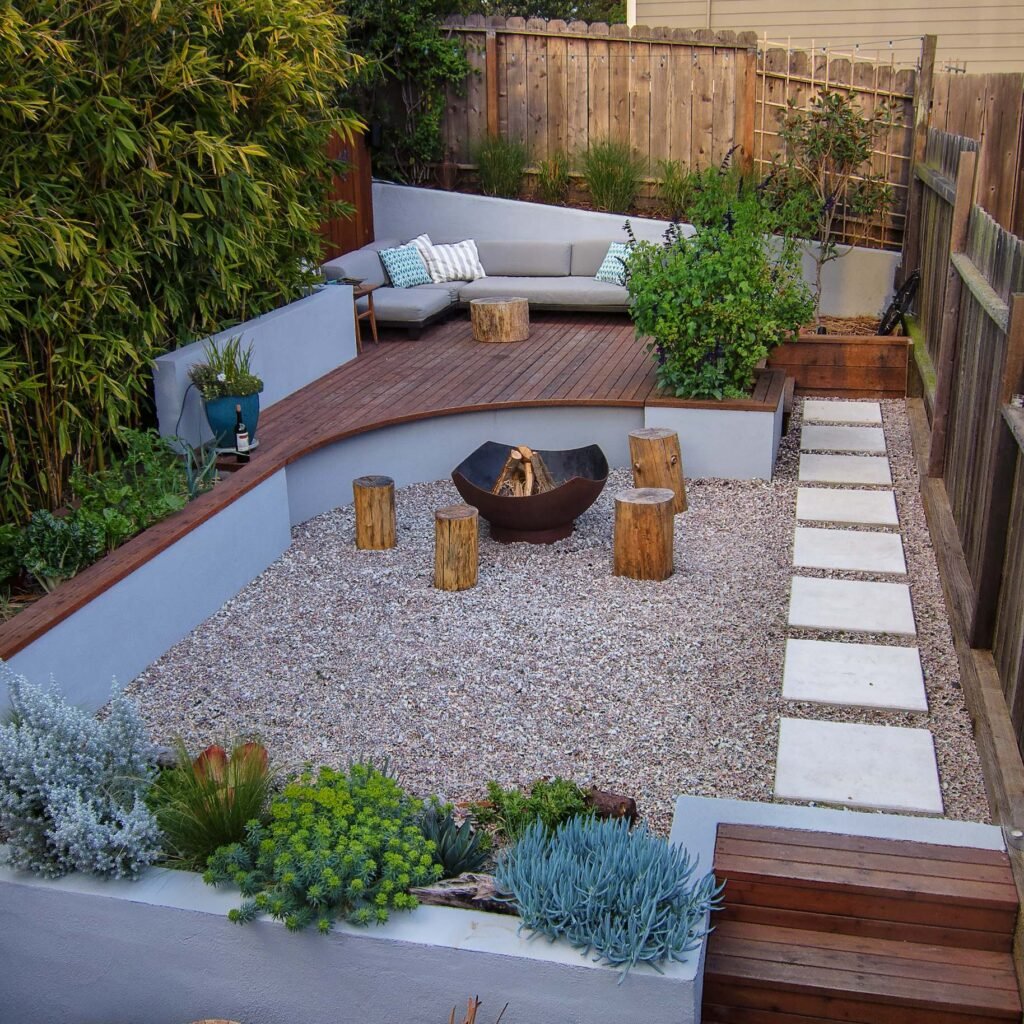
  • Fire Pit: A compact, portable fire pit creates a cozy gathering spot for chilly evenings.
  • Tabletop Fire Bowl: Small fire bowls add elegance and are perfect for patios with limited space.
  • Lanterns and Torches: For a budget-friendly alternative, use outdoor torches or large candles to mimic the effect.

Why it works: Both water and fire add atmosphere—water brings tranquility, while fire creates warmth and intimacy. Together, they make your patio feel like an inviting retreat.


Extra Tips for Designing a Patio Garden

  • Mix textures: Combine wood, metal, stone, and fabric for visual richness.
  • Keep scale in mind: Choose plants and furniture proportional to your patio size.
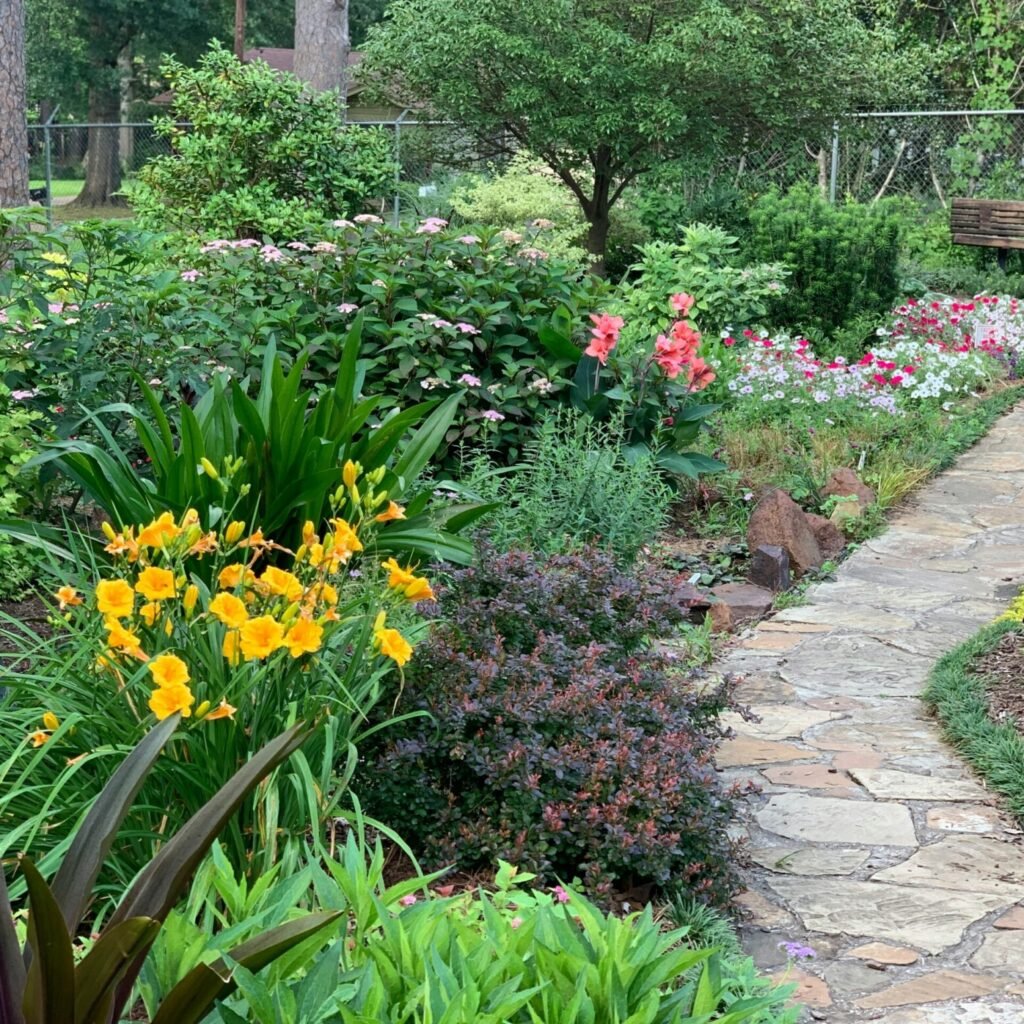
  • Low-maintenance plants: Opt for hardy species like succulents, herbs, or dwarf shrubs to reduce upkeep.
  • Layer greenery: Use tall plants in corners, medium plants in planters, and small accents on tables for a balanced look.
  • Create privacy: Use tall planters, bamboo screens, or trellises with climbing plants to block unwanted views.

Why Patio Gardens Are Worth the Effort

Decorating your patio garden isn’t just about aesthetics—it brings many benefits:

  • Well-being: Green spaces reduce stress and improve mood.
  • Functionality: A decorated patio extends your living area for dining, relaxing, or entertaining.
  • Increased home value: A beautiful patio garden boosts curb appeal and property value.
  • Personal expression: Your choice of plants, décor, and layout makes the space uniquely yours.

Final Thoughts

Your patio garden has the potential to become one of the most beloved spaces in your home. By creatively using vertical greenery, adding cozy furniture, incorporating atmospheric lighting, personalizing with unique décor, and enhancing it with water or fire features, you can design a patio that’s both functional and enchanting.

The beauty of patio gardens lies in their flexibility—whether large or small, rustic or modern, they can be tailored to suit your lifestyle and taste. With these ideas, your patio will become more than just an outdoor area—it will be a welcoming retreat where you can unwind, entertain, and enjoy nature in style.
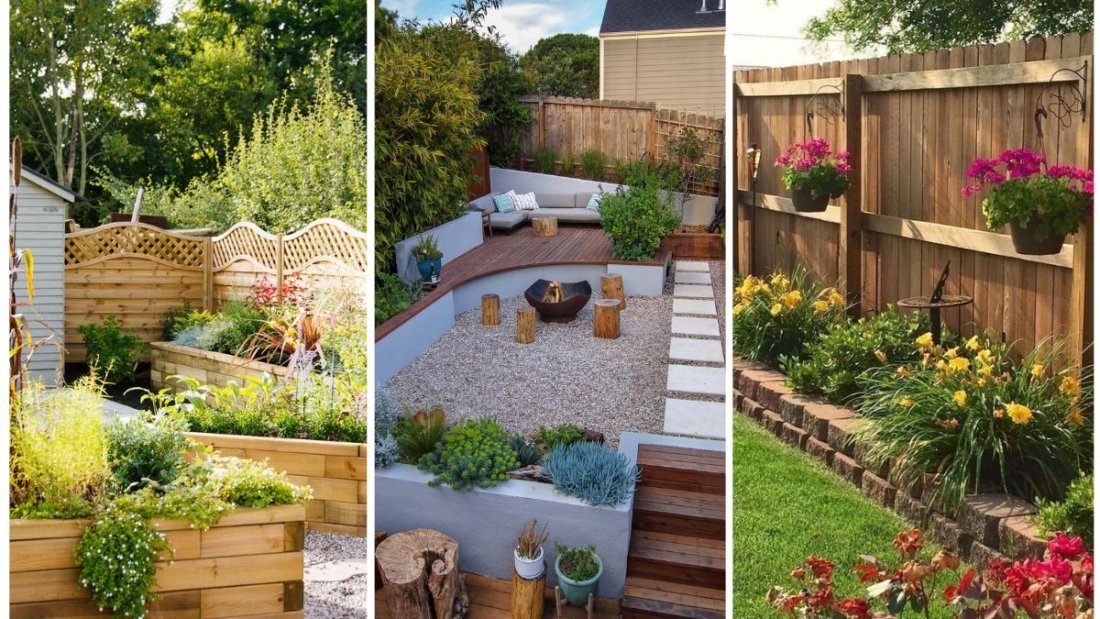
How to Design a Low-Maintenance Backyard

How to Design a Low-Maintenance Backyard

A backyard is a personal sanctuary—a place where you can relax, entertain guests, or simply enjoy fresh air. But for many homeowners, the thought of maintaining a yard can feel overwhelming. Endless mowing, weeding, pruning, and watering often take up more time than people can spare. The solution? A low-maintenance backyard design that combines beauty, functionality, and sustainability while minimizing effort.

Designing a backyard that thrives with minimal upkeep requires thoughtful planning. By choosing the right plants, materials, and layout, you can enjoy a stunning outdoor space without spending every weekend caring for it. In this article, we’ll explore practical tips and design strategies to help you create a backyard that’s both inviting and easy to manage.


1. Start with a Smart Layout

The foundation of a low-maintenance backyard is its layout. A well-planned design makes your space easier to use and care for.

  • Simplify shapes: Stick to clean, simple lines when designing garden beds, patios, and walkways. Curved or complex layouts are harder to mow and edge.
  • Define zones: Divide your backyard into functional areas, such as a seating zone, play area, or garden space. Clear boundaries reduce clutter and make upkeep easier.
  • Limit lawn size: Lawns require the most maintenance, so consider reducing grass areas by replacing them with gravel, pavers, or planting beds.

A thoughtful layout ensures that every part of your yard has a purpose and is easier to maintain over time.


2. Choose Low-Maintenance Plants

Plant selection plays a huge role in reducing backyard chores. Opt for plants that are hardy, drought-tolerant, and well-suited to your climate.

  • Perennials over annuals: Perennials come back year after year, reducing the need for replanting.
  • Native plants: Local species are naturally adapted to your environment, meaning they need less water, fertilizer, and care.
  • Shrubs and evergreens: These provide year-round structure and require less attention than high-maintenance flowers.
  • Ground covers: Plants like creeping thyme, sedum, or mondo grass can replace turfgrass in certain areas, suppressing weeds while looking attractive.

By focusing on the right plants, you create a backyard that largely takes care of itself.


3. Minimize Lawn Care

Traditional lawns are beautiful but notoriously high-maintenance. If you love the look of green, there are alternatives that save time and effort.

  • Artificial turf: Modern synthetic grass looks realistic and eliminates mowing, watering, and fertilizing.
  • Drought-tolerant grass varieties: If you prefer real grass, choose low-maintenance species like buffalo grass or zoysia.
  • Lawn alternatives: Replace sections of grass with mulch, gravel, or native plant beds for a stylish, eco-friendly solution.

Even reducing your lawn size by half can dramatically cut down on yard work.


4. Use Hardscaping for Structure

Hardscaping—non-plant elements like patios, decks, and pathways—adds beauty and reduces the amount of living landscape to maintain.

  • Patios and seating areas: A paved patio or deck creates a permanent outdoor living space that doesn’t need constant upkeep.
  • Walkways: Gravel, stone, or paver walkways not only look neat but also reduce muddy paths and wear on grass.
  • Retaining walls and raised beds: These simplify maintenance by reducing erosion, weeds, and bending over for gardening tasks.

Hardscaping also allows you to design functional, stylish areas that require minimal seasonal effort.


5. Focus on Mulching

Mulch is a low-maintenance gardener’s best friend. It conserves soil moisture, reduces weeds, and improves the look of planting beds.

  • Organic mulch: Wood chips, bark, and shredded leaves enrich the soil as they break down.
  • Inorganic mulch: Gravel, stones, or rubber mulch last longer and require little replacement.
  • Depth matters: Spread mulch about 2–3 inches deep to block sunlight from reaching weed seeds.

Replenishing mulch once or twice a year is far easier than constant weeding and watering.


6. Install Smart Irrigation

Watering can be one of the most time-consuming backyard tasks. Smart irrigation systems simplify the process and reduce water waste.

  • Drip irrigation: Delivers water directly to plant roots, minimizing evaporation and runoff.
  • Soaker hoses: Great for garden beds, as they evenly moisten soil with little effort.
  • Smart sprinklers: These can be programmed or connected to weather apps to water only when necessary.

Once installed, these systems require little input, ensuring your plants stay healthy without daily watering chores.


7. Add Outdoor Living Spaces

Low-maintenance doesn’t mean bare—it means thoughtful design. Adding outdoor living spaces reduces yard work while making your backyard more enjoyable.

  • Pergolas or gazebos: These provide shade, structure, and a focal point without requiring upkeep.
  • Fire pits or outdoor fireplaces: Perfect for cozy gatherings and require little maintenance once installed.
  • Furniture: Opt for weather-resistant materials like aluminum, resin wicker, or teak to minimize upkeep.

These features expand your backyard’s usability while reducing the need for more grass or plants.


8. Embrace Container Gardening

Container gardening offers flexibility and ease compared to large in-ground beds.

  • Low-maintenance plants in pots: Succulents, dwarf shrubs, and herbs thrive in containers with minimal care.
  • Self-watering planters: These keep plants hydrated longer and reduce watering frequency.
  • Movable design: You can rearrange containers to refresh the look of your yard without replanting.

Container gardens are particularly useful for small yards, patios, or areas where you want instant greenery without heavy work.


9. Keep Décor Simple and Functional

Overdecorating a backyard can create more cleaning and organizing tasks. Instead, focus on simplicity and functionality.

  • Multi-purpose furniture: Benches with storage, foldable tables, or modular seating save space and reduce clutter.
  • Minimal accessories: Choose durable, weather-resistant décor pieces rather than lots of delicate items.
  • Natural accents: Use large stones, sculptures, or birdbaths as focal points that don’t require constant care.

A simple design is easier to maintain and creates a relaxing, clutter-free atmosphere.


10. Plan for Year-Round Interest

A low-maintenance backyard should look appealing in every season without much intervention.

  • Evergreen shrubs: Provide structure and greenery year-round.
  • Ornamental grasses: Add movement and texture, thriving with minimal care.
  • Seasonal perennials: Choose varieties that bloom in succession to ensure continuous color.

This approach eliminates the need for frequent planting or seasonal overhauls.


Tips to Keep Your Backyard Effort-Free

  • Group plants with similar water and light needs to simplify care.
  • Use edging materials (like stone or metal borders) to keep mulch and plants neat.
  • Prune once or twice a year instead of frequent trimming.
  • Choose durable materials like composite decking or stone instead of wood that needs constant staining or sealing.
  • Automate as much as possible, from lighting to irrigation.

Final Thoughts

Designing a low-maintenance backyard doesn’t mean sacrificing beauty or functionality. It’s about creating a space that brings joy instead of stress. By reducing lawns, choosing hardy plants, incorporating hardscaping, and adding thoughtful features like container gardens or smart irrigation, you can enjoy a backyard that looks great with minimal effort.

Ultimately, the goal is to create a backyard that suits your lifestyle—whether that means a cozy retreat for relaxation, an entertaining space for friends, or a family-friendly yard with plenty of room to play. With these strategies, you’ll spend less time working and more time enjoying your outdoor oasis.

5 Fairy Garden Ideas to Add Magic to Your Yard

5 Fairy Garden Ideas to Add Magic to Your Yard

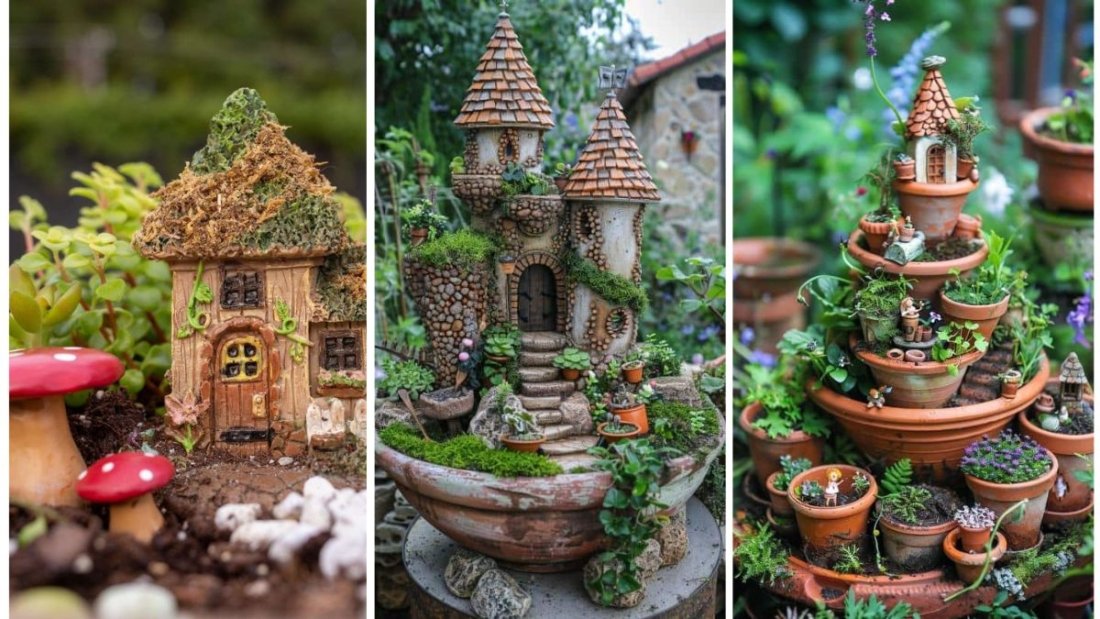
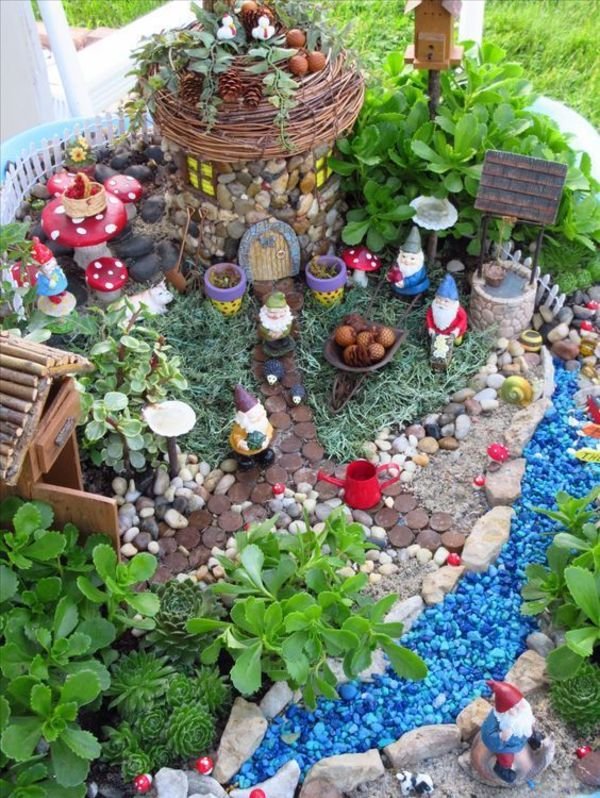
Fairy gardens are miniature landscapes that blend gardening with imagination, creating enchanting little worlds that look like they belong in a storybook. These magical setups are designed to attract “fairies” and bring whimsy, charm, and creativity to your yard. Whether you have a sprawling backyard or just a small patio corner, fairy gardens can transform ordinary spaces into places of wonder.

The best part? They can be as simple or elaborate as you’d like. With a bit of creativity and the right plants, containers, and accessories, you can build a fairy garden that feels alive with magic. In this article, we’ll explore five fairy garden ideas to inspire you to create your own enchanting retreat.


1. Container Fairy Garden for Small Spaces

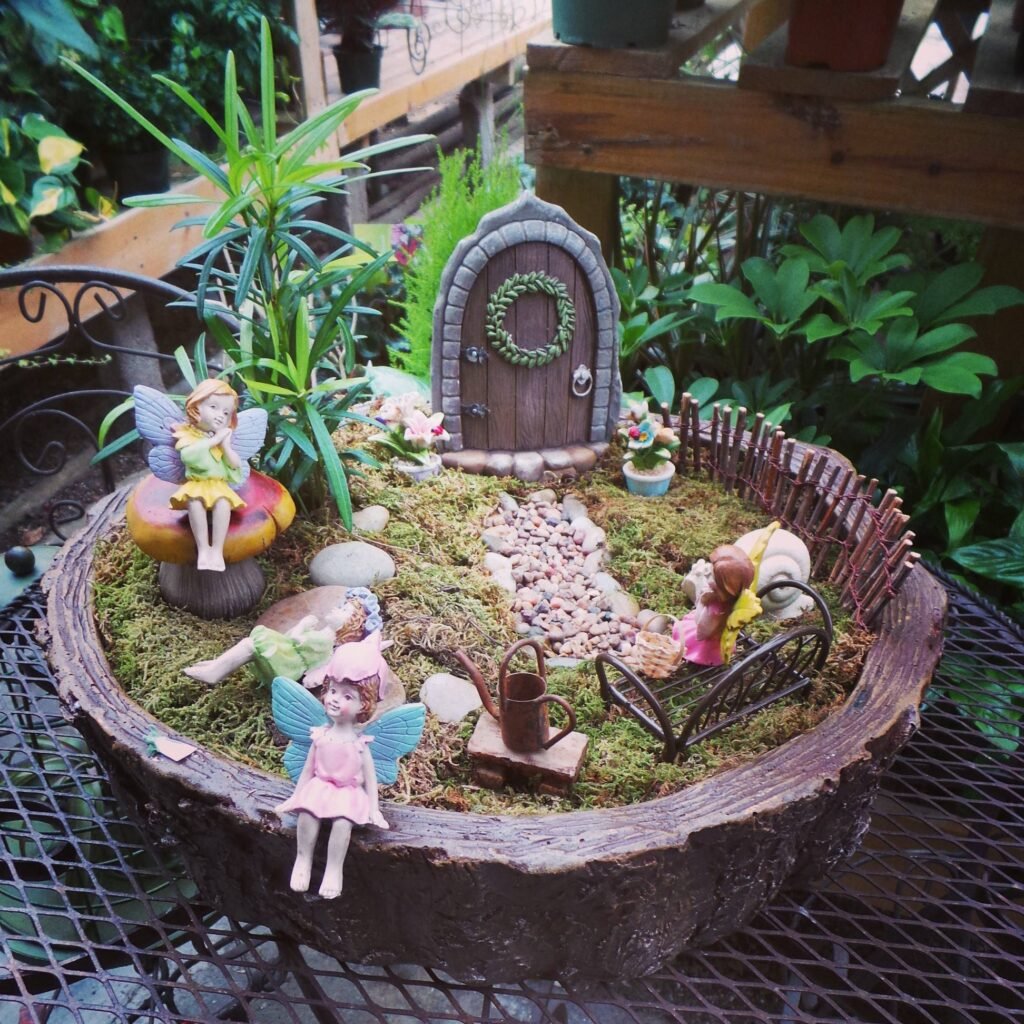
If you’re short on yard space, container fairy gardens are the perfect way to create magic on a small scale. These compact gardens fit into pots, barrels, baskets, or even old kitchenware, making them versatile and easy to maintain.

How to create one:

  • Choose a container with enough depth to hold soil and allow plant roots to grow. An old wooden crate, a galvanized tub, or a terracotta pot works beautifully.
  • Add miniature plants like moss, thyme, Irish moss, or baby’s tears to mimic grassy meadows. Use small succulents or dwarf ferns for variety.
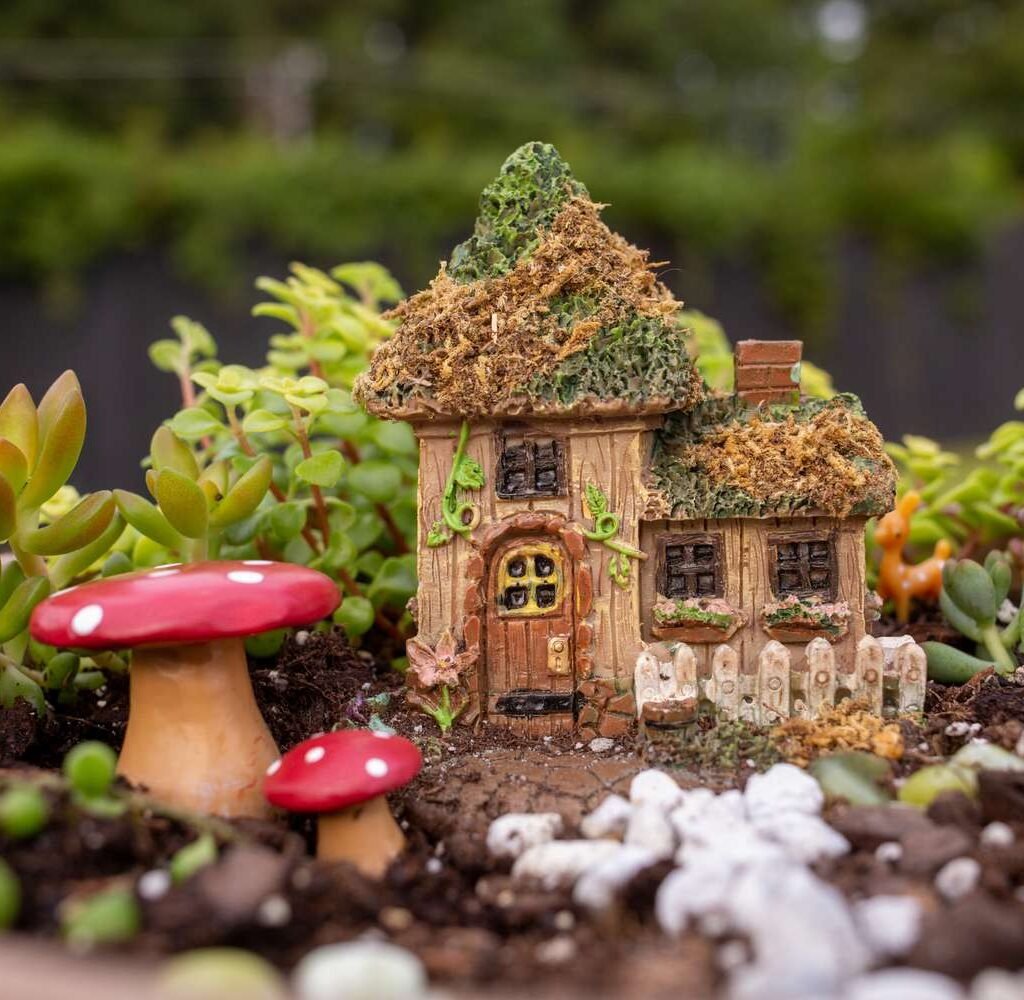
  • Incorporate miniature accessories such as fairy houses, tiny fences, or a small bench made of twigs.
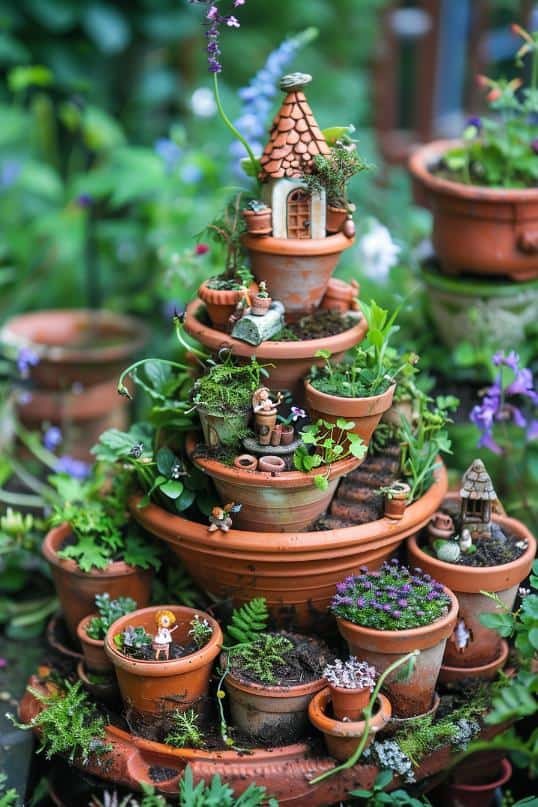
  • Create pathways with gravel, pebbles, or broken pieces of terracotta for an authentic look.

Why it works: Container fairy gardens are highly customizable, easy to move around, and can be kept indoors or outdoors depending on your climate. They’re also a fantastic project for kids since they can design their own fairy world in a manageable space.


2. Tree Stump Fairy Village

Tree stumps often sit unused in yards, but with a little imagination, they can become the foundation of a magical fairy village.

How to create one:

  • Hollow out the center of the stump slightly to hold soil and small plants like creeping thyme, moss, or groundcovers.
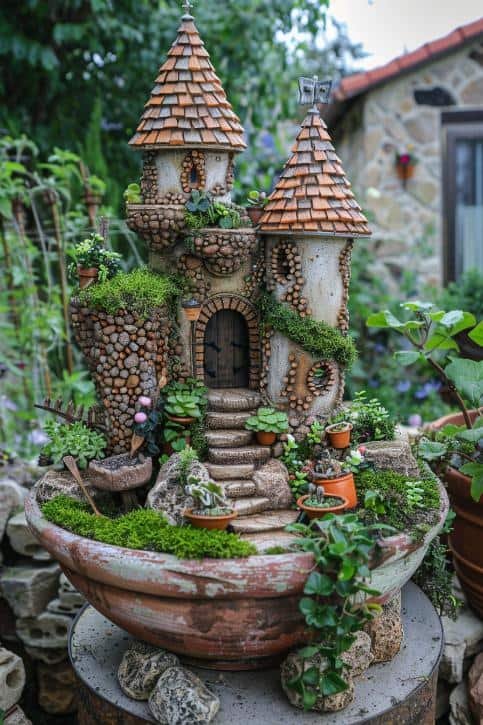
  • Build miniature fairy houses on or around the stump. You can use natural materials like bark, pinecones, pebbles, and twigs to craft roofs, doors, and windows.
  • Add ladders made of sticks or rope “bridges” to connect different levels of the stump.
  • Surround the stump with flowering plants like violas, alyssum, or pansies to bring bursts of color.

Why it works: Tree stumps have a rustic, woodland charm that perfectly fits the fairy garden theme. They provide a natural base that blends into the yard while offering height and texture for your magical village.


3. Fairy Garden Pathways and Hidden Corners

Sometimes the magic of a fairy garden lies in creating little surprises around your yard rather than one large setup. Scattering fairy accents along pathways or in hidden corners can turn your entire garden into a whimsical wonderland.

How to create one:

  • Line pathways with tiny fairy doors attached to tree trunks or fence posts, suggesting that fairies live nearby.
  • Place miniature lanterns, benches, or fairy figurines tucked between flowers, so visitors discover them as they walk.
  • Build a small stone arch or a twig pergola covered with climbing plants like ivy or sweet peas.
  • Add glowing solar-powered fairy lights along the pathway for nighttime enchantment.

Why it works: This idea turns your entire garden into a place of discovery. It creates an immersive experience, especially for children and guests, who’ll delight in spotting little fairy details hidden in unexpected places.


4. Water-Themed Fairy Garden

Nothing adds a sense of wonder quite like water. A fairy garden with a water feature brings movement, sound, and a serene atmosphere to your yard.

How to create one:

  • Start with a shallow container or a small pre-made pond liner.
  • Create a “fairy pond” by adding water and floating plants like duckweed or miniature lilies.
  • Use pebbles, seashells, and smooth stones to border the pond. Add a small wooden bridge or stepping stones across it.
  • Place tiny fairy figurines sitting by the water’s edge or a miniature boat floating on the pond.
  • If you want more drama, include a tiny solar-powered fountain for flowing water.

Why it works: Water adds a soothing, magical quality that makes your fairy garden feel alive. The reflection of plants and figurines in the pond also creates depth and a sense of enchantment.


5. Seasonal Fairy Gardens

Why limit your fairy garden to one design? You can refresh it throughout the year to reflect the changing seasons, making it a dynamic part of your yard.

Spring Fairy Garden:

  • Use pastel-colored flowers like violas, daffodils, and tulips.
  • Add tiny nests, bird figurines, and a miniature watering can.

Summer Fairy Garden:

  • Plant bright annuals like marigolds, zinnias, and lobelia.
  • Include accessories like a miniature picnic table, fairy hammocks, or tiny lanterns for “evening gatherings.”

Fall Fairy Garden:

  • Use pumpkins, gourds, and orange flowers like chrysanthemums or calendulas.
  • Create a fairy scarecrow or add rustic barrels filled with dried moss.

Winter Fairy Garden:

  • Incorporate evergreen plants, holly, and pinecones.
  • Add miniature sleds, fairy-sized Christmas trees, and twinkling string lights.

Why it works: Seasonal fairy gardens keep your yard visually engaging year-round. They allow you to experiment with different plants, themes, and accessories, making each season feel magical.


Tips for Building an Enchanting Fairy Garden

  1. Choose the right plants: Stick to miniature or slow-growing plants like moss, thyme, creeping Jenny, or dwarf hostas to maintain scale.
  2. Use natural materials: Twigs, stones, pinecones, and bark make authentic fairy accessories and blend seamlessly with your yard.
  3. Add lighting: Solar fairy lights, glow-in-the-dark pebbles, or small lanterns make your garden magical at night.
  4. Think small: The charm of fairy gardens lies in their miniature scale. Keep accessories and pathways tiny to maintain the illusion.
  5. Encourage creativity: Involve children or family members in designing the garden. They can craft fairy furniture or paint fairy doors for a personal touch.

Why Fairy Gardens Add Value to Your Yard

Fairy gardens aren’t just whimsical—they also bring practical and emotional benefits:

  • Encourages creativity: Designing and building fairy gardens lets you express your imagination.
  • Family bonding: Fairy gardens are fun projects for kids, encouraging them to spend more time outdoors.
  • Wildlife attraction: Using flowering plants and mosses can attract pollinators, butterflies, and even birds.
  • Stress relief: Working on these miniature landscapes provides a calming, therapeutic hobby.
  • Aesthetic charm: Fairy gardens instantly add uniqueness and visual appeal to your yard, making it stand out.

Final Thoughts

Fairy gardens invite magic into your everyday outdoor spaces. Whether you choose a container fairy garden, a tree stump village, a pathway of hidden surprises, a water-themed wonderland, or seasonal setups, these ideas can transform your yard into a storybook scene.

By combining creativity, natural materials, and miniature details, you’ll create an enchanting retreat where imagination flourishes. And the best part? Fairy gardens are endlessly customizable—you can start small and expand over time, adding new magical touches as inspiration strikes.

So gather your plants, pebbles, and tiny fairy accessories, and let your yard become a place where enchantment truly comes alive.

Unique Planter Ideas to Transform Your Garden

Unique Planter Ideas to Transform Your Garden

A garden is more than just a collection of plants—it’s a personal expression of creativity, style, and connection with nature. While traditional clay or ceramic pots have their timeless charm, unique planters can completely transform your garden’s look, turning ordinary spaces into extraordinary landscapes. From repurposed household items to innovative DIY creations, unique planters add character, charm, and personality to your outdoor space.

In this article, we’ll explore a variety of unique planter ideas that you can use to elevate your garden, whether you’re working with a sprawling backyard, a compact balcony, or even an indoor corner that craves a touch of greenery.


1. Repurposed Household Items as Planters

One of the most budget-friendly and creative ways to transform your garden is by repurposing old household items into planters. Instead of discarding worn-out or unused items, give them new life as homes for your plants.

  • Teapots and teacups: Old china or ceramic tea sets make charming mini-planters for succulents, herbs, or small flowering plants. Their delicate designs add a vintage vibe to any garden corner.
  • Colanders: With built-in drainage holes, colanders are perfect for cascading plants like ivy or petunias. Simply line them with coconut fiber before planting.
  • Shoes and boots: Worn-out rain boots, sneakers, or leather shoes can be quirky planters, adding a playful element to your garden.
  • Baskets: Old woven baskets, when lined properly, can be filled with colorful annuals or trailing vines for a rustic look.

These everyday items not only reduce waste but also tell a story, giving your garden a unique, personal touch.


2. Vertical Planter Walls

For those with limited garden space, vertical planters are both practical and eye-catching. By using vertical surfaces like fences, walls, or wooden pallets, you can create lush green displays that maximize space.

  • Pallet Planters: Wooden pallets can be repurposed into multi-level planters. Paint or stain them for a polished look, or leave them rustic for farmhouse charm.
  • Pocket Fabric Planters: Special wall-mounted fabric pockets are perfect for herbs, lettuces, or small ornamentals.
  • Hanging Mason Jars: Attach mason jars to a wooden board and mount it to the wall. These jars make beautiful planters for small herbs or flowers.

Vertical gardens are especially ideal for urban balconies, patios, or areas where floor space is limited.


3. Upcycled Furniture Planters

Old furniture pieces can find a new purpose in your garden by being converted into stylish planters.

  • Dresser Planters: An old dresser with its drawers pulled out at different levels creates a cascading display of flowers or trailing plants.
  • Chair Planters: Replace the seat of a wooden chair with a planter bowl or basket and fill it with blooms for a whimsical garden accent.
  • Bed Frame Garden: Transform an old iron bed frame into a raised flower bed for a dramatic and unique focal point.

These statement planters are not only functional but also serve as conversation pieces, adding character and history to your garden.


4. Hanging and Floating Planters

Hanging planters are perfect for adding greenery at eye level or above, creating layers of interest in your garden.

  • Macramé Hangers: Stylish and bohemian, macramé hangers hold ceramic or glass pots and are ideal for ferns, spider plants, or trailing pothos.
  • Floating Shelves with Planters: Wooden shelves suspended with ropes or chains can hold multiple small pots, ideal for herbs or succulents.
  • Upside-Down Planters: Some innovative planters allow plants to grow upside down, creating a striking and modern visual effect.

Hanging planters are especially useful for small balconies or patios where ground space is minimal.


5. Natural and Rustic Planters

Nature itself provides some of the best materials for unique planters. These options blend seamlessly into garden landscapes while adding organic charm.

  • Log Planters: Hollow out a fallen log or stump and use it as a planter for ferns, mosses, or flowers. The natural wood creates a fairy-tale aesthetic.
  • Stone Planters: Large stones with hollowed centers make sturdy, rustic planters for succulents or alpine plants.
  • Coconut Shell Planters: Coconut halves make eco-friendly planters, especially for small plants or hanging arrangements.
  • Driftwood Planters: Twisted driftwood can be carved or drilled to hold small succulents, creating sculptural natural art pieces.

These planters are perfect for gardens that emphasize a rustic, woodland, or eco-friendly design.


6. Whimsical and Artistic Planters

Adding a playful twist to your garden can make it feel more inviting and fun. Whimsical planters bring a touch of personality and creativity.

  • Toy Planters: Old toy trucks, wagons, or even dolls can be upcycled into quirky planters.
  • Face Pots: Pots with sculpted or painted faces look delightful when plants grow as “hair.” Trailing plants like spider plants or ivy enhance the effect.
  • Birdcage Planters: A vintage birdcage filled with colorful flowers or vines creates a charming, romantic centerpiece.
  • Painted Tire Planters: Old tires painted in bright colors and arranged creatively can serve as raised beds or vertical displays.

These planters are perfect for family gardens where children can also contribute ideas and creativity.


7. Modern and Minimalist Planters

For those who prefer a sleek, contemporary look, minimalist planters offer a refined approach.

  • Concrete Planters: Simple, geometric shapes in neutral tones complement modern architecture and highlight plant forms.
  • Metallic Planters: Stainless steel, copper, or brushed aluminum planters give an elegant, industrial feel.
  • Glass Terrariums: Ideal for succulents or air plants, glass terrariums add sophistication to both indoor and outdoor spaces.
  • Symmetrical Modular Planters: These allow for creative arrangements, such as repeating cubes or cylinders, to form artistic displays.

Minimalist planters focus on clean lines and let the plants themselves be the star.


8. Seasonal and Themed Planters

Unique planters can also reflect the seasons or holidays, making your garden feel festive year-round.

  • Pumpkin Planters in Fall: Hollowed pumpkins filled with mums or pansies are perfect for autumn décor.
  • Lantern Planters for Winter: Old lanterns can be filled with evergreens, holly, or candles for a cozy winter garden.
  • Beach-Themed Planters in Summer: Seashells, sand pails, or driftwood arrangements bring a coastal vibe.
  • Springtime Watering Can Planters: Painted watering cans overflowing with tulips or daisies bring seasonal cheer.

Themed planters can easily be changed throughout the year, keeping your garden lively and dynamic.


9. DIY Creative Planter Projects

If you love crafting, try building your own custom planters:

  • Concrete Mold Planters: Use molds to create planters in creative shapes like stars, hearts, or hexagons.
  • Ladder Shelf Planters: An old ladder repurposed into a tiered plant stand creates a stunning vertical display.
  • Chandelier Planters: Turn an old chandelier into a hanging planter by attaching small pots where the lightbulbs once were.
  • Wine Barrel Planters: Cut barrels into halves or quarters to use as rustic raised beds.

DIY planters let you express your creativity while personalizing your garden.


Tips for Choosing Unique Planters

While experimenting with unique planter ideas, keep these tips in mind:

  1. Drainage is essential – Ensure every planter has proper drainage holes or lining to prevent root rot.
  2. Match plants to container size – Small containers dry out quickly, so choose drought-tolerant plants for them.
  3. Consider mobility – Heavy planters like stone or concrete may be difficult to move, so place them wisely.
  4. Protect delicate materials – If using wood or metal, treat them to prevent rot or rust.
  5. Blend with your style – Choose planters that enhance your garden theme, whether it’s rustic, modern, whimsical, or eco-friendly.

Final Thoughts

Transforming your garden with unique planters is all about blending creativity, functionality, and personal expression. Whether you repurpose old household items, craft DIY masterpieces, or invest in modern minimalist designs, unique planters can turn a simple garden into an extraordinary sanctuary.

By experimenting with textures, shapes, and materials, you’ll not only showcase your plants beautifully but also create an outdoor space that reflects your personality and style. With just a few creative touches, your garden will evolve into a truly magical and inspiring environment—proof that sometimes, it’s not just the plants but the planters that make all the difference.

5 Garden Seating Ideas for Relaxation and Comfort

5 Garden Seating Ideas for Relaxation and Comfort

A well-designed garden is not only about plants, pathways, or water features—it’s also about creating spaces to sit, relax, and enjoy your outdoor sanctuary. Comfortable and stylish seating transforms a garden into a place for reading, meditating, socializing, or simply soaking in nature. Whether your backyard is spacious or compact, the right seating arrangements can enhance your garden’s functionality and aesthetic appeal. This guide explores five garden seating ideas that combine relaxation, comfort, and style, helping you create your ideal outdoor retreat.


Why Garden Seating Matters

Before exploring specific seating ideas, it’s essential to understand the benefits of well-planned garden seating:

  1. Encourages Outdoor Living: Comfortable seating invites you to spend more time in your garden.
  2. Enhances Aesthetics: Stylish furniture can complement the garden design and serve as decorative elements.
  3. Supports Social Interaction: Provides a space for family and friends to gather.
  4. Promotes Relaxation: Outdoor seating encourages mindfulness, reduces stress, and connects you with nature.
  5. Versatile Functionality: Seating can be decorative, functional, or a combination of both.

Integrating seating into your garden ensures it becomes a space that’s as enjoyable as it is visually appealing.


1. Classic Wooden Benches

Wooden benches are timeless, versatile, and blend seamlessly with any garden style, from rustic to contemporary. They offer durability, comfort, and a natural aesthetic.

Tips for Choosing and Placing Wooden Benches:

  • Material Selection: Opt for teak, cedar, or oak, which are weather-resistant and durable.
  • Style: Traditional slatted designs, backless benches, or curved benches can be chosen based on space and preference.
  • Placement: Position under trees, near flower beds, or by water features for a tranquil view.
  • Comfort: Add cushions or outdoor pillows for enhanced relaxation.

Benefits: Wooden benches provide a classic charm, are easy to maintain, and integrate naturally with greenery.

Design Tip: Pair a bench with small planters or side tables to create a cozy reading nook.


2. Hammocks and Hanging Chairs

Hammocks and hanging chairs offer a fun, relaxing seating option, perfect for lounging in the shade or enjoying gentle breezes.

How to Use Hammocks and Hanging Chairs:

  • Placement: Attach hammocks between trees, posts, or specially designed stands. Hanging chairs can be suspended from sturdy beams or pergolas.
  • Material: Choose weather-resistant fabrics or rattan for durability.
  • Comfort: Include cushions, pillows, or blankets for added coziness.
  • Safety: Ensure strong, secure anchor points and check weight limits.

Benefits: Provides a sense of gentle swaying comfort, ideal for reading, napping, or meditating outdoors.

Design Tip: Use neutral or soft-colored fabrics to maintain a peaceful, minimalist look.


3. Patio Dining Sets

For those who enjoy meals or gatherings outdoors, a patio dining set doubles as functional seating and a social hub.

Tips for Choosing Patio Dining Sets:

  • Material: Aluminum, teak, wrought iron, or resin furniture are durable for outdoor use.
  • Size: Match the set to your garden space, ensuring there’s room to move comfortably.
  • Style: Modern, rustic, or classic designs to match your garden aesthetic.
  • Accessories: Add cushions, tablecloths, or an umbrella for comfort and sun protection.

Benefits: Dining sets make outdoor entertaining easy, allowing you to enjoy meals surrounded by nature.

Design Tip: Position the dining area near flowering plants or a water feature for ambiance.


4. Garden Swing Seats

Garden swings add charm, comfort, and gentle motion, creating a relaxing focal point. They work well in both large and small gardens.

How to Incorporate a Garden Swing:

  • Types: Choose freestanding swings, bench swings, or hanging porch-style swings.
  • Material: Opt for durable wood, metal, or weather-resistant wicker.
  • Placement: Place under trees or pergolas for shade and comfort.
  • Cushions & Throws: Add thick cushions and soft throws to enhance coziness.

Benefits: Swings create a playful yet relaxing element and are perfect for both adults and children.

Design Tip: Add fairy lights or lanterns nearby to enhance the swing’s charm during evening hours.


5. Built-In Seating Solutions

Built-in seating is a practical and stylish way to maximize garden space. Made from stone, brick, or wood, it blends seamlessly with the landscape and offers durability.

Tips for Built-In Garden Seating:

  • Material Choices: Stone, brick, concrete, or wooden platforms can be customized to match your garden.
  • Design: L-shaped benches, circular seating around fire pits, or integrated planters with seating are popular options.
  • Comfort: Add cushions, mats, or removable padding for a cozy feel.
  • Integration: Build seating around trees, ponds, or walls to utilize space efficiently.

Benefits: Built-in seating is durable, space-saving, and creates a cohesive garden design.

Design Tip: Incorporate storage under the seating to keep cushions, blankets, or garden tools handy.


Additional Tips for Comfortable Garden Seating

  1. Cushions and Fabrics: Use weather-resistant fabrics for durability and comfort.
  2. Shade Options: Pergolas, umbrellas, or tree cover protect from sun exposure.
  3. Placement Matters: Arrange seating to offer the best views of plants, water features, or pathways.
  4. Lighting: Outdoor lights, lanterns, or fairy lights enhance evening relaxation.
  5. Mix and Match: Combine different seating types for flexibility and aesthetic appeal.
  6. Incorporate Side Tables: Convenient for placing drinks, books, or garden tools.
  7. Privacy: Use plants, trellises, or screens to create secluded, cozy seating areas.
  8. Consider Maintenance: Materials like metal, treated wood, or weatherproof wicker reduce upkeep.
  9. Seasonal Comfort: Add blankets, waterproof cushions, or heaters for year-round use.
  10. Personal Touch: Include decorative elements like outdoor rugs, planters, or art to reflect your style.

By combining comfort, style, and practicality, your garden seating areas will encourage you and your guests to spend more time outdoors.


Benefits of Well-Designed Garden Seating

  • Enhanced Outdoor Living: Encourages spending time in nature, reading, or socializing.
  • Functional and Stylish: Adds beauty to the garden while serving a practical purpose.
  • Promotes Relaxation: Sitting outdoors reduces stress and improves mood.
  • Versatility: Supports multiple activities, from dining to lounging to meditating.
  • Increased Garden Value: Thoughtful seating design enhances overall property appeal.

Well-chosen seating transforms a garden into a multi-functional oasis for relaxation, entertainment, and reflection.


Conclusion

Creating comfortable and attractive garden seating is essential for a garden that’s both functional and inviting. From classic wooden benches to hammocks, patio dining sets, swings, and built-in seating solutions, there are plenty of options to suit your space, style, and lifestyle.

Consider the size of your garden, the materials you prefer, and the type of activities you want to enjoy. Incorporating cushions, shade, lighting, and decorative elements enhances both comfort and aesthetics. Thoughtful seating arrangements encourage outdoor living, offer relaxation, and make your garden a true sanctuary.

By applying these five garden seating ideas for relaxation and comfort, you can create inviting outdoor spaces where you can unwind, socialize, and fully enjoy the beauty of your garden all year round.

5 Minimalist Garden Design Tips You’ll Love

5 Minimalist Garden Design Tips You’ll Love

In today’s fast-paced world, minimalist gardens offer a peaceful retreat where simplicity meets beauty. Characterized by clean lines, uncluttered layouts, and thoughtful plant selection, minimalist garden design emphasizes quality over quantity. It’s not just about reducing elements—it’s about creating a serene, functional, and visually appealing outdoor space. Whether you have a small backyard, patio, or rooftop garden, minimalist principles can transform your space into a stylish, calming sanctuary. This guide explores five minimalist garden design tips to help you create a chic and harmonious garden you’ll love.


Why Minimalist Garden Design?

Minimalist gardens have become increasingly popular due to their simplicity, elegance, and ease of maintenance. Here’s why you might consider a minimalist approach:

  1. Visual Clarity: Fewer elements create a clean, uncluttered look.
  2. Low Maintenance: Minimal plants, furniture, and décor reduce upkeep.
  3. Enhanced Focus: Highlights key plants, structures, or focal points.
  4. Timeless Style: Clean designs remain elegant over time without looking dated.
  5. Stress Reduction: Open, calm spaces promote relaxation and mental clarity.
  6. Versatility: Works in any outdoor space, from small balconies to spacious yards.

By focusing on essential elements and maintaining balance, minimalist gardens create a sense of harmony and order.


1. Embrace Clean Lines and Geometric Shapes

Minimalist gardens thrive on structure and simplicity, which often involves geometric shapes and clean lines. This approach helps define spaces while keeping the overall design uncluttered.

How to Implement:

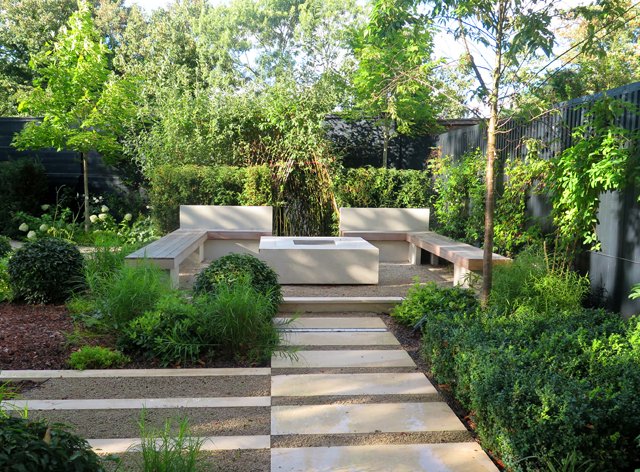
  • Pathways: Use straight, rectangular, or gently curved paths made of concrete, gravel, or stone.
  • Plant Beds: Arrange beds in clear geometric shapes like squares, rectangles, or circles.
  • Furniture & Structures: Choose simple, modern benches, pergolas, or planters with clean silhouettes.
  • Water Features: Opt for linear or box-shaped fountains that complement the structured layout.

Benefits: Clean lines create a sense of order and sophistication while guiding the eye naturally through the garden.

Design Tip: Limit decorative elements to a few statement pieces to maintain a minimalist aesthetic.


2. Choose a Limited Plant Palette

Minimalist gardens rely on simplicity, so selecting a limited variety of plants is key. Fewer plant species create a cohesive, harmonious look that is easy to maintain.

Plant Selection Tips:

  • Focus on Foliage: Use plants with interesting leaf textures and colors instead of relying solely on flowers.
  • Monochromatic or Complementary Colors: Stick to one or two main colors to avoid visual clutter.
  • Structural Plants: Incorporate shrubs, grasses, and evergreens with clean shapes for year-round appeal.
  • Layering: Plant in odd numbers and varying heights for depth without overcrowding.

Examples of Minimalist Plants: Boxwood, lavender, ornamental grasses, succulents, Japanese maple, and ferns.

Benefits: A limited plant palette reduces maintenance while emphasizing textures, shapes, and focal points.

Design Tip: Use repetition to create rhythm and continuity across the garden.


3. Incorporate Negative Space

In minimalist design, empty space—often called “negative space”—is just as important as the elements you include. Negative space provides breathing room, highlights focal points, and makes the garden feel larger.

How to Use Negative Space:

  • Spacing Between Plants: Avoid overcrowding; leave gaps to accentuate each plant.
  • Open Lawns: Use simple lawn areas or gravel beds to provide calm, open spaces.
  • Pathways and Seating Areas: Allow ample room around benches or patios for easy movement.
  • Visual Balance: Place focal points like sculptures, water features, or plants strategically within open areas.

Benefits: Negative space reduces visual noise, making the garden feel serene and airy.

Design Tip: Think of your garden as a canvas—what you leave empty is as powerful as what you fill in.


4. Use Natural Materials and Neutral Colors

Material choice is critical in minimalist gardens. Natural materials and neutral colors create a harmonious, understated look while adding texture and warmth.

Material Tips:

  • Paths & Paving: Concrete, stone, gravel, or wood for clean, modern lines.
  • Planters & Containers: Simple ceramic, metal, or wooden planters without excessive decoration.
  • Fencing & Screens: Minimalist metal or wood panels in neutral tones.
  • Furniture: Sleek, modern outdoor furniture in muted shades like gray, white, or earth tones.

Benefits: Natural materials blend with plants seamlessly, while neutral colors create a calming atmosphere and allow the greenery to shine.

Design Tip: Mix textures like smooth stone with rough wood to add visual interest without clutter.


5. Add a Focal Point or Statement Feature

Minimalist gardens are most effective when they include one or two focal points that draw the eye. This could be a plant, sculpture, water feature, or piece of furniture.

Ideas for Focal Points:

  • Sculpture or Art Piece: Choose a modern, abstract sculpture that complements the garden’s lines.
  • Water Feature: A small fountain or reflecting pool adds sound and visual interest.
  • Specimen Plant: A single tree, large shrub, or unique plant becomes the garden’s centerpiece.
  • Lighting: Spotlighting or LED strips can highlight key areas or features at night.

Benefits: A focal point provides structure and purpose, anchoring the minimalist design and preventing it from feeling empty.

Design Tip: Ensure the focal point contrasts subtly with surrounding elements to stand out without overwhelming the space.


Additional Minimalist Garden Design Tips

  1. Keep Accessories Minimal: Avoid excessive décor—use a few high-quality pieces instead.
  2. Layer Textures: Combine plants with different leaf shapes, stones, and materials to create subtle interest.
  3. Integrate Seating: Choose simple, functional furniture that blends with the garden style.
  4. Maintain Order: Regular pruning and cleaning are essential to preserve the minimalist look.
  5. Consider Seasonal Interest: Select plants that look good year-round to maintain visual appeal.
  6. Lighting: Soft, unobtrusive lighting enhances the space at night and highlights key features.
  7. Balance Vertical and Horizontal Elements: Use trellises, vertical planters, or wall features sparingly.
  8. Sustainability: Incorporate drought-tolerant plants and low-maintenance materials to reduce resource use.
  9. Reflect Personal Style: Minimalist does not mean boring—choose elements that reflect your taste and personality.
  10. Focus on Experience: Think about walking through the garden—simplicity and flow should enhance the user experience.

Following these principles ensures that your minimalist garden remains functional, visually appealing, and stress-free.


Benefits of Minimalist Garden Design

  • Low Maintenance: Fewer plants and decorative elements make upkeep simple.
  • Timeless Appeal: Clean, simple lines remain elegant across changing design trends.
  • Relaxation: Open, uncluttered spaces promote calmness and mental clarity.
  • Enhanced Outdoor Living: Minimalist gardens integrate seamlessly with patios, decks, or indoor spaces.
  • Versatility: Works well in urban settings, rooftop terraces, or traditional yards.

Minimalist gardens emphasize quality over quantity, creating elegant spaces that feel peaceful and organized.


Conclusion

Creating a minimalist garden is about balancing simplicity, function, and aesthetic appeal. By embracing clean lines, a limited plant palette, negative space, natural materials, and a focal point, you can transform any outdoor space into a serene and stylish retreat.

Minimalist design is not just about reducing elements; it’s about thoughtful placement, intentional choices, and creating a garden that provides both beauty and relaxation. Whether you have a small backyard, patio, or rooftop garden, these five minimalist garden design tips will help you craft an outdoor space that is modern, elegant, and easy to maintain.

By keeping it simple and focusing on essential elements, you can create a garden that feels spacious, harmonious, and inviting—an outdoor sanctuary that you’ll love for years to come.

Best Plants for a Beautiful Cottage Garden Look

Best Plants for a Beautiful Cottage Garden Look

A cottage garden evokes charm, nostalgia, and a sense of timeless beauty. Characterized by informal layouts, layers of colorful blooms, and a mix of perennials, shrubs, and climbers, this style has captivated gardeners for generations. The key to creating a stunning cottage garden lies in plant selection. Choosing the right mix of flowers, foliage, and scents ensures year-round interest and a natural, romantic atmosphere. Here’s a comprehensive guide to the best plants for achieving that quintessential cottage garden look.

1. Roses – The Quintessential Cottage Garden Flower

No cottage garden is complete without roses. Known for their timeless elegance and delightful fragrance, roses can serve as the centerpiece of your garden. For a classic look, choose old-fashioned varieties like David Austin roses or Damask roses, which have a soft, romantic appearance. Plant climbing roses along trellises or fences to create vertical interest, while bush roses can fill borders and pathways. Pair roses with complementary flowers such as lavender or foxgloves for a harmonious color palette.

Tips:

  • Plant roses in well-drained soil enriched with compost.
  • Water regularly but avoid wetting foliage to prevent disease.
  • Deadhead spent blooms to encourage continuous flowering.

2. Lavender – Fragrant and Versatile

Lavender is a staple in cottage gardens, prized for its soothing fragrance and beautiful purple blooms. It works well as a border plant, along pathways, or even in pots near doorways. Beyond its aesthetic appeal, lavender attracts pollinators like bees and butterflies, enhancing the garden’s biodiversity.

Popular Varieties: English Lavender, Hidcote, Munstead.

Tips:

  • Prefers full sun and well-drained soil.
  • Prune lightly after flowering to maintain shape and encourage regrowth.
  • Combine with roses, catmint, or geraniums for a classic cottage feel.

3. Foxgloves – Tall and Elegant

Foxgloves (Digitalis purpurea) are iconic in cottage gardens. These towering plants bring vertical height and drama, with their bell-shaped blooms cascading down tall spikes. They thrive in partially shaded areas and pair beautifully with roses, delphiniums, and hollyhocks.

Tips:

  • Foxgloves are biennials, so stagger planting to ensure continuous blooms.
  • Handle with care—plants are toxic if ingested.
  • Water regularly and mulch to retain soil moisture.

4. Hollyhocks – Vintage Charm

Hollyhocks are another classic cottage garden favorite. Their tall, colorful spikes evoke a sense of old-world charm, perfect for planting against walls or fences. Available in shades of pink, red, yellow, and white, hollyhocks bloom in summer, attracting bees and butterflies.

Tips:

  • Plant in sunny locations with fertile, well-drained soil.
  • Support tall stems with stakes to prevent them from toppling.
  • Regularly remove spent flowers to prolong the blooming season.

5. Delphiniums – Graceful Vertical Accents

Delphiniums add elegance and a splash of vibrant color to cottage gardens. With their tall spires of blue, purple, or white flowers, they create a striking contrast against softer, rounded blooms. They pair well with roses, foxgloves, and peonies.

Tips:

  • Require full sun and fertile soil.
  • Provide strong stakes for support.
  • Deadhead after flowering to encourage a second bloom.

6. Peonies – Lush and Romantic

Peonies are beloved for their large, lush blooms and sweet fragrance. They thrive in sunny spots with well-drained soil and add a luxurious touch to cottage gardens. With colors ranging from soft pastels to vibrant pinks and reds, peonies are perfect for mass planting in borders or as focal points.

Tips:

  • Plant in spring or fall for best results.
  • Avoid cutting flowers back too early—allow foliage to nourish the roots.
  • Mulch in winter to protect roots from frost.

7. Sweet Peas – Climbing Delights

Sweet peas (Lathyrus odoratus) are climbing annuals with delicate flowers and a heavenly fragrance. They work beautifully on trellises, fences, and arches, adding height and softness to your cottage garden. Their pastel shades of pink, purple, and white complement almost any planting scheme.

Tips:

  • Sow seeds in early spring for summer blooms.
  • Provide support for climbing.
  • Pinch back early growth to encourage bushier plants and more flowers.

8. Catmint – Long-Lasting Blooms

Catmint (Nepeta) is a hardy perennial with blue or purple flowers that bloom from spring through autumn. Its gray-green foliage adds texture, while the flowers attract pollinators. Catmint works well as a border plant, under roses, or in mixed beds, providing a soft, flowing look.

Tips:

  • Thrives in full sun with well-drained soil.
  • Prune after flowering to encourage new growth.
  • Drought-tolerant once established.

9. Phlox – Colorful Clusters

Phlox adds vibrant color and a sweet scent to cottage gardens. Available in tall and creeping varieties, it can be used in borders, rock gardens, or as ground cover. Tall garden phlox creates vertical interest, while creeping phlox spreads across pathways and rocks, adding charm and color.

Tips:

  • Plant in sunny locations with rich soil.
  • Deadhead spent flowers to prolong blooming.
  • Ensure good air circulation to prevent mildew.

10. Lily of the Valley – Delicate and Scented

Lily of the valley (Convallaria majalis) is perfect for shaded corners of the cottage garden. Its small, bell-shaped white flowers are highly fragrant and bloom in spring. It spreads easily, making it an excellent groundcover.

Tips:

  • Prefers partial shade and moist, well-drained soil.
  • Avoid planting in areas where pets or children may ingest it—it’s toxic if eaten.
  • Divide clumps every few years to maintain vigor.

11. Lavender-Blue Salvias – Pollinator Magnets

Salvia, with its spikes of blue, purple, or pink flowers, adds both height and a splash of color. It thrives in sunny spots and attracts butterflies, bees, and hummingbirds. It complements roses and lavender, enhancing the classic cottage garden aesthetic.

Tips:

  • Requires full sun and well-drained soil.
  • Cut back after flowering to encourage a second bloom.
  • Pair with catmint, phlox, or daisies for a colorful display.

12. Cottage Garden Accessories – The Finishing Touch

Beyond plant selection, adding elements like wooden trellises, rustic pathways, birdbaths, and wrought-iron arches enhances the cottage garden vibe. These accents provide structure and charm while letting your plants shine. Climbing plants like roses, clematis, and sweet peas can twine around trellises or arches, creating picturesque corners.


Final Tips for a Stunning Cottage Garden Look

  1. Mix Heights and Textures: Combine tall flowers like delphiniums and foxgloves with medium-height roses and low-growing groundcovers for visual depth.
  2. Plant in Layers: Layering perennials, annuals, and climbers gives the garden its characteristic “full and abundant” look.
  3. Embrace Naturalistic Planting: Let plants mingle rather than creating strict rows. Cottage gardens look best when slightly informal.
  4. Include Fragrant Plants: Lavender, roses, sweet peas, and lily of the valley add an aromatic dimension.
  5. Succession Planting: Choose a mix of plants that bloom at different times to ensure year-round beauty.

By carefully selecting a mix of roses, perennials, climbers, and fragrant blooms, anyone can create a cottage garden that exudes charm, color, and character. Whether you have a small yard or a large space, the right combination of plants and a touch of creativity will result in a garden that feels timeless, welcoming, and truly magical.