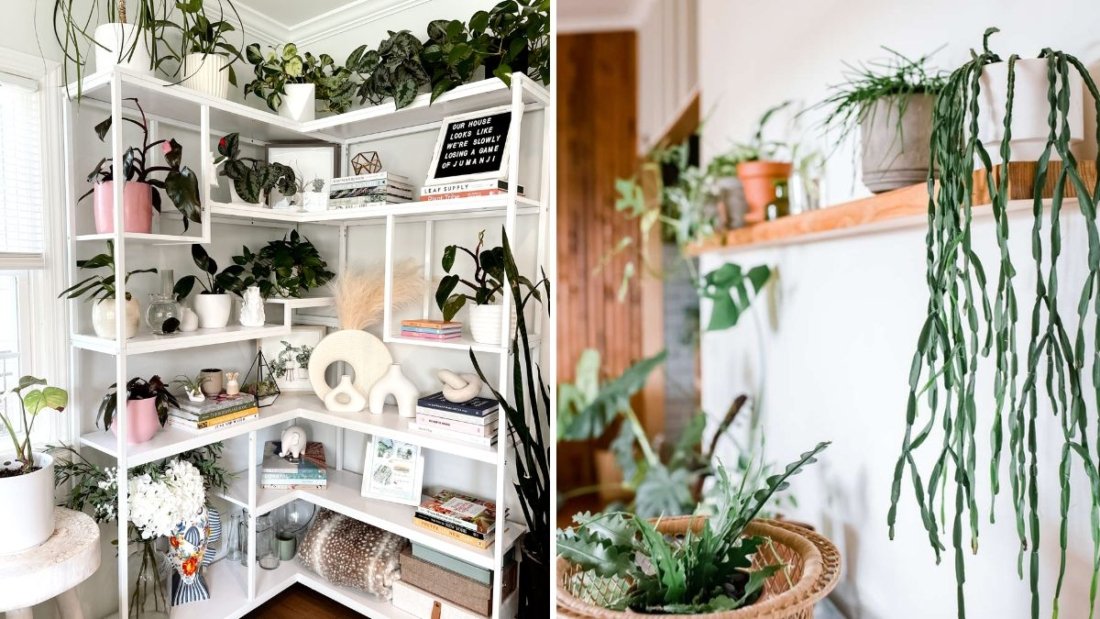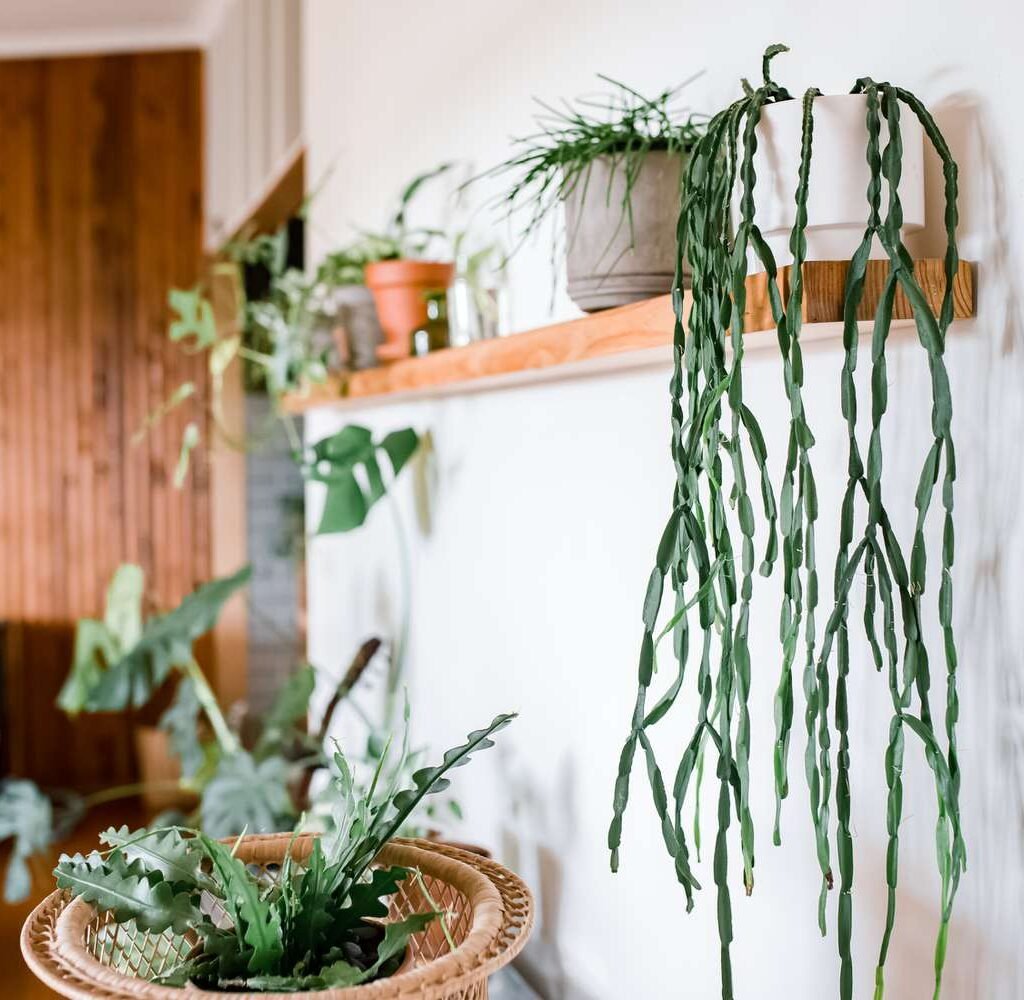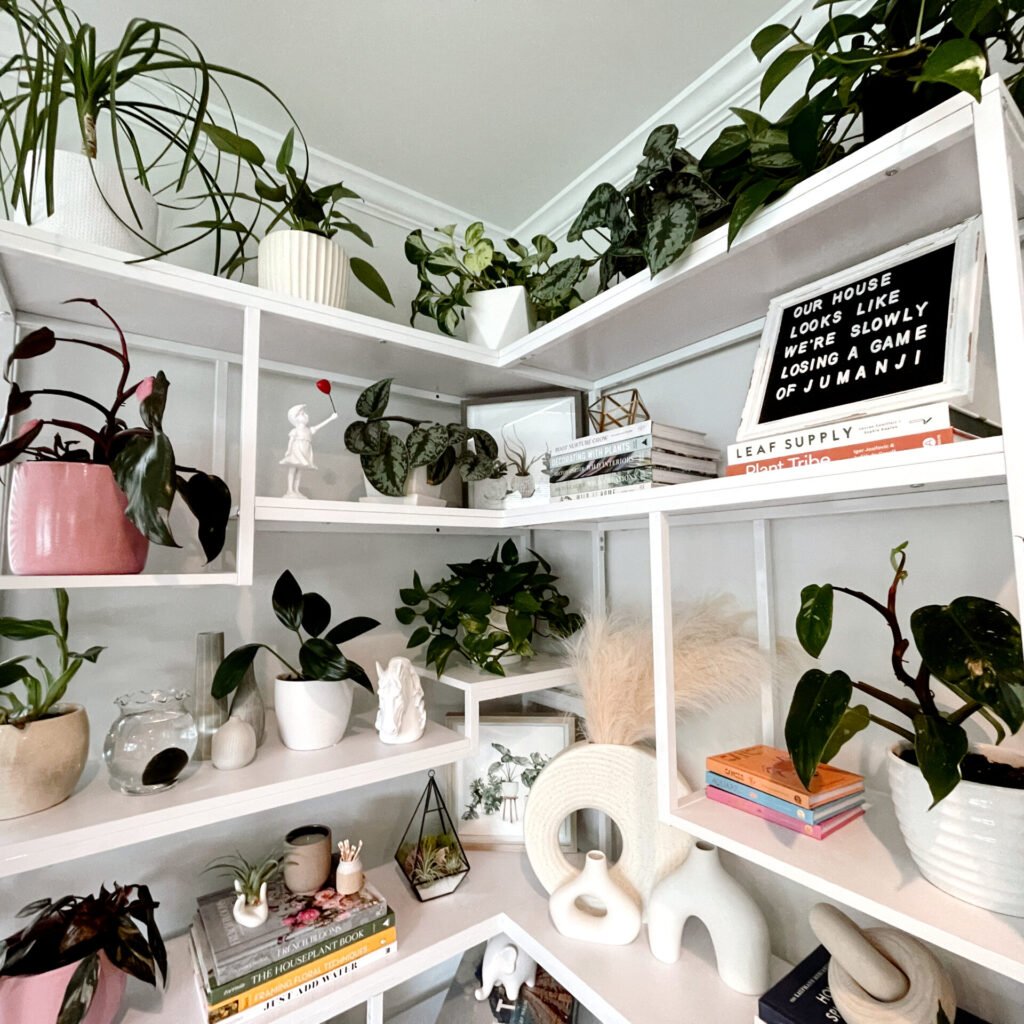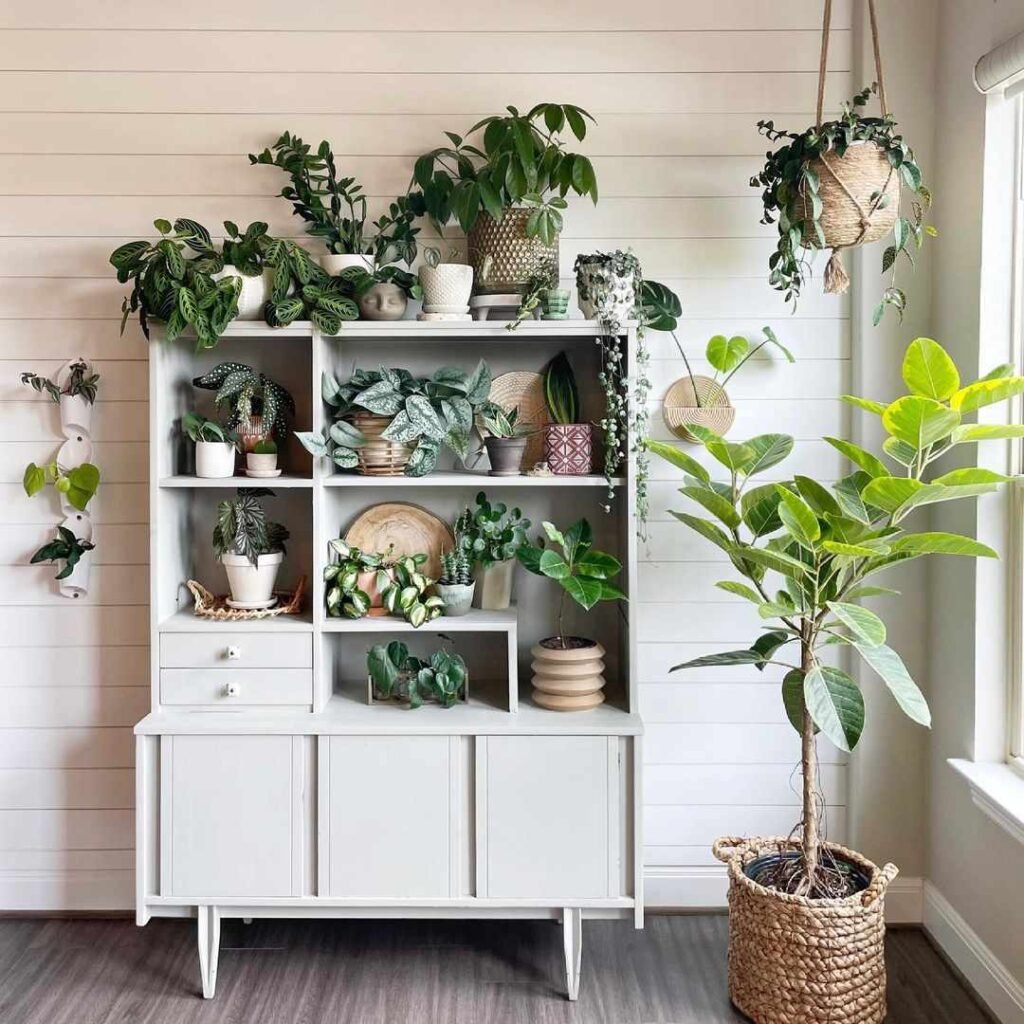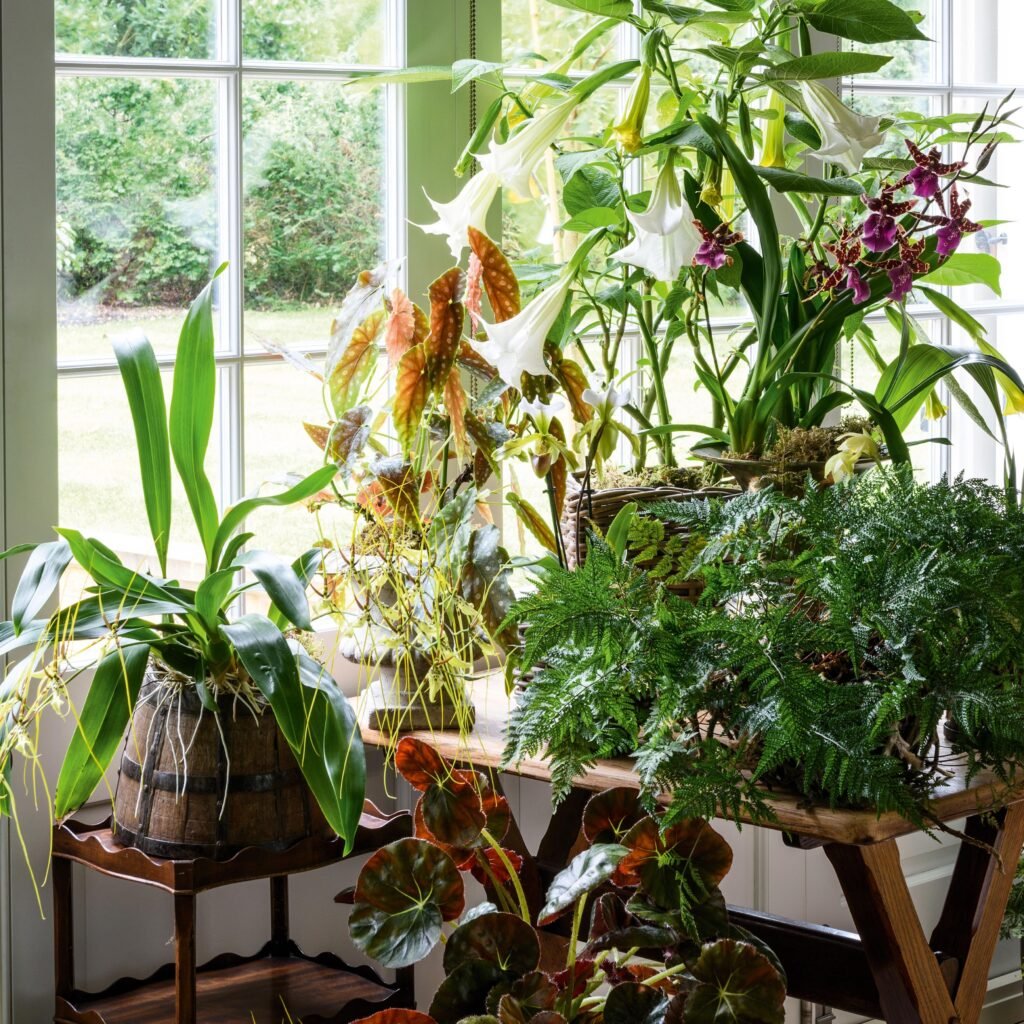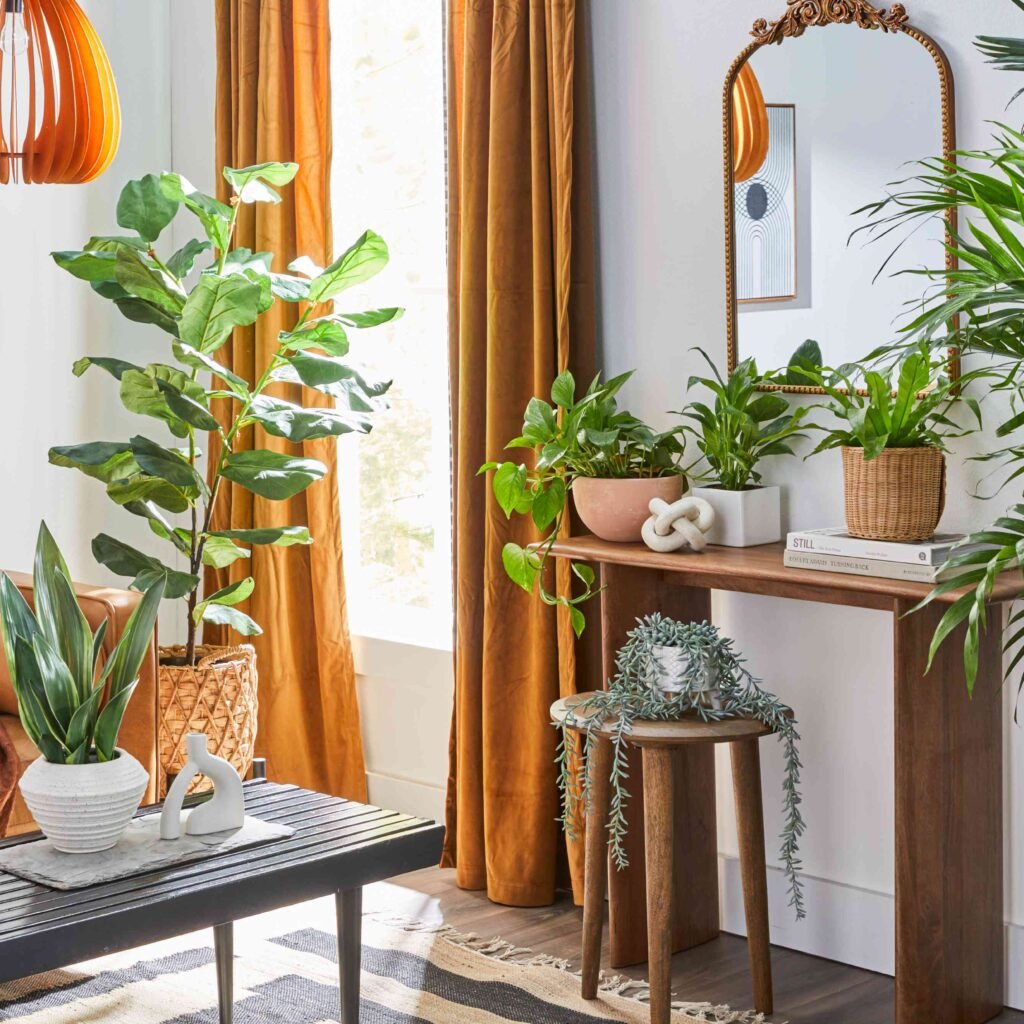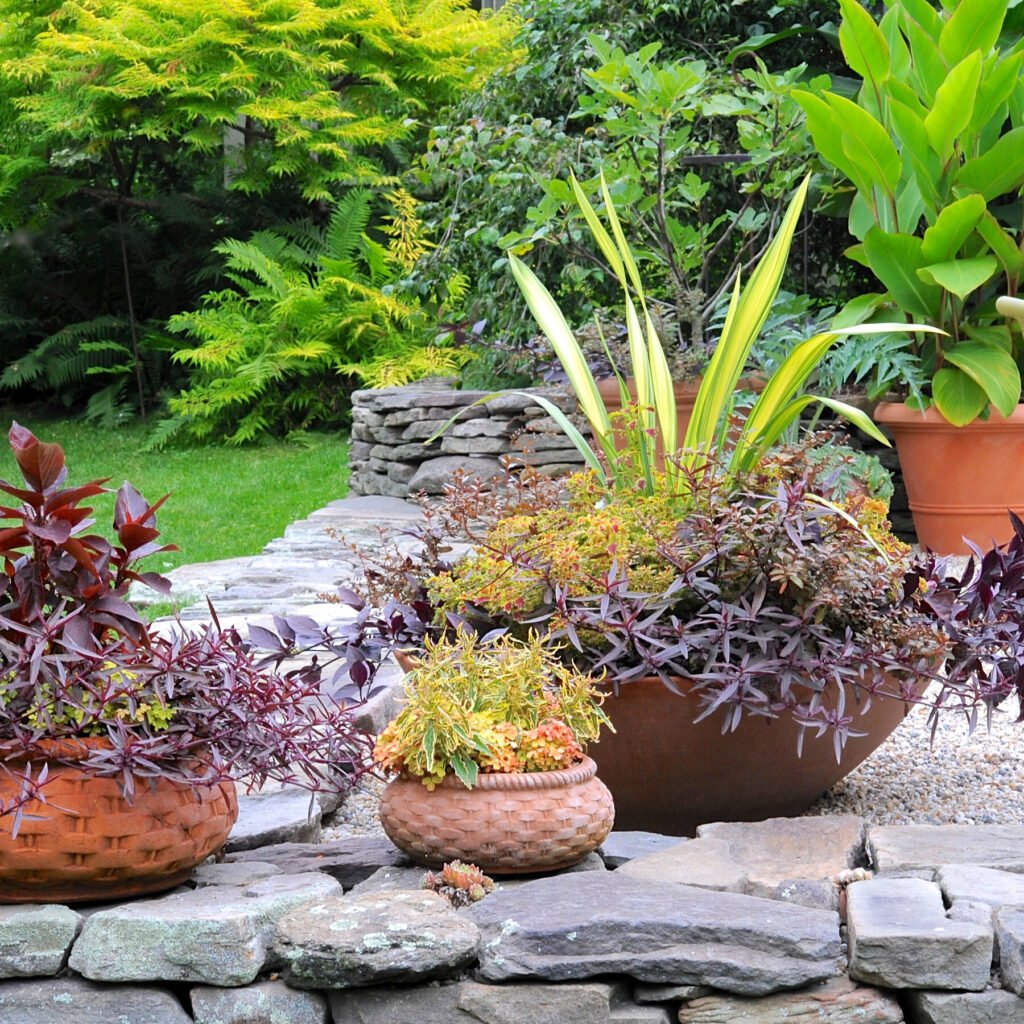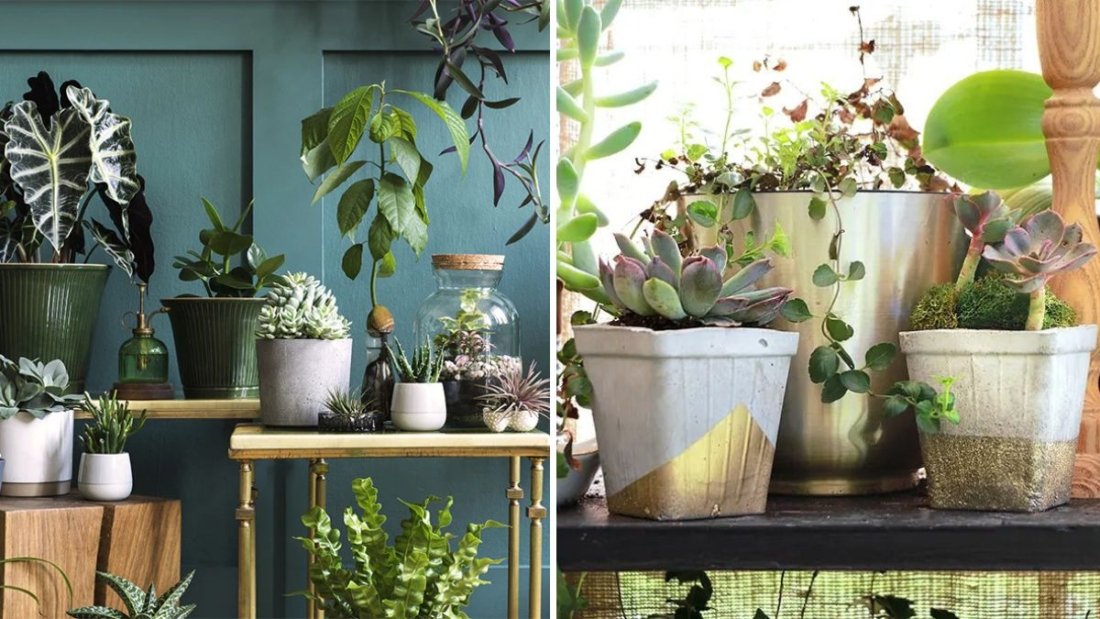
How to Match Pots and Plants for a Designer Look

How to Match Pots and Plants for a Designer Look

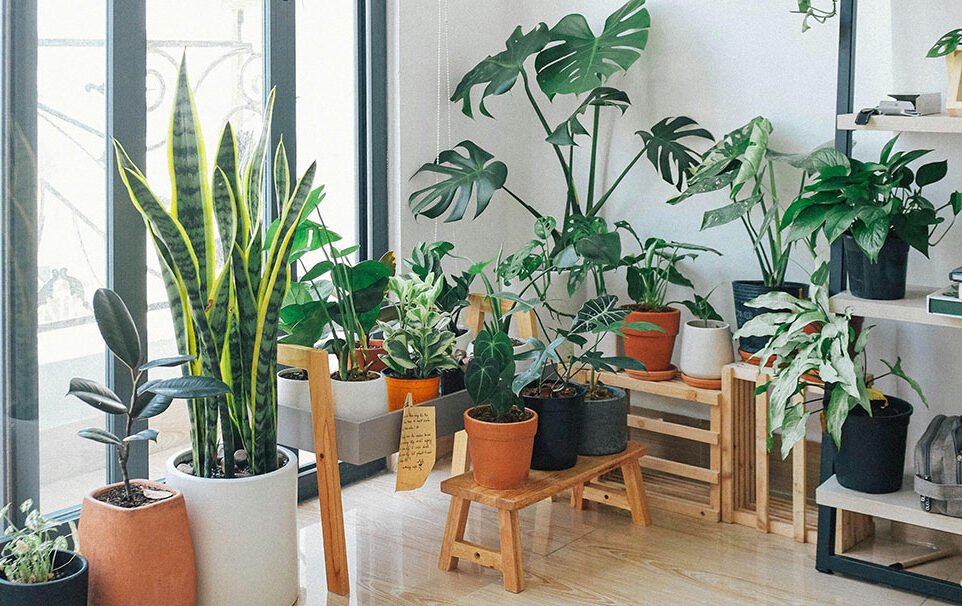
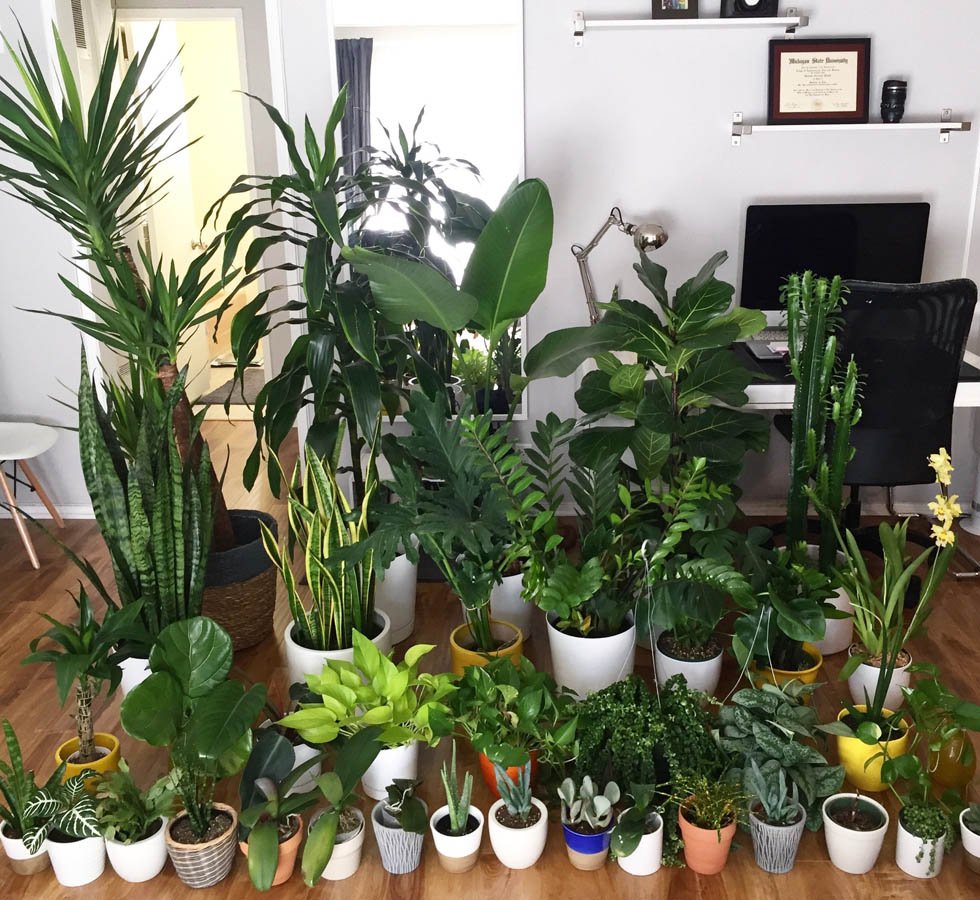
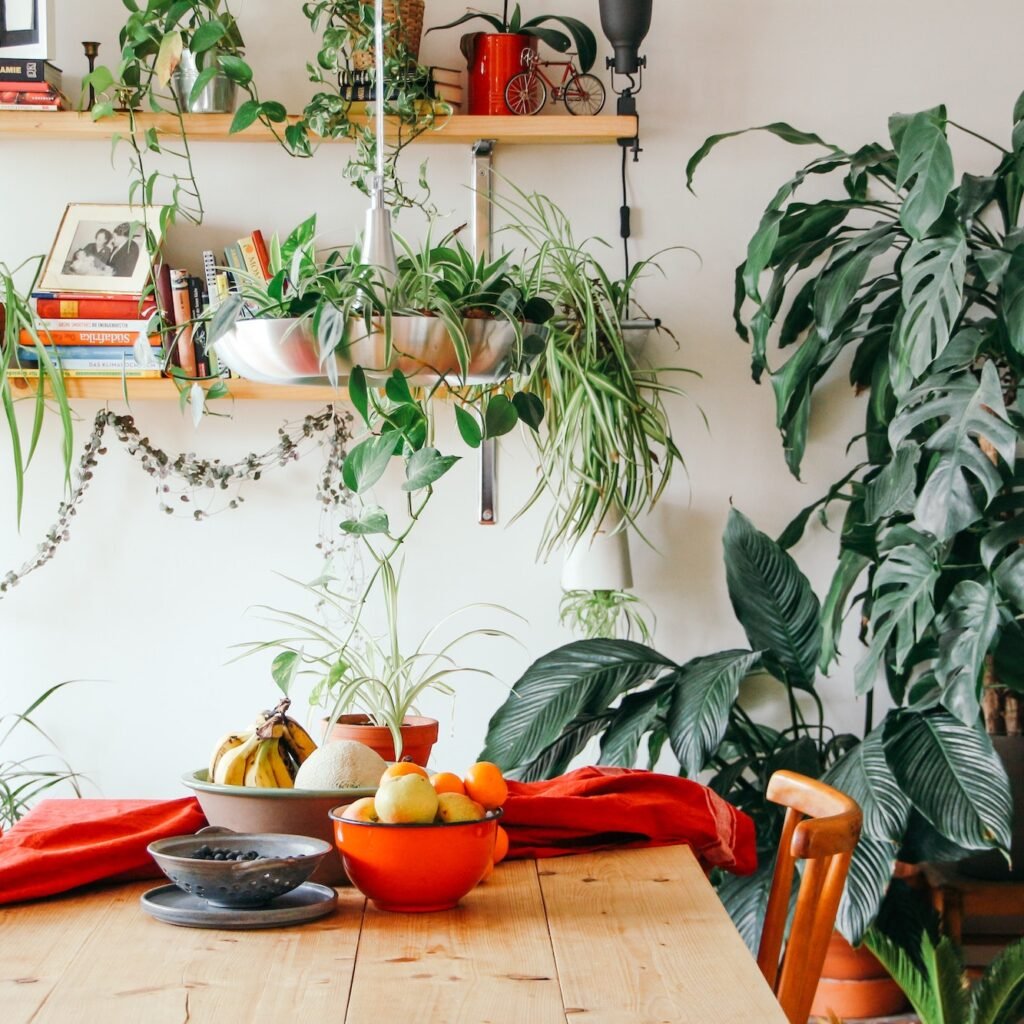
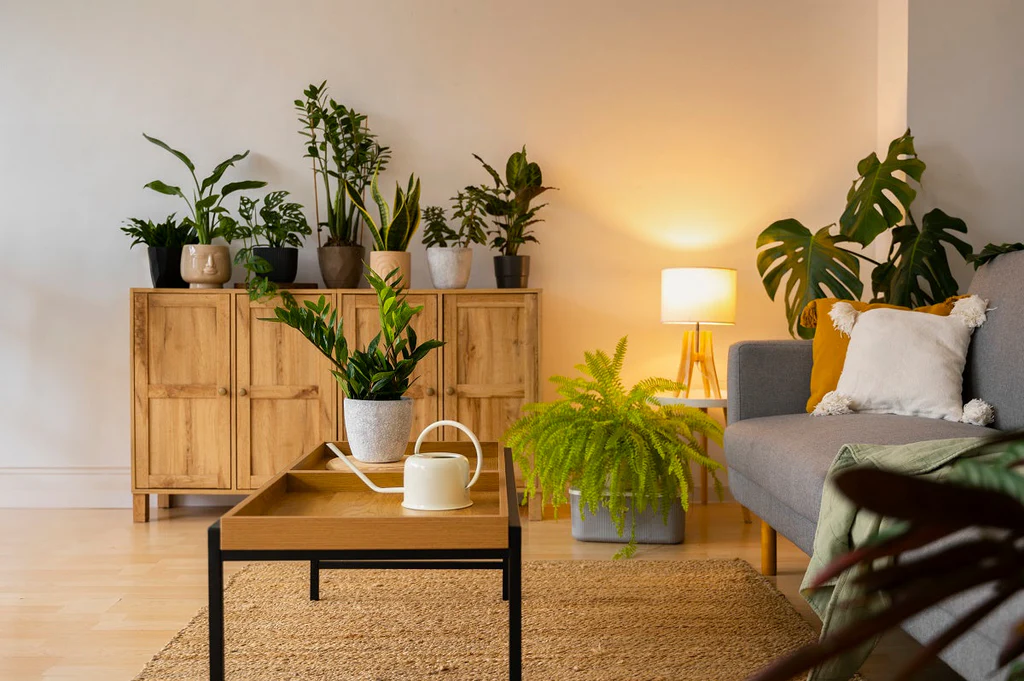
When it comes to styling indoor greenery, it’s not just about picking beautiful plants — it’s also about how you pair them with the right pots. The right combination can completely transform your space, giving it a polished, cohesive, and designer-inspired appeal. Think of it like interior design for your plants: the color, texture, and shape of your pots can highlight your plants’ best features and tie together your overall home aesthetic.

Whether your goal is a modern minimalist vibe, a cozy boho nook, or a bold statement display, matching pots and plants thoughtfully makes all the difference. In this detailed guide, we’ll explore how to match pots and plants for a designer look, covering style tips, color theory, size and proportion rules, and creative arrangement ideas that will help your greenery truly shine.


1. Why Pot and Plant Pairing Matters

Choosing the right pot isn’t just about looks — it affects plant health, growth, and harmony within your space. Here’s why your pot choice is just as important as the plant itself:

  • Enhances the plant’s beauty: The right pot acts like a frame, accentuating the plant’s color, shape, and texture.
  • Improves visual balance: A mismatched pot can make a plant look awkward or out of place, while the right one creates cohesion.
  • Reflects your design personality: Pots are decor elements — modern, rustic, minimal, or artistic — that define your style.
  • Supports plant growth: Correct pot size, shape, and material ensure proper drainage and root health.

A beautifully styled pot-plant combination feels intentional and curated, instantly giving your space that high-end, designer look.


2. Start by Understanding Your Interior Style
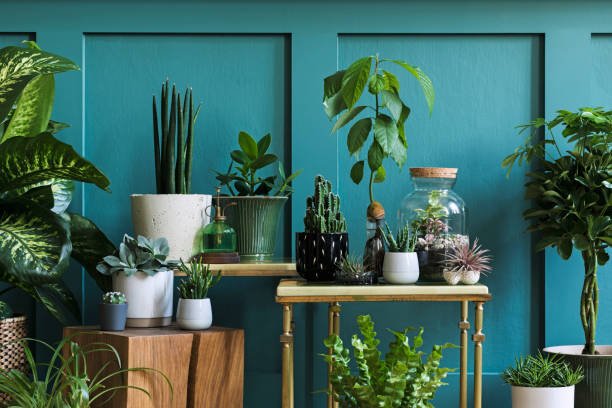
Before choosing pots or plants, identify your overall home aesthetic. The best combinations reflect the mood and texture of your space.

Bohemian Chic:

  • Go for handcrafted pots, woven baskets, or macramé hangers.
  • Pair with lush, trailing plants like pothos, ferns, or philodendrons.
  • Use warm earth tones — terracotta, beige, and olive green — with organic textures.

Modern Minimalist:

  • Choose sleek, matte planters in neutral tones like white, black, or gray.
  • Combine with sculptural plants such as snake plants, ZZ plants, or succulents.
  • Keep it clean and uncluttered — one plant per pot, with simple lines.

Scandinavian Style:

  • Opt for light wood, ceramic pots, or pastel tones.
  • Match with soft green plants like peace lilies, calatheas, or ferns.
  • Focus on balance, simplicity, and natural light.

Industrial Urban:

  • Go for metallic, concrete, or matte black pots.
  • Pair with architectural plants like fiddle leaf fig or monstera deliciosa.
  • Add contrast with wood or leather accents.

Eclectic and Artistic:

  • Mix colors, patterns, and pot styles.
  • Combine plants with unique leaf shapes like prayer plants, caladiums, or begonias.
  • Layer various heights and textures for a curated yet relaxed vibe.

By aligning your pots and plants with your interior theme, you’ll instantly achieve a more cohesive, designer-inspired look.


3. Size and Proportion: Getting the Scale Right

Even the most stylish pot won’t look good if it’s the wrong size. Proper proportion is key for both visual balance and plant health.

General Rules:

  • The pot should be 1–2 inches wider in diameter than the plant’s root ball.
  • Taller plants need heavier or wider pots for stability.
  • Small, trailing plants look best in smaller or hanging pots to allow leaves to cascade gracefully.
  • Avoid oversized pots for small plants — too much soil retains excess moisture, causing root rot.

Design Tip:

Use tall, cylindrical pots for upright plants like snake plants or rubber trees, and wide, shallow pots for spreading species like succulents or ferns.

Matching the pot’s shape to the plant’s growth pattern ensures a balanced, elegant look that feels natural rather than forced.


4. Play with Color and Contrast
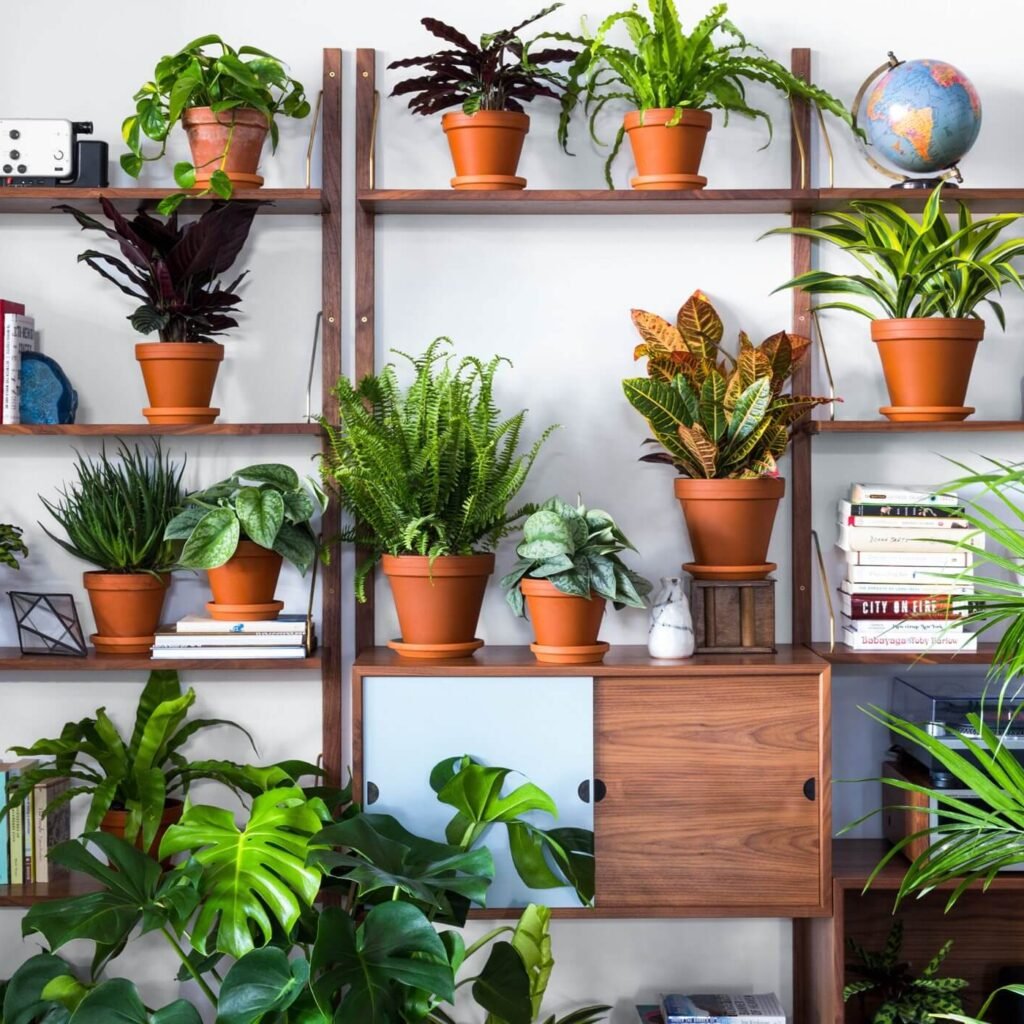
Color is a powerful design tool when matching pots and plants. The right combination can make your greenery pop or blend seamlessly into your décor.

Complementary Colors:

Choose pot colors that enhance your plant’s natural hue.

  • Green plants pair beautifully with warm terracotta, muted pink, or cream tones.
  • Plants with dark or variegated foliage stand out in light or white pots.
  • Brightly colored leaves (like caladium or croton) look stunning in neutral or matte black pots.

Monochromatic Look:

For a serene, designer feel, go tone-on-tone. Match similar shades — for example, deep green foliage in forest-green or charcoal pots.

Contrast for Drama:

If you prefer a bold statement, create visual tension with contrasting colors — think bright green ferns in sleek white pots, or dark leafy plants in pale ceramic containers.

Earthy and Natural Vibes:

Terracotta, clay, or stone pots bring warmth and texture that pair perfectly with most indoor plants, especially tropical varieties.


5. Mix Textures for Visual Depth
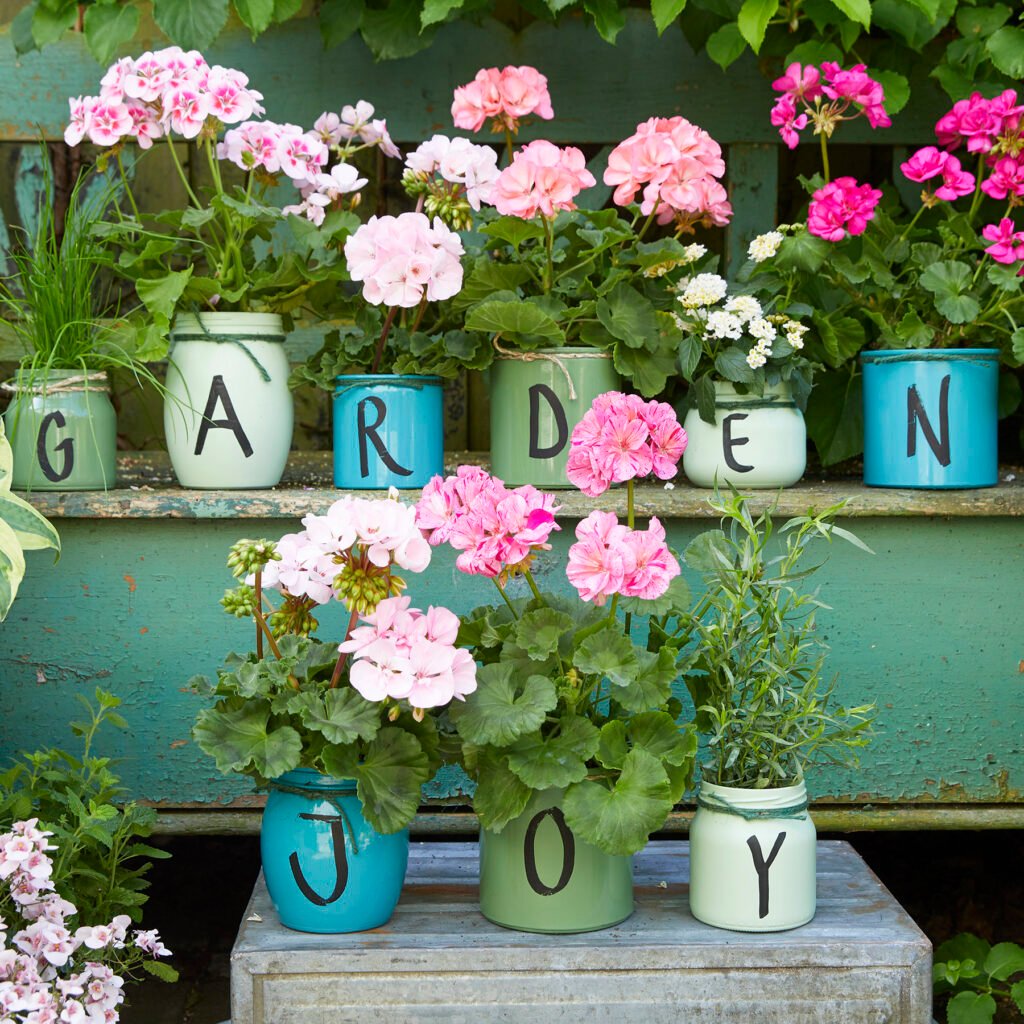
Texture adds richness and sophistication to your design. Combine different finishes to keep your space dynamic yet cohesive.

Textured Pot + Smooth Plant:

  • A rough concrete pot paired with glossy philodendron leaves creates balance.

Smooth Pot + Textured Plant:

  • A sleek white ceramic pot highlights the frilly, feathery leaves of ferns or asparagus plants.

Natural Material Pairings:

  • Woven baskets with trailing pothos or string of pearls add cozy boho charm.
  • Stone or clay pots complement hardy succulents and cacti.

Use at least two types of textures (smooth, matte, glossy, rough) in a group of pots to create visual contrast that feels intentional and refined.


6. Shape Matters: Round, Square, or Geometric

The shape of your pot can emphasize or balance your plant’s form.

Round Pots:

Best for full or bushy plants like ferns, calatheas, and peace lilies. They enhance a soft, organic feel.

Tall Pots:

Perfect for upright plants such as snake plants, rubber plants, and palms. They add elegance and draw the eye upward.

Square or Geometric Pots:

Ideal for modern interiors — pair with plants that have clean, architectural lines, like succulents or ZZ plants.

Hanging or Wall-Mounted Pots:

Complement trailing plants like string of hearts, pothos, or ivy. Use symmetrical arrangements for a modern look or uneven spacing for a more relaxed, artistic feel.


7. Grouping and Layering for a Designer Display

Professional designers often group pots and plants to create depth and visual flow. Here’s how to style yours like a pro:

Group by Height:

  • Combine tall, medium, and small plants together for layered dimension.
  • Example: Fiddle leaf fig (tall) + philodendron (medium) + pilea (small).

Group by Color:

  • Use pots in varying shades of the same color for a coordinated palette.

Group by Texture:

  • Mix glossy leaves (like monstera) with matte-leaved plants (like ferns) for contrast.

Use Decorative Stands:

Plant stands and shelves elevate your display — literally. Try tiered stands, wall shelves, or nesting tables to create a chic arrangement.


8. Don’t Forget About Functionality

While style matters, functionality ensures your plants stay healthy long-term.

Drainage:

Always choose pots with drainage holes. If your favorite decorative pot doesn’t have one, place a nursery pot inside so excess water can drain properly.

Material:

  • Terracotta: Breathable and great for plants that prefer dry soil.
  • Ceramic: Stylish and retains moisture well — ideal for tropical plants.
  • Plastic: Lightweight and affordable; perfect for hanging planters.
  • Metal or Concrete: Sleek but can heat up quickly — best for decorative indoor use.

Weight and Stability:

For tall plants like fiddle leaf figs, go with heavier pots to prevent tipping.


9. Seasonal and Thematic Styling

Matching pots and plants by season or mood can refresh your space effortlessly.

Spring and Summer:

Bright pots in pastel or terracotta tones with lively green plants like ferns, spider plants, or pothos.

Fall:

Warm hues like burnt orange, ochre, or dark green pots paired with deep-toned foliage like caladiums or begonias.

Winter:

Neutral or metallic pots with evergreens, sansevierias, or ZZ plants for an elegant and calm atmosphere.

Changing a few pots seasonally keeps your decor feeling new and intentional without replacing the plants themselves.


10. Final Styling Touches for a Designer Finish

Here’s how to make your pot-and-plant pairing look magazine-worthy:

  • Use matching saucers or trays to catch water and maintain a clean aesthetic.
  • Add decorative elements like pebbles, moss, or bark chips on top of the soil for texture.
  • Layer lighting — accent your plants with soft spotlights or warm lamps to highlight their forms.
  • Keep it clean: Dust pots and wipe leaves regularly to maintain that polished designer feel.
  • Repeat elements: Repetition creates harmony — use similar pot colors or materials throughout a room for a cohesive flow.

Conclusion: Elevate Your Space with Thoughtful Pairing

Matching pots and plants is an art that blends botanical beauty with design sensibility. When done thoughtfully, it creates visual harmony, enhances your home’s style, and showcases your plants as living decor pieces.

From playing with color contrasts and textures to selecting the right shapes and sizes, every detail contributes to that sought-after designer look. Remember — your pots are more than just containers; they’re a reflection of your taste and creativity.
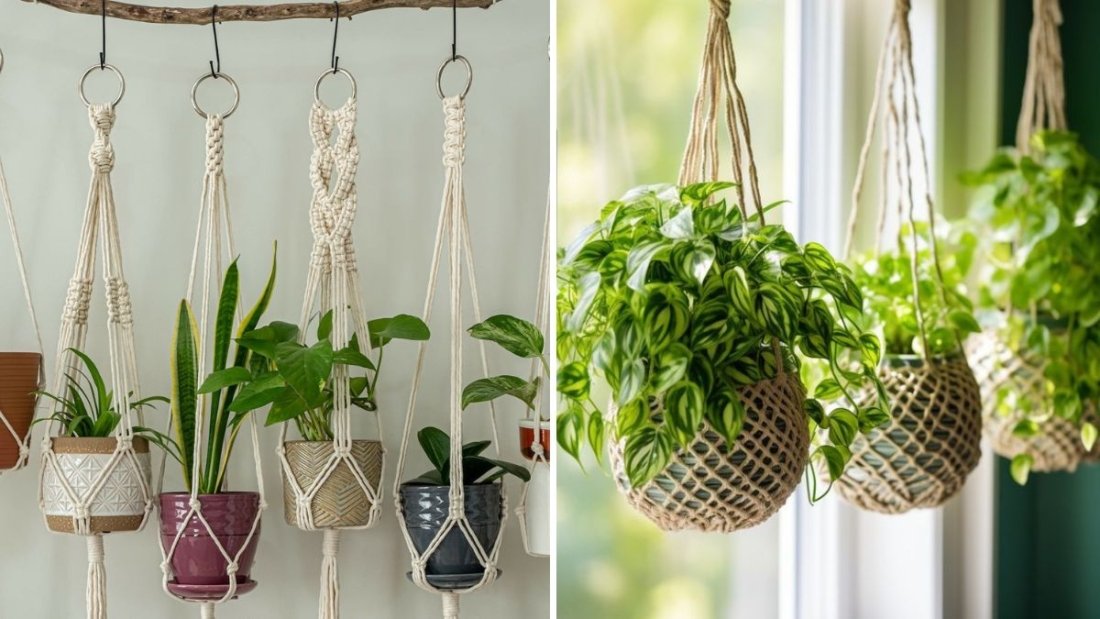
How to Use Hanging Plants to Save Space and Add Charm

How to Use Hanging Plants to Save Space and Add Charm

If you live in a small apartment, studio, or simply want to make the most of your available space, hanging plants are a perfect solution. They’re not only space-savers — they also add a sense of depth, softness, and personality to your home décor. Whether you’re going for a lush jungle vibe, a modern minimalist look, or cozy boho aesthetics, hanging plants can instantly elevate any room.

In this detailed guide, we’ll explore how to use hanging plants to save space and add charm, including how to choose the right varieties, display ideas for every room, styling tips, and care essentials to help your greenery flourish beautifully.


Why Hanging Plants Are Perfect for Any Space

Before we dive into the details, let’s understand why hanging plants are such an incredible design and practical choice.

  1. They save floor and surface space:
    Hanging plants keep your greenery off tables, shelves, and countertops — perfect for smaller homes or shared spaces.
  2. They make rooms look bigger:
    Elevating plants draws the eye upward, creating a sense of vertical dimension and spaciousness.
  3. They soften architectural lines:
    Trailing vines and cascading foliage add movement and contrast to straight walls and furniture.
  4. They purify the air and improve well-being:
    Many hanging plants are excellent air purifiers, helping you breathe cleaner, fresher air while reducing stress.
  5. They add a touch of natural art:
    A hanging plant can act like a living chandelier, wall art, or curtain of greenery, enhancing aesthetics in ways regular décor can’t.

1. Choosing the Right Hanging Plants

Not all plants are suited for hanging planters. You’ll want species with trailing, cascading, or compact growth habits — ones that look great from above and thrive in containers. Here are some of the best choices for hanging displays:

Best Trailing Plants

  • Pothos (Epipremnum aureum): A classic, easy-care plant with heart-shaped leaves that cascade beautifully. Thrives in low to bright light.
  • String of Hearts (Ceropegia woodii): Delicate vines with tiny heart-shaped leaves — perfect for a romantic or bohemian look.
  • English Ivy (Hedera helix): Adds a touch of vintage charm with its graceful vines.
  • Philodendron ‘Brasil’: Bright green-and-yellow variegated leaves that add a burst of color.
  • Spider Plant (Chlorophytum comosum): Air-purifying and fast-growing, with arching leaves that spill elegantly over edges.

Best Compact Plants for Hanging Displays

  • Boston Fern: Lush and full, great for adding volume and softness.
  • Peperomia: Compact and varied in leaf shapes and textures.
  • String of Pearls (Senecio rowleyanus): Unique bead-like vines that look mesmerizing when draped over a pot.
  • Dischidia nummularia (String of Nickels): Small, round leaves perfect for minimalist or modern interiors.

2. Picking the Perfect Hanging Planter

Your planter choice can completely change how your plants look and how they fit within your space. Think of the pot as an accessory — it should complement both your plant and your interior style.

Types of Hanging Planters

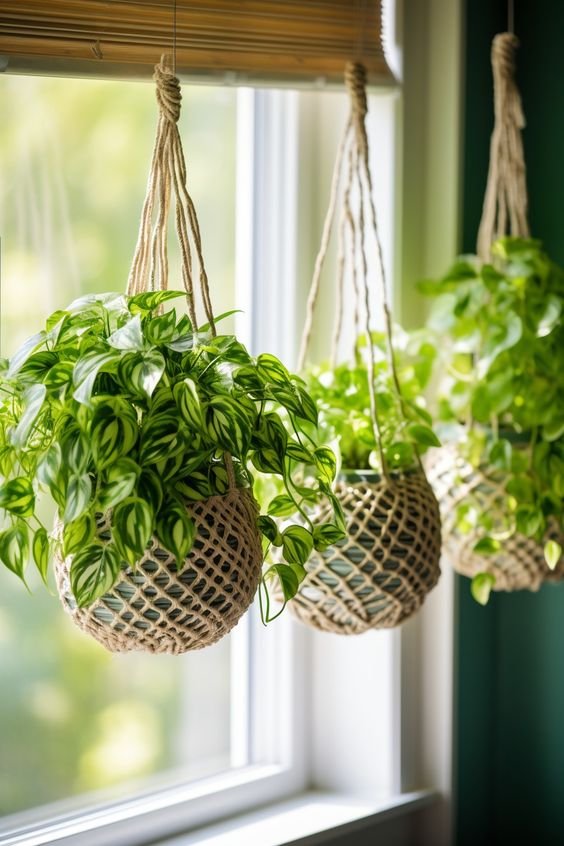
  • Macramé Hangers: Ideal for bohemian or earthy décor. They add texture and warmth while holding a simple ceramic or terracotta pot.
  • Wall-Mounted Planters: Great for modern or small spaces where floor or ceiling hanging isn’t possible.
  • Ceiling Hooks with Planters: Create a floating garden effect — perfect for open layouts.
  • Geometric Metal Planters: Perfect for minimalist or industrial aesthetics.
  • Glass Terrariums: Elegant and modern, great for small air plants or succulents.

Pro Tip:

Match planter materials to your room’s style. Woven baskets and rattan pots add a cozy, natural touch; metal and glass fit sleek, contemporary spaces.


3. Best Locations to Hang Your Plants

Strategic placement is key to making hanging plants both beautiful and functional. You want to highlight natural light, frame architectural features, and balance empty spaces.

Living Room:

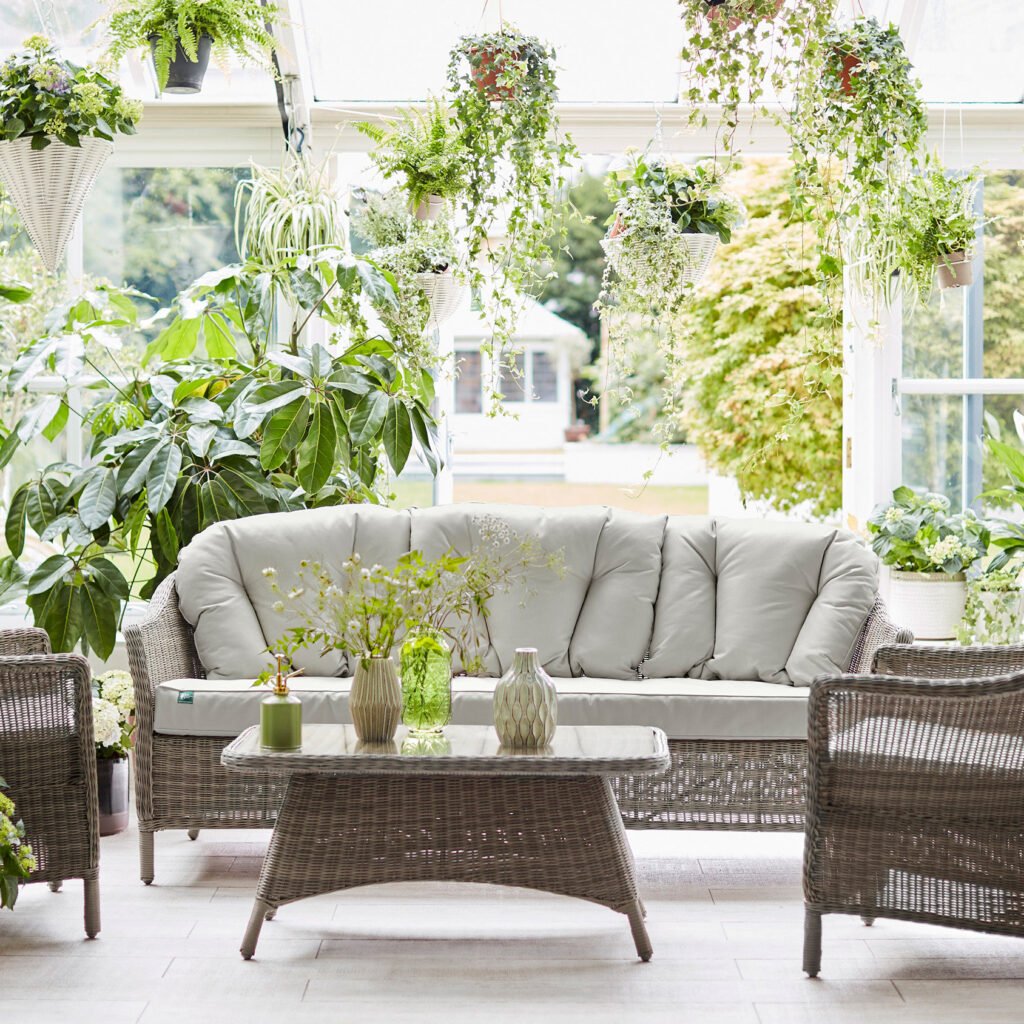
Hang plants near windows or corners to draw the eye upward. Group two or three at varying heights to create a layered look.

Bedroom:

Add a calming touch with trailing plants near the bed or above bedside tables. Ferns and pothos help purify the air for better sleep.

Kitchen:

Hang herbs like basil, thyme, or oregano near the window for both function and freshness. Pothos or spider plants also thrive in warm, humid environments.

Bathroom:

Bathrooms with good natural light are perfect for humidity-loving plants like ferns, pothos, and philodendrons. Hanging them above the bathtub or near the mirror adds spa-like tranquility.
Work or Study Area:

Place small hanging plants near your desk or window to boost focus and creativity while softening harsh lines.


4. Create Balance and Harmony with Height and Arrangement

To make hanging plants visually appealing rather than cluttered, balance is everything.

Tips for a Balanced Look:

  • Vary the heights: Hang some plants lower than others to create depth and flow.
  • Group in odd numbers: Odd-number groupings (like three or five) appear more natural to the eye.
  • Mix textures and leaf shapes: Combine fine-leaved ferns with broad-leaved pothos or glossy philodendrons.
  • Mind the proportions: Avoid hanging too many large plants in one spot — balance them with smaller ones for an airy feel.

Creative Layouts to Try:

  • Clustered Display: Group plants in a corner or above a sofa for a lush, cascading effect.
  • Linear Arrangement: Line up multiple hanging planters along a window or wall for a modern, uniform look.
  • Staggered Heights: Perfect for stairwells or tall ceilings to emphasize vertical movement.

5. Use Hanging Plants as Room Dividers or Decor Features

Hanging plants can do more than decorate — they can define spaces and create privacy in open layouts.

  • Green Curtain: Hang several trailing plants along a curtain rod or window frame for a living curtain that filters light and adds softness.
  • Room Divider: Use a hanging rod or ceiling rack to suspend plants between spaces (like separating the living area from the dining area).
  • Entryway Statement: A single hanging plant in a bold pot can create a welcoming, stylish focal point near your entrance.
  • Ceiling Feature: Hang plants in a cluster above a dining table or reading nook to create a cozy, canopy-like feel.

6. Lighting Tips for Healthy Hanging Plants

Since hanging plants are elevated, they often receive more or less light than floor plants, depending on placement.

Lighting Basics:

  • Bright, indirect light: Ideal for most hanging plants like pothos, philodendrons, and spider plants.
  • Low light: ZZ plants or English ivy are perfect for dim corners.
  • Direct sunlight: Succulents, string of pearls, and air plants thrive near south-facing windows.

Artificial Light Options:

If your apartment lacks natural sunlight, use LED grow lights to supplement. Clip-on or pendant-style grow lights can be positioned stylishly over your hanging plants.


7. Watering and Maintenance Made Easy

Caring for hanging plants can be a little tricky since they’re harder to reach, but with the right approach, maintenance becomes simple.

Watering Tips:

  • Use a step stool or take the pot down when watering to avoid spills.
  • Check soil moisture before watering — overwatering is the most common cause of plant decline.
  • Let excess water drain completely before rehanging the plant.
  • Mist regularly if you have tropical plants like ferns or philodendrons to maintain humidity.

Cleaning and Pruning:

  • Dust leaves gently with a soft cloth or spray them with water occasionally.
  • Trim dead or overgrown vines to encourage new growth and keep the shape neat.
  • Rotate plants every few weeks for even light exposure.

8. Mix Hanging Plants with Other Decor Elements

For a cohesive, charming interior, your hanging plants should complement — not compete with — your existing decor.

Decor Integration Ideas:

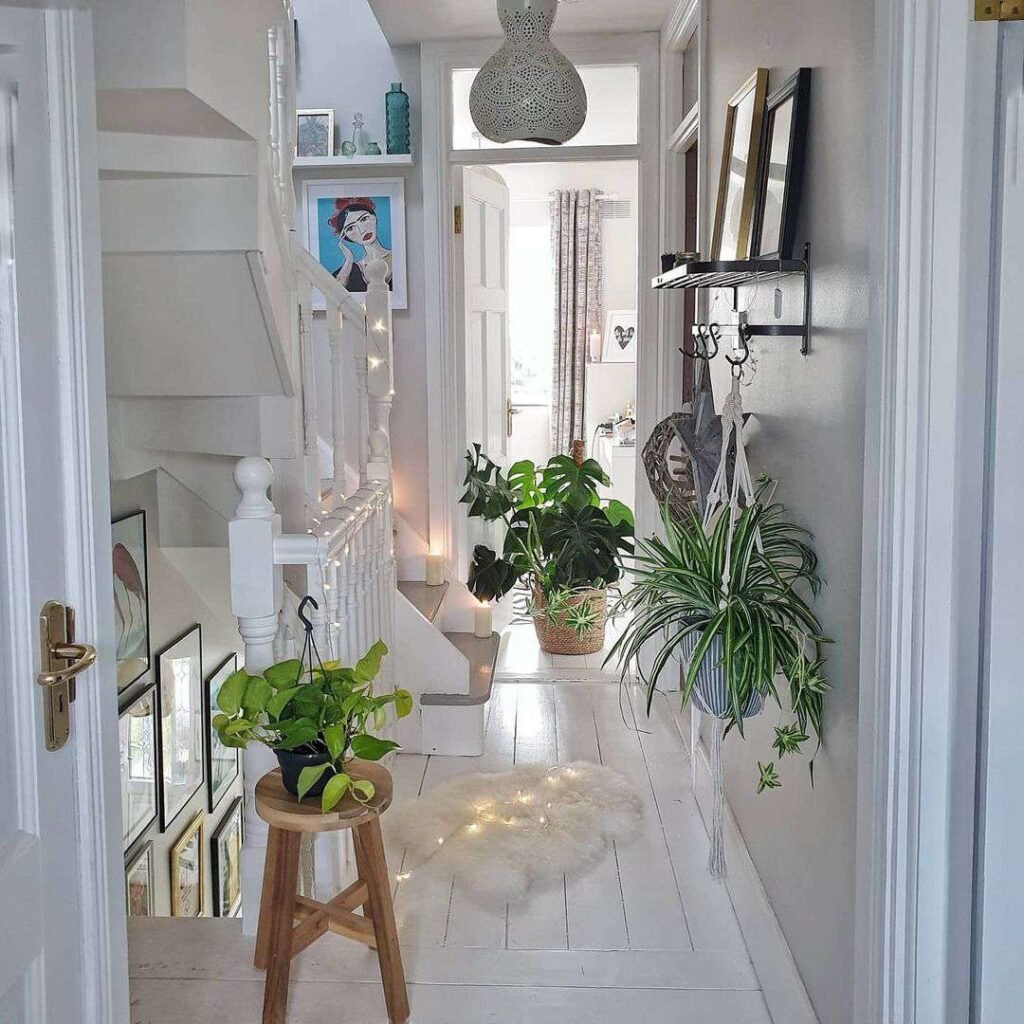
  • Combine hanging greenery with string lights or fairy lights for a magical evening glow.
  • Pair plants with natural materials like wooden furniture, rattan, or linen for a warm, organic vibe.
  • Use colorful pots to accent neutral spaces or monochrome ones for a minimalist look.
  • Mix greenery with wall art or mirrors to add layers of visual interest.

9. Budget-Friendly DIY Hanging Plant Ideas

You don’t need to spend much to create a stunning hanging garden. Try these simple DIY options:

  • Mason jar hangers: Use twine or wire to suspend small jars for herbs or air plants.
  • Old baskets: Repurpose woven baskets with liners as rustic hanging planters.
  • Macramé holders: Make your own using cotton rope — it’s inexpensive and customizable.
  • Recycled pots: Use painted tin cans or old mugs with drainage holes for a quirky, creative display.

10. Styling Inspiration by Design Aesthetic

Bohemian:

Layer hanging pothos, ferns, and spider plants with woven macramé and wicker planters. Add patterned textiles for a cozy, eclectic vibe.

Modern Minimalist:

Choose sleek white or black planters, hang at symmetrical heights, and use plants with clean lines like string of pearls or ZZ plants.

Scandinavian:

Use light wood accents, neutral pots, and a mix of air plants and trailing vines for a soft, airy feel.

Urban Jungle:

Go bold — fill your ceiling or wall with a variety of lush species in mismatched pots for a wild, vibrant atmosphere.


Final Thoughts

Hanging plants are more than just décor — they’re a creative way to bring nature into your home, maximize space, and infuse charm into every corner. Whether you’re adorning a sunny window, defining open spaces, or simply adding life to bare walls, hanging plants offer limitless possibilities.

From cascading pothos and elegant ferns to unique strings of pearls, these green companions can make even the smallest apartment feel like a tranquil retreat. With thoughtful arrangement, the right lighting, and a touch of creativity, you’ll have a space that’s not only functional but full of life and beauty.

7 Best Plants for Small Apartments and Studios

7 Best Plants for Small Apartments and Studios

Living in a small apartment or studio doesn’t mean you have to sacrifice your love for greenery. In fact, indoor plants can completely transform tight spaces — they add color, texture, and freshness while improving air quality and creating a sense of calm. The key lies in choosing compact, easy-care plants that thrive in limited light and space conditions.

Whether your home has plenty of natural light or just a single sunny window, there are plants perfectly suited for your space. In this detailed guide, we’ll explore the 7 best plants for small apartments and studios, along with expert styling and care tips to help your greenery thrive without overwhelming your home.


1. Snake Plant (Sansevieria trifasciata)

Best for: Beginners and busy apartment dwellers

If you could choose just one plant that’s practically indestructible and incredibly stylish, it would be the snake plant. With its upright, sword-like leaves and bold green-and-yellow patterns, it adds a sculptural, modern touch to any space.

Why It’s Perfect for Small Apartments:

  • Takes up vertical space, not horizontal — great for tight corners.
  • Tolerates low light, making it ideal for rooms with limited sunlight.
  • Extremely low maintenance — can go weeks without water.

Care Tips:

  • Light: Thrives in indirect or low light but tolerates bright spots.
  • Water: Water sparingly; let the soil dry completely between waterings.
  • Bonus Tip: Use a tall, narrow planter to enhance its height and create a striking focal point without crowding the room.

Styling Idea:
Place it near your entryway or beside your sofa for a clean, architectural look. It also looks great in minimalist or industrial-style interiors.


2. Pothos (Epipremnum aureum)

Best for: Hanging planters, shelves, or plant walls

When space is limited, go vertical. Pothos is a trailing plant with heart-shaped leaves that grow beautifully from hanging baskets or wall-mounted pots. It instantly brings life to blank walls and corners without taking up floor space.

Why It’s Perfect for Small Apartments:

  • Grows quickly and adapts to a variety of lighting conditions.
  • Can be trained to climb shelves, walls, or trellises.
  • Excellent air purifier — removes toxins like formaldehyde and benzene.

Care Tips:

  • Light: Prefers bright, indirect light but survives in low light.
  • Water: Allow soil to dry slightly between waterings.
  • Maintenance: Trim long vines to maintain shape and encourage fuller growth.

Styling Idea:
Hang a pothos from the ceiling in a macramé hanger, or let it trail across your bookshelf for a lush, cascading look. You can also grow it in a glass jar with water for a minimalist, soil-free display.


3. ZZ Plant (Zamioculcas zamiifolia)

Best for: Low-light rooms and forgetful plant parents

The ZZ plant is one of the most forgiving houseplants you can own. With glossy, dark green leaves that grow from sturdy stems, it looks sophisticated and adds structure to small spaces.

Why It’s Perfect for Small Apartments:

  • Thrives in low-light environments such as windowless corners or offices.
  • Needs very little water and care.
  • Compact growth makes it ideal for desks, side tables, or small shelves.

Care Tips:

  • Light: Low to bright indirect light (avoid direct sunlight).
  • Water: Every 2–3 weeks; ensure the soil dries completely between waterings.
  • Bonus Tip: Use well-draining soil and avoid overwatering — it’s the ZZ plant’s only weakness.

Styling Idea:
Place your ZZ plant in a matte black or ceramic pot on a console table for a sleek, modern look. Its shiny leaves naturally reflect light, brightening dark corners.


4. Peace Lily (Spathiphyllum)

Best for: Adding elegance and improving air quality

If you want a touch of sophistication without taking up too much space, the peace lily is a perfect choice. Its glossy green leaves and white spathes (flower-like bracts) bring a calming, polished feel to small apartments.

Why It’s Perfect for Small Apartments:

  • Compact and attractive — fits well on tables, dressers, or plant stands.
  • Excellent natural air purifier — removes indoor toxins.
  • Thrives in low light, perfect for bedrooms or living rooms with soft sunlight.

Care Tips:

  • Light: Low to medium indirect light.
  • Water: Keep soil moist but not soggy. Water when leaves slightly droop.
  • Bonus Tip: Mist regularly to maintain humidity, especially in air-conditioned spaces.

Styling Idea:
Pair your peace lily with neutral-toned pots for a modern minimalist look, or choose decorative ceramic planters to highlight its elegant white blooms.


5. Spider Plant (Chlorophytum comosum)

Best for: Hanging planters and shelves

The spider plant is an absolute classic — adaptable, hardy, and endlessly charming. Its long, arching leaves with white stripes add graceful movement and freshness to any small space.

Why It’s Perfect for Small Apartments:

  • Compact size and cascading form make it ideal for hanging baskets.
  • Produces “baby spider plants” that can be propagated easily.
  • Excellent air purifier and pet-friendly.

Care Tips:

  • Light: Prefers bright, indirect light.
  • Water: Water once a week; let soil dry slightly between waterings.
  • Bonus Tip: Trim brown leaf tips to maintain a tidy appearance.

Styling Idea:
Hang a spider plant in a corner to draw the eye upward, making the space feel taller. Alternatively, place it on a shelf where its leaves can gracefully cascade downward.


6. Chinese Money Plant (Pilea peperomioides)

Best for: Tabletops and window sills

The Chinese money plant, also known as the pancake plant, is adored for its perfectly round, coin-shaped leaves that look straight out of a design magazine. Its quirky, minimalist aesthetic fits perfectly in small apartments and modern interiors.

Why It’s Perfect for Small Apartments:

  • Compact and symmetrical — doesn’t require much space.
  • Propagates easily, making it a great gift plant.
  • Brightens any room with its unique, playful shape.

Care Tips:

  • Light: Prefers bright, indirect sunlight. Rotate weekly for even growth.
  • Water: Once a week or when topsoil feels dry. Avoid overwatering.
  • Bonus Tip: Wipe leaves occasionally to keep them shiny and dust-free.

Styling Idea:
Display it on a windowsill, coffee table, or floating shelf in a minimalist ceramic or terracotta pot. It pairs beautifully with Scandinavian and contemporary decor.


7. Philodendron ‘Brasil’ (Heartleaf Philodendron)

Best for: Adding color and softness to corners

The Philodendron ‘Brasil’ is a lush trailing plant with heart-shaped leaves variegated in bright green and yellow. It’s resilient, fast-growing, and adaptable — a perfect choice for both beginners and experienced plant lovers.

Why It’s Perfect for Small Apartments:

  • Can be trained to trail or climb, adapting to any space.
  • Adds a pop of vibrant color without being too large or demanding.
  • Thrives in a range of light conditions.

Care Tips:

  • Light: Bright, indirect light for best variegation; tolerates low light.
  • Water: Every 1–2 weeks; keep soil slightly moist but not wet.
  • Bonus Tip: Pinch back stems to promote bushier growth and maintain shape.

Styling Idea:
Let your Philodendron ‘Brasil’ trail over a bookshelf or climb up a wall trellis. Combine it with neutral decor for a touch of natural vibrancy.


Smart Styling Tips for Small Spaces

  1. Use Vertical Space:
    Hang plants or use wall-mounted shelves to keep tabletops free.
  2. Group in Threes:
    Odd-number groupings look more natural and balanced. Combine plants of different heights and leaf textures for visual interest.
  3. Choose Light-Colored Planters:
    White, beige, or pastel planters reflect light and make small rooms feel brighter and larger.
  4. Incorporate Mirrors:
    Place plants near mirrors to reflect greenery and create an illusion of more space.
  5. Rotate and Rearrange:
    Small apartments benefit from versatility — move your plants occasionally to freshen up the layout.

How to Keep Your Plants Happy in Apartments

  • Watch Humidity: Apartments with AC or heaters can be dry. Mist plants or use a humidifier for tropical species.
  • Clean Leaves Regularly: Dust buildup can block sunlight and reduce photosynthesis.
  • Avoid Overwatering: This is the most common issue in small-space gardening. Always check soil moisture before watering.
  • Provide Proper Drainage: Ensure pots have drainage holes to prevent root rot.

Final Thoughts

Even in the tiniest apartments or studio spaces, plants can make a world of difference. They bring warmth, energy, and tranquility to your surroundings — and you don’t need a sprawling garden to enjoy them.

From the resilient snake plant and air-purifying peace lily to the playful pothos and compact Chinese money plant, these seven species prove that greenery can thrive anywhere. With the right mix of plants, planters, and placement, you can create a mini indoor oasis that refreshes your home — and your mind.

How to Style Your Bookshelves with Indoor Plants

How to Style Your Bookshelves with Indoor Plants

Styling bookshelves is an art — it’s about balancing color, texture, and personality. But if you want to bring your shelves to life, nothing does it better than indoor plants. They add freshness, vibrancy, and movement to what might otherwise be a static collection of books and objects. Whether you have a wall-to-wall library, a small floating shelf, or a minimalist setup, adding greenery can transform it from functional to fabulous.

In this detailed guide, you’ll learn how to style your bookshelves with indoor plants for maximum visual impact, discover the best plant varieties for shelves, and explore practical tips on lighting, arrangement, and care — so your display looks stunning all year round.


Why Add Plants to Your Bookshelves?

Before diving into styling tips, it’s important to understand why plants are such powerful design elements:

  1. They bring life and color: Greenery instantly softens the hard lines of books and shelves, making your space feel warmer and more welcoming.
  2. They improve air quality: Plants like pothos and peace lilies naturally purify indoor air.
  3. They add texture and movement: Trailing vines, sculptural leaves, and varied shades of green add visual depth and contrast.
  4. They connect your decor to nature: Incorporating living elements promotes calm, focus, and creativity — perfect for reading nooks or home offices.

1. Start with the Right Plants

The first step to styling your bookshelves beautifully is choosing plants that thrive in indoor conditions — especially those suited for limited light and smaller containers.

Best Trailing Plants

These are ideal for the edges of shelves or top sections where their vines can cascade down gracefully:

  • Pothos (Epipremnum aureum): Low-maintenance, fast-growing, and forgiving.
  • String of Hearts: Elegant, heart-shaped leaves add charm without bulk.
  • English Ivy: Classic and versatile, perfect for creating a romantic, lush vibe.
  • Philodendron ‘Brasil’: Bright variegation that adds a pop of color.

Best Compact Upright Plants

These fill small spaces between books or decorative items:

  • ZZ Plant: Sturdy, slow-growing, and tolerant of low light.
  • Snake Plant (Sansevieria): Architectural structure for modern aesthetics.
  • Peperomia: Compact, colorful foliage adds visual interest.
  • Succulents: Great for bright shelves with plenty of indirect light.

Best Miniature Plants

Perfect for tight spots or layered arrangements:

  • Air Plants (Tillandsia): No soil needed — ideal for creative displays.
  • Baby Tears (Soleirolia): Tiny leaves create a soft, cascading effect.
  • Mini Ferns: Add a lush touch to darker, humid corners.

2. Mix Heights and Shapes for Visual Balance

When styling shelves, balance is everything. To achieve a natural and visually appealing arrangement, mix tall, upright plants with low or trailing varieties.

How to Do It:

  • Place taller plants (like snake plants or ZZ plants) on the top or outer edges of the bookshelf to create vertical structure.
  • Add trailing plants beside or above to soften sharp lines — let them hang slightly over the shelf for a cascading effect.
  • Use small potted plants to fill gaps between books or decorative objects, creating a layered, dynamic look.

Think of your bookshelf like a miniature landscape: the tall plants form your “trees,” the shorter ones your “shrubs,” and the trailing plants your “vines.” This layered composition adds natural harmony and rhythm.


3. Play with Plant Placement

How and where you position your plants can completely change the vibe of your bookshelf.

Top Shelf:

This is the perfect spot for statement or trailing plants. Place pothos or ivy here so the vines can elegantly drape downward.

Middle Shelves:

Use small to medium-sized plants like peperomia or small ferns to break up rows of books. Alternate plants and decor for variety.

Bottom Shelf:

Opt for larger pots or heavier planters to ground the overall arrangement. Tall, sculptural plants look balanced here.

Corners and Gaps:

Use corners to add greenery without crowding the books. Small pots or air plants can fill narrow spaces without taking up visual weight.


4. Choose Stylish Planters and Pots

Your planters are just as important as your plants — they tie the entire look together. The right pot can turn a simple green leaf into a design statement.

Ideas to Try:

  • Neutral ceramic planters: Create a timeless, clean look.
  • Textured or patterned pots: Add depth and personality to your shelves.
  • Glass terrariums: Perfect for small succulents or air plants — they bring an elegant touch.
  • Mini woven baskets: Add warmth and a natural, organic texture.

When mixing planters, stick to a consistent color palette or material theme — for instance, all white ceramics, natural tones, or mixed metallics. This keeps your shelf from looking cluttered.


5. Combine Plants with Books and Decorative Objects

One of the best ways to style bookshelves with plants is to treat plants like decor pieces. They shouldn’t just fill empty space — they should interact with books and objects around them.

Balance Is Key:

  • Alternate between books, plants, and decor (like candles or photo frames).
  • Stack books horizontally to create mini pedestals for small plants.
  • Add art prints, ceramics, or vases to complement your plant colors.

For example, you can place a trailing pothos next to a vertical stack of books, allowing the vines to soften the straight edges. Or set a succulent atop a book stack for a subtle, elevated touch.


6. Think About Lighting

Lighting is one of the most crucial — yet often overlooked — factors when displaying plants on bookshelves.

Natural Light:

  • If your shelf is near a bright window, most plants will thrive.
  • Use sheer curtains to diffuse direct sunlight and prevent leaf burn.

Low Light:

  • Choose low-light plants like pothos, ZZ plant, or snake plant.
  • Consider adding grow lights or LED strips designed for indoor plants. These are subtle, energy-efficient, and can double as ambient shelf lighting.

Artificial Light Enhancement:

You can install under-shelf LED lights to highlight greenery at night. The glow creates a cozy, inviting atmosphere — perfect for living rooms or bedrooms.


7. Layer, Group, and Vary Textures

A visually captivating bookshelf mixes not just shapes and sizes but also textures and tones.

  • Group plants in odd numbers (3 or 5) — it feels more natural to the eye.
  • Combine smooth-leaved plants (like rubber plants) with textured ones (like ferns or calatheas) for variety.
  • Use decorative elements like driftwood, stone figurines, or ceramic bowls to add tactile contrast.

These combinations help your shelf look intentional and cohesive rather than cluttered or random.


8. Maintenance Tips for Shelf Plants

Keeping plants healthy on bookshelves requires a little extra care since airflow and light can be limited.

  • Water carefully: Remove the plant from the shelf before watering to avoid damaging books or furniture. Let excess water drain before replacing it.
  • Dust leaves regularly: Plants on shelves collect dust quickly, which can block sunlight and hinder growth. Wipe gently with a damp cloth.
  • Rotate plants: Every few weeks, rotate your pots to ensure even light exposure.
  • Prune trailing vines: Trim regularly to maintain shape and prevent overgrowth.

9. Create a Theme or Mood

Your bookshelf can tell a story through both your books and your plants.
Try these style ideas for inspiration:

  • Minimalist Modern: White pots, snake plants, ZZ plants, and clean lines.
  • Boho Jungle: Woven baskets, trailing pothos, ferns, and colorful ceramics.
  • Scandi Calm: Neutral planters, small succulents, and air plants with light wood tones.
  • Artistic Greenery: Mix plants with framed art, candles, and sculptural decor pieces for an eclectic vibe.

10. Let Your Bookshelf Breathe

While it’s tempting to fill every inch of your shelves with plants, remember that negative space is just as important as greenery. Leave some open areas so each element — whether a plant, book, or vase — can stand out.

Your bookshelf should feel curated, not overcrowded. Let the plants accentuate the design, not dominate it.


Final Thoughts

Styling your bookshelves with indoor plants is one of the easiest and most rewarding ways to bring life into your home. Plants don’t just add color — they introduce texture, balance, and tranquility. By mixing trailing and upright varieties, coordinating planters, and paying attention to light and placement, you can create a living display that’s both beautiful and functional.

How to Mix Tall and Trailing Plants for a Balanced Look

How to Mix Tall and Trailing Plants for a Balanced Look

Awell-designed indoor garden isn’t just about the number of plants you own—it’s about how you arrange them. One of the most effective ways to create a visually stunning and harmonious space is by mixing tall and trailing plants. This combination adds height, depth, and movement, transforming even a small corner into a lush, layered oasis.

Whether you want to make a bold statement in your living room or add subtle greenery to your workspace, mastering the art of pairing tall and trailing plants can elevate your décor to new heights—literally. In this detailed guide, we’ll explore how to mix these plant types effectively, design principles to follow, and expert tips for keeping your indoor garden balanced and beautiful.


1. Why Mixing Tall and Trailing Plants Works

When you combine tall, upright plants with cascading, trailing varieties, you mimic how plants grow in nature—tall trees and shrubs reaching for the sun, with vines and groundcovers filling in below. This natural layering instantly adds dimension and rhythm to your space.

Benefits of the tall-and-trailing approach:

  • Creates depth: The vertical contrast draws the eye upward and outward, making rooms feel larger.
  • Balances proportions: Tall plants anchor the design, while trailing ones soften edges and create flow.
  • Adds texture and movement: Trailing plants create organic curves that contrast beautifully with the structured form of tall plants.
  • Enhances visual interest: The variety of shapes, heights, and colors prevents your greenery from looking flat or monotonous.

In essence, this design strategy turns a simple grouping of plants into a curated indoor landscape.


2. Understanding Plant Types: The Foundation of Balance

Before arranging, it’s essential to understand the basic characteristics of tall and trailing plants. Choosing the right varieties ensures both aesthetic harmony and compatibility in light and water needs.

Tall Plants: The Anchors

Tall plants bring structure and height to your indoor garden. They act as focal points and provide a vertical base for your design.

Popular Choices:

  • Fiddle Leaf Fig (Ficus lyrata): Iconic broad leaves and sculptural form.
  • Monstera deliciosa: Lush, split leaves that make a bold statement.
  • Rubber Plant (Ficus elastica): Deep green, glossy foliage with upright growth.
  • Bird of Paradise (Strelitzia reginae): Adds tropical flair with tall, arching leaves.
  • Snake Plant (Sansevieria): Sleek and architectural, perfect for modern spaces.

Trailing Plants: The Softeners

Trailing or cascading plants bring movement and softness, creating contrast against upright forms.

Popular Choices:

  • Pothos (Epipremnum aureum): Fast-growing and forgiving, ideal for shelves and hanging planters.
  • Philodendron scandens: Heart-shaped leaves with a lush trailing habit.
  • String of Pearls (Senecio rowleyanus): Unique bead-like vines for a whimsical touch.
  • English Ivy (Hedera helix): Classic and elegant, perfect for draping over edges.
  • String of Hearts (Ceropegia woodii): Delicate, romantic vines with patterned leaves.

By combining these two types, you achieve a dynamic mix of structure and flow—like a miniature forest contained within your home.


3. Choose the Right Location and Light Conditions

Just like in nature, placement and lighting determine how well your plants will grow together.

  • Bright, Indirect Light: Perfect for most tropical combinations like Monstera and Pothos. Place them near east or north-facing windows.
  • Low Light: Snake plants and ZZ plants paired with pothos or philodendrons thrive in shadier corners.
  • Direct Sun: Bird of Paradise or Rubber Plant with trailing succulents (like string of pearls) can handle stronger light near south-facing windows.

Pro Tip: Always group plants with similar light and humidity needs together. Mixing incompatible species might look great initially, but one will eventually struggle.


4. Design Principles for a Balanced Arrangement

To make your combination visually appealing, follow a few key design principles used by interior stylists and garden designers.

a. The Rule of Thirds

Place your tallest plant slightly off-center—about one-third of the way from the edge of your arrangement. Then, fill the remaining space with medium and trailing plants. This asymmetry creates a natural and dynamic look.

b. Triangular Composition

Imagine your plants forming a loose triangle when viewed from the front. The tallest plant forms the peak, while shorter and trailing plants create the base. This is especially effective on consoles, plant stands, or sideboards.

c. Texture and Shape Contrast

Balance smooth, bold leaves with delicate, trailing textures. For example, pair a Rubber Plant (bold leaves) with String of Hearts (fine vines) for a balanced, textural mix.

d. Visual Flow

Arrange trailing plants so their vines gently fall toward the floor or across surfaces. The eye should move naturally from the tallest point to the lowest cascade.


5. Creative Ways to Combine Tall and Trailing Plants

There’s no single “right” way to style plants—but these ideas can help inspire balanced, beautiful displays throughout your home.

1. Floor Corner Display

  • Anchor Plant: A tall Monstera or Bird of Paradise.
  • Supporting Cast: Smaller bushy plants like Peace Lily or Philodendron.
  • Trailing Accent: A pothos or ivy in a hanging basket above or on a nearby shelf.

Why It Works: The tall plant draws attention upward, while the trailing one softens corners and creates flow between vertical and horizontal lines.


2. Plant Shelf or Ladder Display

  • Use a vertical shelf or tiered plant stand.
  • Place tall plants (Snake Plant, Rubber Plant) on the bottom level.
  • Add medium-height plants in the middle.
  • Let trailing plants like String of Hearts or Pothos spill from the top shelves.

Design Tip: Vary the pot colors but keep them within a complementary palette for a cohesive look.


3. Tabletop or Console Arrangement

  • Combine a tall statement plant in a ceramic pot with one or two trailing plants in smaller containers.
  • Ideal for entryways, coffee tables, or sideboards.

Example: A ZZ plant paired with a cascading Philodendron Brasil for contrast in shape and texture.


4. Hanging and Standing Mix

Pair a large floor-standing plant with a hanging planter nearby.

  • For example: Place a Fiddle Leaf Fig on the floor and hang a String of Pearls above it.
  • This multi-level setup creates vertical interest without cluttering surfaces.

Bonus: Use different hanger lengths for layered depth.


6. Styling with Planters and Accessories

The containers you choose can make your plant combinations even more striking.

  • Material: Use terracotta for warmth, ceramic for elegance, or woven baskets for a bohemian vibe.
  • Shape: Round pots complement upright plants, while angular ones add structure to trailing varieties.
  • Color: Stick to a consistent palette—like whites, neutrals, or earthy tones—to unify the display.

Add natural elements like pebbles, wood trays, or decorative stones to complete the look.

Tip: When grouping multiple planters, vary heights using stands, stools, or books to create layers and balance.


7. Keep Proportion and Scale in Check

For a cohesive look, maintain proportion between your tall and trailing plants:

  • The height of the tallest plant should roughly equal the combined spread of the trailing plants below it.
  • Avoid using two tall plants of equal height side by side—it can feel stiff or crowded.
  • In small spaces, limit each cluster to three to five plants for a curated look.

Visual Balance Example:
A large Monstera on one side balanced by two hanging vines on the opposite wall creates symmetry without being overly rigid.


8. Maintenance Tips to Keep Your Display Beautiful

Healthy plants are the key to a balanced and inviting display.

  • Rotate regularly: Turn plants every few weeks for even growth.
  • Prune vines: Trim overgrown trailing plants to maintain shape and prevent tangling.
  • Clean leaves: Dust dulls the shine and blocks light—wipe large leaves with a damp cloth monthly.
  • Repot when needed: Both tall and trailing plants need room to grow; repot every 1–2 years.
  • Fertilize seasonally: Use a diluted balanced fertilizer during the growing months for lush, vibrant foliage.

Pro Tip: Don’t let your display get overcrowded—plants need air circulation to stay healthy.


9. Create Mood and Style Through Plant Combinations

Mixing tall and trailing plants can complement any interior style.

  • Modern Minimalist: Tall Snake Plant + trailing String of Pearls in sleek white planters.
  • Bohemian: Bird of Paradise + cascading English Ivy in rattan baskets.
  • Scandinavian: Rubber Plant + trailing Philodendron in neutral ceramic pots.
  • Tropical: Monstera + Pothos or Ferns for a lush, jungle-like effect.

Lighting, materials, and color palettes can further enhance your chosen theme.


10. Evolving Your Arrangement Over Time

Your indoor garden doesn’t have to stay static. Rearrange and experiment as your plants grow. Move trailing plants higher as they lengthen, or swap positions to refresh the layout.

Seasonal rotations—like adding flowering varieties in spring or switching pot colors for the holidays—can keep your space looking vibrant and fresh all year round.


Final Thoughts

Mixing tall and trailing plants is both an art and a science—a dance of structure and softness, boldness and flow. When done thoughtfully, this approach brings energy, texture, and depth to your home while maintaining natural harmony.

Start with plants that share similar care needs, play with heights and textures, and trust your instincts. With a little creativity and balance, you can craft an indoor garden that feels alive, cohesive, and endlessly inviting.

Your plants won’t just decorate your home—they’ll transform it into a living, breathing masterpiece.

How to Arrange Houseplants for Maximum Impact

How to Arrange Houseplants for Maximum Impact

Bringing houseplants into your home is one of the easiest ways to infuse life, color, and a sense of calm into your space. But how you arrange those plants matters just as much as the plants themselves. The right placement can transform an ordinary corner into a lush sanctuary, highlight your home’s best features, and make your greenery look like a professional interior designer styled it.

Whether you’re a beginner plant parent or an experienced indoor gardener, this guide will walk you through everything you need to know about arranging houseplants for maximum visual and aesthetic impact—from layout principles to plant combinations, lighting tips, and design ideas for every room.


1. Start with a Vision and a Focal Point

Before you start moving pots around, think about what kind of atmosphere you want to create. Do you want your plants to make a bold statement, like a lush jungle in your living room, or do you prefer a minimalist arrangement that adds subtle life to your space?

Once you have a vision, identify the focal point of the room — this is where your eyes naturally go first. It could be:

  • A bright window or bay nook.
  • A coffee table, console, or bookshelf.
  • An empty corner that needs personality.

Use one large or striking plant as your anchor piece — think fiddle leaf fig, bird of paradise, or monstera deliciosa. Then build around it with smaller plants to create balance and flow.

Pro Tip: If your room doesn’t have a natural focal point, create one! A statement plant in an eye-catching planter can easily become the centerpiece of your decor.


2. Layer Plants by Height for Depth and Drama

A well-styled room has layers — and your plants should, too. Arranging plants of varying heights helps you mimic the look of nature and creates visual interest.

  • Tall Plants (Over 3 ft): Place them on the floor or in corners to draw the eye upward. Examples: Rubber Plant, Kentia Palm, Fiddle Leaf Fig.
  • Medium Plants (1–3 ft): Perfect for tables, stools, or plant stands. Examples: Philodendron, Calathea, Peace Lily.
  • Small Plants (Under 1 ft): Best for shelves, desktops, or window sills. Examples: Succulents, Pothos, Spider Plant, Peperomia.

When grouping, arrange plants in odd numbers (three or five). It creates a more natural and dynamic composition compared to even-numbered groupings.

Styling Tip: Position taller plants slightly off-center behind smaller ones. This layering technique gives your arrangement a three-dimensional, organic flow.


3. Mix Leaf Shapes and Textures

The beauty of a houseplant collection lies in diversity. Mixing plants with different leaf shapes, colors, and textures adds depth and character.

Try combining:

  • Broad, glossy leaves (Monstera, Rubber Plant) with delicate, feathery foliage (Fern, Asparagus Fern).
  • Upright forms (Snake Plant, ZZ Plant) with trailing vines (Pothos, String of Hearts).
  • Solid greens with variegated leaves (Calathea, Aglaonema).

This contrast creates balance — just like pairing different fabrics and patterns in home décor.

Example Arrangement:

  • A tall fiddle leaf fig in the corner.
  • A trailing pothos on a nearby shelf.
  • A patterned calathea on a table below.
    The result: movement, texture, and color that feels effortless yet sophisticated.

4. Consider Lighting — The Key to Placement Success

Even the best plant arrangement won’t thrive if your plants don’t get the light they need. Lighting not only affects growth but also how your display looks throughout the day.

Bright, Direct Light:

  • Ideal for sun-loving plants like Succulents, Cacti, Jade, and Bird of Paradise.
  • Place them near south- or west-facing windows.

Bright, Indirect Light:

  • Best for most tropical plants, including Monstera, Peace Lily, and Philodendron.
  • Position them about 3–5 feet from a sunny window.

Low Light:

  • Perfect for Snake Plant, ZZ Plant, and Cast Iron Plant.
  • Place them in shadier corners or hallways.

Design Tip: Use light strategically. Group plants that thrive in similar light together, and use mirrors or white walls to reflect light deeper into the room.


5. Use Creative Containers for Style and Balance

The right planter can elevate your houseplants from simple to stunning. Choose containers that complement your room’s aesthetic and help define each display.

Ideas to Try:

  • Ceramic pots: Sleek and polished for modern interiors.
  • Terracotta: Warm and earthy for rustic or Mediterranean vibes.
  • Woven baskets: Perfect for boho or natural styles.
  • Metal planters: Add shine and elegance to contemporary rooms.

Balance Tip: If you’re grouping several plants, use pots in complementary colors or materials to tie the look together. Avoid using too many patterns that compete for attention.

Pro Tip: Always use planters with drainage holes or add an inner liner to keep plants healthy and prevent root rot.


6. Play with Levels — Shelves, Stands, and Hanging Displays

Height variation is one of the most powerful design tools for houseplants. Instead of keeping all your plants on the floor or window sill, create different visual layers.

Ways to Add Height and Depth:

  • Plant Stands: Elevate medium-sized plants for a tiered effect.
  • Floating Shelves: Great for small pots or trailing vines.
  • Hanging Planters: Perfect for limited floor space and vertical interest.
  • Wall-Mounted Pots: Add greenery without cluttering surfaces.

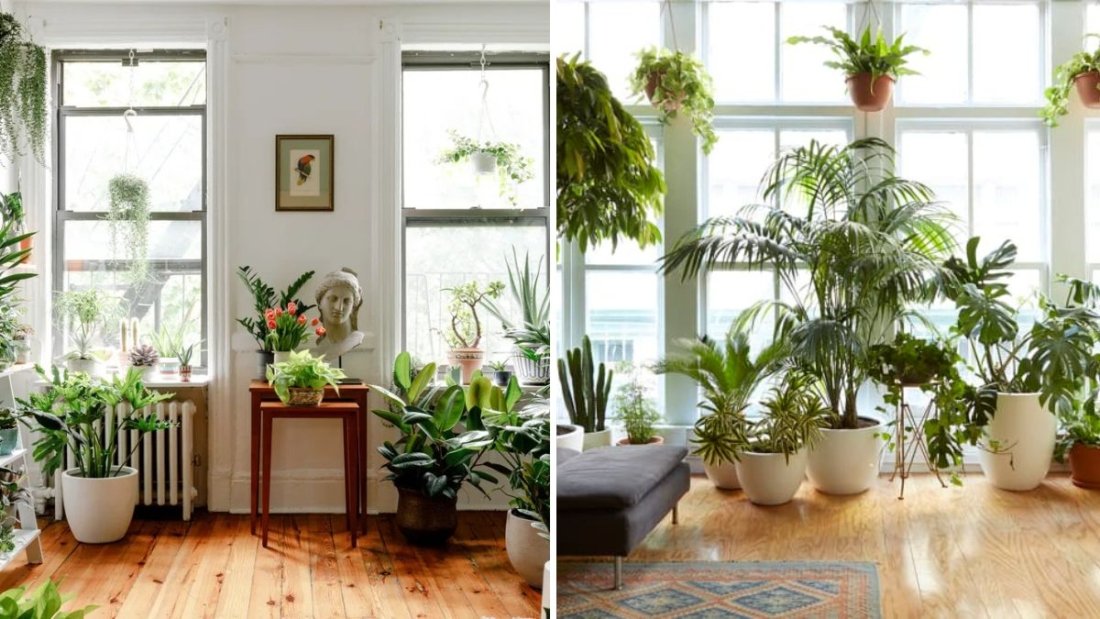
Styling Tip: Combine hanging and floor plants in the same view to lead the eye upward and create the illusion of a fuller, taller space.


7. Group by Theme or Mood

Organizing your plants by theme or purpose adds cohesion to your decor and helps create different ambiances throughout your home.

Popular Grouping Ideas:

  • Tropical Jungle: Use bold, leafy plants like Monstera, Bird of Paradise, and Philodendron in woven baskets and large ceramic pots.
  • Minimalist Zen: Focus on clean lines with Snake Plants, ZZ Plants, and small succulents in neutral pots.
  • Bohemian Oasis: Mix textures — ferns, trailing vines, and palms in rattan or jute baskets.
  • Wellness Corner: Include air-purifying plants like Peace Lilies, Boston Ferns, and Spider Plants near your workspace or reading nook.

Design Tip: Keep each area visually balanced — avoid overcrowding. Leave breathing space between clusters so every plant can shine.


8. Use Houseplants as Living Art

Plants can be more than decor — they can become the art. Think beyond traditional displays and use your greenery as living sculptures.

Creative Ideas:

  • Plant Walls: Create a vertical garden using wall planters or shelving for a bold statement.
  • Trailing Displays: Let vines cascade from bookshelves or hanging pots for a natural curtain effect.
  • Table Centerpieces: Combine small potted plants, candles, and stones for a refreshing dining or coffee table display.
  • Windowsill Gardens: Line your window with herbs or compact plants for a fresh, vibrant view.

Pro Tip: Use symmetry and repetition. Placing two identical plants on either side of a sofa or mirror gives a polished, intentional look.


9. Keep Proportion and Balance in Mind

Great design is all about proportion. A small plant can get lost next to oversized furniture, while a large plant can overwhelm a tight space.

Guidelines for Harmony:

  • Choose planters that fit the scale of the furniture.
  • Keep taller plants in corners or near walls to anchor the room.
  • Use smaller plants on coffee tables, sideboards, or shelves for a light, airy touch.
  • Arrange plants to frame objects like artwork or mirrors without blocking them.

Design Trick: Step back after arranging and look at the whole room. Your eyes should move naturally across the space without any one area feeling too heavy or empty.


10. Refresh and Rotate Regularly

A living display means change — and that’s part of the charm! Rotating your plants keeps the look fresh and ensures even growth.

Maintenance Tips:

  • Rotate plants every few weeks for even light exposure.
  • Replace tired or wilting plants with new varieties to refresh the space.
  • Wipe leaves regularly to keep them dust-free and vibrant.
  • Re-pot growing plants every 1–2 years to maintain health.

Changing planters seasonally or adding new textures — like a wicker basket in summer or a brass pot in winter — can also refresh your indoor garden’s aesthetic.


Final Thoughts

Arranging houseplants for maximum impact is a creative blend of art and science. It’s about balancing beauty with function — giving your plants what they need to thrive while designing a space that feels harmonious, vibrant, and alive.

By layering plants of different sizes, mixing textures, using stylish containers, and playing with light and height, you can transform any room into a lush, peaceful retreat.

Remember: there’s no single “right” way to arrange your plants — it’s all about what feels good to you. Experiment, move things around, and let your personal style shine through your indoor garden.

10 Stylish Planters to Elevate Your Indoor Garden

10 Stylish Planters to Elevate Your Indoor Garden

Creating a beautiful indoor garden is more than just choosing the right plants — it’s also about how you display them. The perfect planter can turn a simple houseplant into a statement piece, adding personality, color, and texture to your space. Whether your home leans toward modern minimalism, boho chic, or vintage charm, the right planter can instantly elevate your indoor garden’s look.

In this guide, we’ll explore 10 stylish planters that not only enhance your plants but also blend beautifully with your home décor. Each type comes with detailed information on design tips, suitable plants, and care considerations to help you build a lush, stunning indoor garden.


1. Ceramic Planters: Timeless Elegance for Any Space

Why They Stand Out:
Ceramic planters are a classic choice that fits seamlessly into any interior style — from modern to rustic. They come in a variety of glazes, textures, and colors, allowing you to mix and match based on your decor.

Best For:
Plants that love moisture, such as ferns, calatheas, and peace lilies, since ceramic retains water well.

Styling Tip:
Use glossy white ceramic pots for a clean, minimalist look or patterned, hand-painted ceramics to add an artistic flair. Place them on wooden stands or woven mats to balance the shine with natural textures.

Care Tip:
Ensure there’s a drainage hole or layer pebbles at the bottom to prevent root rot.


2. Terracotta Planters: Earthy Warmth and Rustic Charm

Why They Stand Out:
Terracotta planters are made from natural clay and bring an organic, earthy warmth to your indoor garden. Their reddish-brown color complements green foliage beautifully, creating a natural, Mediterranean feel.

Best For:
Cacti, succulents, and herbs — terracotta allows for excellent airflow and prevents excess moisture.

Styling Tip:
Cluster a few terracotta pots of different sizes on a windowsill or plant shelf. The warm tones pair wonderfully with wooden furniture or neutral interiors.

Care Tip:
Terracotta absorbs water quickly, so you’ll need to water your plants a bit more frequently than with other materials.


3. Hanging Planters: Perfect for Small Spaces

Why They Stand Out:
Hanging planters are both practical and stylish. They help maximize vertical space, making them ideal for apartments or small rooms. Plus, they create a lush, cascading effect that instantly transforms any area.

Best For:
Trailing plants like pothos, English ivy, string of pearls, or philodendron.

Styling Tip:
Use macramé hangers for a bohemian vibe or sleek metal ones for a modern touch. Hang them near windows to give plants plenty of sunlight, and vary heights for a dynamic, layered display.

Care Tip:
Water hanging plants carefully — remove them from the ceiling before watering to avoid drips, or use a small watering can with a narrow spout.


4. Concrete Planters: Modern Minimalism with a Bold Edge

Why They Stand Out:
Concrete planters have a clean, industrial appeal that suits modern interiors. Their neutral grey tone provides a striking contrast to green foliage, making your plants the center of attention.

Best For:
Large statement plants like fiddle leaf figs, snake plants, or rubber plants.

Styling Tip:
Pair concrete pots with sleek metal furniture or glass tabletops for a contemporary aesthetic. If your room feels too cold, soften the look with woven baskets or warm-toned textiles nearby.

Care Tip:
Because concrete is porous, line the inside with a plastic pot or use a saucer underneath to protect floors and furniture.


5. Woven Basket Planters: Natural Texture and Boho Vibes

Why They Stand Out:
Woven basket planters, often made from rattan, jute, or seagrass, add cozy, bohemian warmth to your indoor garden. They blend perfectly with houseplants, bringing the outdoors inside in a subtle, stylish way.

Best For:
Medium to large plants like monsteras, palms, and peace lilies.

Styling Tip:
Use baskets as decorative covers for standard nursery pots. Combine them with neutral fabrics, wooden furniture, and soft lighting for a relaxed, earthy atmosphere.

Care Tip:
Since baskets aren’t waterproof, keep plants in plastic liners inside the basket or use a saucer to catch excess water.


6. Glass Terrariums: Miniature Worlds of Greenery

Why They Stand Out:
Glass terrariums are ideal for those who love detail and design. They create miniature ecosystems — tiny gardens enclosed in glass — making them a beautiful centerpiece for coffee tables or desks.

Best For:
Small plants like ferns, mosses, air plants, and miniature succulents.

Styling Tip:
Choose geometric terrariums for a modern, artistic look, or round globe terrariums for a softer, organic style. Add decorative pebbles, sand layers, or fairy lights for extra charm.

Care Tip:
Keep terrariums in bright, indirect light. Avoid overwatering — condensation on the glass indicates too much moisture.


7. Metal Planters: Chic and Contemporary Flair

Why They Stand Out:
Metal planters — made of brass, copper, or iron — offer sleek sophistication. They add shine and texture, making them perfect for elevating a modern or industrial space.

Best For:
Statement plants like bird of paradise, rubber plants, or philodendrons that complement metallic tones.

Styling Tip:
Pair gold or brass planters with dark green foliage for a luxurious contrast. Copper looks great in warm-toned rooms, while matte black adds dramatic contrast to minimalist spaces.

Care Tip:
Use a plastic liner to protect the metal from rust or corrosion caused by water exposure.


8. Self-Watering Planters: The Stylish Choice for Busy Plant Lovers

Why They Stand Out:
If you love plants but forget to water them, self-watering planters are a game changer. These planters have built-in reservoirs that provide a steady supply of water to the roots, keeping plants hydrated and happy.

Best For:
Herbs, peace lilies, pothos, or any plant that prefers consistent moisture.

Styling Tip:
Choose sleek, minimalist designs that blend seamlessly into your decor. Many self-watering planters come in modern matte finishes or pastel hues that complement any interior.

Care Tip:
Refill the reservoir every one to two weeks, depending on the plant type and climate. Always ensure the overflow outlet is clear to prevent overwatering.


9. Wooden Planters: Warmth and Organic Beauty

Why They Stand Out:
Wooden planters exude a natural warmth that pairs beautifully with greenery. They add texture and depth, especially in rustic, farmhouse, or Scandinavian-style interiors.

Best For:
Plants like ferns, palms, and monstera that thrive in medium to large containers.

Styling Tip:
Use reclaimed wood planters for a rustic touch or smooth, polished wooden boxes for a modern look. You can also combine them with other natural elements like stone or woven fabrics for a cohesive design.

Care Tip:
To prevent water damage, line the inside of wooden planters with plastic or use waterproof sealant. Avoid overwatering to protect the wood from warping.


10. Decorative Ceramic Wall Planters: A Fresh Vertical Twist

Why They Stand Out:
Wall planters are perfect for creating a living wall or adding greenery to unused spaces. Decorative ceramic or metal wall planters let you grow plants vertically, making your walls come alive.

Best For:
Trailing and compact plants like philodendron, string of hearts, and small ferns.

Styling Tip:
Create a gallery-style arrangement by mixing planters of different shapes and colors. Combine with mirrors or framed art to balance the green wall’s texture.

Care Tip:
Choose lightweight planters and mount them securely. Mist plants regularly since wall planters tend to dry out faster.


Bonus Tips for Styling Your Planters

  • Play with Height and Grouping: Combine tall and short planters to add dimension. A trio of varying heights creates visual balance.
  • Mix Materials: Don’t be afraid to mix terracotta, metal, and woven baskets for a curated look. The contrast adds richness and personality.
  • Match with Decor: Coordinate planters with your furniture or accessories — like pairing brass pots with gold lighting fixtures or white ceramics with neutral decor.
  • Add Stands and Shelves: Plant stands elevate your greenery and protect your floors from moisture. Floating shelves with small planters can turn any wall into a green feature.

Final Thoughts

Stylish planters are more than just containers — they’re part of your home’s personality. Whether you love the earthy charm of terracotta, the sleek modernity of concrete, or the cozy appeal of woven baskets, there’s a planter to match every aesthetic and need.

By thoughtfully selecting planters that complement your plants and space, you can transform your indoor garden into a living piece of art. Each vessel adds texture, color, and character, turning simple greenery into a statement feature that breathes life into your home.