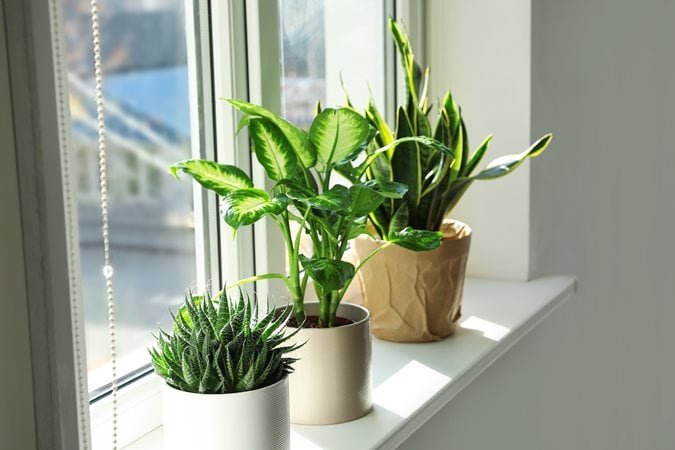
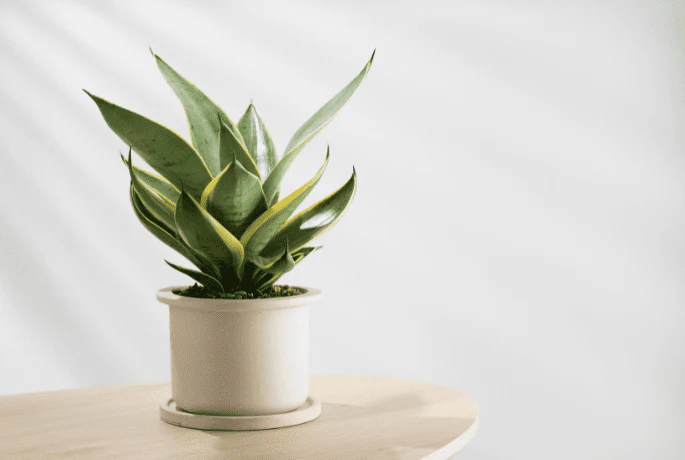
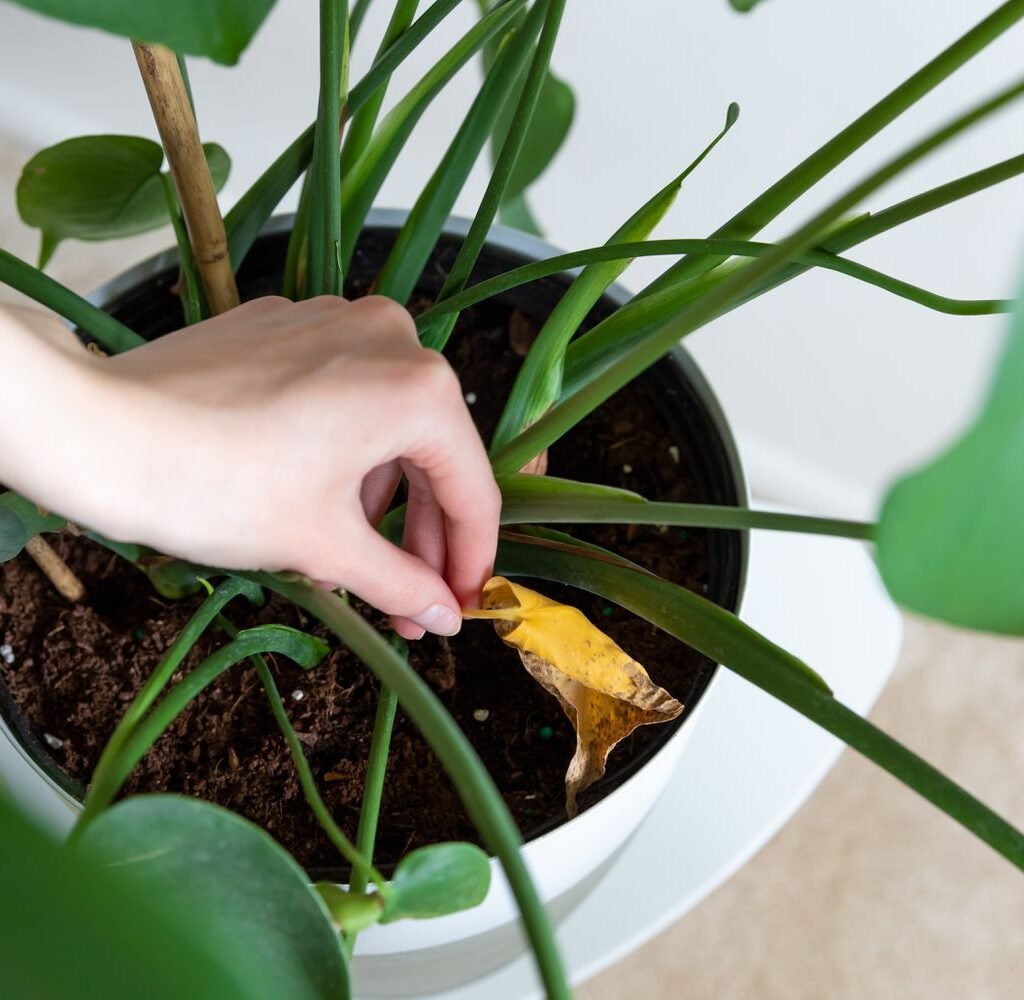
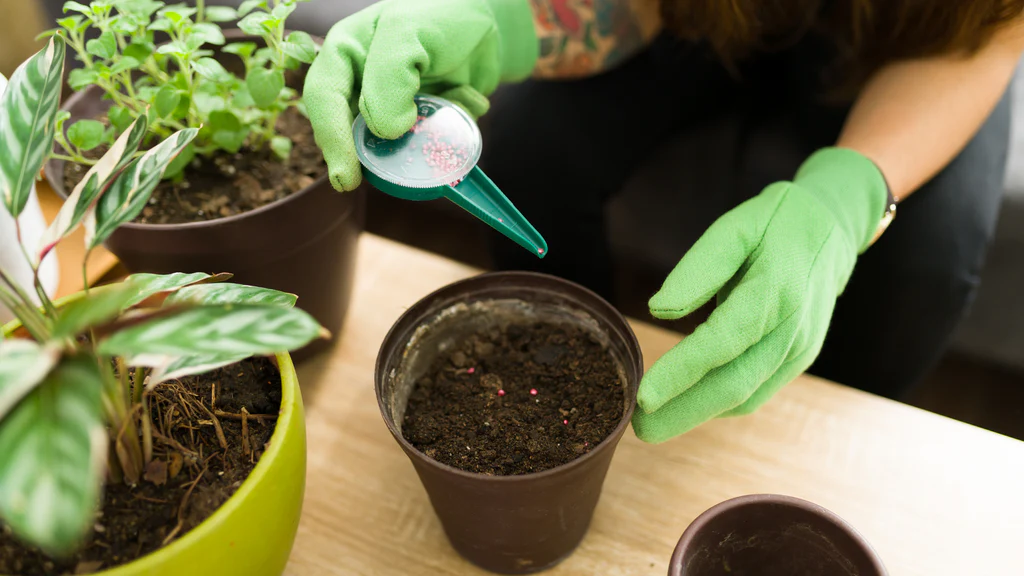
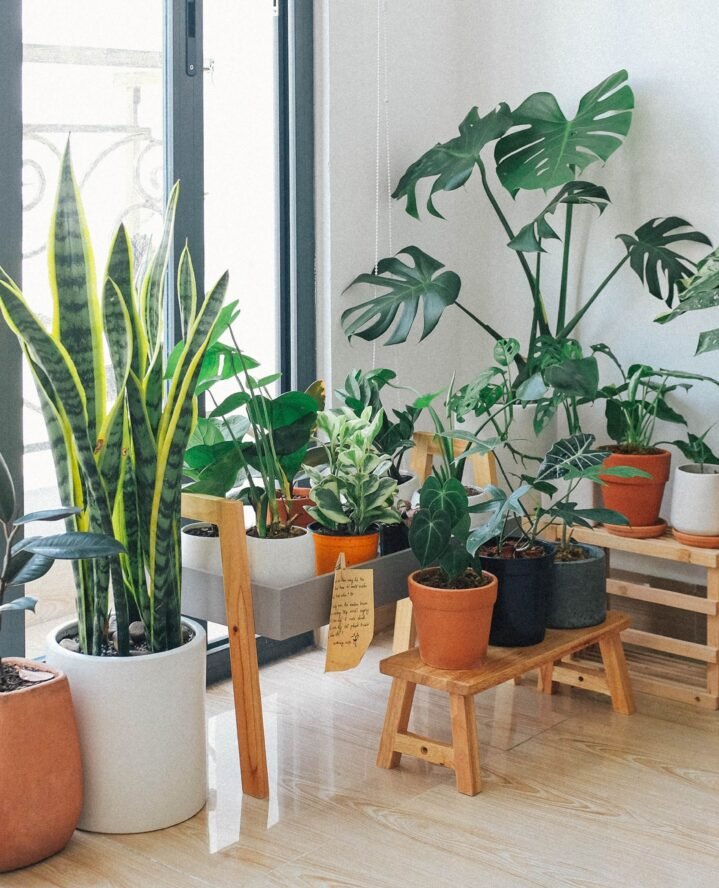
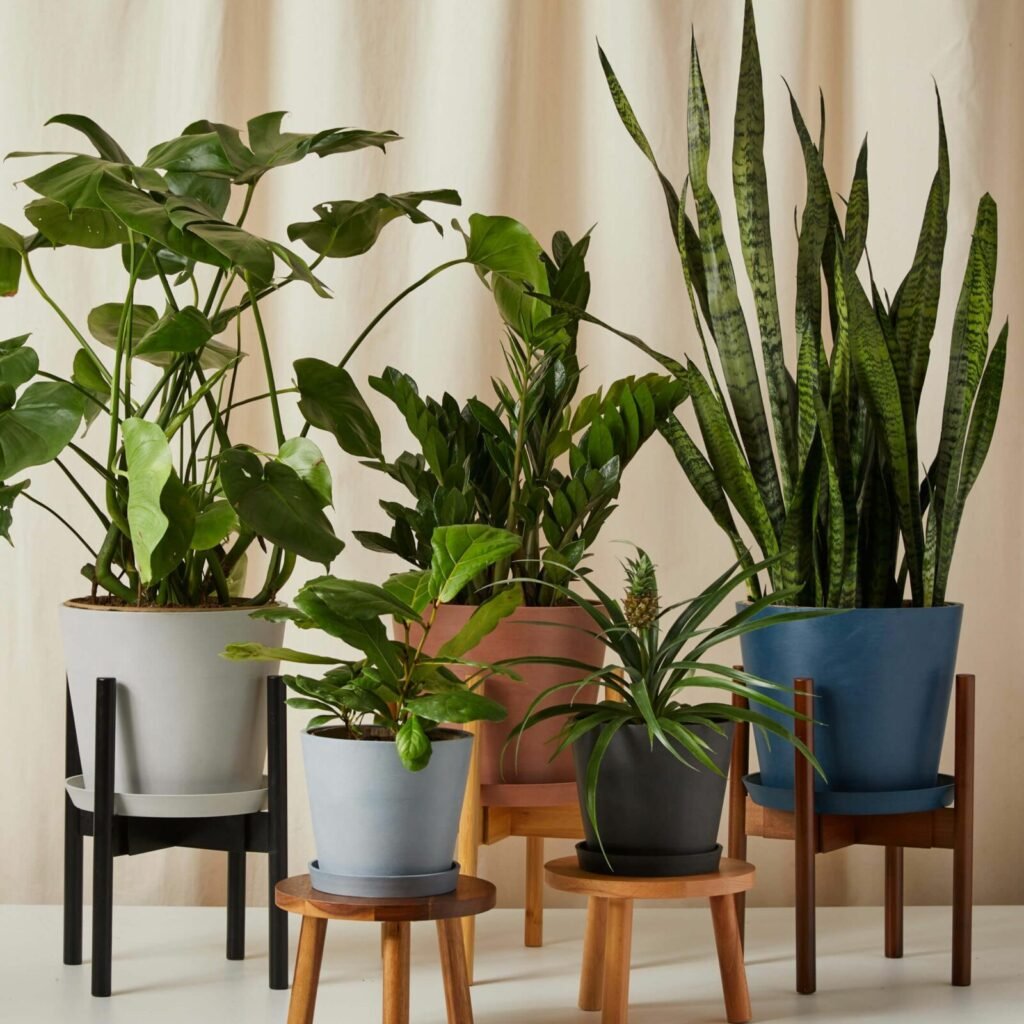
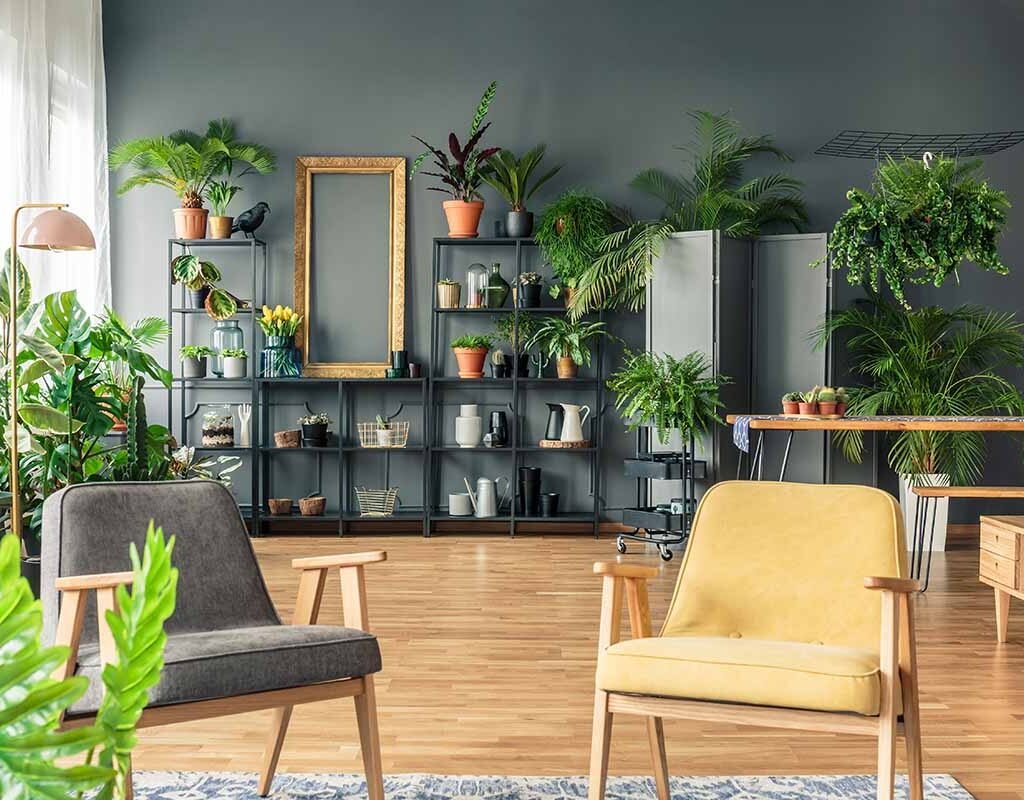
Houseplants are more than just a decorative touch—they bring life, color, and a sense of calm to any living space. However, for your indoor plants to thrive, one often-overlooked factor is pot size. Choosing the right pot is not simply about aesthetics; it directly impacts a plant’s root development, water retention, nutrient absorption, and overall growth. A pot that’s too small can stunt your plant’s progress, while one that’s too large can create root rot and wasted soil space.
In this article, we’ll explore the ins and outs of selecting the right pot size for houseplants, covering everything from beginner-friendly tips to expert advice.
Why Pot Size Matters
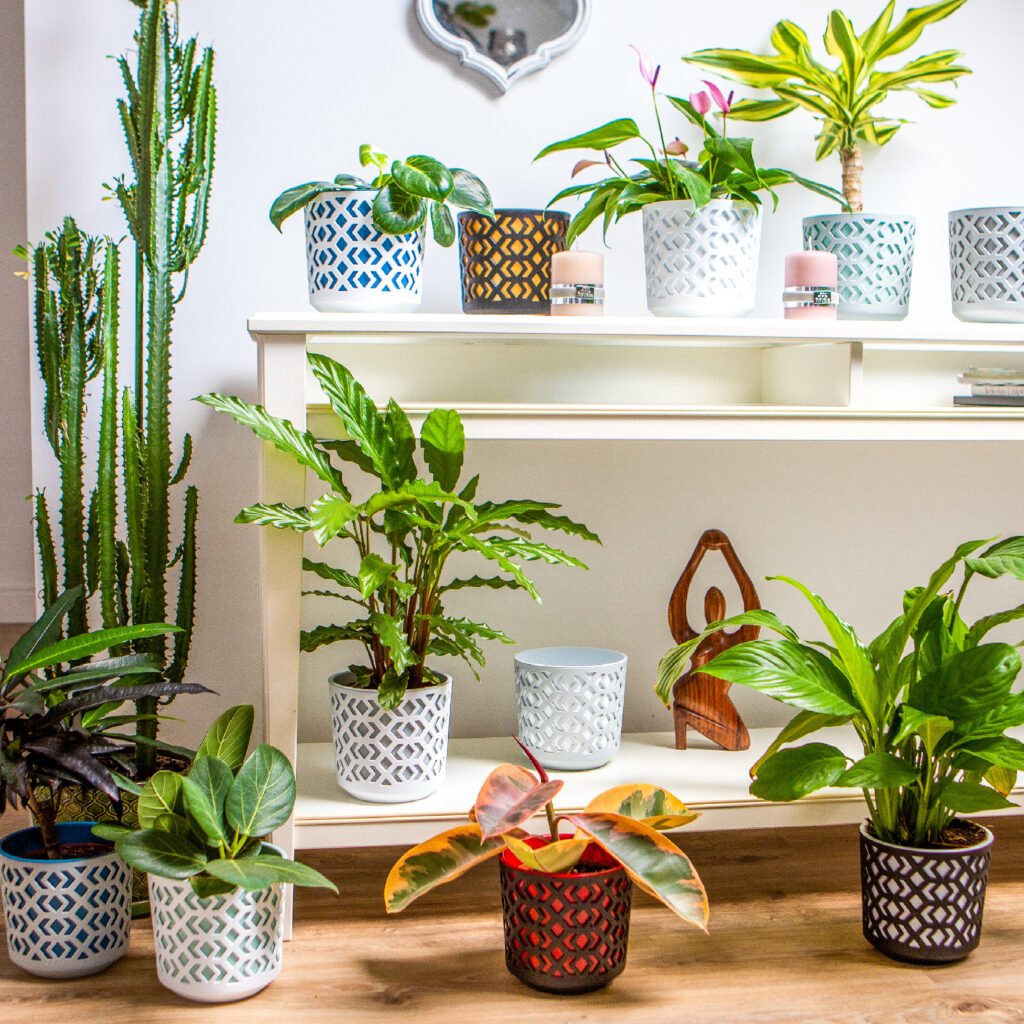
Pot size is about striking a balance between giving roots room to grow and ensuring the soil environment is healthy. Here are a few key reasons why choosing the correct pot size is essential:
- Root Health – Roots need adequate space to spread and anchor the plant. A small pot restricts root growth, leading to a “root-bound” situation where roots circle the pot and strangle themselves.
- Moisture Control – The volume of soil directly affects how long water stays in the pot. Too much soil around small roots can hold excess moisture, causing root rot. Too little soil dries out quickly.
- Nutrient Access – Roots absorb nutrients from soil. An appropriately sized pot ensures the plant has access to enough nutrients without overwhelming it.
- Stability – Larger plants in tiny pots may topple over. Pot size provides balance and stability for tall or heavy plants.
General Guidelines for Pot Size
While each plant has unique needs, these general guidelines can help you get started:
- Go 1–2 inches larger than the root ball when repotting small to medium houseplants.
- Go 2–4 inches larger for bigger plants or those in larger containers.
- Do not oversize the pot. A plant shouldn’t be placed in a pot more than a few inches wider than its current one unless it’s a fast grower.
Signs You Need to Change Pot Size
You may wonder how to tell when it’s time to repot into a new container. Watch for these signs:
- Roots are visible through drainage holes.
- Soil dries out too quickly after watering.
- Plant growth has slowed down despite proper care.
- The plant looks top-heavy or unstable.
- Roots circle tightly when you remove the plant from its pot.
Pot Sizes for Different Types of Plants
Different houseplants have different growth habits, so pot size must match their natural tendencies.
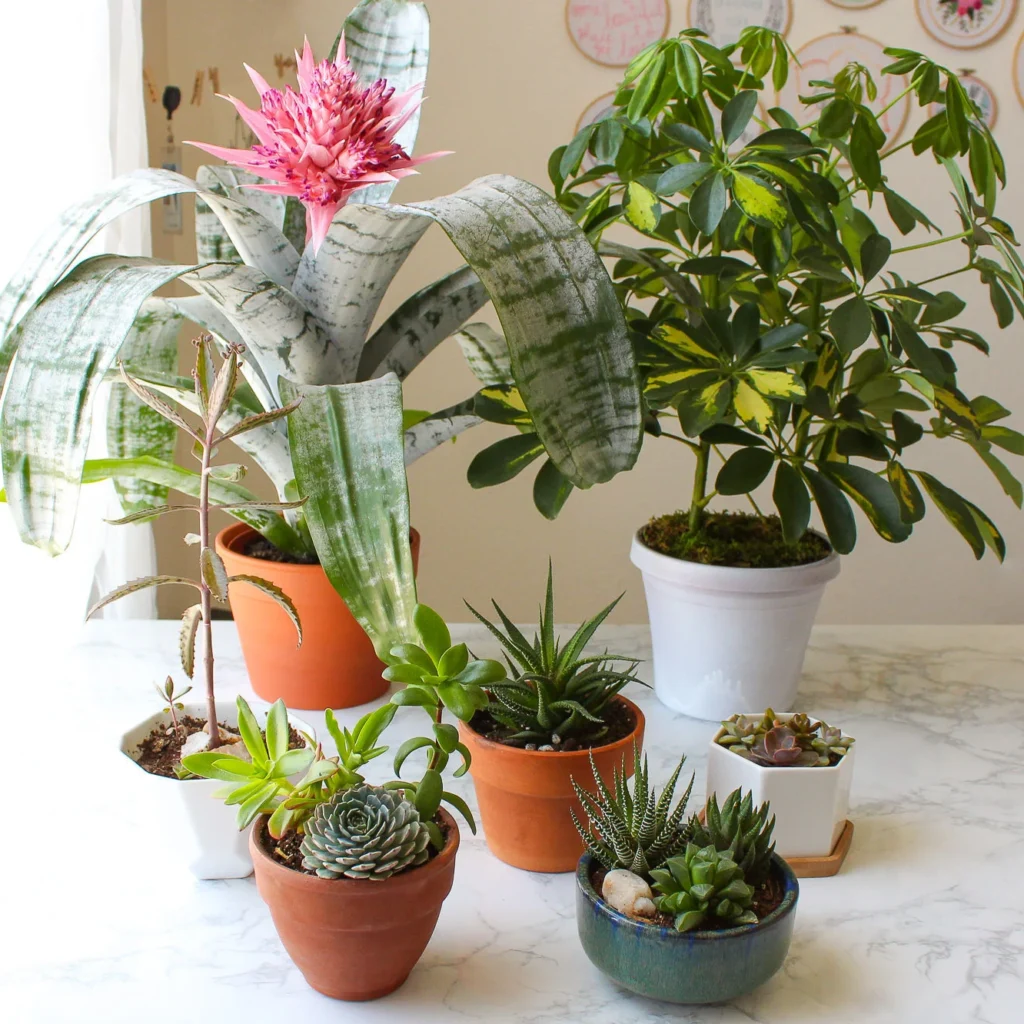
1. Small Herbs and Succulents
- Best pot size: 4–6 inches.
- These plants have shallow roots and prefer snug spaces. Too much soil around them can cause waterlogging. Terra cotta pots are excellent for succulents, as they allow better evaporation.
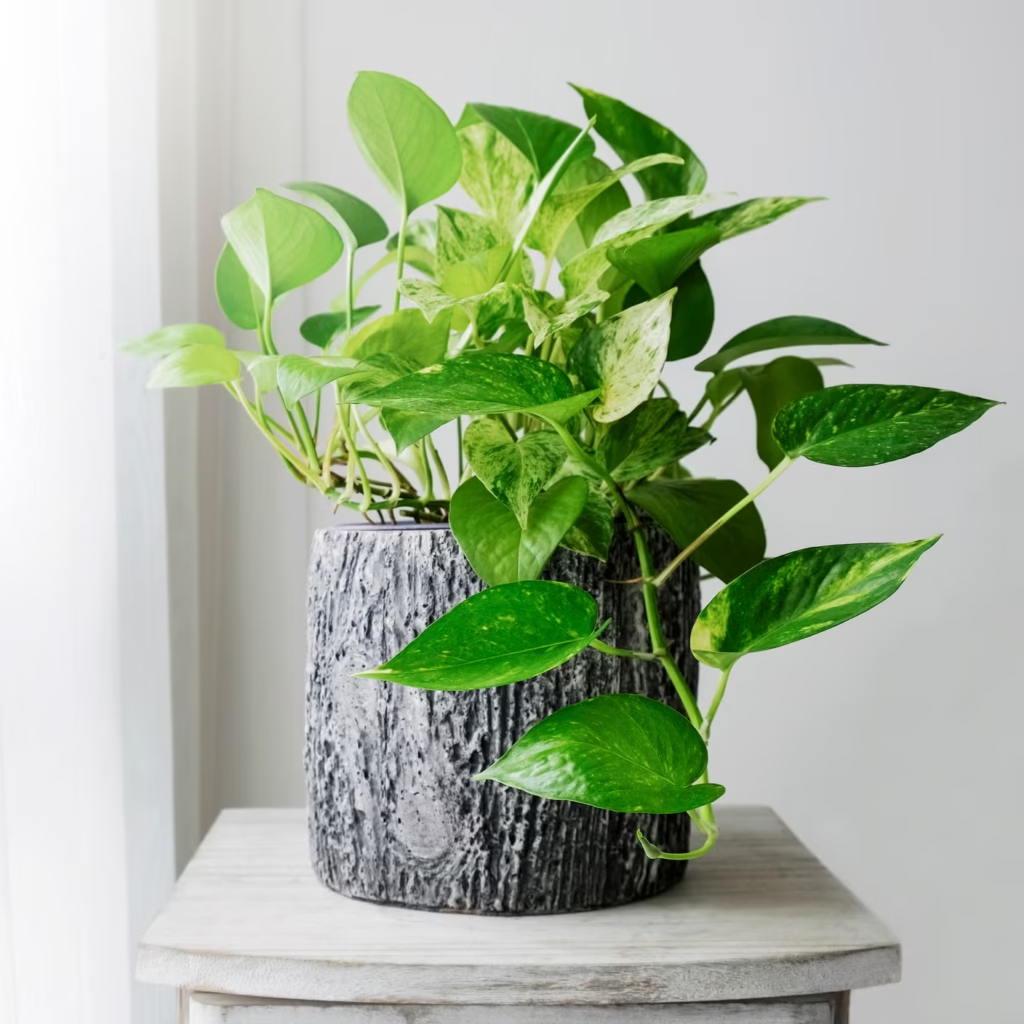
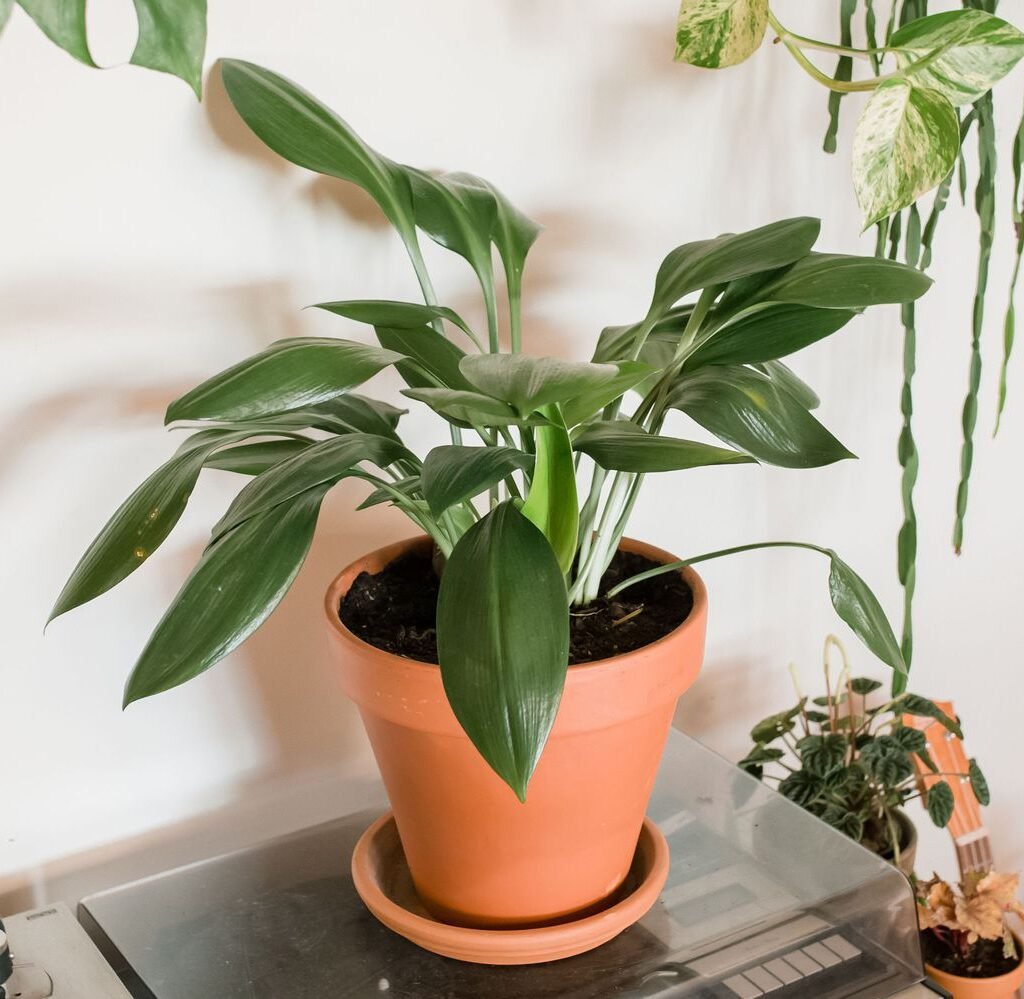
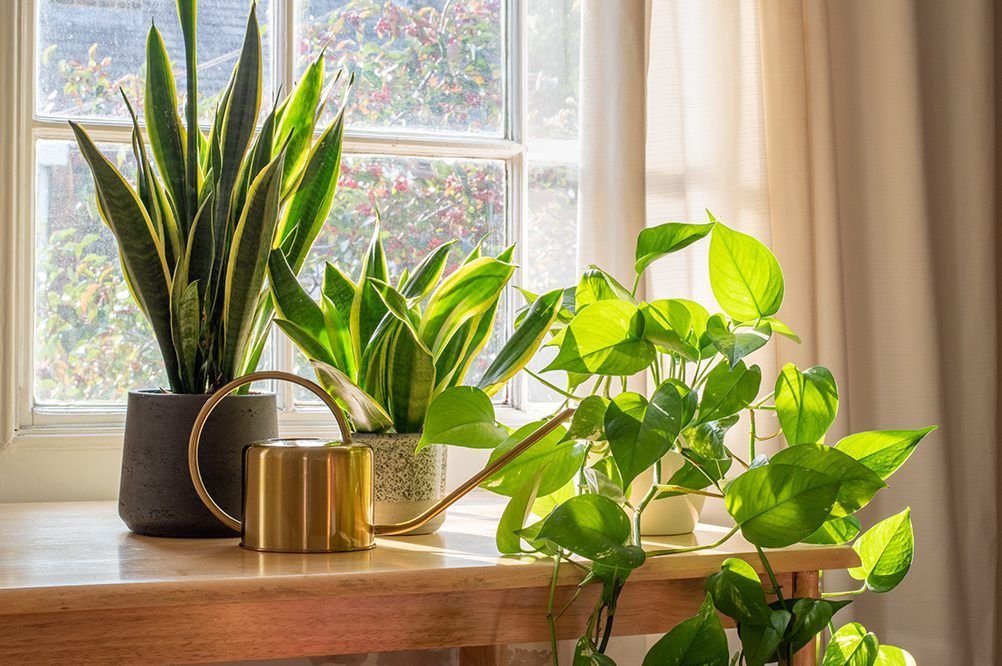
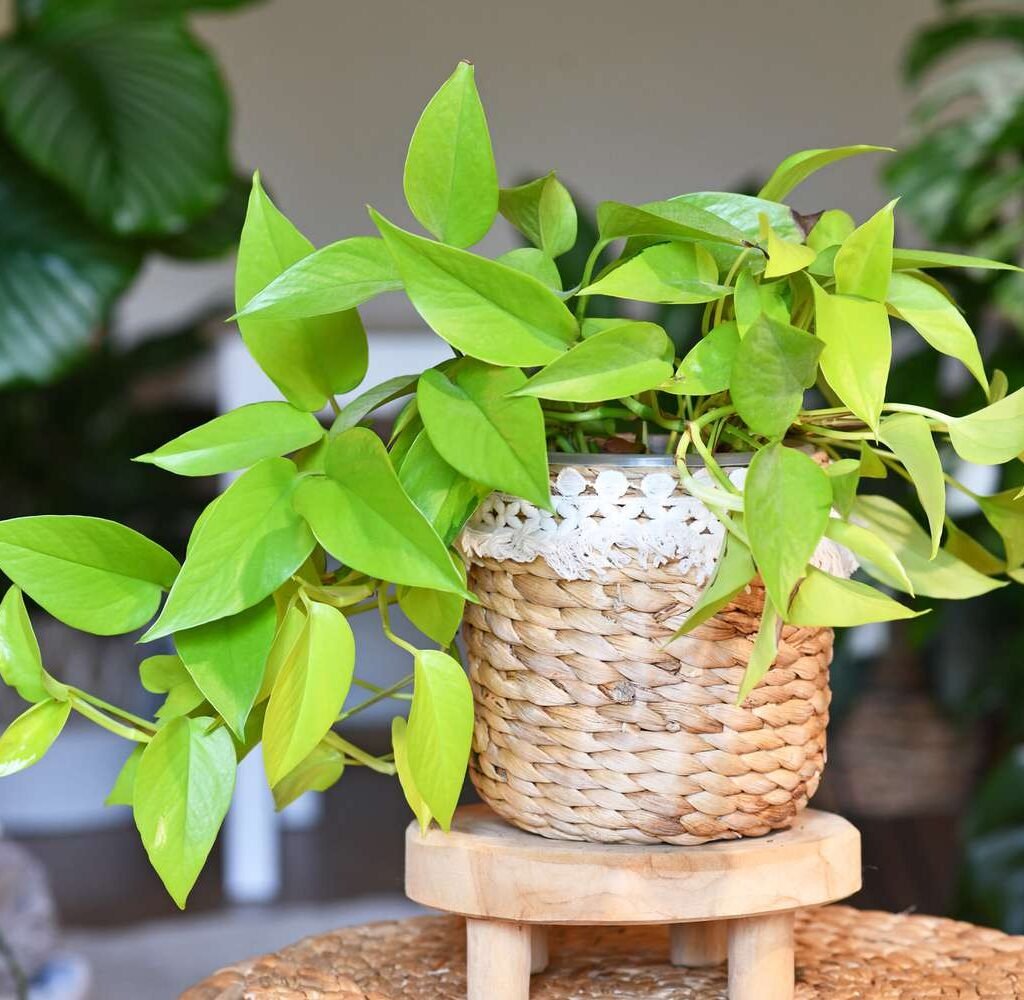
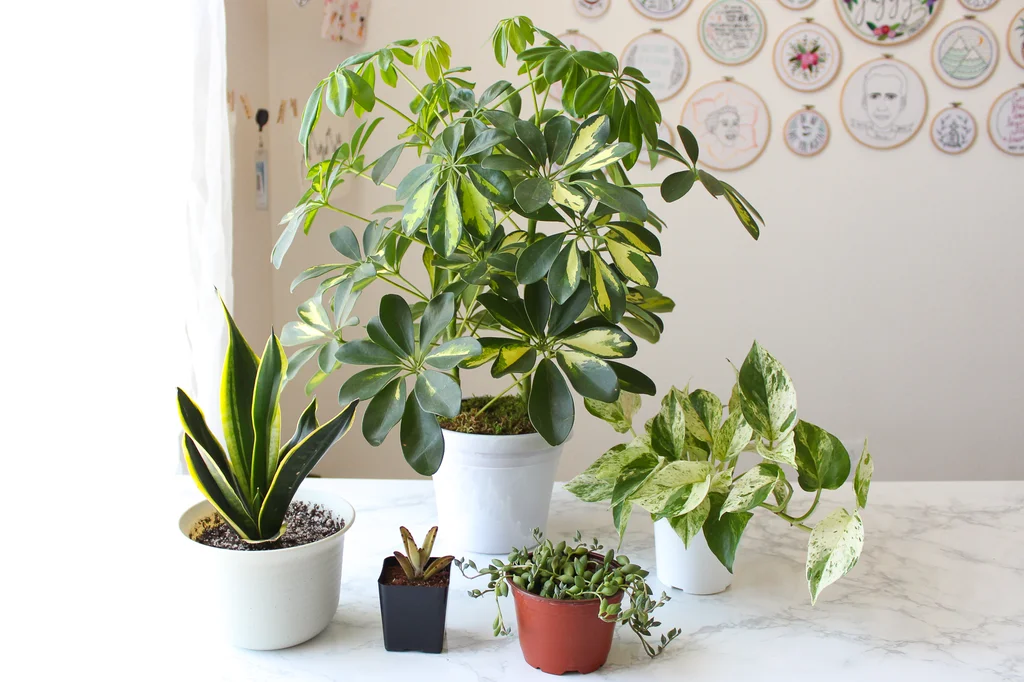
2. Medium-Sized Foliage Plants (e.g., Pothos, Spider Plant, Peace Lily)
- Best pot size: 6–10 inches.
- These plants have moderately spreading root systems and benefit from slightly larger pots to encourage steady growth.
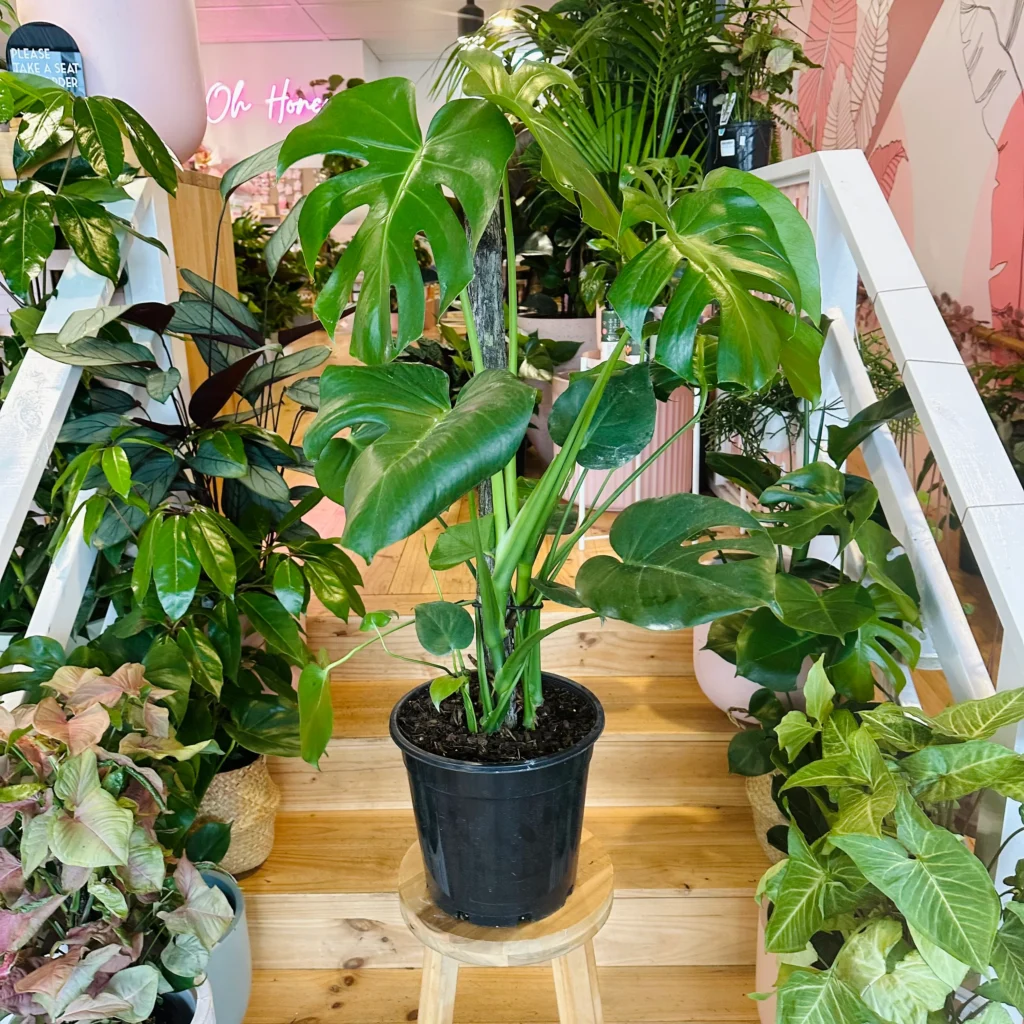
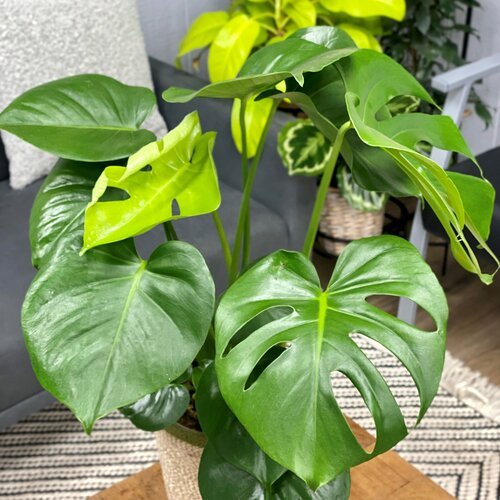
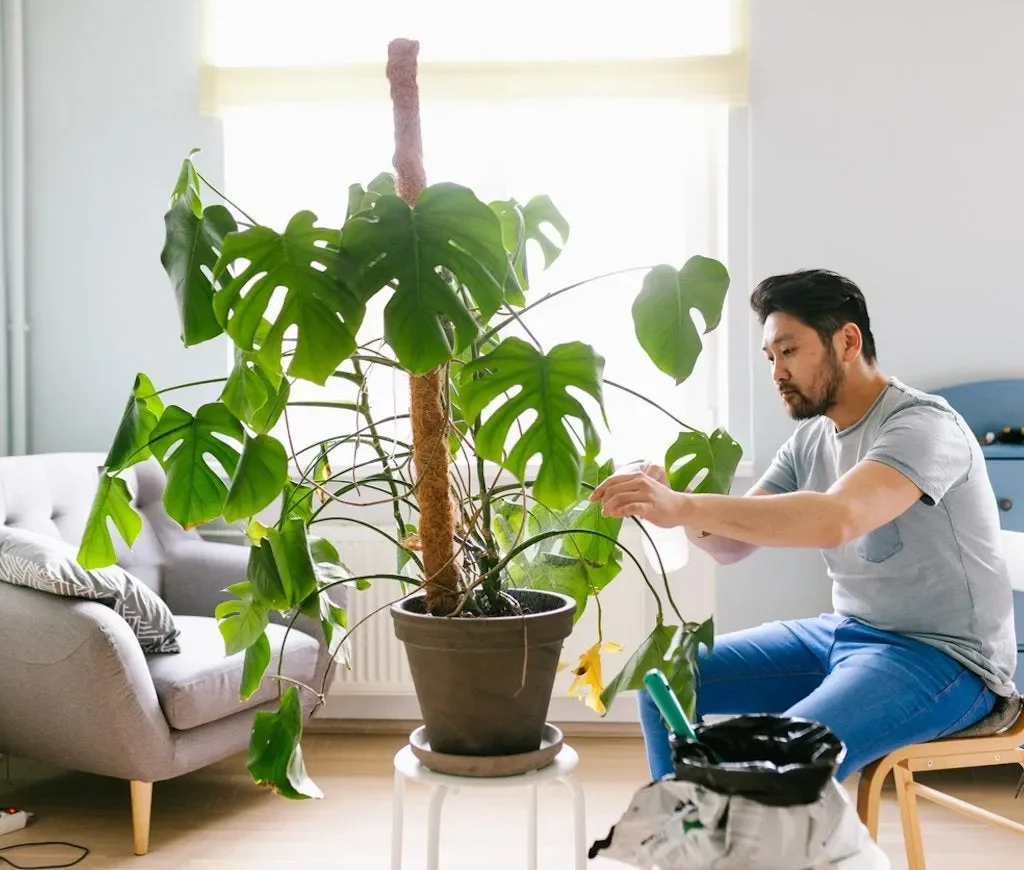
3. Large Houseplants (e.g., Rubber Plant, Fiddle Leaf Fig, Monstera)
- Best pot size: 12–16 inches or larger.
- These plants need bigger containers for stability and root spread. Always choose a heavy pot or add a weighted base to prevent tipping.
4. Cacti
- Best pot size: Just slightly larger than the cactus itself.
- Cacti thrive in snug conditions and don’t need extra soil space.
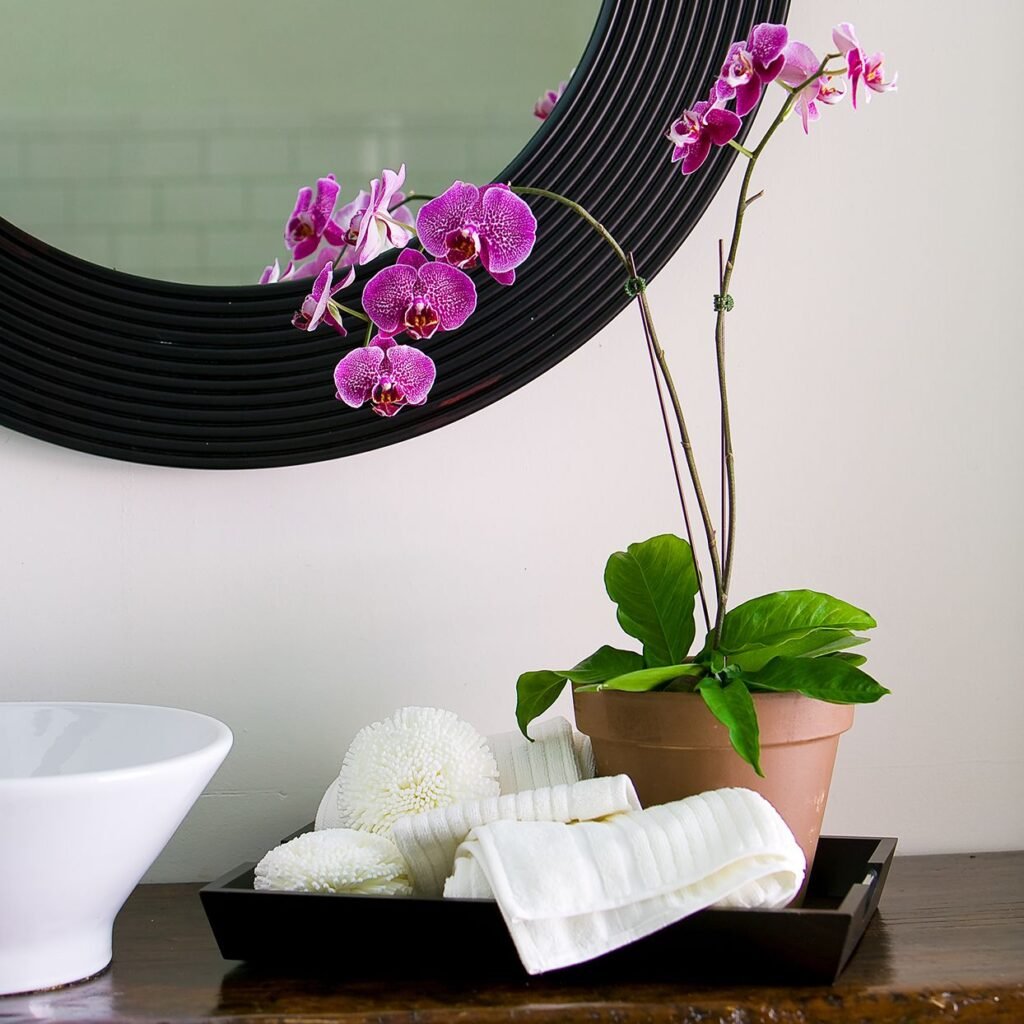
5. Orchids
- Best pot size: Just a bit wider than their root ball.
- Orchids prefer specialized orchid pots with slits or holes for airflow around the roots.
Depth vs. Width of Pots
Not all roots grow the same way—some spread wide, while others grow deep.
- Shallow-rooted plants (like herbs or succulents) do best in wide, shallow pots.
- Deep-rooted plants (like palms or rubber trees) need tall, deeper pots to support their growth.
Always research the root system of your specific plant before choosing pot depth.
Drainage Is Just as Important
Regardless of size, pots must have drainage holes. Without proper drainage, excess water collects at the bottom, suffocating roots and inviting rot. If you fall in love with a decorative pot without holes, place your plant in a plastic nursery pot with drainage, then set it inside the decorative one.
Choosing Materials Along with Size
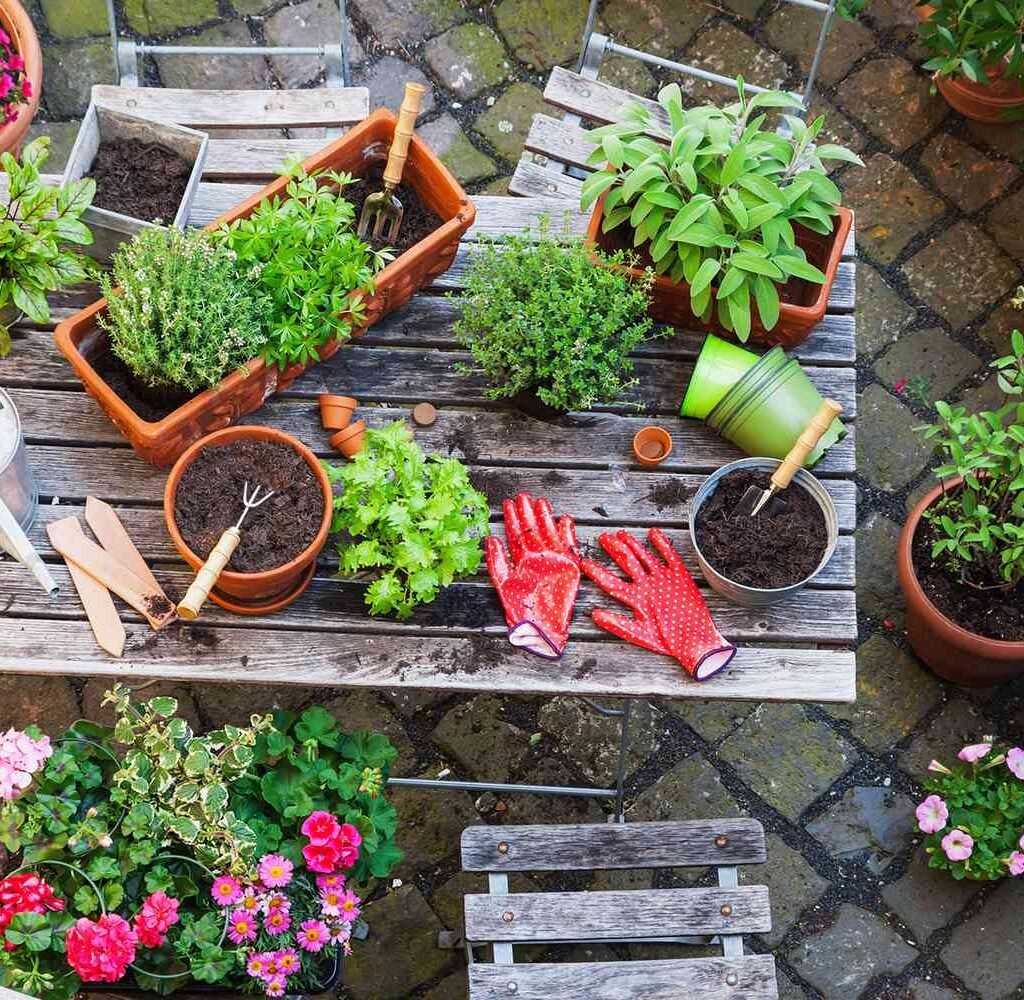
The pot’s material also affects plant growth.
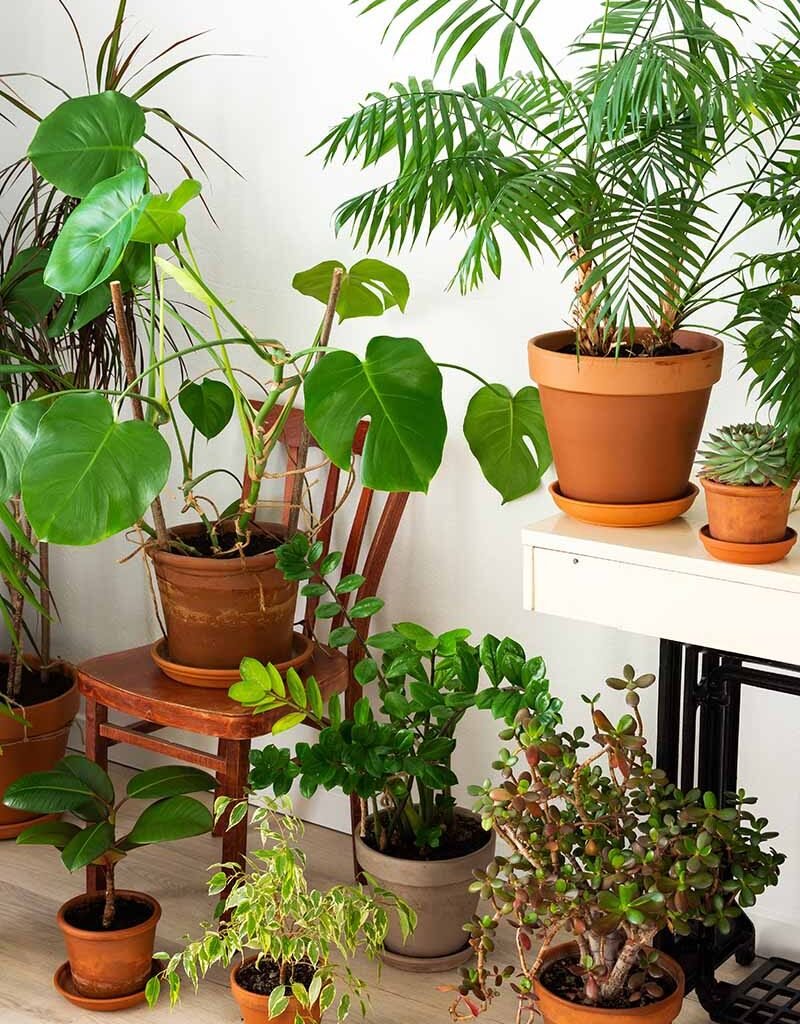
- Terracotta: Breathable, prevents overwatering, but dries out quickly. Best for succulents and cacti.
- Plastic: Lightweight, retains moisture longer, good for tropical plants.
- Ceramic (glazed): Stylish and retains moisture, but heavier.
- Fabric grow bags: Great for aeration but may need more frequent watering.
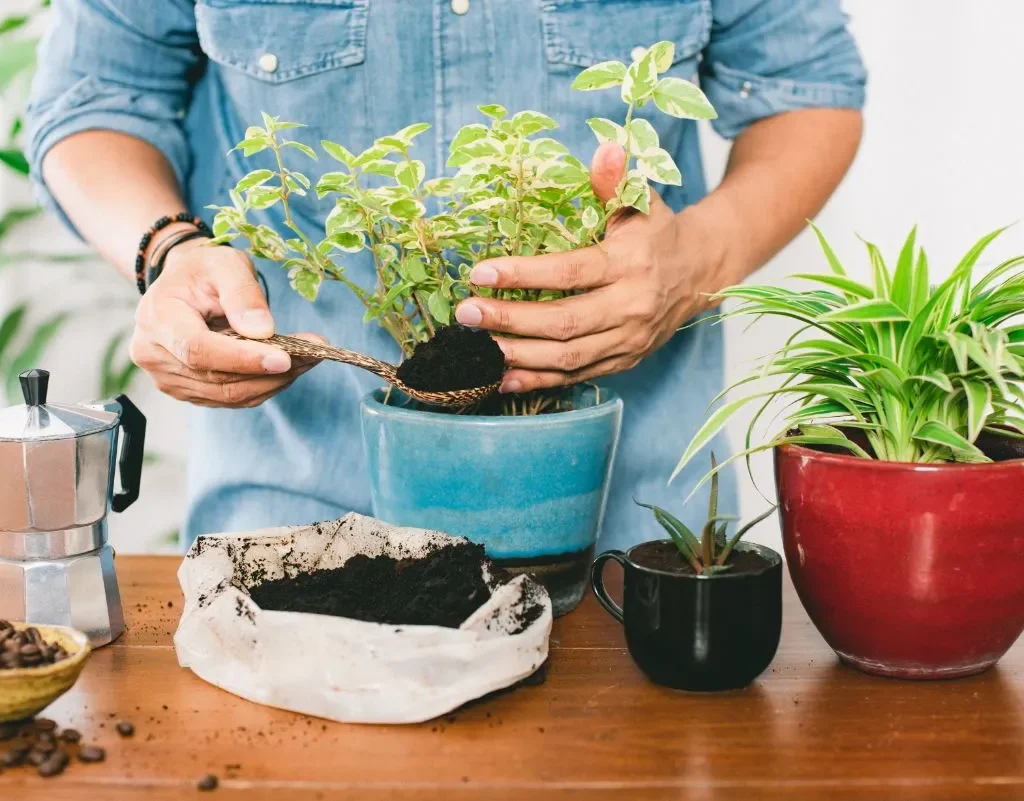
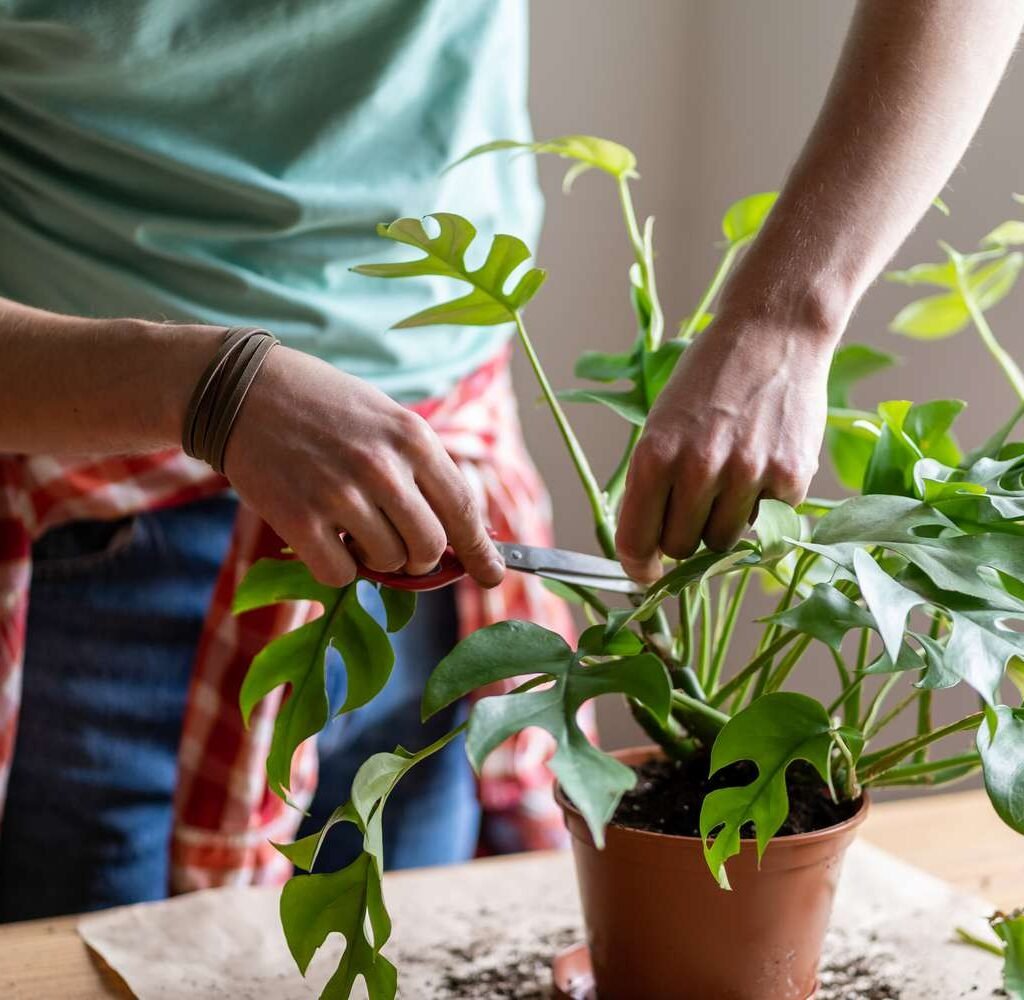
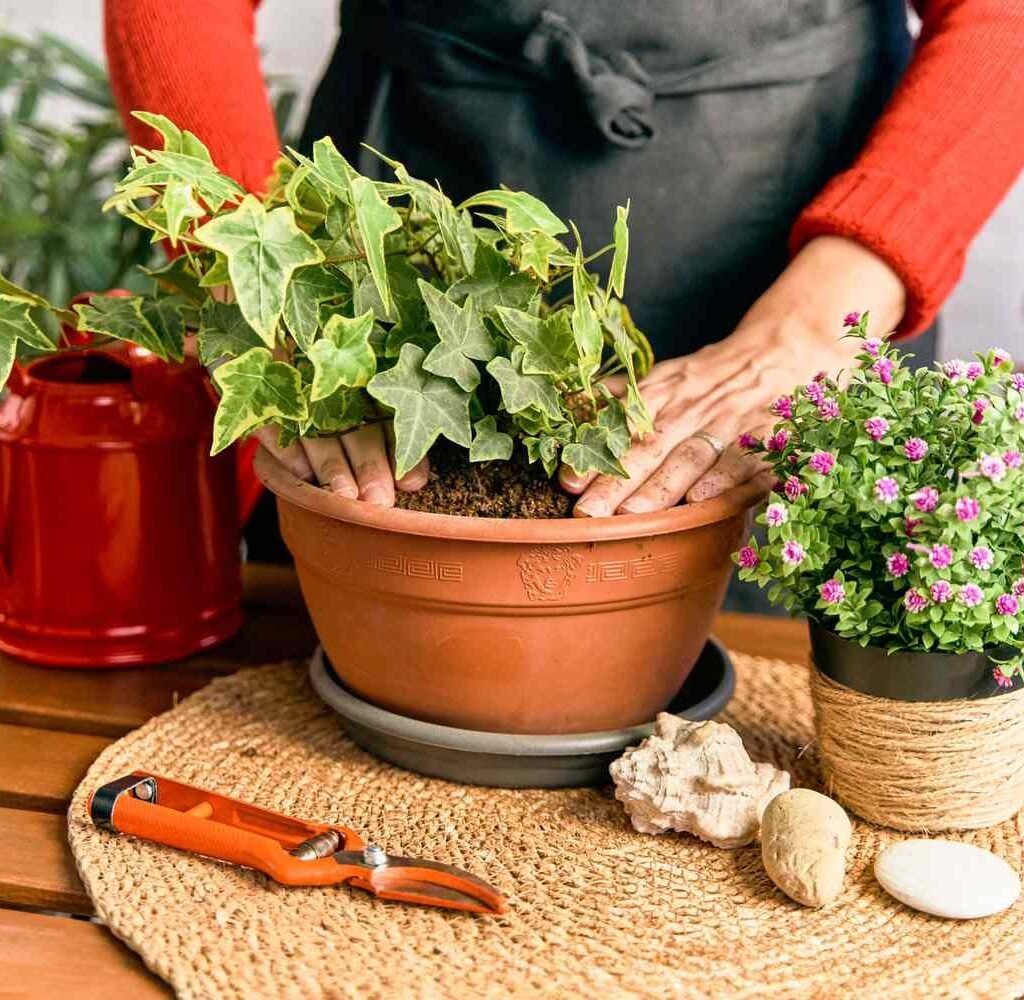
Step-by-Step Guide to Repotting into the Right Size
- Select the right pot – Choose a pot 1–2 inches larger than the current one.
- Prepare soil mix – Match soil type to your plant’s needs (cactus mix, orchid bark, tropical potting soil, etc.).
- Remove the plant – Gently loosen it from its old pot, being careful with roots.
- Check roots – Trim any circling, dead, or mushy roots.
- Add soil – Place fresh soil at the bottom of the new pot.
- Position the plant – Center the plant and fill in soil around roots.
- Water thoroughly – Ensure soil settles evenly and roots get a good start.
Common Mistakes to Avoid
- Using oversized pots – More soil equals more water retention, leading to root rot.
- Skipping drainage holes – Always prioritize root health over pot style.
- Repotting too frequently – Only repot when necessary; constant disturbance stresses plants.
- Not considering plant maturity – A fast-growing plant may need frequent upgrades, while a slow grower can stay in the same pot for years.
Expert Tips for Success
- Choose stability over size for tall plants; wide, heavy pots prevent tipping.
- Use nursery pots inside decorative pots for flexibility.
- Gradual upsizing is better than big jumps—plants adapt more easily.
- Root pruning can be done if you want to keep a plant in the same pot for aesthetic reasons.
Conclusion
Choosing the right pot size may seem like a small detail, but it can make a huge difference in the health and beauty of your indoor plants. The correct container gives roots the space they need to thrive while ensuring water and nutrients are balanced. Whether you’re caring for a low-maintenance succulent, a lush peace lily, or a towering fiddle leaf fig, understanding pot size is the key to unlocking their full potential.
With the right approach, you won’t just be housing plants—you’ll be nurturing thriving, vibrant companions that will reward you with fresh air and natural beauty for years to come.