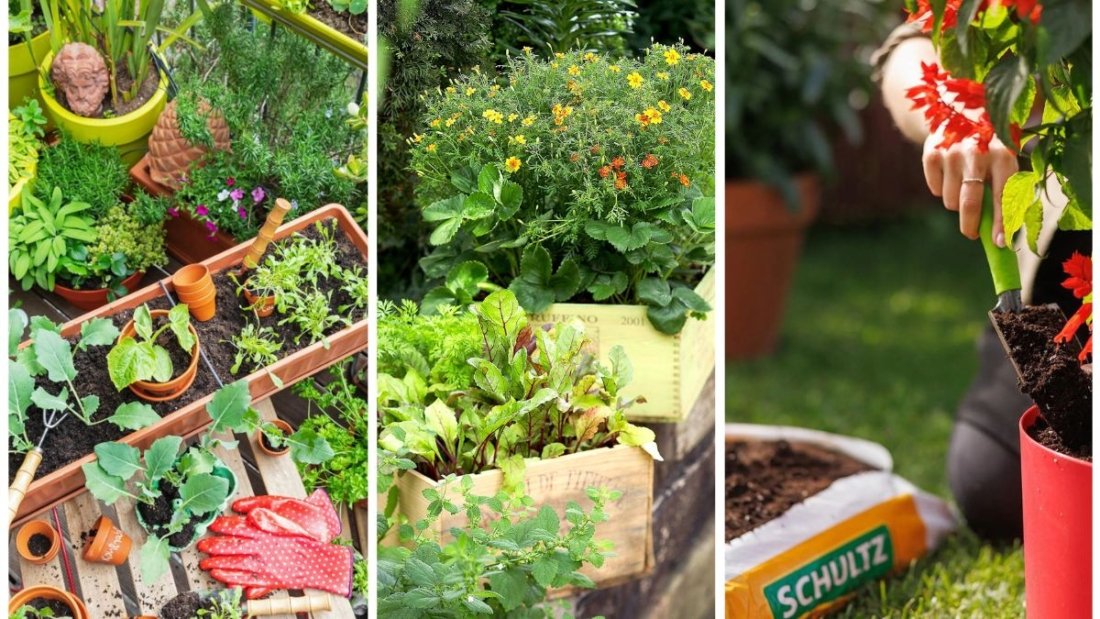
With rising interest in sustainable living, organic food, and space-efficient gardening, growing vegetables in containers has become a popular practice among home gardeners. Whether you’re working with a balcony, patio, or small backyard, container gardening allows you to cultivate fresh produce in limited spaces. However, the success of any container vegetable garden depends heavily on one factor—the soil mix.
Unlike in-ground gardening, where plants benefit from natural soil ecosystems, container vegetables rely entirely on the soil mix you provide. A poorly formulated mix can result in compacted roots, poor drainage, nutrient deficiencies, or even plant failure. On the other hand, a well-balanced mix will ensure healthy root development, optimal nutrient availability, and abundant yields.
In this article, we’ll explore the components of the ideal soil mix for container vegetables, how to adjust for specific crops, and tips for maintaining soil health throughout the growing season.
Why Container Soil is Different
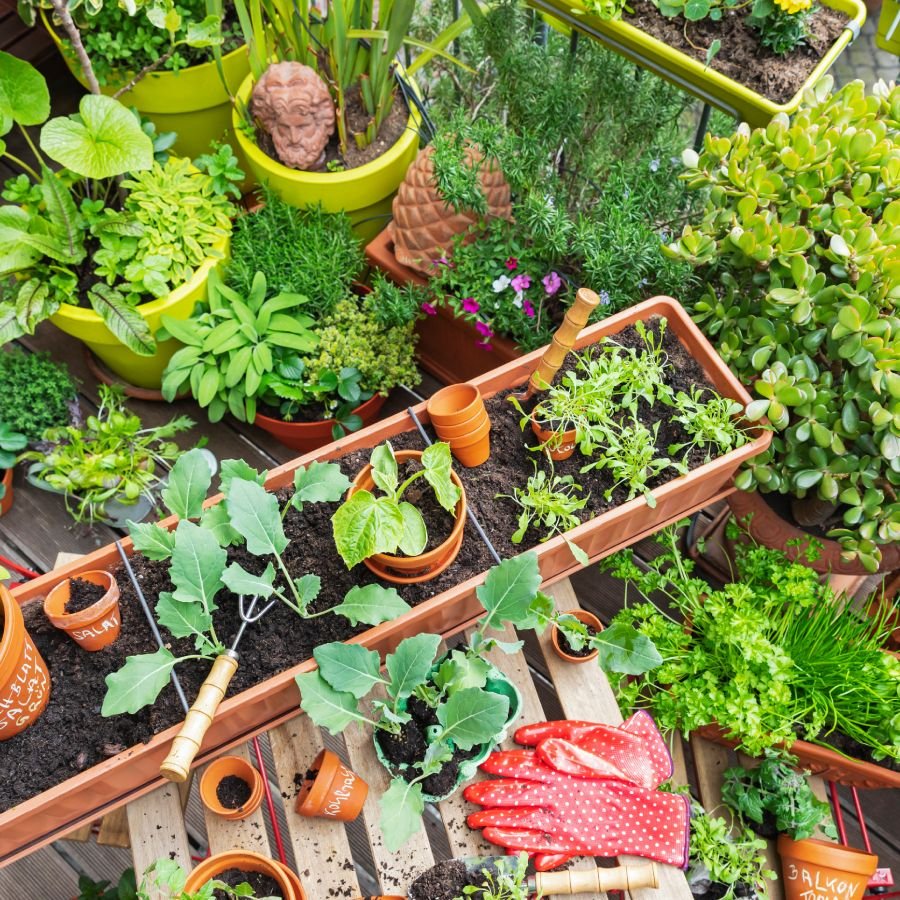
Soil used in containers must fulfill multiple roles: it should hold moisture without becoming soggy, provide essential nutrients, offer good aeration, and support healthy root growth. Natural garden soil typically doesn’t work well in containers because it becomes too compacted, retains excess water, and lacks proper drainage.
Key Requirements for Container Soil:
- Lightweight and fluffy texture
- Well-draining, yet moisture-retentive
- Rich in organic matter for fertility
- Free from pests, diseases, and weed seeds
- pH balanced, ideally between 6.0 and 7.0 for most vegetables
Essential Components of a Good Container Mix
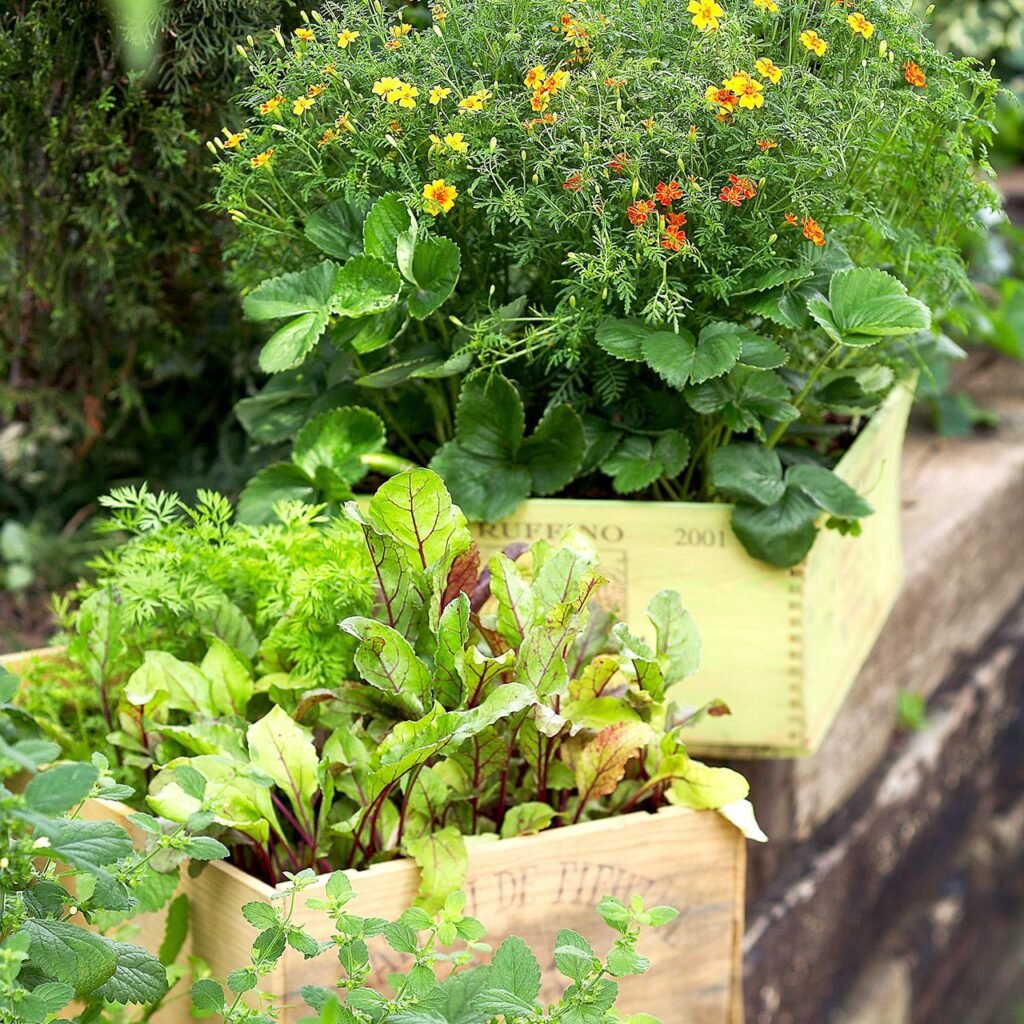
The best soil mix is not actually “soil” in the traditional sense—it’s often a blend of several organic and inorganic materials that mimic ideal soil conditions in a confined space.
1. Base Materials (Structure and Drainage)
These materials make up the bulk of the mix and provide essential aeration and structure.
a. Coconut Coir or Peat Moss
- Helps retain moisture
- Lightweight and organic
- Neutral (coir) or slightly acidic (peat)
- Coir is a sustainable alternative to peat moss
b. Perlite or Vermiculite
- Improve drainage and aeration
- Prevent soil compaction
- Perlite: white volcanic rock, ideal for aeration
- Vermiculite: better at water retention
c. Composted Bark Fines
- Enhances soil structure
- Provides organic matter
- Improves microbial life
2. Organic Matter (Nutrients and Microbial Activity)
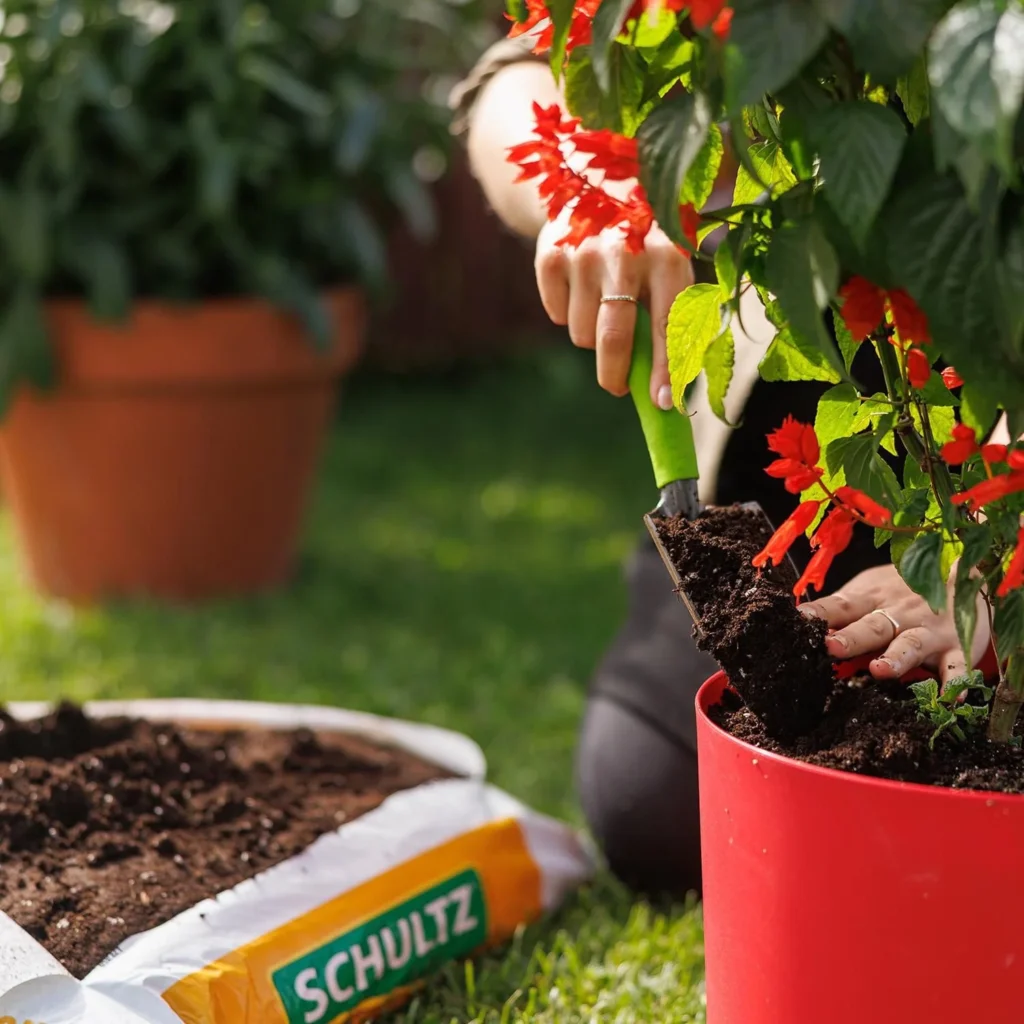
These ingredients feed the plant and help with long-term fertility.
a. Compost
- Rich in nutrients and beneficial microbes
- Improves soil structure
- Helps retain moisture
b. Worm Castings
- Nutrient-dense, slow-release fertilizer
- Stimulates root growth
- Improves plant immunity
c. Aged Manure
- Provides nitrogen and micronutrients
- Must be well-composted to avoid burning roots
3. Mineral Additives (Long-Term Fertility)
These are optional but can significantly improve plant health and yields.
a. Rock Dust (e.g., basalt or granite dust)
- Supplies trace minerals
- Improves soil biology
b. Greensand or Kelp Meal
- Provides potassium and micronutrients
- Encourages strong root systems
c. Crushed Eggshells or Lime
- Adds calcium
- Helps prevent blossom end rot in tomatoes and peppers
The Ideal Soil Mix Formula
A balanced soil mix should combine aeration, water retention, and nutrient delivery. Here is a general-purpose recipe suitable for most container vegetables:
Basic DIY Soil Mix (for 10 gallons of mix):
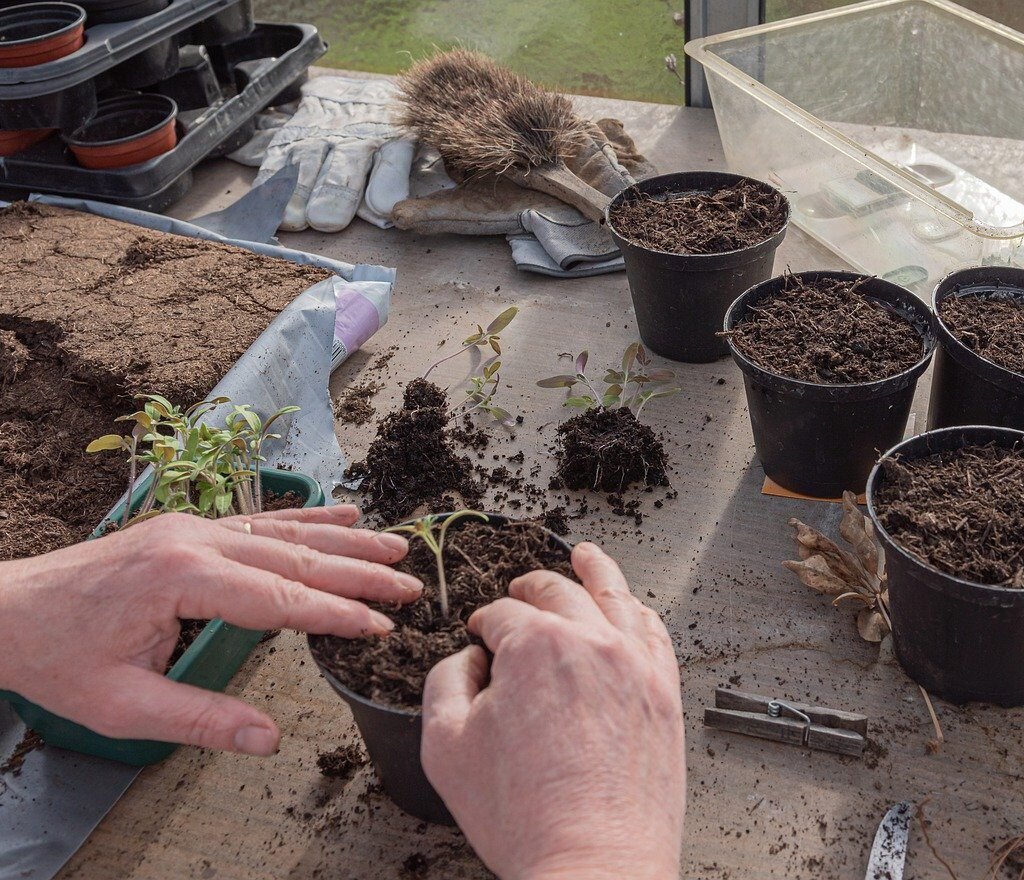
- 4 gallons coconut coir or peat moss (moisture retention)
- 3 gallons compost (nutrients)
- 2 gallons perlite or vermiculite (aeration and drainage)
- 1 gallon worm castings (slow-release nutrients)
- Optional:
- 1 cup crushed eggshells or garden lime
- ½ cup rock dust
- ½ cup organic fertilizer (balanced NPK)
Mix all ingredients thoroughly in a wheelbarrow or tarp before filling your containers.
Note: For acid-loving crops (like blueberries), adjust pH by using peat moss and avoiding lime.
Crop-Specific Mix Adjustments
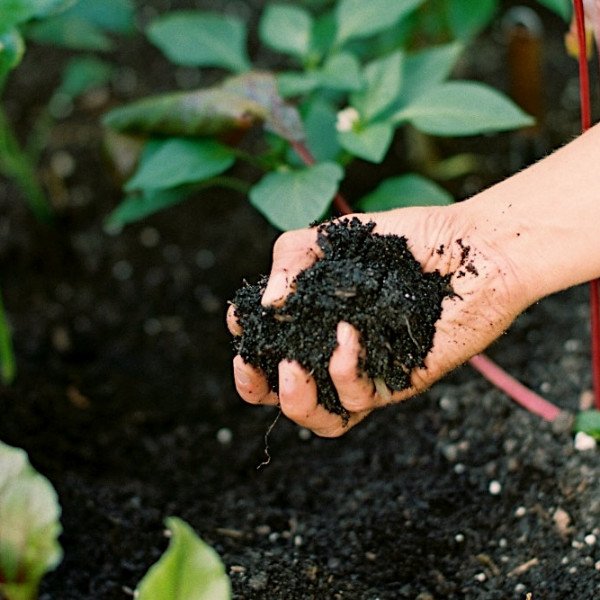
Different vegetables have different needs. Here’s how to tweak your mix:
1. Leafy Greens (lettuce, spinach, kale)
- Prefer more moisture
- Add extra compost or vermiculite
- Keep nitrogen high for leaf production
Suggested Ratio:
- 40% compost
- 30% peat/coir
- 20% perlite
- 10% worm castings
2. Tomatoes, Peppers, Eggplants
- Heavy feeders
- Need good drainage and calcium
- Add lime, bone meal, and extra compost
Suggested Additions:
- 1 cup bone meal per 10 gallons
- ½ cup crushed eggshells
- ½ cup organic tomato fertilizer
3. Root Vegetables (carrots, radishes, beets)
- Prefer loose, fluffy soil
- Avoid clumpy compost that causes root splitting
- Use more sand or perlite
Suggested Ratio:
- 50% coconut coir
- 30% compost
- 20% perlite or coarse sand
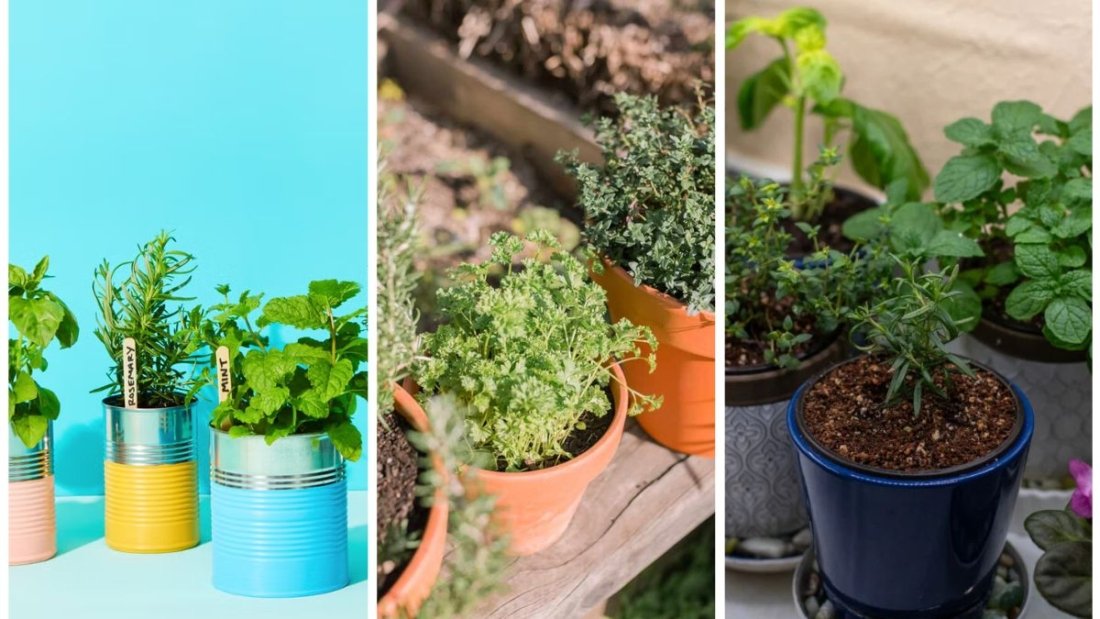
4. Herbs
- Require less nutrients
- Prefer well-drained soil
- Add grit or perlite for better aeration
Suggested Ratio:
- 50% coir/peat
- 30% perlite
- 20% compost
Ready-Made Alternatives and What to Look For
If you’re short on time or space, commercial potting mixes can work well—if you choose wisely.
Look for Mixes That:
- Are labeled “potting mix” or “container mix” (not “garden soil”)
- Contain organic ingredients and added compost
- Include mycorrhizae or beneficial microbes
- Avoid mixes with synthetic fertilizers if you prefer organic growing
Brands to Consider (check labels for details):
- FoxFarm Ocean Forest
- Espoma Organic Potting Mix
- Miracle-Gro Performance Organics
- Black Gold Natural & Organic
Tip: Even the best commercial mixes benefit from added compost or worm castings before use.
Tips for Maintaining Healthy Container Soil
The work doesn’t stop once the mix is in the pot. Healthy container soil requires ongoing care:
1. Monitor Moisture Levels
- Use your finger or a moisture meter to check water content
- Overwatering leads to root rot; underwatering stresses plants
2. Mulch the Surface
- Add straw, shredded leaves, or coconut mulch to reduce evaporation
- Helps keep soil temperatures stable and retains moisture
3. Top Dress with Compost
- Add ½ inch of fresh compost every 3–4 weeks to replenish nutrients
- Helps maintain a vibrant soil ecosystem
4. Rotate Crops and Refresh Soil
- Reuse container soil by mixing in fresh compost and fertilizer between seasons
- Avoid planting the same crop in the same container year after year
5. Watch for Salt Build-up
- Flush containers with clean water every month to remove excess salts
- White crusts on soil surface indicate salt accumulation
Conclusion
Creating the best soil mix for container vegetables is both a science and an art. By understanding the unique requirements of container growing—and tailoring your mix accordingly—you can cultivate healthy, productive plants even in the smallest of spaces.
A good soil mix does more than just anchor roots; it acts as a living ecosystem that supports growth, nutrition, and resistance to disease. With the right blend of organic matter, aeration, and nutrients, your container garden can yield bountiful harvests season after season.
So whether you’re growing juicy tomatoes on a balcony, fresh greens on a windowsill, or carrots in a patio pot, remember: it all starts with the soil.