A Beginner’s Guide to Growing Cilantro

A Beginner’s Guide to Growing Cilantro

Cilantro, also known as coriander (Coriandrum sativum), is one of the most versatile herbs used in kitchens around the world. From fresh salsa and curries to soups and salads, this fragrant green herb adds a burst of flavor to countless dishes. The best part? Cilantro is surprisingly easy to grow at home, even for beginners.

If you’ve ever wanted to enjoy a constant supply of fresh cilantro from your own garden, balcony, or windowsill, this guide will walk you through everything you need to know—from planting and care to harvesting and troubleshooting common problems.


Why Grow Cilantro?
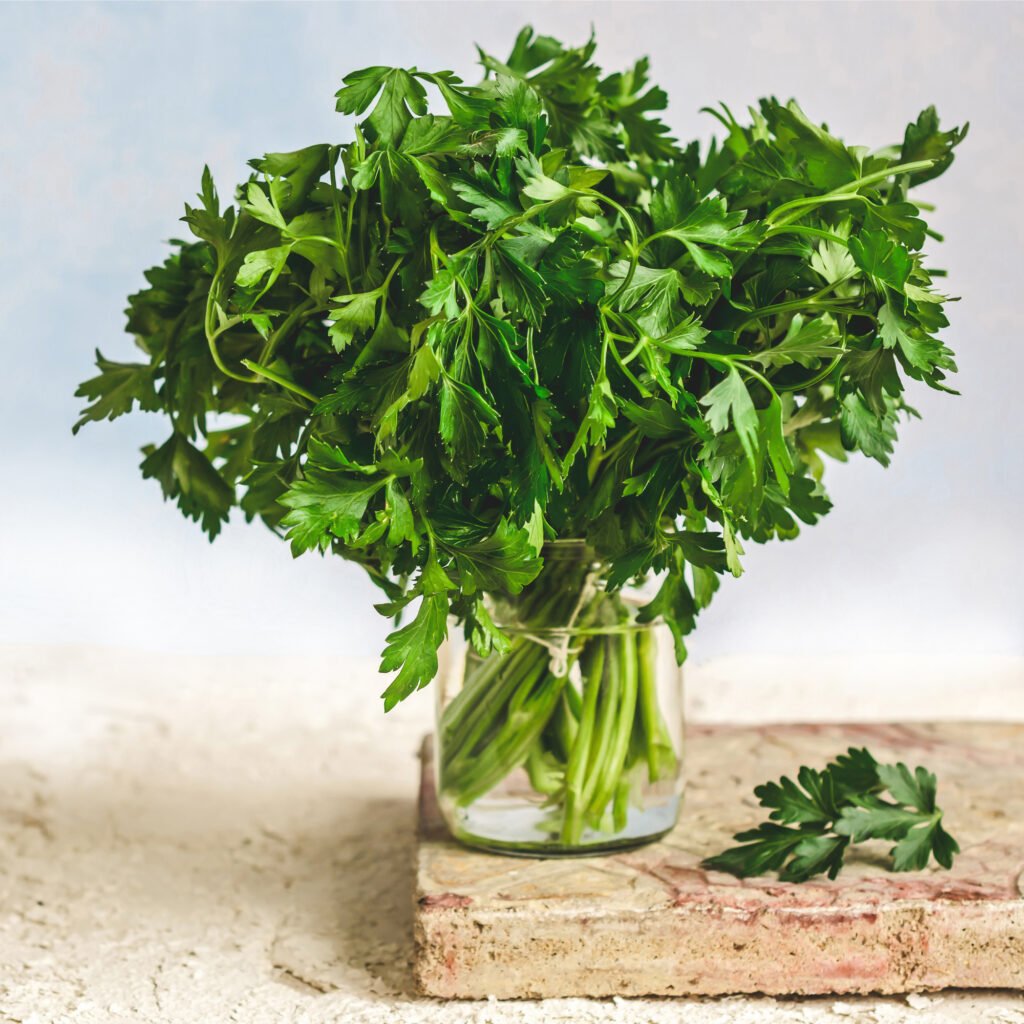
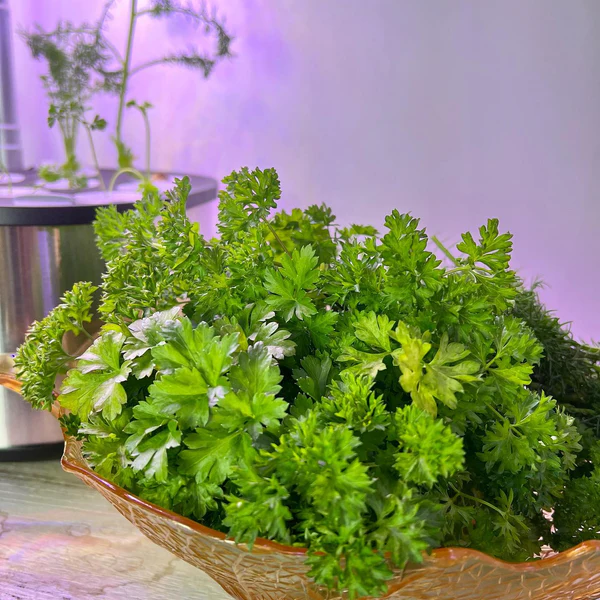
Bunch of fresh parsley in jar

Before diving into the practical steps, it’s worth highlighting why cilantro is a great addition to your home garden:

  • Flavorful and versatile – Adds fresh, citrusy flavor to a wide range of dishes.
  • Dual harvest – Both leaves (cilantro) and seeds (coriander) are edible.
  • Fast-growing – You can harvest leaves within a few weeks of planting.
  • Health benefits – Rich in vitamins A, C, and K, antioxidants, and essential minerals.
  • Easy to grow – Thrives in small spaces, containers, and even indoors.

Choosing the Right Cilantro Variety
While cilantro is generally grown from the same plant species, there are different varieties worth considering:

  1. Santo – Slow-bolting variety that resists going to seed too quickly. Great for beginners.
  2. Leisure – Another slow-bolting type, ideal for continuous leaf harvest.
  3. Calypso – Known for producing abundant foliage and resisting heat.
  4. Coriander (seed harvest) – Some gardeners grow cilantro specifically for its seeds, which are used as a spice.

For beginners, slow-bolting varieties like Santo or Leisure are highly recommended.


Best Growing Conditions for Cilantro
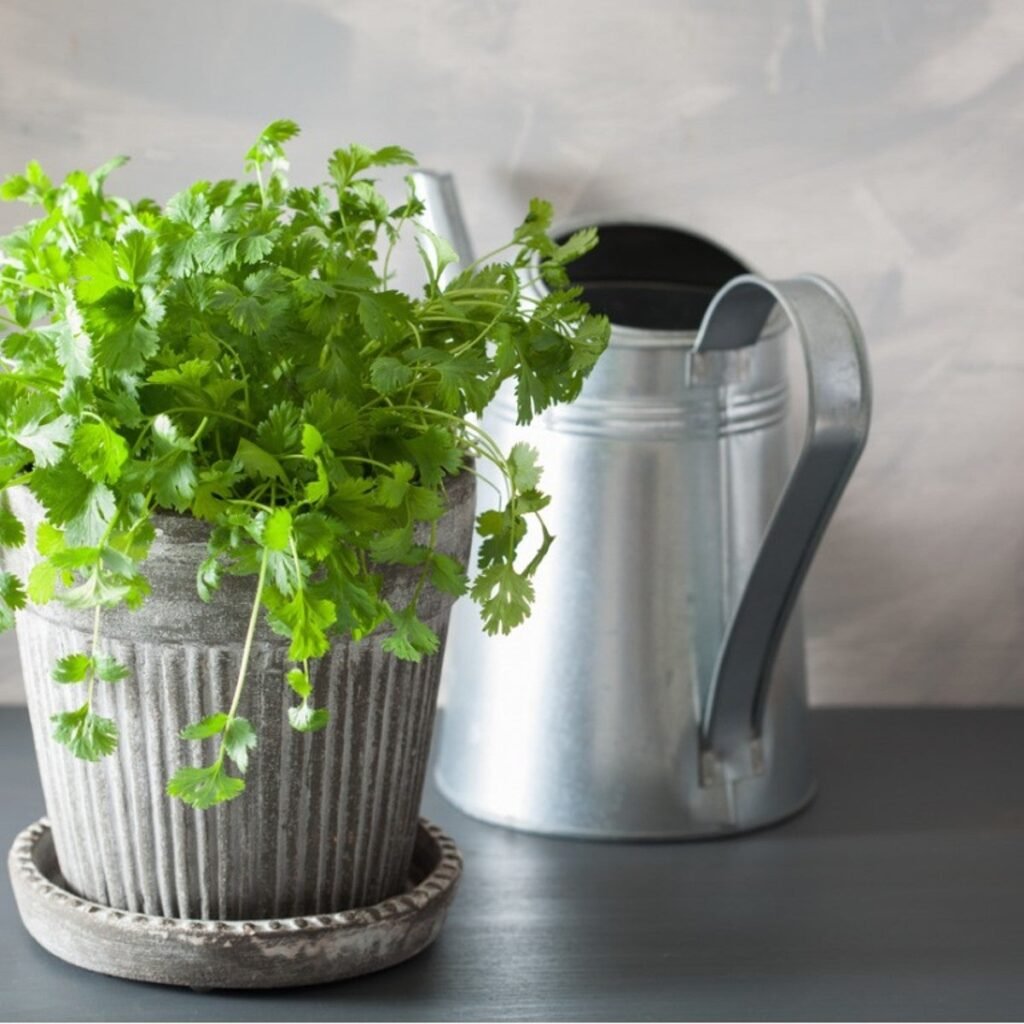
Cilantro thrives under specific conditions, and replicating them will ensure healthy, flavorful leaves.

  • Sunlight: Needs 4–6 hours of sunlight daily. In very hot climates, partial shade is better.
  • Soil: Prefers well-draining, loamy soil rich in organic matter. A pH of 6.2–6.8 is ideal.
  • Water: Requires consistent moisture but hates waterlogging. Keep soil evenly moist.
  • Temperature: Best in cool weather (50–70°F / 10–21°C). It bolts quickly in hot conditions.

Planting Cilantro

1. Starting from Seeds

Cilantro is best grown directly from seeds rather than transplants, as it doesn’t handle being moved very well.

  • Prepare seeds: Crush the seed husks gently (each husk contains 2 seeds). Soak them in water overnight to improve germination.
  • Plant depth: Sow seeds about ¼ inch deep.
  • Spacing: Plant seeds 6–8 inches apart in rows or scatter them for a natural look.
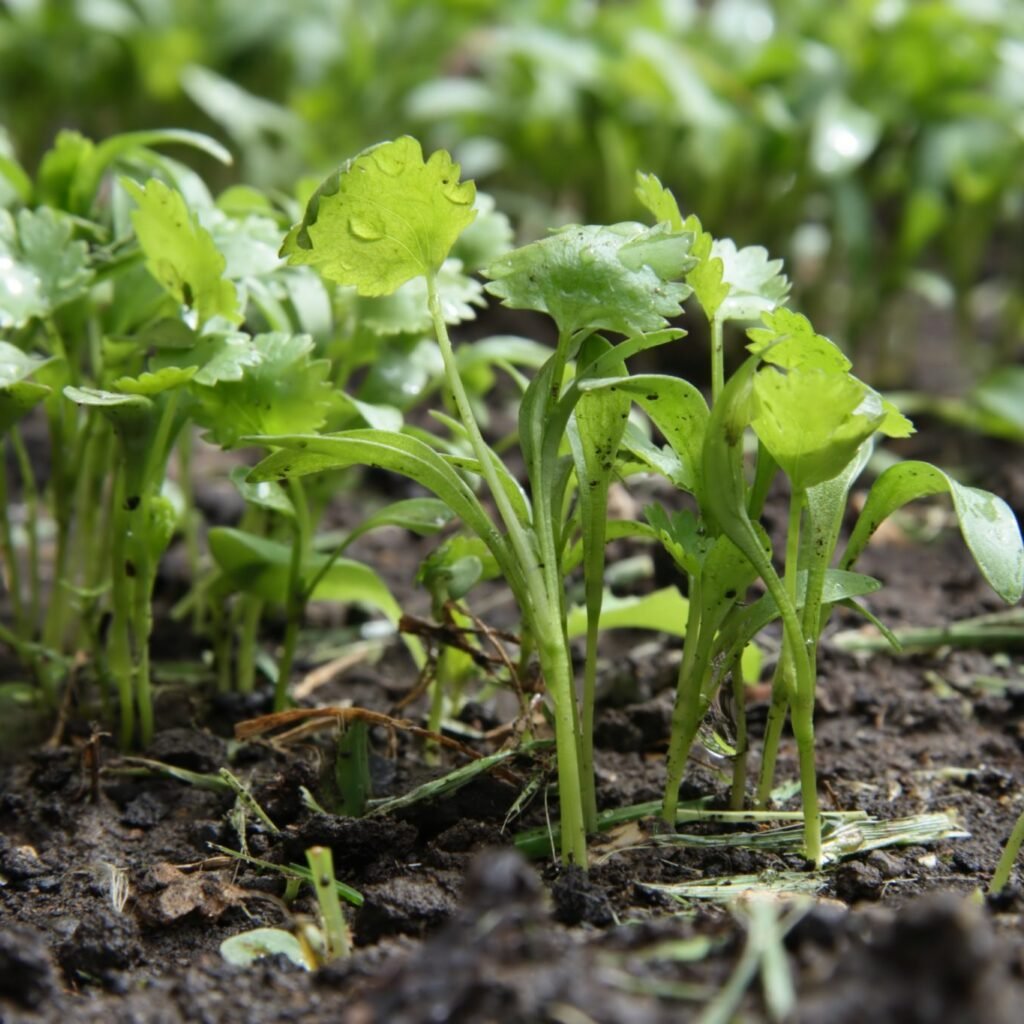
  • Germination: Seeds usually sprout within 7–14 days.

2. Growing in Containers

Cilantro is perfect for small spaces or indoor growing. Use a pot that’s at least 8 inches deep to allow for root development. Ensure the pot has drainage holes to prevent soggy soil.


Caring for Cilantro
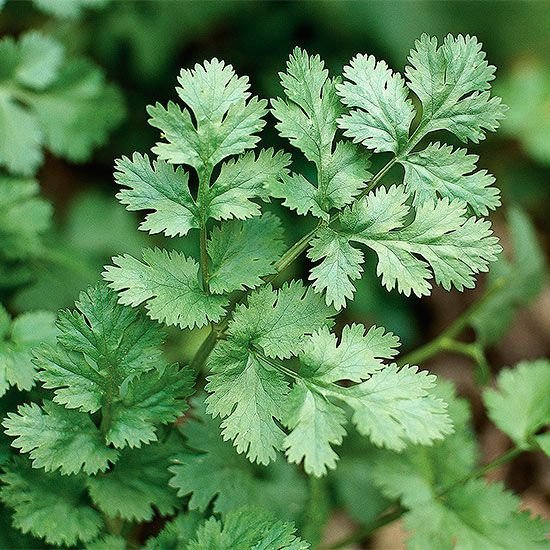
Watering

  • Water consistently to keep soil moist but not soggy.
  • Avoid overhead watering, as wet leaves can lead to disease.

Fertilizing

  • Cilantro doesn’t need heavy feeding.
  • Mix compost into the soil before planting.
  • Use a balanced, water-soluble fertilizer every 3–4 weeks if needed.

Mulching

  • Apply a thin layer of mulch around the plants to retain moisture and regulate soil temperature.

Pruning

  • Regularly snip leaves to encourage bushy growth.
  • Remove flower stalks (bolts) immediately if you want to prolong leaf production.

Harvesting Cilantro

Harvesting Leaves

  • You can start harvesting leaves when plants are 6–8 inches tall.
  • Always cut from the outer leaves first, allowing the inner growth to continue.
  • Use scissors or pinch stems close to the soil.
  • Harvest regularly to keep the plant producing.

Harvesting Seeds (Coriander)

If you let cilantro flower and set seed:

  • Wait until seed heads turn brown and dry on the plant.
  • Cut the seed heads and place them in a paper bag.
  • Allow them to dry completely before storing.

These seeds can be used for cooking or replanting.


How to Keep Cilantro Thriving
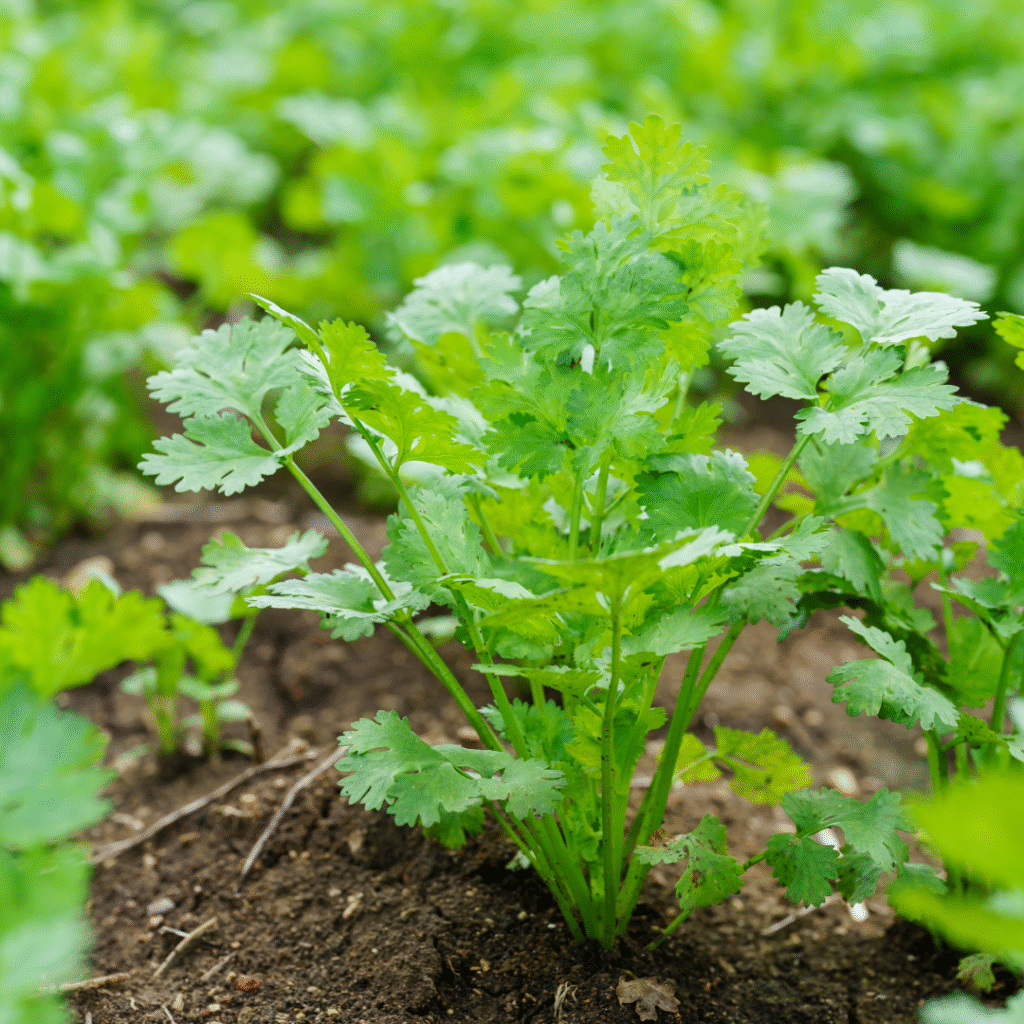
Cilantro tends to bolt (go to seed) quickly, especially in hot weather. Here’s how you can extend its growing season:

  1. Succession Planting – Plant new seeds every 2–3 weeks for a steady supply of fresh leaves.
  2. Grow in Cooler Seasons – Plant in spring or fall, as cilantro prefers cool temperatures.
  3. Partial Shade in Summer – In warmer regions, give plants afternoon shade to slow bolting.
  4. Harvest Frequently – Regular cutting delays flowering.

Common Pests and Diseases

Cilantro is relatively low-maintenance but can occasionally face pests or diseases:

Pests

  • Aphids – Small insects that suck sap; wash them off with water or use insecticidal soap.
  • Caterpillars – Hand-pick or use organic pest control methods.
  • Whiteflies – Control with yellow sticky traps or neem oil spray.

Diseases

  • Powdery Mildew – Appears as white spots on leaves; improve air circulation and avoid overhead watering.
  • Leaf Spot – Brown or yellow spots caused by fungus; remove infected leaves.
  • Root Rot – Caused by poor drainage; plant in well-drained soil.

Companion Planting with Cilantro

Cilantro is a great companion plant in your garden:

  • Good companions: Basil, tomatoes, spinach, dill, and peas. It repels harmful insects like aphids.
  • Avoid: Fennel, as it can stunt cilantro’s growth.

Culinary and Health Uses

Cilantro isn’t just a flavorful herb—it also offers a wide range of uses.

Culinary Uses

  • Fresh garnish for soups, tacos, and curries.
  • Essential in Mexican salsa, Indian chutneys, and Middle Eastern salads.
  • Seeds (coriander) are used in spice mixes, baking, and pickling.

Health Benefits

  • Rich in vitamins A, C, and K.
  • Contains antioxidants that support heart and immune health.
  • Aids digestion and may help detoxify heavy metals.
  • Freshens breath naturally.

Troubleshooting Cilantro Growing Problems

  • Bolting too fast: Plant slow-bolting varieties, keep soil cool, and harvest regularly.
  • Leaves turning yellow: Usually due to overwatering, poor drainage, or nutrient deficiency.
  • Sparse growth: Cilantro has a short lifecycle—plant seeds frequently for continuous harvest.

Final Thoughts

Growing cilantro at home is simple, rewarding, and perfect for beginners. By providing the right growing conditions, watering consistently, and practicing succession planting, you can enjoy fresh cilantro throughout the season. Not only will you have an endless supply of this flavorful herb, but you’ll also gain the satisfaction of knowing you grew it yourself.

From adding a fresh touch to your favorite dishes to boosting your health with its nutrients, cilantro is an herb that every gardener should try. With this beginner’s guide, you now have the knowledge to grow cilantro and keep it thriving—whether in a garden bed, pot, or sunny windowsill.
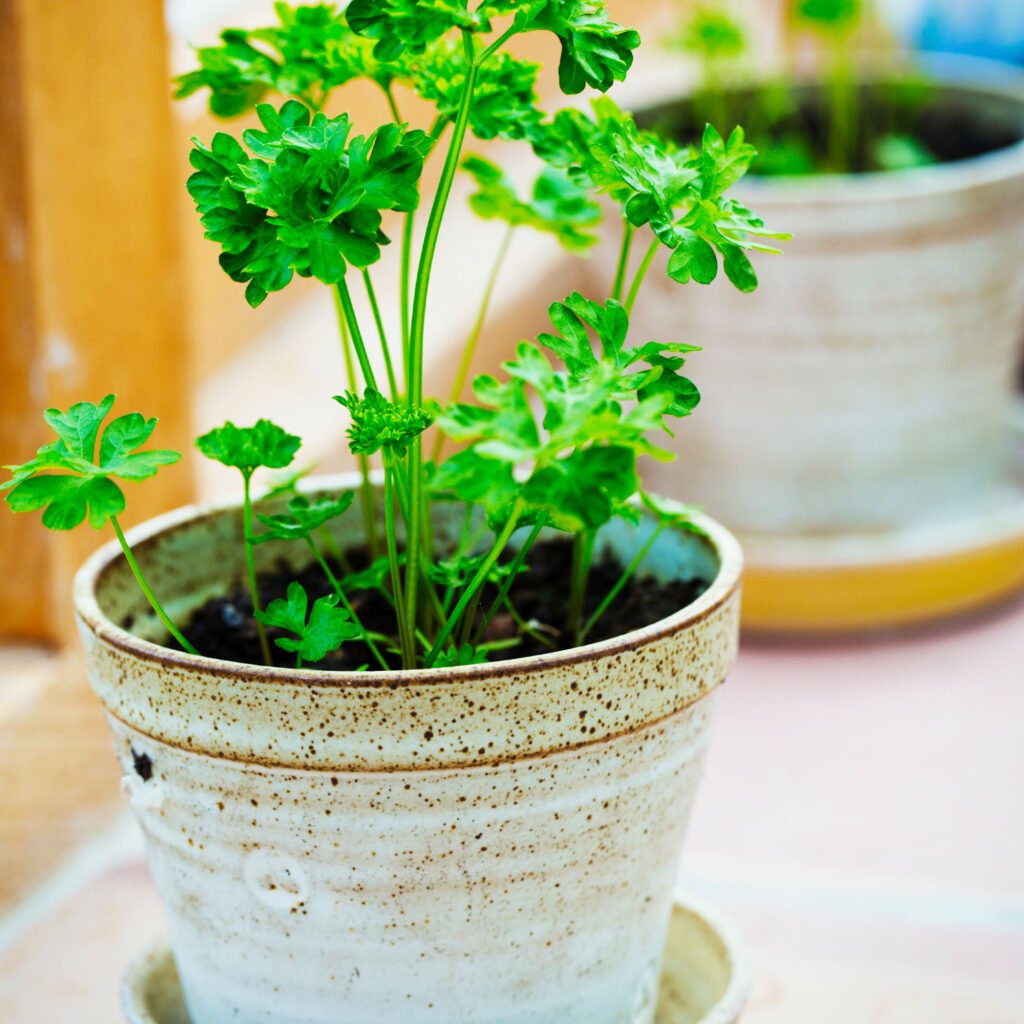
How to Grow Parsley and Keep It Thriving

How to Grow Parsley and Keep It Thriving

Parsley is more than just a garnish—it’s a versatile herb packed with nutrients, flavor, and medicinal benefits. Whether you’re an avid gardener or a beginner, parsley is a fantastic plant to grow at home because it’s hardy, low-maintenance, and incredibly rewarding. From enhancing soups and salads to boosting your daily vitamin intake, parsley is a plant you’ll want thriving in your garden or kitchen.

In this guide, we’ll explore everything you need to know about how to grow parsley and keep it flourishing—from planting to harvesting, and even troubleshooting common problems.


Why Grow Parsley?

Before diving into the how-to, let’s look at why parsley deserves a spot in your garden or windowsill:

  • Nutrient-rich – Packed with vitamins A, C, and K, along with antioxidants and minerals.
  • Culinary staple – Essential for flavoring soups, sauces, salads, and many dishes worldwide.
  • Medicinal benefits – Known for its anti-inflammatory and detoxifying properties.
  • Easy to grow – Tolerates a variety of conditions and is perfect for both indoor and outdoor gardens.
  • Dual use – Leaves are edible, and the roots (in some varieties) can also be consumed.

Choosing the Right Type of Parsley

There are two main types of parsley to consider:

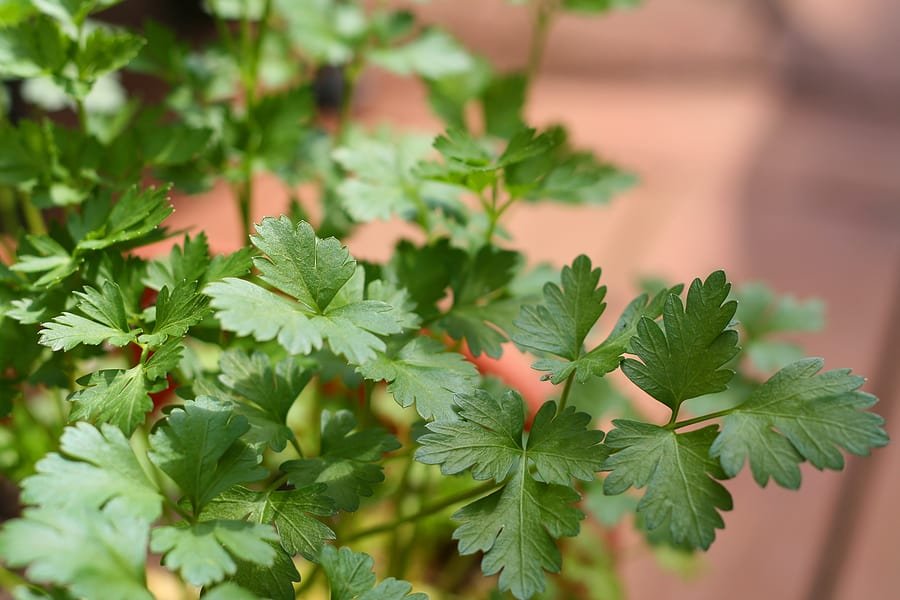
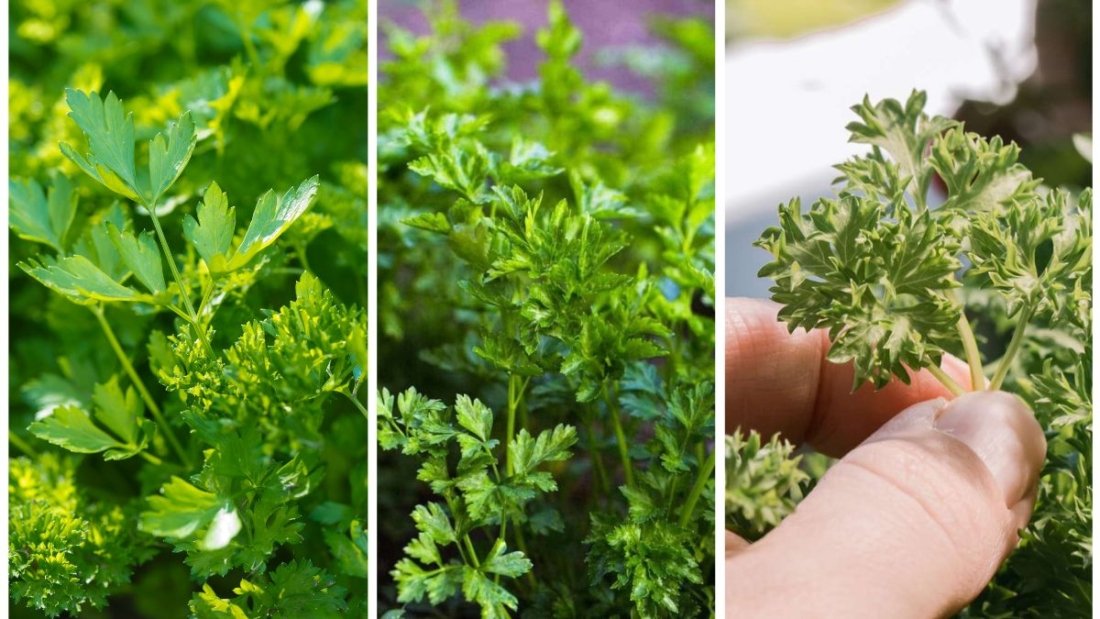
  1. Curly Leaf Parsley (Petroselinum crispum var. crispum)
    • Known for its ruffled, decorative leaves.
    • Commonly used as a garnish but still flavorful.
  2. Flat Leaf Parsley (Italian Parsley, Petroselinum crispum var. neapolitanum)
    • Has flat, broad leaves with a stronger, more robust flavor.
    • Preferred for cooking due to its intense aroma.

Both types grow well under similar conditions, so the choice comes down to personal taste and intended use.


Where to Grow Parsley

Parsley can thrive in different environments:

  • Outdoor gardens – Ideal for those with space in flower beds, herb gardens, or vegetable patches.
  • Containers and pots – Perfect for balconies, patios, or small spaces.
  • Indoor herb gardens – Parsley grows well on sunny windowsills or under grow lights.

Planting Parsley

1. Starting from Seeds

Parsley seeds can be a little slow to germinate, often taking 2–4 weeks. To boost germination:

  • Soak seeds in warm water overnight before planting.
  • Plant seeds about ¼ inch deep in moist, well-drained soil.
  • Space seeds 6–8 inches apart (or thin seedlings later).

2. Starting from Transplants

If you want quicker results, purchase parsley seedlings from a nursery. Transplants establish faster and reduce the waiting time for harvest.


Ideal Growing Conditions

To ensure parsley thrives, provide the following:

  • Sunlight: Parsley grows best in full sun to partial shade. Aim for at least 6 hours of sunlight daily.
  • Soil: Prefers loamy, well-draining soil with a pH between 6.0 and 7.0.
  • Watering: Keep soil consistently moist but not waterlogged. Parsley hates drying out completely.
  • Temperature: Grows well in cool to moderate temperatures (50–70°F / 10–21°C). It tolerates mild frost but may struggle in intense heat.

Caring for Your Parsley Plant

Growing parsley doesn’t end at planting. Proper care ensures it keeps producing lush, green leaves.

1. Watering

  • Water deeply 2–3 times per week depending on weather conditions.
  • Avoid letting soil dry out completely. Mulching around the plant helps retain moisture.

2. Fertilizing

  • Parsley is not a heavy feeder but benefits from occasional feeding.
  • Use a balanced liquid fertilizer every 4–6 weeks.
  • Organic compost or worm castings also boost soil nutrients naturally.

3. Thinning and Spacing

  • Thin seedlings to about 8–10 inches apart for optimal airflow.
  • Proper spacing prevents overcrowding and reduces disease risks.

4. Pruning

  • Regularly snip outer stems to encourage new growth.
  • Avoid cutting the inner stems (growth center), as this can stunt the plant.

Harvesting Parsley

Parsley can be harvested once it has several mature leaves, usually 2–3 months after planting.

  • Always cut stems at the base, starting with the outermost ones.
  • Frequent harvesting encourages bushier growth.
  • You can harvest parsley continuously throughout the growing season.

Storing Parsley

  • Fresh use: Store in the fridge wrapped in a damp paper towel.
  • Drying: Hang bunches upside down in a dry, airy spot.
  • Freezing: Chop and freeze in ice cube trays with a little water or oil for long-term use.

Keeping Parsley Thriving Year-Round

Parsley is a biennial plant—it completes its life cycle over two years. In the first year, it produces leaves, and in the second, it flowers and sets seed. After flowering, the leaves lose flavor.

To keep parsley thriving year-round:

  • Succession planting: Sow new seeds every 3–4 months for continuous harvests.
  • Winter protection: In colder climates, cover outdoor plants with mulch or bring potted parsley indoors.
  • Indoor growing: Grow parsley in containers under grow lights during the off-season.

Common Pests and Diseases

Like most herbs, parsley is relatively hardy but can face a few issues:

Pests

  • Aphids – Small insects sucking plant sap. Control with insecticidal soap or water spray.
  • Caterpillars (Swallowtail larvae) – They eat leaves but can be hand-picked.
  • Spider mites – Thrive in dry conditions; mist plants regularly to deter them.

Diseases

  • Powdery mildew – White powdery spots on leaves; improve airflow and avoid overhead watering.
  • Leaf spot – Yellow or brown spots caused by fungi; remove infected leaves and use organic fungicides.
  • Root rot – Caused by waterlogged soil; ensure proper drainage.

Companion Planting for Parsley

Parsley grows well alongside other plants, boosting garden productivity:

  • Good companions: Tomatoes, carrots, onions, roses (improves fragrance), and asparagus.
  • Avoid planting near: Lettuce and mint (compete for nutrients).

Culinary and Health Uses of Parsley

Parsley isn’t just an ornamental herb—it’s a powerhouse in the kitchen and medicine cabinet.

Culinary Uses

  • Fresh garnish for soups, stews, and roasted meats.
  • Key ingredient in tabbouleh, chimichurri, and gremolata.
  • Enhances salad dressings, marinades, and pasta dishes.

Health Benefits

  • Rich in vitamins A, C, and K, promoting eye, bone, and immune health.
  • Contains antioxidants that fight free radicals.
  • Acts as a natural diuretic, supporting kidney health.
  • Freshens breath naturally.

Troubleshooting Common Problems

  • Parsley turning yellow – Often due to overwatering, poor drainage, or nutrient deficiency.
  • Leggy growth – Caused by insufficient sunlight. Move to a sunnier location.
  • Slow growth – Parsley is naturally slow-growing, but lack of nutrients or compacted soil can worsen it. Add compost and loosen the soil.

Final Thoughts

Parsley may be modest compared to flashy herbs like basil or mint, but it is one of the most rewarding plants to grow. With proper planting, consistent watering, and regular harvesting, you can enjoy fresh parsley all year long. Whether in garden beds, pots on a balcony, or a sunny windowsill, parsley adapts beautifully to different spaces and conditions.

By following these steps, you’ll not only know how to grow parsley but also how to keep it thriving season after season—ensuring a steady supply of fresh, flavorful, and nutrient-rich leaves for your kitchen and beyond.

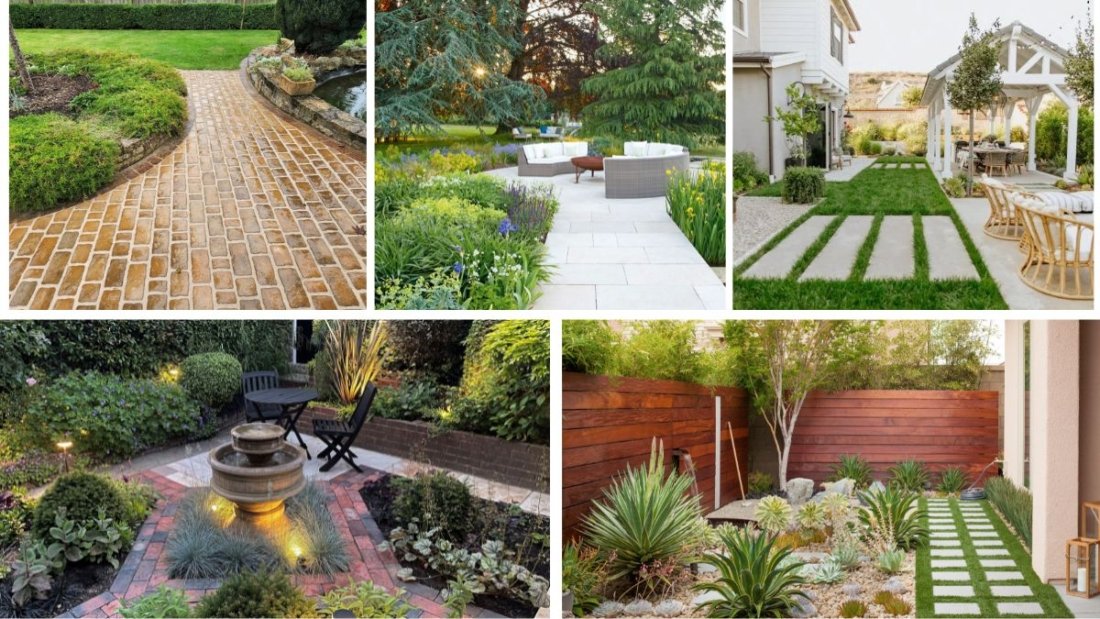
5 Modern Garden Pathway Designs to Try

5 Modern Garden Pathway Designs to Try

A well-designed garden pathway does more than provide a functional route through your yard—it sets the tone for your garden, guiding visitors while enhancing the overall aesthetic. Modern garden pathways combine style, creativity, and functionality, transforming ordinary gardens into visually striking spaces. Whether your outdoor area is small or expansive, pathways can be designed to reflect contemporary trends while complementing plants, lighting, and outdoor décor. This guide explores five modern garden pathway designs you can try, offering inspiration, design tips, and practical advice for creating a stunning garden walkway.


Why a Modern Garden Pathway Matters

Before diving into specific designs, it’s important to understand the benefits of a modern garden pathway:

  1. Enhances Visual Appeal: Pathways create a structured, polished look in your garden.
  2. Guides Movement: Directs visitors naturally and safely through different garden areas.
  3. Protects Plants: Prevents foot traffic from damaging flower beds or lawns.
  4. Adds Dimension: Different shapes, textures, and materials can add depth and interest.
  5. Boosts Property Value: Well-designed pathways elevate the overall curb appeal of your home.
  6. Integrates Functionality and Style: Pathways can double as seating areas, decorative features, or outdoor lighting displays.

With careful planning, modern pathways can merge functionality and artistry, making your garden an inviting retreat.


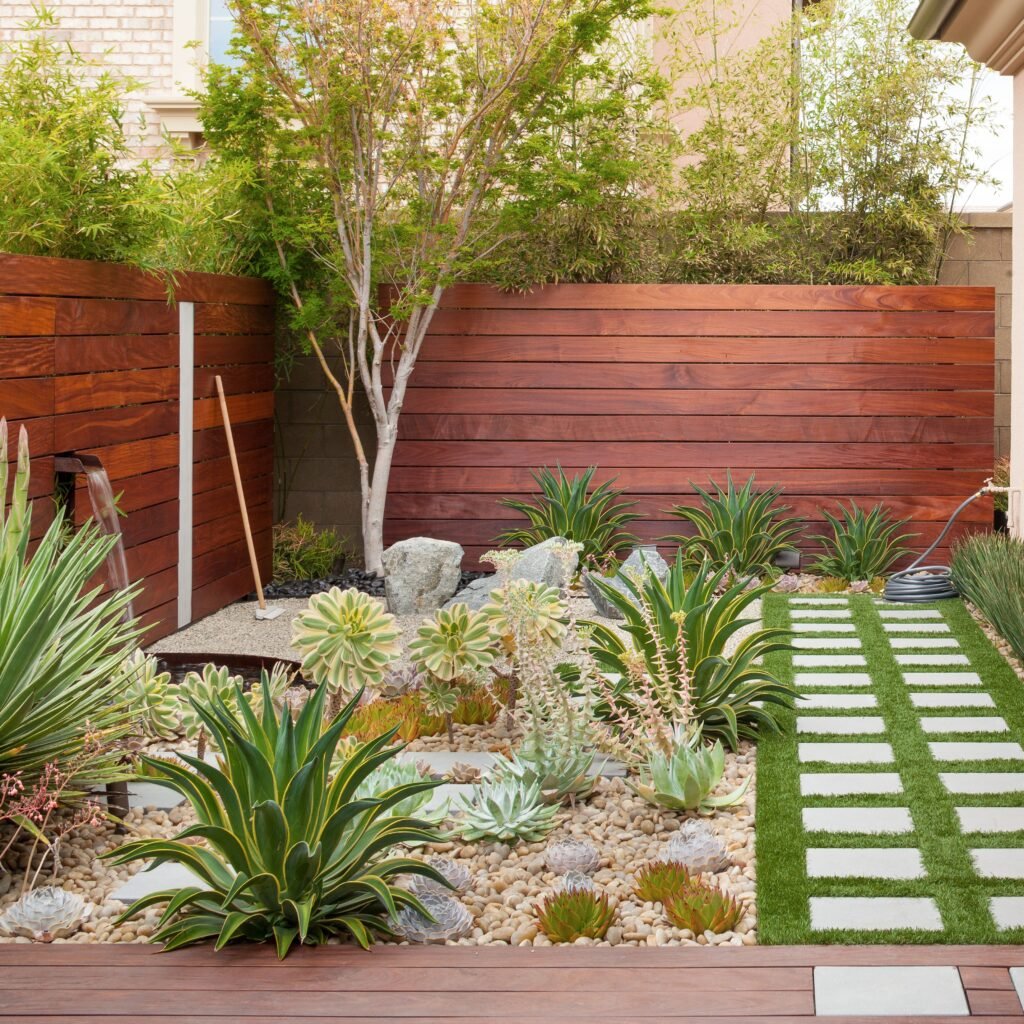
1. Stepping Stone Pathways

Stepping stones are a classic choice that can be modernized with creative layouts, materials, and spacing.

How to Create a Stepping Stone Pathway:

  • Materials: Concrete, natural stone, slate, or large tiles can be used.
  • Layout: Place stones in straight lines for a minimalistic look, or stagger them for a natural, flowing design.
  • Spacing: Leave enough space between stones for grass or low ground cover to grow.
  • Ground Cover Options: Moss, thyme, or creeping sedum creates a soft, green contrast around the stones.

Benefits: Stepping stone pathways are versatile, easy to install, and ideal for gardens with small spaces or irregular shapes.

Design Tip: Use geometric-shaped stones like hexagons or rectangles for a modern aesthetic.


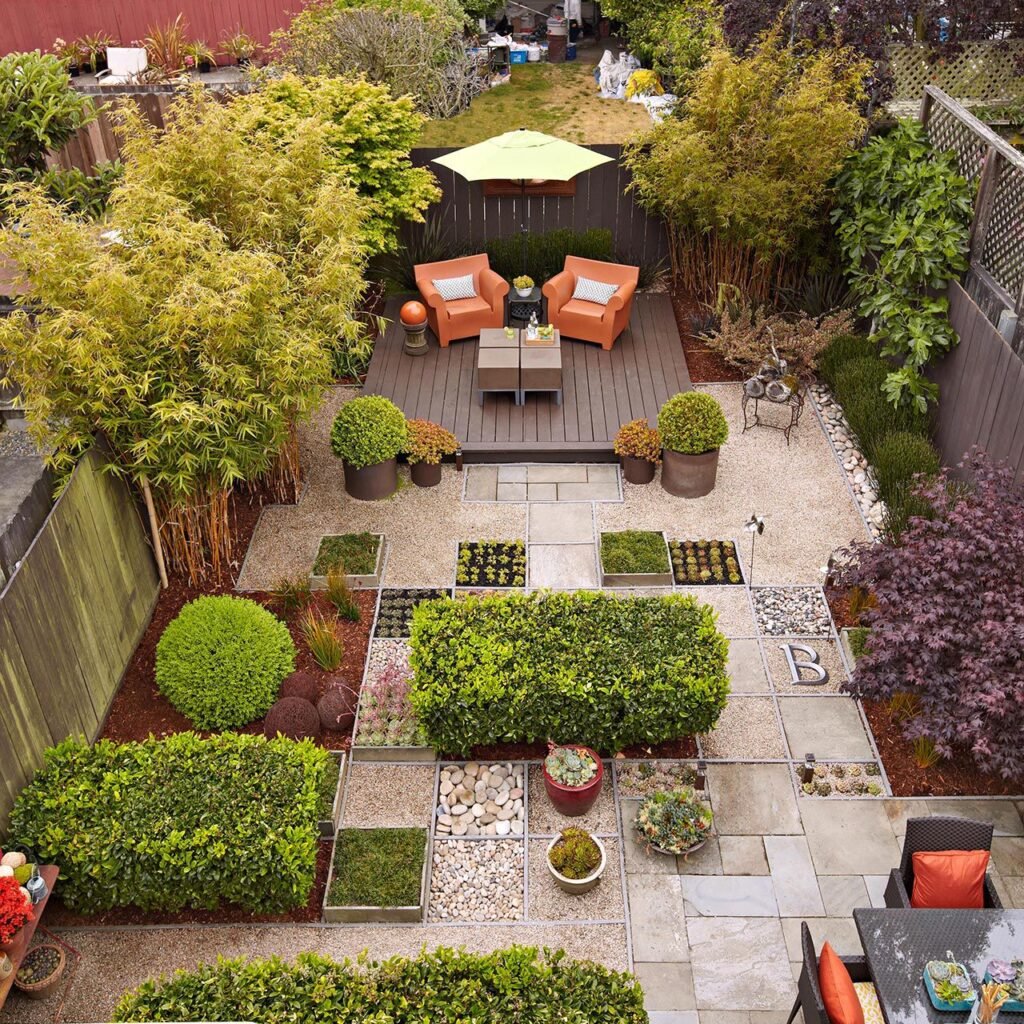
2. Gravel and Pebble Pathways

Gravel pathways are durable, low-maintenance, and offer a contemporary, textured look. They are perfect for minimalist or Japanese-inspired gardens.

How to Build a Gravel Pathway:

  • Base Layer: Lay a weed barrier or landscape fabric to prevent weed growth.
  • Gravel Layer: Add a 2–3 inch layer of crushed stone or gravel.
  • Borders: Use metal, wood, or stone edging to define the pathway and prevent gravel migration.
  • Decorative Touch: Mix different colored pebbles or stones for a visually appealing pattern.

Benefits: Gravel paths are cost-effective, drain well, and can be installed in curved or linear designs.

Design Tip: Combine gravel with large stepping stones for added dimension and a contemporary feel.


3. Wooden Boardwalk or Decking Pathways

Wooden pathways or boardwalks bring warmth and elegance to modern gardens. They are particularly suitable for areas near ponds, water features, or sloped terrain.

Steps to Create a Wooden Pathway:

  • Material Choice: Use weather-resistant woods like teak, cedar, or composite decking.
  • Support: Install a stable base with gravel or concrete piers for durability.
  • Spacing: Leave small gaps between boards for water drainage and expansion.
  • Finishing Touches: Apply sealant or wood stain to enhance longevity and aesthetics.

Benefits: Wooden pathways create a natural, warm feel while providing a smooth, modern surface.

Design Tip: Mix horizontal and vertical plank orientations for a contemporary, patterned look.


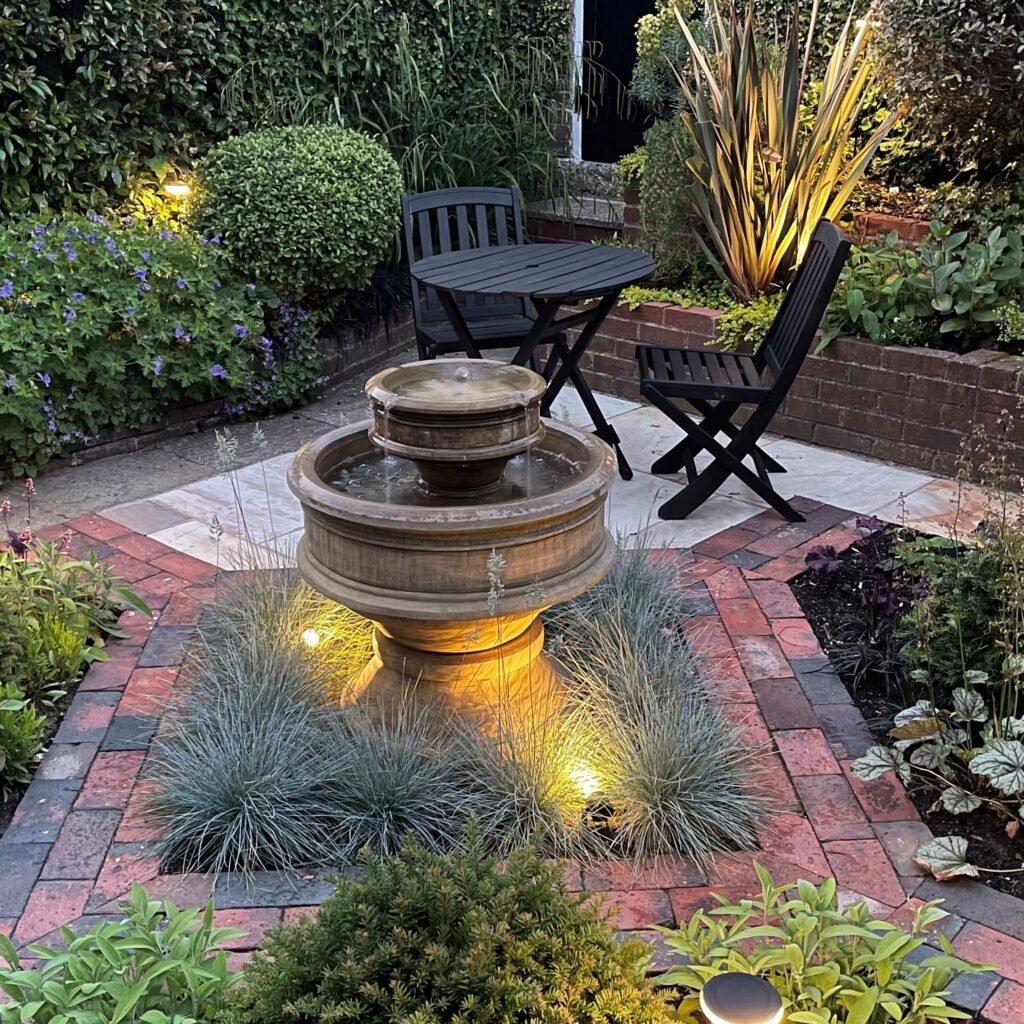
4. Geometric or Mosaic Pathways

Geometric and mosaic pathways make a bold statement and are perfect for modern or artistic garden designs.

How to Design a Geometric Pathway:

  • Materials: Use tiles, pavers, concrete slabs, or stones in varied shapes like hexagons, triangles, or squares.
  • Pattern Options: Try herringbone, chevron, or interlocking geometric patterns.
  • Colors: Incorporate contrasting colors for a striking visual effect, or neutral tones for a sleek minimalist look.
  • Installation: Lay tiles or pavers on a compacted sand base, and fill gaps with sand or mortar.

Benefits: Geometric pathways are eye-catching, customizable, and complement contemporary garden décor.

Design Tip: Combine small mosaic tiles with larger pavers to create texture and depth.


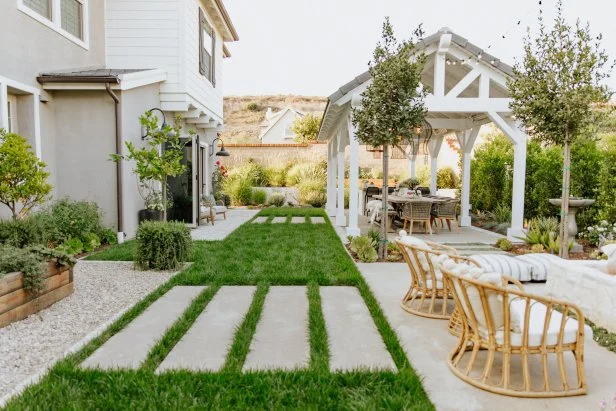
5. Green or Grass Pathways

Grass pathways are a simple yet modern approach, blending functionality with a lush, natural aesthetic.

How to Create a Grass Pathway:

  • Design: Outline the path with edging to define the space and prevent grass from spreading.
  • Hardscape Integration: Combine grass with stone, gravel, or wood to create a hybrid modern look.
  • Plant Choice: Use hardy turfgrass or low-growing ground cover for a soft walking surface.
  • Maintenance: Mow regularly and trim edges to keep the path neat.

Benefits: Grass pathways provide a soft, eco-friendly surface and blend seamlessly with the surrounding landscape.

Design Tip: Curved grass pathways with irregular stepping stones create a natural, flowing design.


Tips for Designing a Modern Garden Pathway

  1. Plan Your Route: Consider the natural flow of your yard and traffic patterns.
  2. Choose Complementary Materials: Match pathway materials with garden style, plants, and furniture.
  3. Incorporate Lighting: Add solar lights, lanterns, or LED strips for nighttime visibility and ambiance.
  4. Add Borders: Edging with stones, metal, or plants keeps pathways defined and neat.
  5. Mix Textures: Combine wood, stone, gravel, or greenery to create depth and interest.
  6. Consider Drainage: Ensure pathways are slightly raised or sloped for water runoff.
  7. Include Rest Spots: Integrate benches or small seating areas along longer pathways.
  8. Seasonal Appeal: Use perennial plants or ground covers that look attractive year-round.
  9. Keep It Safe: Smooth surfaces for walking and non-slip finishes for wet areas.
  10. Personalize: Add sculptures, planters, or decorative stones to make the pathway unique.

These design tips ensure that your modern garden pathway is both functional and visually appealing.


Benefits of Modern Garden Pathways

  • Enhances Curb Appeal: Pathways make gardens look more organized, stylish, and inviting.
  • Defines Space: Creates clear divisions between flower beds, lawns, and functional areas.
  • Increases Property Value: Well-designed pathways are attractive to potential buyers.
  • Encourages Exploration: Guides visitors and family members through different garden features.
  • Supports Sustainable Gardening: Gravel, permeable pavers, and green pathways help manage water runoff.

Modern garden pathways balance aesthetics and practicality, elevating the overall design of your outdoor space.


Conclusion

Creating a modern garden pathway is a rewarding way to transform your outdoor space. From stepping stones and gravel pathways to wooden boardwalks, geometric designs, and lush grass paths, each option provides a unique combination of style, functionality, and charm.

When planning your pathway, consider your garden layout, the materials you prefer, and the type of plants you want to integrate. Combining texture, color, and creativity ensures that your pathway becomes a striking feature that enhances both movement and aesthetics.

Whether you want a minimalist stepping stone trail, a geometric mosaic walkway, or a soft green path through your yard, modern garden pathways allow you to make a lasting impression while optimizing your outdoor space. With careful planning and design, your garden pathway can become a central element of your landscape, guiding visitors and creating a serene, visually stunning environment for all seasons.

5 Backyard Garden Layouts That Maximize Space

5 Backyard Garden Layouts That Maximize Space

Creating a backyard garden is a wonderful way to bring beauty, food, and tranquility into your outdoor space. But if your yard is small or oddly shaped, making the most of every square foot can be a challenge. The key to a productive and attractive backyard garden lies in smart planning and space-maximizing layouts.

In this guide, we’ll explore five backyard garden layouts that help you grow more in less space, enhance aesthetics, and create an organized, efficient garden that suits your lifestyle.


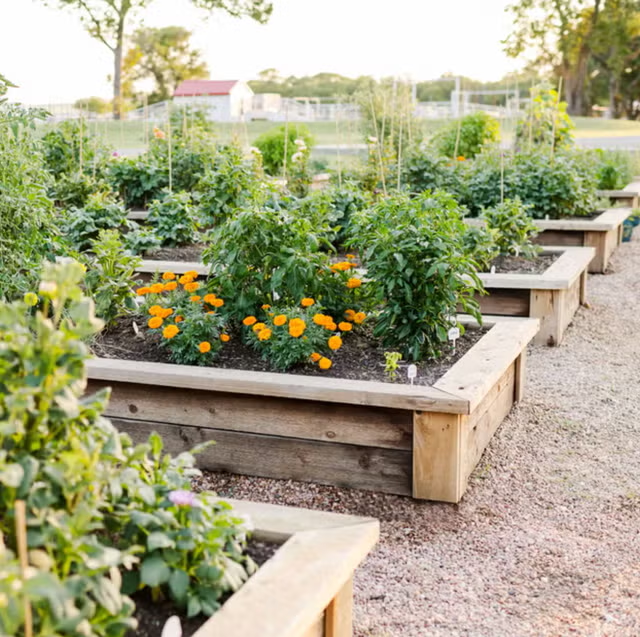
1. Raised Bed Garden Layout

Raised beds are a classic and highly effective layout for maximizing space in your backyard garden. They allow you to grow more plants in a smaller footprint and improve soil quality.

Key Features:

  • Beds are usually 3–4 feet wide and any length desired.
  • Soil depth is sufficient for root vegetables, herbs, and flowers.
  • Pathways between beds provide easy access without compacting soil.

Benefits:

  • Better drainage and soil quality: Raised beds prevent waterlogging and are easier to amend.
  • Efficient planting: You can plant densely without crowding roots.
  • Easy maintenance: Less bending, weeding, and pest control is easier.

Tips for Maximum Space:

  • Use square-foot gardening: Plant a grid of 1-foot squares to maximize yield.
  • Stack companion plants: Plant tall crops like tomatoes with low-growing herbs beneath.
  • Include vertical supports for vining plants like cucumbers or beans.

Visual Idea: Think of raised beds as mini-gardens within your garden, each with its own ecosystem.


2. Vertical Garden Layout

Vertical gardening is perfect for small yards or urban spaces. By using walls, trellises, and vertical planters, you can grow more without needing extra ground space.

Key Features:

  • Wall-mounted planters, hanging baskets, or vertical towers.
  • Trellises for climbing plants like peas, beans, or tomatoes.
  • Multi-tiered shelving or pallet gardens for herbs and small vegetables.

Benefits:

  • Maximizes vertical space while keeping pathways clear.
  • Adds visual interest with layers and height variations.
  • Improves air circulation, reducing fungal issues.

Tips for Maximum Space:

  • Rotate plants to ensure sunlight reaches each layer.
  • Use lightweight soil mixes in containers to reduce strain on vertical structures.
  • Combine decorative plants with edible ones for a functional and aesthetic wall.

Visual Idea: Imagine a living wall with cascading herbs and vegetables that are easy to harvest and care for.


3. Raised Circle or Keyhole Garden Layout

For a unique and highly efficient layout, consider a circular or keyhole garden. This layout is ideal for maximizing planting area while minimizing pathways.

Key Features:

  • Plants grow in a circular pattern around a central point, such as a compost bin or small fountain.
  • A keyhole path allows access to all parts of the garden without stepping on soil.
  • Raised edges or mounds create better drainage.

Benefits:

  • Efficient space use: Every inch is within easy reach.
  • Supports diverse planting: Mix vegetables, herbs, and flowers.
  • Encourages compost recycling: Central compost nourishes surrounding plants.

Tips for Maximum Space:

  • Place taller plants in the center and shorter plants around the edge.
  • Incorporate companion planting to boost productivity and pest resistance.
  • Water efficiently with drip irrigation to reach all areas evenly.

Visual Idea: Picture a spiral or round garden that’s both decorative and productive, perfect for small backyard corners.


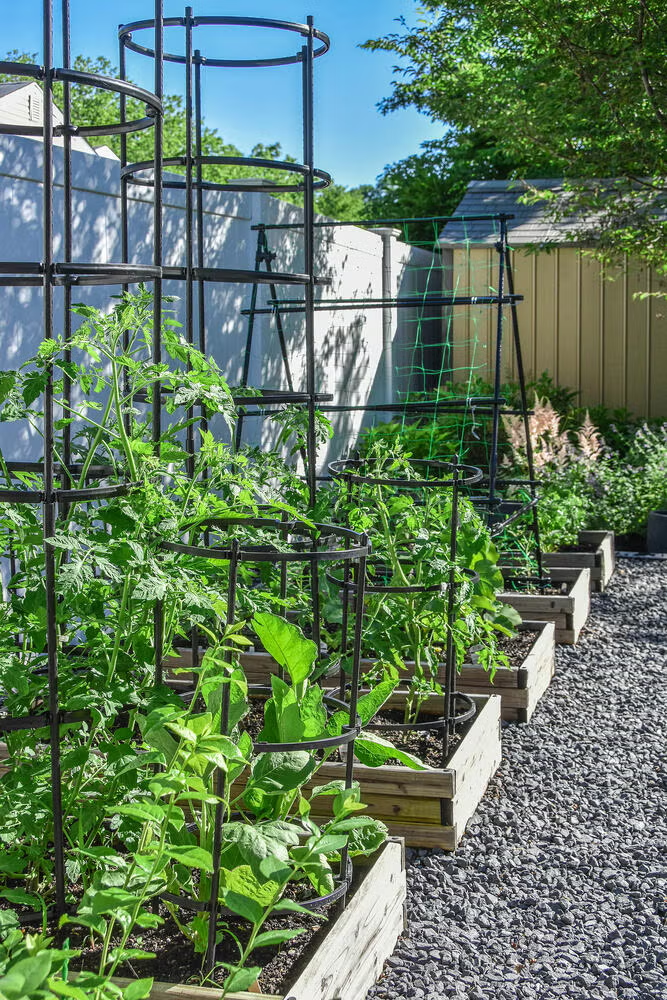
4. Raised Bed with Vertical Trellis Layout

This layout combines raised beds and vertical structures for maximum output in limited space. It’s especially useful for backyard vegetable gardens.

Key Features:

  • Rectangular raised beds with vertical trellises along one side.
  • Climbing plants (like cucumbers, squash, or beans) grow upward, saving ground space.
  • Companion plants occupy the lower bed area.

Benefits:

  • Dual-level growing: Ground-level crops and vertical vines maximize planting area.
  • Easy access and maintenance along one side of the bed.
  • Attractive, organized layout that enhances backyard aesthetics.

Tips for Maximum Space:

  • Orient trellises north-south to minimize shading of lower crops.
  • Use sturdy materials like bamboo or metal for vertical supports.
  • Include fast-growing leafy greens beneath slower-growing vines.

Visual Idea: Think of a layered garden with cucumbers climbing trellis towers and lettuce, carrots, or herbs thriving below.


5. Container and Portable Garden Layout

Container gardening is highly flexible and allows you to maximize space on patios, decks, or compact backyard areas. Portable containers can also be rearranged for optimal sunlight or aesthetics.

Key Features:

  • Use pots, planters, or grow bags of varying sizes.
  • Group containers by plant type or water requirements.
  • Stack containers on shelves or pallets to create vertical layers.

Benefits:

  • Ideal for small or irregularly shaped spaces.
  • Easier to control soil quality and drainage.
  • Can move plants indoors during harsh weather or pests outbreaks.

Tips for Maximum Space:

  • Combine tall and trailing plants in the same container for layered growth.
  • Choose self-watering containers to reduce maintenance.
  • Rotate containers to ensure all plants receive adequate sunlight.

Visual Idea: A backyard patio filled with colorful containers, vertical planters, and hanging baskets, creating a lush, productive mini-garden.


Additional Tips to Maximize Backyard Garden Space

  1. Succession Planting: Replace harvested crops quickly with new seeds to keep beds productive.
  2. Companion Planting: Mix plants that benefit each other to save space and boost yield.
  3. Intercropping: Plant fast-growing crops like radishes alongside slower-growing plants like tomatoes.
  4. Prune Regularly: Keep plants healthy and prevent overcrowding.
  5. Use Pathways Wisely: Narrow, functional paths free up more planting space without limiting access.

Tip: Planning your garden on paper first helps you visualize the most efficient layout for your backyard.


Conclusion

Maximizing space in your backyard garden is all about smart planning, vertical utilization, and efficient layouts. Whether you choose:

  • Raised beds,
  • Vertical walls,
  • Circular or keyhole gardens,
  • Layered trellis layouts, or
  • Portable container setups,

…each method allows you to grow more plants, improve aesthetics, and maintain a healthy garden even in limited space.

By combining these layouts with succession planting, companion planting, and careful maintenance, you can turn your backyard into a productive, beautiful, and highly functional garden.

How to Stop Squirrels From Stealing Your Tomatoes

How to Stop Squirrels From Stealing Your Tomatoes

Growing homegrown tomatoes is one of the most rewarding gardening experiences. From the first blossoms to the ripe, juicy fruits, watching your tomatoes thrive is incredibly satisfying. But all that joy can quickly turn into frustration when squirrels start stealing your hard-earned tomatoes. These clever and agile rodents can wreak havoc on a garden overnight, leaving behind missing fruits, torn stems, and damaged plants.

Fortunately, there are effective strategies to protect your tomatoes while keeping squirrels safe and unharmed. In this guide, we’ll explore why squirrels target tomatoes, signs of squirrel activity, and 10 proven ways to stop them from raiding your garden.


Why Squirrels Love Tomatoes

Squirrels are opportunistic feeders. While they naturally eat nuts, seeds, and fruits, tomatoes are especially appealing because they are:

  • Juicy and sweet: Ripe tomatoes are full of flavor and water content.
  • Easy to access: Low-hanging fruits and unprotected vines make snacking simple.
  • High in energy: Squirrels store calories to stay active and prepare for colder months.

Understanding their motivations helps you anticipate and prevent damage before it occurs.


Signs of Squirrel Activity in Your Garden

Before implementing control measures, it’s essential to confirm squirrels are the culprits. Common signs include:

  • Partially eaten fruits: Tomatoes may show clean bites or torn skin.
  • Scattered plant debris: Stems or leaves may be damaged as squirrels climb.
  • Tracks and droppings: Small footprints or oval-shaped droppings near tomato plants.
  • Climbing marks: Evidence of squirrels on fences, trellises, or nearby trees.

Once you’ve confirmed squirrel activity, it’s time to take action.


1. Physical Barriers: Fences and Netting

The most effective method to prevent squirrels from reaching tomatoes is physical barriers.

How to Protect Plants:

  • Netting: Drape bird netting over tomato plants to create a protective cage. Secure the edges to the ground to prevent squirrels from slipping underneath.
  • Wire cages: Build a frame around the plant using hardware cloth or chicken wire. Make sure the holes are small enough to keep squirrels out.
  • Raised beds: Elevating tomato plants can reduce access points for squirrels.

Tip: Ensure any netting or fencing allows sunlight, airflow, and easy access for watering and harvesting.


2. Plant Deterrents and Companion Plants

Some plants naturally repel squirrels due to their scent or taste. Planting these around tomatoes can create a natural barrier.

Effective Companion Plants:

  • Garlic and onions: Their strong scent deters squirrels.
  • Marigolds: Their pungent odor can confuse and repel rodents.
  • Hot peppers: Capsaicin in peppers can discourage squirrels from nibbling.

Tip: Sprinkle crushed hot pepper flakes around the base of tomato plants for added protection, but avoid direct contact with the fruit to prevent irritation when harvesting.


3. Homemade Repellents

Natural repellents can make your garden unappealing to squirrels without harming them.

Popular Homemade Options:

  • Hot pepper spray: Blend hot peppers with water and a few drops of soap. Spray lightly on tomato leaves (not fruit) to discourage feeding.
  • Garlic spray: Garlic’s strong odor repels squirrels. Mix crushed garlic with water and spray around plants.
  • Vinegar solution: Mix equal parts vinegar and water to create a scent barrier around plants.

Tip: Reapply repellents after rain, as they can wash away and lose effectiveness.


4. Motion-Activated Devices

Squirrels are cautious animals and are often deterred by sudden movements or noises.

Options Include:

  • Motion-activated sprinklers: A burst of water startles squirrels without causing harm.
  • Motion lights or alarms: Sudden lights or sounds can scare squirrels away, especially at night.

Tip: Rotate or reposition devices occasionally, as squirrels can become accustomed to consistent patterns.


5. Strategic Harvesting

Sometimes, prevention isn’t enough. Protect your harvest by picking tomatoes at the right time.

  • Harvest early: Pick tomatoes just before they fully ripen. Store indoors to prevent squirrels from accessing them.
  • Use baskets or nets: If leaving fruits on the plant, use small protective nets or mesh bags to cover individual tomatoes.

Tip: Choose indeterminate varieties that produce fruit over a longer period to reduce large, vulnerable crops at once.


6. Remove Attractants

Squirrels are more likely to invade gardens where food is abundant. Reduce temptation by:

  • Cleaning fallen fruits: Remove overripe or dropped tomatoes regularly.
  • Securing compost: Avoid leaving compost piles accessible to squirrels.
  • Storing birdseed properly: Spilled birdseed can attract squirrels, so use squirrel-proof feeders.

Tip: Keep the garden tidy—less debris and hiding spots make your garden less appealing to squirrels.


7. Encourage Natural Predators

Certain animals naturally discourage squirrels from lingering in your garden:

  • Birds of prey: Hawks and owls can help reduce squirrel populations.
  • Cats and dogs: Supervised outdoor pets can deter squirrels effectively.

Tip: Install bird perches or nest boxes near your garden to encourage natural predators while adding biodiversity.


8. Use Decoy Plants

Decoy plants can distract squirrels away from your valuable tomatoes:

  • Corn, sunflowers, or berry bushes: Plant these as sacrificial crops to divert attention from tomatoes.
  • Rotate decoys: Change locations to maintain effectiveness.

Tip: Decoy plants should be placed strategically around the garden perimeter, not directly with tomato plants.


9. Ultrasonic Repellents

Ultrasonic devices emit high-frequency sounds that squirrels find irritating but are usually inaudible to humans.

  • Place near tomato plants: Ensure coverage of the affected area.
  • Adjust placement regularly: Squirrels may become accustomed to a fixed sound.

Tip: Combine ultrasonic devices with other deterrents for best results.


10. Trapping (Where Legal and Humane)

In areas where legal, live trapping can remove persistent squirrels without harm.

  • Use live cage traps: Bait with fruits or nuts.
  • Check traps frequently: Minimize stress to the animal.
  • Relocate responsibly: Move squirrels far enough to prevent return, following local regulations.

Tip: Trapping is most effective when combined with other preventative methods.


Additional Tips for a Squirrel-Free Tomato Garden

  • Prune vines strategically: Remove lower leaves that squirrels can use for climbing.
  • Install vertical supports: Sturdy cages or trellises reduce climbing opportunities.
  • Rotate crops: Plant tomatoes in different areas each year to confuse wildlife.
  • Observe activity patterns: Squirrels are most active in early morning and evening—take preventive measures during these times.

Conclusion

Squirrels may be clever and persistent, but protecting your tomatoes is possible with a combination of physical barriers, repellents, natural deterrents, and smart gardening practices.

  • Use netting, fencing, and cages to create physical protection.
  • Repel squirrels with natural sprays, companion plants, and decoy crops.
  • Encourage predators and maintain a clean garden environment to reduce attractiveness.
  • Harvest strategically to protect ripening fruits.

By understanding squirrel behavior and using multiple strategies together, you can enjoy a bountiful tomato harvest without losing your fruits to these persistent visitors.