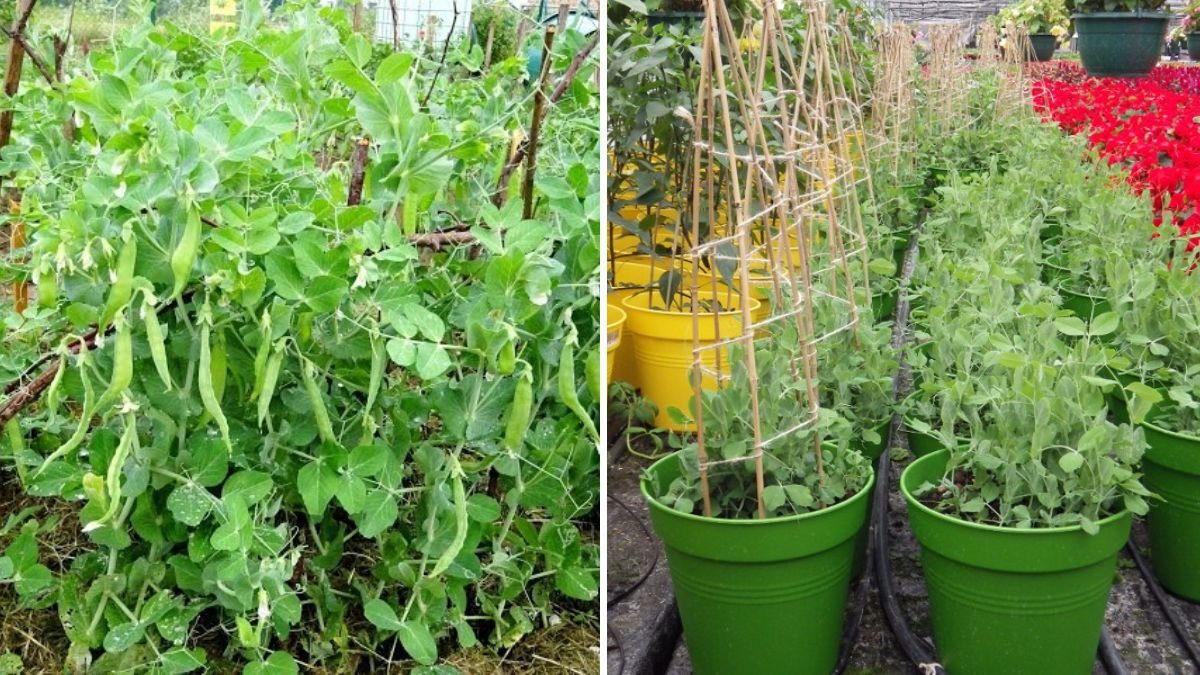
Growing your own vegetables at home has become increasingly popular, especially for urban dwellers with limited space. One vegetable that is both nutritious and easy to grow is the green pea. With the right techniques, even a simple, “useless” plastic bucket can be transformed into a thriving pea garden. Not only does this method save money and space, but it also allows you to enjoy fresh, home-grown peas in record time. In this article, we will explore how to fast-grow green peas at home using discarded plastic buckets and simple, practical steps.
Why Grow Green Peas at Home?

Green peas are a powerhouse of nutrition. They are packed with protein, fiber, vitamins, and minerals, making them a perfect addition to your daily diet. Growing them at home has several advantages:
- Freshness and Flavor: Home-grown peas are sweeter and more flavorful than store-bought ones.
- Cost-Effective: Buying peas from the market can be expensive, especially when purchased fresh. Growing them at home reduces these costs.
- Chemical-Free Produce: By growing peas yourself, you have full control over fertilizers and pesticides, ensuring safe and healthy vegetables.
- Fun and Educational: Gardening at home is an engaging activity that can be both fun and educational for children and adults alike.
Why Use Plastic Buckets?
Plastic buckets are often considered waste after their initial use. Instead of throwing them away, you can recycle them to grow vegetables like green peas.
Benefits of Using Plastic Buckets:
- Affordable and Accessible: Most households have spare plastic buckets, making them a low-cost gardening solution.
- Space-Saving: Buckets can be placed on balconies, terraces, or small yards, making them ideal for urban gardening.
- Portable: Unlike in-ground gardens, bucket gardens can be moved to catch sunlight or protect plants from extreme weather.
- Reusable: Buckets can be reused for multiple growing seasons with proper cleaning and maintenance.
Step-by-Step Guide to Fast-Grow Green Peas in Plastic Buckets
1. Selecting the Right Bucket
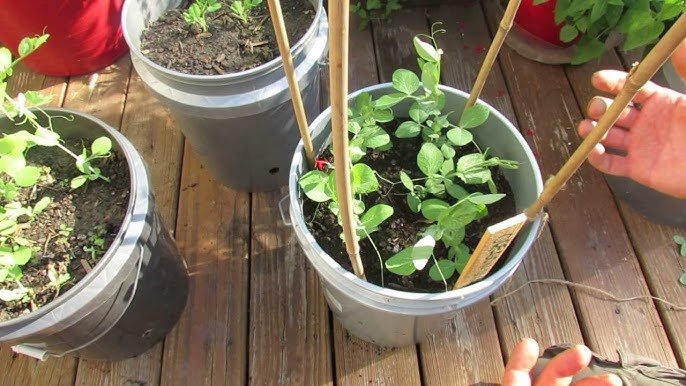
Choose a bucket that is at least 12 inches deep and has a wide base. This allows the roots to grow properly and provides enough space for soil and nutrients. Any discarded plastic bucket from household use, like detergent or paint containers, can be repurposed after cleaning thoroughly.
Tip: Drill 4-6 holes at the bottom for drainage. Proper drainage prevents waterlogging, which can damage the roots and stunt growth.
2. Preparing the Soil

Green peas thrive in nutrient-rich, well-draining soil. You can prepare a simple potting mix using:
- 2 parts garden soil
- 1 part compost or organic manure
- 1 part sand (to improve drainage)
Mix these ingredients thoroughly. The compost provides essential nutrients, while the sand ensures the soil doesn’t retain excess water. Avoid using heavy clay soil, as it can restrict root growth.
3. Sowing the Seeds
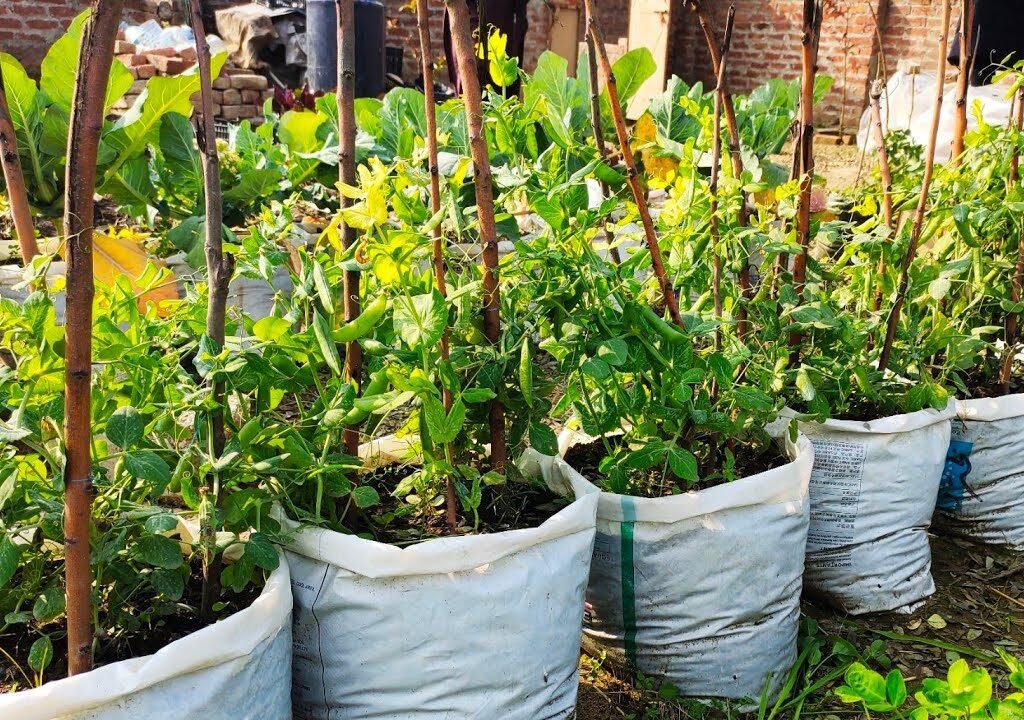
Green pea seeds are easy to germinate. Here’s how to sow them in your bucket:
- Fill the bucket with the prepared soil mix, leaving 2 inches from the top.
- Make small holes about 1 inch deep and 2-3 inches apart.
- Place one seed in each hole and cover gently with soil.
- Water the seeds lightly.
Pro Tip: Soak pea seeds overnight before planting. This softens the seed coat and speeds up germination, ensuring faster growth.
4. Positioning Your Bucket Garden
Green peas require at least 4-6 hours of sunlight daily for optimal growth. Place your bucket garden in a sunny spot, like a balcony, terrace, or near a window that receives plenty of light.
If sunlight is limited, consider using reflective surfaces or indoor grow lights to supplement light for faster growth.
5. Watering and Fertilizing
Consistent watering is crucial for fast-growing green peas. Keep the soil moist but not soggy. Overwatering can lead to root rot, while under-watering slows growth.
Tips for Watering:
- Water early in the morning or late in the evening to reduce evaporation.
- Use a small watering can to avoid disturbing the seeds or seedlings.
Fertilizing helps your pea plants grow faster. Use organic fertilizers or compost tea once every 2-3 weeks. Avoid chemical fertilizers, as peas are sensitive and may get damaged.
6. Supporting the Plants
Green peas are climbing plants. Even in a bucket, they will need support to grow vertically. This helps the plant produce more pods and keeps them off the soil, reducing disease risk.
Support Ideas:
- Bamboo sticks arranged in a teepee shape
- Trellis nets
- Strings or wires attached to a wall or railing
Training the pea plants to climb these supports will encourage healthy, fast growth and increase yield.
7. Pest and Disease Management
Pea plants can attract pests like aphids or diseases such as powdery mildew. Early monitoring is key to preventing infestations.
Organic Pest Control Tips:
- Spray neem oil solution once every 10-15 days to control pests.
- Use a mixture of garlic and water as a natural pesticide.
- Remove damaged leaves or diseased parts immediately to prevent spread.
Maintaining proper airflow by arranging supports and not overcrowding plants also helps reduce disease risk.
8. Harvesting Your Green Peas
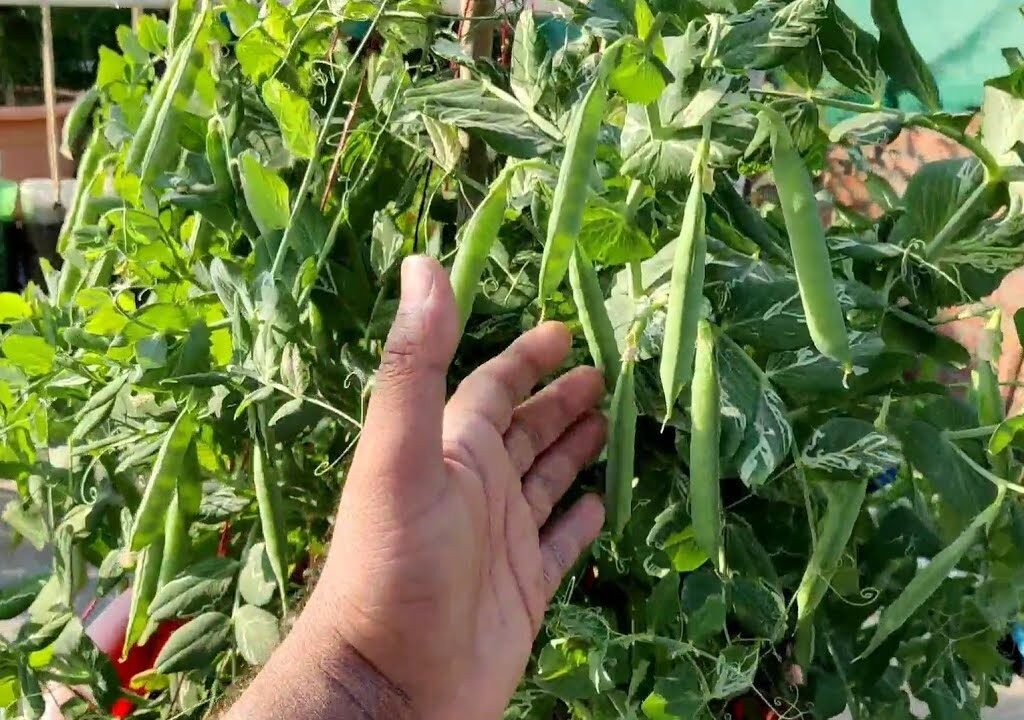
Green peas grow fast, and you can start harvesting within 50-60 days after sowing, depending on the variety. Harvest regularly to encourage the plant to produce more pods.
Tips for Harvesting:
- Pick pods when they are plump but still tender.
- Avoid letting pods over-ripen on the plant, as it slows further production.
- Use clean hands or scissors to avoid damaging the plant while harvesting.
Freshly harvested peas can be eaten raw, added to salads, or cooked in your favorite dishes.
Advantages of Using Plastic Buckets for Fast-Growing Peas
- Rapid Growth: With proper soil, sunlight, and watering, peas in buckets grow faster than in-ground gardens.
- Urban-Friendly: Ideal for apartments or homes with limited outdoor space.
- Sustainability: Recycling plastic buckets reduces waste and contributes to eco-friendly gardening.
- Easy Management: Monitoring growth, watering, and harvesting is easier in buckets.
Creative Ideas for Bucket Pea Gardening
- Stacked Buckets: For more vertical space, you can stack multiple buckets with drainage holes. Make sure water can reach lower levels efficiently.
- Decorative Buckets: Paint old buckets or decorate them to add aesthetic value to your balcony or terrace garden.
- Companion Planting: Plant herbs like mint or coriander around peas to repel pests naturally.
Final Thoughts
Growing green peas at home using “useless” plastic buckets is a simple, cost-effective, and eco-friendly gardening method. It allows anyone, even beginners, to cultivate fresh, nutritious vegetables in a short period. With proper preparation, consistent care, and smart use of space, you can enjoy a bountiful harvest of green peas all year round.
This technique not only transforms discarded items into productive gardens but also empowers you to take control of your food, save money, and contribute to sustainable living. Start today, and you’ll be amazed at how fast and efficiently your green pea plants grow in those humble plastic buckets!

Leave A Comment