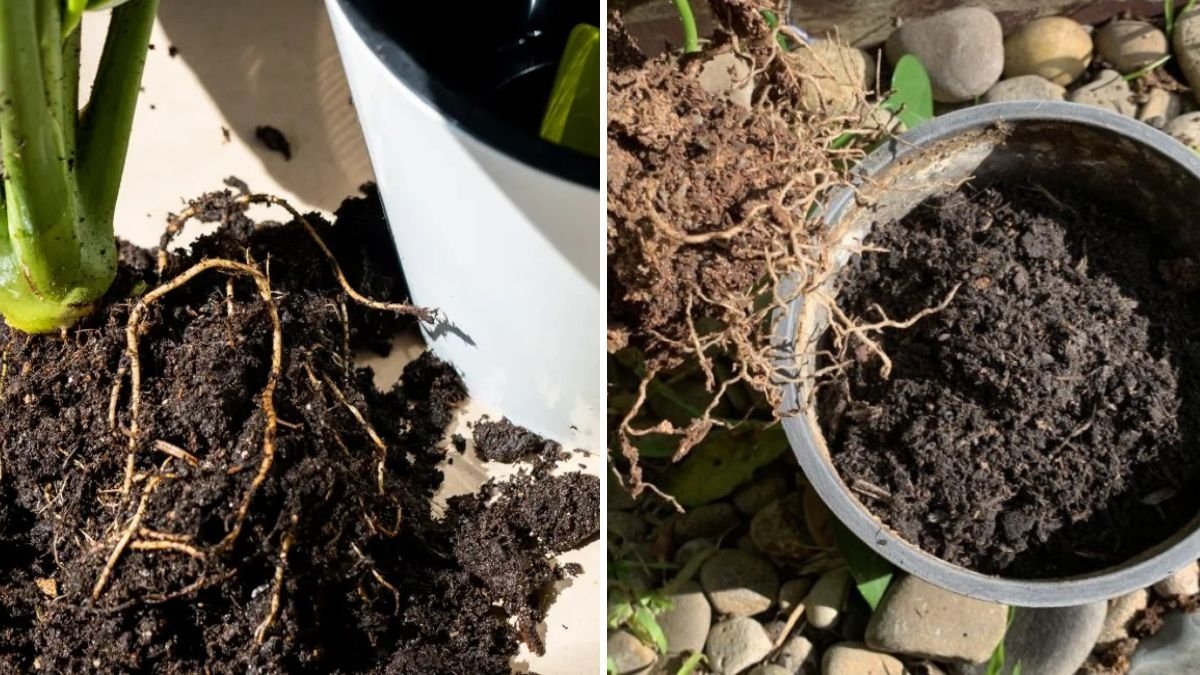
Potting soil is the lifeline of potted plants. It provides the structure, nutrients, and moisture balance that roots need to grow. Unlike outdoor garden soil, which continuously benefits from natural cycles of decomposition and renewal, potting soil in containers has limits. Over time, it loses nutrients, becomes compacted, and can harbor pests or diseases.
This raises an important question for every plant parent: How often should you change potting soil? The answer depends on the type of plant, the size of the container, and how well you maintain your soil. Let’s explore what the experts say, the signs your potting soil needs replacing, and practical tips to keep your indoor jungle thriving.
Why Potting Soil Needs Changing
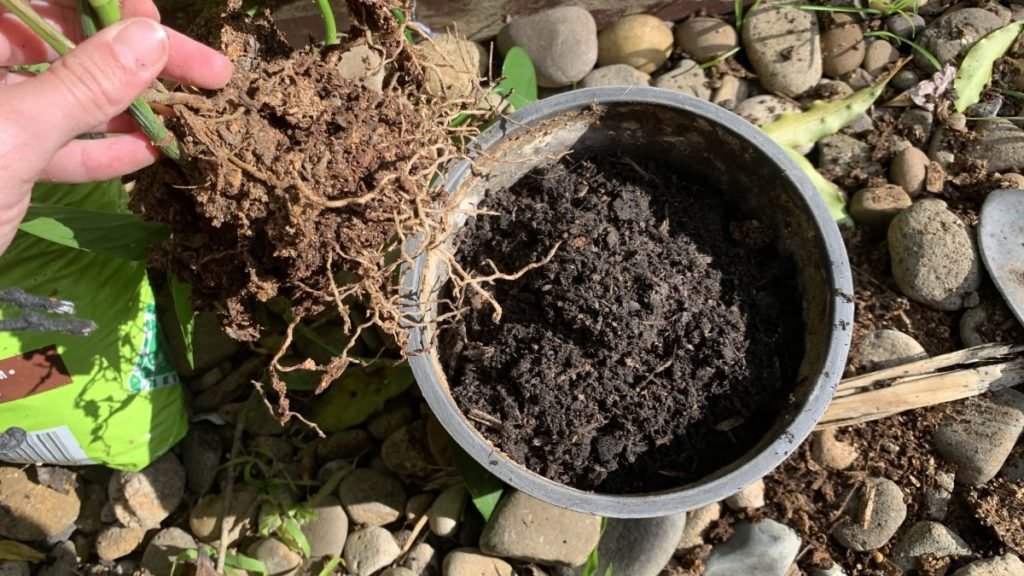
At first, fresh potting soil feels light, airy, and rich with nutrients. But as plants grow, their roots deplete the available nutrition and change the soil’s structure. Here are the main reasons soil replacement is necessary:
- Nutrient Depletion
Potting soil doesn’t regenerate nutrients naturally like outdoor soil. Plants absorb available minerals quickly, and fertilizers can only replenish so much before the structure and balance break down. - Soil Compaction
Over time, the light and fluffy texture of potting soil collapses. Compacted soil reduces air pockets, suffocating roots and restricting water movement. - Salt and Mineral Buildup
Fertilizers and tap water often leave behind salts and minerals. These accumulate in the soil, making it harder for roots to take in water and nutrients. - Pest and Disease Accumulation
Old soil can harbor fungus gnats, root rot pathogens, and other harmful microorganisms. Fresh soil minimizes these risks. - Decline in Drainage
As organic matter breaks down, soil loses its ability to drain efficiently, leaving roots vulnerable to rot.
Expert Recommendations: How Often to Change Potting Soil
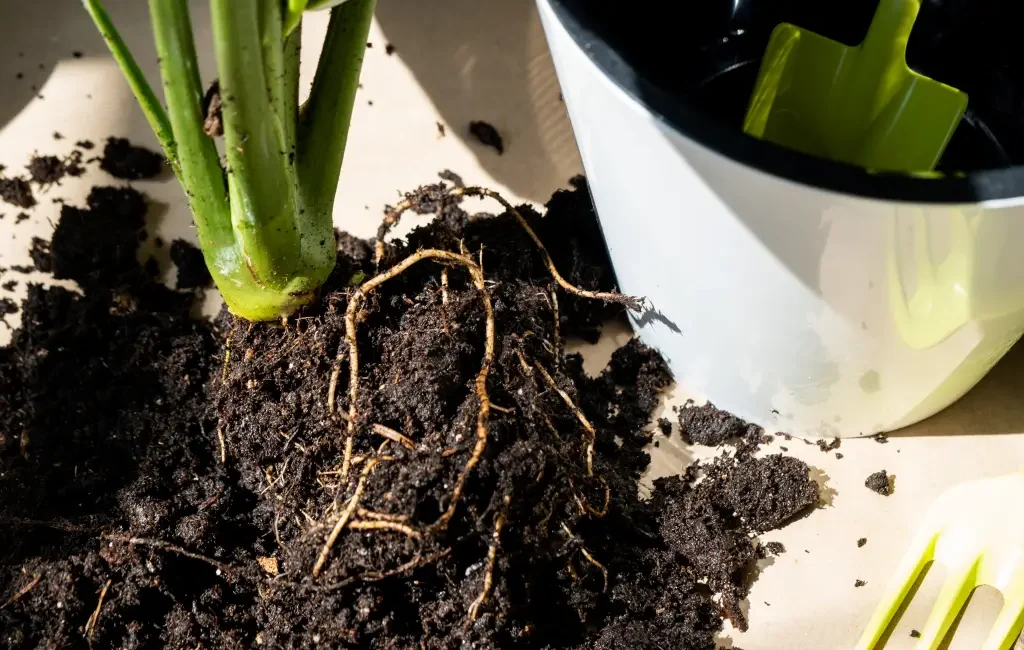
While there isn’t a one-size-fits-all answer, most experts agree on these general timelines:
- Every 12–18 months for most houseplants
Many common indoor plants (like pothos, philodendrons, or peace lilies) benefit from fresh soil about once a year. - Every 6–12 months for heavy feeders
Plants like tomatoes, peppers, or flowering annuals need more frequent soil replacement since they deplete nutrients faster. - Every 2–3 years for slow-growing plants
Succulents, cacti, or snake plants can thrive in the same soil longer, as they don’t consume nutrients quickly and prefer drier conditions. - After signs of disease or pests
If your plant suffers from root rot, fungal growth, or persistent pests like fungus gnats, it’s best to replace the soil immediately, regardless of the timeline.
Signs It’s Time to Change Your Potting Soil
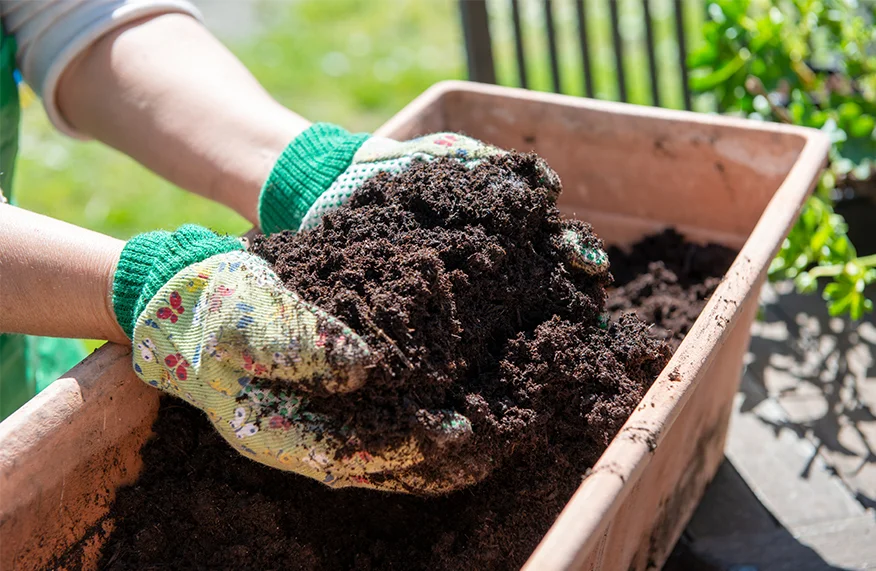
Even if you’re not sure how long it’s been since you repotted, your plants will often give you clues:
- Slow or stunted growth despite proper care
- Yellowing leaves that don’t improve with fertilizer
- Water pooling on the surface instead of soaking in
- Soil pulling away from the pot’s edges
- White crust (salt buildup) on the surface of soil or pot
- Foul smell indicating root rot
- Visible pests like fungus gnats or moldy patches
If you notice two or more of these signs, it’s time for a soil refresh.
Full Replacement vs. Refreshing Soil
You don’t always have to throw out all the old soil. Depending on the condition, there are two main approaches:
1. Full Replacement
- Best for: Plants with root rot, severe pest infestations, or soil that’s completely compacted.
- How to do it: Remove the plant carefully, shake off old soil, prune damaged roots, and repot with 100% fresh soil.
2. Partial Refresh
- Best for: Healthy plants that just need a nutrient and texture boost.
- How to do it: Remove the top 2–3 inches of soil and replace with fresh potting mix. This restores nutrients and improves aeration without disturbing roots.
How to Change Potting Soil Without Stressing Plants
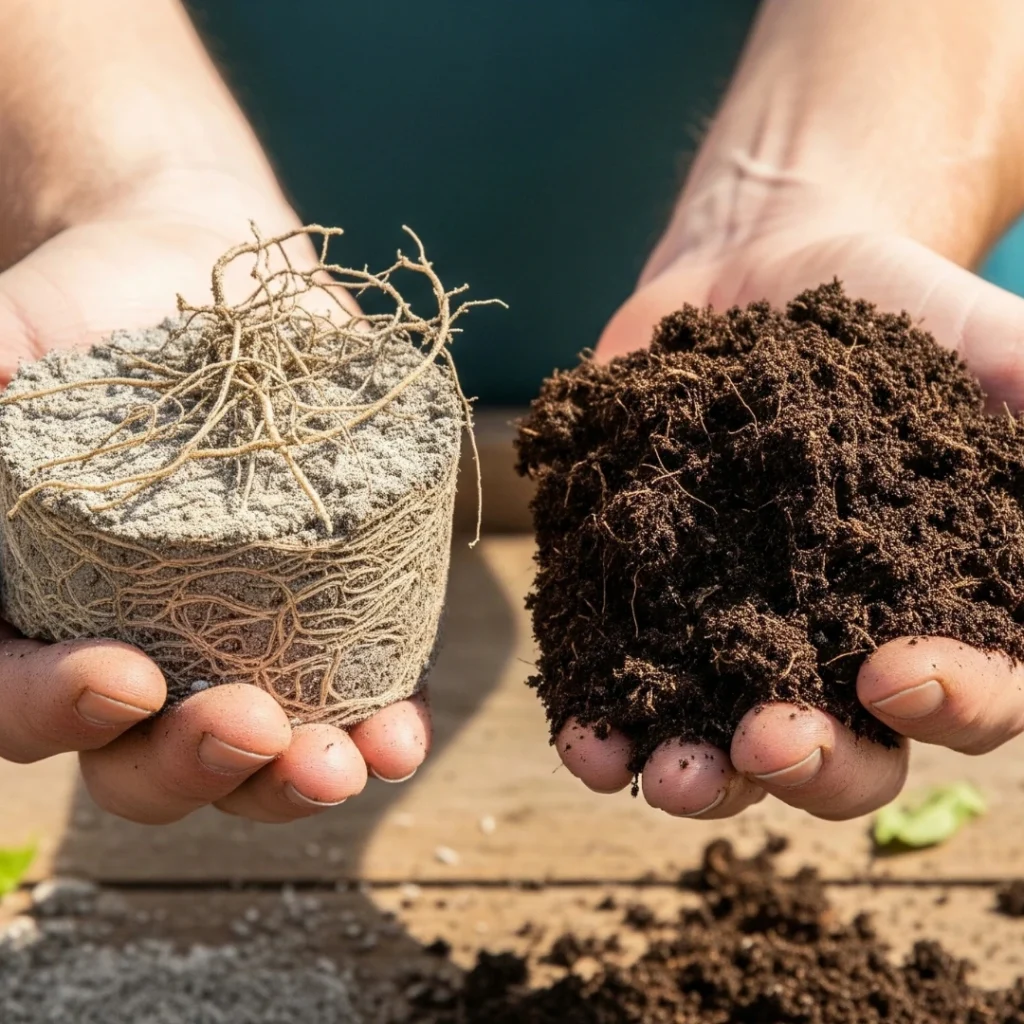
Repotting can shock plants if done incorrectly. Follow these steps for a smooth transition:
- Choose the right time – Repot during active growth (spring or early summer) when plants recover faster. Avoid repotting during dormancy.
- Gently remove the plant – Loosen the soil around the edges and lift carefully to avoid breaking roots.
- Inspect the roots – Trim off dead, mushy, or circling roots to encourage healthy regrowth.
- Select fresh, high-quality soil – Match the soil type to your plant (cactus mix for succulents, rich loam for tropical plants).
- Pick the right pot size – Choose a pot 1–2 inches larger than the root ball. Oversized pots hold too much water and can cause root rot.
- Water lightly – After repotting, water enough to settle the soil but avoid overwatering.
How to Extend the Life of Potting Soil
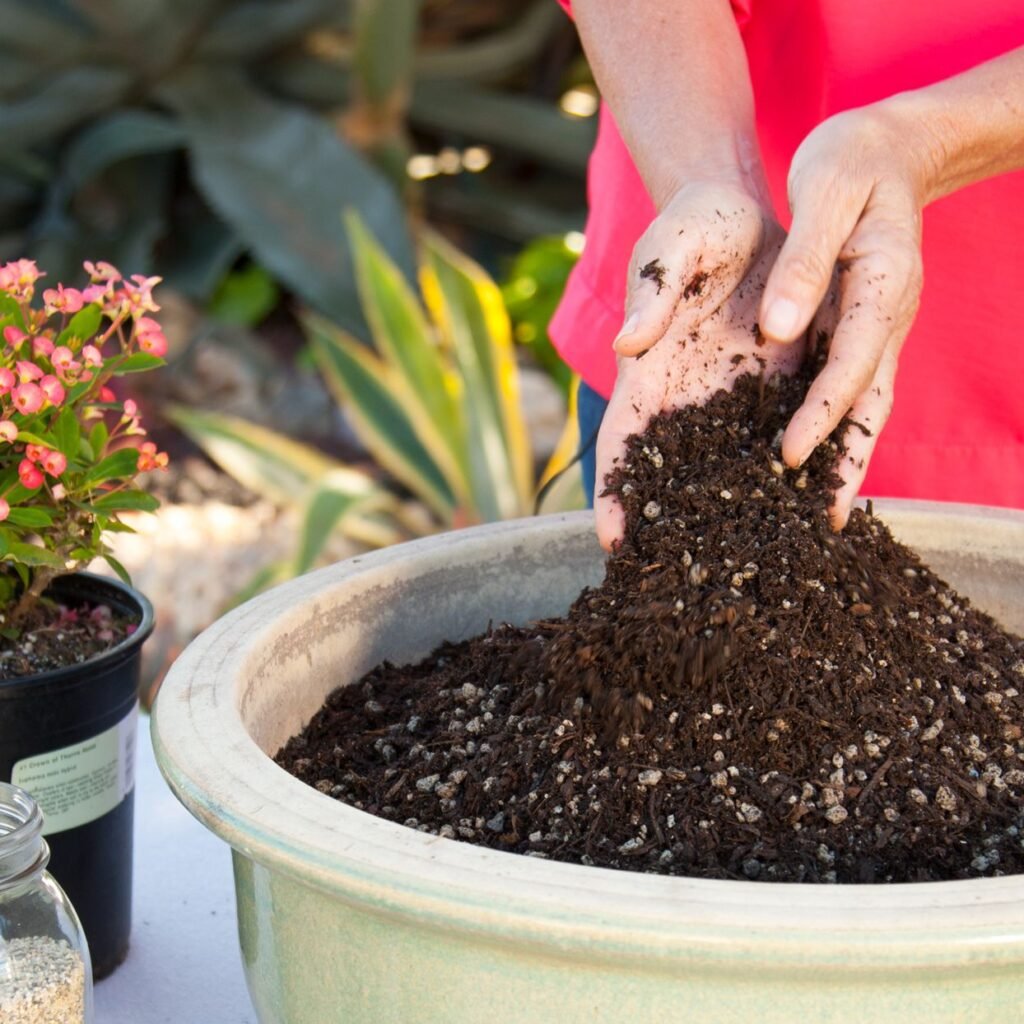
Want to avoid changing soil too often? With proper maintenance, you can keep potting soil healthier for longer:
- Fertilize regularly – Use balanced liquid fertilizer every 4–6 weeks during the growing season.
- Leach salts – Once every few months, water thoroughly until excess flows out the drainage holes, flushing salts away.
- Aerate the soil – Use a chopstick or small stick to gently poke holes in compacted areas to restore airflow.
- Add organic matter – Mix in worm castings or compost every few months to replenish nutrients.
- Rotate plants – If possible, rotate annuals and perennials to avoid depleting the same soil year after year.
What to Do With Old Potting Soil
You don’t always have to throw old potting soil in the trash. Here are eco-friendly ways to reuse it:
- Compost it – Mix with kitchen scraps and yard waste to create rich compost for future gardening.
- Solarize it – Spread old soil in the sun for several weeks to kill pests before reusing.
- Mix with fresh soil – Blend old soil with 50% fresh potting mix for non-sensitive plants.
- Use in outdoor landscaping – Old potting soil can be added to flower beds, raised beds, or around shrubs.
Expert Insights
Plant experts agree that the key is balance:
- Too frequent repotting can stress plants unnecessarily.
- Too infrequent soil changes lead to poor growth, root health issues, and weak plants.
Dr. Leonard Perry, Horticulture Professor Emeritus at the University of Vermont, explains:

“Potting soil is not forever. It’s meant to provide a temporary environment. For best results, refresh or replace it every year or two, depending on your plant’s needs.”
Final Thoughts
Changing potting soil is one of the most overlooked aspects of houseplant care—but it can make the difference between struggling plants and a thriving indoor oasis.
As a rule of thumb:
- Refresh the top layer annually.
- Replace soil completely every 1–2 years for most plants.
- Repot sooner if you notice pests, compaction, or nutrient deficiencies.
Treat potting soil like food for your plants: fresh, balanced, and renewed regularly. By giving your plants the right foundation, you’ll enjoy stronger roots, lush foliage, and longer-lasting beauty.


Leave A Comment