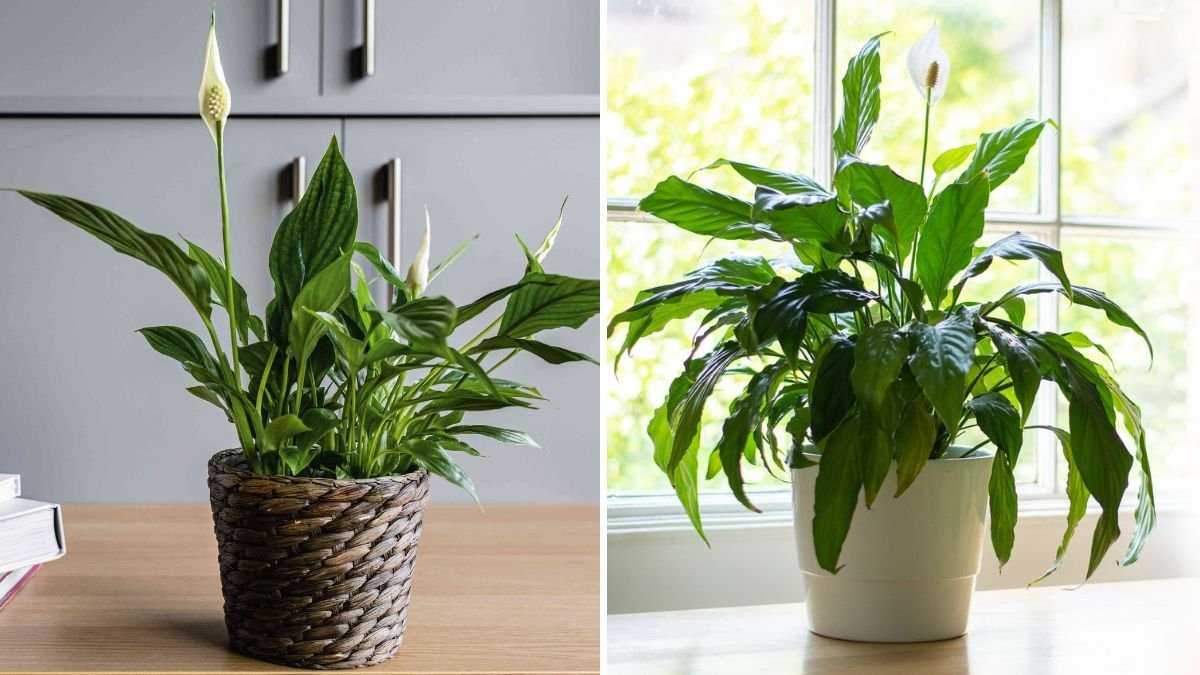
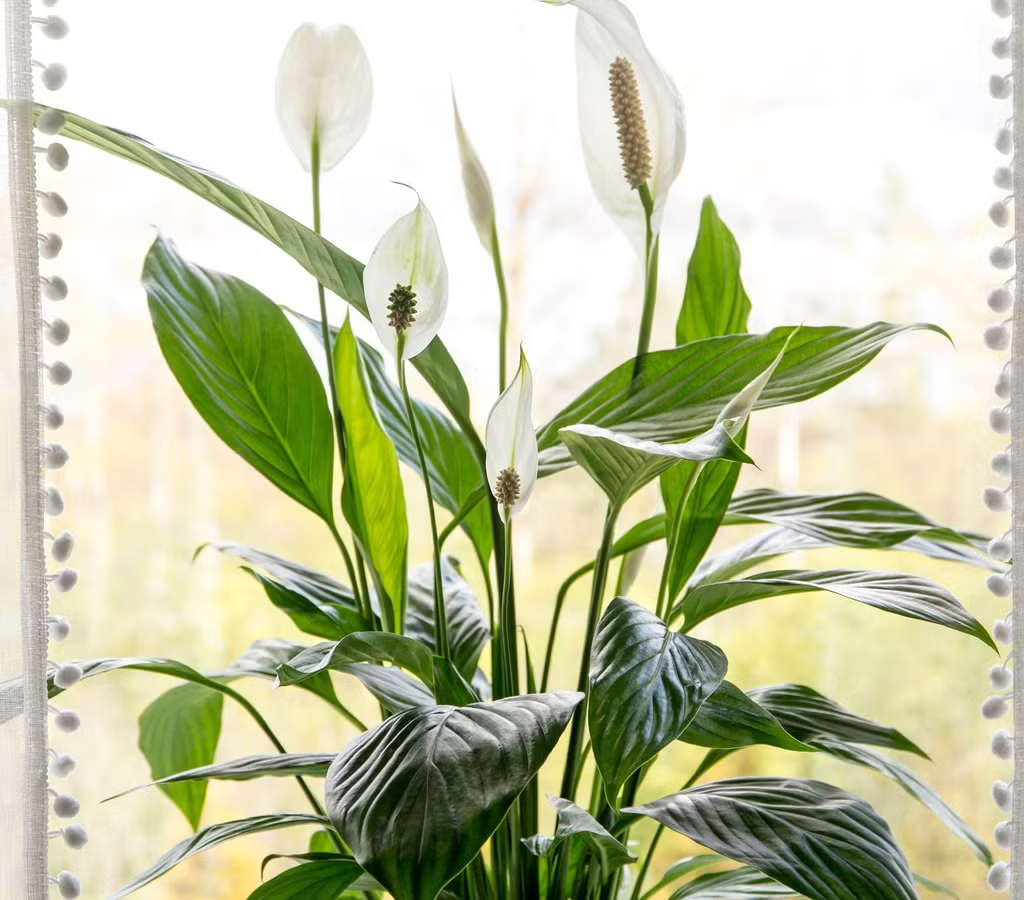
The peace lily (Spathiphyllum), with its glossy green leaves and elegant white blooms, is one of the most popular indoor plants around the world. Not only is it admired for its beauty, but it is also prized for its ability to purify indoor air. Despite its reputation as an easy-care houseplant, many people struggle to keep their peace lily blooming consistently. With the right care, however, this plant can thrive and reward you with long-lasting blooms several times a year.
This article provides a complete guide on how to care for peace lilies to ensure healthy growth and long-lasting flowers.
Understanding the Peace Lily
Before diving into care tips, it’s important to understand the nature of peace lilies.
- Native Habitat: Peace lilies are tropical plants native to Central and South America, where they grow in warm, humid understories of rainforests.
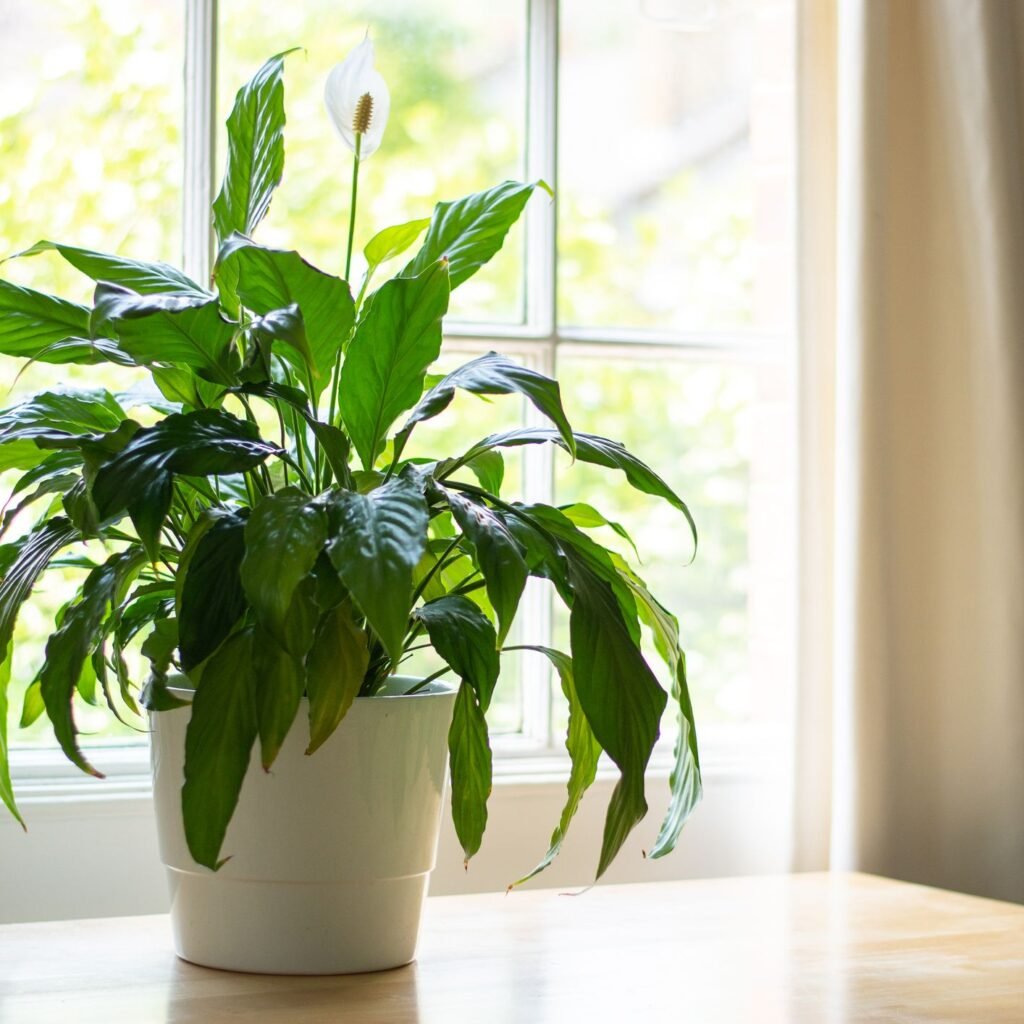
- Flowers vs. Spathes: The white “flowers” are not true flowers but modified leaves called spathes, which surround a spike-like structure called a spadix that holds the actual tiny flowers.
- Growth Habit: They are perennial, evergreen plants that can live for many years when properly cared for.
Knowing this background helps explain why peace lilies need consistent moisture, indirect light, and humidity to flourish.
1. Light Requirements

Peace lilies are famous for their ability to survive in low light, but blooming requires more than just survival conditions.
- Ideal Light: Bright, indirect light is best. Place your peace lily near an east- or north-facing window, or several feet away from a south- or west-facing one where sunlight is filtered through curtains.
- Avoid Direct Sun: Too much direct sunlight scorches the leaves, turning them yellow or brown at the tips.
- Low Light Tolerance: While they can survive in low light, the plant will produce fewer or no blooms.
Pro Tip: If your peace lily hasn’t flowered for a while, try moving it to a brighter spot without exposing it to harsh sun.

2. Watering Correctly
Watering is perhaps the most critical aspect of peace lily care.
- Consistency: Peace lilies prefer evenly moist soil but not soggy conditions.
- When to Water: Check the top 1 inch of soil; if it feels dry, it’s time to water. These plants will sometimes “communicate” by wilting dramatically, then springing back to life after watering. However, frequent wilting weakens the plant over time.
- Water Quality: They are sensitive to chemicals like chlorine and fluoride in tap water. Use distilled water, rainwater, or let tap water sit overnight before using.
- Drainage: Ensure the pot has good drainage holes. Never let the plant sit in standing water.
Pro Tip: Yellow leaves can indicate overwatering, while drooping leaves usually suggest underwatering.
3. Soil and Potting Mix
A healthy root system is the foundation of blooming peace lilies.
- Soil Type: Use a well-draining potting mix rich in organic matter. A blend of regular houseplant soil with perlite, peat moss, or coconut coir works well.
- Repotting: Peace lilies grow quickly and can become root-bound, which restricts growth and blooming. Repot every 1–2 years into a pot 1–2 inches larger.
- Pot Choice: A breathable container like terracotta can help prevent soggy soil.
Pro Tip: If roots are circling tightly inside the pot or pushing above the soil surface, it’s time to repot.
4. Temperature and Humidity
Peace lilies thrive in conditions that mimic their tropical origins.
- Temperature: Keep them in a range of 65–80°F (18–27°C). Avoid cold drafts, sudden temperature drops, or placement near heating vents.
- Humidity: They prefer 50% or higher humidity. In dry climates or during winter, consider misting the leaves, placing the plant on a humidity tray, or using a humidifier.
Pro Tip: Brown leaf tips often indicate low humidity or fluoride sensitivity from water.

5. Fertilizing for Blooms
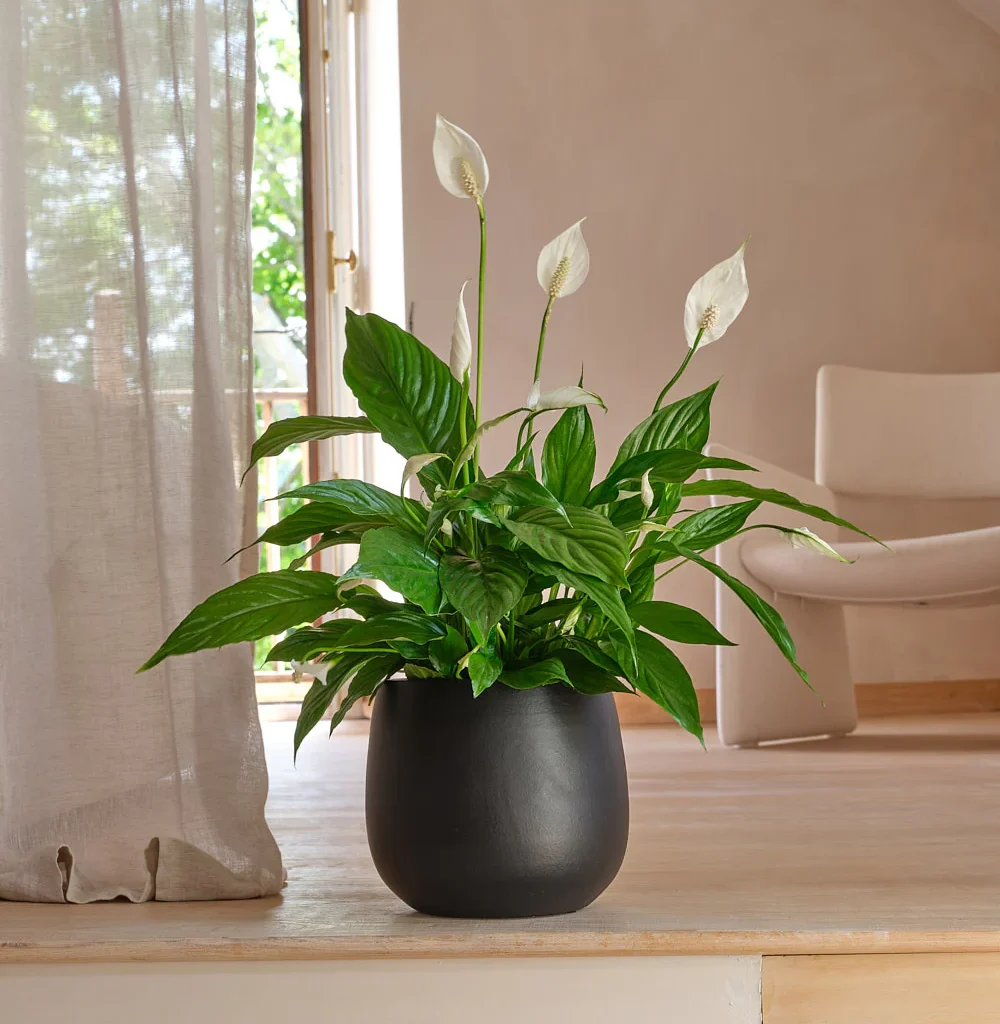
Nutrients play a big role in producing vibrant flowers.
- Type of Fertilizer: Use a balanced, water-soluble houseplant fertilizer (e.g., 20-20-20) diluted to half strength.
- Frequency: Feed every 4–6 weeks during the growing season (spring and summer). Reduce feeding in fall and winter when growth slows.
- Caution: Overfertilizing causes leaf burn and prevents blooming.
Pro Tip: To encourage flowering, some growers switch to a bloom-boosting fertilizer with higher phosphorus content during spring.
6. Pruning and Grooming
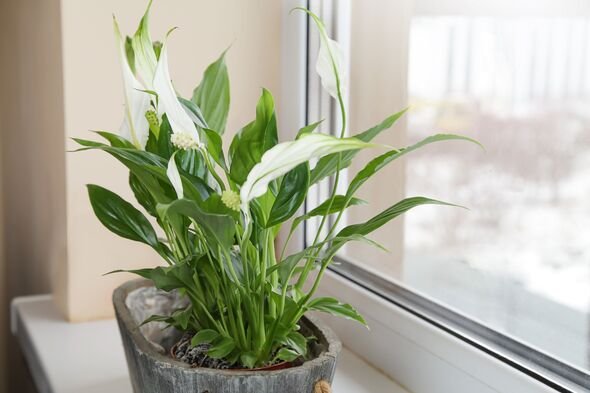
Regular maintenance helps your peace lily stay healthy and presentable.
- Deadheading Blooms: Cut spent flowers at the base of the stalk. This prevents energy waste and encourages new blooms.
- Removing Yellow Leaves: Trim yellow or brown leaves with sterilized scissors.
- Cleaning Leaves: Wipe leaves with a damp cloth to remove dust, which can block photosynthesis and attract pests.
Pro Tip: Occasional showers with lukewarm water help wash away dust and keep foliage glossy.
7. Encouraging Long-Lasting Blooms
Getting your peace lily to bloom isn’t just about good care—it’s about timing and stimulation.
- Seasonal Blooming: Peace lilies naturally bloom in spring and sometimes again in fall.
- Maturity: Young plants may not bloom until they are 1–2 years old.
- Light & Fertilizer: Adequate light and phosphorus-rich feeding are key triggers for blooming.
- Rest Periods: Allowing the plant to rest (less water and no fertilizer in winter) can help it gather energy for spring blooms.
Pro Tip: If your peace lily is healthy but not blooming, try moving it to a brighter spot and giving it a gentle fertilizer boost in early spring.

8. Common Problems and Solutions
Even with the best care, peace lilies may encounter issues. Here’s how to troubleshoot:
- Yellow Leaves: Overwatering, nutrient deficiency, or natural aging of leaves.
- Brown Tips: Low humidity, fluoride in water, or too much fertilizer.
- No Blooms: Insufficient light or lack of nutrients.
- Drooping Leaves: Usually underwatering, but persistent drooping could indicate root rot.
- Pests: Occasionally, spider mites, aphids, or mealybugs may appear. Wipe with insecticidal soap or neem oil.
9. Propagation for More Plants
Peace lilies are easy to propagate by division.
- Best Time: During repotting in spring or early summer.
- Method: Gently separate clumps with at least 2–3 leaves and some roots attached.
- Potting: Plant divisions in small pots with fresh soil and water well.
This method gives you new peace lilies to enjoy or gift to friends.
10. Peace Lily Benefits Beyond Blooms
While blooms are the highlight, peace lilies offer more than beauty.
- Air Purification: NASA research lists peace lilies among top indoor plants for removing toxins like formaldehyde and benzene.
- Stress Relief: Their lush greenery and graceful flowers add calmness to indoor spaces.
- Symbolism: Peace lilies symbolize peace, healing, and purity, making them popular as gifts.
Conclusion
Caring for a peace lily is about striking the right balance: bright, indirect light, consistent moisture, good humidity, and proper feeding. With attention to these needs, your plant will reward you with glossy foliage and elegant white blooms that last for weeks at a time.
Whether you are a beginner plant parent or an experienced gardener, the peace lily is a plant that not only beautifies your home but also connects you with the tranquility of nature. By following these detailed care tips, you can enjoy long-lasting blooms year after year, transforming your indoor space into a peaceful sanctuary.

Final Takeaway: For long-lasting blooms, focus on three essentials—light, water, and nutrition. Respect the peace lily’s tropical heritage, and it will thrive beautifully in your home.

Leave A Comment