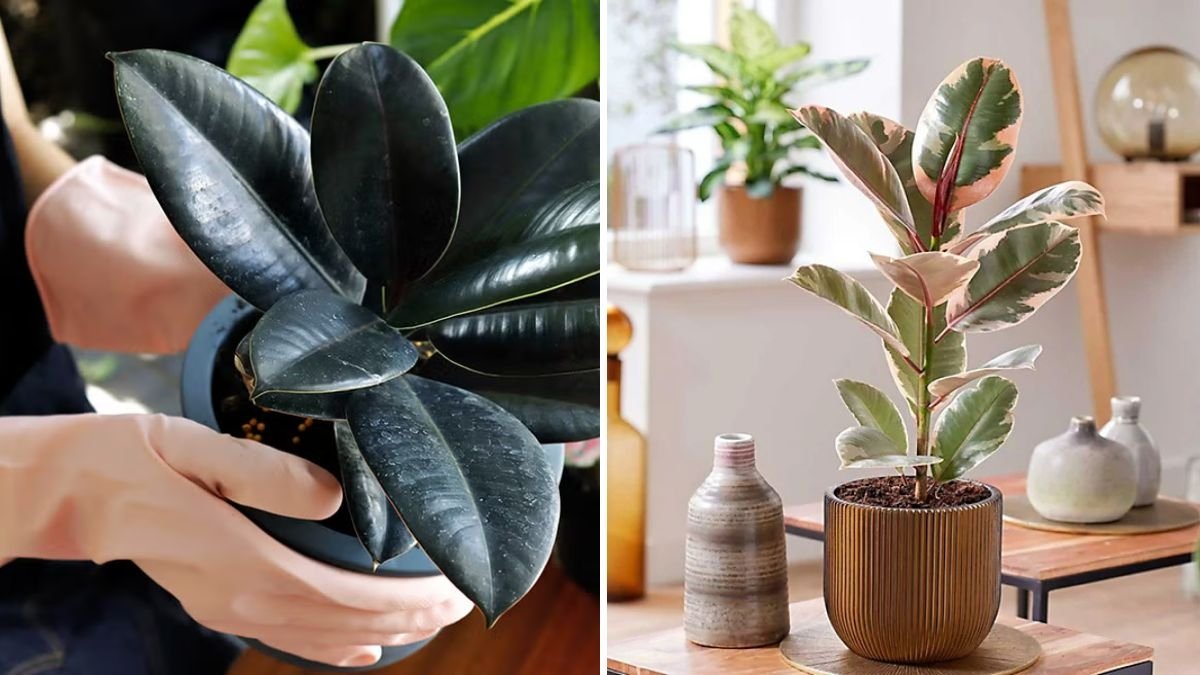
The rubber plant (Ficus elastica) has long been admired as one of the most reliable and attractive indoor plants. With its thick, glossy leaves and upright growth habit, it adds a touch of elegance to any interior space. Beyond its good looks, the rubber plant is also known for being hardy, adaptable, and relatively easy to care for, making it a favorite among both beginners and seasoned plant lovers.
If you’re looking to enjoy the beauty of this sturdy houseplant for years to come, proper care is essential. In this comprehensive guide, we’ll cover everything you need to know about rubber plant care—from light and watering requirements to pruning, repotting, and troubleshooting common issues.
1. Getting to Know the Rubber Plant
Before diving into care, it helps to understand the plant’s natural background.
- Origin: Native to South and Southeast Asia, where it grows into massive trees in tropical forests.
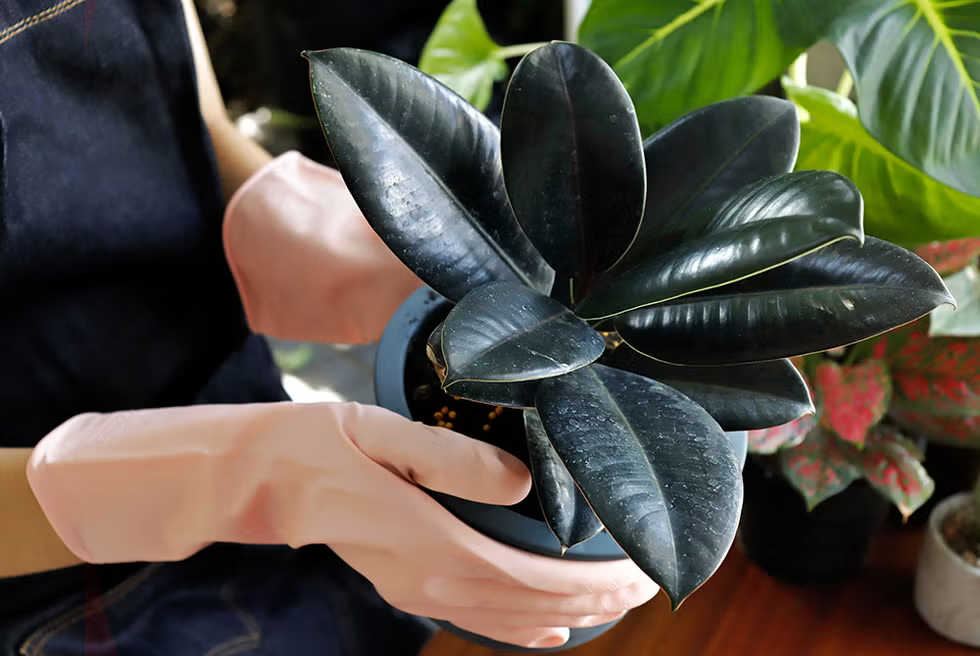
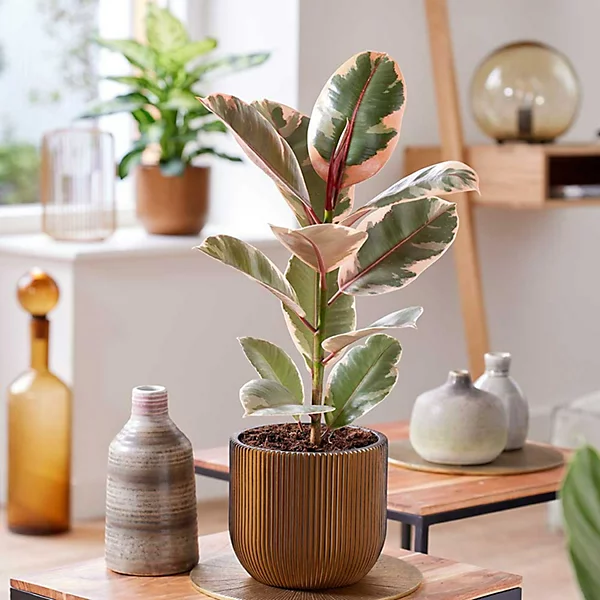
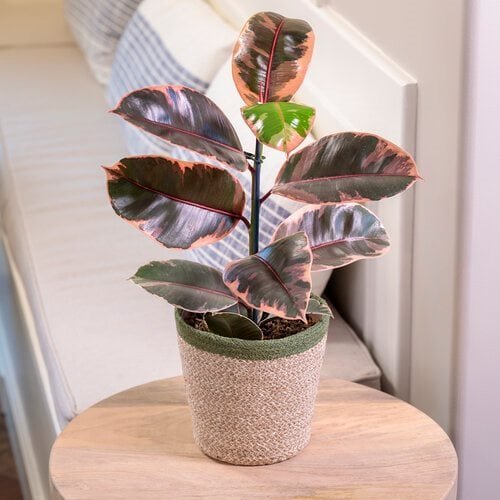
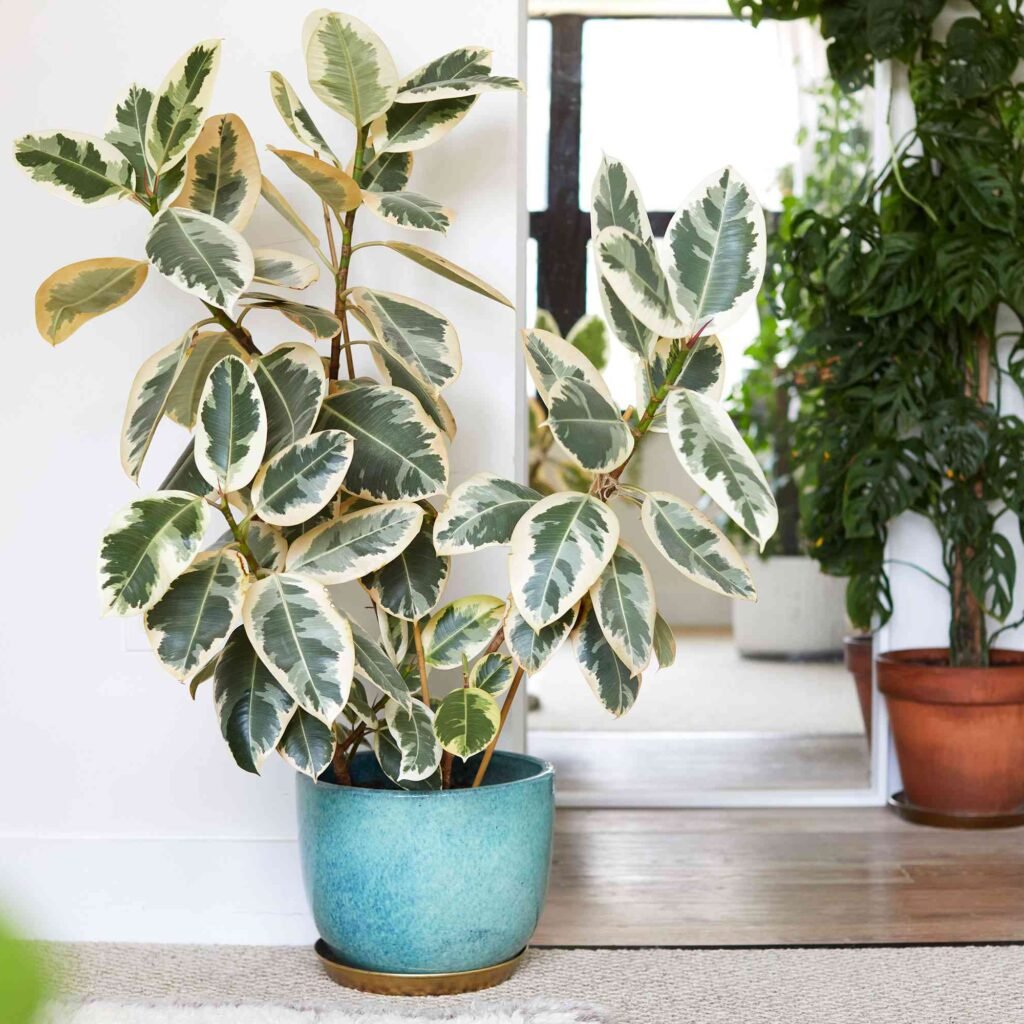
- Appearance: Large, oval-shaped leaves with a leathery texture. Depending on the variety, leaves may be dark green, burgundy, or even variegated with cream and pink.
- Growth Habit: Indoors, rubber plants can grow 6–10 feet tall, though regular pruning can keep them compact and bushy.
Rubber plants are members of the fig family (Moraceae), related to the fiddle leaf fig (Ficus lyrata), but they are generally more forgiving and resilient.
2. Light Requirements
Light is one of the most important factors in keeping a rubber plant healthy and vibrant.
- Ideal Light: Bright, indirect light is best. A spot near an east- or south-facing window with filtered sunlight works perfectly.
- Variegated Types: Varieties like ‘Tineke’ or ‘Ruby’ need brighter light to maintain their colorful variegation.
- Low Light Tolerance: Rubber plants can tolerate lower light, but growth will be slower, and leaves may lose their glossy sheen.
- Avoid Direct Sun: Harsh afternoon sun can scorch leaves, leaving brown patches.
Pro Tip: If your rubber plant is leaning toward the light, rotate it every couple of weeks for even growth.

3. Watering Your Rubber Plant
Watering mistakes are among the most common causes of rubber plant problems.
- Moderate Water Needs: Rubber plants prefer soil that is slightly moist but never soggy.
- When to Water: Allow the top 1–2 inches of soil to dry before watering again. Overwatering can lead to root rot.
- Winter Dormancy: During winter, rubber plants need less water as their growth slows.
- Water Quality: They prefer room-temperature water. If your tap water is high in chlorine, let it sit out overnight before using.
Signs of Trouble:
- Drooping leaves → Often underwatering.
- Yellow leaves → Usually overwatering.
- Brown tips → Can indicate inconsistent watering or low humidity.
4. The Best Soil and Potting Mix
The right soil ensures your rubber plant’s roots stay healthy.
- Soil Type: Use a well-draining potting mix. A combination of peat moss, pine bark, and perlite works well.
- Drainage: Always use a pot with drainage holes to prevent water from pooling.
- Container Choice: Rubber plants can grow tall, so choose a sturdy pot to support them.
Pro Tip: Adding a layer of pebbles at the bottom of the pot can further improve drainage.
5. Temperature and Humidity
Rubber plants come from tropical environments, so they thrive in warm, humid conditions.
- Temperature Range: Keep between 60–85°F (16–29°C). They dislike sudden drops in temperature below 55°F (13°C).
- Humidity: Prefer moderate to high humidity. If your indoor air is dry, increase humidity by misting the leaves, using a pebble tray, or running a humidifier.
- Avoid Drafts: Keep away from air conditioners, heaters, and drafty windows.
Pro Tip: Brown, crispy edges on leaves often signal low humidity.

6. Fertilizing for Healthy Growth

Feeding your rubber plant gives it the nutrients it needs to produce lush leaves.
- Type of Fertilizer: Use a balanced, water-soluble fertilizer (e.g., 10-10-10) or one formulated for foliage plants.
- Frequency: Feed monthly during spring and summer when growth is most active. Stop fertilizing in fall and winter.
- Caution: Too much fertilizer can burn the roots and cause leaf damage. Always dilute to half strength.
Pro Tip: A healthy, well-fed rubber plant produces larger, glossier leaves.
7. Pruning and Shaping
Pruning not only helps maintain the plant’s size but also encourages bushier growth.
- When to Prune: Best done in spring or early summer.
- How to Prune: Use clean, sharp scissors to cut just above a node (where a leaf joins the stem). This encourages branching.
- Controlling Height: If your plant grows too tall, trim the main stem. New shoots will emerge lower down.
- Removing Damaged Leaves: Trim away yellowed or damaged leaves to keep the plant looking fresh.
Pro Tip: Rubber plants release a milky sap when cut. Wear gloves, as the sap can irritate skin.
8. Repotting Rubber Plants
Rubber plants grow steadily and may eventually outgrow their pots.
- When to Repot: Every 1–2 years, or when roots are circling the pot or poking out of the drainage holes.
- Best Season: Repot in spring or summer, when the plant is actively growing.
- Pot Size: Choose a pot 1–2 inches larger in diameter than the current one.
Pro Tip: If you want to limit size, keep your rubber plant slightly root-bound.

9. Propagating Rubber Plants
If you’d like more rubber plants, propagation is simple.
- Stem Cuttings:
- Take a 4–6 inch cutting with at least one leaf.
- Dip the cut end in rooting hormone.
- Place in water or a moist potting mix until roots develop.
- Air Layering: Wrap a section of stem with damp sphagnum moss and plastic wrap until roots grow, then cut and pot separately.
Propagation not only gives you new plants but also makes wonderful gifts.
10. Common Problems and Solutions
Even though rubber plants are sturdy, they can run into a few issues indoors:
- Yellow Leaves: Overwatering or poor drainage.
- Drooping Leaves: Underwatering or sudden changes in light/temperature.
- Brown Spots: Fungal infection, often from too much humidity without airflow.
- Pests: Watch for spider mites, mealybugs, and scale. Wipe leaves with neem oil or insecticidal soap.
- Leaf Drop: Stress from relocation, drafts, or improper watering.
Pro Tip: Regularly dusting the leaves not only keeps them glossy but also helps prevent pests.
11. Rubber Plant Varieties for Indoors
Several varieties make stunning additions to indoor collections:
- Ficus elastica ‘Robusta’: Classic, deep green leaves—very sturdy and forgiving.
- Ficus elastica ‘Burgundy’: Dark, almost black leaves with a dramatic look.
- Ficus elastica ‘Ruby’: Variegated pink, cream, and green leaves.
- Ficus elastica ‘Tineke’: Striking cream-and-green variegation.
Pro Tip: Variegated varieties need more light to keep their colors vivid.

12. Benefits of Growing Rubber Plants Indoors
Rubber plants are not just beautiful; they bring many advantages:
- Air Purification: Studies show they help remove toxins like formaldehyde from indoor air.
- Low Maintenance: Compared to fussier houseplants, they adapt easily.
- Longevity: With proper care, they can thrive indoors for decades.
- Aesthetic Appeal: Their bold, shiny leaves add a statement to modern and traditional interiors alike.
Conclusion
The rubber plant is more than just a houseplant—it’s a symbol of strength, resilience, and timeless style. With its broad glossy leaves and sturdy growth, it’s no wonder this plant has remained a favorite for decades. Caring for a rubber plant is straightforward: provide it with bright, indirect light, moderate watering, and occasional feeding, and it will reward you with years of steady, lush growth.
Whether you choose the classic green variety or a colorful variegated type, the rubber plant is sure to add beauty and freshness to your home. With the guidance in this article, you now have all the tools you need to help your rubber plant thrive and stand tall as a reliable indoor favorite.
Final Takeaway: Rubber plants flourish when you give them bright light, balanced watering, and occasional pruning. Treat them well, and they’ll remain a sturdy, elegant presence in your home for years to come.

Leave A Comment