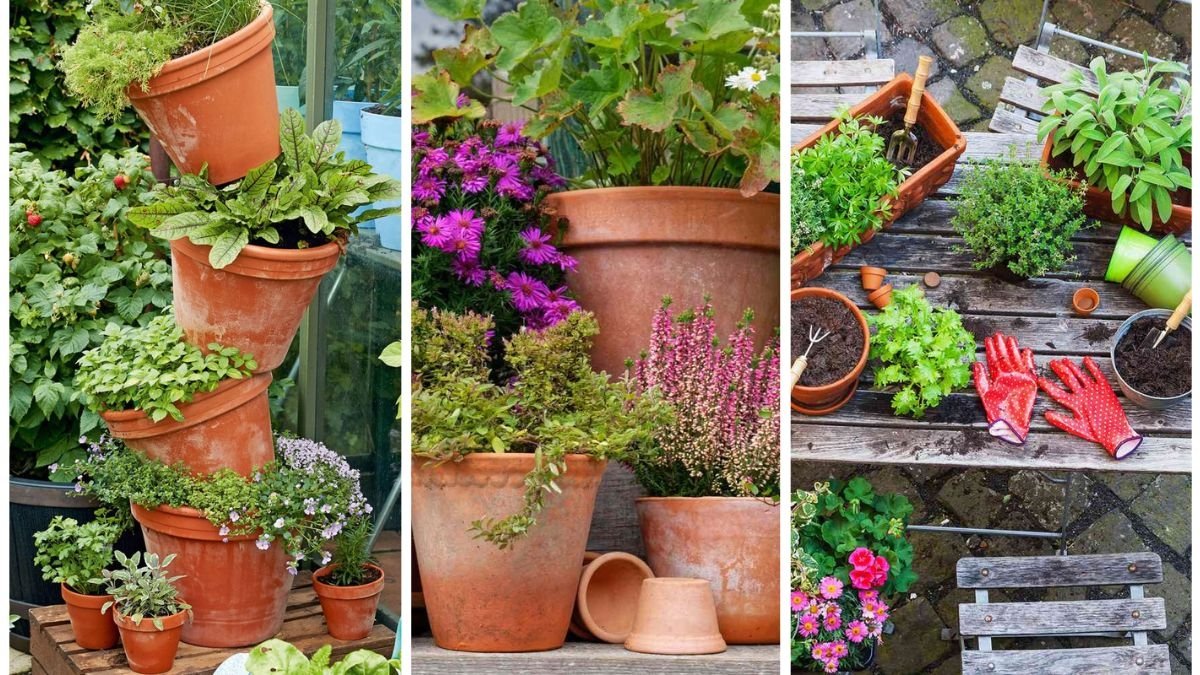
Container gardening has become a favorite choice for plant enthusiasts, urban dwellers, and home gardeners. Whether you have a sprawling backyard or just a cozy balcony, containers allow you to enjoy gardening in any space. They give you the freedom to grow flowers, herbs, vegetables, or even small trees in creative and manageable ways.
However, one of the most important aspects of container gardening is selecting the right container. The container you choose directly influences plant health, root growth, water retention, and the overall success of your garden. While many gardeners get excited about the plants themselves, choosing the wrong container can lead to poor growth, root rot, or even plant death.
This guide explores everything you need to know about selecting the best containers for plants—covering materials, size, drainage, style, and other practical tips.
Why Container Choice Matters
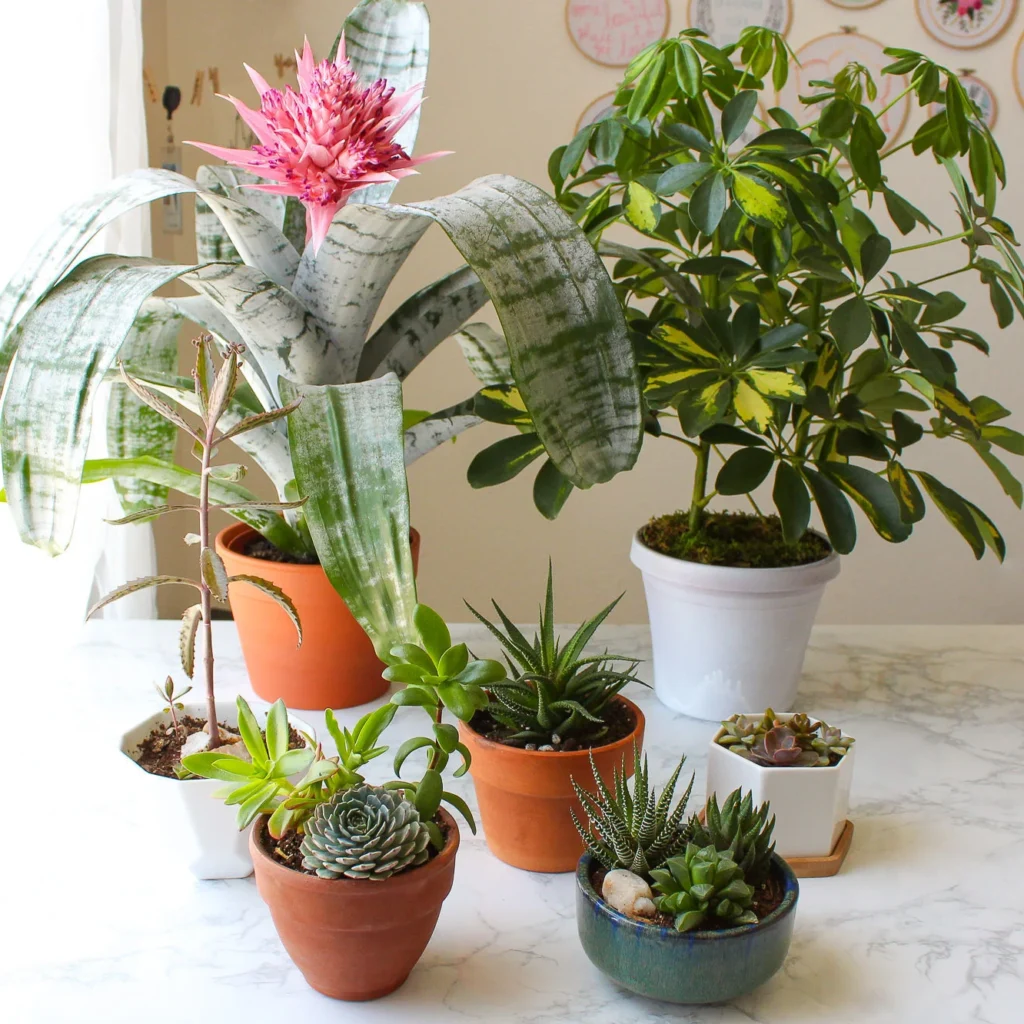
The container isn’t just a decorative pot—it’s the plant’s entire environment. Unlike garden soil, where roots can expand freely, containers limit root space. The pot must support proper root development, drainage, and aeration. The right container ensures:
- Healthy root growth
- Proper water retention and drainage
- Adequate space for plant size
- Temperature regulation
- Aesthetic appeal for your space
A poor choice can lead to waterlogging, root-bound plants, or overheating of roots. This makes container selection as crucial as soil and sunlight in gardening.
Factors to Consider When Choosing Containers
1. Size Matters
The size of your container is the most important factor. A container that is too small will restrict root growth, dry out quickly, and stunt your plant. Conversely, a container that is too large may retain excess moisture, leading to root rot.
- Small containers (4–6 inches deep): Best for herbs like thyme, parsley, or shallow-rooted flowers like pansies.
- Medium containers (8–12 inches deep): Ideal for lettuce, peppers, geraniums, and dwarf vegetables.
- Large containers (12–18+ inches deep): Necessary for tomatoes, roses, shrubs, and small fruit trees.
As a general rule, choose a container at least twice the width of the plant’s root ball. If in doubt, go slightly bigger to allow for growth.
2. Material of the Container
Different materials affect drainage, insulation, weight, and aesthetics. Here are common choices:
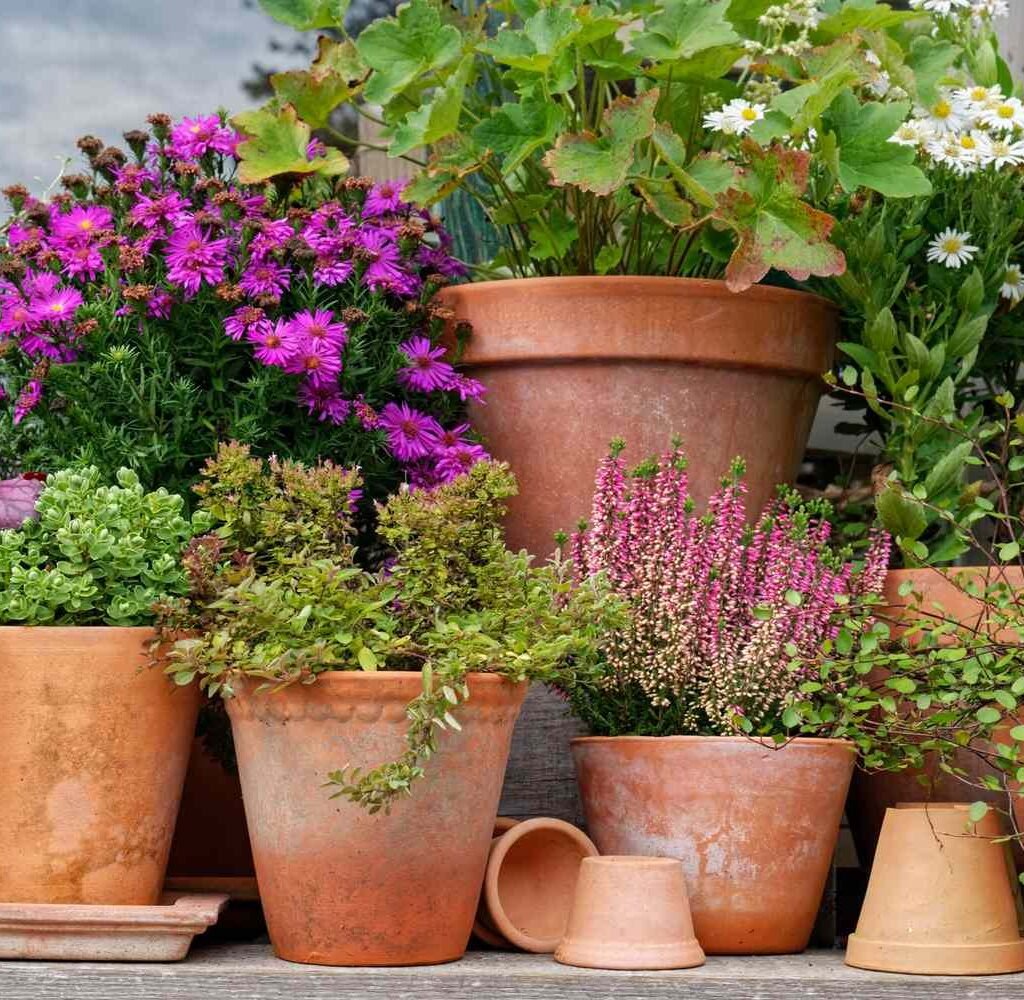
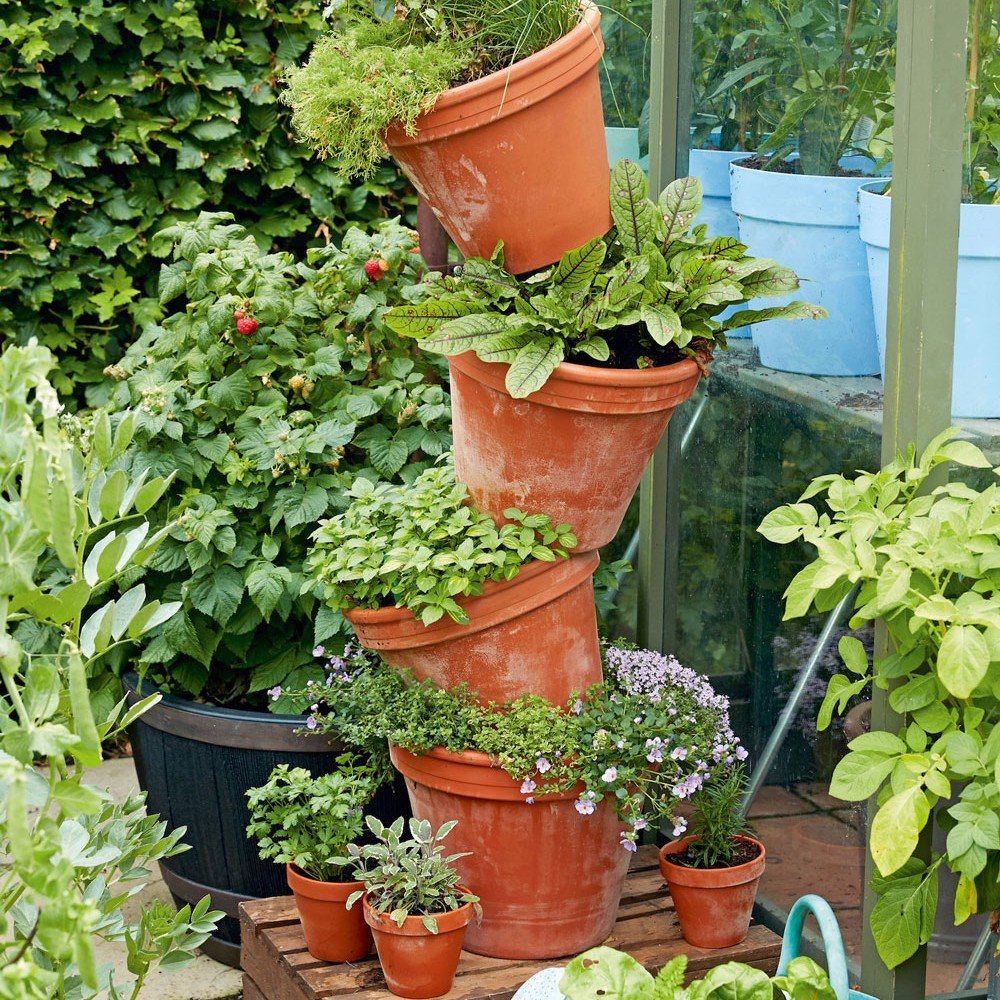
Clay or Terracotta Pots
- Pros: Natural, attractive, porous (good air circulation).
- Cons: Dry out quickly, heavy, prone to cracking in frost.
- Best for: Mediterranean herbs (rosemary, oregano, basil) that prefer drier soil.
Plastic Pots
- Pros: Lightweight, inexpensive, excellent moisture retention, available in many styles.
- Cons: Less durable, can fade in sunlight, may overheat roots.
- Best for: Beginners, indoor plants, or balcony gardening.
Ceramic or Glazed Pots
- Pros: Stylish, retain moisture longer, durable.
- Cons: Expensive, heavy, often fewer drainage holes.
- Best for: Decorative displays or statement plants.
Wooden Containers
- Pros: Rustic look, good insulation, customizable sizes.
- Cons: Rot over time, heavy when wet, need lining for longevity.
- Best for: Large vegetable planters, patio displays.
Metal Containers
- Pros: Modern look, durable.
- Cons: Heat up quickly in sun, may rust unless treated.
- Best for: Decorative arrangements, indoor or shaded areas.
Fabric Grow Bags
- Pros: Lightweight, breathable, encourage air pruning of roots.
- Cons: Dry out faster, less aesthetic for some gardeners.
- Best for: Tomatoes, potatoes, leafy greens, balcony gardening.
3. Drainage is Essential
Plants hate sitting in waterlogged soil. Without good drainage, roots suffocate, and fungi thrive.
- Always choose containers with drainage holes at the bottom.
- If using decorative pots without holes, insert a plastic liner with drainage inside.
- For large containers, add gravel or broken pottery at the base to improve drainage.
Tip: Elevate containers slightly off the ground with pot feet to prevent water pooling.
4. Weight and Mobility
Consider how often you’ll need to move your containers. Large ceramic or stone pots may look beautiful but can be impossible to relocate once filled with soil and plants.
- Balcony or rooftop gardens: Lightweight materials like plastic, resin, or grow bags are more practical.
- Indoor plants: Use saucers with wheels for easy movement.
- Outdoor permanent displays: Heavier options like stone or wood can withstand wind and weather.
5. Shape of the Container
The shape impacts both aesthetics and root development.
- Tall, narrow pots: Best for deep-rooted plants (carrots, roses).
- Wide, shallow pots: Great for succulents, herbs, and flowers.
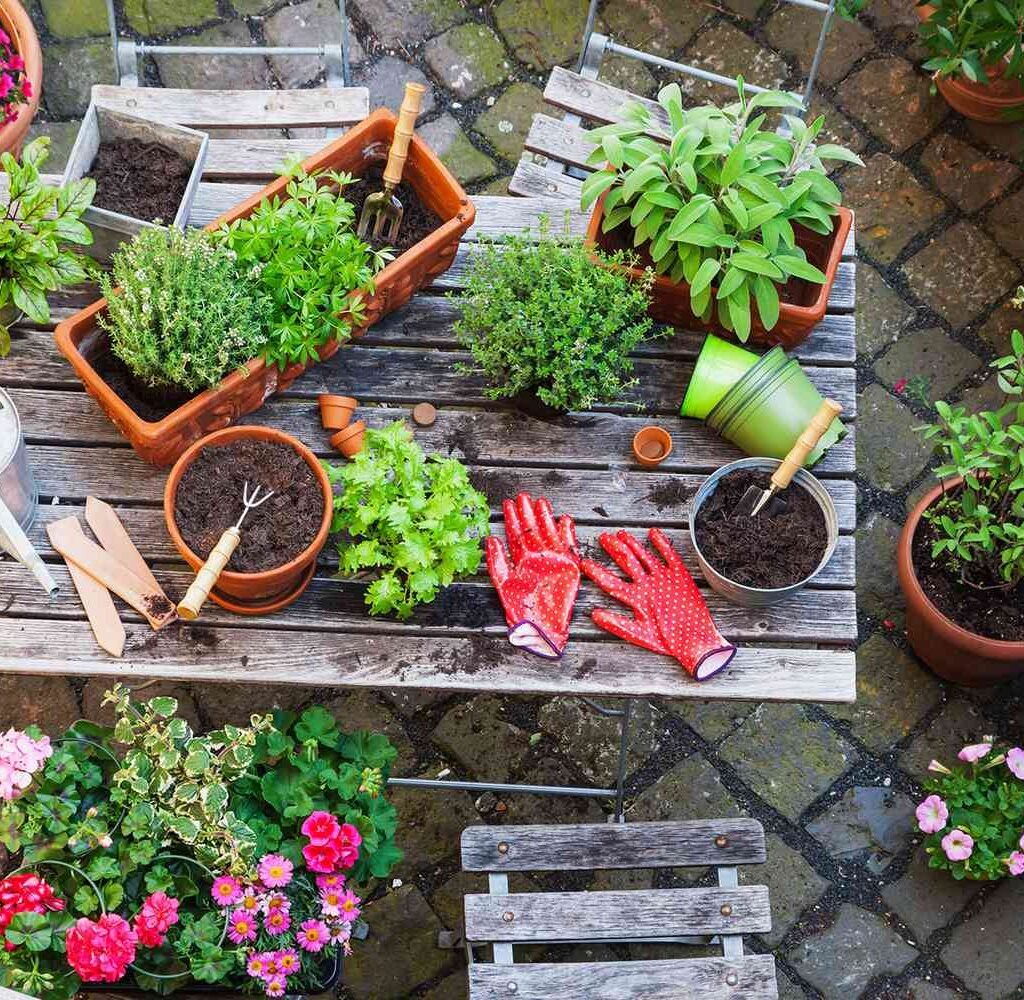
- Rectangular or trough planters: Ideal for balcony railings or multiple plants in one container.
Avoid pots with a narrow top and wide base—they make repotting difficult.
6. Style and Aesthetics
Containers also play a decorative role in your space. Choose colors, textures, and designs that complement your home or garden.
- Neutral tones blend with greenery.
- Bold, colorful pots add vibrancy to patios or balconies.
- Natural finishes (wood, terracotta) create a rustic or earthy feel.
Grouping containers of different sizes and shapes can create dynamic displays.
7. Plant Type and Growing Conditions
Your container should suit the plant’s natural habitat:
- Moisture-loving plants (ferns, impatiens): Choose non-porous containers like plastic or glazed ceramic.
- Drought-tolerant plants (succulents, lavender): Use porous clay or terracotta pots.
- Heavy feeders (tomatoes, peppers): Larger containers with nutrient-rich soil mixes are necessary.
8. Sustainability Considerations
Eco-friendly gardeners may opt for upcycled or biodegradable containers.
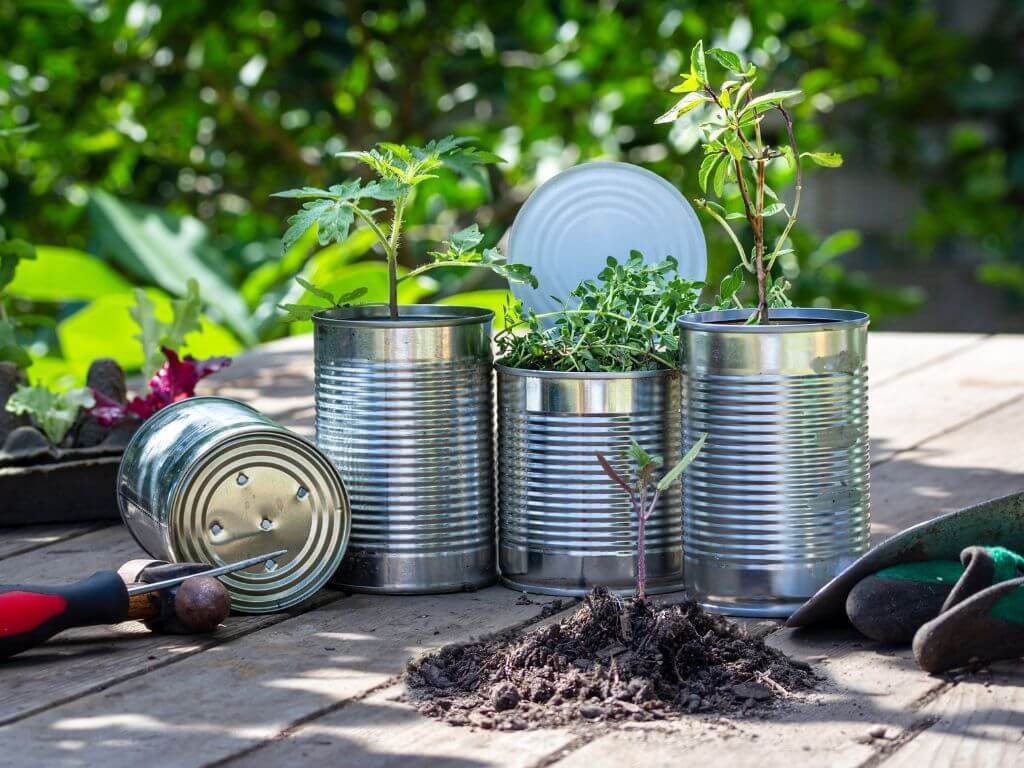
- Recycled options: Old buckets, wooden crates, or barrels can be repurposed.
- Biodegradable pots: Made of coconut coir, peat, or rice husks, perfect for seedlings that can be planted directly into soil.
Not only do these reduce waste, but they also add creativity to your garden.
Practical Tips for Choosing the Right Container
- Match container size to the plant’s expected growth, not just its current size.
- Always check for drainage holes before purchasing.
- If gardening in hot climates, avoid dark-colored pots as they absorb heat.
- For indoor plants, pair functional containers with decorative outer covers.
- Invest in quality containers for long-term use—cheaper ones may crack or fade quickly.
- Consider self-watering containers for busy gardeners who travel frequently.
Common Mistakes to Avoid
- Choosing pots too small: Leads to stunted plants and frequent watering.
- Ignoring drainage: Causes root rot and plant failure.
- Using unsuitable materials: For example, metal containers in full sun can scorch roots.
- Overcrowding: Planting too many plants in one container causes competition for nutrients.
Conclusion
The right container can make or break your gardening success. It’s not only about looks—it’s about creating the best possible environment for your plants to thrive. By considering factors such as size, material, drainage, mobility, and plant needs, you can select containers that balance function with beauty.
Whether you’re growing a balcony herb garden, vibrant flowering displays, or a patio vegetable harvest, the perfect container will support healthy roots, lush growth, and a stunning garden.
In the end, think of containers as a home for your plants—the better the home, the healthier and happier your green companions will be.

Leave A Comment