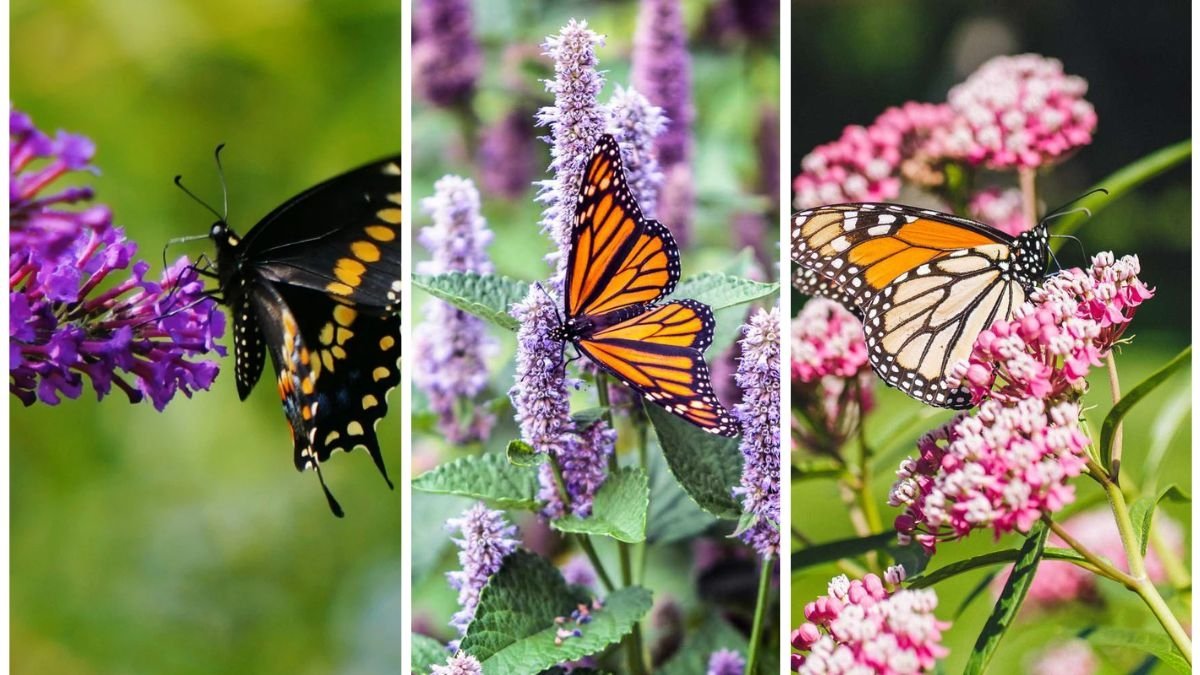
Butterflies are not only beautiful creatures that bring life and color to your garden but also play a vital role as pollinators, helping plants reproduce and thrive. Creating a butterfly-friendly garden is a rewarding project that benefits the environment while giving you a peaceful, vibrant outdoor space. Whether you have a sprawling backyard or a small urban garden, you can design a habitat that attracts butterflies, provides them with the resources they need, and supports their lifecycle. This guide will walk you through everything you need to know about planning, planting, and maintaining a butterfly-friendly garden.
Why Attract Butterflies to Your Garden?
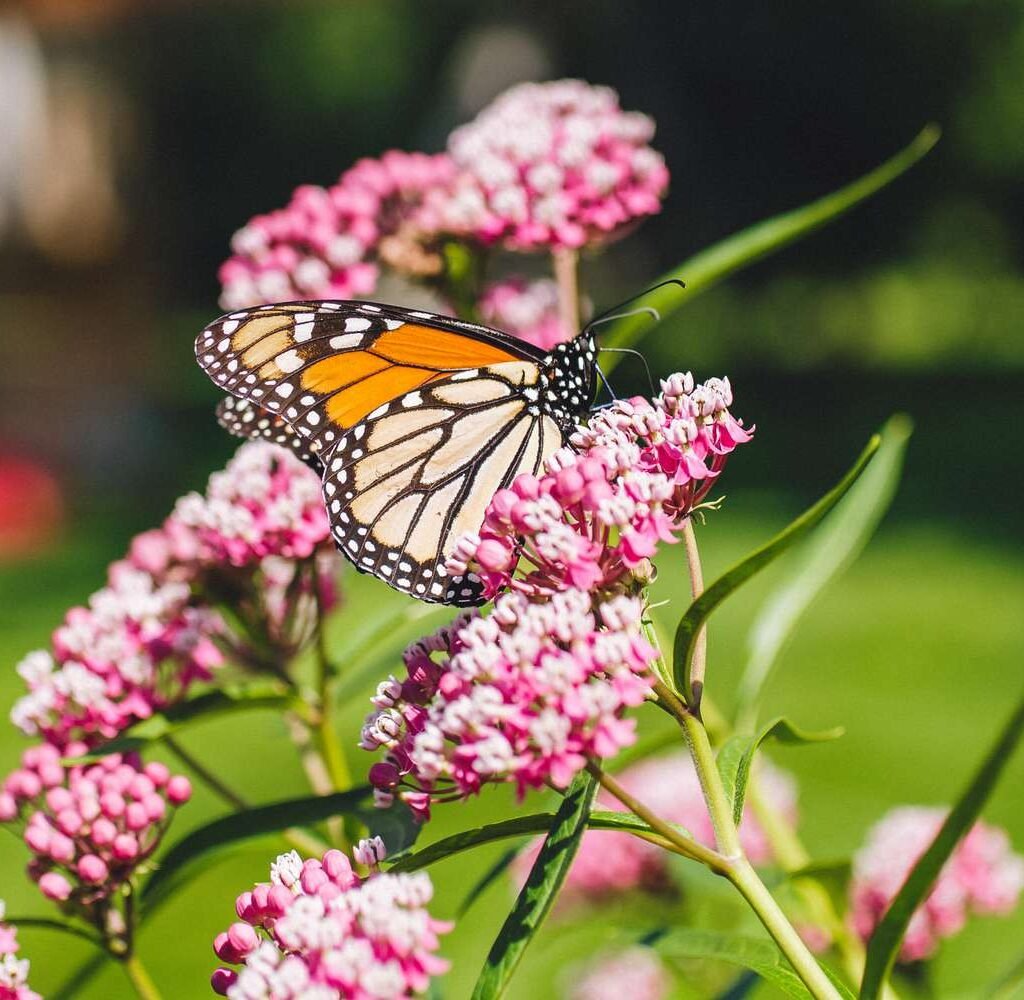
Before diving into the “how,” it’s important to understand the “why.” Butterflies are more than just colorful garden visitors; they are:
- Pollinators – Like bees, butterflies help fertilize plants by transferring pollen from flower to flower.
- Indicators of Ecosystem Health – A thriving butterfly population signals a healthy, biodiverse environment.
- Natural Pest Controllers – Certain butterfly species in their caterpillar stage feed on invasive weeds and unwanted plants.
- Aesthetic Value – Butterflies bring beauty and movement, enhancing your garden’s charm.
- Educational – Observing butterflies provides opportunities to learn about lifecycles, ecosystems, and biodiversity.
Step 1: Choose the Right Location
Butterflies are cold-blooded creatures that need sunlight to regulate their body temperature. To make your garden appealing:
- Select a sunny spot: At least 5–6 hours of direct sunlight daily.
- Provide shelter: Place plants near hedges, shrubs, or fences where butterflies can rest and hide from wind or predators.
- Add variety: Design a layered garden with ground covers, shrubs, and small trees to mimic natural habitats.
Step 2: Plant Nectar-Rich Flowers
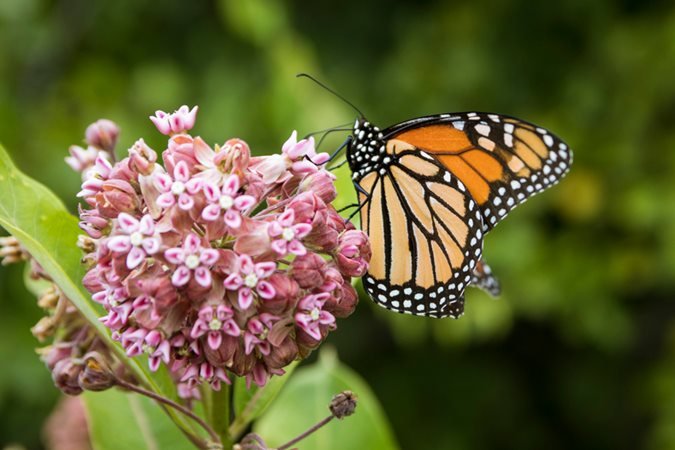
Nectar is the primary food source for adult butterflies. To attract them, you need to include flowers that provide abundant, accessible nectar. Keep in mind that butterflies prefer flat-topped, clustered blooms where they can easily land and feed.
Popular Nectar Plants:
- Milkweed (Asclepias spp.) – Essential for monarchs.
- Butterfly Bush (Buddleja davidii) – A magnet for multiple species.
- Coneflower (Echinacea purpurea) – Vibrant, drought-tolerant, and nectar-rich.
- Zinnias – Easy to grow annuals that bloom all summer.
- Lantana – Bright clusters of nectar that attract a wide range of butterflies.
- Verbena – Long-lasting blooms with high nectar content.
- Black-Eyed Susan (Rudbeckia hirta) – Hardy and low-maintenance.
Planting Tips:
- Opt for native plants, as local butterflies are adapted to them.
- Plant in clusters rather than scattering, making it easier for butterflies to locate nectar.
- Choose different bloom times (spring, summer, fall) to provide food year-round.
Step 3: Provide Host Plants for Caterpillars
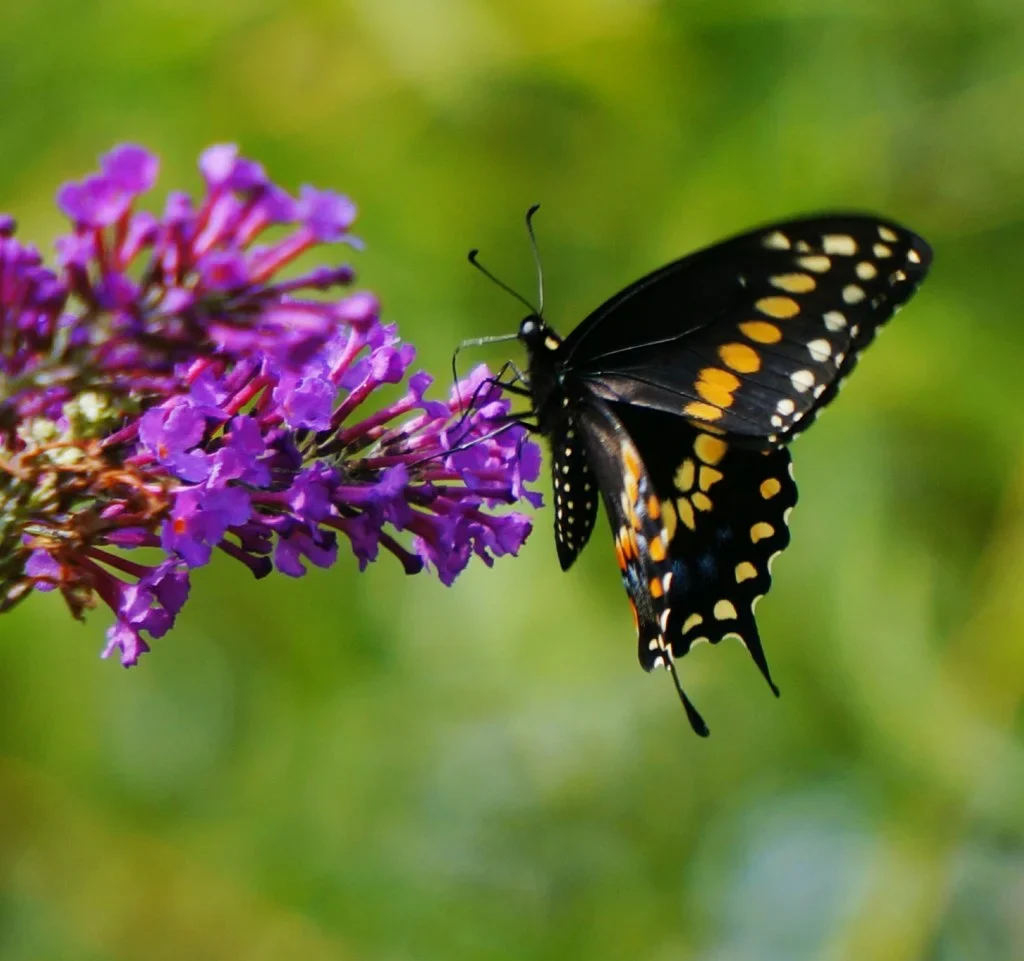
A true butterfly-friendly garden supports the entire lifecycle, not just the adult stage. Caterpillars need host plants to feed on before metamorphosis.
Common Host Plants:
- Milkweed – For monarch caterpillars.
- Parsley, Dill, Fennel, and Carrot – Loved by swallowtail caterpillars.
- Passionflower vine – Attracts Gulf fritillaries.
- Clover and Alfalfa – Used by many small butterflies.
- Nettles – Preferred by red admirals and peacock butterflies.
Planting host species alongside nectar plants ensures butterflies will not only visit but also breed and lay eggs in your garden.
Step 4: Create Resting and Basking Spots
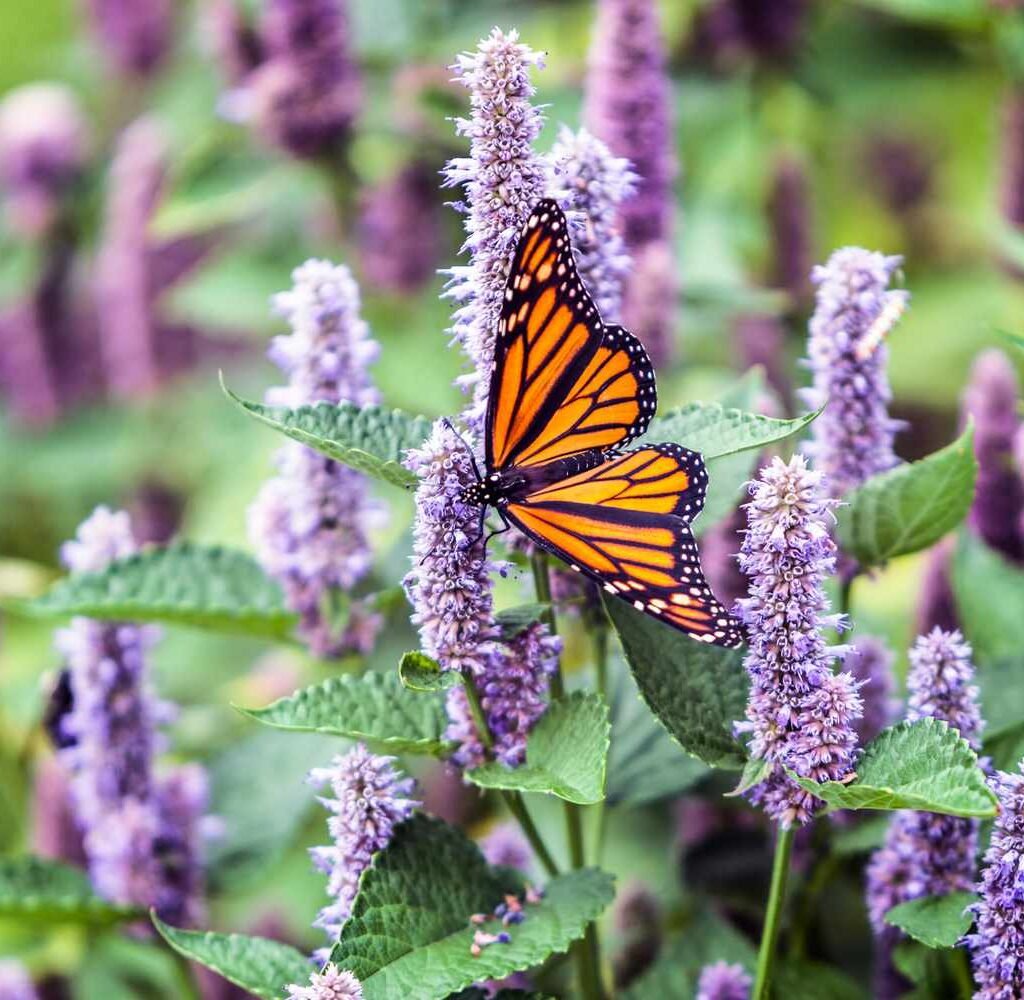
Butterflies need warmth and rest. You can make your garden more inviting by adding:
- Flat rocks – Placed in sunny areas for basking.
- Logs and branches – Provide shelter and resting spots.
- Windbreaks – Shrubs, fences, or hedges protect butterflies from strong winds.
Step 5: Provide Water and Nutrients
Butterflies don’t drink from birdbaths; instead, they rely on mud puddling—sipping water and minerals from damp soil. To mimic this:

- Create a shallow dish filled with moist sand and water.
- Add flat stones inside so butterflies can perch while drinking.
- Keep the soil damp, not flooded.
This simple feature helps them stay hydrated and provides essential nutrients like sodium and minerals.
Step 6: Avoid Pesticides and Chemicals
One of the biggest threats to butterflies is the use of chemical pesticides and herbicides. Even small doses can harm them or their caterpillars. To maintain a butterfly-friendly garden:
- Use organic pest control methods such as neem oil, insecticidal soap, or companion planting.
- Encourage natural predators like ladybugs and birds to keep pests in check.
- Accept that some leaf damage is natural—it means caterpillars are thriving!
Step 7: Add Diversity and Layers
Butterflies are drawn to gardens that mimic natural ecosystems. You can enhance attractiveness by:
- Mixing plant heights: Include tall shrubs, medium perennials, and low ground covers.
- Planting vines and climbers: These provide shelter and food sources.
- Choosing multiple colors: Butterflies are particularly attracted to red, orange, pink, purple, and yellow flowers.
A diverse, layered garden also supports other beneficial insects, making your garden a pollinator hub.

Step 8: Incorporate Seasonal Planning
Butterflies appear at different times of the year, so your garden should provide for them season-long.
- Spring: Early bloomers like lilacs, violets, and phlox.
- Summer: Zinnias, coneflowers, and milkweed for peak butterfly season.
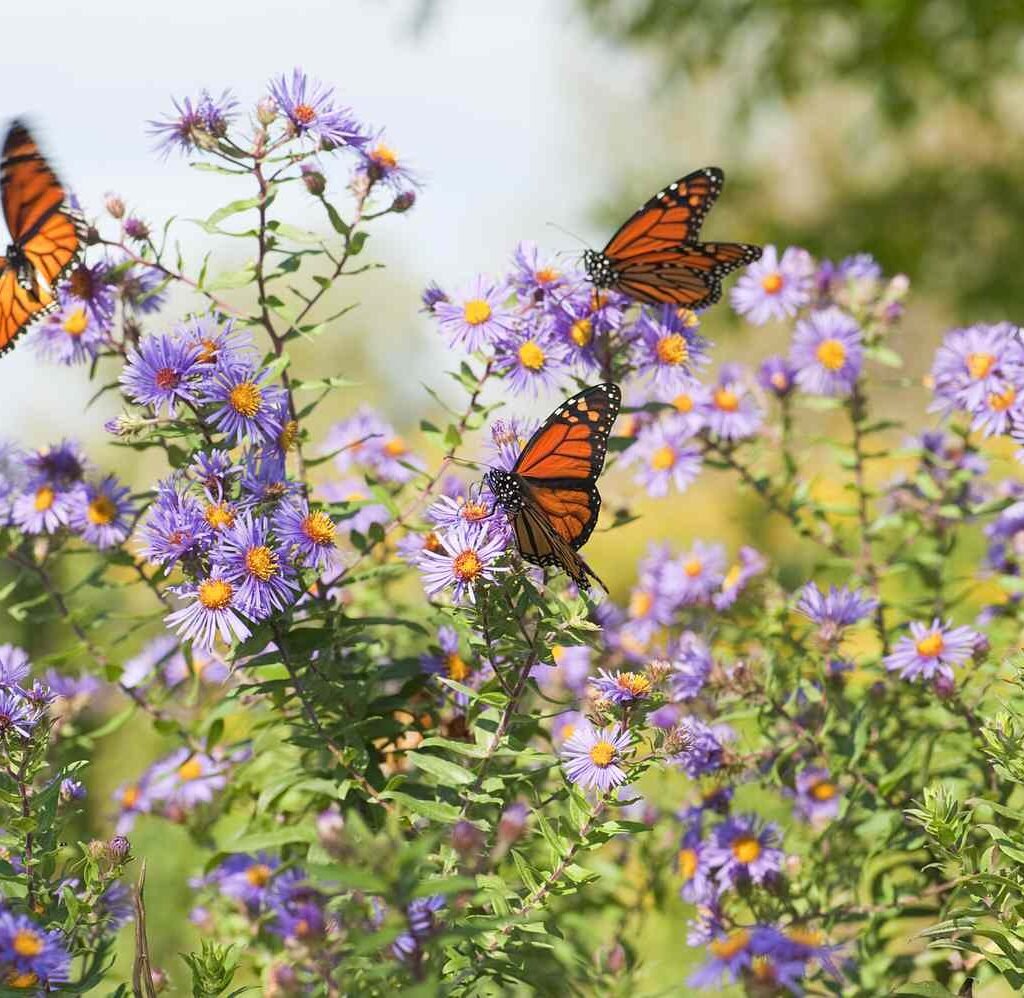
- Fall: Goldenrod and asters support migrating species before winter.
- Winter Prep: Leave some leaf litter, stems, and logs where butterflies can overwinter as pupae.
Step 9: Add Garden Features for Beauty and Functionality
A butterfly garden can be both functional and visually appealing. Enhance your design by including:
- Colorful flower beds – Designed in circular or border shapes.
- Garden paths – Allow you to walk among the flowers without disturbing them.
- Arbors and trellises – For climbing host plants like passionflower.
- Seating areas – To enjoy watching butterflies up close.
Step 10: Observe and Enjoy
Once your butterfly-friendly garden is established, it becomes a living classroom. Take time to:
- Observe the lifecycle: From eggs to caterpillars, chrysalises, and adults.
- Keep a journal: Note species that visit throughout the year.
- Take photographs: Capture the beauty and share it with others.
- Involve kids: Teaching children about butterflies nurtures appreciation for nature.
Maintenance Tips
- Deadhead spent flowers to encourage new blooms.
- Weed regularly but leave some wild plants (like clover or nettles) for caterpillars.
- Water consistently, especially in hot months.
- Rotate plant varieties every season to keep nectar sources abundant.
Final Thoughts
Creating a butterfly-friendly garden is more than just planting pretty flowers—it’s about building a sustainable habitat that supports these delicate creatures throughout their lifecycle. By choosing nectar-rich and host plants, providing shelter and water, and avoiding harmful chemicals, you can transform your garden into a sanctuary that butterflies will return to year after year.

Not only will you enjoy a lively, colorful garden, but you’ll also be contributing to the preservation of butterfly species and promoting biodiversity. With thoughtful planning and care, your backyard can become a haven where butterflies thrive—and where you can relax, learn, and connect with nature.

Leave A Comment