Few things are more worrying for a plant parent than discovering soggy soil. You might notice yellowing leaves, a foul smell, or even mushrooms sprouting from the pot—and suddenly realize your plants are drowning instead of thriving. Overly wet soil is one of the leading causes of indoor plant decline, often resulting in the dreaded root rot.
The good news? Soggy soil doesn’t have to be a death sentence. With the right steps, you can restore balance, revive struggling plants, and prevent future problems. In this guide, we’ll explore the causes of soggy soil, how to identify early warning signs, step-by-step fixes, and long-term prevention strategies to keep your plants healthy.
Why Soggy Soil Is Dangerous
Healthy soil should hold water while also allowing excess moisture to drain away. When the balance tips toward constant wetness, problems arise:
- Lack of oxygen: Roots suffocate in waterlogged conditions.
- Root rot: Fungal infections thrive in wet environments, destroying roots.
- Nutrient imbalance: Excess water washes away vital minerals.
- Pest attraction: Fungus gnats and mold love damp soil.
Essentially, soggy soil weakens plants from the ground up, making them more vulnerable to disease and stress.
Common Causes of Soggy Soil
Understanding the root cause helps you fix the problem effectively. Here are the most frequent culprits:
- Overwatering
Giving water too frequently or in large amounts saturates the soil beyond what roots can handle. - Poor Drainage
Pots without drainage holes or compacted soil prevent excess water from escaping. - Wrong Potting Mix
Heavy garden soil or mixes with too much clay retain more water than houseplants need. - Environmental Factors
Low light, cool temperatures, and high humidity slow down evaporation, keeping soil wet longer. - Oversized Pots
Large pots hold more soil than roots can absorb water from, leaving the soil damp for too long.
How to Spot Soggy Soil Early
Catching soggy soil before it leads to severe root rot is key. Look for these warning signs:
- Soil feels constantly wet, even days after watering.
- Mushy, yellowing leaves or sudden leaf drop.
- A musty, sour odor coming from the soil.
- Mold or fungus growing on the soil surface.
- Stunted growth despite regular watering.
If your plant displays one or more of these, it’s time for immediate action.
Step-by-Step Guide to Fixing Soggy Soil
Step 1: Stop Watering Immediately
The first thing to do is pause watering. Give the plant time to use up the excess moisture already present.
Step 2: Improve Airflow Around the Plant
Move the plant to a brighter, warmer spot with good airflow. This encourages evaporation and helps dry the soil faster.
Step 3: Absorb Excess Moisture
If the soil is extremely wet, you can:
- Blot with paper towels: Place them on the soil surface to wick away water.
- Tilt the pot: Let excess water drain out through the holes.
Step 4: Check Drainage Holes
Ensure the pot has functioning drainage holes. If not, repot into one that does. Without drainage, soggy soil will keep recurring.
Step 5: Loosen the Soil
Compact soil holds water longer. Gently poke holes with a chopstick or skewer to improve aeration and speed drying.
Step 6: Repot If Necessary
If soil remains soggy for too long or root rot has begun:
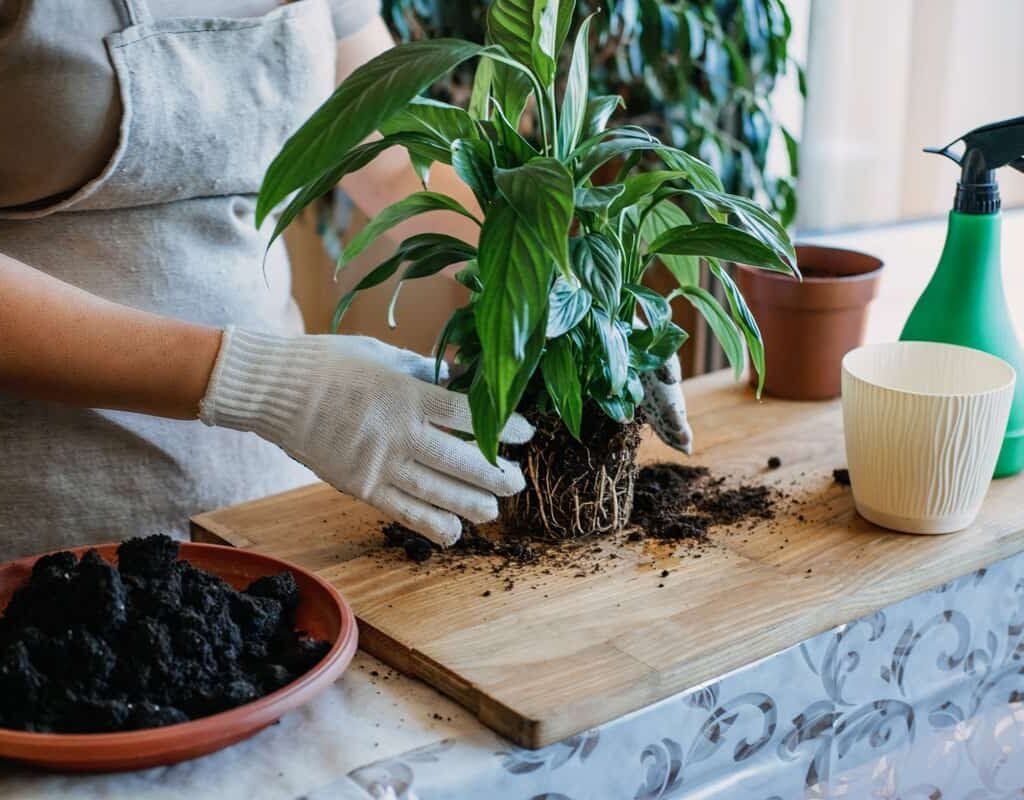
- Remove the plant carefully from the pot.
- Trim away brown, mushy roots with sterilized scissors.
- Repot in fresh, well-draining potting mix (see recipes below).
- Choose a pot with proper drainage.
Step 7: Resume Care Slowly
After repotting or fixing soil, water sparingly until you see signs of new, healthy growth.
DIY Soil Mixes to Prevent Sogginess
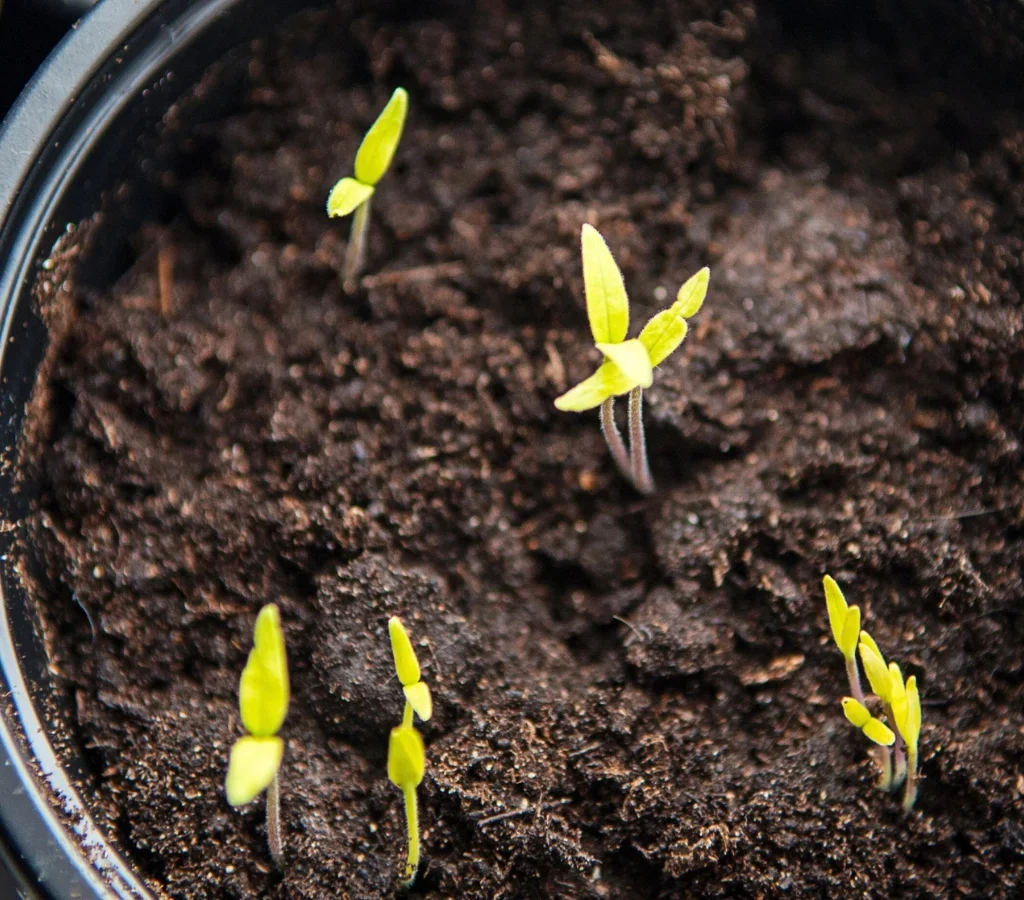
The right soil mix is crucial to avoiding waterlogging. Here are some effective blends:

General Houseplant Mix
- 2 parts coco coir or peat moss
- 1 part perlite or pumice
- 1 part compost
Succulent & Cactus Mix
- 2 parts coarse sand
- 1 part potting soil
- 1 part perlite
Moisture-Loving Plants (Ferns, Calatheas)
- 2 parts peat moss or coco coir
- 1 part perlite
- 1 part composted bark
Long-Term Prevention Strategies
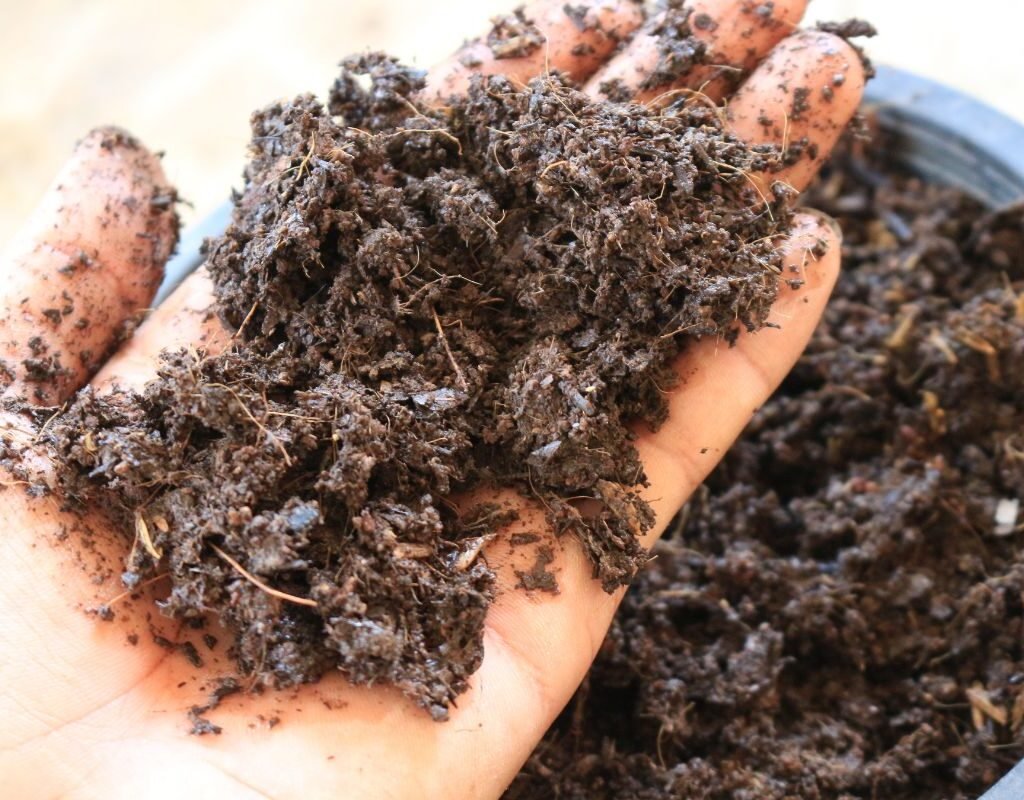
Once you’ve saved your plant, prevention ensures the problem doesn’t return.
- Water Smartly
- Use the finger test (check 1–2 inches deep) before watering.
- Lift pots—if they feel heavy, skip watering.
- Consider bottom-watering for controlled hydration.
- Choose the Right Pots
- Always use containers with drainage holes.
- Add a saucer to catch excess water but empty it after watering.
- Adjust to Seasons
- Plants need more water in summer and less in winter.
- Slow growth in cooler months means soil dries out more slowly.
- Increase Airflow
- Use fans or open windows to reduce humidity and encourage drying.
- Regular Repotting
- Refresh soil every 1–2 years to maintain structure and drainage.
Plants Most Sensitive to Soggy Soil
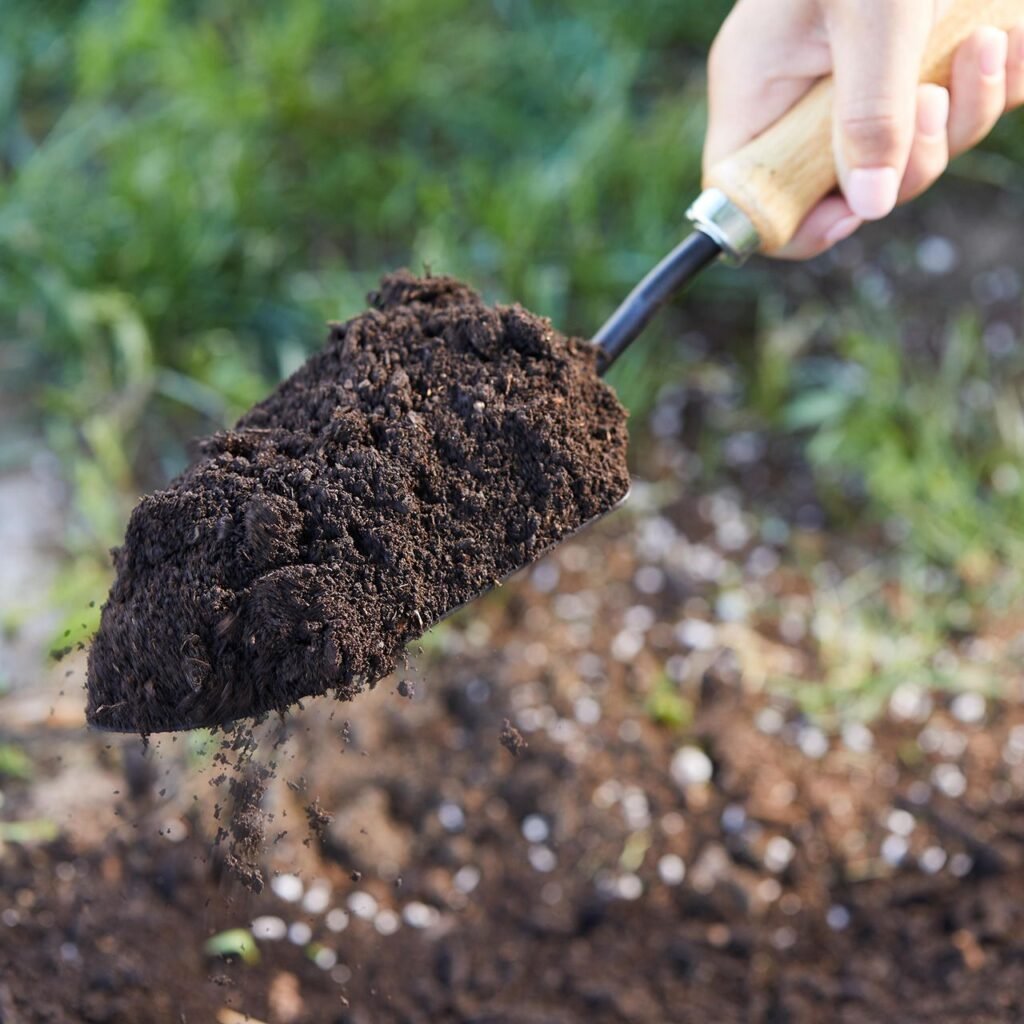
Some plants tolerate wet soil better than others. Here’s a quick comparison:
- Highly Sensitive (avoid soggy soil at all costs): Succulents, cacti, snake plants, ZZ plants.
- Moderately Sensitive: Pothos, philodendrons, peace lilies.
- Moisture Lovers (tolerate damp soil but not waterlogging): Ferns, calatheas, spider plants.
Knowing your plant’s preferences helps you tailor watering practices.
What to Do If Root Rot Has Started
If soggy soil has already caused root rot:
- Remove plant from pot.
- Trim damaged roots (soft, brown, or black).
- Disinfect tools before and after trimming.
- Repot in fresh, dry soil with better drainage.
- Treat with fungicide if rot is advanced.
With prompt action, many plants can recover.

Final Thoughts
Soggy soil is one of the most common—and most preventable—plant care problems. Left unchecked, it leads to root rot and plant death, but with quick intervention, you can reverse the damage and restore your plant’s health.
By understanding the causes, learning to recognize the signs, and applying both immediate fixes and long-term prevention strategies, you’ll save your plants and prevent future stress.
Remember: healthy soil is the foundation of healthy plants. Keep it balanced—moist but never waterlogged—and your indoor jungle will thrive.

Leave A Comment