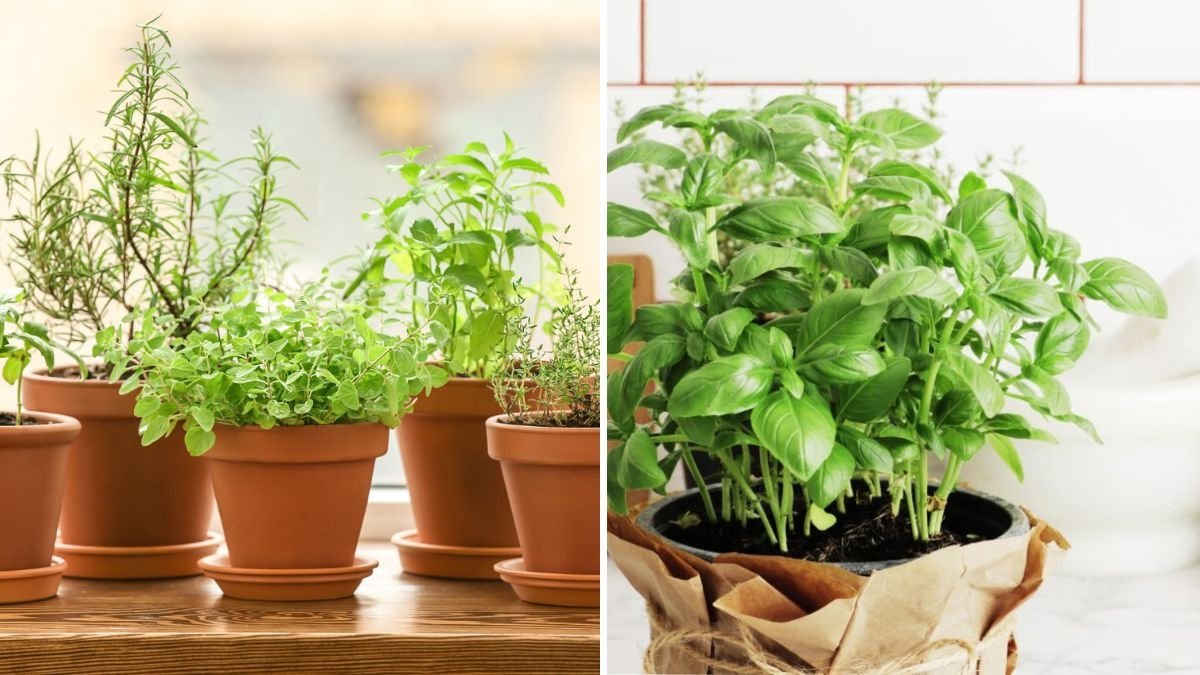
Basil (Ocimum basilicum) is one of the most beloved herbs in the culinary world, celebrated for its fresh aroma, vibrant flavor, and versatility in dishes ranging from pesto to pasta and salads. While many gardeners enjoy growing basil outdoors during the warm months, this herb can also thrive indoors—providing you with a continuous supply of fresh, homegrown leaves throughout the year.
Growing basil indoors requires some adjustments, since it isn’t naturally adapted to indoor environments. However, with the right setup and consistent care, you can enjoy lush basil plants on your kitchen windowsill or under grow lights, no matter the season.
This comprehensive guide will walk you through everything you need to know about growing basil indoors successfully, from choosing the right variety to troubleshooting common problems.
1. Choosing the Right Basil Variety

Not all basil varieties are equally suited for indoor growing. Compact and fast-growing types tend to perform best indoors. Some popular choices include:
- Sweet Basil (Genovese Basil): The classic variety with large, fragrant leaves, ideal for pesto and Italian cuisine.
- Greek Basil: A smaller, bushier variety that thrives in pots and grows well indoors.
- Lemon Basil: Offers a refreshing citrus flavor, great for teas, seafood, and summer dishes.
- Spicy Globe Basil: Compact and tidy, making it perfect for small containers and windowsills.
- Purple Basil: Striking in appearance and excellent for both culinary and ornamental use.
Tip: Choose a variety based on your cooking style, but if you’re a beginner, start with Sweet or Greek basil for easy care.
2. Starting Basil Indoors: Seeds vs. Transplants
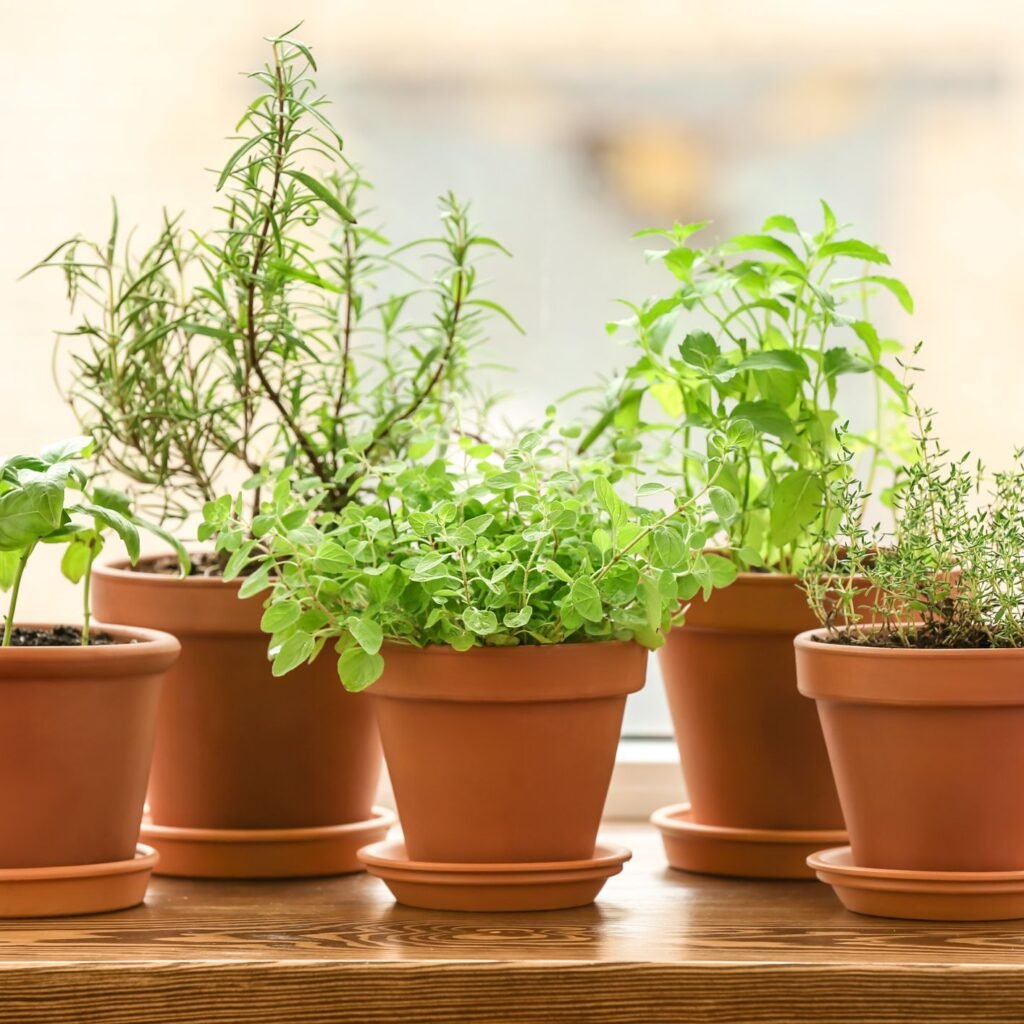
There are two main ways to start basil indoors:
- Seeds: Starting from seed is economical and allows you to grow multiple plants. Basil seeds germinate quickly (in 5–10 days) when kept warm.
- Transplants: You can purchase young basil plants from nurseries or even propagate basil from grocery-store cuttings by rooting them in water.
Seed Starting Steps:
- Fill small pots or seed trays with a light, well-draining seed-starting mix.
- Sow seeds ¼ inch deep and cover lightly with soil.
- Keep the soil moist but not waterlogged.
- Place the tray in a warm spot (70–75°F) or use a seed-heating mat for faster germination.
3. Light Requirements
Light is the most important factor in growing basil indoors. Basil is a sun-loving herb that needs plenty of light to produce lush growth.
- Natural Light: Place your basil in a south-facing window where it can get 6–8 hours of direct sunlight daily. East- or west-facing windows can also work but may produce leggier growth.
- Artificial Light: If natural light is insufficient, use full-spectrum grow lights. Position the lights 6–12 inches above the plant and keep them on for 12–14 hours daily.
- Rotating the Plant: Rotate pots regularly to ensure even growth and prevent leaning toward the light source.
Tip: A leggy basil plant with pale leaves is a sign of inadequate light.
4. The Best Soil and Containers
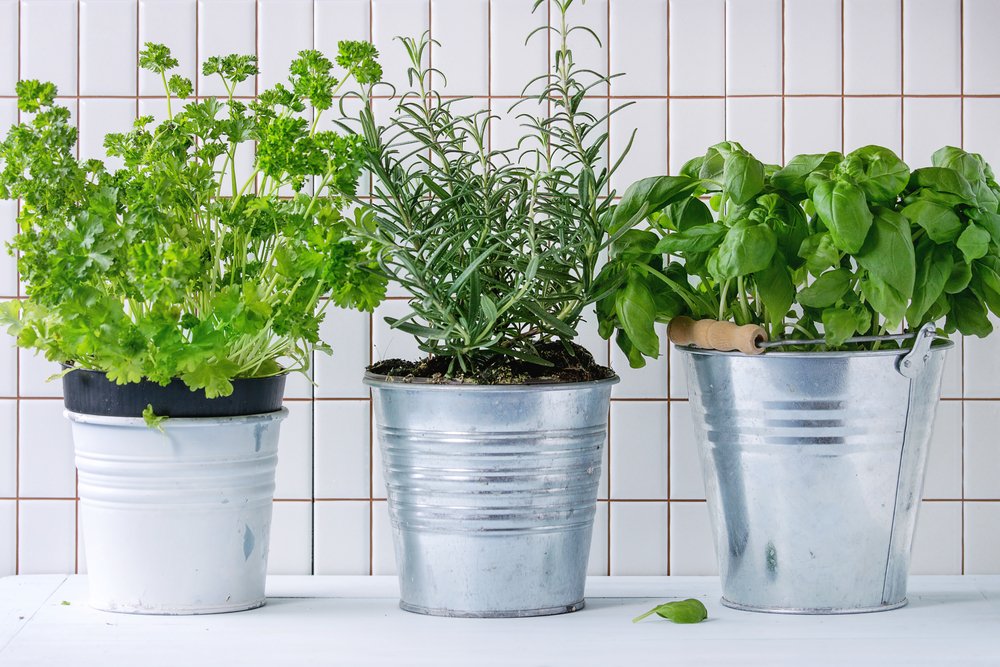
The right growing medium and container setup ensure healthy roots and strong plants.
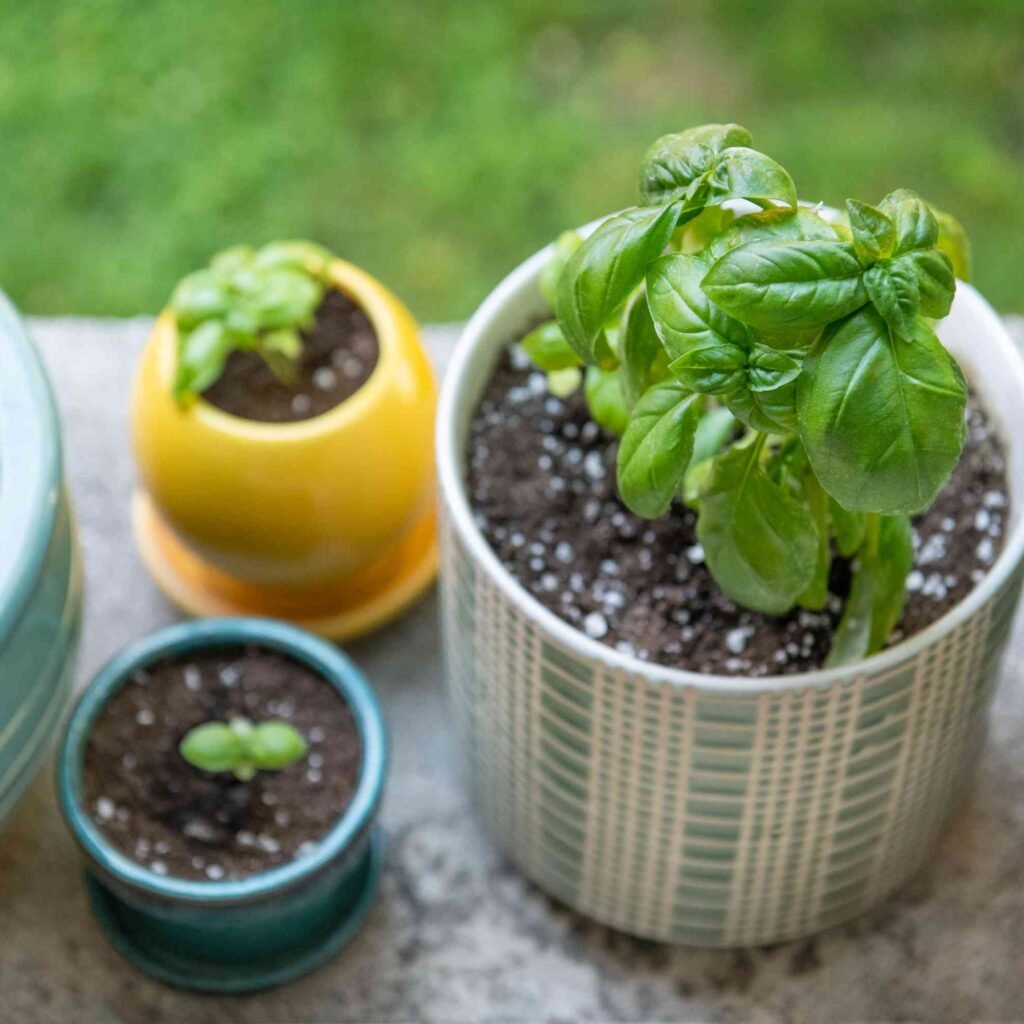
- Soil: Use a high-quality potting mix that drains well. Avoid garden soil, which compacts easily and can harbor pests.
- Drainage: Ensure the container has drainage holes to prevent root rot.
- Container Size: A pot 6–8 inches deep is sufficient for a single basil plant. Larger pots (10–12 inches) can accommodate multiple plants for bigger harvests.
Tip: Basil appreciates soil rich in organic matter. Adding compost to the mix can provide extra nutrients.
5. Watering Basil Indoors
Watering basil properly is essential for healthy growth.
- Moisture Needs: Basil prefers consistently moist (but not soggy) soil. Check soil moisture by inserting your finger 1 inch deep—if it feels dry, water the plant.
- Watering Technique: Water at the base of the plant to avoid wetting the leaves, which can lead to fungal diseases.
- Drainage Matters: Empty the saucer beneath the pot after watering to prevent root rot.
Tip: Basil is sensitive to both overwatering and underwatering, so aim for balance.
6. Temperature and Humidity

Since basil is a tropical plant, it thrives in warm and humid conditions.
- Temperature Range: Keep basil in a room that stays between 65–80°F. Avoid drafts, cold windows, or exposure to air conditioning.
- Humidity: Basil prefers higher humidity levels (40–60%). If your indoor air is dry, especially in winter, increase humidity by:
- Using a humidity tray (a shallow tray filled with water and pebbles).
- Grouping basil with other plants to create a microclimate.
- Running a small humidifier nearby.
Tip: Basil dislikes sudden cold shocks. Even brief exposure to temperatures below 50°F can stunt growth.
7. Fertilizing Basil Indoors
Basil is a fast grower and needs regular feeding to stay lush and productive indoors.
- Type of Fertilizer: Use a balanced, water-soluble fertilizer (e.g., 10-10-10 or 20-20-20).
- Frequency: Feed basil every 3–4 weeks during active growth. If using organic fertilizer, such as fish emulsion or liquid seaweed, apply more frequently at half strength.
- Signs of Deficiency: Pale leaves may indicate a lack of nitrogen, while slow growth can signal nutrient deficiency.
Tip: Overfertilizing can make basil less flavorful. Stick to moderate feeding for best taste.
8. Pruning and Harvesting Basil
Regular pruning is the secret to bushy plants and a continuous supply of fresh leaves.
- When to Start: Begin pruning when the plant has at least 6–8 sets of true leaves.
- How to Prune: Cut stems just above a pair of leaves, which encourages branching.
- Harvesting Leaves: Harvest from the top, not the bottom, to maintain healthy growth.
- Flower Prevention: Pinch off flower buds as soon as they appear. Once basil flowers, the leaves can turn bitter.
Tip: Never remove more than one-third of the plant at a time to avoid stressing it.
9. Companion Herbs Indoors
Basil grows well alongside other herbs indoors, provided they have similar needs. Great companions include:
- Parsley – Shares similar watering and light needs.
- Cilantro – Pairs well in the kitchen and thrives under the same conditions.
- Chives – Compact and easy to grow near basil.
- Oregano & Thyme – Mediterranean herbs that also prefer warm, sunny conditions.
Avoid pairing basil with rosemary indoors, as rosemary prefers drier soil conditions.
10. Common Problems and Solutions
Even with good care, basil can face challenges indoors. Here’s how to fix them:
- Leggy Growth: Caused by insufficient light—move closer to a sunny window or use grow lights.
- Yellow Leaves: Overwatering or nutrient deficiency. Adjust watering schedule or fertilize.
- Brown Leaf Tips: Low humidity or inconsistent watering. Increase humidity.
- Pests: Indoor basil may attract aphids, spider mites, or fungus gnats. Treat with neem oil or insecticidal soap.
- Fungal Issues: Avoid wetting leaves and ensure good airflow to prevent powdery mildew and damping off.
11. Preserving Basil Harvests
If your basil produces more than you can use, you can preserve it for later.
- Freezing: Chop basil and freeze in ice cube trays with olive oil or water.
- Drying: Air-dry or use a dehydrator, though drying can reduce flavor intensity.
- Pesto Storage: Make pesto and freeze it in small portions for easy use.
Tip: Freezing preserves basil’s bright green color and fresh flavor better than drying.
12. Benefits of Growing Basil Indoors
Beyond having a steady supply of fresh herbs, indoor basil offers several benefits:
- Convenience: Fresh basil at your fingertips, no matter the season.
- Health Benefits: Basil contains antioxidants, vitamins A and K, and has anti-inflammatory properties.
- Air Purification: Like many houseplants, basil helps improve indoor air quality.
- Aesthetic Value: Adds a touch of greenery and freshness to your kitchen or windowsill.
Conclusion
Growing basil indoors year-round is not only possible but also incredibly rewarding. By providing the right light, soil, water, and temperature, you can enjoy vibrant basil plants that supply you with flavorful leaves whenever you need them. Regular pruning, proper feeding, and attention to humidity will keep your basil bushy, healthy, and productive.
Whether you are a cooking enthusiast looking to elevate your dishes or a plant lover seeking an easy herb to grow, basil is the perfect choice. With just a little effort and consistency, you’ll always have fresh herbs ready to harvest—no matter the season.
Final Takeaway: Indoor basil thrives with bright light, consistent watering, and regular pruning. Master these three essentials, and you’ll enjoy fresh, fragrant herbs year-round.

Leave A Comment