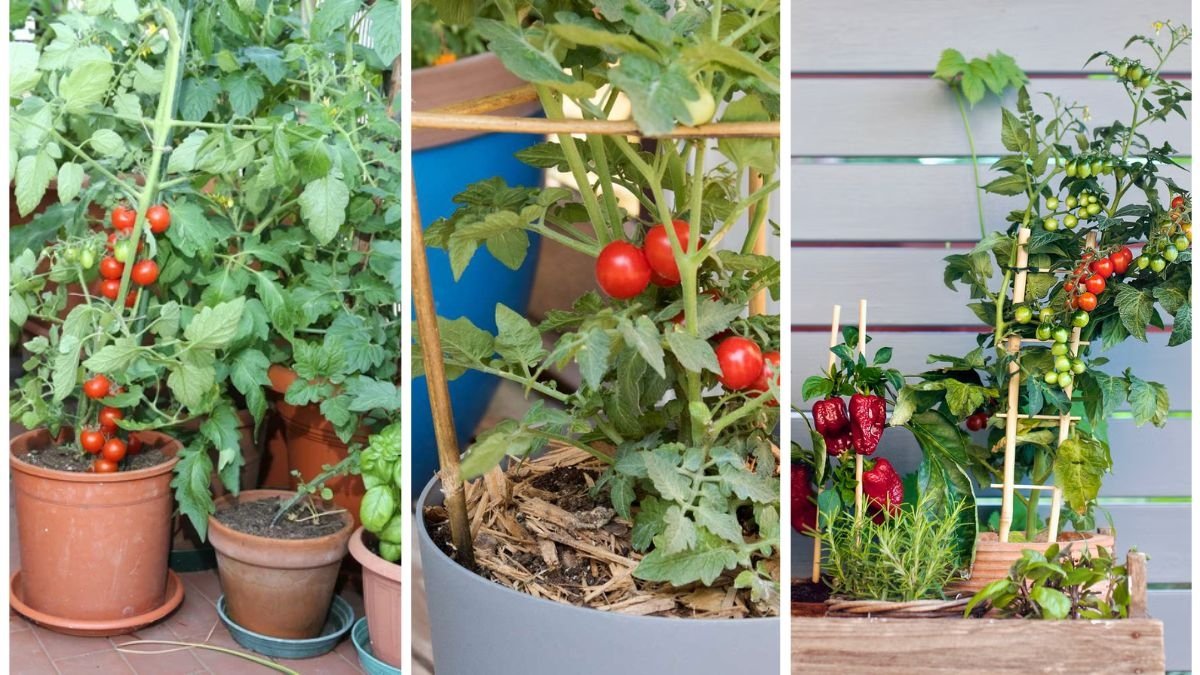
Urban living often means limited outdoor space, but that doesn’t mean you have to give up the joy of gardening. Balcony gardening has become a rising trend, offering city dwellers a chance to grow their own fresh produce in small spaces. With the right approach, you can transform your balcony into a mini vegetable farm, enjoying everything from crisp lettuce and juicy tomatoes to fresh herbs and peppers—all grown in pots.
In this article, we’ll guide you step by step on how to grow vegetables in pots on a balcony, covering plant selection, soil preparation, care techniques, and practical tips to maximize your harvest.
Why Balcony Vegetable Gardening?
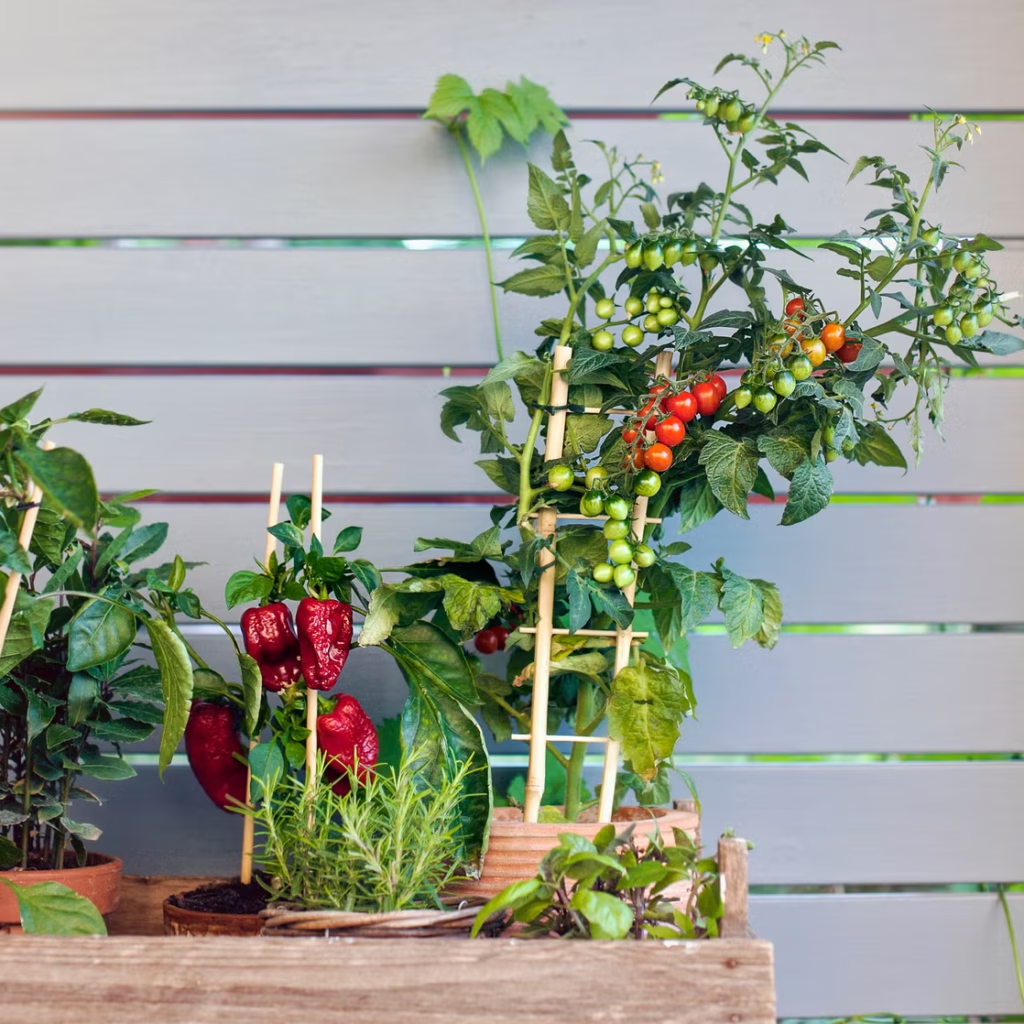
- Freshness and Flavor: Nothing compares to the taste of homegrown vegetables.
- Space Optimization: Even small balconies can support a surprising amount of greenery.
- Sustainability: Growing your own food reduces reliance on store-bought produce.
- Stress Relief: Gardening provides a therapeutic break from busy urban life.
- Cost-Effective: Once established, a balcony garden can save money on groceries.
Choosing the Right Vegetables for Balcony Pots
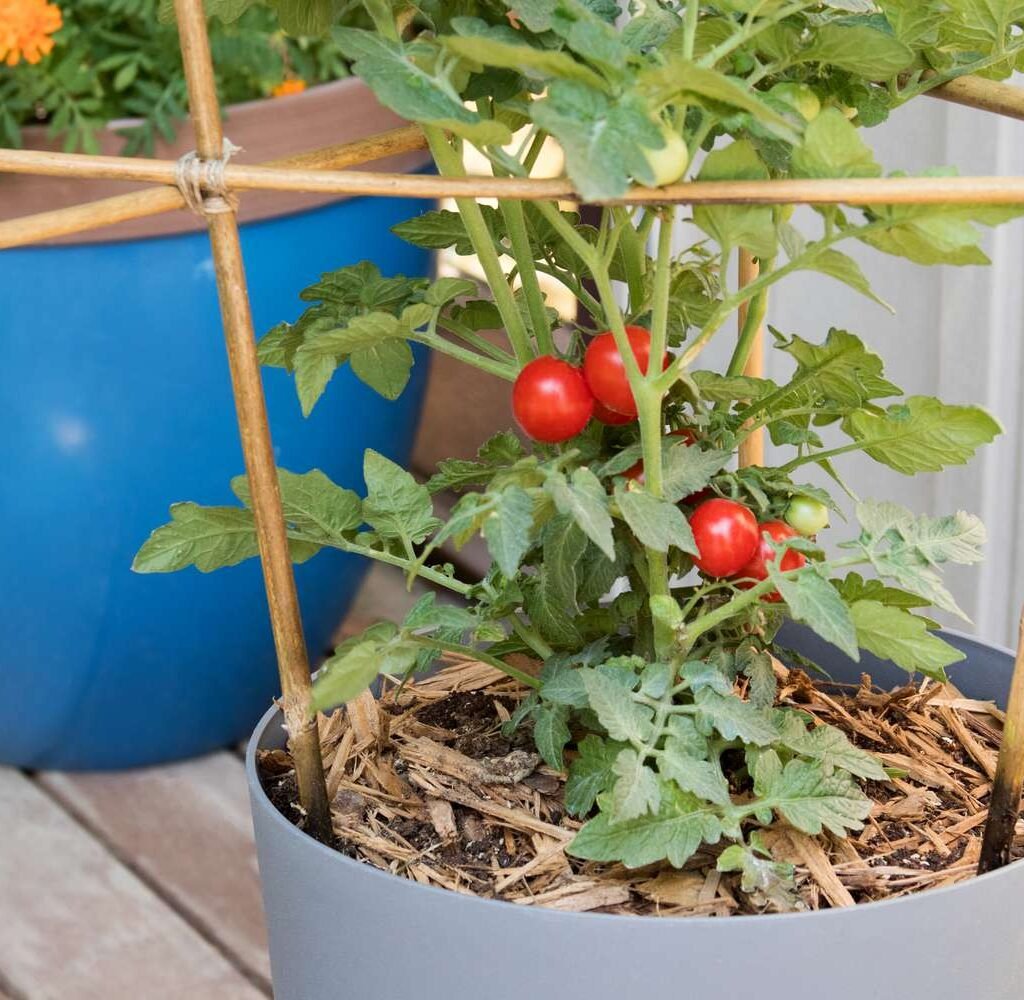
Not all vegetables thrive in containers, so picking compact, high-yield, and easy-to-grow varieties is essential. Some of the best choices include:
- Tomatoes: Cherry or dwarf varieties are excellent for pots.
- Lettuce & Spinach: Quick-growing, great for continuous harvests.
- Peppers & Chilies: Thrive in containers with full sun.
- Cucumbers: Bush or dwarf varieties are ideal for vertical balcony gardens.
- Carrots & Radishes: Perfect for deeper pots with loose soil.
- Herbs: Basil, parsley, coriander, and mint add freshness and flavor.
Selecting the Right Containers
The choice of container can make or break your balcony garden. Here’s what to keep in mind:
- Size Matters:
- Leafy greens like lettuce → 6–8 inch deep pots.
- Root vegetables like carrots → 10–12 inch deep pots.
- Tomatoes and peppers → 12–18 inch deep containers.
- Material:
- Terracotta pots breathe well but dry faster.
- Plastic and fiberglass pots are lightweight and retain moisture.
- Wooden boxes can add charm but need a liner to prevent rotting.
- Drainage: Always ensure pots have holes at the bottom to prevent waterlogging.
Tip: Use saucers under pots to protect your balcony floor from water stains.
Preparing the Soil Mix
Balcony plants need a lightweight, nutrient-rich soil that drains well. Regular garden soil is too heavy for containers. Instead, prepare a potting mix using:
- 40% high-quality potting soil
- 30% compost or organic manure
- 20% coco peat (for moisture retention)
- 10% perlite or sand (for drainage)
For vegetables that need more nutrition, like tomatoes, enrich the mix with slow-release organic fertilizers.
Planting and Sowing
- Direct Sowing: Radishes, carrots, and spinach grow best when sown directly into pots.
- Transplants: Tomatoes, peppers, and cucumbers benefit from being started indoors or bought as seedlings, then transplanted into containers.
- Spacing: Follow packet instructions. Overcrowding leads to poor growth and disease.
Example: In a 12-inch pot, you can plant 2–3 lettuce seedlings but only 1 tomato plant.
Watering Techniques for Balcony Vegetables
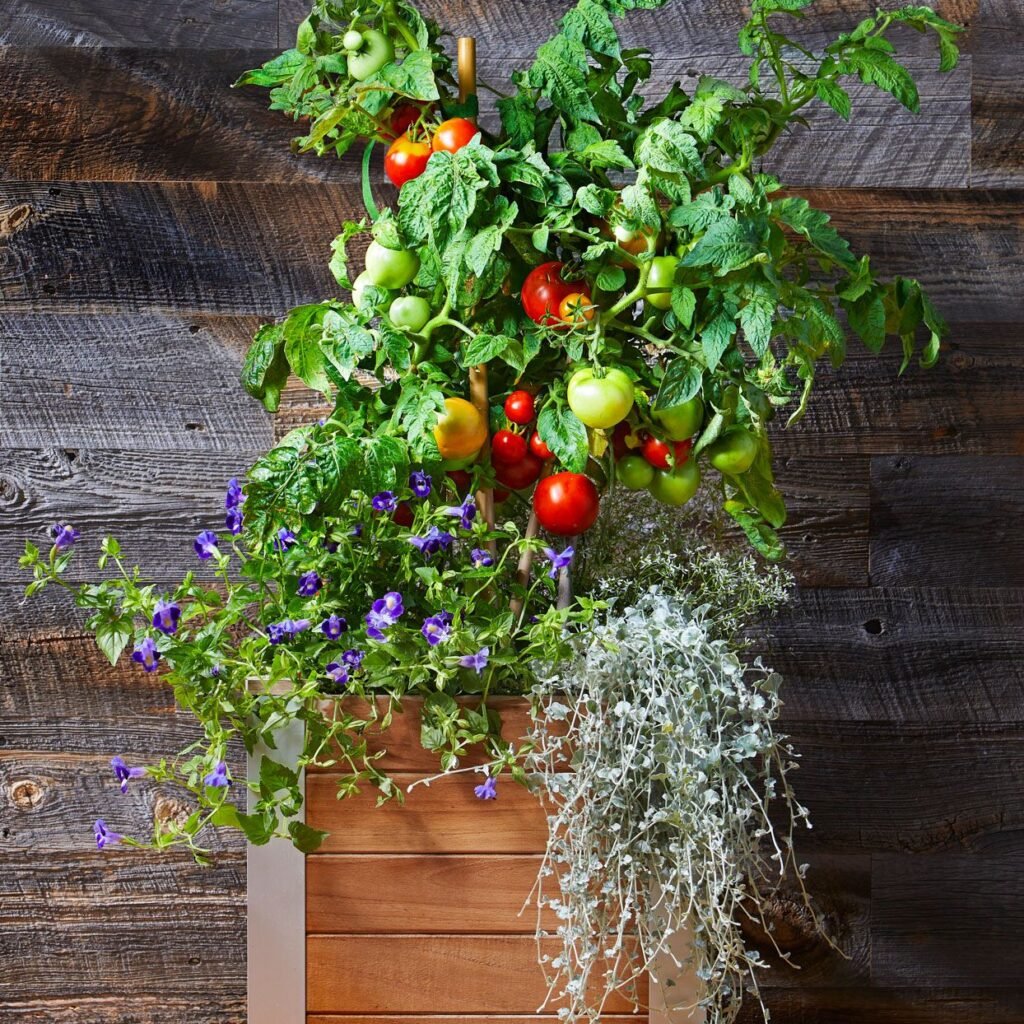
Watering is crucial since pots dry out quickly compared to garden soil.
- Frequency: Water once daily in summer, and every other day in cooler months.
- Deep Watering: Ensure water reaches the root zone. Shallow watering can stunt growth.
- Avoid Overwatering: Check the soil with your finger—if it’s moist 1 inch below, hold off.
- Self-Watering Containers: Great for balconies if you travel often.
Tip: Early morning or late evening watering reduces evaporation and helps plants absorb moisture better.
Sunlight and Placement
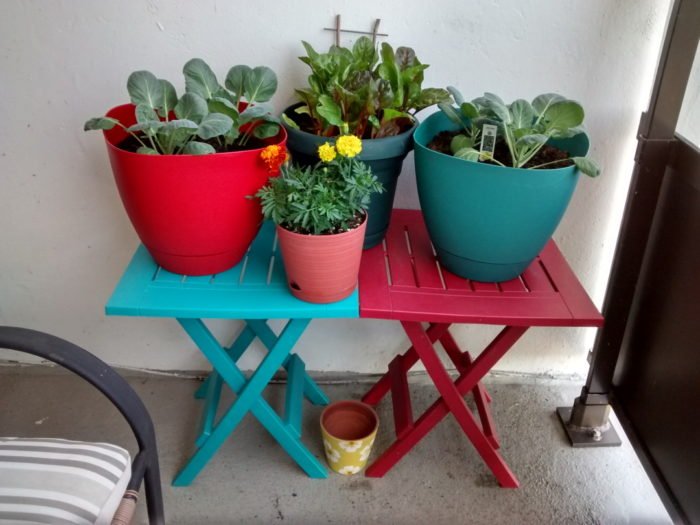
Most vegetables need at least 6–8 hours of direct sunlight daily. Since balconies often have limited light:
- Place pots near railings or walls that get the most sun.
- Use tiered plant stands to maximize vertical space.
- Grow shade-tolerant crops (lettuce, spinach, parsley) if your balcony is not very sunny.
If sunlight is very limited, consider supplementing with LED grow lights.
Fertilization and Nutrient Care
Nutrients leach out quickly with frequent watering, so container vegetables need regular feeding.
- Liquid Fertilizers: Apply every 10–14 days for leafy greens and herbs.
- Slow-Release Fertilizers: Ideal for fruiting plants like tomatoes and peppers.
- Organic Options: Compost tea, seaweed extract, or fish emulsion keep plants healthy naturally.
Tip: Avoid over-fertilization—too much nitrogen can cause lush leaves but fewer fruits.
Managing Pests and Diseases
Balcony plants are less prone to pests than ground gardens, but they’re not immune.
- Common Pests: Aphids, whiteflies, mealybugs, and caterpillars.
- Natural Solutions:
- Spray neem oil solution weekly.
- Use soapy water to wash off soft-bodied insects.
- Encourage beneficial insects like ladybugs.
- Diseases: Prevent fungal infections by ensuring good air circulation and avoiding overhead watering.
Vertical Gardening for Small Balconies
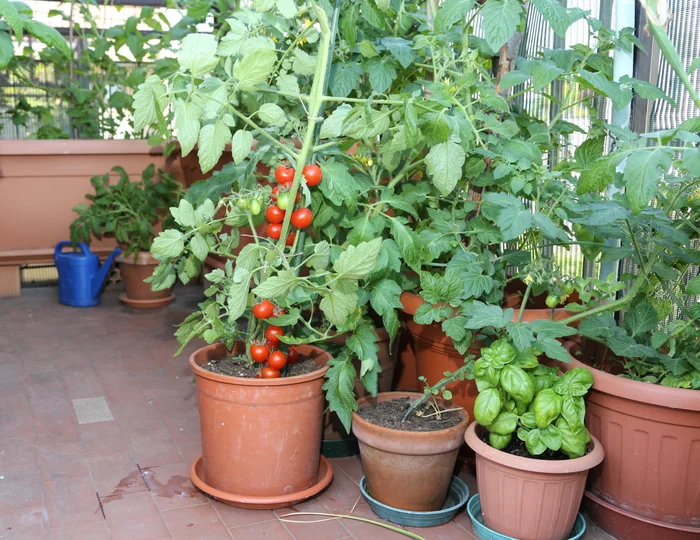
If your balcony is tiny, vertical gardening can maximize space:
- Use hanging baskets for trailing plants like cherry tomatoes or strawberries.
- Install wall-mounted planters for herbs and leafy greens.
- Add a trellis for cucumbers, beans, or climbing peas.
This not only saves space but also creates a lush, green wall that doubles as a privacy screen.
Harvesting Tips
- Leafy Greens: Harvest outer leaves regularly, allowing the inner ones to keep growing.
- Tomatoes & Peppers: Pick when fully colored but firm to the touch.
- Root Crops: Check maturity times (usually 30–60 days for radishes and carrots).
Regular harvesting encourages plants to keep producing.
Seasonal Balcony Gardening
- Spring & Summer: Tomatoes, peppers, cucumbers, beans, basil, and parsley thrive.
- Autumn & Winter: Spinach, lettuce, radishes, carrots, and coriander do well in cooler weather.
By rotating crops seasonally, you can enjoy year-round balcony harvests.
Practical Tips for Success
- Start Small: Begin with 3–4 pots and expand as you gain confidence.
- Use Lightweight Pots: Makes moving easier, especially if you live in a high-rise.
- Protect from Wind: Balconies at higher floors can be windy—use screens or railings for protection.
- Group Plants: Grouping helps retain humidity and makes watering easier.
- Experiment with Companion Planting: Grow basil with tomatoes, or lettuce under taller crops to save space and improve yields.
Conclusion
Growing vegetables in pots on a balcony is not only possible but incredibly rewarding. With the right choice of containers, soil, and plants, even a small space can yield a steady supply of fresh produce. From the fragrance of basil to the sweetness of cherry tomatoes, balcony gardening allows you to bring nature into your home and enjoy the satisfaction of eating what you grow.

By following simple steps—choosing the right vegetables, ensuring proper sunlight, watering consistently, and managing pests—you can transform your balcony into a thriving green oasis. Whether you’re a beginner or a seasoned gardener, balcony vegetable gardening is a practical, sustainable, and joyful way to live greener in the city.

Leave A Comment