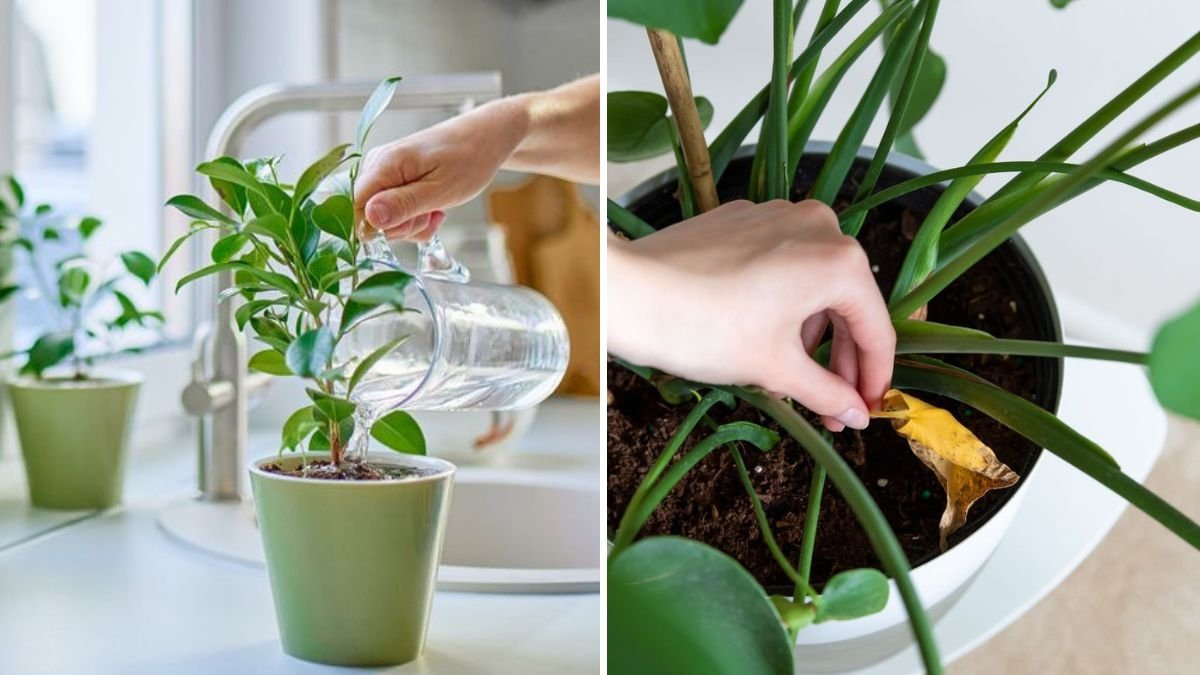
Indoor plants do more than just beautify our homes—they clean the air, reduce stress, and create a calming atmosphere. But just like furniture, shelves, or electronics, indoor plants accumulate dust over time. That layer of dust may seem harmless, yet it can significantly impact your plant’s health. Dust blocks sunlight, clogs pores on leaves (called stomata), and interferes with photosynthesis and respiration. If left unattended, dusty plants may struggle to “breathe” properly, slowing their growth and making them vulnerable to pests and diseases.
Keeping your plants dust-free is not only about aesthetics—it’s about ensuring they thrive and contribute to a healthier living space. In this guide, we’ll explore why cleaning plant leaves matters, the best methods for dust removal, expert care tips, and how to prevent dust buildup for long-term plant health.
Why Dust Is a Problem for Indoor Plants
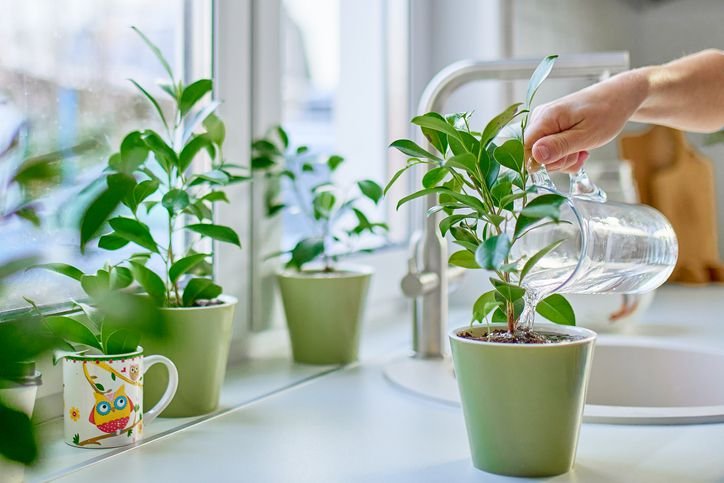
Dust on your TV or shelves may only affect appearance, but on plants, it affects survival. Here’s why:

- Blocks Photosynthesis
Plants rely on sunlight to produce energy. When a layer of dust coats the leaves, it acts like a curtain, reducing the amount of light that reaches them. Less light means less energy for growth. - Clogs Leaf Pores (Stomata)
The tiny openings on leaves, known as stomata, are used for gas exchange—taking in carbon dioxide and releasing oxygen. Dust particles block these pores, making it harder for plants to “breathe.” - Encourages Pests and Diseases
Dusty leaves create a perfect hiding spot for pests like spider mites, mealybugs, and scale insects. A dirty surface can also trap moisture, increasing the risk of fungal growth. - Reduces Indoor Air Quality
Ironically, dusty plants cannot perform their air-purifying functions as effectively. Since one reason we keep plants indoors is for fresher air, it makes sense to keep them clean.
How Often Should You Clean Indoor Plants?
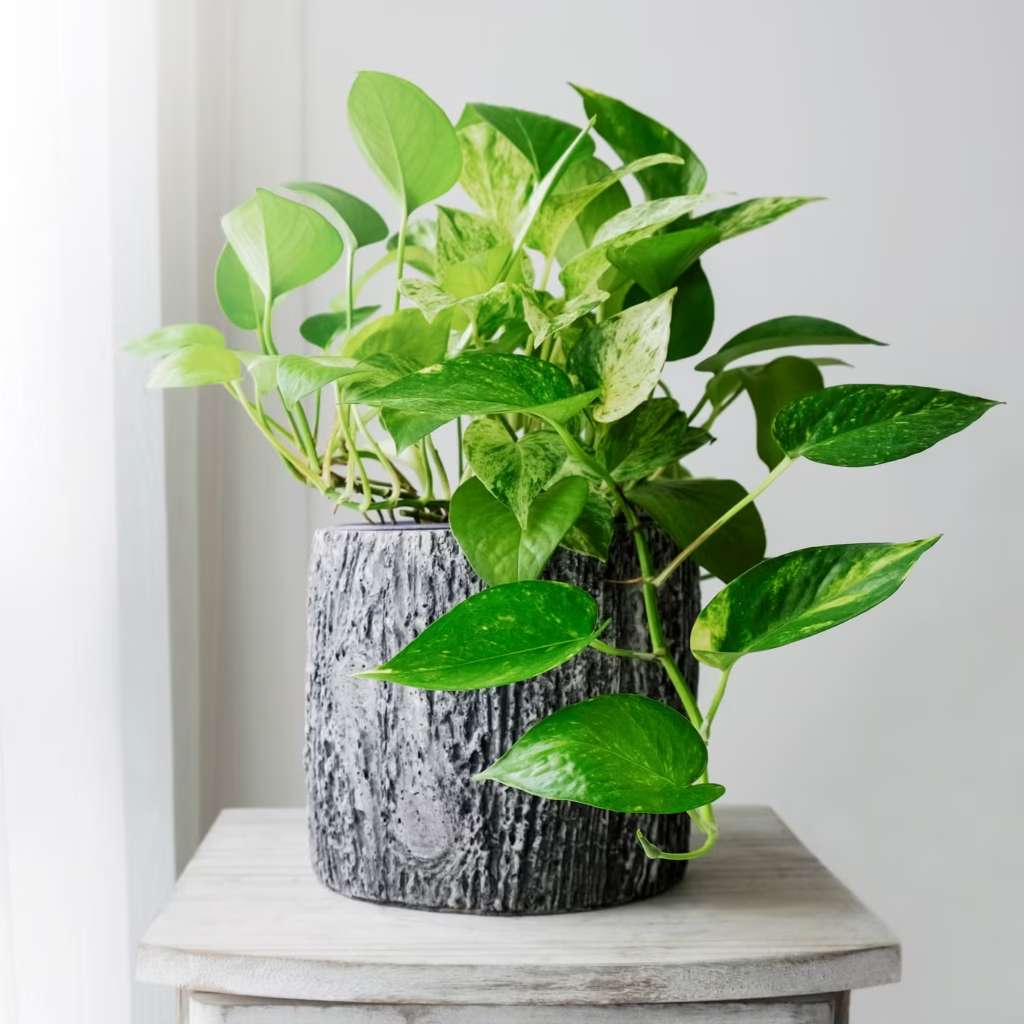
- Every 1–2 weeks: Light dusting for plants in high-dust environments or near open windows.
- Monthly: A more thorough cleaning, especially for plants with large leaves like fiddle leaf figs, monstera, or rubber plants.
- Seasonal deep clean: At least once every 3–4 months, give your plants a “spa day” with a gentle wash, pruning, and pest inspection.
The frequency depends on your home environment. Urban homes near traffic, or spaces with pets and HVAC systems, often need more frequent plant cleaning.
Best Methods to Remove Dust from Indoor Plants
Not all plants are the same—some have broad glossy leaves, others have fuzzy or delicate textures. Here are safe and effective cleaning techniques:
1. Wiping with a Damp Cloth
- Best for: Large-leafed plants (rubber plant, fiddle leaf fig, monstera).
- Method: Use a soft, damp microfiber cloth to gently wipe each leaf, supporting it from underneath to avoid breakage.
- Pro tip: Use lukewarm water. Cold water can shock plants, while hot water damages tissue.
2. Showering the Plants
- Best for: Sturdy foliage plants like pothos, palms, or dracaenas.
- Method: Place the plant in a shower or sink and rinse it with a gentle spray of lukewarm water. Let excess water drain completely.
- Avoid: Plants with fuzzy leaves (African violets) that dislike water sitting on their surface.
3. Using a Soft Brush or Paintbrush
- Best for: Plants with delicate or hairy leaves (African violets, ferns, succulents).
- Method: Gently sweep away dust using a clean, soft brush or makeup brush. This avoids damaging sensitive leaf textures.
4. Compressed Air for Cacti and Succulents
- Best for: Spiny or clustered plants where cloths cannot reach.
- Method: Use canned air (the kind used for cleaning keyboards) to blow away dust from tricky areas.
5. Leaf Shine Alternatives
Commercial “leaf shine” sprays may look appealing but can clog stomata. Instead, try natural methods:

- Banana peel: Gently rub the inside of a banana peel on broad leaves to clean and add natural shine.
- Diluted milk solution (1:10 with water): Adds nutrients while giving leaves a subtle polish.
Special Considerations for Different Plant Types
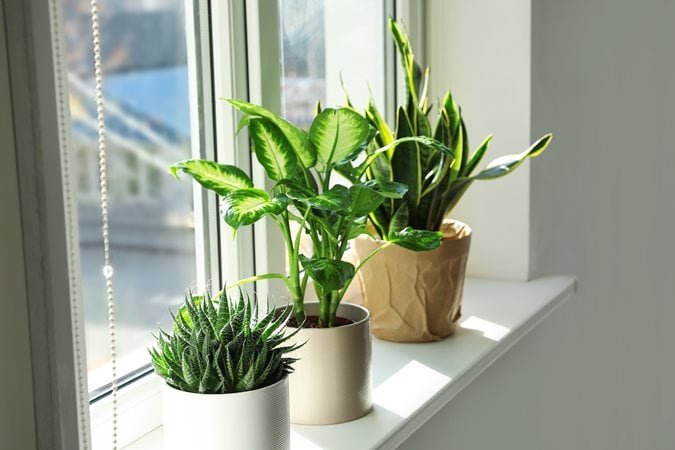
- Succulents and Cacti
- They collect dust easily but should not be overwatered. Use a soft brush or air blower instead of frequent rinsing.
- Ferns and Delicate Foliage
- Their fronds are fragile. Mist them lightly and use a brush to remove dust rather than wiping.
- Orchids
- Their leaves can be wiped with a damp cloth, but avoid water sitting in the crown (center), as it can cause rot.
- Large Indoor Trees (Fiddle Leaf Fig, Rubber Plant)
- Need regular dusting because their broad leaves show dirt quickly. Wiping once a week helps maintain shine and health.
Preventing Dust Buildup on Indoor Plants
Prevention saves time and reduces stress for both you and your plants. Here are smart strategies:
- Improve Air Circulation
Use fans or open windows occasionally to prevent stagnant air, which attracts dust. - Keep Windows and Filters Clean
Dirty window sills and HVAC filters spread dust that settles on plants. Regular cleaning reduces buildup. - Place Plants Away from Heavy Dust Sources
Avoid placing them near radiators, vents, or high-traffic corners where dust is stirred up. - Use Regular Misting
Lightly misting plants (for species that enjoy humidity) can help keep dust from sticking. - Group Plants Together
A cluster of plants creates a mini-humidity zone, which not only benefits plant health but also reduces static dust accumulation.
Additional Benefits of Cleaning Indoor Plants
Keeping plants dust-free goes beyond aesthetics. Regular cleaning offers several long-term benefits:
- Early Pest Detection: While cleaning, you can spot pests like spider mites or aphids before they spread.
- Improved Growth: Clean leaves capture more light, leading to stronger growth and brighter foliage.
- Healthier Air Quality: Plants that photosynthesize efficiently filter indoor toxins better.
- Stress Relief for You: Cleaning plants is a mindful, relaxing activity that strengthens your bond with them.
Step-by-Step Plant Cleaning Routine
Here’s a simple “plant spa day” checklist you can follow once a month:

- Inspect: Check leaves, stems, and soil for pests or signs of stress.
- Dust Removal: Use an appropriate cleaning method (cloth, brush, or shower).
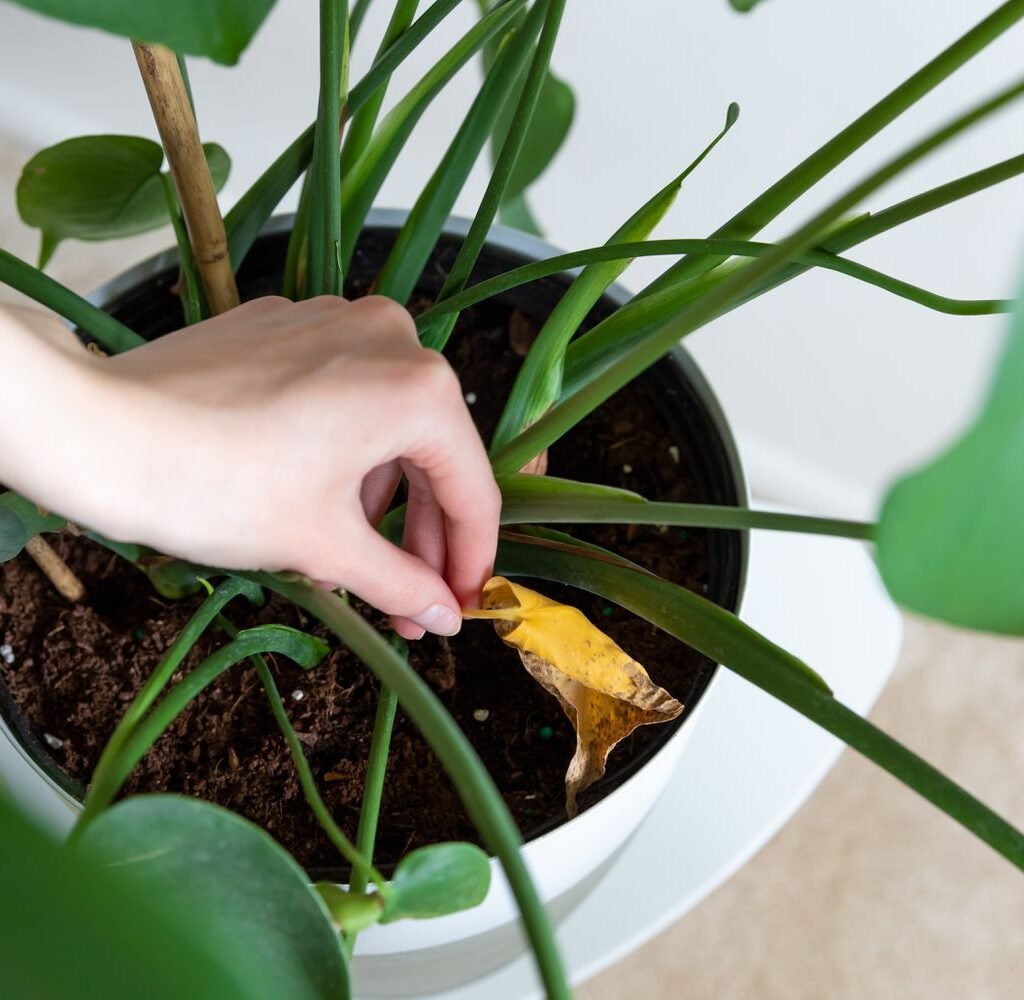
- Prune Dead Leaves: Trim yellowed or dried foliage to encourage fresh growth.
- Refresh Soil Surface: Remove surface debris or crusty soil to improve aeration.
- Hydrate: Water thoroughly after cleaning, ensuring drainage is proper.
- Shine (Optional): Use natural shine methods if desired, but avoid heavy oils or sprays.
Common Mistakes to Avoid
- Using Harsh Chemicals
Never use furniture polish, baby wipes, or soap with additives. These can harm the leaf surface. - Over-Misting
For plants sensitive to water on leaves, too much misting may cause fungal spots. - Neglecting Undersides of Leaves
Dust and pests often hide on the leaf undersides—clean them gently too. - Cleaning Too Aggressively
Scrubbing can tear delicate leaves. Always support leaves with one hand while wiping.
Conclusion
Indoor plants breathe life into our homes, but they need clean, dust-free leaves to thrive. A regular cleaning routine ensures they photosynthesize efficiently, resist pests, and maintain their beauty. Whether it’s a quick weekly dusting with a damp cloth or a monthly shower for your bigger houseplants, these small acts of care make a big difference.
Remember: a clean plant is a healthy plant—and a healthy plant, in turn, creates a cleaner, fresher environment for you. By keeping your indoor plants dust-free and breathing better, you not only enhance their growth but also improve your own living space, one leaf at a time.


Leave A Comment