
Weeds are every gardener’s nemesis. They pop up uninvited, compete with your plants for water, nutrients, and sunlight, and can quickly overrun even the most carefully tended garden beds. While chemical herbicides offer a quick fix, many gardeners seek safer, natural ways to control weeds—methods that protect both the environment and the health of soil, plants, pets, and people.
The good news is that it’s entirely possible to keep weeds out of your garden beds naturally with a combination of smart practices, timing, and materials. This article explores the most effective natural weed prevention strategies, backed by science and practical experience.
Understanding Weeds: Why They Grow
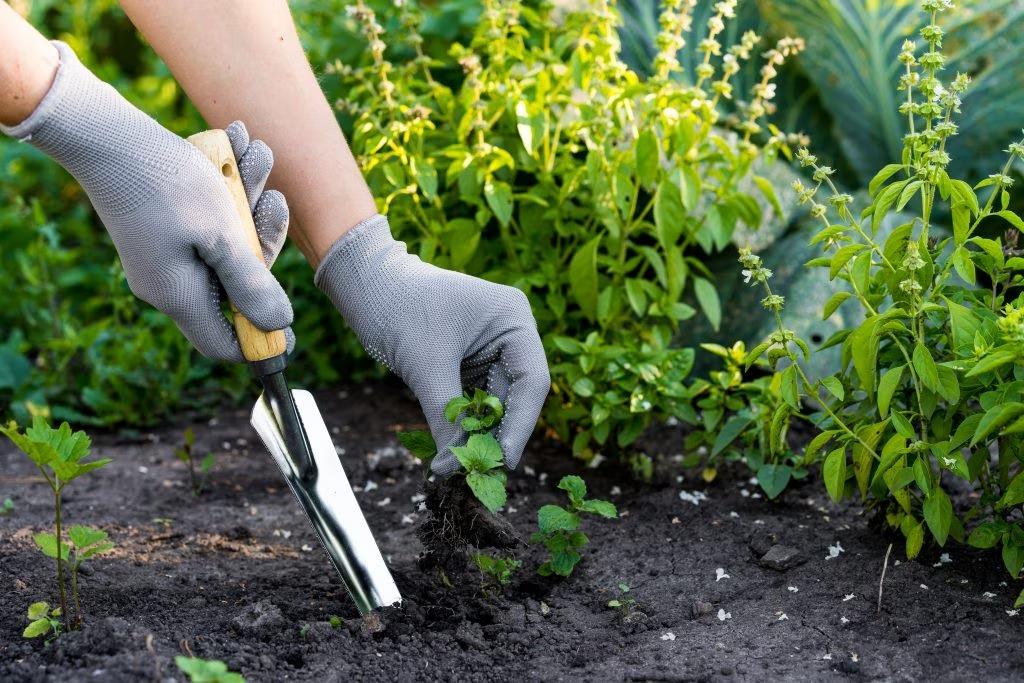
Before diving into weed control methods, it’s important to understand why weeds appear in the first place. Weeds are opportunistic plants that thrive in disturbed or exposed soil. Their seeds are carried by wind, water, animals, and human activity—and they germinate rapidly when conditions are favorable.
Most weed seeds require:
- Light
- Warmth
- Moisture
- Bare soil
By altering these conditions naturally, you can make your garden beds much less welcoming to weeds.
1. Start with Healthy Soil
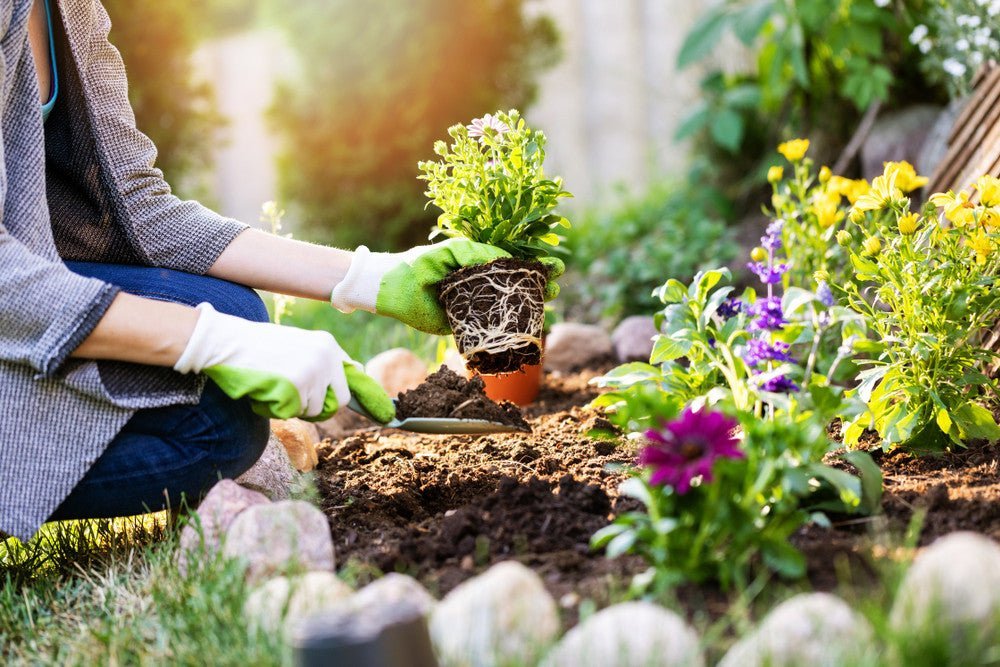
Healthy soil filled with beneficial microbes, fungi, and organic matter helps plants outcompete weeds. A vibrant soil ecosystem naturally suppresses weed growth by:
- Outcompeting weed roots
- Breaking down weed seeds
- Encouraging dense root systems in desirable plants
How to build healthy soil:
- Add compost regularly
- Use organic fertilizers instead of chemical ones
- Avoid over-tilling, which disrupts soil structure and brings buried weed seeds to the surface
2. Mulch, Mulch, Mulch
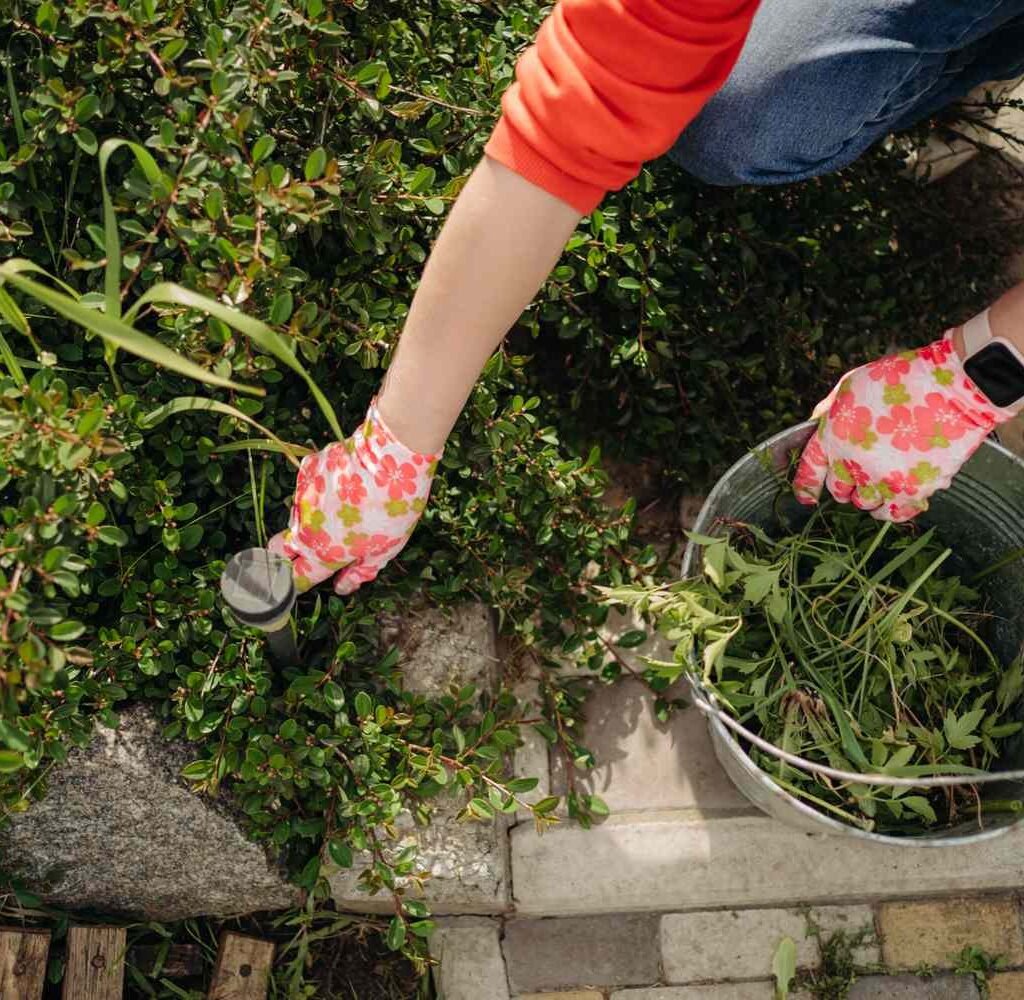
Mulching is one of the most effective natural strategies to prevent weed growth. A thick layer of mulch blocks sunlight from reaching the soil, which:
- Prevents weed seed germination
- Smothers small existing weeds
- Helps retain moisture and improve soil structure
Types of organic mulch:
- Wood chips or bark
- Straw or hay (weed-free)
- Grass clippings (dried before applying)
- Shredded leaves
- Compost
How to apply:
- Clear existing weeds first
- Apply 2–4 inches of mulch
- Keep mulch a few inches away from plant stems and tree trunks to prevent rot
Pro tip: Lay cardboard or newspaper underneath mulch in particularly weedy areas for extra weed suppression. These biodegradable layers form a barrier that blocks light and slowly decomposes into the soil.
3. Use Cover Crops
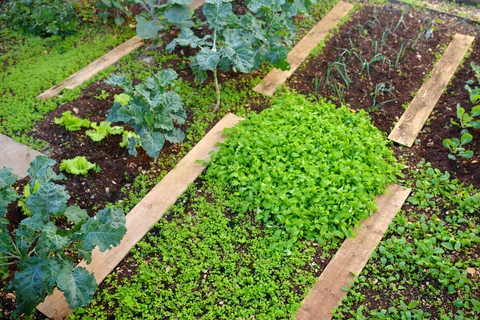
Also known as “green manure,” cover crops are fast-growing plants that fill bare garden spaces. They crowd out weeds by occupying space, taking up nutrients, and blocking sunlight.
Popular cover crops include:
- Clover
- Rye
- Vetch
- Buckwheat
Benefits:
- Prevent weeds from gaining a foothold
- Improve soil fertility and texture
- Add organic matter when tilled under
Cover crops are ideal for off-seasons or between crop rotations in vegetable gardens.
4. Plant Densely and Strategically
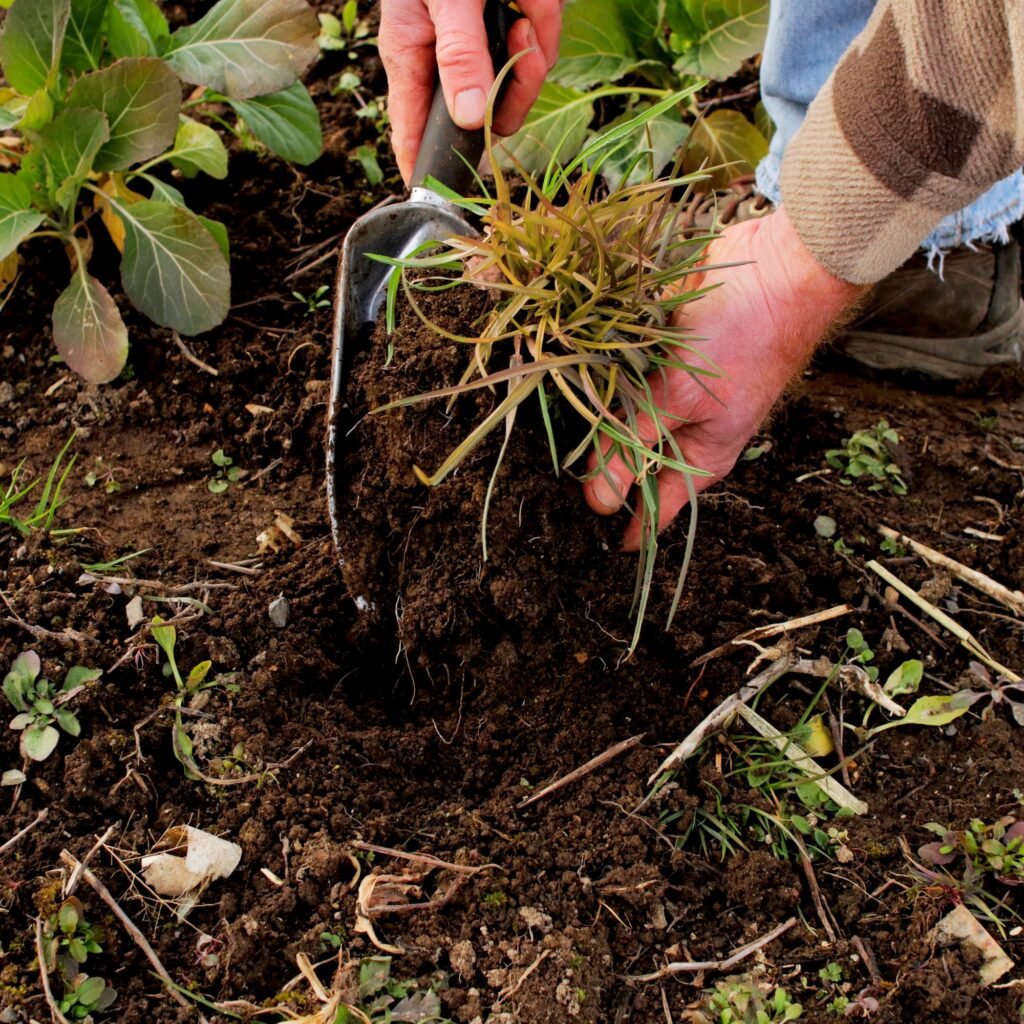
One of the best ways to keep weeds at bay is by not giving them room to grow. When garden beds are densely planted, there’s less light and space available for weeds to establish.
Tips for dense planting:
- Use ground covers (like creeping thyme or sweet alyssum) between taller plants
- Plant leafy vegetables close together (like lettuce and spinach)
- Use vertical gardening (like trellises) to layer plants and shade the soil below
Strategic interplanting not only reduces weed pressure but also improves biodiversity, which supports pest control and pollination.
5. Water Smartly
Most weeds thrive in moist, disturbed areas. So watering your garden properly can discourage weed growth.
Use drip irrigation or soaker hoses:
- Delivers water directly to plant roots
- Keeps the surrounding soil dry, making it harder for weeds to thrive
- Conserves water compared to overhead sprinklers
Avoid frequent, shallow watering, which encourages both weed growth and shallow root development in your crops.
6. Hand Weed Regularly (But the Smart Way)
While not glamorous, manual weeding remains a key part of natural weed control. The trick is to weed early and often, before plants go to seed or develop deep roots.
Tips for efficient weeding:
- Weed after rain or watering, when soil is soft
- Use tools like a hoe, fork, or hand weeder to extract roots
- Focus on tap-rooted weeds (like dandelions) before they become established
- Always remove weeds before they flower and drop seeds
Make it a routine: a few minutes of weeding a day is far more manageable than waiting until the garden is overrun.
7. Solarize Weedy Beds Before Planting
If you’re preparing a new bed or dealing with a seriously weedy area, solarization is a powerful organic method.

How it works:
- Cover the soil with clear plastic sheeting
- Leave it in place for 4–6 weeks during summer
- The sun heats the soil beneath to temperatures that kill weed seeds, roots, and pathogens
Solarization works best in sunny climates and is a great way to prepare beds for planting without chemicals.
8. Use Natural Weed Barriers
Instead of synthetic landscape fabric (which can degrade over time and create plastic waste), use natural weed barriers that biodegrade and feed the soil.
Examples:
- Cardboard: Great for smothering large areas of weeds; best when wet and topped with mulch
- Newspaper: Use several layers, overlapping, and cover with mulch
- Jute matting or burlap: Breathable and biodegradable, good for slope stabilization
These materials block weeds while slowly breaking down, enriching the soil as they decompose.
9. Avoid Bringing in Weed Seeds
Prevention is always easier than removal. Be cautious about introducing weed seeds unknowingly into your garden.
Tips to avoid contamination:
- Only use certified weed-free compost, straw, and manure
- Clean tools and boots after working in weedy areas
- Don’t compost invasive weeds or seeds unless you have a hot compost system (130°F or higher)
- Avoid letting garden weeds go to seed
10. Choose the Right Plants for Your Zone
Some weeds outcompete plants because the garden isn’t planted with the best-suited species. Native and well-adapted plants establish faster and create canopies that suppress weeds.
Visit your local extension office or native plant society for recommendations on low-maintenance, weed-resistant plants.

Conclusion: A Natural Balance
Controlling weeds without chemicals isn’t just possible—it’s preferable. By adopting natural strategies like mulching, dense planting, and soil building, you can create a healthy, balanced garden ecosystem where weeds have little opportunity to take over.
While no method is 100% weed-proof, the key is prevention, consistency, and working with nature rather than against it. A garden that is actively growing, covered with mulch or crops, and tended with intention is naturally resistant to weed invasion.
By choosing organic, sustainable methods, you’re not only keeping your garden beds beautiful and productive—you’re also protecting pollinators, improving soil health, and contributing to a healthier environment.

Leave A Comment