Houseplants bring energy, beauty, and life to indoor spaces, but many plant lovers often feel frustrated when their plants seem to grow slowly or stagnate. While some houseplants are naturally slow growers, there are proven strategies to encourage faster, healthier growth. According to plant care experts, the secret lies in providing the right balance of light, water, nutrients, and environmental conditions tailored to each plant’s needs.
In this article, we’ll explore expert-backed tips to make your houseplants grow faster, common mistakes to avoid, and ways to create an environment where plants thrive year-round.
Why Some Houseplants Grow Slowly
Not all slow growth is a sign of poor care. Many species, such as succulents, ZZ plants, and certain palms, naturally have slower growth cycles. However, growth can also be hindered by:
- Insufficient light – Plants rely on photosynthesis to create energy. Low light slows this process dramatically.
- Poor soil quality – Compacted or nutrient-deficient soil prevents roots from accessing water and food.
- Improper watering – Both overwatering and underwatering stress plants, leading to stunted growth.
- Lack of nutrients – Plants require a steady supply of essential minerals for active growth.
- Environmental stress – Factors like low humidity, drafts, or temperature fluctuations can weaken plants.
Understanding these growth inhibitors helps you adjust conditions to accelerate growth effectively.
Expert-Backed Strategies for Faster Houseplant Growth
1. Provide Optimal Lighting
Light is the single most important factor for plant growth. Without sufficient light, plants cannot photosynthesize efficiently.
- Maximize natural light: Place plants near bright, indirect light sources, such as east- or south-facing windows.
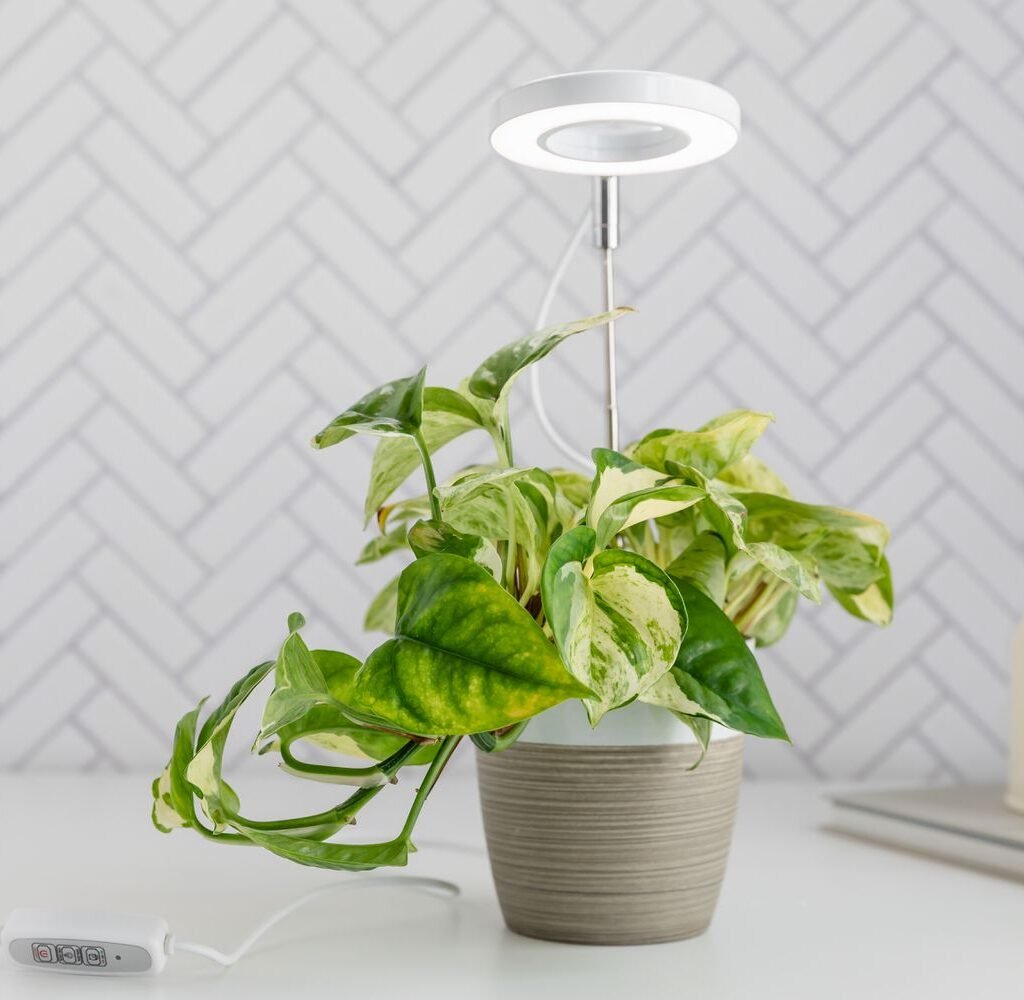
- Supplement with grow lights: For darker rooms, LED grow lights provide the full spectrum of light plants need. Experts recommend 12–16 hours of light per day for optimal growth.
- Rotate plants: Turning plants every week ensures even light exposure and balanced growth.
Pro Tip: If leaves start stretching toward the light (a sign of legginess), it means the plant needs more brightness.
2. Use the Right Soil Mix
Soil is more than just a medium—it’s the foundation for root health and nutrient delivery.
- Choose well-draining mixes: Most houseplants thrive in soil with a balance of organic matter (for nutrition) and drainage materials like perlite or sand.
- Tailor soil to the plant:
- Succulents and cacti need sandy, fast-draining soil.
- Tropical plants prefer rich, moisture-retentive soil.
- Orchids do best in bark-based mixes that allow airflow around roots.
- Refresh soil annually: Repotting with fresh mix prevents compaction and replenishes nutrients.
3. Master the Art of Watering
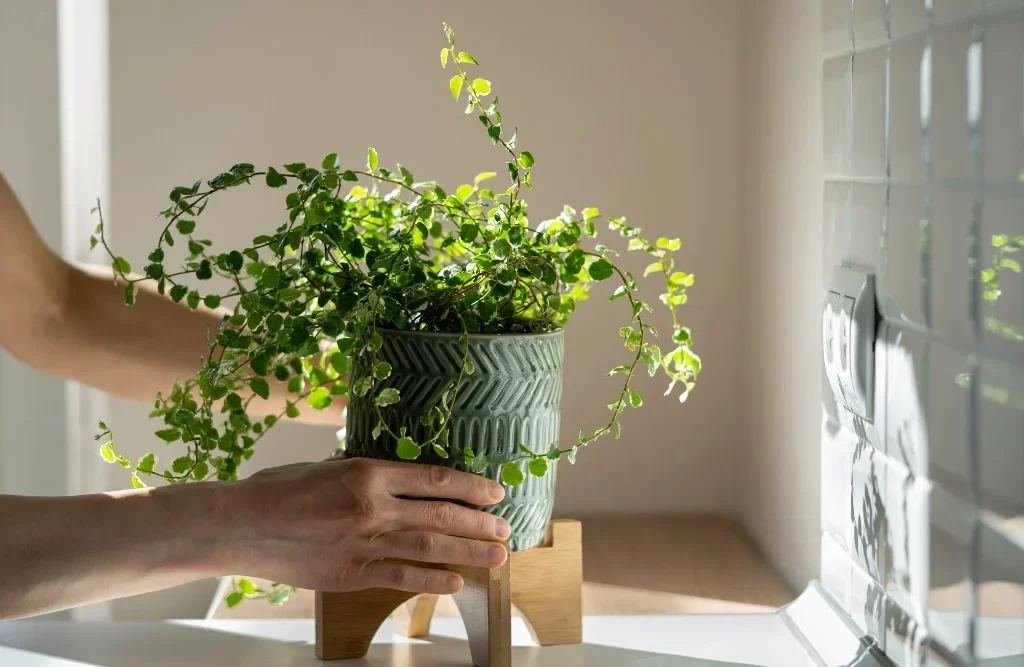
Improper watering is the most common cause of stunted houseplants.
- Follow the “soak and dry” rule: Water thoroughly until excess drains out, then wait until the top inch of soil dries before watering again.
- Use room-temperature water: Cold water can shock roots, while warm water promotes better absorption.
- Adjust with the seasons: Plants need more water in spring and summer (active growth) and less in fall and winter (dormancy).
Expert Insight: Overwatering suffocates roots, leading to rot. Always check soil moisture before watering.
4. Fertilize Regularly and Wisely
Fertilizers act like plant food, providing essential nutrients that fuel faster growth.

- Use balanced fertilizers: A 10-10-10 (nitrogen-phosphorus-potassium) liquid fertilizer works well for most houseplants.
- Apply during growing season: Fertilize every 2–4 weeks in spring and summer, but reduce or stop in winter.
- Avoid overfertilizing: Too much fertilizer can burn roots and damage plants. Always dilute liquid fertilizers to half the recommended strength.
Nutrient Roles:
- Nitrogen promotes leafy growth.
- Phosphorus aids root development and blooming.
- Potassium boosts overall strength and disease resistance.
5. Ensure Proper Humidity and Temperature
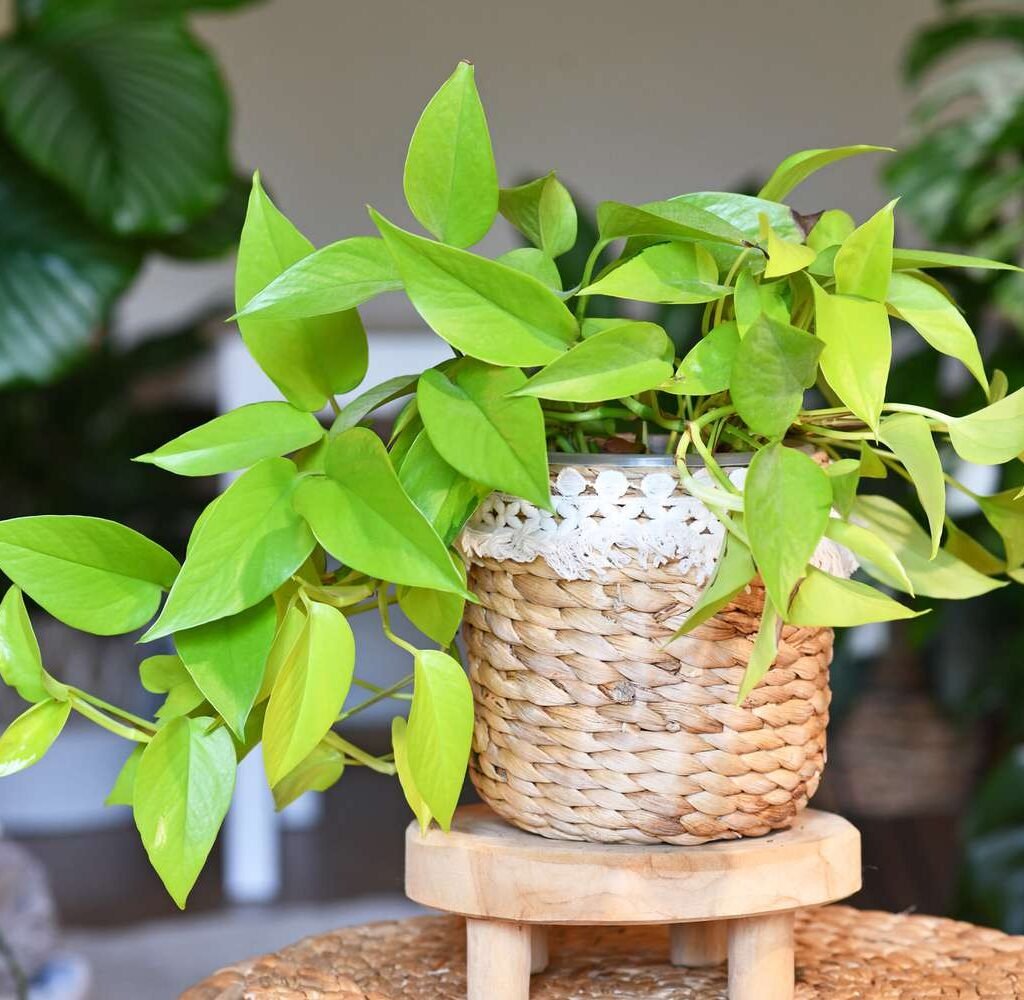
Many houseplants originate from tropical environments where humidity is high and temperatures are stable.
- Maintain ideal humidity: Aim for 40–60%. Use a humidifier, mist leaves lightly, or place pebble trays under pots.
- Avoid drafts and extremes: Keep plants away from heaters, air conditioners, or drafty windows.
- Keep consistent temperatures: Most plants thrive between 65–75°F (18–24°C).
Pro Tip: Brown leaf tips often signal low humidity, while sudden leaf drop may indicate temperature stress.
6. Prune and Propagate for Growth
Pruning helps plants focus their energy on new shoots instead of sustaining old or damaged leaves.
- Trim yellow or dead leaves: This improves airflow and encourages new growth.
- Pinch back leggy stems: This stimulates bushier, fuller growth.
- Propagate cuttings: Many plants, like pothos or philodendron, grow faster when regularly trimmed and propagated.
7. Repot When Needed
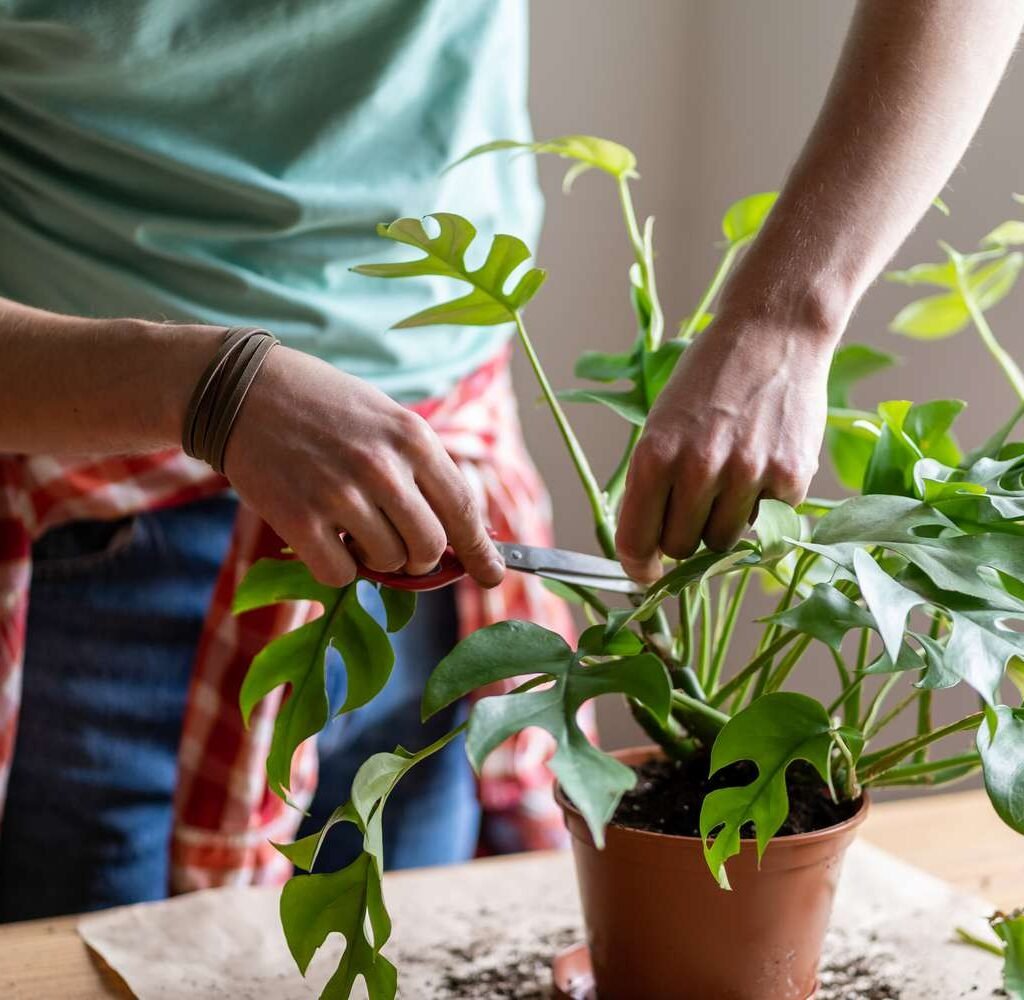
A plant that has outgrown its pot may become root-bound, limiting growth.

- Check for root binding: If roots circle the pot or poke through drainage holes, it’s time to repot.
- Choose the right pot size: Go up only one size larger—too big a pot increases the risk of overwatering.
- Refresh soil with nutrients: Repotting not only frees roots but also gives plants access to fresh minerals.
8. Use Plant Boosters (Safely)
Some gardeners use natural boosters to encourage faster growth:
- Compost tea – Adds beneficial microbes and nutrients.
- Diluted seaweed extract – Provides trace minerals and stimulates root development.
- Epsom salt solution – Supplies magnesium, which helps chlorophyll production.
Always use sparingly and test on one plant before applying widely.
9. Keep Plants Clean
Dusty leaves block light absorption, slowing photosynthesis.
- Wipe leaves gently with a damp cloth every few weeks.
- Use soft brushes for fuzzy-leaved plants like African violets.
- Shower plants occasionally with lukewarm water to remove dust and pests.
10. Watch for Pests and Diseases
Pests like spider mites, aphids, and fungus gnats can drastically slow growth.
- Inspect leaves regularly (especially undersides).
- Isolate new plants before introducing them to your collection.
- Use natural remedies such as neem oil, insecticidal soap, or sticky traps.
Healthy plants resist pests better, so prevention is key.

Common Mistakes That Slow Growth
Experts highlight several common errors that plant owners make:
- Overwatering or underwatering – The #1 killer of houseplants.
- Using the wrong soil – Garden soil compacts and suffocates roots indoors.
- Neglecting seasonal changes – Plants need more care in spring/summer than in fall/winter.
- Ignoring light requirements – Even low-light plants need some brightness.
- Overcrowding plants – Too many plants close together can compete for resources and airflow.
Fastest-Growing Houseplants for Beginners
If you’re eager to see results quickly, experts recommend these species:
- Pothos – Vigorous vines that grow several feet per year.
- Spider Plant – Produces long arching leaves and baby “spiderettes.”
- Philodendron – Fast-growing climbers perfect for hanging baskets.
- Snake Plant – Grows steadily with minimal care.
- ZZ Plant – Resilient and grows new shoots even in low light.
Conclusion
Making houseplants grow faster isn’t about shortcuts—it’s about creating the ideal environment for them to thrive. Experts agree that the key factors are proper light, soil, water, nutrients, and a stable environment. By fine-tuning each of these elements, you’ll notice your plants producing stronger roots, fuller leaves, and faster new growth.
Whether you’re nurturing a single pothos or curating a lush indoor jungle, consistent care and attention will transform your plants from slow growers into thriving, vibrant companions. With these expert-backed strategies, your houseplants won’t just survive—they’ll flourish.

Leave A Comment