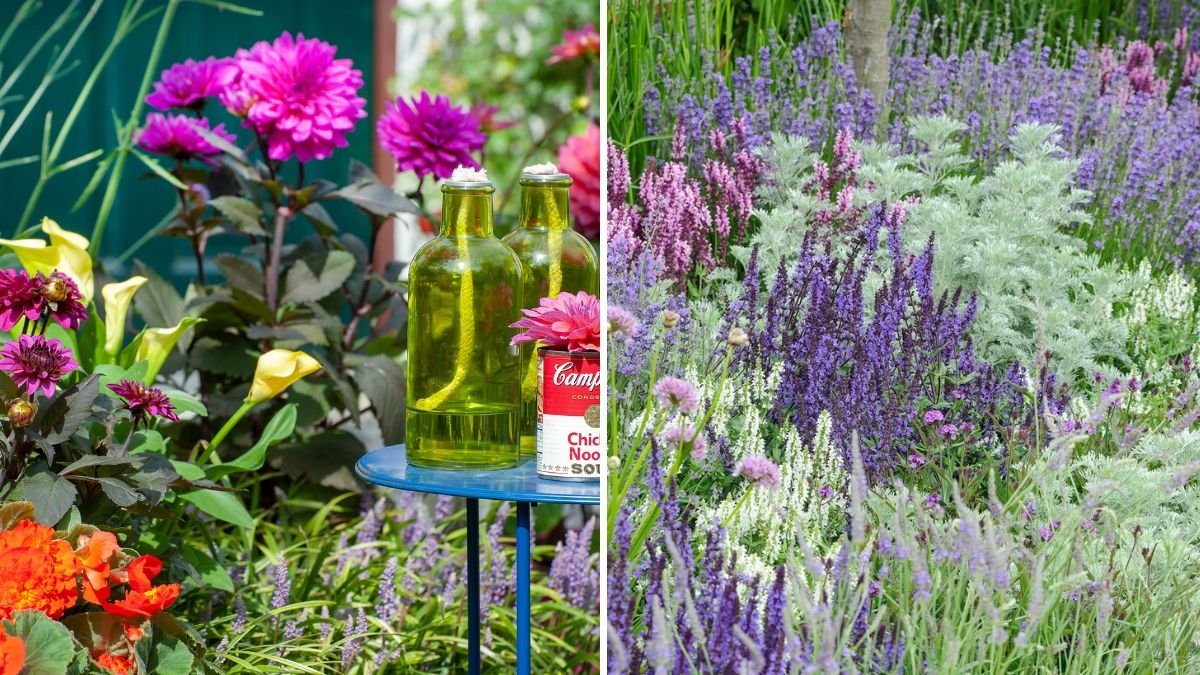
October gardens are a true feast for the eyes. As the air turns crisp and the days grow shorter, nature puts on one of its most dazzling displays—rich scarlets, golden yellows, deep purples, and fiery oranges seem to paint every corner of the landscape. But for gardeners, these seasonal changes also present a wonderful opportunity: creating intentional color schemes that harmonize with autumn’s natural palette.
Whether you want your garden to burst with vibrant contrasts or evoke a more soothing, unified feel, planning a thoughtful October color scheme can elevate your outdoor space from ordinary to spectacular. In this guide, we’ll explore how to choose colors, combine plants, and design layouts that maximize the beauty of your autumn garden.
Why Color Schemes Matter in Fall Gardens
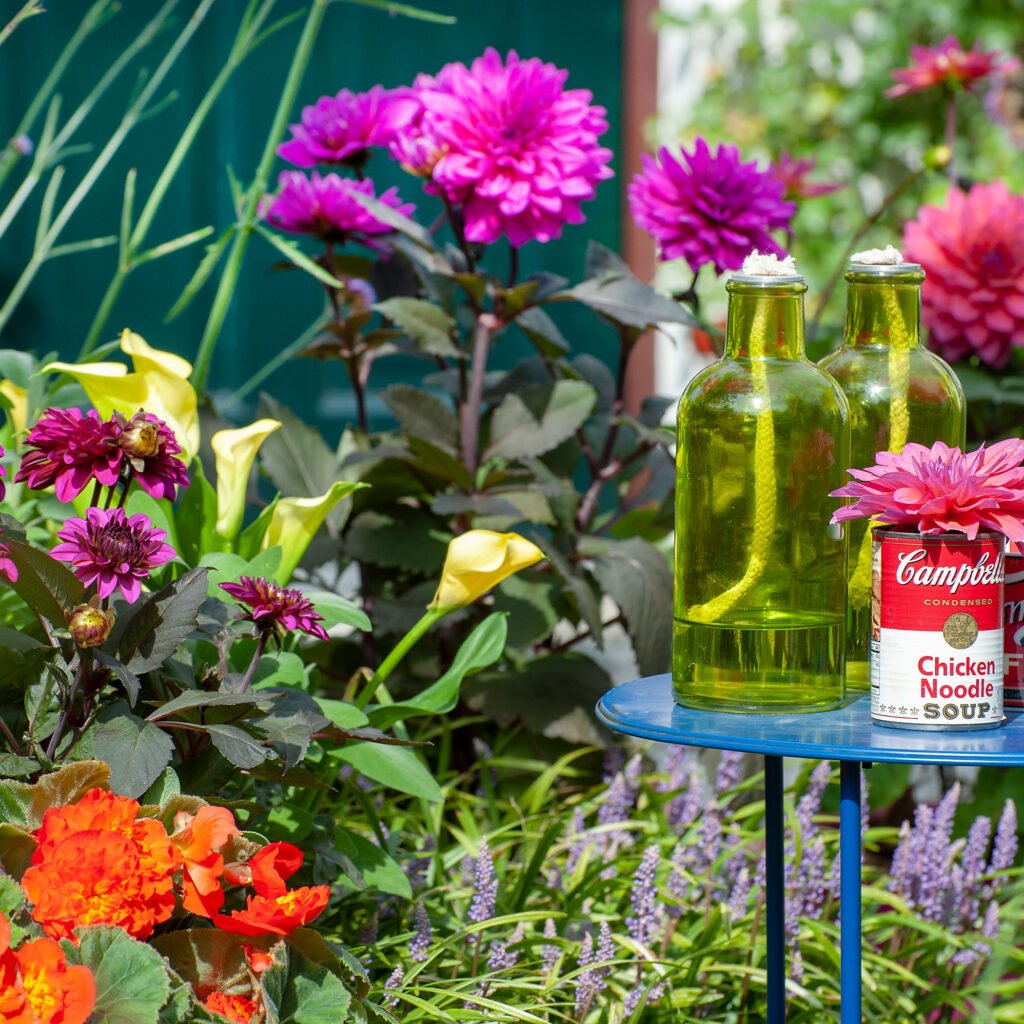
Color isn’t just decoration—it’s a design tool that influences mood, highlights specific features, and sets the tone for your entire garden. By October, many summer plants are fading, so intentional color planning helps extend the season of beauty.
- Emotional impact: Warm colors like orange and red energize and create coziness, while cooler hues like purple or blue calm the eye.
- Cohesion: A coordinated color palette makes your garden look polished and thoughtfully designed.
- Seasonal harmony: A well-planned scheme complements the natural hues of changing foliage and autumn skies.
- Pollinator support: Bright late-season flowers, such as asters and goldenrod, provide nectar and keep your garden lively with bees and butterflies.
Step 1: Understand October’s Natural Palette
Nature itself offers a perfect starting point for October color schemes. Take cues from the foliage, sky, and even harvest produce around you:
- Warm tones: Fiery reds, burnt oranges, amber yellows (inspired by maples, oaks, and pumpkins).
- Earthy tones: Rich browns, bronzes, and burgundy shades (from fallen leaves and ornamental grasses).
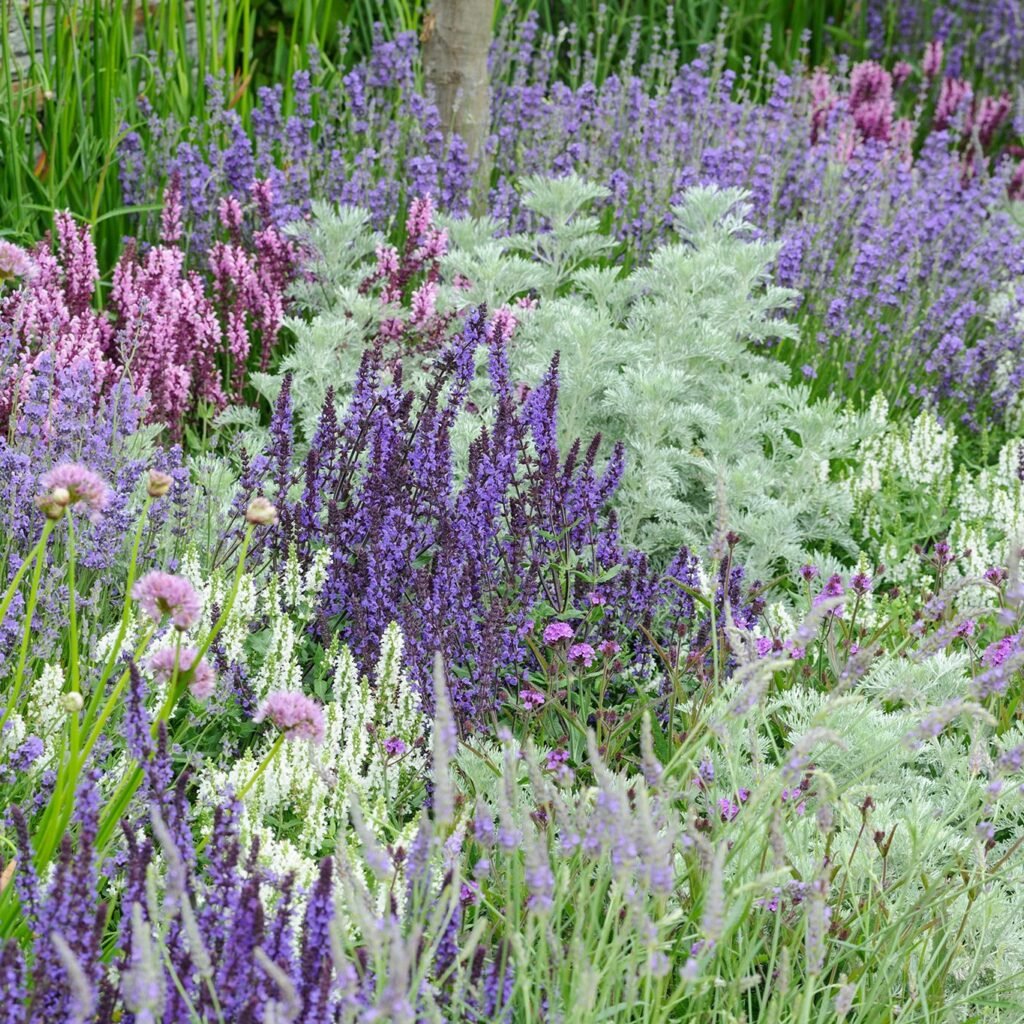
- Cool accents: Purples and blues (from asters, salvias, and autumn skies).
- Neutrals: Whites, creams, and silvers (from chrysanthemums, dusty miller, or ornamental kale).
By embracing these seasonal colors, your garden will naturally feel like an extension of October’s landscape.
Step 2: Choose Your Design Approach
Before selecting plants, decide what overall “look” you want to achieve. Here are three popular approaches:
1. Monochromatic Elegance
Stick to one color family—for example, all shades of orange or deep purple. This creates a sophisticated, unified look that feels intentional. Plant marigolds, chrysanthemums, and pumpkin displays together for a glowing orange scheme.
2. Complementary Contrast
Pair colors opposite each other on the color wheel for bold, eye-catching results. Orange marigolds next to purple asters, or yellow goldenrod paired with deep violet salvia, create dynamic focal points.
3. Analogous Harmony
Choose colors that sit side by side on the color wheel, such as red, orange, and yellow. This approach mimics autumn foliage and creates a warm, cozy vibe.
Step 3: Select the Right Plants
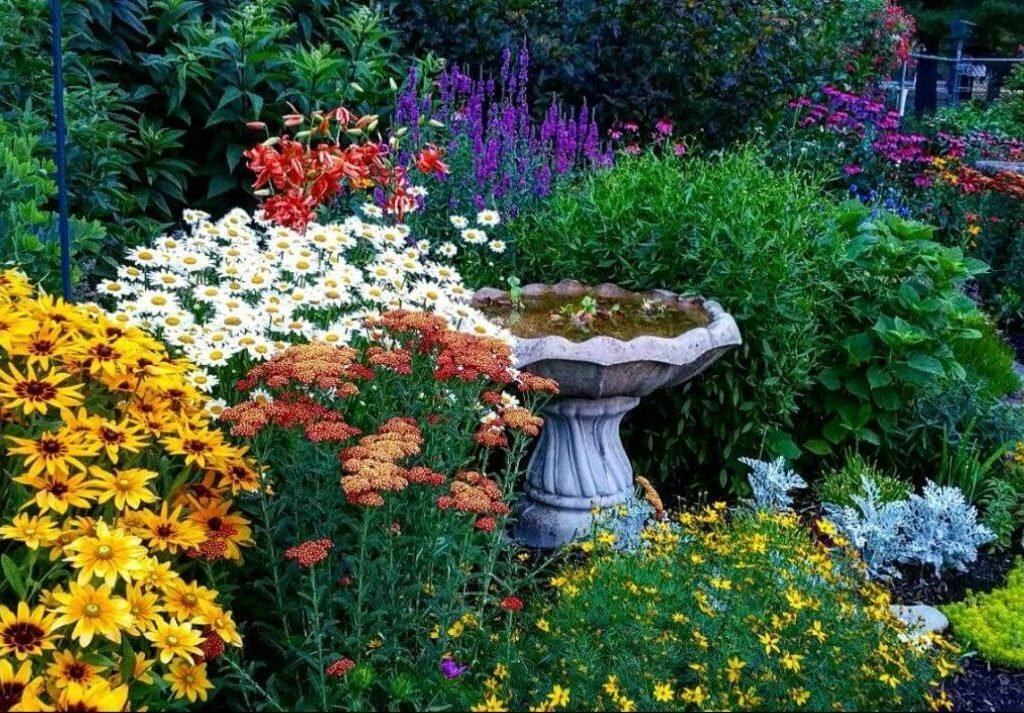
Warm Tones (Red, Orange, Yellow)
- Chrysanthemums: Available in almost every fall shade, perfect for pots or borders.
- Marigolds: Vibrant oranges and yellows that last until frost.
- Goldenrod: A native pollinator magnet with golden plumes.
- Coneflowers (late-blooming varieties): Deep pinks and oranges extend well into October.
Cool Tones (Purple, Blue, Burgundy)
- Asters: Prolific bloomers in purple and blue hues.
- Russian Sage: Airy lavender-blue spikes soften bold warm colors.
- Ornamental Kale: Provides bold purple foliage long after blooms fade.
- Salvia: Deep purples that attract pollinators.
Neutral Accents (White, Silver, Green)
- Dusty Miller: Silvery foliage contrasts beautifully with bold flowers.
- White Mums: Crisp blooms brighten darker schemes.
- Ornamental Grasses: Provide texture in soft tans, bronzes, and creams.
By mixing these groups, you can design balanced, dynamic displays that celebrate October’s full spectrum.

Step 4: Incorporate Non-Flower Elements
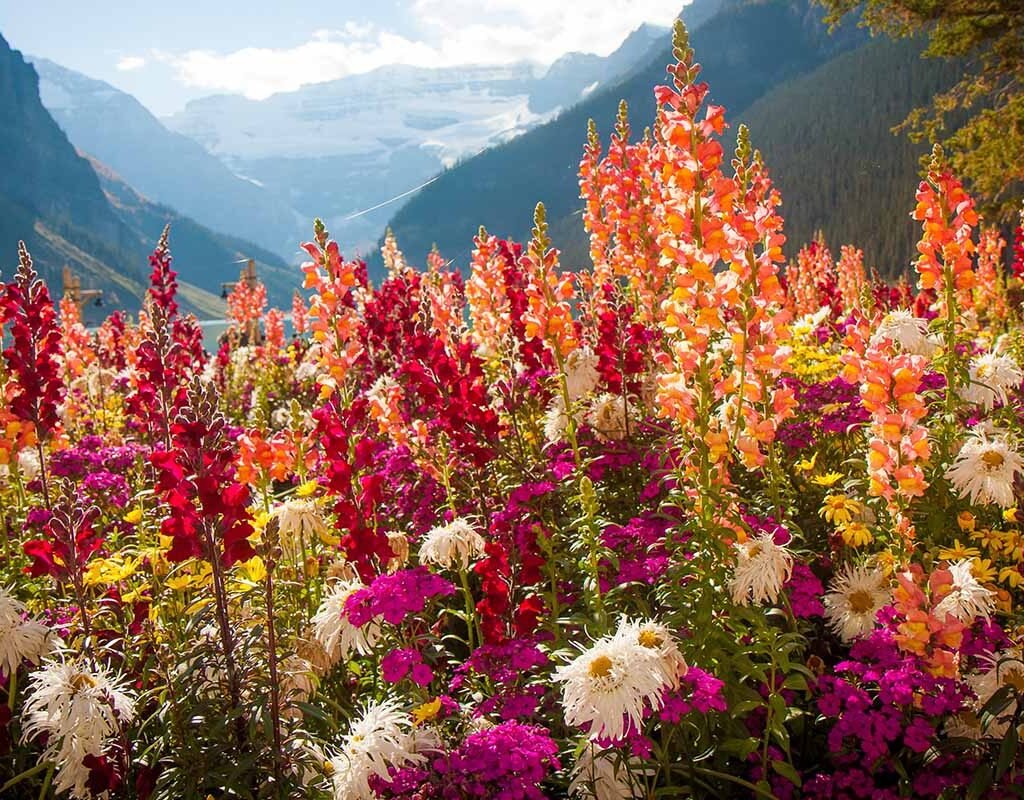
Plants aren’t the only way to build your October color scheme. Seasonal décor and structural elements can enhance and unify your design.
- Pumpkins & Gourds: Add splashes of orange, green, or even white varieties like ‘Casper’ pumpkins.
- Garden furniture & pots: Choose containers and accents that match or contrast with your chosen palette. For instance, terracotta pots amplify warm schemes, while black planters ground vibrant displays.
- Foliage & bark: Don’t overlook trees and shrubs like burning bush (red foliage) or dogwood (bright stems).
These elements can be swapped or refreshed each season to keep your garden color scheme adaptable.
Step 5: Play with Layers and Textures
Color planning goes beyond simply selecting shades. The way you arrange and layer plants influences how the colors interact.
- Height layering: Use tall plants like Joe-Pye weed or ornamental grasses at the back, mid-height blooms like mums in the middle, and low-growers like pansies or dusty miller in front.
- Texture contrasts: Pair the bold, round blooms of chrysanthemums with the feathery plumes of ornamental grasses.
- Focal points: Place your brightest or most contrasting plants near entrances, walkways, or seating areas for maximum impact.
The combination of color, height, and texture ensures your October garden feels dynamic and balanced.
Step 6: Extend the Color Into Late Fall
October often bridges vibrant early fall and the muted tones of November. To keep your color scheme lasting as long as possible:

- Choose hardy plants: Asters, sedum, and ornamental kale thrive through light frosts.
- Use evergreens: Shrubs like boxwood or holly provide green backdrops even after flowers fade.
- Plan for succession: Layer early October bloomers (marigolds, goldenrod) with late October options (mums, kale) for continuous color.
- Add lighting: String lights or lanterns highlight your color scheme as daylight hours shrink.
With these steps, your garden won’t lose its vibrancy the moment the first frost arrives.
Sample October Garden Color Schemes
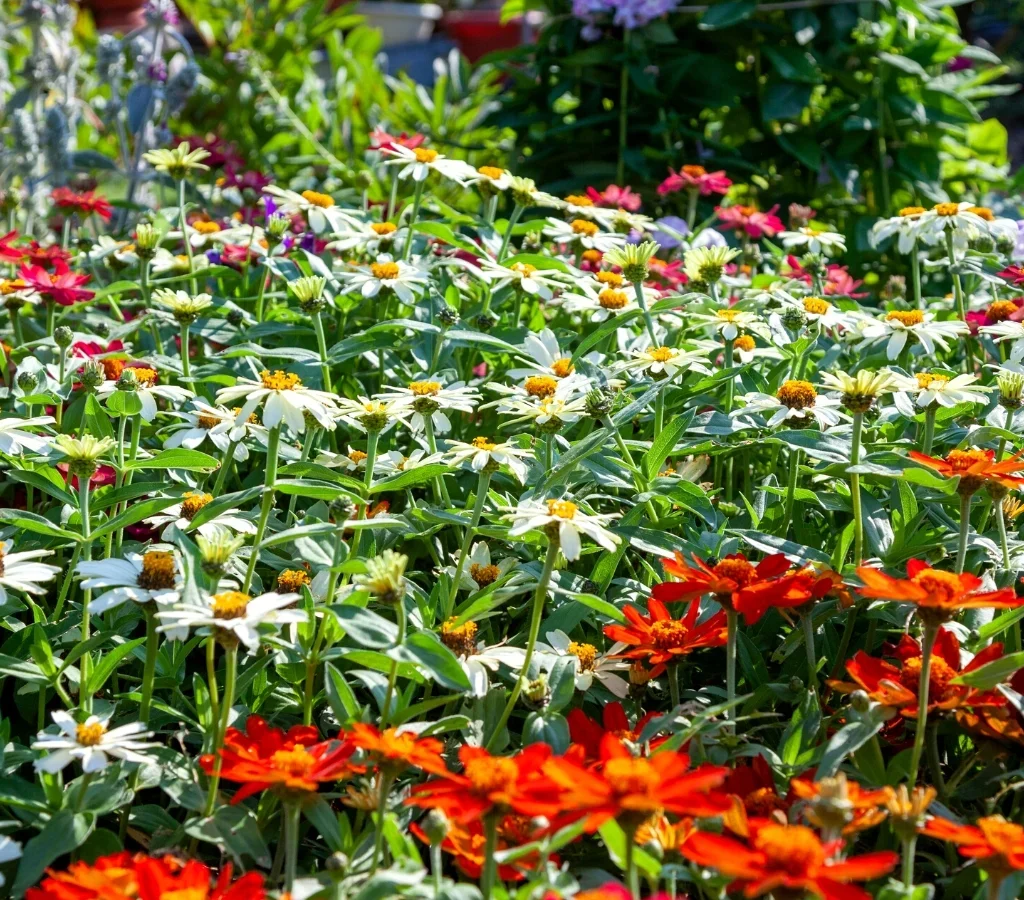
Here are three ready-to-use palettes you can replicate in your garden:
Fiery Harvest (Warm & Bold)
- Orange marigolds
- Yellow goldenrod
- Red chrysanthemums
- Bronze ornamental grasses
Autumn Twilight (Cool & Dramatic)
- Purple asters
- Blue Russian sage
- Burgundy ornamental kale
- White chrysanthemums
Rustic Harmony (Natural & Balanced)
- Red sedum ‘Autumn Joy’
- Golden mums
- Tan fountain grass
- White pumpkins for accents
Each scheme can be customized with seasonal décor, container choices, and foliage backdrops.
Common Mistakes to Avoid
- Too many colors at once: Avoid clutter—stick to 2–3 main hues with accents.
- Ignoring foliage: Leaves and stems add as much to color design as flowers do.
- Overcrowding plants: Give each flower space to shine and prevent disease.
- Not planning for frost: Many summer annuals die off early in October—plan replacements ahead of time.
Final Thoughts
Planning your October garden color scheme is about more than just planting flowers—it’s about crafting an atmosphere that reflects the beauty of the season. By embracing nature’s warm tones, balancing them with cool or neutral accents, and layering plants with intention, you can transform your outdoor space into a vibrant autumn retreat.
Whether you prefer bold fiery displays, serene twilight hues, or rustic harmony, October offers endless opportunities for creative design. With a little planning, your garden will continue to glow with color and character long after summer has passed.

So grab your palette, mix your plants, and let October paint your garden in its most brilliant shades.

Leave A Comment