
Indoor plants bring life, color, and fresh air into our homes. However, they can also fall victim to common plant diseases—one of the most notorious being powdery mildew. If you’ve ever noticed a white, powdery coating on your plants’ leaves, you’ve likely encountered this fungal invader. While it may look harmless at first, powdery mildew can weaken plants, distort growth, and reduce their ability to photosynthesize.
The good news? Powdery mildew is both preventable and manageable with the right care. In this article, we’ll cover what powdery mildew is, why it thrives indoors, early warning signs, and the best prevention strategies and remedies to keep your plants healthy and vibrant.
What Is Powdery Mildew?
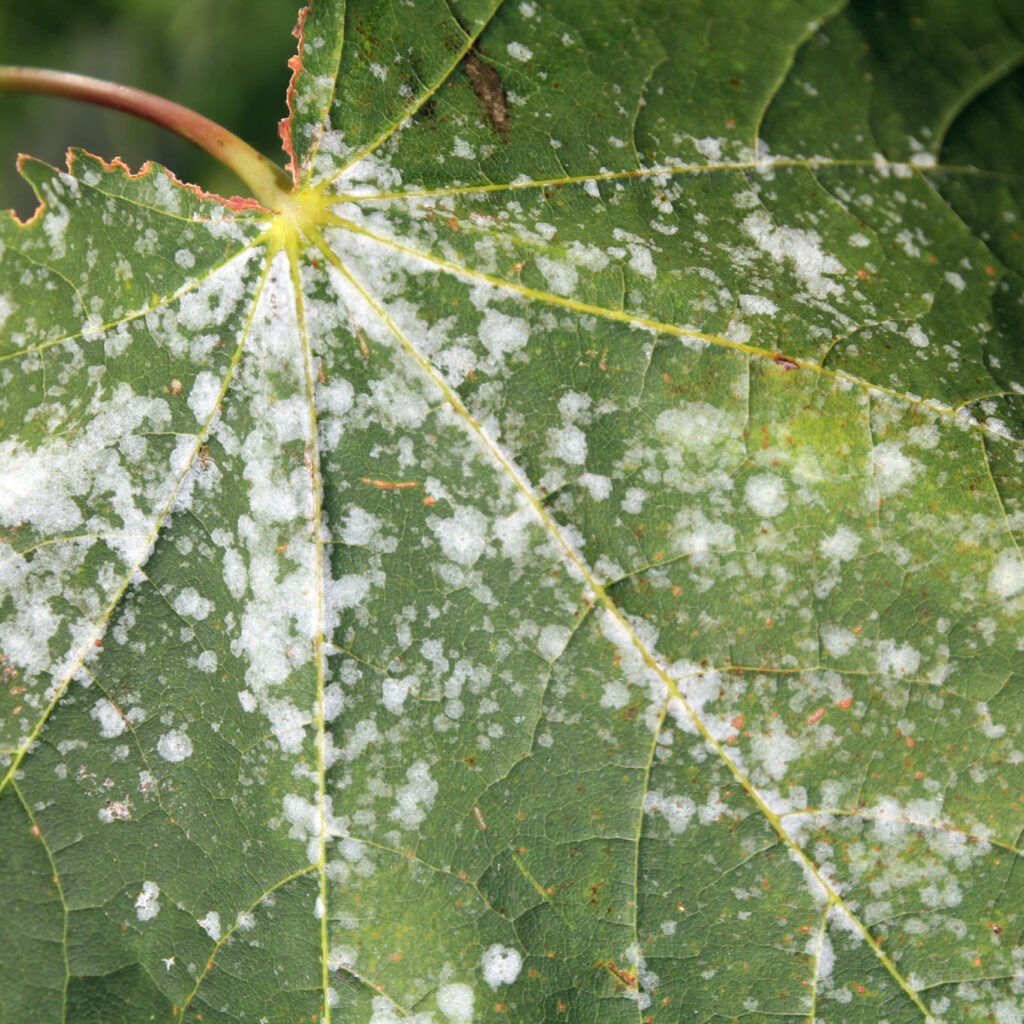
Powdery mildew is a fungal disease caused by several species of fungi, most commonly Erysiphales. It appears as a white or grayish powder that spreads across leaves, stems, and sometimes flowers. Unlike many fungal diseases, powdery mildew doesn’t require saturated soil to thrive. Instead, it flourishes in humid air combined with poor air circulation—making indoor environments a perfect breeding ground.
Why Indoor Plants Are at Risk
Indoor conditions often mimic the perfect environment for powdery mildew to thrive:
- High humidity: Bathrooms, kitchens, and areas with humidifiers create moisture-rich air.
- Poor air circulation: Stagnant air around clustered plants allows spores to settle and grow.
- Moderate temperatures: Most powdery mildew fungi thrive between 65–80°F (18–27°C).
- Shaded conditions: Plants kept in dim corners are more susceptible, as the fungus dislikes direct sunlight.
Since indoor plants are often packed closely together, spores can quickly spread from one plant to the next if not addressed.
How to Spot Powdery Mildew Early
Early detection is key. Look for these warning signs:

- White or gray, powdery spots on the surface of leaves.
- Leaves may curl, distort, or turn yellow over time.
- New growth appears weak or stunted.
- Flowers may drop prematurely in severe cases.
Unlike dust or hard-water deposits, powdery mildew wipes off easily with your fingers—but it quickly returns if untreated.
Why Prevention Matters
Treating powdery mildew after it spreads is possible, but prevention is always easier and less stressful for both you and your plants. Prevention keeps your indoor garden:
- Healthier: Stronger plants resist pests and diseases better.
- More attractive: No unsightly white residue covering your greenery.
- Productive: For edible indoor plants like herbs, prevention ensures better harvests.
Proven Strategies to Prevent Powdery Mildew Indoors
1. Improve Air Circulation
Powdery mildew thrives in stagnant air. To prevent it:
- Space plants apart to allow airflow between leaves.
- Use a small oscillating fan to keep air moving in stuffy rooms.
- Avoid overcrowding windowsills or plant shelves.
Pro Tip: Even occasional air movement significantly reduces fungal growth.
2. Control Humidity Levels
Since mildew spores love humid air:
- Keep humidity levels between 40–50%, which is healthy for most houseplants.
- Use a dehumidifier in overly damp rooms.
- Avoid misting leaves if your space is already humid.
Some humidity is beneficial, but moderation is key.

3. Provide Adequate Light

Fungal spores dislike bright, direct light. Give your plants:
- A spot near a south- or west-facing window if possible.
- Supplemental grow lights if natural light is insufficient.
Strong light not only prevents mildew but also boosts plant vigor.
4. Water Plants Correctly
Overhead watering that splashes leaves creates a welcoming environment for mildew. Instead:
- Water at the soil level, directly at the base of the plant.
- Use self-watering pots or drip irrigation indoors if practical.
- Water in the morning so leaves dry quickly if splashed.
5. Regularly Inspect and Clean Plants
Routine care helps catch issues before they spread:
- Wipe leaves gently with a damp cloth to remove dust and spores.
- Inspect undersides of leaves, where mildew often starts.
- Remove dead or yellowing foliage promptly.
6. Choose Resistant Plant Varieties

If you’re prone to mildew issues, opt for indoor plants that are less susceptible, such as:
- Snake plants (Sansevieria)
- ZZ plants (Zamioculcas zamiifolia)
- Pothos (Epipremnum aureum)
- Succulents and cacti
Meanwhile, herbs like basil and chives are more prone to mildew, so they need extra monitoring.

Natural and Organic Remedies for Prevention
Sometimes prevention means creating an inhospitable environment for spores. Here are safe, natural options:
1. Neem Oil
- Acts as both a preventive and a mild treatment.
- Mix 2 teaspoons of neem oil with 1 quart of water, add a few drops of dish soap, and spray on leaves.
- Repeat every 1–2 weeks as a preventive measure.
2. Baking Soda Spray
- Changes leaf surface pH, making it less friendly for mildew.
- Mix 1 tablespoon baking soda, ½ teaspoon liquid soap, and 1 quart water.
- Spray lightly on susceptible plants once a week.
3. Milk Spray
- Surprisingly effective against powdery mildew due to natural enzymes.
- Mix 1 part milk with 2 parts water and spray every 10 days.
4. Cinnamon or Garlic Extract
- Both contain antifungal properties.
- Garlic tea (crushed cloves steeped in water) or cinnamon water can be used as a mild preventive spray.
What to Do if Powdery Mildew Appears
Even with the best prevention, outbreaks can happen. Here’s what to do:
- Isolate the affected plant immediately to stop spores from spreading.
- Prune heavily infected leaves and dispose of them in the trash, not compost.
- Apply a natural fungicide like neem oil or potassium bicarbonate spray.
- Improve conditions (light, air circulation, humidity) to stop recurrence.
Consistency is key—one treatment won’t solve the problem overnight.
Long-Term Prevention Habits
To keep powdery mildew from becoming a recurring issue, adopt these long-term practices:
- Clean pots before repotting (disinfect with vinegar or hydrogen peroxide).
- Rotate plant positions to ensure even light exposure.
- Fertilize appropriately—avoid excess nitrogen, which encourages soft, mildew-prone growth.
- Keep leaves dry whenever possible.
- Quarantine new plants before introducing them to your collection.
Quick Diagnostic Checklist
When you see suspicious white patches on leaves, ask yourself:
- Is the air in my home humid and stagnant?
- Are my plants too close together?
- Am I watering from above, leaving leaves damp?
- Does the plant get enough light?
Correcting these conditions is the fastest way to stop powdery mildew from gaining a foothold.

Conclusion
Powdery mildew may be a common houseplant enemy, but it doesn’t have to take over your indoor garden. With a focus on prevention—through proper air circulation, humidity control, correct watering, and regular inspections—you can drastically reduce the chances of infection. And if it does appear, natural remedies like neem oil, baking soda, or milk sprays can help you get it under control.
Think of prevention as a holistic approach: a combination of environmental adjustments, natural treatments, and mindful plant care. By understanding powdery mildew and its triggers, you’ll not only protect your plants from this powdery menace but also cultivate a healthier, more resilient indoor jungle.
Your plants deserve to thrive in a safe, disease-free space—and with these preventive steps, you’ll ensure they continue to reward you with lush, vibrant growth year-round.

Leave A Comment