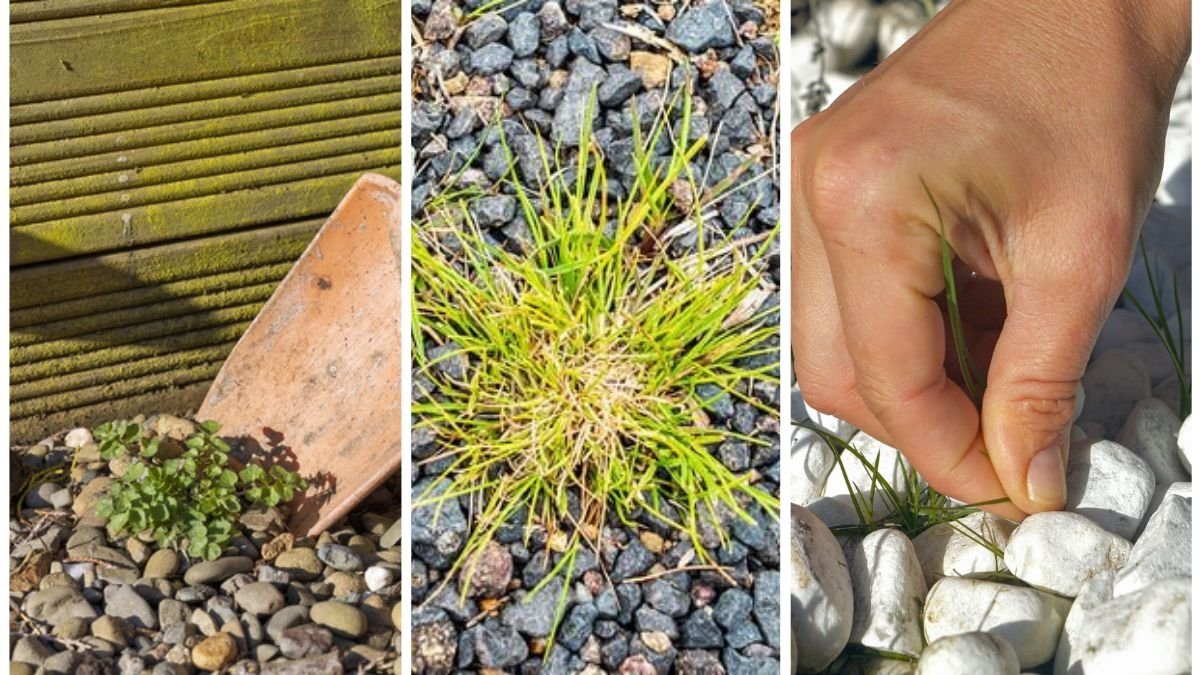
Gravel paths add charm, functionality, and a natural look to gardens, driveways, and outdoor spaces. They are low-maintenance compared to paved surfaces and allow water to drain easily into the soil. However, one common frustration that almost every homeowner faces with gravel paths is the appearance of weeds. Left unchecked, these weeds can quickly ruin the neat appearance of your path and make it look neglected.
Fortunately, with the right preparation and care, you can significantly reduce — or even prevent — weeds in gravel paths. In this article, we’ll explore why weeds love gravel, prevention strategies, and proven solutions to keep your paths clean and weed-free.
Why Do Weeds Appear in Gravel Paths?
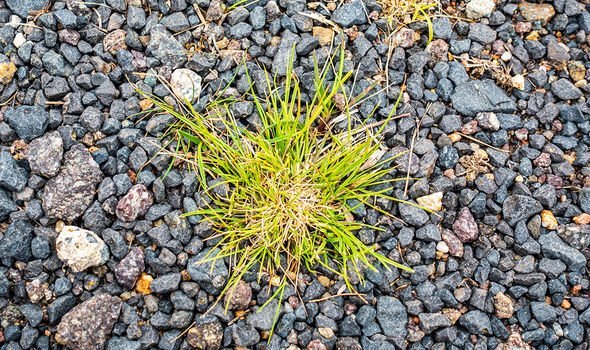
Understanding why weeds thrive in gravel paths makes prevention easier. A few key reasons include:

- Sunlight exposure – Gravel is not solid like concrete, so sunlight can easily penetrate gaps, encouraging weed germination.
- Moisture retention – Gravel retains some moisture beneath the surface, creating a perfect environment for seeds.
- Soil beneath gravel – If gravel paths are not properly prepared with a barrier, the soil beneath allows weed roots to grow easily.
- Wind-blown seeds – Weeds are masters of spreading. Seeds carried by wind, birds, or even your shoes can land between the stones and sprout quickly.
By tackling these causes, you can stop weeds before they even begin.
Step 1: Proper Path Preparation
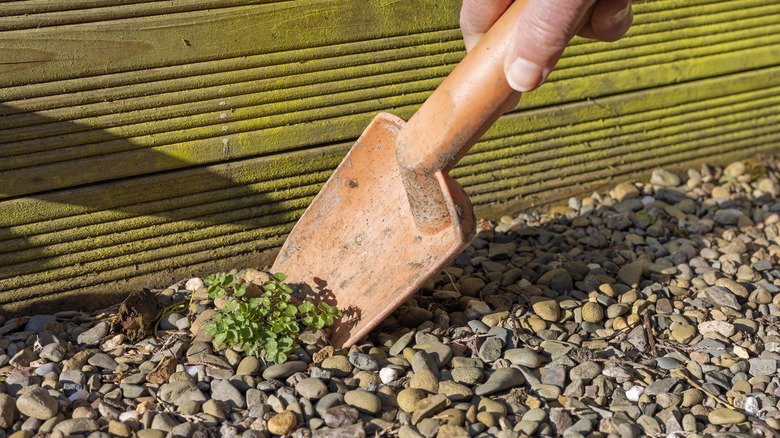
The best defense against weeds in gravel is prevention from the start. If you’re installing a new path, preparation is key.
- Excavate deeply – Dig out at least 4–6 inches of soil before laying gravel. This reduces access to nutrient-rich topsoil.
- Lay a strong weed barrier fabric – Place a high-quality landscape fabric or geotextile membrane across the entire path area. This prevents weeds from pushing up from the soil beneath. Avoid using plastic sheeting, as it can trap water and break down quickly.
- Use sharp-edged gravel – Angular gravel pieces (like crushed granite or limestone) interlock better than smooth pea gravel, leaving fewer gaps for seeds to settle.
- Add a solid base layer – Before spreading gravel, lay a 2–3 inch layer of compacted crushed stone or sand. This creates a firm base and makes it harder for weeds to root.
Step 2: Ongoing Weed Prevention
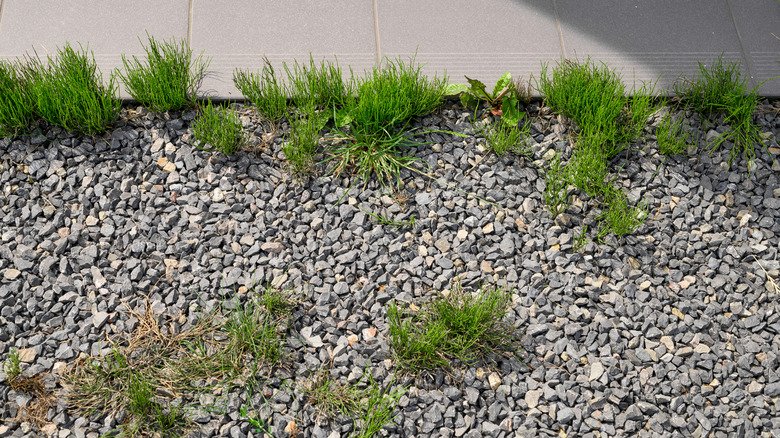
Even with preparation, some determined weeds may still try to sneak through. Regular maintenance helps you stay ahead.

- Rake the gravel regularly – This disturbs any tiny seedlings before they establish roots. It also refreshes the look of your path.
- Top up gravel annually – Adding a fresh layer of gravel every year helps smother emerging weeds and keeps the path neat.
- Sweep or blow debris away – Fallen leaves, soil, and organic material provide fertile ground for weeds. Keep paths clean to reduce buildup.
- Edge your paths – Install edging materials like steel, brick, or treated wood to keep grass and creeping weeds from invading the sides.
Step 3: Natural and Chemical Weed Control
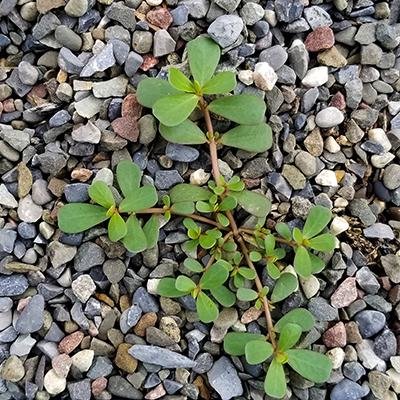
If weeds appear, it’s best to deal with them quickly before they spread. You can choose from natural remedies or more conventional weed killers.
Natural Weed Solutions:
- Boiling water – Pouring boiling water directly on weeds kills them instantly by destroying cell structure. Best for small infestations.
- Vinegar spray – Household vinegar (5% acetic acid) works on young weeds, but horticultural vinegar (20%+) is stronger for tougher growth. Mix vinegar with a small amount of dish soap to help it stick.
- Salt – Sprinkle rock salt or dissolve it in water and pour on weeds. However, use sparingly — too much salt can damage nearby soil and plants.
- Flame weeding – A propane weed torch can scorch weeds between gravel without chemicals. This method is quick but requires caution.
Chemical Weed Killers:
If natural methods don’t cut it, selective or non-selective herbicides can be used. Glyphosate-based sprays are effective for gravel paths, but use responsibly to avoid harming nearby plants or soil. Always follow manufacturer guidelines and apply in calm weather to prevent drift.
Step 4: Long-Term Weed Management Strategies
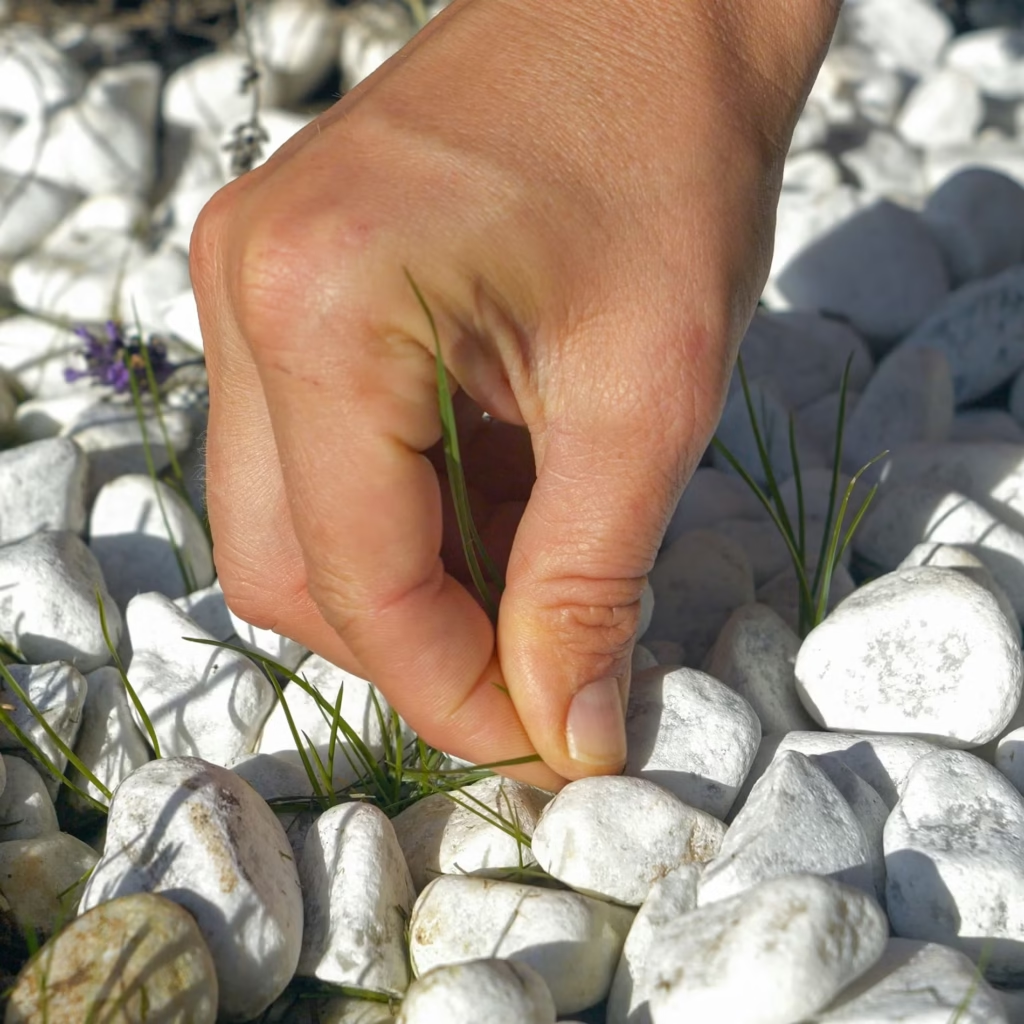
Weed prevention isn’t a one-time job — it’s an ongoing process. To maintain a clean gravel path year-round, adopt these habits:

- Apply a pre-emergent herbicide in spring – This prevents weed seeds from germinating in the first place. Corn gluten meal is an organic option, while chemical pre-emergents offer stronger results.
- Inspect regularly – A few weeds can quickly spread if ignored. Pull them out by hand as soon as you spot them.
- Compact the gravel – Over time, gravel can loosen, creating gaps for weeds. Periodic compaction with a tamper or roller helps maintain a solid surface.
- Encourage foot traffic – Paths that are frequently walked on naturally suppress weed growth.
Common Weeds Found in Gravel Paths
Knowing your enemy helps in targeting weed control. Some of the most common weeds that appear in gravel include:
- Dandelions – Strong taproots make them stubborn if not removed early.
- Clover – Spreads quickly and thrives in gravel cracks.
- Plantain – Broad leaves and deep roots allow it to tolerate poor soil.
- Crabgrass – Germinates easily in sunny, loose gravel areas.
- Chickweed – Loves moist, shady corners of gravel paths.
Each of these can be controlled with the methods discussed above.
Environmental Considerations
While keeping gravel paths weed-free is important for aesthetics and usability, it’s equally vital to think about environmental impact.

- Avoid overusing chemical herbicides, as runoff can harm surrounding soil, waterways, and beneficial insects.
- Use natural solutions when possible, especially boiling water or vinegar, which are effective and eco-friendly.
- Choose permeable, sustainable materials for your gravel base to encourage healthy water drainage.
Final Thoughts
Weeds in gravel paths may seem inevitable, but with the right preparation, maintenance, and control methods, you can enjoy clean, attractive walkways all year long. The key lies in preventing weed growth from the beginning — digging deep, installing a weed barrier, and using sharp gravel. From there, simple habits like raking, topping up gravel, and spot-treating weeds will keep your paths looking pristine.
By combining smart design with consistent care, you’ll spend less time fighting weeds and more time enjoying your beautiful outdoor spaces.

Leave A Comment