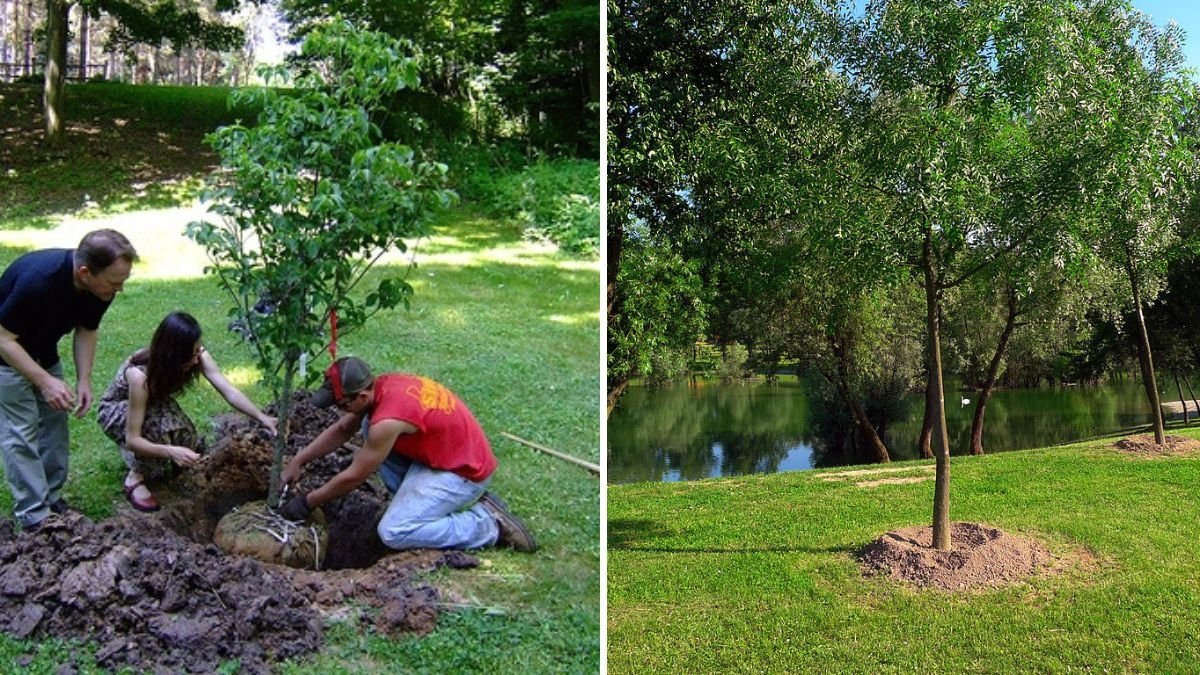
Autumn is a season of transition. For trees, it is the time to prepare for the cold, harsh months of winter ahead. Mature trees often have well-established root systems, thick bark, and the resilience to withstand weather fluctuations, but young trees are far more vulnerable. With their delicate bark, shallow roots, and limited energy reserves, they need extra care during fall to ensure they survive winter and thrive in spring.
Protecting young trees in autumn is not just about preventing immediate damage—it’s about giving them the foundation to grow into healthy, long-lived specimens. In this article, we’ll explore in detail why protection is necessary, the threats young trees face, and effective strategies to safeguard them during this critical season.
Why Protect Young Trees in Autumn?
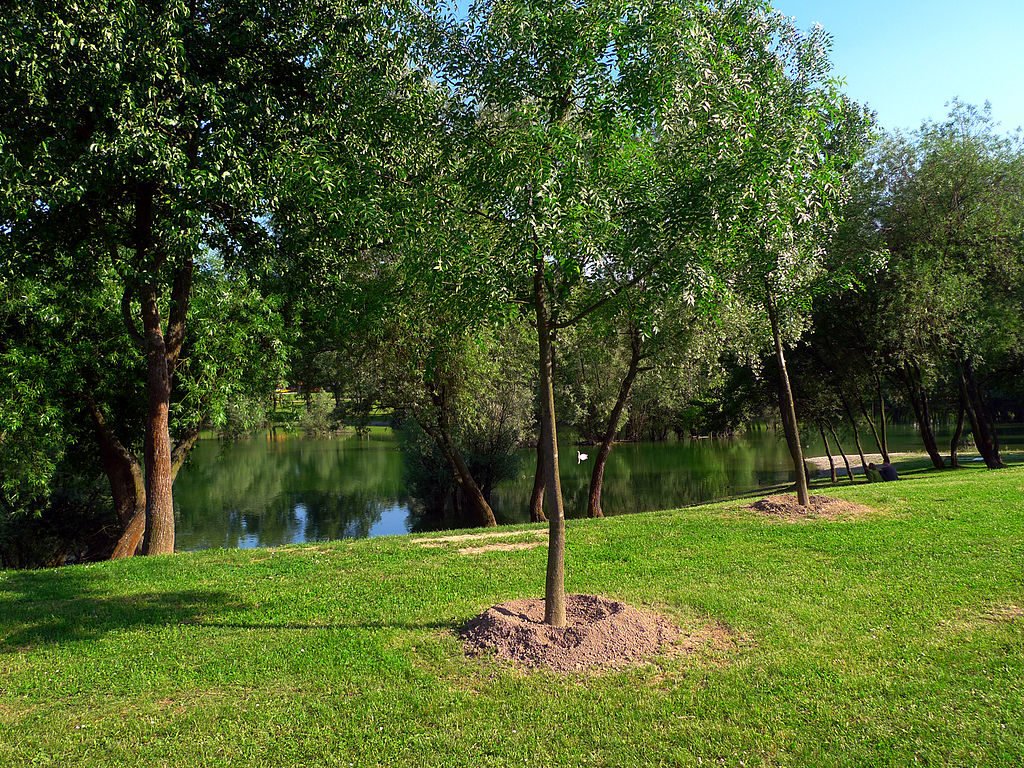
Young trees are like children—they need more attention and support than adults. Autumn poses unique challenges: fluctuating temperatures, early frosts, hungry wildlife, and the threat of dehydration before winter dormancy. Unlike older trees, young ones haven’t yet developed thick bark, deep roots, or enough stored nutrients to withstand these stresses.
Failing to provide proper autumn care can lead to:
- Frost cracks in bark.
- Dehydrated roots from dry soil.
- Winter dieback of branches.
- Damage from animals seeking food.
- Reduced spring growth or even death of the tree.
By acting in autumn, gardeners and homeowners can shield their young trees from these dangers and set them up for long-term success.
Common Threats to Young Trees in Autumn
Before diving into protective methods, let’s look at the main risks that make autumn such a critical season for tree care.

1. Temperature Fluctuations
Autumn days can be warm, but nights are often cold. Rapid shifts in temperature can cause frost cracks—vertical splits in tree bark. These cracks may not kill the tree immediately, but they weaken it, leaving it vulnerable to disease and pests.
2. Early Frosts
Sudden frost can damage young branches and buds, particularly in late-planted or shallow-rooted trees that haven’t had time to acclimate.
3. Animal Damage
Deer, rabbits, and rodents pose significant threats in fall and winter. They may rub against young bark (deer) or chew it (rabbits and mice), potentially girdling the tree and cutting off its nutrient supply.
4. Soil Dryness
Many people assume trees don’t need water in fall, but young roots still actively take in moisture until the ground freezes. Dry autumn soil can leave trees weak and unable to survive the winter.
5. Harsh Winds
Seasonal storms and autumn winds can uproot poorly anchored trees or snap fragile branches.
Understanding these challenges helps us apply the right protective measures.

How to Protect Young Trees in Autumn
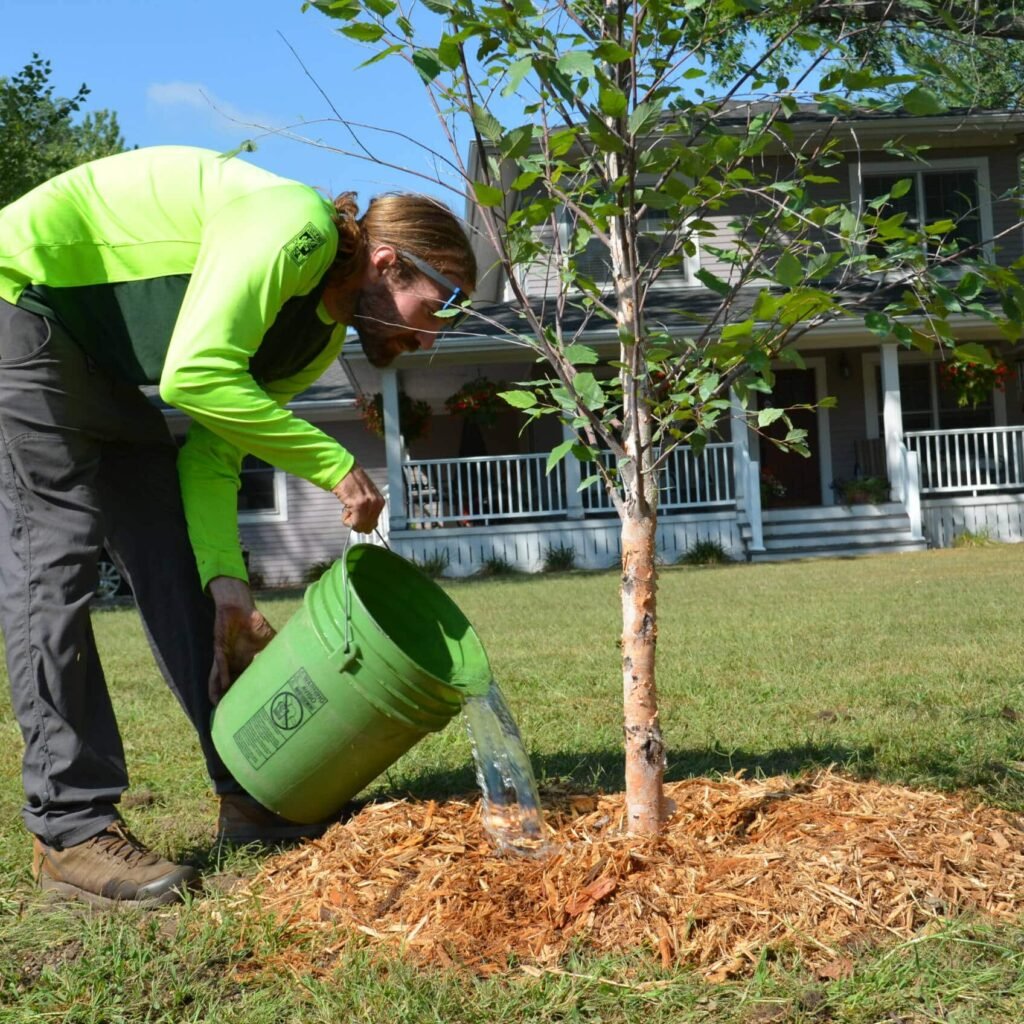
1. Water Deeply Before the Ground Freezes
Water is one of the most overlooked needs of young trees in autumn. While leaves may be falling, roots remain active until soil temperatures drop below 40°F (4°C).
- How to Do It: Give young trees a slow, deep watering once a week throughout autumn, especially during dry spells. A soaker hose or drip irrigation system is best.
- Timing: The most important watering should happen before the ground freezes—often called “winterizing” the tree.
- Why It Works: Moist soil insulates roots better than dry soil and ensures trees have enough stored energy for winter dormancy.
2. Mulch to Protect Roots
Mulching is one of the simplest yet most effective ways to protect young trees.
- What to Use: Organic materials like shredded bark, straw, wood chips, or compost.
- How to Apply: Spread a 2–4 inch layer around the base of the tree, keeping mulch 2–3 inches away from the trunk to prevent rot.
- Benefits:
- Insulates soil against temperature swings.
- Retains moisture.
- Suppresses weed competition.
- Protects roots from freeze-thaw cycles.
Think of mulch as a warm blanket for your tree’s roots.
3. Wrap the Trunk to Prevent Damage
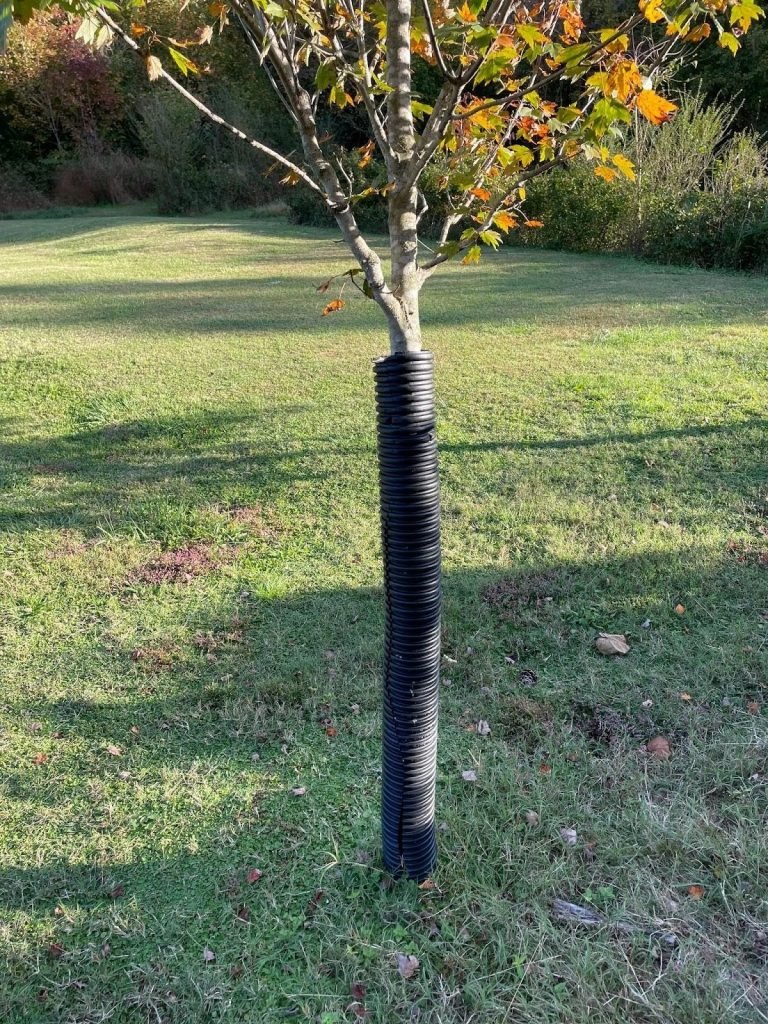
Young trees often have thin, smooth bark that is prone to sunscald, frost cracks, and animal chewing. Trunk wrapping offers an easy solution.
- Materials: Use tree guards, plastic spirals, or paper tree wrap.
- Method: Start just above the soil line and wrap upward to the lowest branches. Remove the wrap in spring to avoid trapping moisture.
- Benefits:
- Prevents bark splitting from sudden temperature changes.
- Shields against gnawing animals.
- Reduces damage from deer rubbing their antlers.
4. Prune Wisely—But Not Too Much
Pruning helps strengthen a young tree by removing weak or damaged branches. However, heavy pruning in autumn should be avoided.
- What to Do: Only prune dead, broken, or diseased branches. Save major shaping for late winter or early spring when the tree is fully dormant.
- Why: Over-pruning in fall stimulates new growth, which won’t have time to harden before frost, leaving the tree vulnerable.
5. Stake if Necessary
If a young tree has been recently planted or is in a windy area, staking can prevent it from toppling over during autumn storms.

- How to Do It: Use two stakes and soft ties, leaving enough slack for the tree to move slightly—this movement helps strengthen the trunk.
- Duration: Remove stakes after one year unless the tree is still unstable.
6. Protect Against Wildlife
Animals are one of the biggest threats to young trees in autumn.
- Deer Protection: Use tall tree guards or install fencing around the tree. Deer repellents (sprays with garlic, hot pepper, or predator scent) can also help.
- Rodent and Rabbit Protection: Hardware cloth or wire mesh wrapped around the base prevents gnawing. Ensure the barrier is buried a few inches into the soil to stop rodents from digging under.
7. Fertilize Cautiously
Autumn fertilization can be beneficial if the soil is poor, but it must be done correctly.
- What to Use: A slow-release, low-nitrogen fertilizer works best.
- Why: Too much nitrogen in fall encourages leafy growth instead of root development, which weakens the tree before winter.
- Tip: Conduct a soil test before fertilizing to determine actual nutrient needs.
8. Choose the Right Planting Time
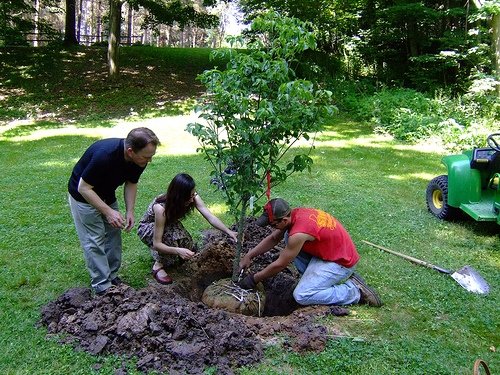
If you are planting new trees in autumn, timing is critical. Plant at least 6 weeks before the first hard frost to allow roots to establish. Water and mulch immediately to give them the best start.
Additional Tips for Success
- Clean Up Fallen Leaves: Diseases and pests can overwinter in fallen foliage. Clearing leaves away from young trees helps prevent spring infestations.
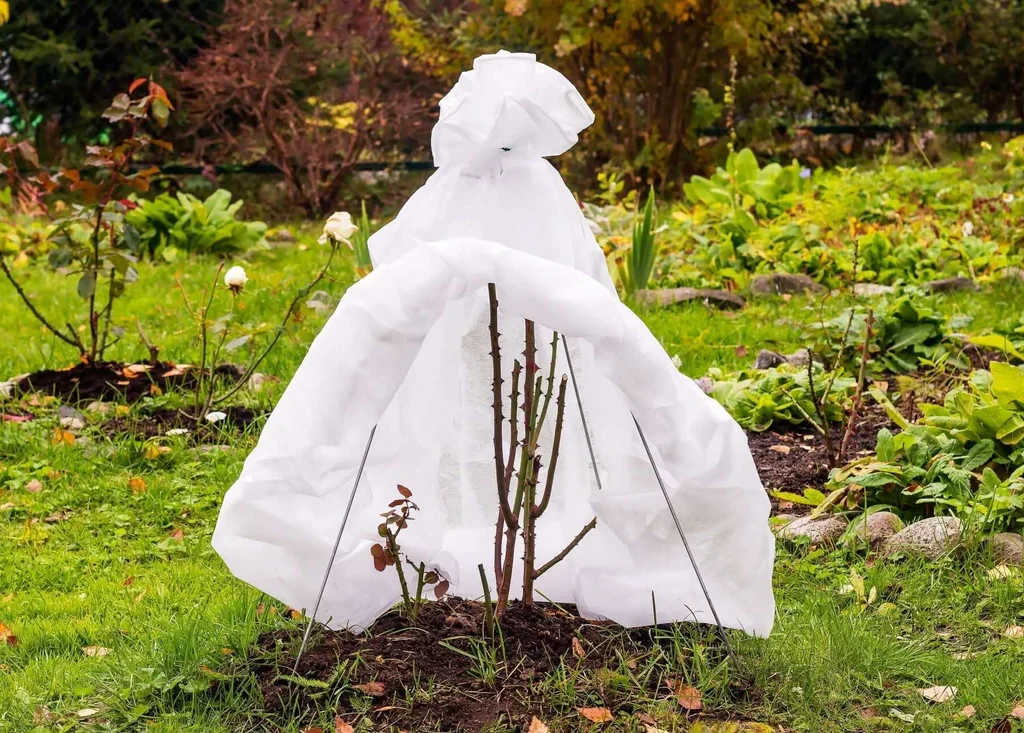
- Monitor Weather: Early frosts may require extra watering or protective coverings, especially for very young or sensitive species.
- Use Burlap Screens: In windy or exposed areas, setting up burlap screens around young trees can reduce wind damage and desiccation.
- Check Regularly: Walk around your trees weekly to look for signs of animal activity, soil dryness, or damage.
The Long-Term Rewards
By investing a little effort in autumn, you ensure that your young trees:
- Survive winter stress.
- Develop stronger root systems.
- Produce vigorous new growth in spring.
- Remain healthy and resilient for decades to come.
Caring for young trees in autumn is an act of patience and foresight. Every watering, mulch layer, and protective wrap contributes to a living legacy that can grow into shade for your children, beauty for your garden, and habitat for countless creatures.
Final Thoughts
Young trees are particularly vulnerable in autumn, but with careful protection, they can transition safely into dormancy and emerge stronger in spring. From watering deeply and mulching roots to shielding bark and warding off wildlife, every measure plays a role in safeguarding these future giants.

Protecting young trees in autumn is not just seasonal maintenance—it is a long-term investment in the health of your landscape and the environment. By giving them the care they need now, you’re helping create strong, resilient trees that will stand tall for generations.

Leave A Comment