After months of hot sun, fluctuating rainfall, and heavy gardening activity, soil often feels tired and depleted. By the end of summer, it’s common to see compacted beds, faded nutrients, and weak soil structure that can’t fully support new plantings. Rejuvenating soil isn’t just about tossing in fertilizer — it’s about restoring life, balance, and resilience to your garden’s foundation. Healthy soil means healthier plants, better harvests, and a thriving ecosystem.
This guide covers practical, detailed steps on how to bring soil back to life after a long summer, whether you’re preparing for fall planting or giving your garden a head start for next spring.
1. Understand Why Soil Gets Tired in Summer
Before fixing your soil, it’s important to know what happens during the summer months:
- Nutrient Depletion: Continuous watering and plant uptake strip soil of nitrogen, phosphorus, potassium, and trace minerals.
- Compaction: Frequent foot traffic, watering, and root growth press soil particles together, reducing air and water flow.
- Moisture Stress: Extended dry spells dry out soil, killing beneficial microbes and earthworms.
- Heat Impact: High temperatures accelerate organic matter breakdown, leaving soil less fertile.
- Salt and Chemical Buildup: If you use synthetic fertilizers, salts may accumulate, harming soil biology.
By late summer, soil often looks crusted, lifeless, and less absorbent — all signs that it needs rejuvenation.
2. Begin with a Soil Test
Rejuvenation starts with knowing what your soil lacks. A simple soil test provides data on pH levels, nutrient availability, and organic matter content.
- DIY Test Kits: Affordable and easy, available at garden centers.
- Professional Lab Test: Provides detailed results and customized recommendations.
If your soil is too acidic (below pH 6.0), add lime; if too alkaline (above pH 7.5), consider sulfur or organic amendments. Balanced pH ensures nutrients are accessible to plants.
3. Loosen Compacted Soil
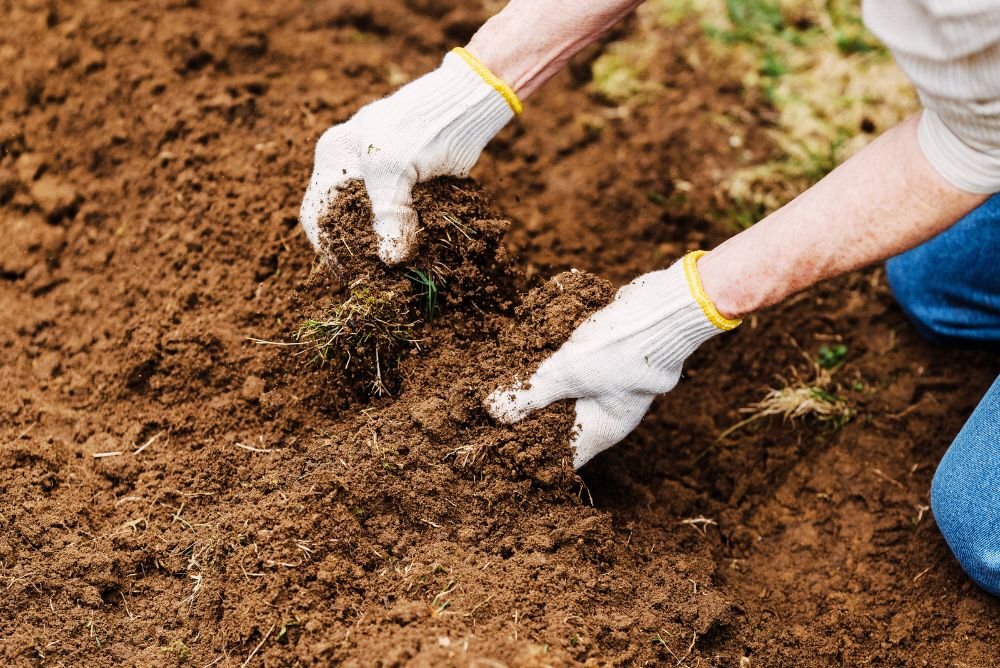
Compacted soil suffocates roots and beneficial organisms. After summer, you should aerate and loosen it.
- For Garden Beds: Use a broadfork or garden fork to lift and loosen without overturning soil layers.
- For Lawns: Core aeration removes plugs of soil, improving air and water flow.
- Avoid Tilling Too Deep: Deep tilling destroys soil structure and microbial life. Instead, focus on gentle loosening.
Adding coarse compost, leaf mold, or coconut coir after loosening helps improve structure and moisture retention.
4. Add Organic Matter Generously
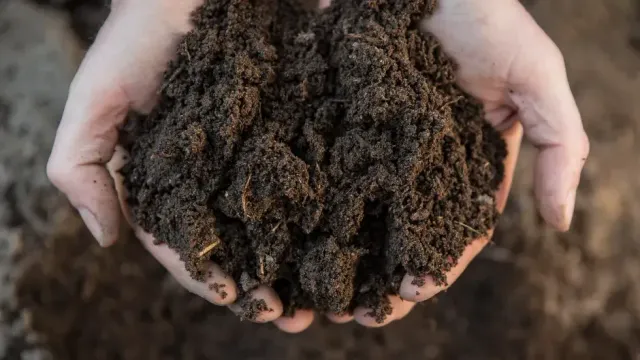
The fastest way to revive soil is by replenishing it with organic matter. Organic matter improves fertility, structure, and microbial activity.
Best Options to Use:
- Compost: Homemade or purchased compost restores nutrients and beneficial microbes.
- Aged Manure: Rich in nitrogen and trace minerals, but only use well-aged to avoid burning plants.
- Leaf Mold: Decomposed autumn leaves increase water-holding capacity.
- Green Waste: Kitchen scraps (fruit peels, coffee grounds, eggshells) make excellent soil food.
Spread 2–3 inches of organic matter over the surface and gently incorporate into the top few inches of soil. This feeds the soil while preparing it for fall planting.
5. Balance Nutrients Naturally
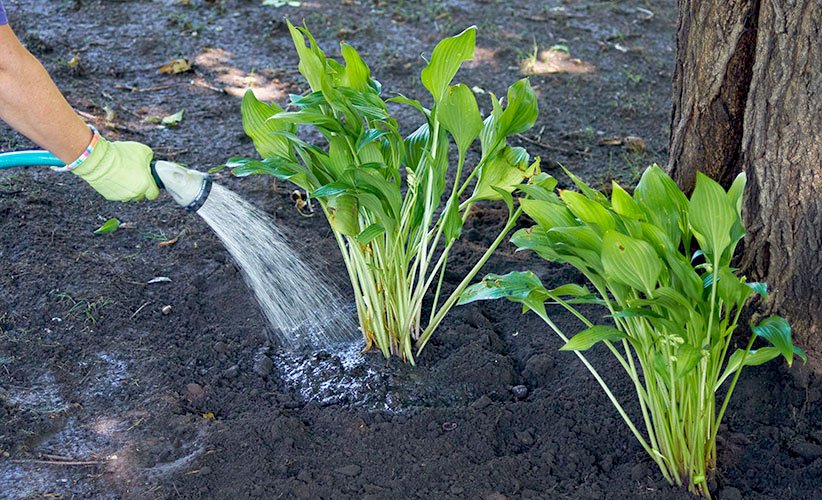
After summer crops, soil often lacks key nutrients. Instead of relying solely on synthetic fertilizers, try natural alternatives:
- Nitrogen Boosters: Blood meal, alfalfa meal, or fish emulsion.
- Phosphorus Sources: Bone meal or rock phosphate encourage root strength.
- Potassium Sources: Wood ash (in moderation), kelp meal, or greensand.
Balanced nutrition supports healthy plant growth while preventing nutrient lockout.

6. Rebuild Soil Biology
Soil is a living ecosystem of bacteria, fungi, protozoa, and earthworms. After a harsh summer, microbial life often declines. To rejuvenate it:
- Compost Tea: Brewing compost in water extracts microbial life, which you can apply to soil.
- Mycorrhizal Fungi: Inoculants improve root nutrient uptake.
- Earthworms: Encourage them by adding organic matter and keeping soil moist.
A biologically active soil improves nutrient cycling, disease resistance, and long-term fertility.
7. Use Cover Crops for Recovery
Cover crops (also known as green manures) are an excellent way to restore soil naturally after summer.
Best Cover Crops for Fall:
- Legumes (clover, vetch, peas): Fix nitrogen from the air into the soil.
- Grasses (rye, oats, barley): Improve structure and prevent erosion.
- Buckwheat: Fast-growing, suppresses weeds, and adds organic matter.
Simply sow seeds, let them grow until winter, and then cut them down or turn them into the soil in spring. Cover crops protect soil while enriching it.
8. Manage Soil Moisture
Summer heat often leaves soil parched. Rehydrating soil is vital for microbial revival.
- Deep Watering: Instead of shallow sprays, soak soil deeply to reach root zones.
- Mulching: Apply 2–4 inches of organic mulch (straw, wood chips, shredded leaves) to retain moisture and regulate temperature.
- Avoid Overwatering: Waterlogged soil suffocates roots and microbes. Aim for consistent moisture.
9. Reduce Salt and Chemical Buildup
If you’ve used synthetic fertilizers or live in areas with hard water, salts may accumulate. This reduces plant growth and soil life.

Solutions:
- Flush the soil with deep watering.
- Add gypsum (calcium sulfate) to break up salt and improve drainage.
- Switch to organic fertilizers to avoid future salt buildup.
10. Rotate Crops and Rest Beds
Continuous planting of the same crops depletes specific nutrients and invites pests. After summer:
- Rotate crops so each bed grows a different plant family.
- Rest some beds by covering with mulch or growing low-maintenance cover crops.
- Avoid back-to-back heavy feeders like tomatoes and corn in the same spot.
This breaks pest cycles and balances nutrient use.
11. Add Biochar for Long-Term Fertility
Biochar, a carbon-rich material made by burning organic matter in low oxygen, can dramatically improve soil health.
Benefits include:
- Increased nutrient retention.
- Improved water-holding capacity.
- Long-lasting soil fertility (biochar can remain active for decades).
Mix biochar with compost before adding it to soil for best results.

12. Encourage Natural Soil Builders
Nature has its own way of repairing soil — you just need to support it.
- Beneficial Insects: Ground beetles and ants aerate soil.
- Decomposers: Fungi and microbes break down organic matter.
- Wildlife: Birds and small mammals contribute organic matter through droppings.
By minimizing chemicals and encouraging biodiversity, your soil becomes self-sustaining.
13. Long-Term Maintenance Tips
Once rejuvenated, you’ll want to keep your soil healthy year after year:
- Add compost annually.
- Mulch year-round to prevent erosion and maintain moisture.
- Test soil every 2–3 years.
- Rotate crops and mix in perennials for diversity.
- Limit synthetic chemical use to avoid disrupting soil life.
Conclusion
Rejuvenating soil after a long summer isn’t a quick fix — it’s about rebuilding balance, fertility, and life beneath the surface. By loosening compacted layers, adding organic matter, restoring nutrients, and protecting soil with cover crops and mulch, you create a thriving environment where plants flourish naturally. Healthy soil is the true foundation of a successful garden, and the time you invest in restoring it now will reward you with abundant growth in the seasons ahead.

Leave A Comment