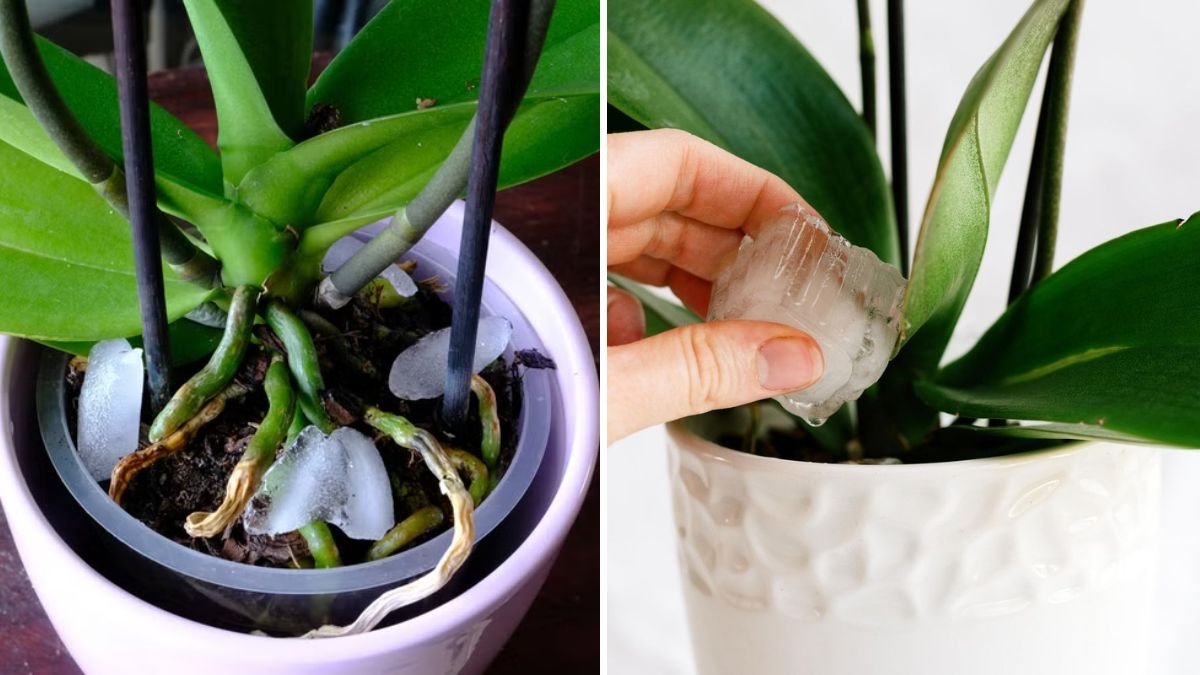
Watering indoor plants is one of the most essential yet misunderstood aspects of plant care. While many plant enthusiasts stick to traditional watering methods, a growing trend involves using ice cubes as a convenient and controlled way to hydrate plants. Though the method might seem unconventional, it can be highly effective if done correctly.
This article explores how ice cubes can benefit indoor plants, which plants are suitable for this technique, and step-by-step guidelines to ensure proper hydration without harming your green companions.
1. Understanding the Ice Cube Method
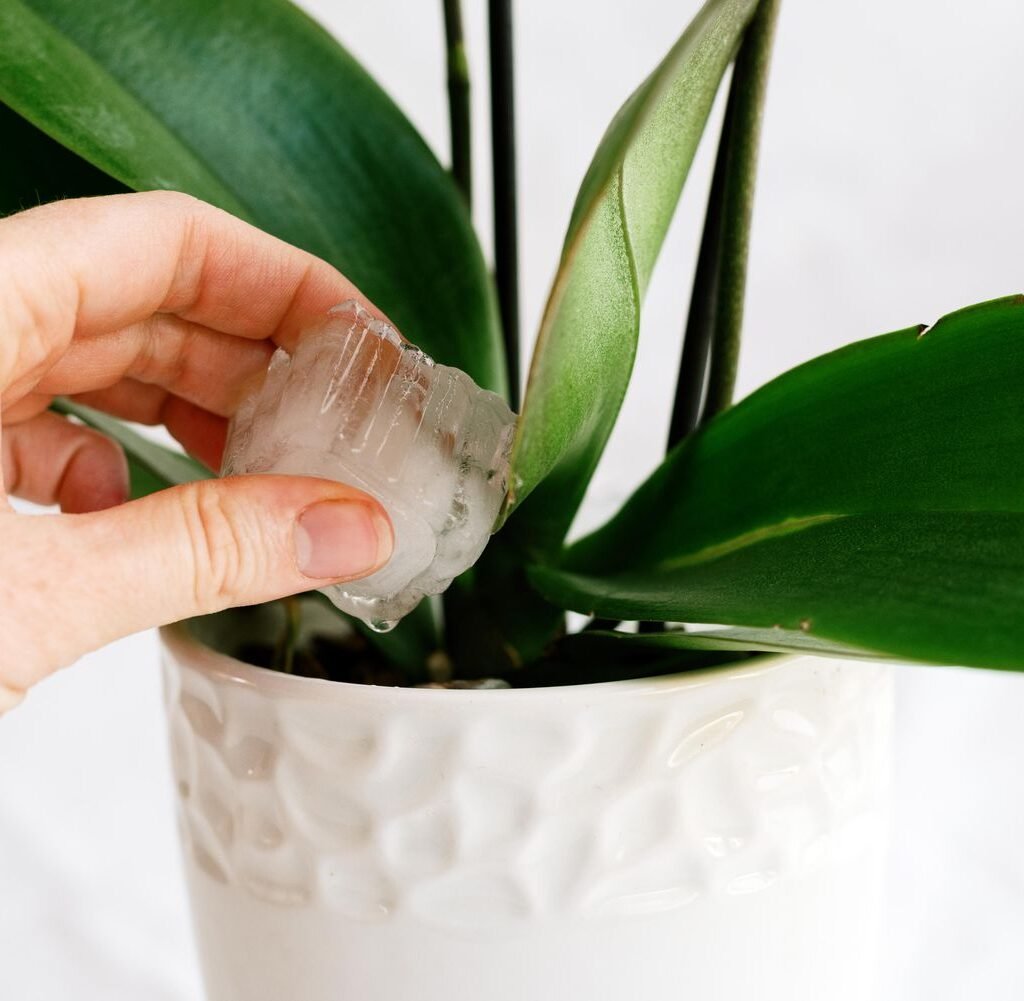
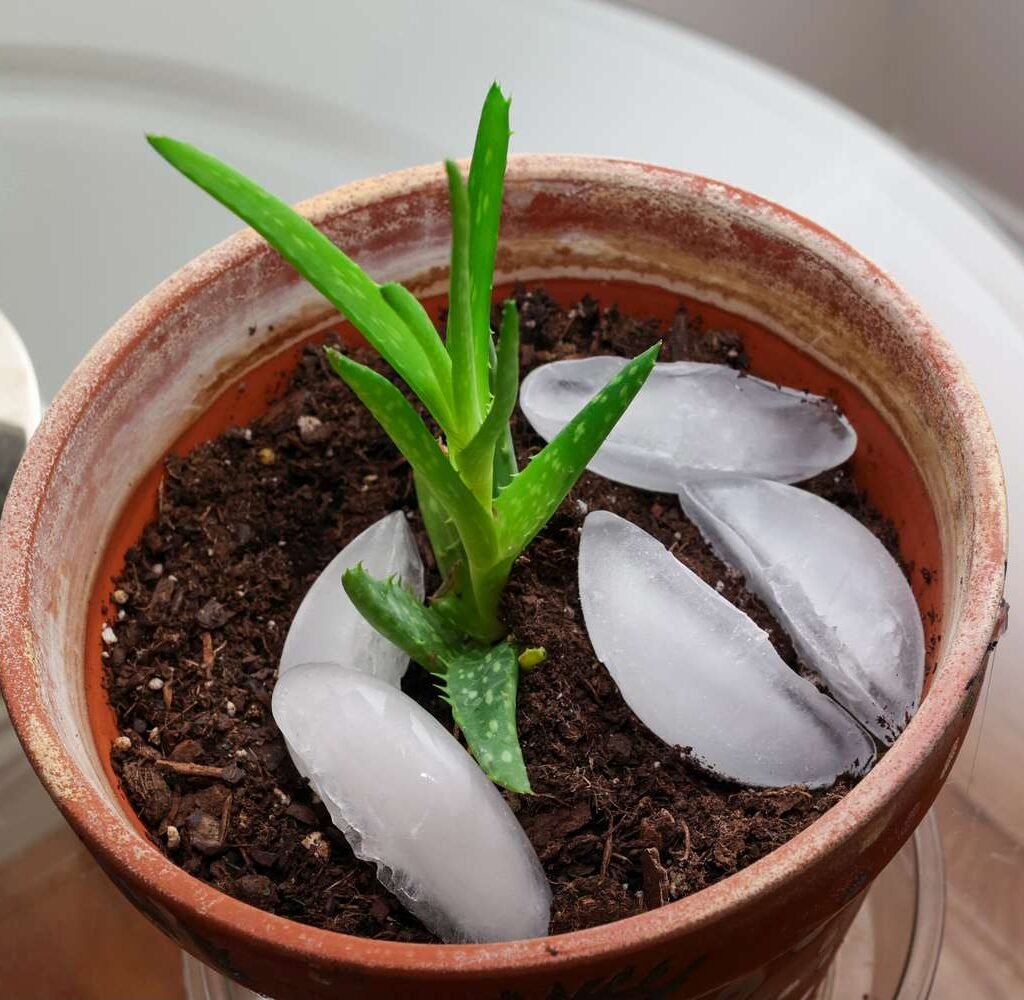
The ice cube watering method involves placing small cubes of frozen water directly on the soil surface. As the ice melts slowly, it releases water gradually into the soil. This slow-release system offers several benefits:
- Prevents overwatering: Ice cubes melt slowly, reducing the risk of waterlogging.
- Controlled hydration: Provides a measured amount of water, especially useful for plants prone to root rot.
- Convenience: Useful for busy plant parents or when leaving plants unattended for short periods.
However, this method is not suitable for all plants, and improper use can stress or damage sensitive species.
2. Advantages of Using Ice Cubes for Watering
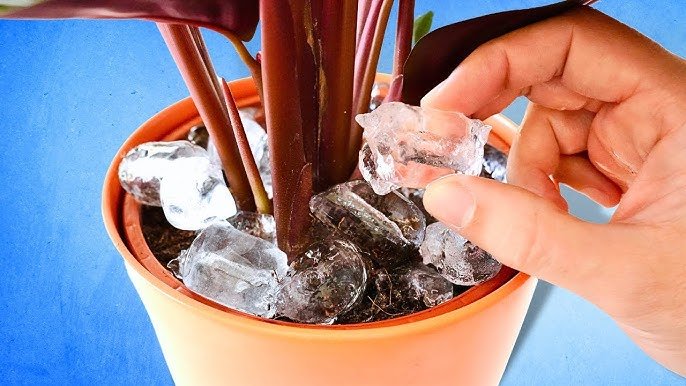
a. Prevents Root Rot
Traditional watering methods can lead to puddles in pots without proper drainage. Ice cubes provide slow hydration, preventing soil saturation and root rot.

b. Consistent Moisture Distribution
Melting ice ensures water penetrates deeper into the soil gradually, giving roots time to absorb moisture effectively.
c. Easy to Measure
Each ice cube is approximately 1 ounce (30 ml), making it easier to control how much water each plant receives. This is particularly helpful for small indoor pots or succulents.
d. Reduces Risk of Overwatering for Beginners
New plant owners often struggle with watering schedules. Ice cubes provide a visual cue and prevent accidental overwatering, one of the most common causes of plant stress.
3. Ideal Plants for Ice Cube Watering
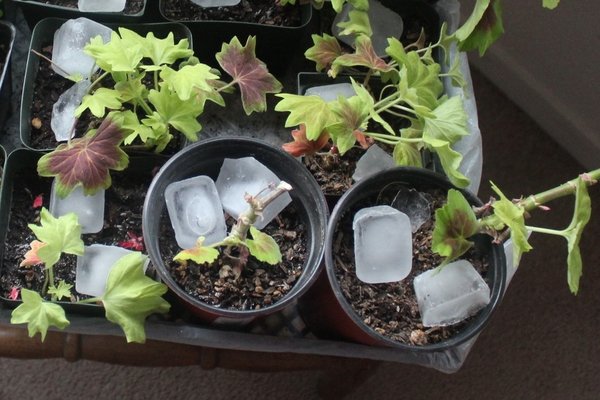
Not all indoor plants benefit from ice cubes. Choosing the right species is crucial:
a. Succulents and Cacti
- These plants store water in their leaves and are prone to root rot if overwatered.
- Using 1–2 ice cubes per week ensures slow hydration without overwhelming their roots.
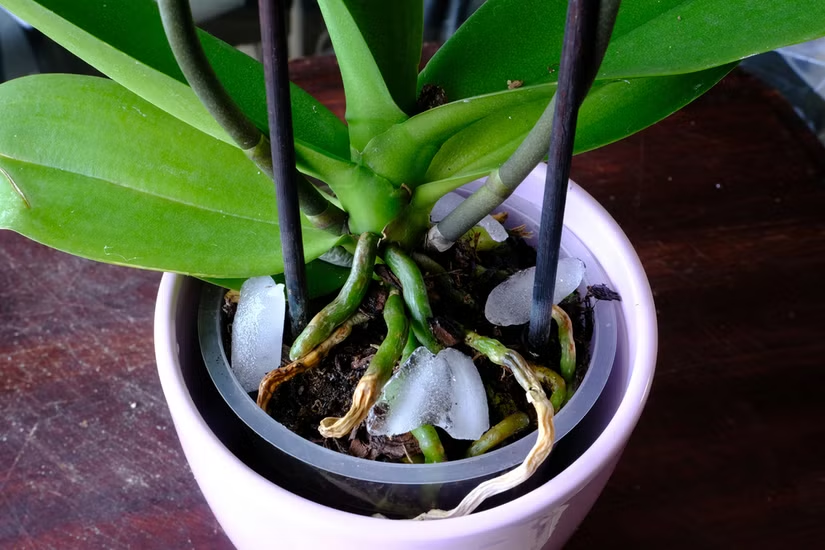
b. Orchids (Phalaenopsis)
- Sensitive to overwatering and prone to root rot.
- Place 1–2 ice cubes near the base weekly to keep roots moist without soaking the crown.
c. Small Indoor Plants
- Plants in small pots, like pothos, spider plants, or small ferns, benefit from the controlled water release of ice cubes.
- Use 1–3 ice cubes depending on pot size.
4. Plants That Should Avoid Ice Cubes
Some plants are sensitive to cold and sudden temperature changes in the soil. Avoid using ice cubes for:

- Tropical plants with soft foliage (e.g., calathea, peace lily)
- Plants with delicate roots that prefer evenly warm soil
- Newly repotted plants or seedlings that require consistent moisture
Using ice cubes on these plants can shock the roots, slow growth, and cause leaf damage.
5. Step-by-Step Guide: Watering Indoor Plants with Ice Cubes
Step 1: Assess Plant Needs
- Determine the plant type and size of the pot.
- Check soil moisture before using ice cubes. Only use this method if soil is dry or slightly moist.
Step 2: Prepare Ice Cubes
- Standard 1-ounce cubes are ideal for small to medium pots.
- For larger pots, use 2–3 cubes.
- Optionally, freeze water with a pinch of diluted fertilizer for added nutrients (use slow-release, balanced fertilizer).
Step 3: Placement
- Place ice cubes evenly across the soil surface, avoiding direct contact with leaves or stems.
- Keep them near the base but not touching the plant crown, especially for orchids and succulents.
Step 4: Monitor Melting
- Observe as the ice melts. The water should soak into the soil gradually.
- Avoid letting the soil stay soggy for long periods.
Step 5: Adjust Frequency
- Water frequency depends on the plant species and indoor conditions:
- Succulents: 1–2 cubes per week
- Orchids: 1–2 cubes weekly
- Small tropical plants: 2–3 cubes once or twice a week
6. Benefits of Ice Cubes in Maintaining Proper Soil Moisture
The slow melting of ice cubes helps maintain even soil moisture, which is essential for root health:
- Reduces rapid evaporation, keeping soil hydrated longer.
- Encourages deeper root growth, as roots gradually access water.
- Prevents water accumulation at the surface, which can attract mold or fungal growth.
7. Common Mistakes to Avoid
Using ice cubes incorrectly can harm plants. Common mistakes include:
- Using too many cubes: Can cause waterlogging, especially in small pots.
- Placing cubes on leaves or stems: Causes cold damage or rot.
- Using ice on sensitive plants: Tropical plants and seedlings may not tolerate the sudden cold.
- Neglecting drainage: Ensure the pot has proper drainage holes to prevent standing water.
Awareness of these mistakes ensures safe and effective use of ice cubes.
8. Enhancing the Ice Cube Method
To maximize benefits:

a. Combine with Fertilizer
- Freeze water mixed with a small amount of liquid fertilizer.
- As the ice melts, nutrients are released gradually, feeding the plant safely.
b. Use in Rotating Schedule
- Alternate ice cube watering with regular watering to ensure plants receive adequate hydration during warmer months or dry indoor air conditions.
c. Track Indoor Conditions
- Ice cubes are ideal for rooms with central heating or dry air.
- Observe soil dryness and adjust cube frequency based on temperature and humidity.
9. Advantages Over Traditional Watering
While traditional watering is effective, ice cubes provide:
- Convenience: Perfect for busy schedules and short vacations.
- Precision: Avoids overwatering in small or delicate pots.
- Slow absorption: Encourages deep root hydration, preventing shallow growth.
- Reduced risk of spillage: Prevents water pooling on surfaces for indoor décor plants.
10. Considerations for Seasonal Use
Seasonal changes impact watering needs:
- Winter: Ice cube watering may reduce root shock, as soil is naturally cooler.
- Summer: Plants may need additional hydration; adjust the number of cubes accordingly.
- High humidity seasons: Fewer ice cubes are needed to avoid excess moisture and mold.
Understanding these seasonal variations ensures plants receive optimal water all year.
11. Psychological and Practical Benefits
Beyond plant health, ice cube watering offers:
- Stress-free care: Provides visual guidance on water quantity.
- Time-saving: Reduces frequent watering tasks for small indoor setups.
- Fun technique: A unique, innovative way for beginners and children to engage with plants.
- Aesthetic control: Minimizes messy watering spills on furniture or floors.
12. Conclusion
Watering indoor plants with ice cubes is a practical, innovative method when applied correctly. It allows for slow, controlled hydration, reduces overwatering risk, and simplifies plant care. By understanding which plants are suitable, properly preparing ice cubes, and following a systematic watering routine, plant enthusiasts can maintain healthy, thriving indoor greenery.

However, ice cubes are not a universal solution. Tropical plants, seedlings, or moisture-sensitive species require traditional watering methods. Awareness of plant-specific needs, proper placement, and observation ensures that this method enhances plant growth rather than causing harm.
With careful implementation, ice cube watering is a convenient, safe, and effective way to keep indoor plants hydrated, even for busy plant parents or those managing small, delicate indoor gardens.

Leave A Comment